REVIEW · ROME
Small-Group Pasta Making steps from the Vatican Museums
Book on Viator →Operated by Rome Cooking Class · Bookable on Viator
Pasta-making near the Vatican feels almost unreal. In this small-class workshop by Romina, you’ll make fresh homemade pasta and Roman favorites, starting with a sparkling-wine welcome and ending with the meal you cooked, paired with local wine.
I love the way this class mixes technique with real Italian food culture tips, not just steps on a cutting board. I also like the intimate setup—max 8 travelers—so you’re not stuck watching from the back. One thing to keep in mind: depending on how the class runs, you may spend more time doing some parts (like dough and rolling) while the host handles other pieces (like portions of the sauce), so it’s best if you’re okay with a guided workflow rather than total “everything from scratch at your station” control.
Key highlights worth planning for
- Historic kitchen location: steps from St. Peter’s Basilica, in a space that was once the Vatican granary
- Small group attention: capped at 8 travelers, so your questions get answered fast
- Tasting + pairing: you start with sparkling wine and nibbles, then end with your pasta meal and local wine
- Real Roman dishes on the menu: you’ll work with classics like Amatriciana, Cacio e Pepe, and Carbonara
- Lunch or dinner option: pick the session that fits your Vatican-day rhythm
In This Review
- Vatican-Adjacent Kitchen, Roman-Style Cooking (Without the Museum Rush)
- The Welcome: Sparkling Wine, Nibbles, and Getting Oriented
- What You Make in 3 Hours: From Dough Work to a Full Roman Meal
- Typical menu moments you can expect
- The hands-on reality (and the one consideration)
- Roman Classics You’ll Learn (and Why They Matter)
- Small Group Size: Real Questions, Faster Help
- The Setting: A Historic Space That Makes the Meal Feel Like an Event
- Price and Value: What $96.12 Buys You in Rome
- Who Should Book This Pasta Class (and Who Might Skip It)
- Quick Practical Tips Before You Go
- Should You Book This Pasta-Making Class by the Vatican?
- FAQ
- Where does the class meet?
- How long is the pasta making experience?
- Is the class offered in English?
- How many people are in the group?
- What kind of food is included?
- Can I choose lunch or dinner?
Vatican-Adjacent Kitchen, Roman-Style Cooking (Without the Museum Rush)
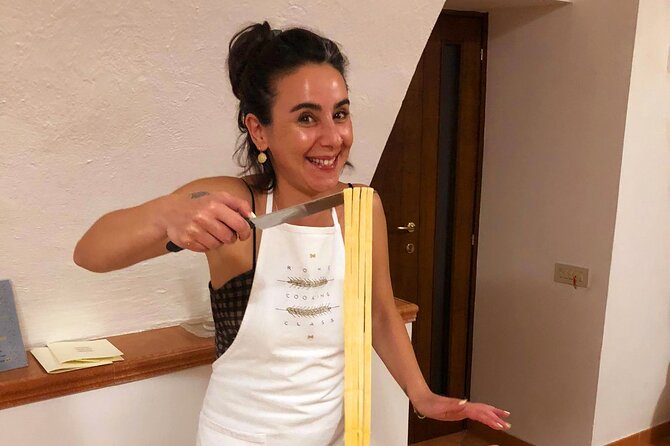
Rome can be loud, crowded, and time-crunched—especially around the Vatican. What makes this experience smart is that it turns that same neighborhood into a calm cooking break. You’re meeting at Borgo Angelico (00193 Rome), and the walk back ends right where you started, so you don’t need to re-map the city after a full afternoon.
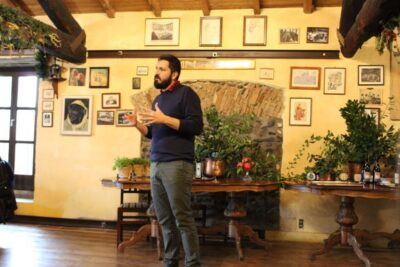
The kitchen itself is a huge part of the appeal. This isn’t a generic studio kitchen. It has historical value tied to its proximity to St. Peter’s Basilica, and it was once used as the Vatican granary. That detail matters because it shapes the tone: you’re cooking in a space that feels connected to the area’s past, not just rented-for-tour convenience.
Your session runs about 3 hours, and it’s offered in English. You’ll be given a mobile ticket, and you’ll get confirmation at booking.
If you’re the type of traveler who likes to break up a sightseeing day with something hands-on (not just another ticket line), this class is the kind of plan that gives Rome a different texture.
The Welcome: Sparkling Wine, Nibbles, and Getting Oriented
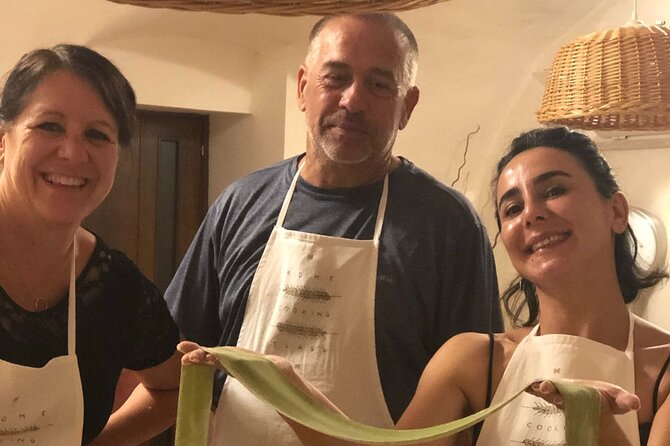
Most cooking classes start right with flour, which can be fun—but a thoughtful welcome helps you settle in. Here, you start with sparkling wine and nibbles, and you get a warm, social handoff before the apron goes on.
That first stretch is also where the host typically helps you get your bearings: how the lesson will move, what you’ll be cooking, and how to approach the pasta-making without stressing about perfection. If you’ve ever tried pasta at home and felt like it turned into a sticky mess, this is the moment to learn how not to fight the dough.
This is also when you can ask practical questions. Not theoretical questions—real ones like timing, texture, and what to do when your dough feels too dry or too soft. The small group format makes this easier, because you won’t be waiting your turn.
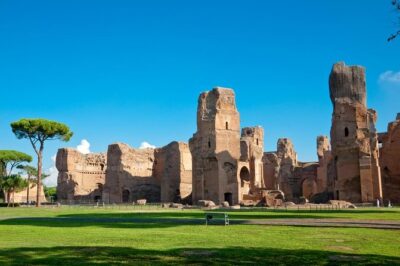
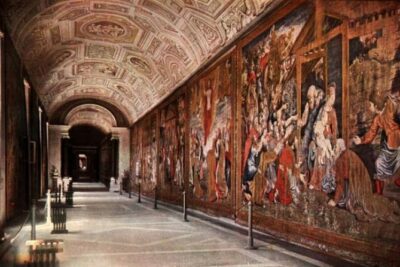
You can also read our reviews of more museum experiences in Rome


What You Make in 3 Hours: From Dough Work to a Full Roman Meal
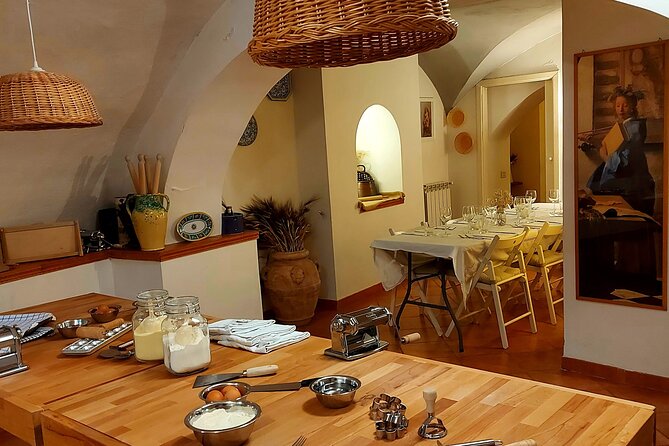
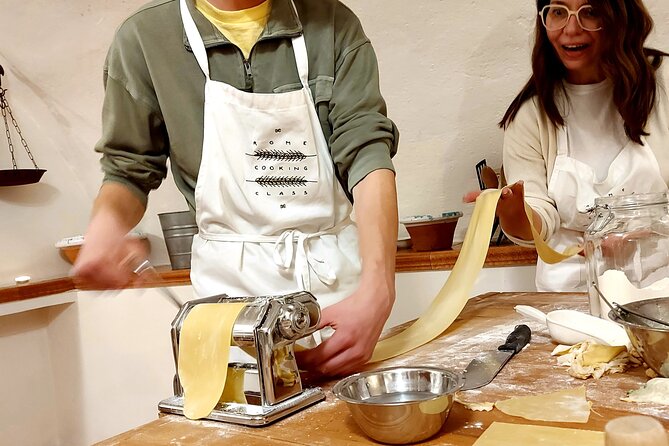
This isn’t a snack-and-watch demonstration. The structure is hands-on enough that you’ll walk out with the satisfaction of having produced actual food. The lesson wraps up with you eating what you made—plus wine.
Typical menu moments you can expect
From the sample menu, here’s the kind of flow you’re likely to see:
- Starter: Bruschetta with cheese, roast peppers, and olives
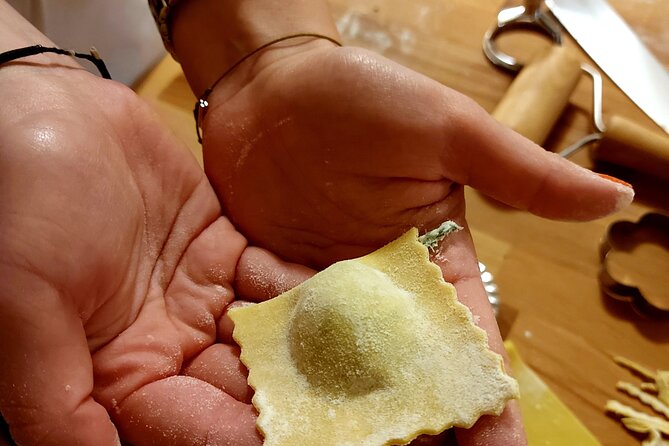
- Main: Green Ravioli filled with racconta, pecorino, and lemon zest, with cherry tomato sauce and basil
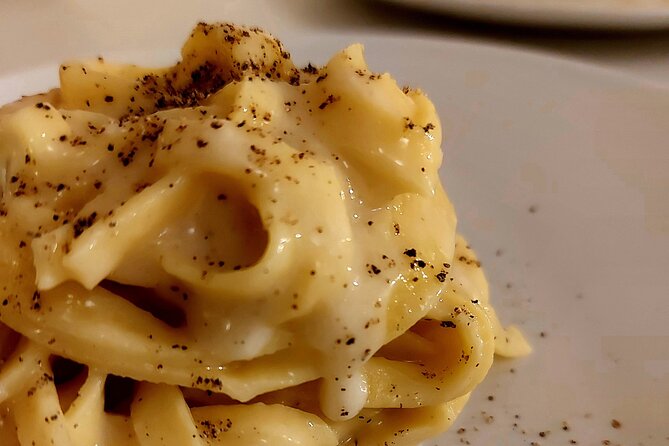
- Main: Homemade Fettuccine served with traditional Amatriciana sauce
- Dessert: tiramisù or strawberries and cream
You’ll also learn how to make fresh homemade pasta and traditional Roman dishes such as Amatriciana, Cacio e Pepe, and Carbonara. The exact mix depends on the class, but the direction is clear: you’re not just learning one pasta shape. You’re building a small understanding of how Roman flavors show up across dishes.
The hands-on reality (and the one consideration)
One potential drawback to factor in: depending on how the class is paced, you might spend about 3 hours where you’re actively working some sections (like dough and rolling), while other parts—especially sauce work—may be handled by the host. That can still be a good time, especially if you’re focused on learning the pasta technique.
But if your dream is standing at your own station doing every single component step-by-step, this may feel like more guidance than full workshop independence. The good news is that even in guided classes, you’ll still come away with a repeatable process for pasta making and a meal you didn’t have to cook back home from scratch.
Roman Classics You’ll Learn (and Why They Matter)
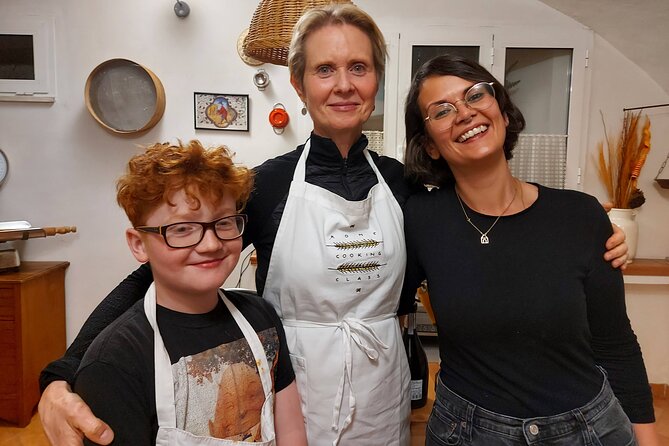
Roman cuisine has a reputation for being straightforward, but that can fool you. The simplicity is the point: a few key ingredients and a tight technique. Even if you don’t go home reciting formulas, you’ll come away with a sense of how Romans build flavor.
In this class, the Roman anchor dishes include:
- Amatriciana
- Cacio e Pepe
- Carbonara
You’ll see these ideas reflected across your pasta and sauces. For instance, the menu includes fettuccine with Amatriciana sauce, and the lesson framework also points you toward Cacio e Pepe and Carbonara as traditional Roman dishes.
Why this matters for you as a traveler: if you’re visiting Rome for a short time, you want your food experience to connect to what you’ll actually see and order later. Learning the names and the structure helps you recognize dishes in restaurants, and it makes your meals outside the class more fun (because you know what you’re tasting).
You can also read our reviews of more cooking classes in Rome

Small Group Size: Real Questions, Faster Help
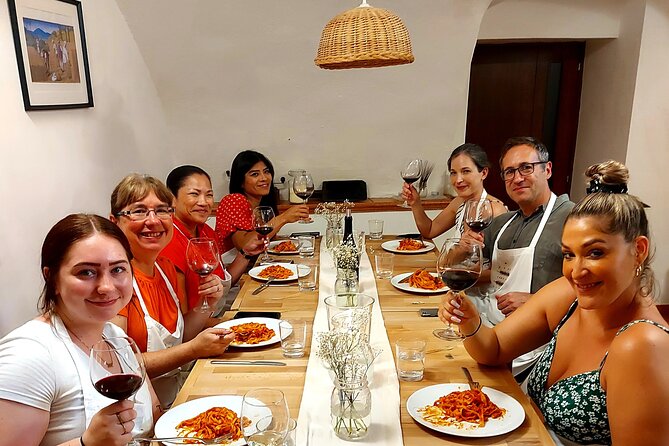
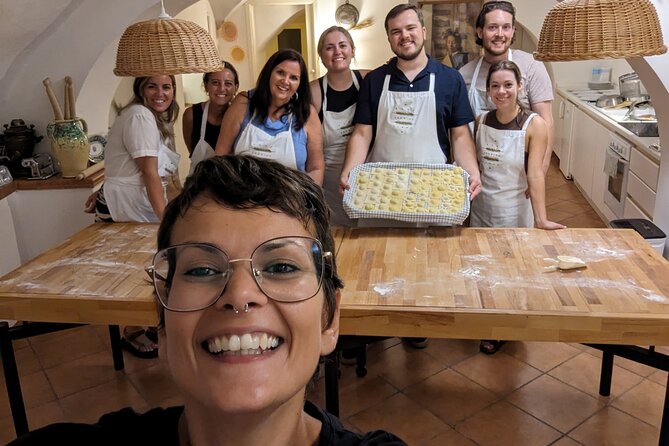
With a maximum of 8 travelers, the classroom energy is different than the big-factory cooking schools. You’re more likely to get one-on-one coaching when something doesn’t go right.
That small group size also changes how you experience the workshop emotionally. You’re not trying to keep up with a dozen people. If you’re learning pasta handling for the first time, that reassurance helps.
In practical terms, here’s what you can look for during your session:
- you’ll be able to ask questions without waiting
- your dough and rolling technique can get corrected in real time
- you can pace yourself instead of feeling rushed
This is one of the most consistently praised reasons to book.
The Setting: A Historic Space That Makes the Meal Feel Like an Event
Eating in a cooking class can feel like an afterthought in some places. Here, the setting supports the meal as part of the experience. The kitchen’s historic context—being near St. Peter’s and once linked to the Vatican granary—creates a tone that feels memorable even before you taste anything.
Then there’s the pacing: sparkling wine and nibbles early, pasta-making during the session, and the wrap-up includes enjoying your food paired with carefully selected local wine. That combination makes the meal feel like the payoff, not just the ending.
Also, it’s worth noting that sessions can be a good break between Vatican-area activities. Since the meeting point is close to St. Peter’s, this is a convenient way to get off your feet for a few hours without going far across town.
Price and Value: What $96.12 Buys You in Rome
At $96.12 per person for about 3 hours, it’s not the cheapest thing you’ll do in Rome. But you’re buying several layers of value:
- a small-group setup (max 8)
- hands-on pasta-making guidance
- a structured menu that includes starter, mains, and dessert
- sparkling wine at the start and local wine with the meal
- instruction in multiple Roman directions (pasta plus Roman classics)
Where it can feel less like value is if you were expecting full “you make every component from scratch” independence. Some sessions may feel more like guided participation than a completely DIY kitchen marathon.
So I’d treat the price as fair if you want the experience of cooking with attention and eating what you made, in a historic setting. I’d think twice if your #1 goal is total control of every sauce step.
A smart tactic: book early. The average booking window is about 36 days in advance, which usually means popular days can fill.
Who Should Book This Pasta Class (and Who Might Skip It)
This class fits best if you:
- want a hands-on food activity in the Vatican area
- like learning techniques you can repeat at home
- enjoy sitting down with what you cooked (with wine)
- appreciate a smaller group where you actually get coaching
It also works well as a family-friendly “Roman break” if you’re traveling with kids who can handle a meal-based activity. The vibe tends to be more relaxed than a strict cooking-school environment.
You might skip it (or choose carefully) if:
- you want maximum hands-on on every single menu component, not just dough/rolling portions
- you’re hoping for a long, independent cooking lab with minimal host-led cooking
Quick Practical Tips Before You Go
- Wear something you can move in. Pasta work gets physical, even when the class is guided.
- Go in hungry. You’ll start with nibbles, but the real meal comes at the end.
- Plan it between Vatican sights. The walk from St. Peter’s area makes it a natural mid-day reset.
- If you’re sensitive to timing, know the whole session is about 3 hours, so you’ll want breathing room before and after your Vatican stops.
Should You Book This Pasta-Making Class by the Vatican?
I think it’s a strong yes if you want one of the best ways to experience Rome beyond walking and photos. The ingredients and dishes are clearly Roman, the pacing includes both tasting and technique, and the small-group limit makes it feel personal rather than assembly-line.
But if your expectation is that you personally create every sauce and component step-by-step, go in with eyes open. This style of class can be more guided than DIY, and that’s the main reason someone might feel it’s not as hands-on as hoped.
If you’re aiming for a memorable meal you helped make, with coaching you can actually use later, book it—especially if your dates line up with when the class is already filling up.
FAQ
Where does the class meet?
The meeting point is Borgo Angelico, 00193 Roma RM, Italy. The activity ends back at the meeting point.
How long is the pasta making experience?
It’s about 3 hours.
Is the class offered in English?
Yes, it’s offered in English.
How many people are in the group?
The class has a maximum of 8 travelers.
What kind of food is included?
You’ll start with sparkling wine and nibbles, then you’ll make fresh homemade pasta and traditional Roman dishes, and you’ll end by enjoying the meal you prepared, paired with local wine. The sample menu includes bruschetta, ravioli, fettuccine with Amatriciana sauce, and either tiramisù or strawberries and cream.
Can I choose lunch or dinner?
Yes, you can choose a lunch or dinner class to fit your schedule.