REVIEW · ROME
Shades of Italian Terroir – a tasting of minimal intervention wines
Book on Viator →Operated by VinoRoma Wine Studio & Social Club · Bookable on Viator
Rome has wine in the walls and in the conversations. This tasting, run by VinoRoma Wine Studio & Social Club, is built around minimal intervention Italian wines and the stories behind soil, climate, and techniques. I like that you taste six distinct wines in about two hours, and I also like the human side: your sommelier guide helps you connect what you notice to why it’s happening. One thing to consider is the timing and the rules: it starts at 5:00 pm, runs for roughly 2 hours, and children under 12 aren’t admitted.
The experience is designed for real people, not wine-lecture robots. You’ll get a quick tasting refresher first, then move into a set of very different styles from across Italy, with finger foods that keep things relaxed and on-topic. If you’re sensitive to pace, you’ll want to know this is small-group by design (up to 12), so you’ll either love the close Q and A flow—or you might find it less suited to a quick, hands-off stop.
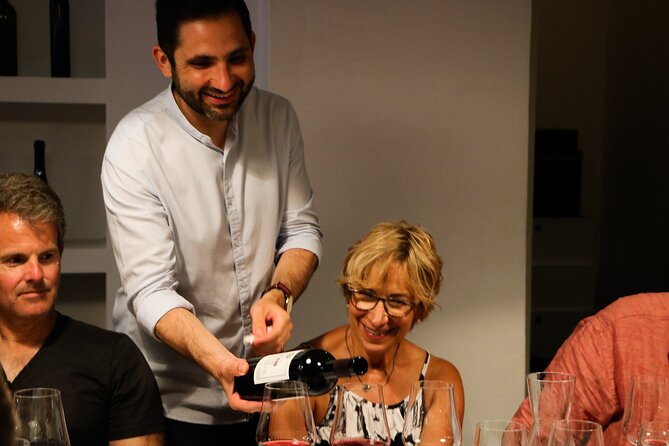
You can expect printed info and learning materials, and a guide who talks through what you’re tasting, not just what they’re tasting. In at least one recent session, the sommelier name Frank came up as the person leading the tasting, and the vibe matched the goal: careful selections, low-intervention focus, and enough guidance to make it click.
In This Review
- Key things I’d watch for
- Why a minimal-intervention tasting works so well in Rome
- Finding VinoRoma: an intimate studio, not a big-tour factory
- The 2-hour flow: from tasting basics to six low-intervention wines
- Start with a tasting refresher
- Then you taste six wines, step by step
- You end with a clearer personal tasting toolkit
- What the guide actually teaches: terroir, technique, and your senses
- Organic and sustainable practices show up in the discussion
- Neuro-enology: why it matters for tasting
- Q and A goes where you go
- Pairing finger foods without losing the wine focus
- The value question: $96.12 for six wines and real guidance
- Logistics that matter more than you think
- Who should book Shades of Italian Terroir
- Should you book this tasting?
- FAQ
- How many wines are included in the tasting?
- How long is the experience?
- Is the tour offered in English?
- What kind of food is included?
- Is there a limit on group size?
- Are children allowed?
- What’s the cancellation policy?
Key things I’d watch for
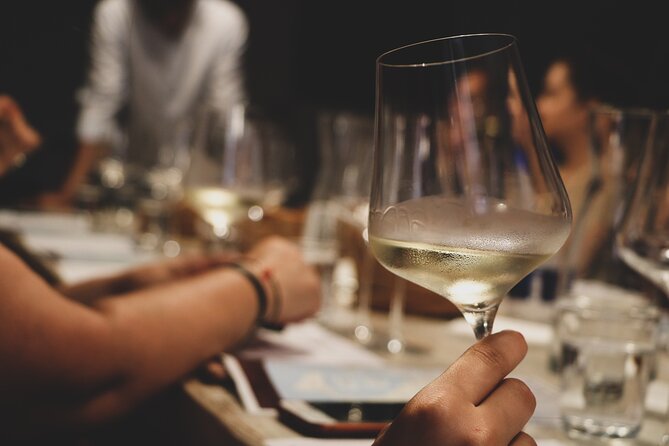
- Six wines, real variety: You’re not just sampling similarities—you’re meant to notice contrasts.
- Low-intervention focus: The wines lean toward organic and sustainable-minded methods and techniques.
- Sommelier-led meaning: Each wine comes with explanations you can use next time you shop or order.
- Taste with support: You start with a tasting refresher, so you can follow along even if you’re new.
- Finger foods pairing: Light bites help you stay in tasting mode without getting bogged down.
- Small group feel: With a maximum of 12, you get time for questions without feeling rushed.
Why a minimal-intervention tasting works so well in Rome
Rome is perfect for wine learning because it’s both old and practical. You can walk past historic churches in the morning and end the day thinking about agriculture, tradition, and what’s changing now. This particular format—Shades of Italian Terroir—is a smart way to understand Italian wine without getting trapped in grape-name memorization.
The big theme here is minimal intervention. That means the wines you’ll taste are chosen to highlight how less meddling in the cellar can preserve (or at least spotlight) what’s already happening in the vineyard: soil, climate, and grape behavior. Even if you don’t care about technical farming debates, this approach is useful because it makes your sensory comparisons more honest. You can often feel when a wine is trying to be something, and you can feel when it’s just telling you what the place wanted to say that year.
And because the tour includes a tasting refresher at the start, you’re not left to guess how to taste. You’ll learn how to observe what you see, smell, and taste, then connect it back to the wine’s choices.
You can also read our reviews of more food & drink experiences in Rome
Finding VinoRoma: an intimate studio, not a big-tour factory
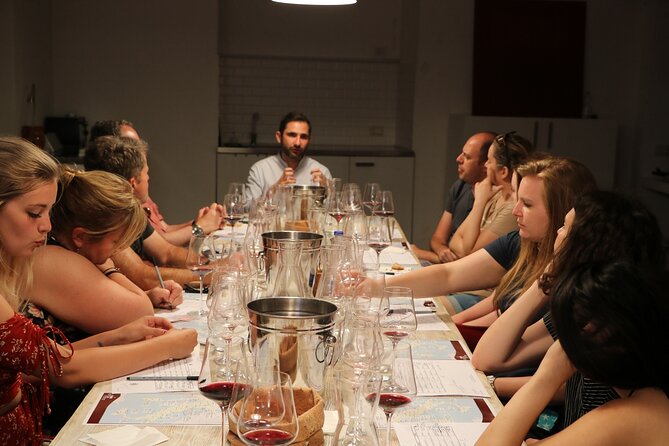
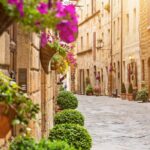
The tasting happens at VinoRoma Wine Studio & Social Club, at Via in Selci, 84/G, 00184 Roma RM. It’s near public transportation, which matters in Rome where a lot of great stuff is walkable but not always time-friendly. Starting at 5:00 pm also means you’re not competing with the midday crush of sightseeing.
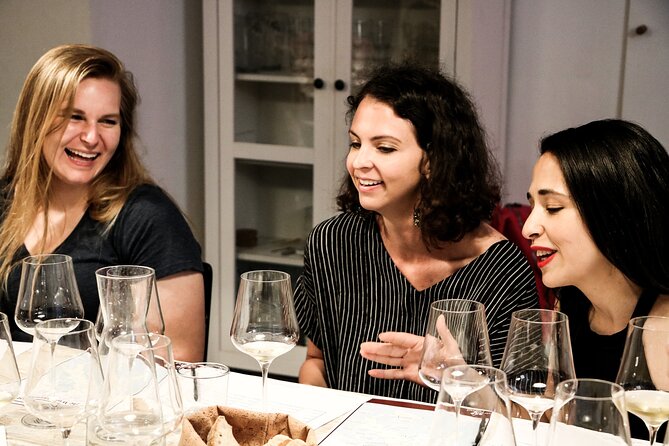
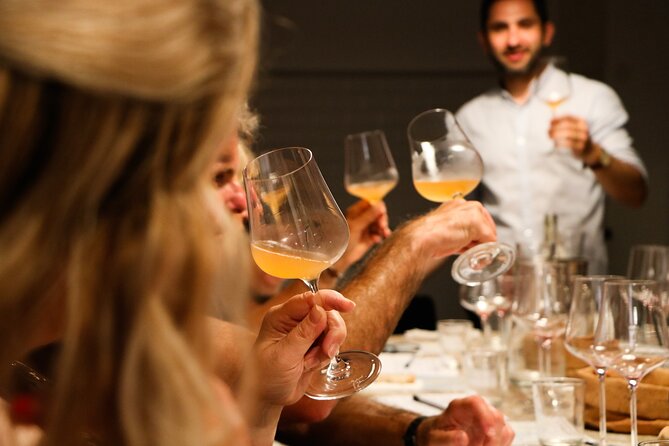
This place is set up for conversation. The format is deliberately small (up to 12 travelers), and that changes everything. In a larger group, the guide might teach and you might listen. Here, the guide can pivot based on what you’re noticing in your glass. That’s the whole point: you’re practicing a skill, not just consuming samples.
The studio setup also makes it easier to take the tasting seriously without turning it into a stuffy classroom. You’ll still get explanation—just in a way that lands. If you like a calm, focused evening, this is a good match.
The 2-hour flow: from tasting basics to six low-intervention wines
The experience runs about 2 hours, and it follows a clear rhythm:
Start with a tasting refresher
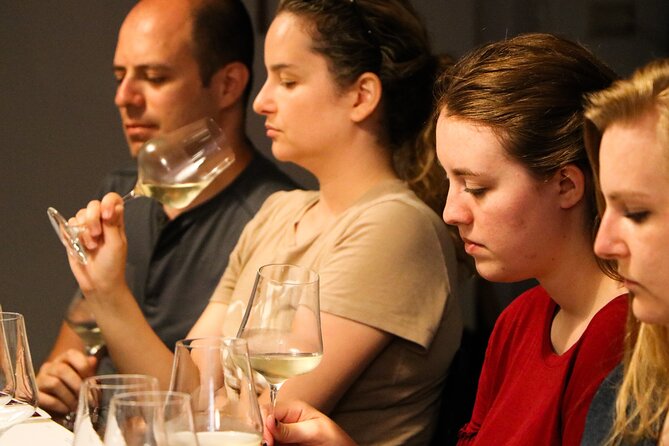
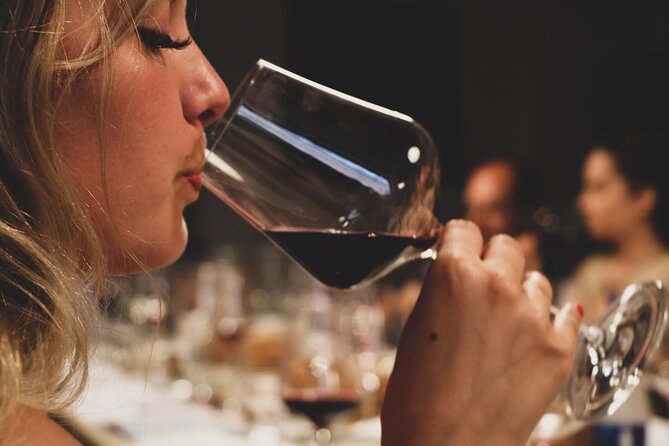
Before you taste your first glass, you’ll get a quick recap of how to taste wine. That may sound simple, but it’s the difference between random drinking and real learning. The refresher gives you a framework for what to do next: observe the look, then smell, then taste, and—most importantly—describe what you’re getting without needing the perfect vocabulary.
You’ll also talk about how your own perception works. That’s key for a tasting like this because low-intervention wines can be expressive in ways that aren’t always instantly flattering or obvious. The goal isn’t to chase points or preference. The goal is to notice.
Then you taste six wines, step by step
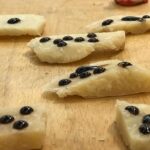
After the refresher, you move through six Italian low-intervention wines, coming from different regions and styles. Each wine is paired with finger foods, so you’re not tasting in isolation. Light bites also help reset your palate between glasses, which makes your comparisons clearer.
As you taste, you’ll be introduced to a new characteristic and the reasons behind it. This is where terroir becomes practical. Instead of hearing abstract words like soil or climate, you learn how those factors can show up as texture, aroma, acidity, and balance in the glass.
You can also read our reviews of more wine tours in Rome



You end with a clearer personal tasting toolkit
A big promise of this tour is that it helps you use your experience later. By the end, you should walk away knowing how to interpret what you like, why you like it, and what to look for when you’re ordering wine in a restaurant or picking a bottle in a shop.
What the guide actually teaches: terroir, technique, and your senses
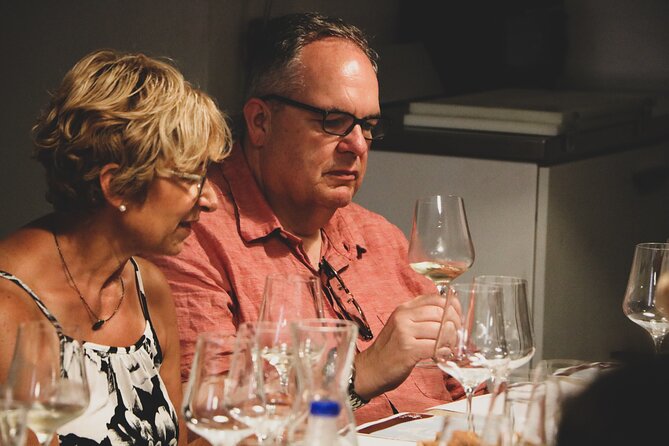
This tasting is built around the idea that wine is not magic. It’s farming plus choices in the cellar, translated through your senses. You’ll learn how regions, grapes, soils, climate, and winemaking techniques can influence the final taste.
The low-intervention angle adds a twist: it encourages the wine to speak more directly. When a wine is made with restraint, it’s often better at showing what’s going on in the vineyard—especially the way grapes ripen, how acidity holds up, and how flavors develop.
Organic and sustainable practices show up in the discussion
The tour’s description points to organic and sustainable farming, and that matters because it ties directly to the “terroir story.” Even if you don’t want to become a vineyard detective, you’ll at least understand what people are referring to when they say organic terroir, and why certain techniques affect fermentation and overall character.
Neuro-enology: why it matters for tasting
You’ll also get a peek into neuro-enology. In plain terms, it’s the idea that tasting is shaped not only by wine chemistry, but by the brain’s interpretation—expectations, context, and even how you pay attention. For you, that’s practical: if you learn how perception works, you can taste more confidently and stop second-guessing yourself.
Q and A goes where you go
One of the best parts of this style of tasting is that your interest shapes the depth. If you’re a beginner, the guide can keep things straightforward and sensory-focused. If you’re already a wine person, you can ask follow-up questions about techniques, terroir, and why certain styles show up in certain regions.
Pairing finger foods without losing the wine focus
The pairing is part of the value here. Finger foods keep things casual and help you practice pairing instincts without turning the tasting into a formal multi-course meal.
What I like about this approach is that it supports the tour’s learning objective. You’re not just tasting and guessing. You’re tasting while the food gently tests your palate.
In a minimal-intervention tasting, that’s especially useful because these wines can be more nuanced in texture and acidity. Small bites help you notice whether the wine stays balanced or becomes too sharp, too dry, or too subdued.
And since the wines come from across Italy, you’ll start to see how Italian pairing logic often leans on acidity, herbs, and food-friendly structure rather than loud flavor tricks.
The value question: $96.12 for six wines and real guidance
At $96.12 per person for a roughly 2-hour experience, you’re paying for three things: the wines, the pairing, and the instruction. The wine alone could easily cost more than that if you were to order these styles individually at a restaurant—especially if you’re trying to taste multiple regions and styles in one evening.
But the bigger reason the price can feel fair is the format:
- Six wines means you get comparison practice, not just one “wow” bottle.
- A certified sommelier and wine educator gives you explanations you can reuse.
- The small group size (max 12) increases the chance you’ll actually ask questions and get answers.
If you love wine already, this kind of guided tasting can turn into faster learning than reading books or watching videos. If you’re new, the tasting refresher plus the step-by-step wine explanations can prevent that common first-tasting problem: not knowing what you’re supposed to notice.
Logistics that matter more than you think
This is one of those tours where small details affect the experience.
- It starts at 5:00 pm, so plan your day around it. If you’re doing early museum time, you’ll want a buffer so you’re not rushing in with tired taste buds.
- It’s offered in English and includes printed info and learning materials, which helps you keep track after the last glass.
- Tickets are mobile, which is convenient in a city where getting things done quickly is half the travel game.
- It’s near public transportation, helpful if you don’t want to rely on cabs in the evening traffic.
And yes, there’s a clear children policy: children under 12 aren’t admitted, and those aged 12 to 16 may be present but can’t take part and have to pass the time quietly. If you’re traveling with younger kids, this affects your planning.
Who should book Shades of Italian Terroir
I’d especially recommend this tour if you:
- Want to taste low-intervention wines with context, not just samples
- Like hands-on learning where the guide connects what you smell and taste to why it’s happening
- Are curious about Italy beyond the “default bottle” choices
- Appreciate a small-group setting where questions aren’t treated like a disruption
It’s less ideal if you’re looking for a fast drink-and-leave stop, or if you’re sensitive to a guided, discussion-led format.
Should you book this tasting?
If your goal is to leave Rome with a better tasting brain—not just a fuller stomach—this is a strong pick. The combination of six low-intervention Italian wines, finger food pairing, and sommelier-led explanations (with a flexible Q and A approach) is exactly what turns wine into something you understand.
Book it if you want practical takeaways for ordering and buying wine later. Skip it if your schedule can’t handle a 5:00 pm start, or if you prefer something more informal and unguided.
Either way, it’s a thoughtful, well-paced way to spend an evening—learning to taste with confidence, one glass at a time.
FAQ
How many wines are included in the tasting?
You’ll taste six Italian low-intervention wines.
How long is the experience?
The tour lasts about 2 hours.
Is the tour offered in English?
Yes, it’s offered in English.
What kind of food is included?
The wines are paired with finger foods.
Is there a limit on group size?
Yes, the experience has a maximum of 12 travelers.
Are children allowed?
Children under 12 are not admitted. Children aged 12 to 16 may be present but can’t take part in the tasting and must pass the time quietly.
What’s the cancellation policy?
You can cancel for a full refund up to 24 hours before the start time. If you cancel less than 24 hours before, the amount paid is not refunded.