REVIEW · ROME
Semi-private Tour of the Vatican Museums
Book on GetYourGuide →Operated by Trajan Tours · Bookable on GetYourGuide
The Vatican Museums move fast, unless you plan. This semi-private tour gives you skip-the-line entry and a guided route through the big-name rooms without feeling like cattle. I love the small-group feel, with enough time for questions and real explanations that make famous art click into place.
What I like most is the mix of blockbuster stops (Sistine Chapel, Raphael Rooms) and the specific collection highlights like the Laocoon group and Belvedere torso. One possible drawback: with a 2.5-hour time window, you’ll see a lot, but you won’t linger for hours in every room at your own pace.
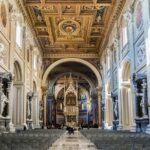
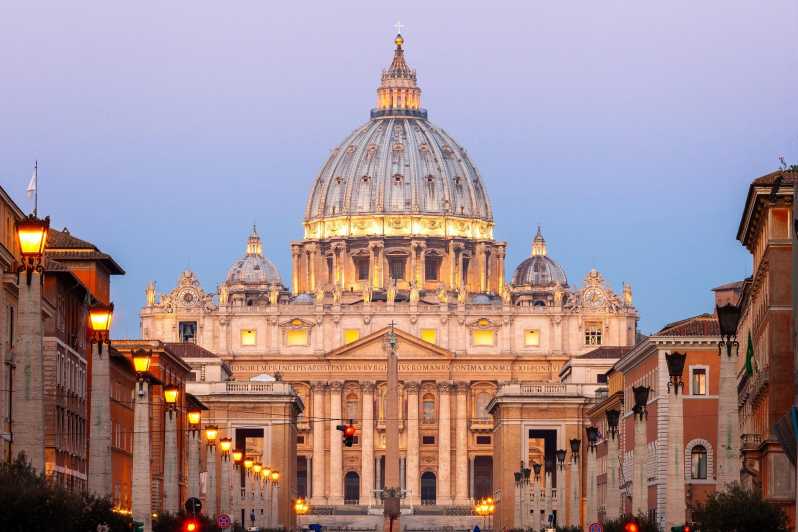
The best bonus is the end of the tour: a guided-tour exit that takes you into St. Peter’s Basilica, where you can reset your eyes from frescoes and marble scale to full-on church grandeur.
In This Review
- Key highlights at a glance
- Skip-the-line entry and the semi-private pace you’ll feel
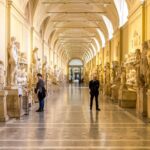
- The core route: Pio-Clementine Museums and the art that anchors the visit
- Gallery of Maps: why that 16th-century room feels surprisingly relevant
- Raphael Rooms: where political messages hide in plain sight
- Borgia Apartments: adding a darker thread to the story
- Sistine Chapel: how to make the most of your short time
- Ending with a guided exit into St. Peter’s Basilica
- What you’re really paying for at about $123.48
- Best fit: who this tour suits and who should choose another plan
- Practical notes you should plan for
- Should you book this semi-private Vatican Museums tour?
- FAQ
- How long is the Semi-private Tour of the Vatican Museums?
- What time does the tour start?
- How much does the tour cost?
- Is there skip-the-line access?
- How big is the group?
- Does the tour include the Sistine Chapel?
- Does the tour include St. Peter’s Basilica?
- What languages are available for the live guide?
- What’s the cancellation policy?
Key highlights at a glance
- Officially licenced guide who keeps the story clear from room to room
- Up to 14 people (often around a dozen), so the pace feels human
- Pio-Clementine Museums stops include the Laocoon group and Belvedere torso
- Raphael Rooms, Borgia Apartments, and Gallery of Maps in one tight route
- Sistine Chapel time with Michelangelo’s ceiling and Last Judgment
- Guided exit into St. Peter’s Basilica not open to the general public
Skip-the-line entry and the semi-private pace you’ll feel
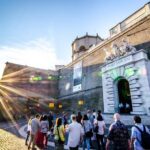
If you’ve ever queued at the Vatican, you already know the truth: the lines are the real attraction, and not in a good way. This tour is built to fix that. You get skip-the-line access and start moving into the Museums quickly, with a guide leading the route instead of you hunting for the next room.
I also appreciate the group size. This is not a 40-person shuffle. With no more than 14 spots available (and typically no more than twelve), you get more direct attention. That matters in a place like the Vatican, where the art is dense and the “what am I looking at?” moments can pile up fast.
Still, be realistic. A 2.5-hour format means you’ll leave the Vatican Museums knowing the main highlights, not having studied every corner. If you’re the type who wants to sit quietly in one room for 45 minutes, you might find yourself wishing the tour ran longer.
You can also read our reviews of more private tours in Rome


The core route: Pio-Clementine Museums and the art that anchors the visit
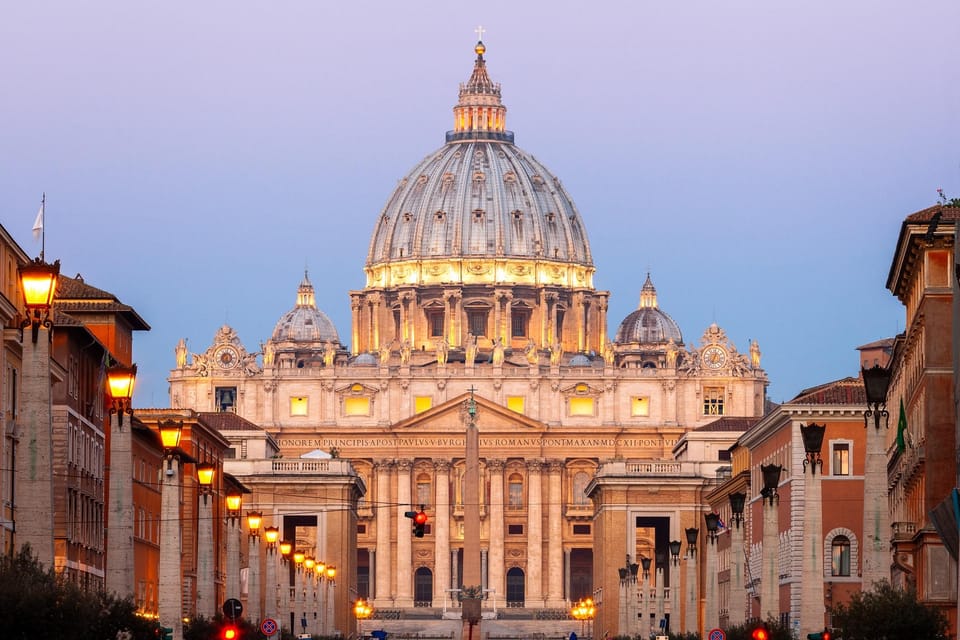
Your tour begins with time in the Pio-Clementine Museums. This is a strong start because it gives you a foundation before you move into the “museum famous” rooms. It’s easier to appreciate everything later when you’ve first seen some of the Vatican’s most iconic sculpture.
Two stops here are worth circling in your mind:
- Laocoon group: This is the one that makes people stop mid-walk. The figures feel dramatic even if you’re just seeing them from a few steps back, and the guide’s commentary helps you notice details you’d otherwise miss.
- Belvedere torso: Even though it’s not a whole figure, it’s a masterclass in how ancient sculptors used form and tension to suggest motion. If you’ve ever wondered why marble can look like it’s breathing, this is one of the places where that question gets answered.
After sculpture, you’ll move into the museum’s picture-gallery side with the Gallery of Tapestries. The Vatican isn’t only about statues and ceilings. Seeing large decorative works here helps you understand how the Church collected and displayed power, not just beauty.
A practical tip for this section: keep your phone put away for the first minute. Let your eyes adjust and let the guide talk. In these galleries, the important things are often small—chisel marks, proportions, narrative gestures—things that won’t show up well in a quick photo anyway.
Gallery of Maps: why that 16th-century room feels surprisingly relevant
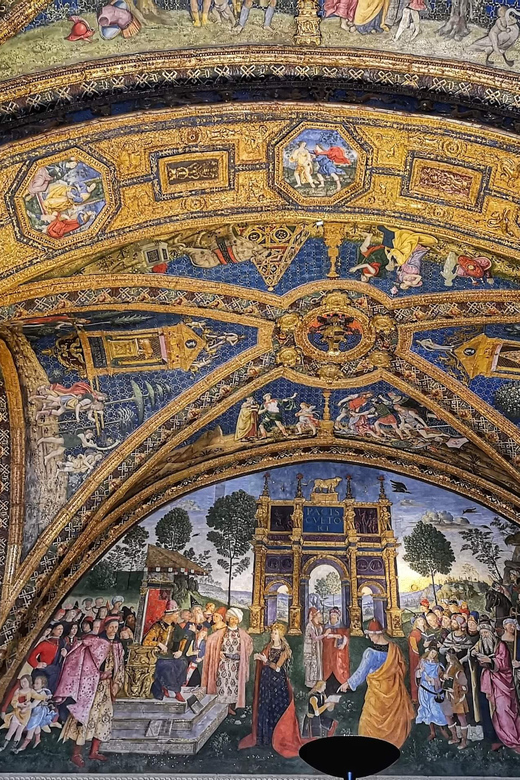
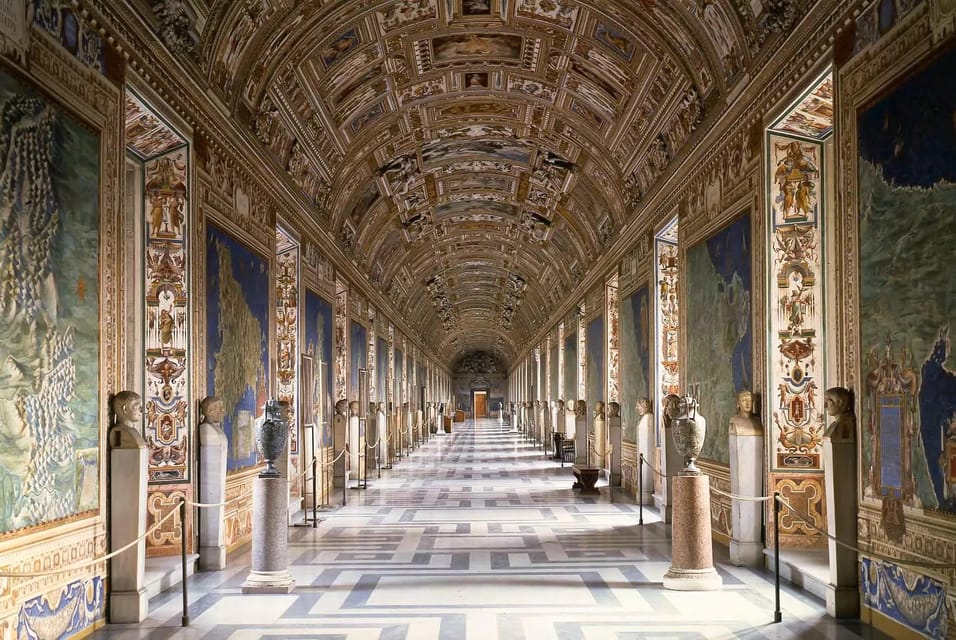
Next comes the Gallery of Maps, painted in the 16th century. It’s one of those spaces that looks like decoration until you realize what it’s doing: it’s a way of organizing the world. And the Vatican used art as a tool for education, influence, and display.
You’ll probably notice two things as you’re guided through it:
First, it’s a change of pace from sculpture. This room is visually busy, and a guide helps you track what you’re seeing without getting overwhelmed.
Second, it gives you context for the Vatican’s position in Europe at the time. You’re not just looking at locations. You’re looking at an era’s idea of how the world should be arranged and understood.
The value of this stop is that it helps you connect the dots. Later, when you’re in rooms filled with frescoes tied to Papal authority, you’ll understand the “why” behind the art program more easily.
Raphael Rooms: where political messages hide in plain sight
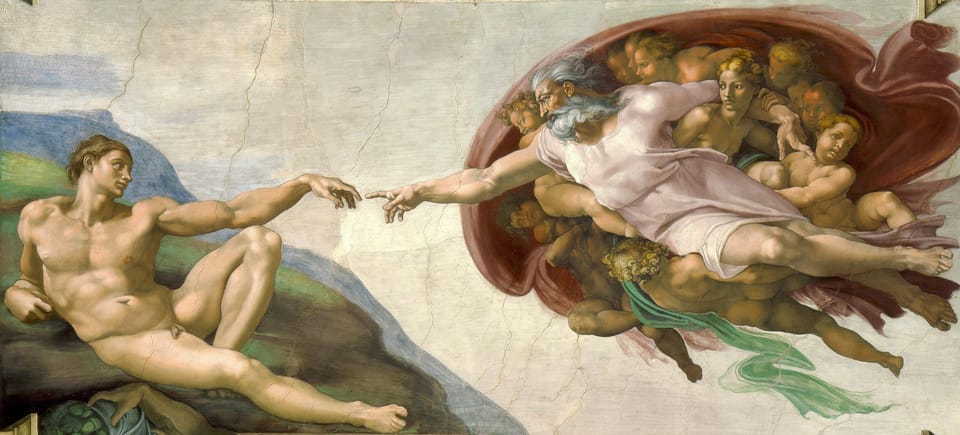
Then you’ll enter the former Papal apartments, commonly referred to through stops like the Raphael Rooms. This is where the tour becomes less about individual masterpieces and more about the room-as-a-message idea.
The Raphael Rooms matter because they show how art served leadership. This is not only aesthetic. It’s instructional and symbolic—built to communicate big ideas to visitors and insiders.
One reason this stop works in a semi-private format: the guide can slow down just enough to explain the logic. Big groups often rush through these rooms to keep everyone together. Here, the small size helps you stay oriented, which means you leave with a clearer sense of what each fresco cycle is trying to say.
A practical move: if you like art explanations, this is a great point to ask questions. If you wait too long, you’ll be knee-deep in the Sistine Chapel line-up of awe.
Borgia Apartments: adding a darker thread to the story
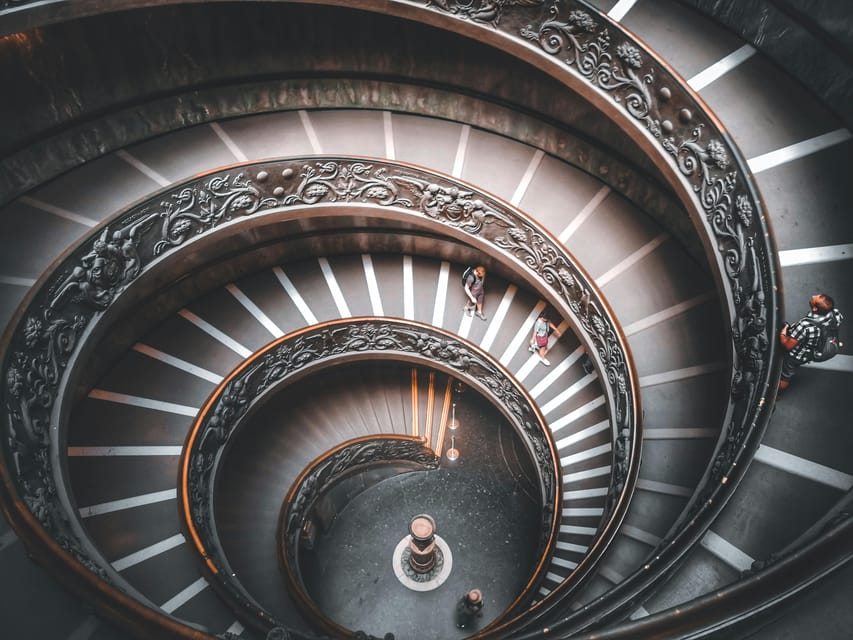
You’ll also see the Borgia apartments. These rooms add another layer to the Vatican experience because they shift tone. Where some areas feel like formal celebration, this part can feel more politically charged.
Even if you don’t know the names and details ahead of time, the guided route helps you link the imagery to the people and power structures behind it. That’s exactly the kind of context that makes the Vatican less like a checklist and more like a narrative.
The main drawback to remember here: you’re still on a clock. You will see a meaningful portion, but you may not be able to linger on every panel or corner. That’s a trade-off for the efficiency that makes the tour worth it.
You can also read our reviews of more museum experiences in Rome
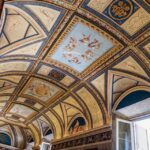

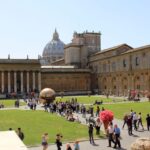

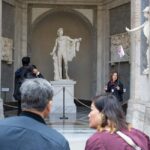
Sistine Chapel: how to make the most of your short time
The tour reaches the Sistine Chapel, named after Pope Sixtus IV. This is the obvious highlight, but it’s also where timing and attention matter most.
You’ll spend a little time in the chapel so you can take in Michelangelo Buonarotti’s ceiling and the Last Judgment. Even with limited time, the difference between a quick glance and a guided look is huge. A guide can point your eyes toward what you might otherwise miss—how the ceiling scenes are organized and what the Last Judgment is emphasizing.
Two things to keep in mind so your experience feels satisfying:
First, expect rules and crowd behavior inside the chapel area. This isn’t a casual museum room where you stretch out and breathe.
Second, treat your time like you would in a theater: look up, follow the explanations, and don’t try to memorize everything. You’re there to understand what makes Michelangelo’s work so lasting, not to complete an art history exam.
If you’re tempted to rush for photos, resist. Your best payoff comes from the guided focus.
Ending with a guided exit into St. Peter’s Basilica
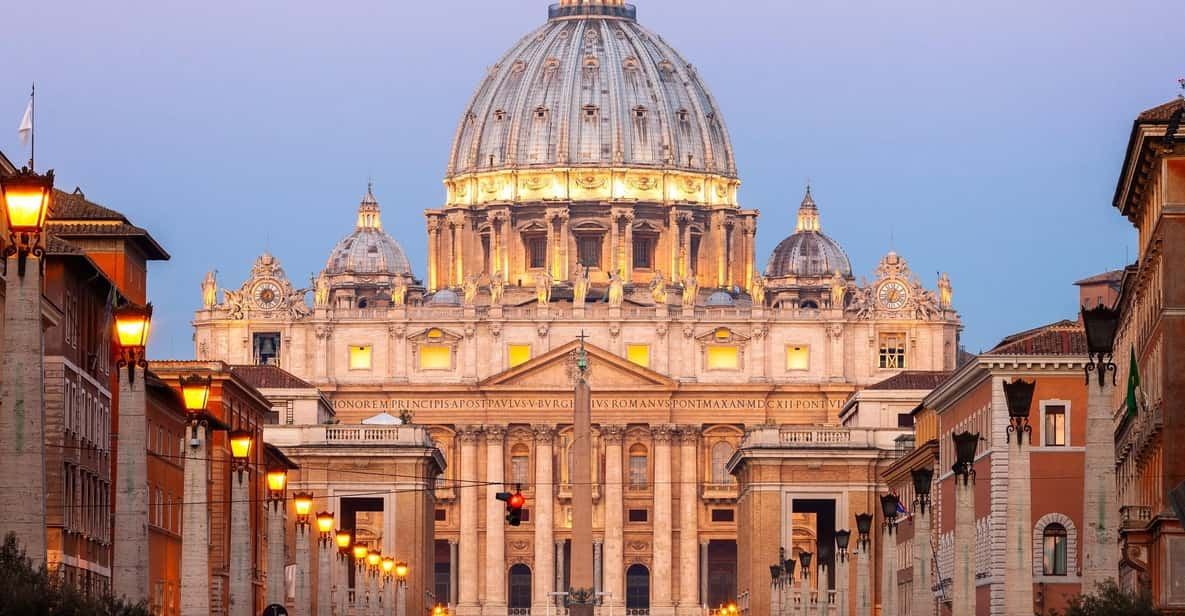
Here’s a standout feature that’s easy to overlook until you’re standing in it: the tour ends with exclusive access to St. Peter’s Basilica via the guided tour exit, not the general public entry.
That matters because it changes the flow. Instead of you arriving at the Basilica as another visitor searching for your way around, you transition into it as part of the tour sequence. You’ll likely feel less disoriented, and you’ll be primed for what you’re about to see.
The guide highlights key features and artworks inside the Basilica, so you know where to look. This is also a helpful reset after the Sistine Chapel’s ceiling scale. The Basilica is an architectural statement—huge, dramatic, and meant for awe.
If you want a tip to get value from this finale: slow down once you’re inside and let the space hit you. Then listen to the guide’s pointers. The Basilicas’ details become easier to notice when you’re not mentally still in the Museums.
What you’re really paying for at about $123.48
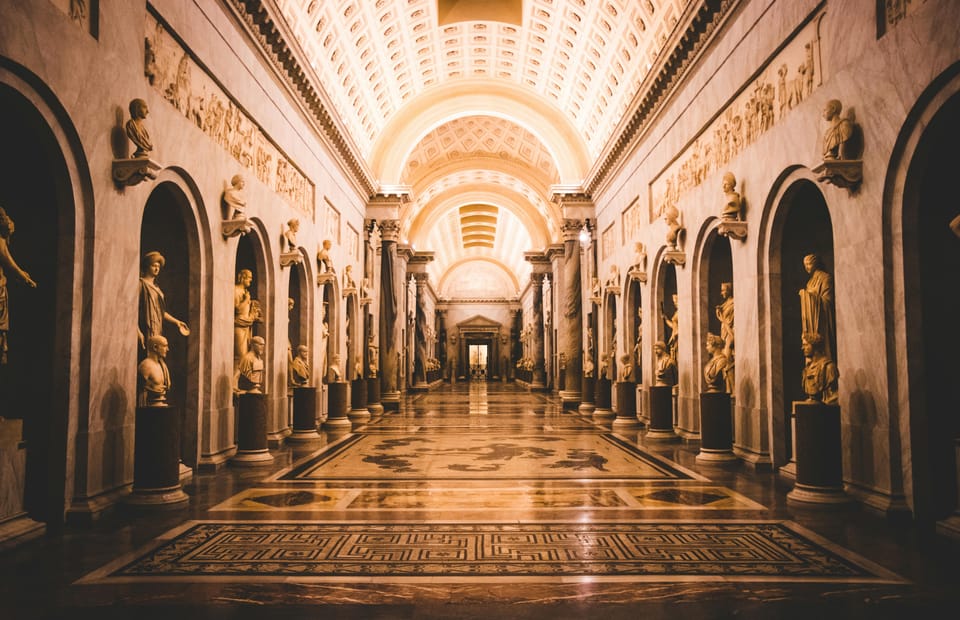
At around $123.48 per person for about 2.5 hours, the price can feel steep—until you price the alternatives in your head.
You’re paying for:
- skip-the-line entry (less time waiting)
- a live guide who can explain what you’re seeing (less time confused)
- a semi-private group size (more attention, less rushing)
In a place like the Vatican, time is expensive. Hours lost in queues can’t be “fixed” later. This tour’s structure is designed so you trade money for momentum and clarity.
Also, the schedule packs in major areas: Pio-Clementine Museums, Gallery of Tapestries, Gallery of Maps, Raphael Rooms, Borgia apartments, Sistine Chapel, then St. Peter’s Basilica. If you try to do this solo, you can absolutely assemble it, but you’ll spend much more time managing details and less time understanding the art program.
One caution on value: if you’re someone who gets overwhelmed in high-stakes crowds, the short duration is still a lot to fit in. You’ll enjoy this most if you can handle a fast but guided pace.
Best fit: who this tour suits and who should choose another plan
This tour is a great fit if you want a focused route with small-group attention and you care about understanding what you’re seeing—not just checking boxes.
It’s especially good for:
- first-time Vatican visitors who want the major masterpieces and context
- people who don’t want to spend half a day figuring out logistics
- anyone who likes art explanations that connect rooms and themes
It may be less ideal if:
- you hate any sense of timing pressure
- you prefer long stays in one chapel or gallery
- you’re traveling with someone who wants total freedom to wander without a route
Practical notes you should plan for
- Language options: live tour guide is offered in English and Hungarian. If English is your preference, double-check language at booking.
- Starting times: the schedule has different start times, since duration is 2.5 hours and availability varies.
- Comfort strategy: wear shoes you can stand in. Even with skip-the-line access, you’ll spend a lot of time on your feet moving between rooms.
- Photo expectations: you’ll see iconic spots like the Sistine Chapel and major sculpture, but your best experience will come from listening while you look, not from trying to capture everything.
Should you book this semi-private Vatican Museums tour?
I’d book this tour if you want the biggest Vatican hits with less wasted time, and you value a guide who can steer your attention to what matters. The combination of skip-the-line entry, a small group size, and the ending access into St. Peter’s Basilica makes it feel like more than a standard Museums ticket.
You might skip it (or consider a longer-format option) if you’re the type who needs lots of quiet time to sit with art at your own pace. In a 2.5-hour window, you’ll be moving, even with a friendly group.
If you’re aiming for an organized, high-value route that still feels personal, this is one of the smarter ways to do the Vatican.
FAQ
How long is the Semi-private Tour of the Vatican Museums?
The tour lasts 2.5 hours.
What time does the tour start?
You’ll need to check availability to see starting times.
How much does the tour cost?
The price listed is $123.48 per person.
Is there skip-the-line access?
Yes, the tour includes skip-the-ticket line access.
How big is the group?
It’s semi-private with no more than 14 spaces available, and it’s typically no more than twelve guests.
Does the tour include the Sistine Chapel?
Yes. You’ll visit the Sistine Chapel and spend a little time there to take in Michelangelo Buonarotti’s ceiling and the Last Judgment.
Does the tour include St. Peter’s Basilica?
Yes. The guided tour exit takes you to St. Peter’s Basilica, and this exit is described as not open for general public.
What languages are available for the live guide?
The live tour guide is available in English and Hungarian.
What’s the cancellation policy?
Free cancellation is available up to 24 hours in advance for a full refund.