REVIEW · ROME
Rome: Trastevere & Tiber Island Street Food Tour at Sunset
Book on GetYourGuide →Operated by Orange Umbrella Srl · Bookable on GetYourGuide
Sunset makes Trastevere taste better. This guided Trastevere & Tiber Island street food tour pairs Roman neighborhood history with real bites—cured meat, cheese, pizza, and supplì—served by locally owned spots as the light fades. Two things I really like: you learn the story behind what you’re eating, and you walk through old Rome instead of stopping at tourist-only counters.
One consideration: it’s a cobblestone, narrow-street walking tour, so you’ll want comfortable shoes and a decent walking pace. It also isn’t suitable for wheelchair users, since the route is on uneven ground.
In This Review
- Key highlights
- Why a Sunset Food Walk Works So Well in Trastevere
- Getting Oriented: Starting at Tiber Island’s Obelisk
- Trastevere Streets, Narrow Lanes, and Santa Maria Along the Way
- A quick heads-up on walking pace
- Tiber Island Views and the Walk Past Sistine Bridge
- Piazza Trilussa and the Relaxed Rhythm of the Evening
- The Food Stops: What You’ll Taste and Why It Matters
- The Beer and Wine Sip: A Small Inclusion With Big Impact
- Finish With Gelato Using Fresh, Natural Ingredients
- Price and Value: Is $41 for 2.5 Hours a Good Deal?
- Practical Notes Before You Go
- Should You Book This Trastevere and Tiber Island Sunset Tour?
- FAQ
- How long is the Rome: Trastevere & Tiber Island Street Food Tour at Sunset?
- What does the tour cost?
- Where do I meet the guide?
- What kinds of food will I taste?
- Are drinks included?
- Is the tour guided in English?
- What should I bring?
- Is the tour suitable for wheelchair users?
- Can I cancel and get a refund?
Key highlights
- Trastevere at sunset: the timing makes the streets feel relaxed and photogenic
- Local food stops: traditional, locally owned establishments instead of tourist traps
- Sights on the walk: Santa Maria, Tiber Island, Sistine Bridge, and Piazza Trilussa
- Classic Roman tastings: cured meat, cheese, pizza, and supplì
- Included drinks: a sip of beer and wine with tastings
- Finish with gelato: fresh, natural-ingredient-style gelato to end the tour
Why a Sunset Food Walk Works So Well in Trastevere
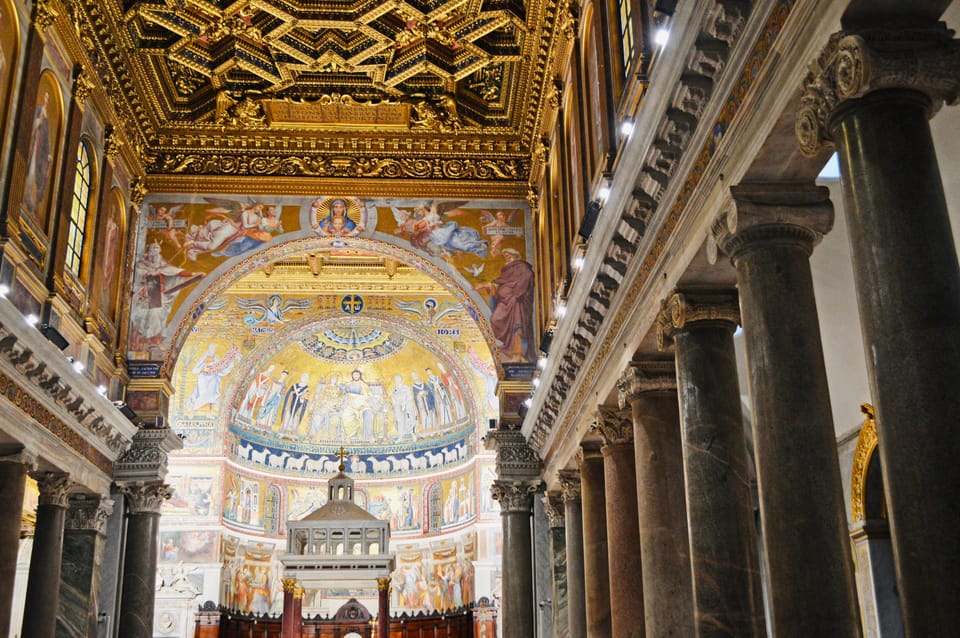
Trastevere is the part of Rome where you can feel daily life moving through the streets—neighbors chatting, small shopfronts doing steady business, and restaurant doors opening and closing all evening. Doing it at sunset matters. The light softens the hard edges of stone streets, and the whole neighborhood feels calmer, less like a checklist and more like a place you could wander for hours.
What makes this tour especially appealing is that the food isn’t treated like a separate side quest. You’re tasting local specialties while your guide explains what you’re looking at: the neighborhood’s traditions, the ingredients behind each dish, and how these things fit into Roman food culture. I like that pacing because it turns a meal into context—you don’t just eat, you understand.
And because the stops are traditional, locally owned places, the tastings feel like something Romans might actually order. That’s the difference between a quick bite and a meal that sticks with you.
You can also read our reviews of more food & drink experiences in Rome



Getting Oriented: Starting at Tiber Island’s Obelisk
Your tour begins at a specific meeting point on Tiberine Island, at the obelisk in front of the Church of St. Bartholomeo. It’s a handy start because Tiber Island gives you a sense of how the river stitches Rome together. You’ll likely get your bearings fast once you’re there, especially if you’ve never walked this stretch of the Tiber before.
From the start, the tour design is clear: you’re meant to transition from the river zone into Trastevere’s tight lanes. Expect narrow cobblestone streets and alleyways. You’re not doing long hauls between far-apart locations; you’re doing a “lots of small moments” walk where the neighborhood itself becomes the scenery.
Trastevere Streets, Narrow Lanes, and Santa Maria Along the Way
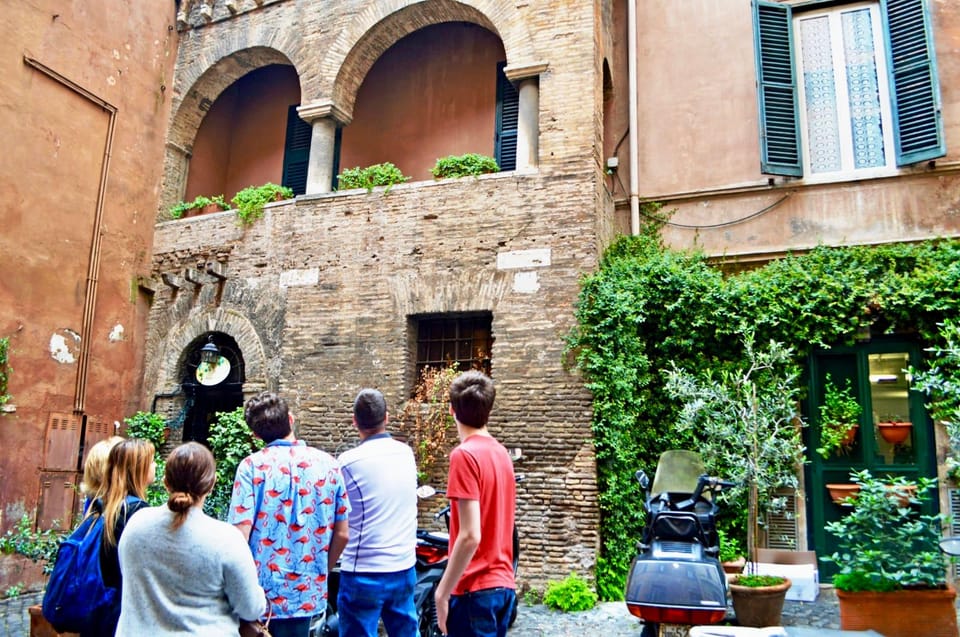
Once you move into Trastevere, the atmosphere changes quickly. This is a west-bank neighborhood known for colorful buildings and an authentic Roman feel. The tour uses that setting well: it’s not only about food stops, it’s also about learning how the area developed and why it still functions as a real neighborhood.
You’ll pass by the Basilica of Santa Maria. Even if you don’t go inside, seeing it from street level is a useful anchor. Big landmarks like that help you map the area while you’re walking, and your guide’s explanations can help connect what you’re seeing to the broader story of Rome.
Trastevere works best when you slow down a bit. On this tour, you don’t have to choose to slow down—your route and stop timing effectively force it. That’s good news if you want to enjoy Rome without the stress of planning each stop yourself.
A quick heads-up on walking pace
This is a short, 2.5-hour experience, but it’s still a walking tour through uneven streets. If you’re the type who hates stopping or starts to feel rushed on foot, keep that in mind and wear shoes you trust.
Tiber Island Views and the Walk Past Sistine Bridge
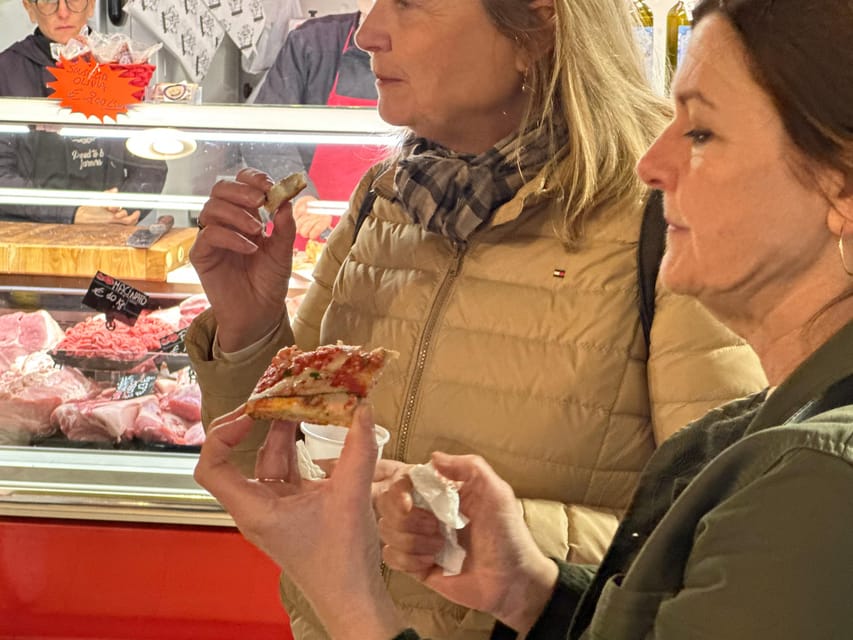
A big part of why this tour feels special is that it doesn’t only stay in Trastevere. You get a river-and-bridge perspective too. The route includes passes by Tiber Island and Sistine Bridge, which give you a different Rome angle than the classic big-street views.
In practical terms, these passes help you understand the neighborhood’s geography. Trastevere sits on the west bank, and the river is a constant reference point. When the tour is timed around sunset, these viewpoints feel extra satisfying because the sky softens and the light makes the stone and water look warmer.
If you’re someone who likes photos, you’ll have enough natural opportunities to pause without feeling like you’re constantly breaking from the group. If you’re not into photos, it still helps to have a few “look up” moments so the walk doesn’t become all forward motion.
You can also read our reviews of more tours and experiences in Rome






Piazza Trilussa and the Relaxed Rhythm of the Evening
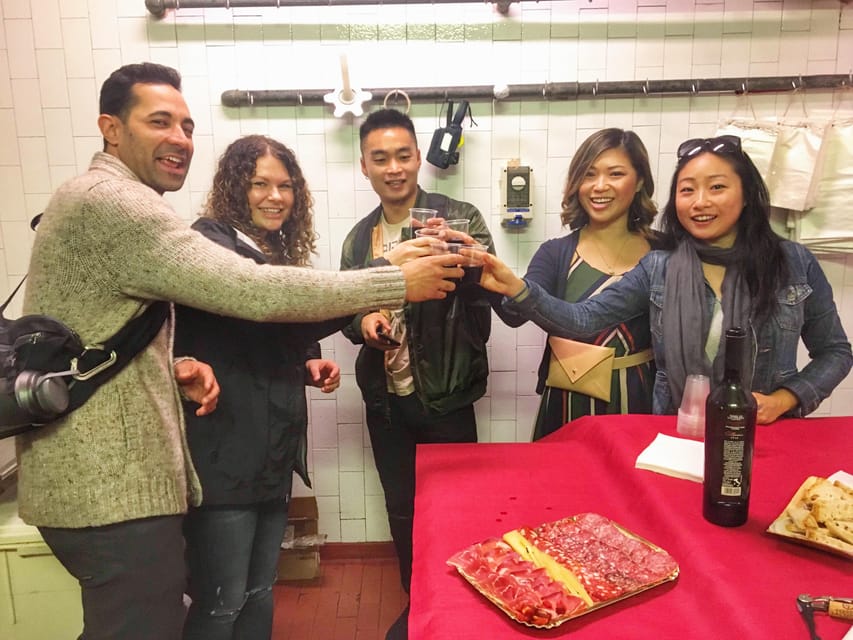
As you get closer to the tour’s more social corners, you pass by Piazza Trilussa. Squares like this are useful on a food tour because they represent how people actually hang out in Rome. You see that Rome isn’t only sightseeing sites—it’s places where conversation happens in the middle of the day and continues into the evening.
Your guide’s job is to help you read the neighborhood. That includes pointing out where the vibe changes: from residential lanes to busier pedestrian pockets and back again. Even in a short 2.5-hour window, that makes Trastevere feel less random.
If you’ve already spent time in Rome’s famous centers, Piazza Trilussa is a good corrective. It shifts you away from monuments and into the rhythms of a living neighborhood.
The Food Stops: What You’ll Taste and Why It Matters
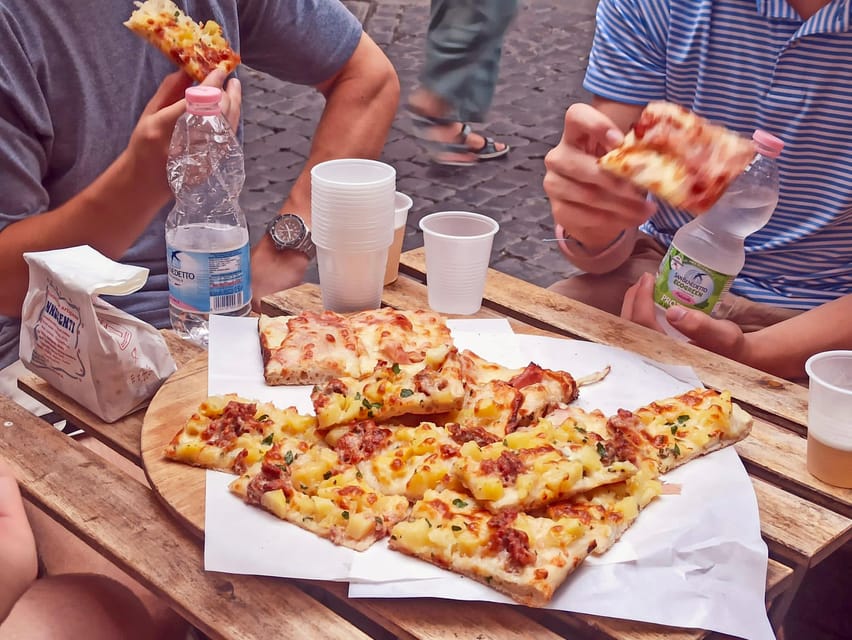
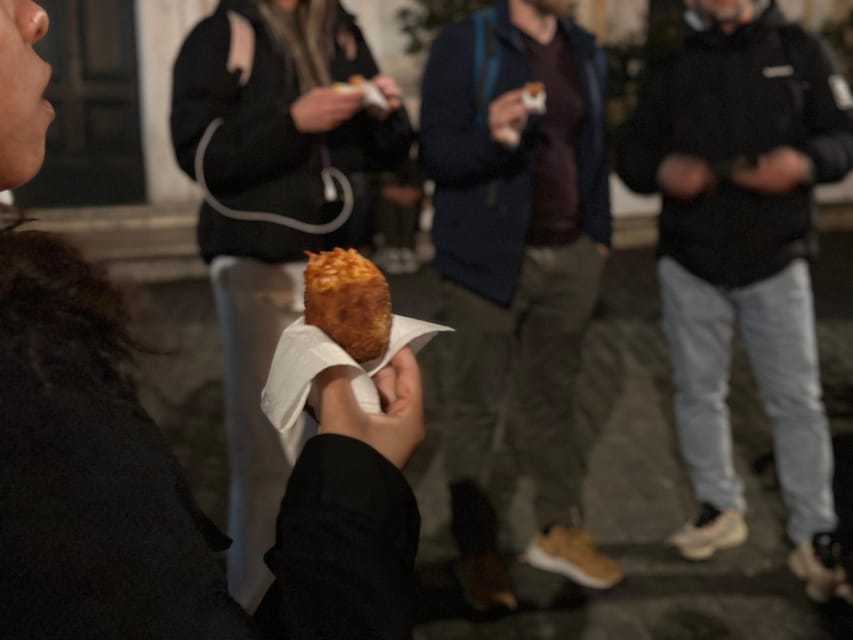
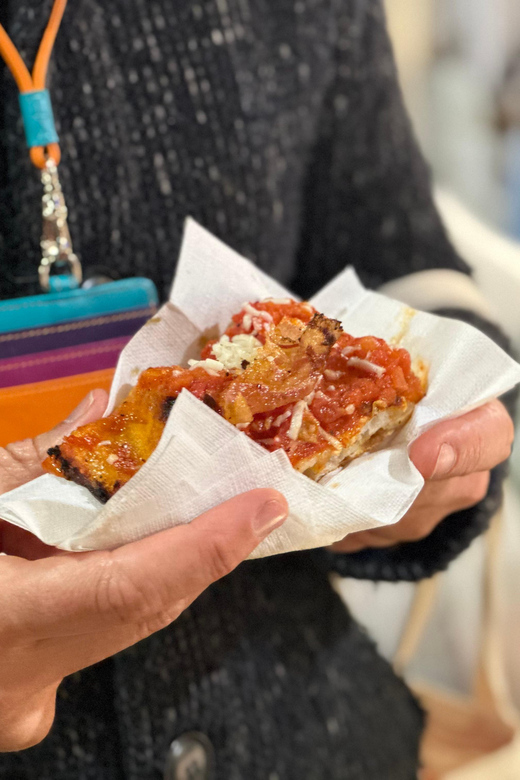
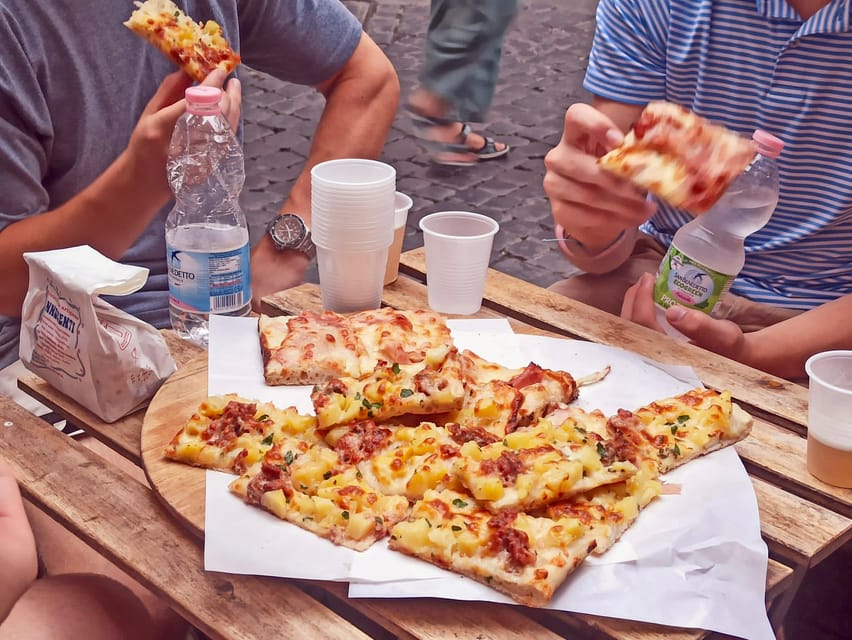
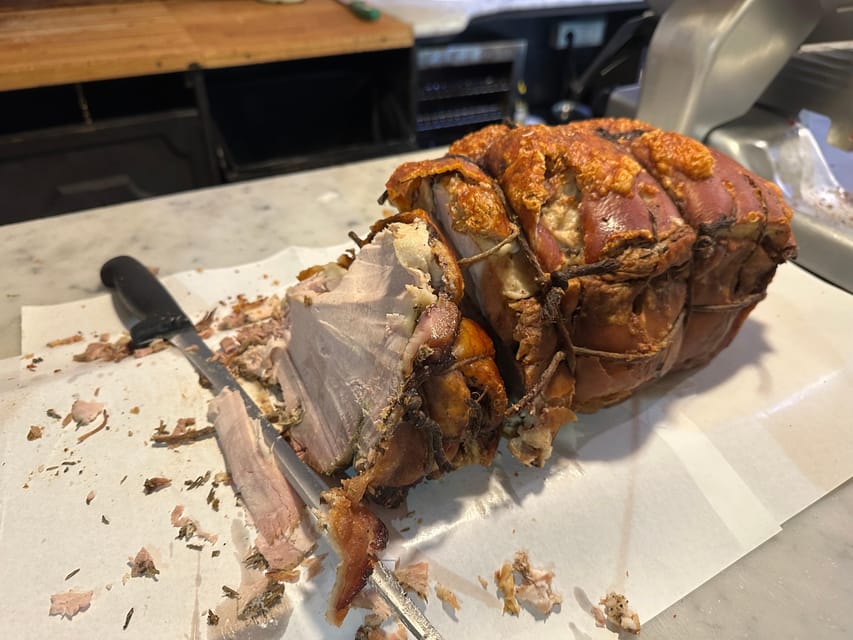
The tour’s core is the tasting sequence, and it’s built around classic Roman flavors. You’ll sample cured meat, cheese, pizza, and supplì. You also get a sip of beer and wine along the way.
Here’s why I think this lineup works so well for first-time Roman food tasting:
- Cured meat and cheese give you the Roman “salumi and formaggi” foundation—salty, savory, and ideal for learning how local ingredients pair.
- Pizza here isn’t treated as a generic snack. The point is that pizza is part of daily Roman food culture, not just a tourist product.
- Supplì is the dish many people don’t seek out until they’re in Rome. It’s a signature bite: crispy outside, melty inside, and a very Roman comfort-food choice.
The tour also emphasizes that you’re visiting traditional, locally owned establishments, not modernized fast-food stands or places built mainly to serve visitors. That matters because the food tastes different when it’s made for a regular crowd rather than for a mass tourist circuit.
The Beer and Wine Sip: A Small Inclusion With Big Impact
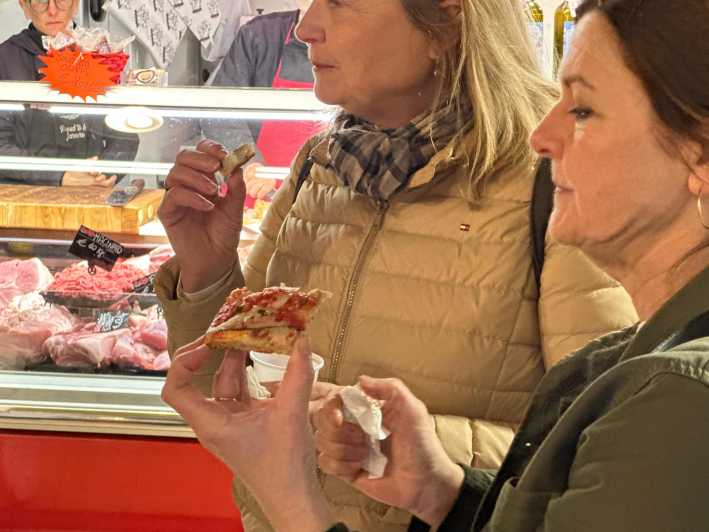
You don’t get a heavy drink package here. You get a sip of beer and wine as part of the tastings. That’s a smart balance for a walking tour: it adds local flavor and makes the food feel like a proper Roman meal sequence without turning the evening into a slow-drinking event.
If you’re thinking about pacing yourself, this helps. A small pour keeps you focused enough to enjoy the rest of the route—especially since you’re walking cobblestones and moving between stops.
Finish With Gelato Using Fresh, Natural Ingredients
Every good Roman food walk needs a clean ending, and this one ends with gelato. You’ll get gelato made with fresh and natural ingredients.
Gelato at the end is a great move because it works like a finale: after savory tastings, something cold and sweet resets your palate. It also makes the tour feel complete. You’re not left wondering what to do next—you’ve got a final treat that fits the theme.
If you tend to skip dessert during the day because you think you’ll find something later, this is a good way to lock in a proper gelato stop without hunting.
Price and Value: Is $41 for 2.5 Hours a Good Deal?
At $41 per person for about 2.5 hours, the value comes from what’s included: a guide, multiple food tastings, and a sip of beer and wine. You’re not paying just for “a walk with samples.” You’re paying for (1) guided navigation through Trastevere’s lanes, (2) local context that makes each stop more meaningful, and (3) access to locally owned places you might not easily find on your own.
Could you eat your way through Trastevere cheaper without a tour? Sure—you can always DIY. But DIY usually means hunting for places, comparing menus in a language you might not be fluent in, and trying to figure out what dishes are truly Roman versus simply popular. On a short trip, this kind of structured tasting is often the most efficient way to get variety and meaning in one evening.
Also, the included food matters. Tastings of cured meat, cheese, pizza, and supplì hit a range of textures and flavors. That variety is hard to replicate on your own without planning.
One note: extra food and drinks aren’t included, so if you’re a big eater or want more wine, you’ll need to budget separately.
Practical Notes Before You Go
- Wear comfortable shoes. Cobblestones and small uneven lanes are part of the experience.
- Plan for walking. It’s a short tour, but you’ll still be on your feet across multiple stops.
- If you want a simple plan for your evening, this is a strong option. It builds an easy sequence: meet by the river, move into Trastevere, taste, then finish with gelato.
On the people side, the tour is run with an English live guide, which is a big help for getting the history and food explanations without guessing. And if you’ve got specific questions about Roman specialties, an involved guide is usually where the tour really shines.
Should You Book This Trastevere and Tiber Island Sunset Tour?
If you want a Rome experience that blends neighborhood walking with real food tastings—and you’d rather see Trastevere with context than just wander alone—this is an easy yes. The sunset timing, the included tastings (cured meat, cheese, pizza, supplì), and the small drinks sip make it feel like a complete evening.
I’d especially recommend it if you’re:
- Short on time and want a concentrated 2.5-hour food-and-sights plan
- Curious about what makes Roman street food distinct
- The type who enjoys learning while you eat, not after you eat
Skip it if you can’t handle uneven cobblestones or if walking is a big challenge for you, since it’s not suitable for wheelchair users.
If you’re balancing choices in Rome, this tour is one of those “you’ll remember it because you ate it in the right places” experiences.
FAQ
How long is the Rome: Trastevere & Tiber Island Street Food Tour at Sunset?
The tour lasts 2.5 hours.
What does the tour cost?
It costs $41 per person.
Where do I meet the guide?
Meet at the Obelisk in front of the Church of St. Bartholomeo on Tiberine Island.
What kinds of food will I taste?
You’ll taste cured meat, cheese, pizza, and supplì at locally owned establishments.
Are drinks included?
Yes. You get a sip of beer and wine as part of the tastings.
Is the tour guided in English?
Yes. The tour has a live guide in English.
What should I bring?
Bring comfortable shoes since the route includes cobblestone and narrow streets.
Is the tour suitable for wheelchair users?
No, it is not suitable for wheelchair users.
Can I cancel and get a refund?
You can cancel up to 24 hours in advance for a full refund.