REVIEW · ROME
Rome: Trastevere street food and history tour – small group
Book on Viator →Operated by Rosy Smart City Tours · Bookable on Viator
Rome is best eaten on foot. This 2.5-hour small-group tour connects Trastevere street food with neighborhood history in the Jewish Ghetto and back. I like how the route isn’t just a snack parade; it helps you understand what you’re seeing so you can explore on your own after.
The only real watch-out is pace and cobblestones. You’ll be walking through older streets with steps and uneven surfaces, so if that’s an issue, consider a private tour instead.
In This Review
- Key Highlights
- Why This Tour Feels Like Rome, Not a Checklist
- Starting at Piazza Benedetto Cairoli: Setting Up Your Trastevere Plan
- The Jewish Ghetto Stop: History You Can Point To
- Tiber Island: A Small Sight With Big Context
- Piazza in Piscinula: Entering Trastevere from Its Medieval Edge
- Chiesa di San Francesco a Ripa Grande: Short Walking, Food Tasting Starts
- Via della Lungaretta: The Spine Street for Shops, Vines, and Windows
- Fontana della Botte: A Quirky Stop That Explains a Local Detail
- Piazza di Santa Maria in Trastevere: Church Time That Actually Counts
- Trastevere Alleys to the Finish: How to Walk After You Leave
- Food You’ll Actually Eat: Artichoke, Supplì, Pizza, Gelato, and More
- Vegetarian and Dietary Needs: Plan Ahead, Don’t Leave It Late
- Pacing, Weather, and What to Wear
- The Guides Make the Difference (And You Get Them Small-Group Style)
- Price and Value: Why $66.38 Often Works
- Should You Book This Trastevere Street Food and History Tour?
- FAQ
- How long is the Rome Trastevere street food and history tour?
- What does the tour cost?
- How big is the group?
- Is the tour offered in English?
- What street food tastings are included?
- Are alcoholic drinks included?
- Where does the tour start and end?
- Are there admission fees for the stops?
- Does the tour work for vegetarians, vegans, or gluten/lactose intolerances?
- What happens if it rains?
Key Highlights
- Small group size (max 12) for more back-and-forth with your guide
- Street-food sampler: artichoke, sliced pizza, supplì, gelato, and more
- Jewish Ghetto + Trastevere in one walk, tied together by food traditions
- Church time inside at Piazza di Santa Maria in Trastevere
- Photo-and-snack rhythm: short sight stops, then bites, then more sights
- Guides’ practical tips for where to return for meals and gelato
Why This Tour Feels Like Rome, Not a Checklist
If you’ve done the big sights already, you still need a way to feel how Rome actually lives. This tour builds that sense through street food and short history stops that explain why certain places—and certain foods—matter.
I like that you leave with a short list of names, shops, and bites to chase later. It’s not just about eating; it’s about learning what to look for when you’re hungry on your own. And because the group stays small, you can ask the normal real-life questions: What’s worth repeating? Where do locals go for a second round? How do I order like I’m not guessing?
One more plus: this is an easy first-day move. You get your bearings fast, plus a practical sense of what neighborhoods are for what—especially helpful in Rome where “just around the corner” can still mean 10 minutes of wrong turns.
You can also read our reviews of more food & drink experiences in Rome



Starting at Piazza Benedetto Cairoli: Setting Up Your Trastevere Plan
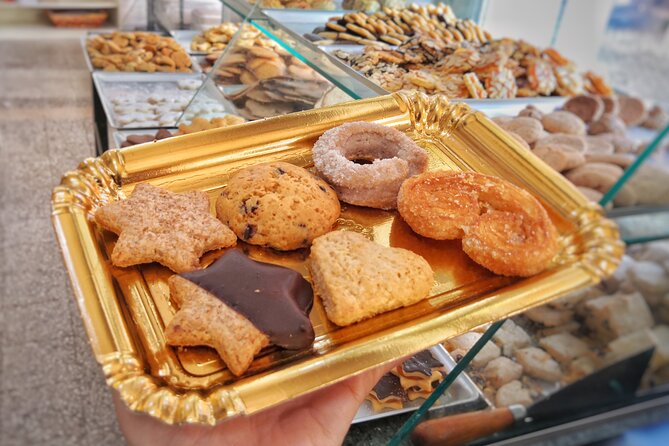
The walk starts at Piazza Benedetto Cairoli 118 and ends at Via dei Pettinari 45. That matters because it frames your day: you’re moving from one pocket of old Rome into another, finishing in an area where you can keep roaming afterward.
From the start, your guide keeps things grounded in the street-level reality of Rome: narrow lanes, small storefronts, and food places that don’t look like restaurants you’d find from a distance. If you’re the type who always wonders what to do next after a museum, this style of walking solves that problem.
It also helps that the tour is offered in English and uses a mobile ticket, so you’re not wasting time hunting for paper confirmations.
The Jewish Ghetto Stop: History You Can Point To
The tour begins with the Jewish Ghetto, a central reference point for the Jewish community in Rome. You’ll see the area tied to the community and how it connects to traditional food culture in the neighborhood.
This is more than a quick photo stop. It’s the foundation for the rest of the day because it explains why this part of Rome has its own rhythms—social and culinary. Your guide connects street-food traditions to the stories of the area so you don’t treat the food as random bites.
A practical note: listed entry at this stop is free, so you’re not juggling extra payments while on the move.
Tiber Island: A Small Sight With Big Context
Next comes Tiber Island, that unusual island in the middle of the river—between the two sides of the Tiber. It’s a short stop, but it’s useful. It gives you a mental map marker in your head.
When your day includes Trastevere alleys, it’s easy to feel like you’re just turning corners. This kind of spot helps you keep track of orientation. Even if you’re not a geography buff, you’ll appreciate the reset.
Another win: there’s no admission ticket required for this part as listed, so it stays simple.
Piazza in Piscinula: Entering Trastevere from Its Medieval Edge
Then you start getting that first approach to Trastevere from its medieval side at Piazza in Piscinula. This is the moment the tour shifts from “historical reference” into “how people actually spend their days.”
You’ll walk into the mood of the district before the tastings pile up. Think of it as warming up your appetite while your guide sets the scene—what you’re about to see, and why this area developed its particular food and street culture.
Again, entry is free as listed. The real entry fee here is attention—listen for the little details your guide points out about how the streets function and what the neighborhood is known for.
You can also read our reviews of more tours and experiences in Rome






Chiesa di San Francesco a Ripa Grande: Short Walking, Food Tasting Starts
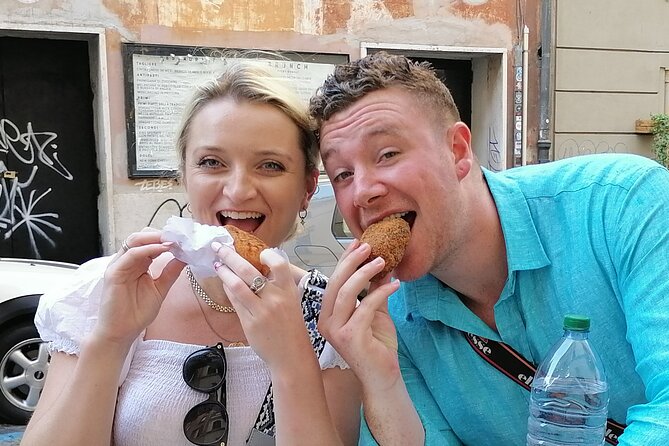
At Chiesa di San Francesco a Ripa Grande, you’ll move through alleys and begin the tasting rhythm. This is where the tour turns the corner from history context to hands-on eating.
The church stop works because it breaks up the day. You’re not sprinting from one thing to the next. You get a calm pause inside a tighter street cluster, with enough time to actually notice how the alleyways feel—narrow, lived-in, and designed for wandering.
If you’re picky about food timing, this is a good structure. You don’t arrive hungry and suddenly get hit with everything at once. You build the day bite by bite.
Via della Lungaretta: The Spine Street for Shops, Vines, and Windows
Via della Lungaretta is described as the spine street that crosses the whole district. That’s a great way to think about it. This street gives you a reference line for Trastevere. When you later go back on your own, you’ll remember it.
The tour uses this stretch to show you why the area feels like a neighborhood, not a theme park. You’ll notice climbing plants, and you’ll spot the kind of window-front craft shops that you usually miss when you’re only walking between major landmarks.
And here’s the subtle value: your guide often uses these storefront moments to recommend what kind of places to seek out later. Some guides even help you connect what you see to what you should order. Based on what I’ve heard from guides like Christian and Virginia, the practical advice tends to be the part you remember most.
Fontana della Botte: A Quirky Stop That Explains a Local Detail
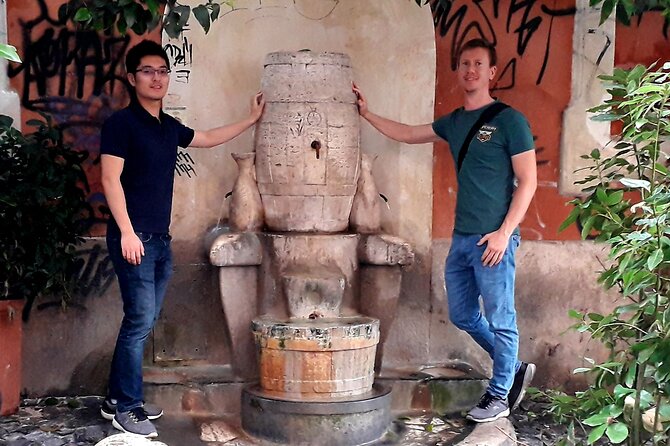
Fontana della Botte is a fountain shaped like a wine measure. It’s a short stop, but it’s exactly the kind of thing that makes walking in Rome worthwhile. You’re not just seeing big monuments. You’re seeing small cultural references.
This stop also gives you a pause without killing momentum. After several alley stretches, a simple landmark like this helps you reset your legs and your attention.
No separate admission ticket is listed here either.
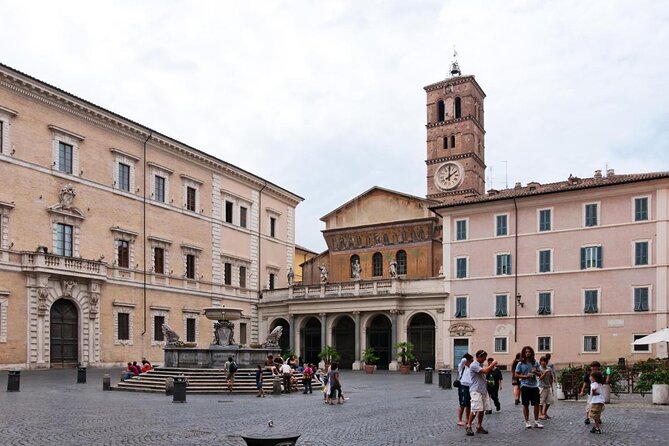
Piazza di Santa Maria in Trastevere: Church Time That Actually Counts
At Piazza di Santa Maria in Trastevere, you’ll see the square and visit the church from inside. This is one of the tour’s best balance points: you get the lively street setting, then a quieter interior moment.
Inside time is valuable because it’s not just a “look at the facade” situation. You get a real sense of why this plaza matters to the neighborhood—and why it keeps showing up in Trastevere stories, food included.
Your guide ties the stop back to the area’s identity, which is what turns it from a checkmark into understanding. If you like history that you can still feel today, this is where it clicks.
Trastevere Alleys to the Finish: How to Walk After You Leave
The tour ends with Trastevere, walking through alleys and off-the-beaten-path glimpses. This final segment matters because it’s where your brain starts recognizing patterns: the street shapes, the shop types, the kind of corners where you’ll find the food you want later.
By the time you reach the end near Via dei Pettinari, you should have a short mental route for your next hour or two—plus a sense of which direction to keep exploring.
If you’re worried about the day feeling too full, the tour’s structure helps. It mixes sight stops with food stops, and it’s designed so you’re never waiting around for something to happen.
Food You’ll Actually Eat: Artichoke, Supplì, Pizza, Gelato, and More
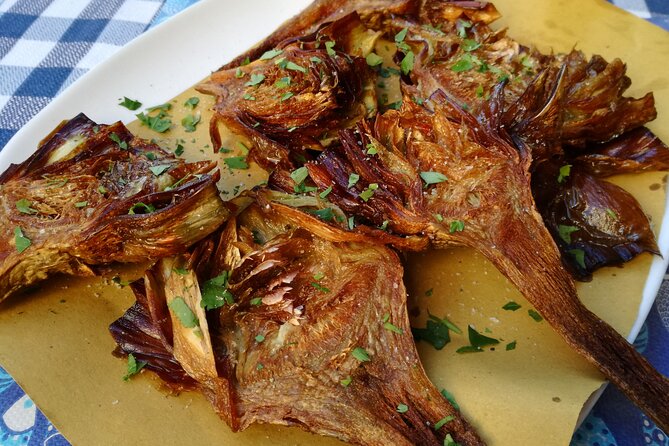
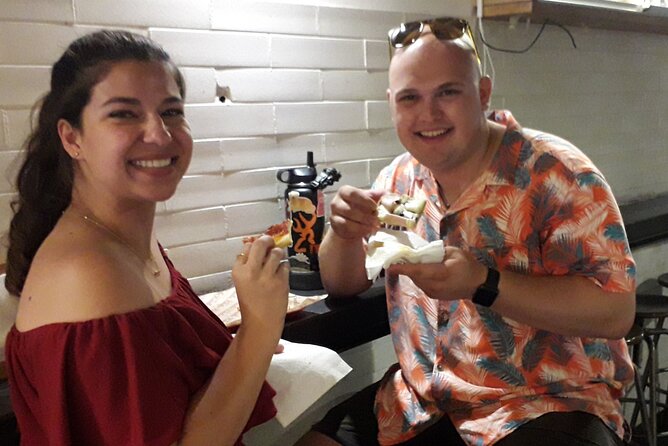
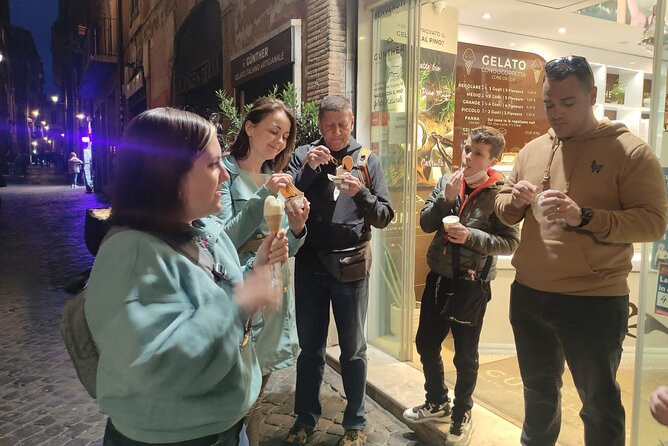
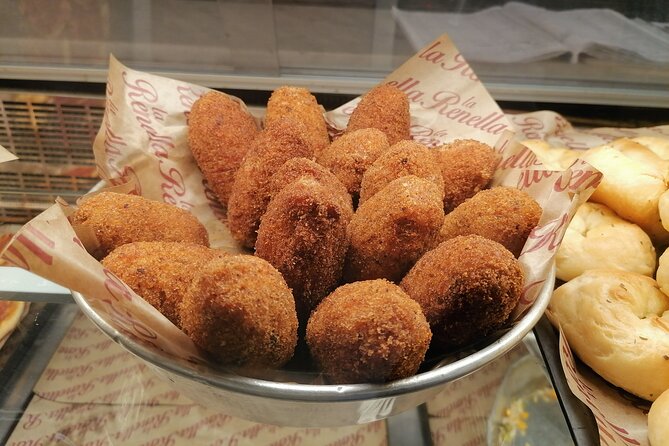
The tour includes street food tastings such as artichoke, sliced pizza, supplì, and gelato, plus additional items. The tastings are part of what makes the tour a value: you’re paying for guided selection, not just buying items you could find alone.
A smart strategy during tastings: pay attention to texture and style. Rome’s fried and baked street foods vary a lot by shop, and your guide’s explanations help you understand what you’re tasting. That’s also how you later order with confidence.
If you drink alcohol, plan for it to be separate. Alcoholic beverages are not included, so you’ll want to decide on the fly if you want wine or a spritz with your final neighborhood walk.
Vegetarian and Dietary Needs: Plan Ahead, Don’t Leave It Late
This tour is planned to suit vegetarians, which is a real advantage in Rome where “Italian food” doesn’t always mean meat-free.
For vegans, and for gluten or lactose intolerants (not allergic), participation is allowed, but not every tasting can be guaranteed for your restriction. You need to communicate those needs at booking, and last-minute requests won’t be taken into consideration.
My practical advice: when you book, be very clear about what you must avoid and what’s okay. If you can handle cross-contact issues, say so. If you can’t, say so. Then you’ll reduce the chance of disappointment.
Pacing, Weather, and What to Wear
The tour runs in sun or rain, except extreme weather conditions. That’s useful because you’re not forced into constant rescheduling. Still, Rome in a downpour can be slippery, so you’ll want shoes with grip.
Also, expect uneven streets and steps. One reason this tour is so good is also why it takes solid walking energy: it’s built around neighborhood lanes. If walking is tough, you can ask about a private tour so the timing doesn’t get harder for everyone else.
Duration is about 2 hours 30 minutes, so it’s long enough to feel like a proper experience but not so long you start dragging by the middle.
The Guides Make the Difference (And You Get Them Small-Group Style)
You’ll get a guide who mixes history and food into a single story. The difference shows in the way people describe the experience: names like Chris, Christian, Daniel, Serena, Virginia, Emmanuele, Marco, and Sabrina come up again and again as strong storytellers.
What you should look for, from your side of the tour, is engagement. Great guides do two things:
- They tell the story in plain language, not tour-brochure language.
- They help you turn the story into choices you can make later.
That second part is why folks say things like this helped them find better restaurants and even choose good gelato. If your goal is to eat well the rest of your trip, the guide matters.
Price and Value: Why $66.38 Often Works
At $66.38 per person for about 2.5 hours, the value isn’t just the snacks. It’s the combination of:
- Guided route through two neighborhoods you’d otherwise treat separately
- Multiple tastings (not just one item)
- History explanations tied directly to what you’re eating
- Small group size that keeps questions from getting lost
Could you spend less and eat on your own? Sure. But you’d be betting on luck—where to go, what to try, and what’s worth your time. This tour pays for direction.
Also, because your tastings include a mix of savory and sweet—like supplì and gelato—it’s a built-in meal structure for the day. Many people end up more full than they expect, which is good news if your schedule is tight.
Should You Book This Trastevere Street Food and History Tour?
Book it if you want a Rome day that mixes food, street-level sights, and neighborhood context in one walk. It’s a strong choice for first-time visitors who want to start learning how to order and where to return. It’s also ideal if you’ve done the big monuments and now want something that feels local.
Skip it or switch to a private option if you know walking uneven streets and steps will be hard for you. And if you have strict dietary needs beyond vegetarian, plan ahead and message restrictions at booking so the tastings can match your situation.
In short: this is one of those tours that helps you keep eating well after it ends.
FAQ
How long is the Rome Trastevere street food and history tour?
The tour is about 2 hours 30 minutes.
What does the tour cost?
The price is $66.38 per person.
How big is the group?
The tour has a maximum of 12 travelers.
Is the tour offered in English?
Yes, the tour is offered in English.
What street food tastings are included?
Included tastings include artichoke, sliced pizza, supplì, gelato, and more.
Are alcoholic drinks included?
No. Alcoholic beverages are not included and can be bought separately.
Where does the tour start and end?
It starts at Piazza Benedetto Cairoli, 118, 00186 Roma RM, and ends at Via dei Pettinari, 45, 00186 Roma RM.
Are there admission fees for the stops?
The stops listed include free admission.
Does the tour work for vegetarians, vegans, or gluten/lactose intolerances?
The tour is planned to suit vegetarians. Vegans and people with gluten or lactose intolerance (not allergic) can participate, but not all tastings can be guaranteed, so you must communicate restrictions at booking.
What happens if it rains?
The tour goes with sun or rain, except extreme weather conditions. The information also notes no refund for last-minute cancellation requests due to rain.