REVIEW · ROME
Rome: Traditional Pasta and Tiramisu Cooking Class
Book on GetYourGuide →Operated by Estaalia · Bookable on GetYourGuide
The quickest way to understand Rome food is hands-on. In this fresh pasta and tiramisu class, you learn by doing, with a chef leading every step and a relaxed vibe that feels more like friends cooking than a lecture. I especially love the small group setup, which makes it easier to ask questions, and the tasting at the end, so you know exactly what you built. One thing to consider: you’re cooking for about 2.5 hours, so comfortable shoes and clothes matter more than you think.
You start with a short story lesson on pasta and tiramisu, then move straight into ingredient basics and technique. Expect to roll up your sleeves for dough, shaping, and sauce, while you also learn a classic tiramisu method that needs a little time to set before you eat. If you have a tight schedule, remember this is a full afternoon block, not a quick stop-and-snack.
In This Review
- Key points to know before you go
- Meeting at GOAT Gallery: why this class starts off easy
- Prosecco, a short story lesson, and the ingredient mindset
- Rolling fresh pasta dough: technique you can repeat at home
- Sauce decisions: choosing what makes sense for your pasta
- The tiramisu lesson: build it right, let it set, then taste
- What’s included (and what that means for your $88 value)
- Languages, group size, and how to get the most teaching
- Practical tips: wear, bring, and plan your afternoon
- Who this cooking class is best for
- Should you book this Rome pasta and tiramisu class?
Key points to know before you go
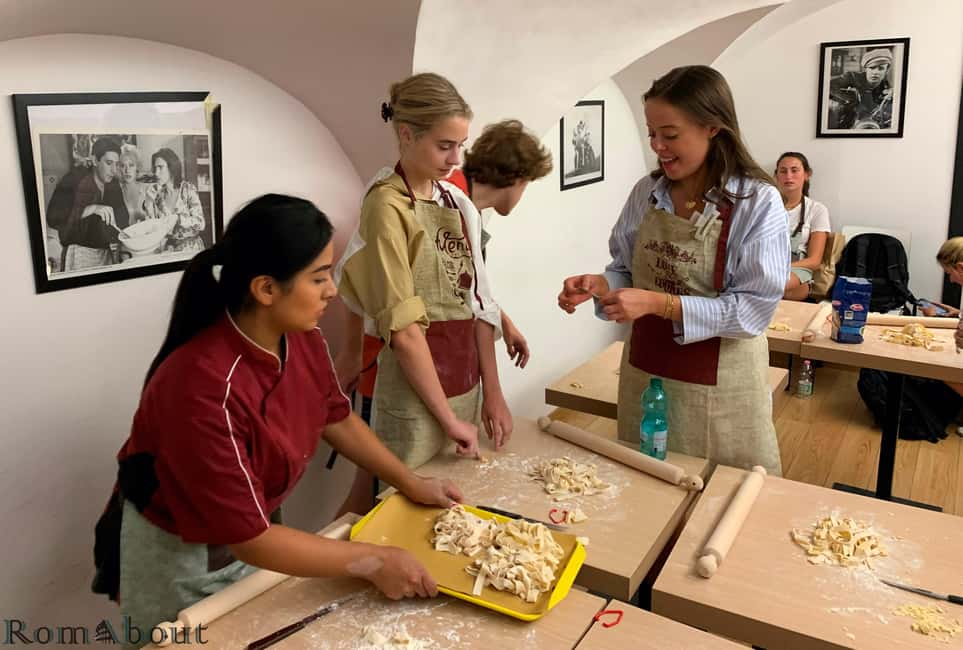
- Chef-led, step-by-step teaching: you’re guided through dough, shaping, sauce, and tiramisu construction
- Prosecco and wine included: you sip while you learn, then taste what you make
- Small group of up to 10: more attention, less waiting around
- Fresh pasta + traditional tiramisu: the two biggest comfort-food wins in one session
- All tools and ingredients provided: you show up dressed to cook, not to shop
Meeting at GOAT Gallery: why this class starts off easy
The meeting point is the GOAT Gallery on Via dei Capocci, 26. That matters because you’re not hunting for a “hidden kitchen.” You arrive, get oriented, and settle in fast—Rome can be great, but directions can eat time.
Once you’re in, the pace is relaxed. The class kicks off with a brief chat about the history of pasta and tiramisu—not a deep academic course, more like context that helps the techniques feel purposeful. Then you get a refreshing glass of prosecco, which sets the tone for an afternoon that stays social without turning chaotic.
You’ll also want to dress for real kitchen work. You’re not just watching; you’re preparing. Comfortable shoes and clothes are listed for a reason, and once you’re standing for kneading and shaping, you’ll be grateful you didn’t wear something precious.
You can also read our reviews of more cooking classes in Rome

Prosecco, a short story lesson, and the ingredient mindset
A lot of cooking classes jump straight to mixing. This one gives you a foundation first: a quick grounding in the origin and meaning of pasta and tiramisu. That short framing helps you understand why the chef stresses ingredient quality so much later on.
You’ll hear the “secrets” in the practical sense—what makes ingredients matter for texture and flavor. Think less like magic tricks and more like cause-and-effect. When you’re making dough and then later assembling tiramisu, the quality of eggs, the behavior of flour, and how you handle the components all affect the end result.
And you’re not doing it dry. You’re sipping while you learn, so the class doesn’t feel like a chore. It feels like a Roman afternoon: calm, warm, and focused on food.
Rolling fresh pasta dough: technique you can repeat at home
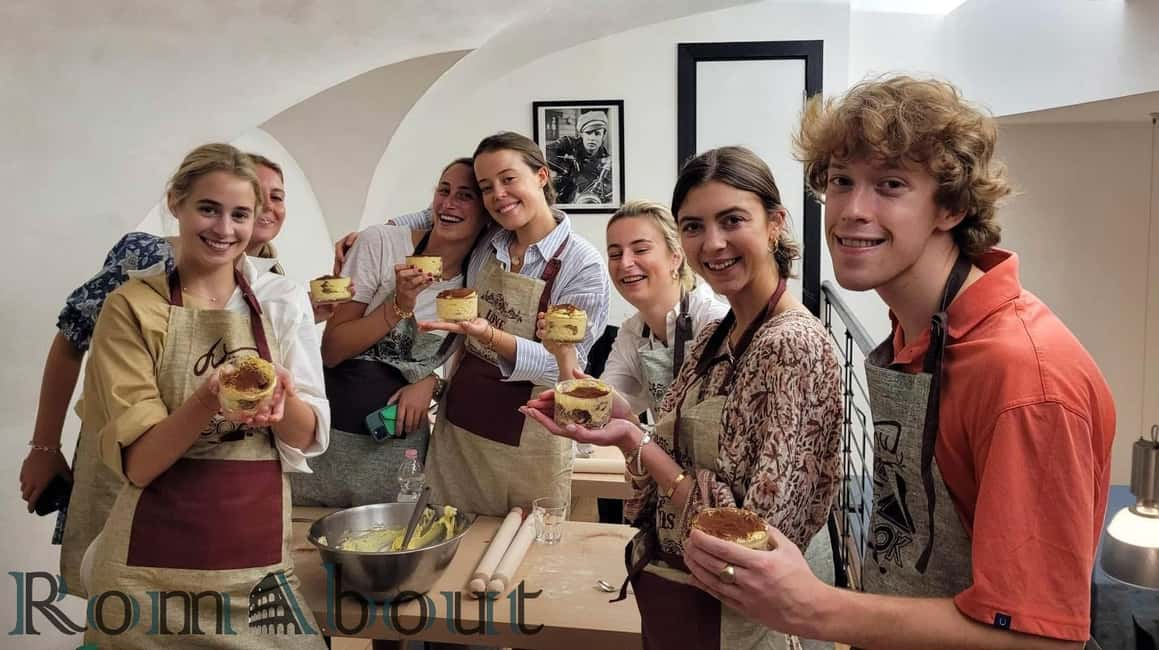
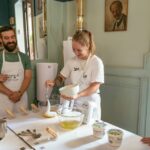
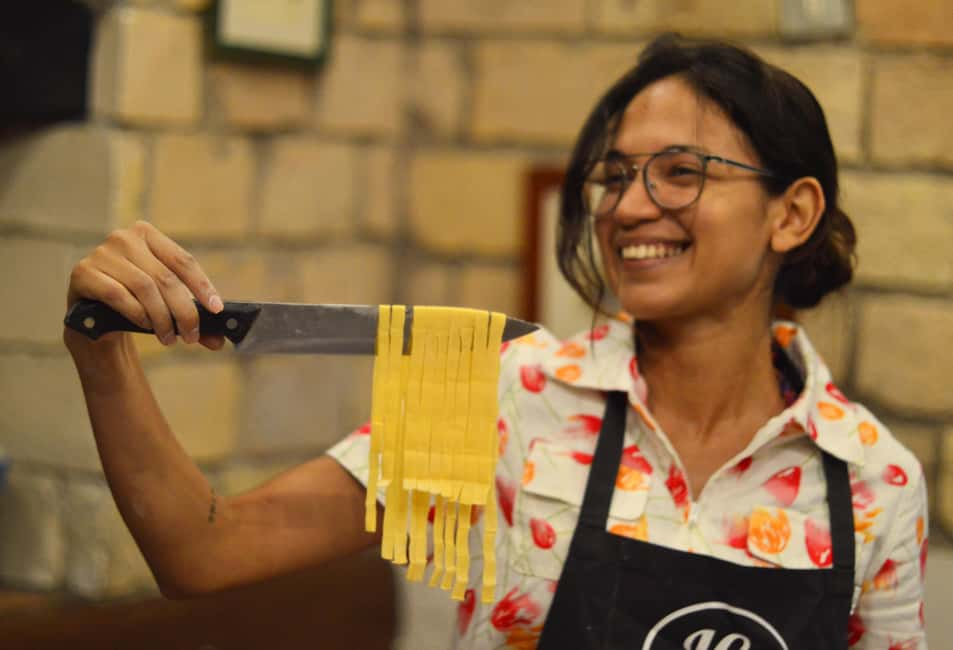
Then comes the main event: fresh pasta dough. You’ll work from a step-by-step approach with a professional chef, not guesswork. The best part is that the process is taught in a way that makes sense even if you’ve never made pasta before.
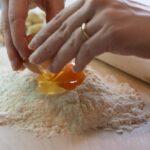
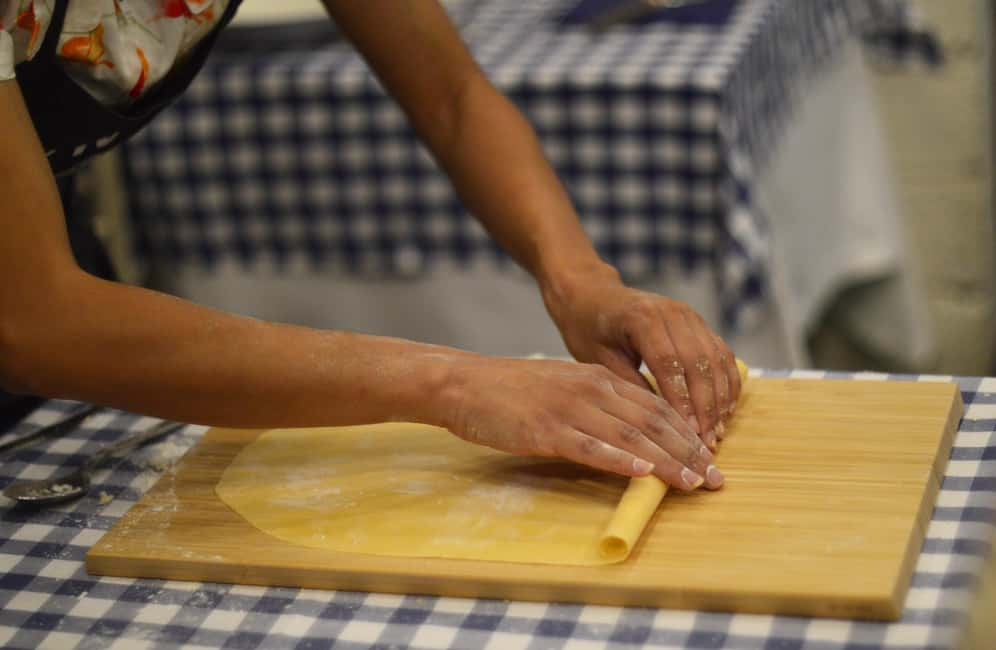
You start with the dough preparation, and this is where you’ll notice how much the chef’s instruction changes your hands-on results. Kneading and handling aren’t just movements; they shape what the dough will do when you roll it and cut or shape it. You’ll learn what the dough should feel like as you work, so you’re building intuition, not copying a recipe robotically.
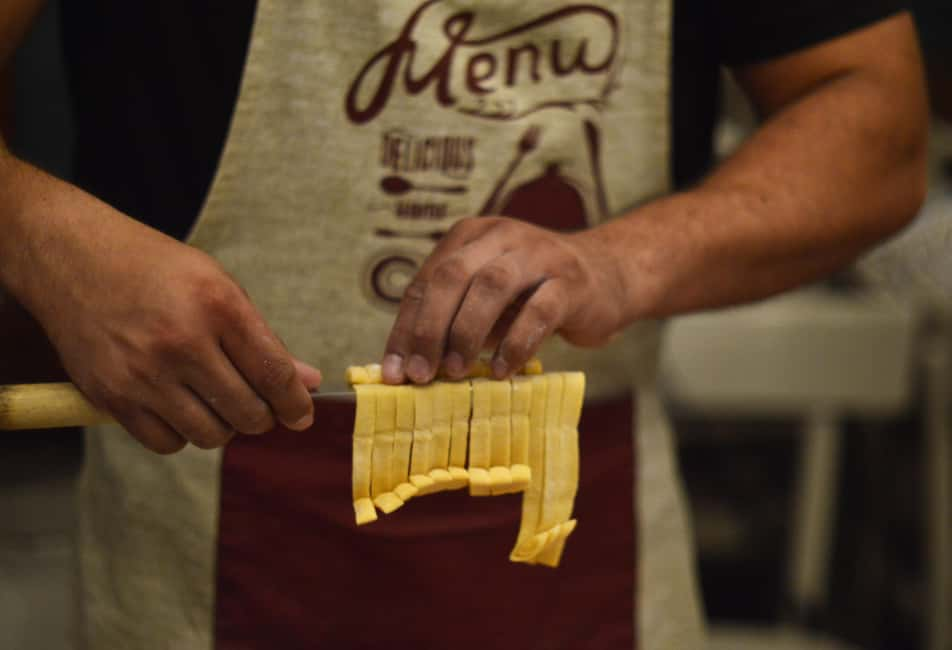
After that, you shape the pasta. Shaping is often where people mess up at home, because they try to rush the last step. Here, you get guided help as you form your pasta, which is how you end up with pieces that cook evenly and look like they belong on an Italian table—not an art project.
All cooking levels are welcome, so don’t let inexperience scare you. The chef’s job is to help you hit the right steps, and the class format supports that.
Sauce decisions: choosing what makes sense for your pasta
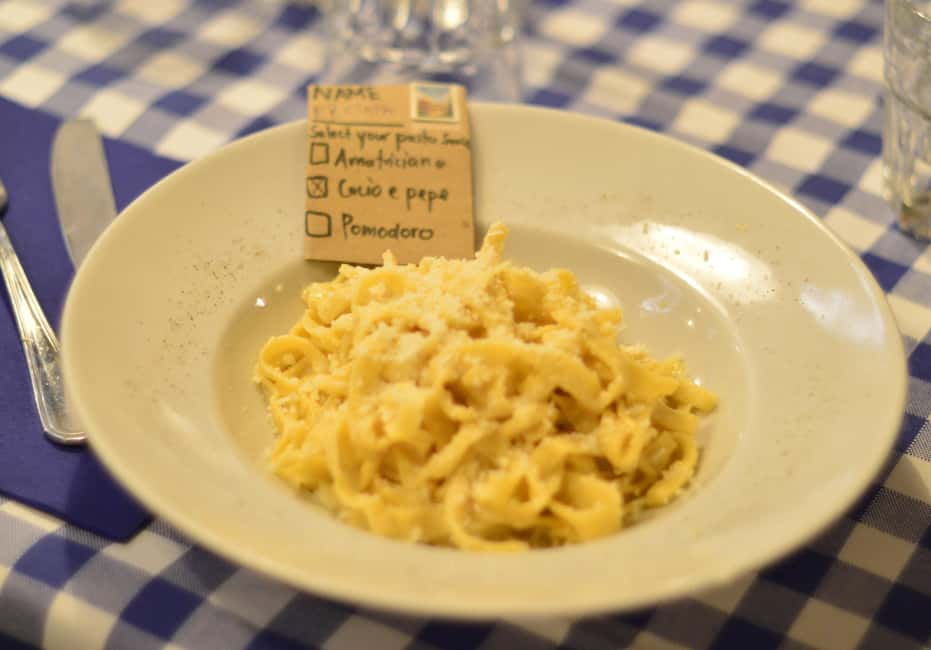
Once your pasta is formed, you’ll pick a homemade sauce to match what you made. That part surprised me in a good way, because it turns the class from a single dish experience into a real cooking skill: pairing.
You learn how to choose a sauce based on the pasta you’ve shaped. Even without a long lecture, this gives you a method for thinking at home: don’t treat pasta and sauce as separate tasks. They’re a package.
This is also where you’ll appreciate having ingredients and utensils included. You’re not stuck trying to translate instructions in your own kitchen later with half the right tools or ingredients. The class gives you a complete workflow so you can recreate the outcome.
The tiramisu lesson: build it right, let it set, then taste
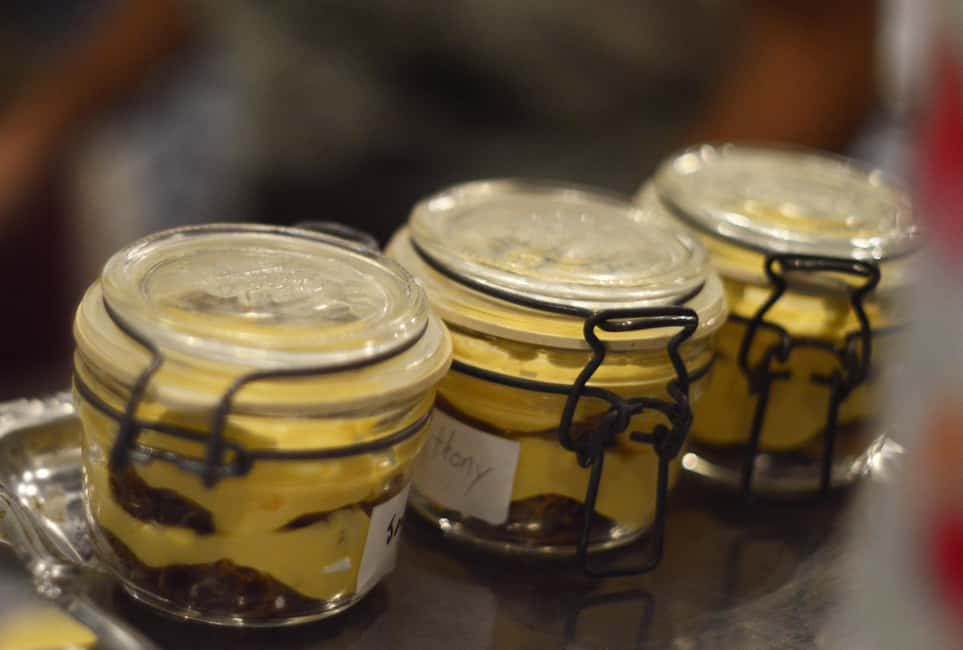
While your tiramisu sets on the side, you continue with the pasta dough. That structure is smart. It keeps you moving during the only waiting part of the dessert process, so the class doesn’t feel like you’re trapped in time.
You’re taught how to make a traditional tiramisu in a step-by-step way. The key teaching point is assembly and timing: how you put it together and why you shouldn’t rush the set. Tiramisu isn’t hard because it’s complicated; it’s hard because it’s precise. The lesson focuses on getting the balance right and letting the dessert rest so the final texture lands where you want it.
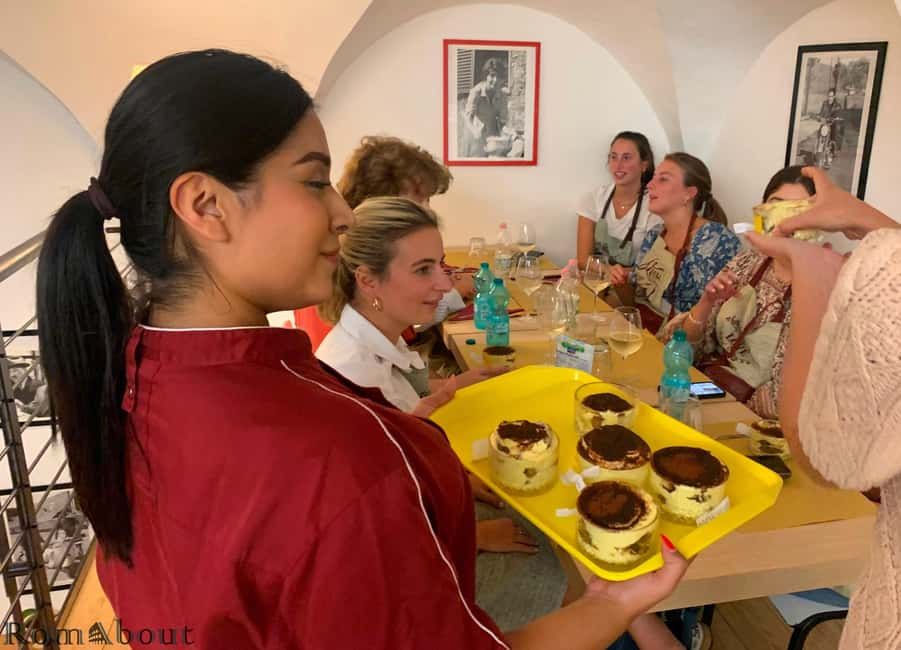
Once the tiramisu is ready, you taste it along with everything else you prepared. That matters for a simple reason: you get feedback in the form of eating your own results. If something tasted off, you’ll immediately understand what you did during prep that might have caused it. That’s the fastest path to improving next time.
You can also read our reviews of more tours and experiences in Rome

What’s included (and what that means for your $88 value)
At $88 per person for about 2.5 hours, the headline is the food. But the real value is how much of the experience is supported for you.
Included:
- A glass of prosecco
- A cooking class with a professional chef (English and Spanish)
- All ingredients and utensils
- A glass of wine and a bottle of water
- Tasting of the dishes you prepare
That’s a lot packed into a short session, especially in Rome where paid food experiences add up quickly. You’re not just getting a recipe card. You’re getting coaching, tools, ingredients, and then a meal made from your work. In other words, the price pays for time, instruction, and the full setup—so you leave with something you can actually repeat.
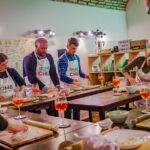
You also get a small-group format limited to 10 participants. That’s not just a comfort detail. In hands-on cooking, group size affects how often the chef can correct your technique. Smaller groups generally mean fewer people competing for attention, and you’ll feel that during dough and assembly.
Languages, group size, and how to get the most teaching
The instructor speaks English and Spanish. That’s helpful if you want instructions you can follow without guessing. If you’re comfortable in Italian, you might still find the English/Spanish approach gives you the clearest step-by-step guidance.
Group size is limited to 10 participants, which keeps the class personal. You’ll likely get a chance to do key parts yourself, rather than standing aside while the chef works. The style of teaching is also reflected in past class experiences: participants have praised the instruction as very exact and friendly, with thoughtful explanations of what you’re doing and why.
If you want to maximize your learning, come in with an appetite to ask questions. During pasta dough and shaping, ask what to watch for—texture, consistency, and timing. During tiramisu, ask what signs show it’s assembled correctly. You’ll learn faster if you treat this like a workshop, not a show.
Practical tips: wear, bring, and plan your afternoon
Here’s the practical stuff that keeps the experience smooth.
Wear comfortable shoes and clothes. You’ll be standing and working with dough and assembly steps, so plan for movement and a bit of mess. Bare feet aren’t allowed, and luggage or large bags aren’t allowed either, so travel light.
If you’re coming from a day of sightseeing, consider how you’ll transition. This class isn’t a grab-and-go meal you can fit between two subway stops without thinking. Give yourself time to move from wherever you are in Rome to Via dei Capocci, 26.
Also, note what’s not suitable:
- Children under 4 years
- Wheelchair users
- People with food allergies
That last one is important. The class description doesn’t list accommodations for allergies, so if you have dietary restrictions beyond general preference, you should double-check with the provider before booking.
Pets aren’t allowed either, and that’s typical for cooking spaces. Plan on making the class about you and the food, not your travel companions on four legs.
Who this cooking class is best for
This is a great choice if you want more than a restaurant meal. You’ll love it if you enjoy learning by doing—kneading, shaping, and assembling are all part of the fun.
It’s also a strong option if you’re traveling with a partner or small group, because the teaching stays hands-on. Some classes can run with very few participants, which can make the session feel even more personal. Even when it’s full, the limit of 10 helps keep the experience manageable.
If you’re the type who likes a practical takeaway—something you can reproduce at home—this fits. You’ll leave knowing how to build a classic tiramisu and how to make fresh pasta dough, plus how to think about sauce pairing.
Should you book this Rome pasta and tiramisu class?
Book it if you want a memorable Rome food experience that gives you real skills, not just a tasting. The combination of fresh pasta, traditional tiramisu, chef coaching, included prosecco and wine, and tasting your own results makes the $88 feel less like a fee and more like a full afternoon of learning and eating.
Skip it (or ask questions first) if you have mobility needs or food allergies that require specific handling. Also, if you hate hands-on cooking, this won’t magically become passive; the whole point is rolling, mixing, shaping, and assembling.
If your goal is simple: learn classic Italian comfort food the way Italians actually do it at home, in a relaxed Rome setting, then this is an easy yes.