REVIEW · ROME
Rome: Tour by Top E-bike Ancient Appian Way Catacombs Aqueducts
Book on GetYourGuide →Operated by Aventino Bike · Bookable on GetYourGuide
A 4-hour e-bike ride can feel like time travel. You pedal with support through Roman countryside on the Via Appia Antica, with classic stops like the Catacombs of Rome and the area around the Aqueducts of Claudius and Felix, all while staying in a small group (max 9). I like how this route turns major sights into a quieter, more lived-in side of Rome. I also like that you get a guided catacombs visit instead of just passing by. One thing to consider: the catacombs stop may involve extra fees, and the timing gets trickier in winter when daylight drops fast.
This is a leisure ride built for comfort, not training. You cover 15 km total with pedal assistance, and the pace leaves room for photos and a short break at Egeria’s spring. If you’re choosing between “see Rome fast” and “see Rome like you’re wandering,” this leans hard toward the second.
For best results, go in with realistic expectations about what a tour day feels like. You’ll be outdoors most of the time, and in the winter months you can end up riding toward sunset and even under night skies depending on your departure.
In This Review
- Key highlights to look for
- From Aventine start to Porta San Sebastiano: the ride out of the city
- Catacombs of Rome: what an hour underground is really like
- Circus of Maxentius and the Tomb of Cecilia Metella: ruins you can frame
- Appia Antica Archaeological Park and the aqueduct story on the way out
- Egeria’s spring break: Egeria’s natural spring, photos, snacks, and shopping
- How hard is the ride? 15 km leisure pace with e-bike support
- Price and value: what $90.63 really buys you
- Should you book? A practical decision guide
- FAQ
- What is the duration of the Rome e-bike tour?
- How many people are in the group?
- Is the tour difficult?
- What’s included with the ticket?
- What languages are available for the live guide?
- Are the catacombs included, and could there be extra costs?
- Can children join the tour?
Key highlights to look for
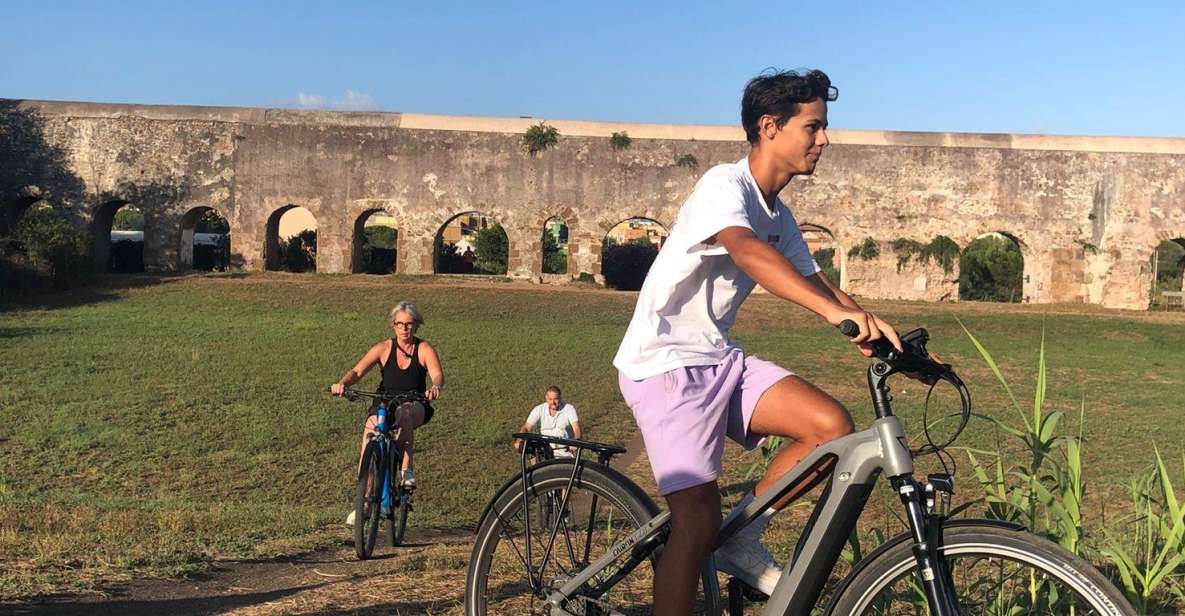
- Via Appia Antica on an e-bike: a doable way to cover ground without turning the day into a workout
- Catacombs guided hour: structured time underground, not a rushed look
- Photo stops at Maxentius and Cecilia Metella: iconic ruins where you can actually step back and frame the scene
- Aqueduct views on the route out of the city: Claudius and Felix are the kind of details you’ll remember
- A break at Egeria’s spring: free time for photos, shopping, and local snacks
- Small group size (9 max): fewer people means the guide can manage the pace better
From Aventine start to Porta San Sebastiano: the ride out of the city
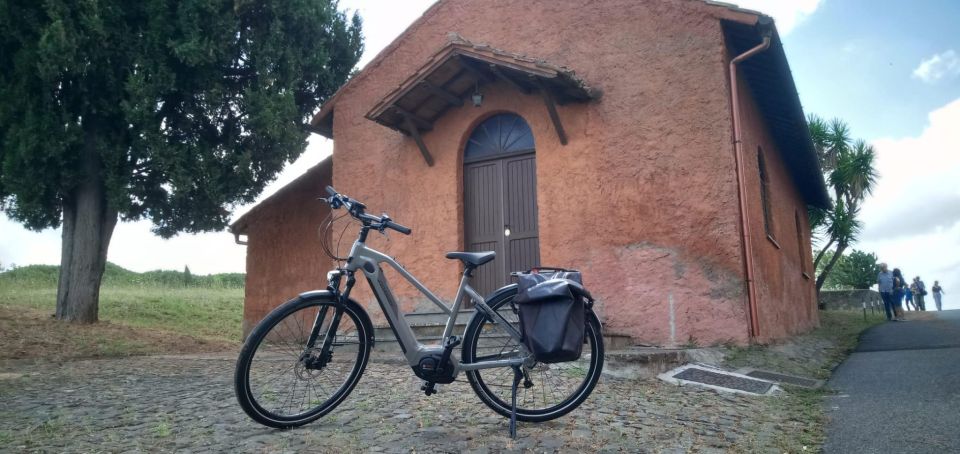
The day starts near FAO, next to a Tamoil gas station, at Aventino Roma Rent Bike / Autolavaggio a mano. After you meet the staff, you get a quick welcome and a basic run-through of how the e-bike works. That matters more than it sounds—when the route starts moving, you want your controls and assist level to feel natural fast.
Your first “anchor” sight is Porta San Sebastiano. You pass it early, which is a smart move: it helps you shift gears mentally from modern Rome into the Rome of roads, walls, and staged movement. It’s the kind of landmark that gives context before you spend time underground and around ruins.
You’ll also get that feeling of being transported as you head toward the ancient route. The tour is designed so the big Roman landmarks appear in the ride’s momentum, not as a checklist. Even if you’ve seen photos of the Colosseum area before, the perspective from the bike route can make the experience feel more personal and less crowded.
What to keep in mind: you’re spending the day on wheels. Comfortable shoes matter, because even a “leisure” e-bike day still involves stops, getting on/off, and walking a bit around photo points.
You can also read our reviews of more cycling tours in Rome
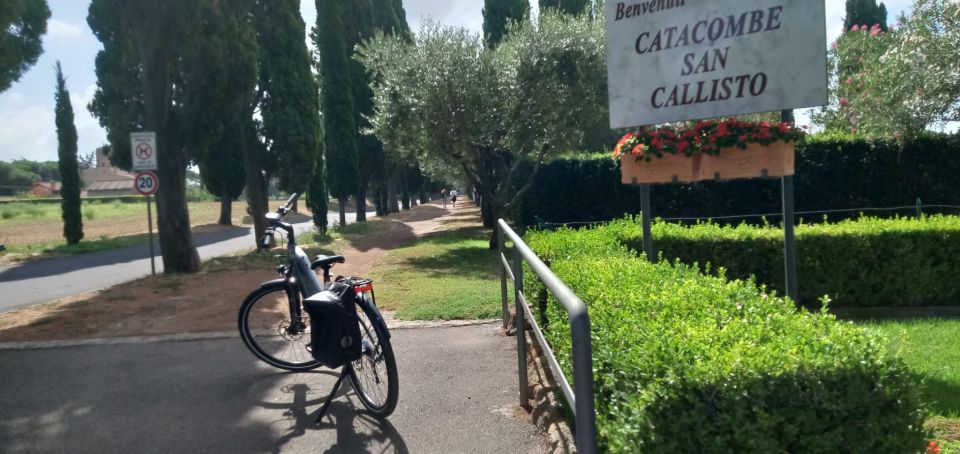
Catacombs of Rome: what an hour underground is really like
The Catacombs of Rome stop is the centerpiece of the tour’s storytelling. You spend about an hour on a guided visit here, which is exactly how I’d want it planned. Catacombs work best when you’re not just looking at stone—you want explanations for what you’re seeing and why it mattered.
This is also where you should be prepared for a possible extra cost. The catacombs visit can involve fees beyond what’s bundled in the base price, so treat it as something to confirm rather than something to assume is fully covered.
Practically, dress like you’ll be in a cool, dim environment. You might not know how chilly it will feel until you’re inside, but it’s safer to wear layers you can manage. Your guide is there in multiple languages (English, French, Italian), so you’ll have someone to help you follow what’s going on.
Why this stop is valuable: it gives the tour emotional weight. The route on the surface is Roman engineering and space. The catacombs are Roman life—what people built, used, and preserved. If you like Rome when it’s darker and more human-scale than postcard landmarks, you’ll likely leave the catacombs with a stronger memory than you’d get from a quick pass.
Circus of Maxentius and the Tomb of Cecilia Metella: ruins you can frame
After you come up from underground, you get back into open-air Rome. The tour includes a photo stop at the Circus of Maxentius, which is one of those places where the shape of the ground tells a story even if you don’t have every detail memorized.
Then comes the Tomb of Cecilia Metella photo stop. This spot is popular for a reason: it’s dramatic, instantly recognizable, and it helps you connect the Appian Way to the idea of how Rome showcased power, wealth, and memory along major routes.
What I like about these stops is the timing. They’re short enough that you don’t feel stuck waiting, but long enough that you can:
- take photos without rushing
- look around for angles
- appreciate how the ruins sit in the landscape
Possible drawback: because these are photo stops, you won’t get the same deep narrative as you do in the catacombs. If you’re hoping for a long guided explanation at every ruin, this won’t be that kind of tour. It’s built to balance guided time and open time.
Appia Antica Archaeological Park and the aqueduct story on the way out
The ride includes the Appia Antica Archaeological Park area as another photo stop. This is where you start to feel the “road as infrastructure” side of Rome. The Via Appia Antica isn’t just scenery—it’s a living reminder that empires moved goods, armies, and messages on purpose-built routes.
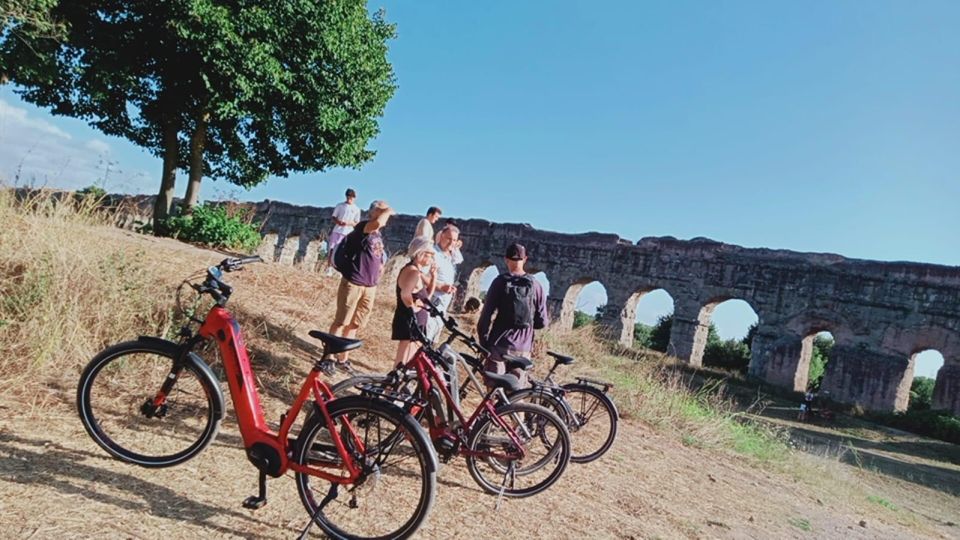
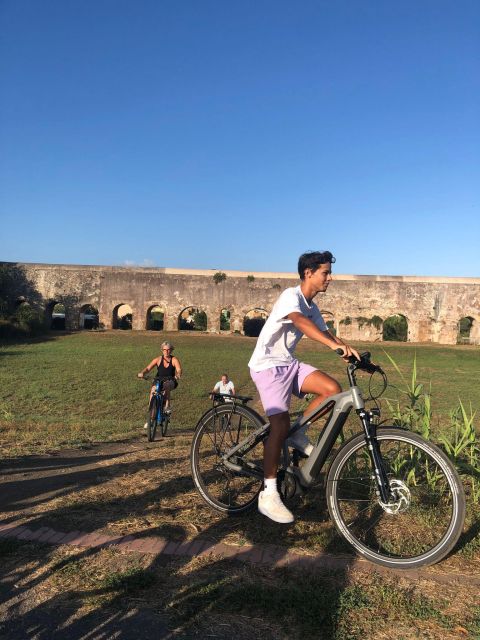
And along the route, you’ll also get the Aqueduct Park connection—time to admire the Aqueducts of Claudius and Felix. You’ll likely notice that aqueducts change your sense of distance. They’re never just “a structure in the background.” They act like a system, guiding water across space with Roman confidence.
Even if you’ve seen aqueduct photos before, getting to witness them as part of a ride changes the experience. You’re in motion, the environment is shifting, and suddenly Roman engineering feels less like an exhibit and more like something that shaped everyday life.
Quick practical tip: bring a phone camera mindset, but don’t ignore your own comfort. Bike days can trick you into thinking you’ll get “one perfect photo.” You’ll probably want a few steady ones instead of waiting for the perfect shot at the exact second.
Egeria’s spring break: Egeria’s natural spring, photos, snacks, and shopping
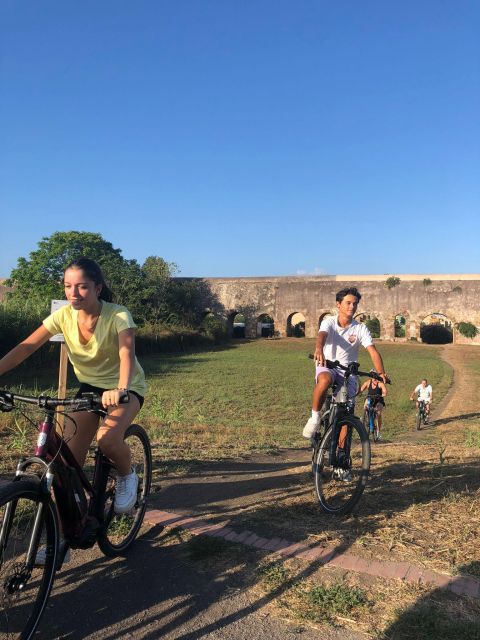
Halfway back, you stop near Egeria – L’Acqua Santa di Roma. This is your break moment: photo stop, free time, and a chance to shop and grab local snacks. The planned break is about 18 minutes, so it’s short—enough to reset, not enough to turn it into a second tour.
Egeria’s spring has a special pull. It’s the kind of place where people visit not just for a view, but for the idea that Roman landscapes could feel sacred and personal. If you like small, meaningful stops, you’ll probably enjoy this one.
One important caution: sometimes tour descriptions suggest a picnic-style moment at the spring, but that may not always line up with what’s actually happening on the day. If you’re counting on a specific food setup, it’s worth asking your guide when you meet, so you’re not disappointed if the plan is different.
What to do with your time: treat it like a reset button. Take your photos, use the free time to stretch your legs, and grab a snack if you want. Then get ready for the ride back through parks and wooded valleys.
You can also read our reviews of more tours and experiences in Rome




How hard is the ride? 15 km leisure pace with e-bike support
Let’s talk effort. The tour covers about 15 kilometers, and the difficulty level is leisure. With pedal-assisted bicycles, this is the kind of distance that feels manageable for many people who aren’t training for a long ride.
That doesn’t mean it’s zero effort. You still need:
- comfortable shoes
- comfortable clothes that move with you
- attention when you stop and start
A helmet is mandatory and provided free of charge. You’ll also get a bag and a biodegradable water bottle, which helps keep the day smooth.
If you’re sensitive to timing, pay attention to the season. In winter, daylight disappears quickly. One outing note to keep in mind: you may experience sunset and even night riding depending on the departure time. If that matters to you, choose a departure earlier in the day when possible.
Who the e-bike really helps: the route uses distance and Roman road spacing as part of the experience. Without assist, it would feel like you were “transporting yourself.” With assist, it feels more like sightseeing on a moving platform.
Price and value: what $90.63 really buys you
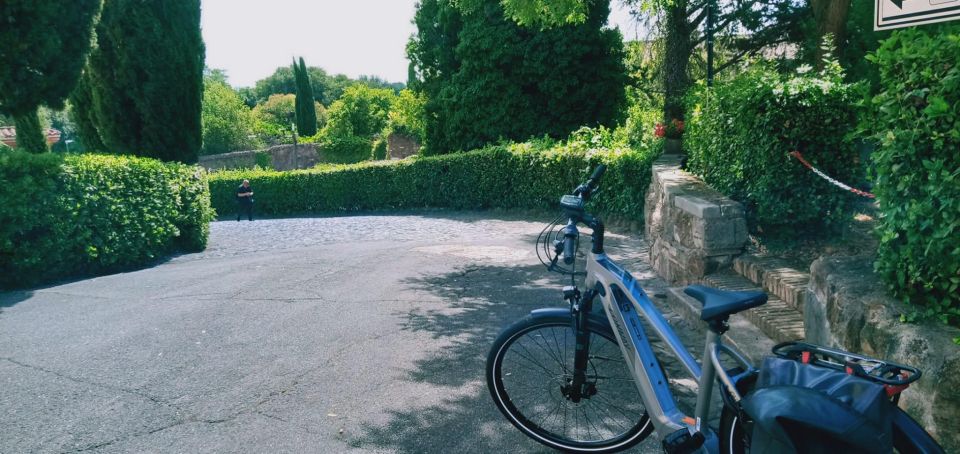
At $90.63 per person, you’re paying for more than a bike rental. The value is in the blend of guided time and included equipment.
What’s included:
- initial e-bike operation assistance
- local guidance
- helmet (mandatory)
- bag
- biodegradable water bottle
Not included:
- personal expenses
And then there’s the nuance: catacombs can involve extra fees. That doesn’t automatically make the tour “bad value,” but it does mean the final cost can be higher than the headline figure.
So here’s how I’d evaluate value if you’re deciding whether to book:
- If you want a structured catacombs visit plus Roman ruins plus an out-of-city ride, the guided format is worth paying for.
- If you only care about one or two photo stops and you’d rather do the rest on your own, this might feel pricier than it needs to be.
The small-group size (max 9 participants) is part of that value. Fewer people can make it easier for the guide to manage pacing and keep everyone together—especially important on a bike route.
Should you book? A practical decision guide
Book this tour if:
- you want the Appian Way experience without turning it into a long, exhausting hike
- you care about the Catacombs of Rome and want a guided hour there
- you like Roman sites that feel connected by streets and systems, not just disconnected monuments
- you prefer small-group touring over big bus crowds
Skip or adjust your expectations if:
- you dislike tours where some stops are mainly photo moments rather than long guided talks
- you’re trying to keep strict control over total costs, since catacombs may add fees
- you’re expecting a specific food setup at Egeria’s spring and want certainty—ask your guide before you go
One last check: choose comfortable clothing for a mix of riding, short walks, and being underground. Then bring your curiosity. This is the kind of Rome day that makes the city feel less like a list and more like a route with meaning.
FAQ
What is the duration of the Rome e-bike tour?
The tour lasts about 4 hours. Exact starting times vary, so you’ll need to check availability for the schedule.
How many people are in the group?
It’s a small group, limited to a maximum of 9 participants per guide.
Is the tour difficult?
No. The difficulty level is listed as leisure, and the total distance is about 15 kilometers.
What’s included with the ticket?
You get e-bike initial operation assistance, local guidance, a helmet (mandatory), a bag, and a biodegradable water bottle.
What languages are available for the live guide?
The live tour guide offers English, French, and Italian.
Are the catacombs included, and could there be extra costs?
The itinerary includes a guided visit to the Catacombs of Rome (about 1 hour). However, there may be extra fees associated with visiting the catacombs.
Can children join the tour?
Children under 1 year old are not allowed. Infants 1 to 4 years old can participate free of charge in a child seat with a load capacity up to 55 pounds (25 kg). A child extension is provided for ages 5 to 8, and children 9 and under can ride independently on an appropriately sized e-bike.