REVIEW · ROME
Rome: Small Group Pasta cooking class near Piazza Navona
Book on GetYourGuide →Operated by Alecu Andreea · Bookable on GetYourGuide
Fresh pasta in Rome, without the big tour crowd. This class near Piazza Navona turns you into a working pasta maker, with a chef guiding you in dough, sauce, and timing while you snack and sip as you go.
Two things I really like: the hands-on cooking setup (you make fresh pasta from scratch) and the way the meal is built into the experience, not tacked on afterward, with prosciutto, artisan cheeses, prosecco, and tiramisu.
One drawback to consider is that this is a true cooking session, so the full 3 hours are focused on making and tasting, not roaming around sightseeing.
In This Review
- Key highlights you will actually feel
- Why Piazza Navona is the perfect backdrop for pasta-making
- Your 3 hours: what the session feels like, step by step
- Choosing your pasta shape: fettuccine, tonnarelli, or maltagliati
- Sauce choice and ingredient decisions that teach real cooking
- Prosciutto, artisan cheese, and the welcome pour
- The real star: tiramisu made right before you
- Chef energy, interpreters, and the small-group advantage
- Price and value: what $147.27 is really covering
- Who should book this class, and who might not
- Should you book this Piazza Navona pasta class?
- FAQ
- How long is the pasta cooking class?
- How many people are in the group?
- What types of pasta will I make?
- What is included in the price?
- What languages are available for the instructor?
- Do you offer non-alcoholic options?
- Is the class wheelchair accessible?
- What is the cancellation policy?
- Is reserve and pay later available?
Key highlights you will actually feel
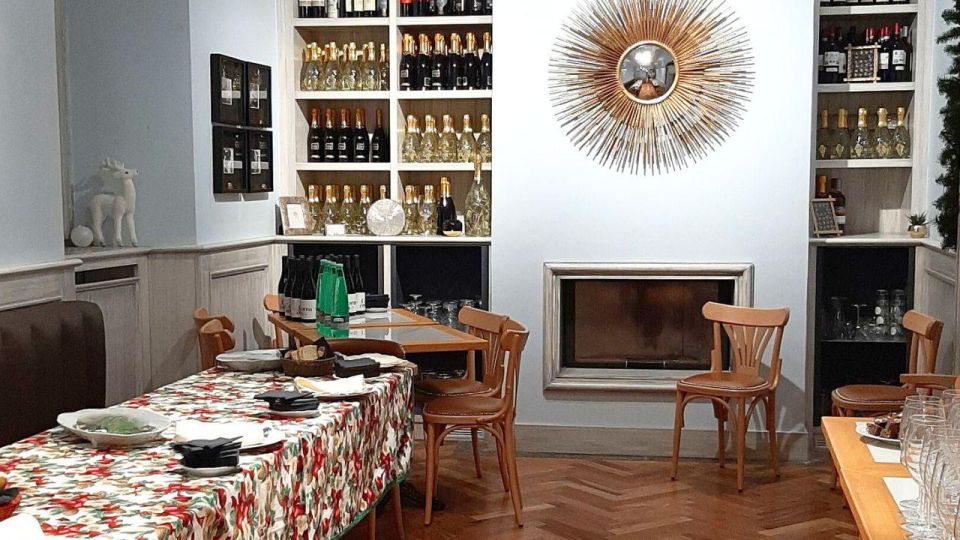
- Small group, max 6 people: more attention, less waiting, and a nicer pace
- 5-minute stroll from Piazza Navona: prime location without the hectic crowd energy
- You make fresh pasta: choose from fettuccine, tonnarelli, or maltagliati
- Choose your sauce and ingredients: you learn a method, not just a recipe
- Drinks and snacks are part of the class: prosecco, plus wine or a non-alcoholic cocktail
- Tiramisu and limoncello at the end: dessert is taught in real time, not delivered pre-made
Why Piazza Navona is the perfect backdrop for pasta-making
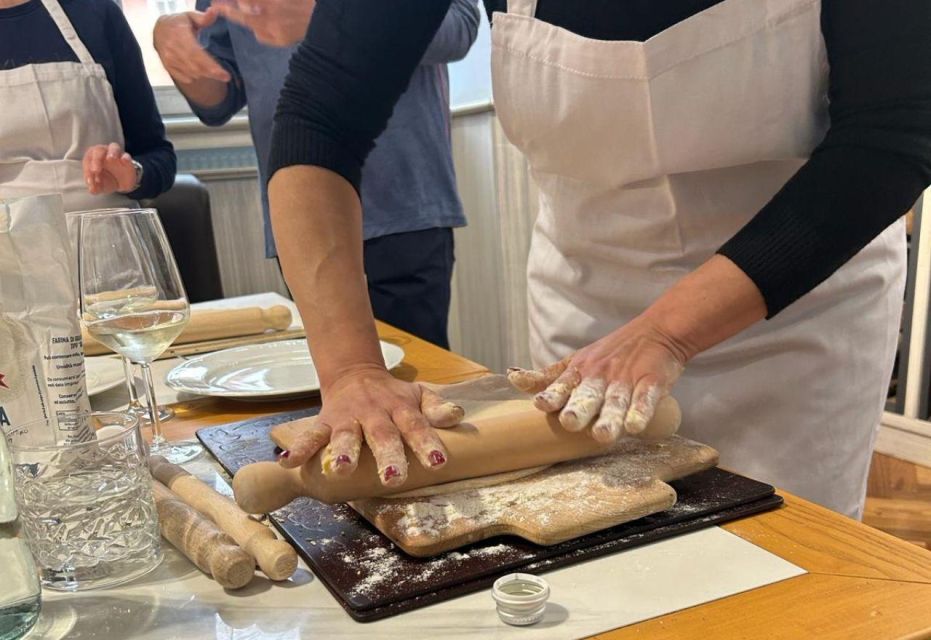
Rome can feel like a blur when you jump from sight to sight. This is a different kind of Roman experience, because you get to slow down and work with your hands while the city’s classic core sits just a short walk away.
The biggest practical win is the location. Being about a 5-minute stroll from Piazza Navona means you can combine it with other plans that day without losing half your day in transit. Even if you are just starting your Rome week, it helps you feel grounded fast: you are close to a famous landmark, but your evening is anchored by a table, a chef, and your own flour-dusted work.
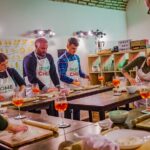
The second win is how personal it feels. With a maximum of 6 participants, you are not competing for instructions. You can ask questions about dough texture, how to handle cutting, and what makes a sauce taste right, and you are more likely to get a direct answer in the moment.
You can also read our reviews of more cooking classes in Rome

Your 3 hours: what the session feels like, step by step
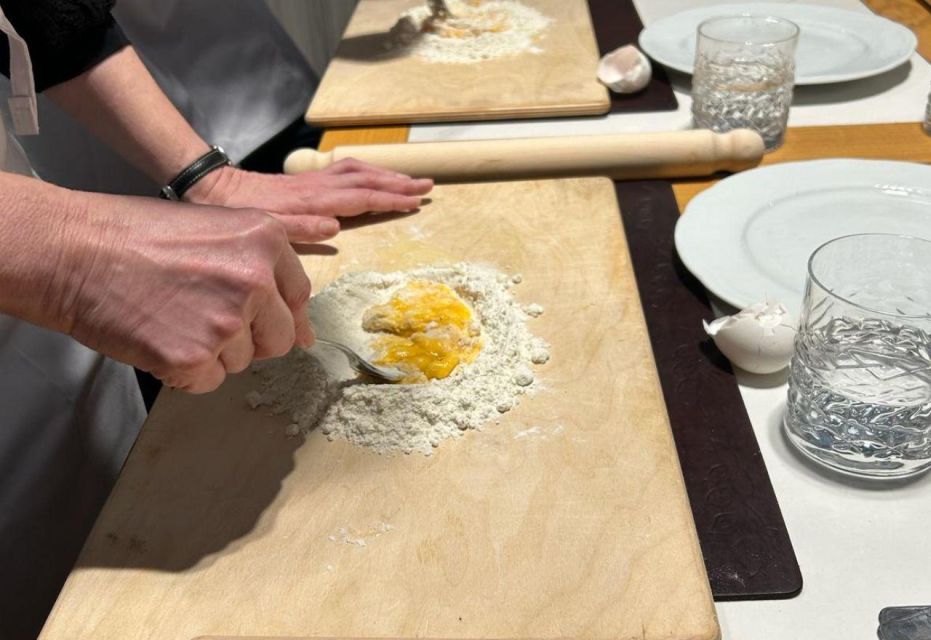
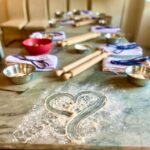
I like cooking classes that have a clear flow, because you always know what comes next. This one is structured around doing, tasting, and learning as you go, so you are never just sitting and watching.
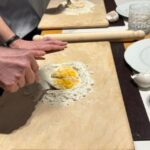
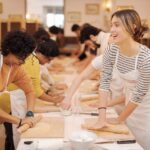
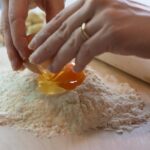
You start with the basics: an instructor walks you through making pasta from scratch, and you choose your pasta shape and what you want in your sauce. You are not expected to be a pro. The point is to learn how the dough should feel and how to move from mixing to shaping without panic.
Then the class builds momentum. You work on crafting your pasta, you get guidance on cooking and finishing choices, and you taste along the way. Included with the class are a selection of prosciutto and artisan cheeses, which gives you a real Italian start while your pasta is taking shape.
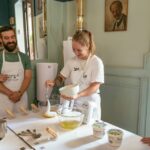
By the time you reach the end, you are not just thinking about dinner. You are ready for it. The lesson culminates with tiramisu made right in front of you, plus a shot of limoncello. It is a fun, memorable finish, and it gives you a clear takeaway: how to time dessert so it actually tastes like tiramisu, not like a hurry.
Choosing your pasta shape: fettuccine, tonnarelli, or maltagliati
One of the things that makes this class feel flexible is that you can pick what you make: fettuccine, tonnarelli, or maltagliati. That matters because it changes the feel of the entire session.
Fettuccine tends to be the crowd-pleaser. It is wide, smooth, and satisfying to shape, and it is great if you want pasta that feels classic and straightforward on the plate. If you are the type who likes easy-to-recognize results, this is a strong pick.
Tonnarelli has a slightly different character, and you get a sense of how shape influences sauce cling. It is a good choice when you want the lesson to feel more “Roman” in flavor and form, even if the method is still hands-on and approachable.
Maltagliati is the one that teaches you to relax a bit. It is more about irregular pieces and texture, and that can be oddly freeing if you worry about perfection. It also helps you understand the basic idea: pasta is not just about looks; it is about how it cooks and holds flavor.
You are making the pasta yourself, so no matter what you choose, you should expect the hands-on part to be the main event. If your goal is to leave with a skill you can actually repeat, this choice-first setup is a real advantage.
Sauce choice and ingredient decisions that teach real cooking
A lot of cooking classes show you a sauce recipe but do not teach you what to think about when you are cooking later. This one pushes you toward decisions: you choose your sauce and fresh ingredients.
That is valuable because sauce is where Italian home cooking becomes personal. You taste, adjust, and learn how the ingredients behave. Instead of memorizing a list, you learn the logic: balance, texture, and the way sauce works with the pasta shape you just made.
You also get to experience the difference between a sauce that feels like it was built for the pasta and a sauce that is just poured on top. Even if you keep your sauce simple at home, you will remember what made it feel complete here.
There is also a practical benefit. When you cook at home later, you will not have the exact same ingredients. But you will have the method: how to build flavor, how to finish, and how to recognize when something is too bland or too heavy.
Prosciutto, artisan cheese, and the welcome pour
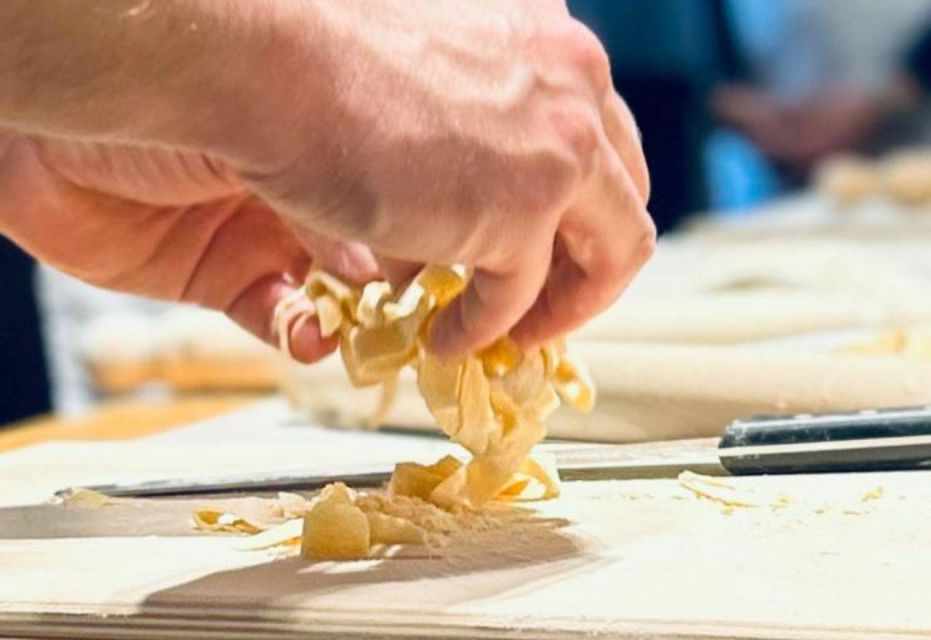
You do not just get a snack during downtime. The class includes a selection of prosciutto and artisan cheeses, and that choice matters for two reasons.
First, it gives you a proper Italian pacing. You are not waiting until the end for a meal. You are tasting while you learn, so the class feels like a real evening, not a workshop with food at the very end.
Second, it sets expectations for quality. Prosciutto and cheese are a big part of how Italians build comfort and flavor, and they give you something salty and rich to pair in your mind with what you are making. When your pasta lands, you understand it as part of a sequence, not as an isolated dish.
Then there is the drink component. You get one glass of prosecco as part of the included set, and you also get one glass of wine or a non-alcoholic cocktail. This makes the experience feel celebratory, and it also helps keep the energy light while your hands do the serious work.
If you prefer to keep it non-alcoholic, the non-alcoholic option is explicitly included. That is a nice detail for groups with different preferences.
You can also read our reviews of more tours and experiences in Rome

The real star: tiramisu made right before you
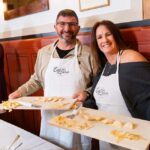
Dessert can feel like an afterthought in some classes. Here, tiramisu is a taught finish, and that changes your takeaway.
You get to learn the classic approach and watch it come together. The biggest practical value is timing and technique. When you see how it is assembled right in front of you, you start to understand why tiramisu can turn into a mess if you rush it or treat it like a regular cake.
You should also plan to take mental notes while it happens. The class is designed for you to pick up the secrets, and you will get better results at home if you remember not just what goes in, but how it is combined.
And then the flavor payoff arrives. A shot of limoncello lands at the end, adding that bright, citrus kick that cuts through the sweetness. It is a playful final touch that makes the whole 3-hour session feel like a complete meal from start to finish.
Chef energy, interpreters, and the small-group advantage
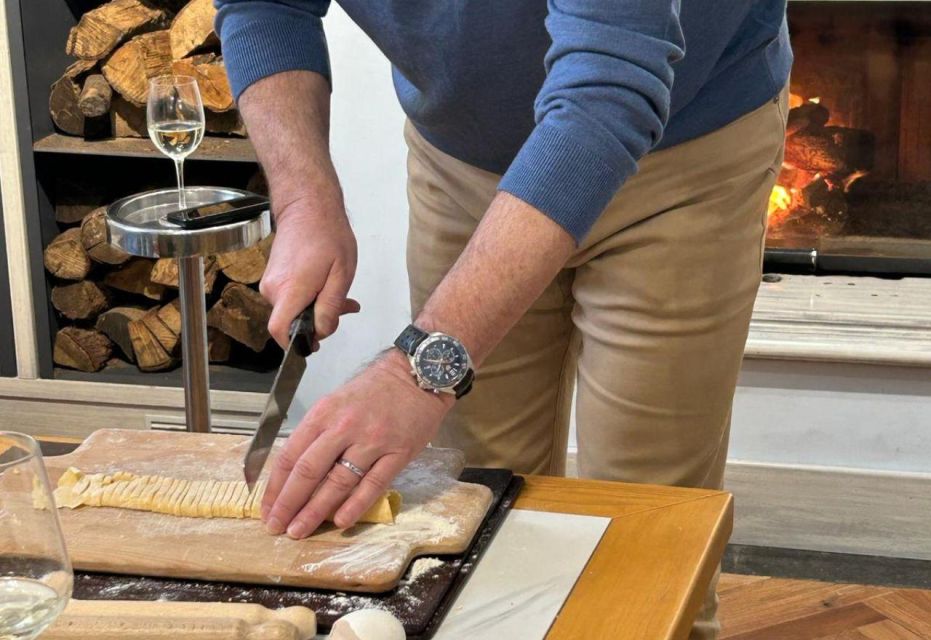
The most consistently praised part of this kind of class is the human side: the tone, the patience, and the way questions get answered without making you feel silly. The experience you are described here leans hard into that.
One standout from the feedback is Chef David (also heard as Davide) and an interpreter named Iheb, who helped keep the session fun and understandable throughout. That pairing matters if you are not fully comfortable in Italian cooking terms, because it lowers the mental barrier to learning.
This class is offered with instruction in English, Spanish, and French, which is another big plus. You do not just want translation. You want instructions that match how people learn, and the language options make that more likely.
Because the group is capped at 6, the chef can adjust. If the dough feels too dry, or you are unsure about how to cut, you are more likely to get the kind of fast, direct coaching that turns a stuck moment into a corrected one.
A small note on vibe: the feedback also describes the experience as friendly, with pleasant people and good moods. If you are looking for a class that feels warm rather than stiff, that lines up with the way this runs.
Price and value: what $147.27 is really covering
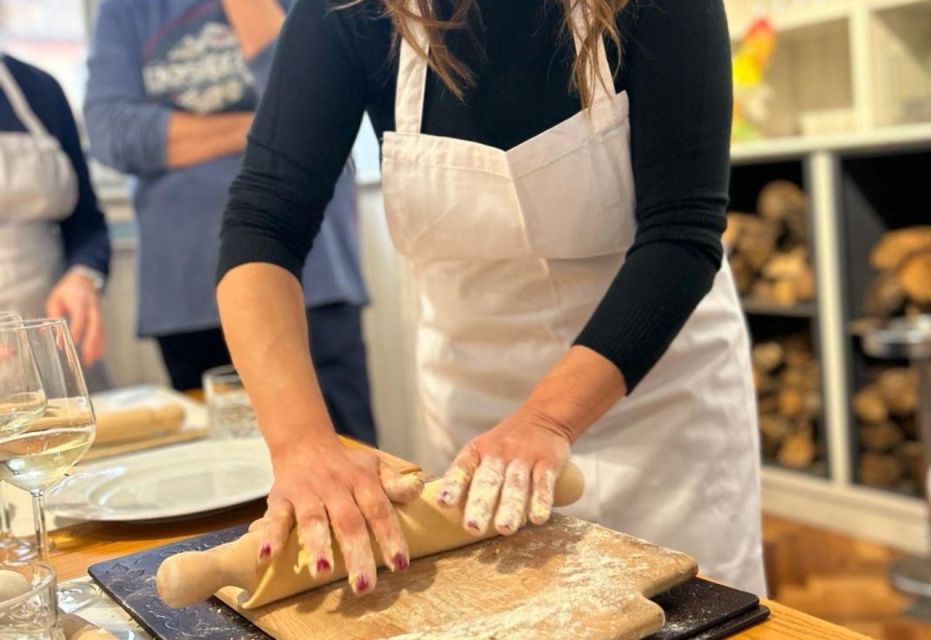
At $147.27 per person for a 3-hour class, you are paying for more than instruction. You are paying for ingredient quality, a chef’s time, and a full meal experience that includes drinks and dessert.
Here is what you are actually getting included:
- Your own handmade pasta with a sauce of your choosing
- A glass of prosecco
- A selection of prosciutto and artisan cheeses
- One glass of wine or a non-alcoholic cocktail
- Tiramisu
- One shot of limoncello
That package changes how you should view the cost. If it were just pasta-making with no meal and no drinks, the price would feel harder to justify. But because you are eating what you make, learning dessert technique, and getting multiple included drinks, the price becomes much more realistic for central Rome.
It is also a value win because you leave with a skill. The point is not only to get full that day. It is to have a method you can repeat. Cooking classes that cost a lot are often expensive because they are mostly observation. This one is built around doing, which is why it tends to feel worth it.
Who should book this class, and who might not
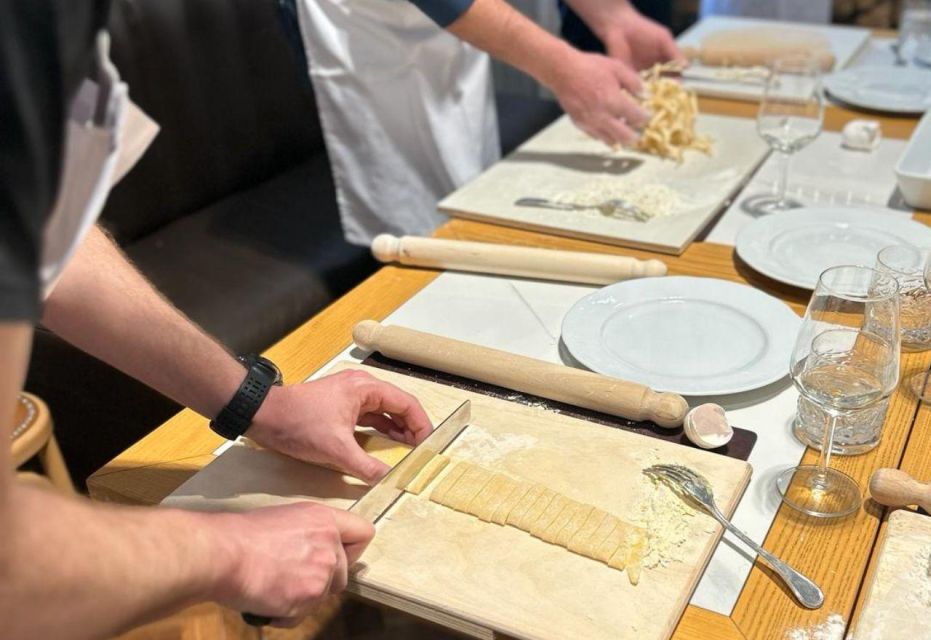
I think this works best for people who want something interactive and genuinely Roman, but without turning the day into a stress march. If you like food, you like learning, and you want a break from constant museum stops, this is a strong match.
It also seems like a good option for groups and families who want to share a table and an activity. The feedback specifically highlights that it can be enjoyable for the whole family, which usually means the chef and format keep things friendly and hands-on rather than technical and intimidating.
You might consider another option if you want a class that feels more like a quick tasting. This is not a short sip-and-snack tour. You will be making pasta, shaping it, choosing a sauce, and then finishing with dessert. Plan to enjoy the work.
Also, if you are extremely pressed for time, remember the session takes 3 hours. You are booking an experience, not a quick detour.
Should you book this Piazza Navona pasta class?
I would book it if you want an experience with three things: small group attention, a real chance to make pasta yourself, and a finish that goes beyond a simple dessert plate. The included prosciutto and artisan cheeses help make it feel like a true Italian meal, not just a cooking demonstration.
I would also book it if you care about language comfort. Instruction is offered in English, Spanish, and French, and the class has shown it can support guests with interpreters like Iheb when needed.
Skip it only if you do not want to cook for the full 3 hours. If you want sightseeing time over hands-on learning, you will likely feel rushed. But if you want to leave Rome with a method you can use again, this is one of the more satisfying ways to spend an evening near Piazza Navona.
FAQ
How long is the pasta cooking class?
The class lasts 3 hours.
How many people are in the group?
It is a small group limited to 6 participants.
What types of pasta will I make?
You can make fresh pasta such as fettuccine, tonnarelli, or maltagliati.
What is included in the price?
The class includes handmade pasta with a sauce you choose, a selection of prosciutto and artisan cheeses, prosecco and wine (or a non-alcoholic cocktail), tiramisu, and a shot of limoncello.
What languages are available for the instructor?
The instruction is available in English, Spanish, and French.
Do you offer non-alcoholic options?
Yes. The included drink can be one glass of wine or a non-alcoholic cocktail.
Is the class wheelchair accessible?
Yes, it is listed as wheelchair accessible.
What is the cancellation policy?
You can cancel up to 24 hours in advance for a full refund.
Is reserve and pay later available?
Yes. You can reserve now and pay later.