REVIEW · ROME
Rome: Sistine Chapel Early Morning Access
Book on GetYourGuide →Operated by Rome in tours · Bookable on GetYourGuide
The Vatican is a lot. This tour makes it manageable. You get early access to the Sistine Chapel and a guided run through the Vatican Museums with an expert guide.
I especially like the focus on how the artworks connect, not just where to stand for photos. I also like the small-group feel, which means you can ask questions and keep the pace from getting chaotic. One thing to consider: you must follow the dress rules and bring a valid ID, or entry can be denied.
In This Review
- Key Things You’ll Notice on This Early Morning Vatican Run
- Entering the Vatican Early: Why 2.5 Hours Feels Like More
- Meeting at Viale Vaticano: Find the Gate With Michelangelo and Raphael
- Vatican Museums Stops: Courtyards, Sculptures, Maps, and Renaissance Power
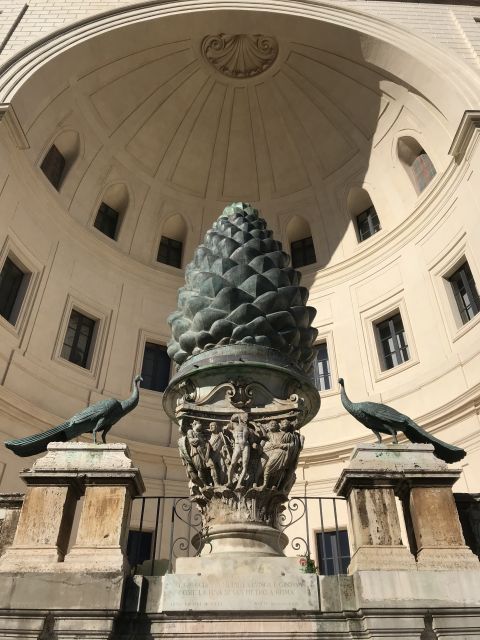
- Courtyard of the Pigna: A Quick Reset Before the Galleries
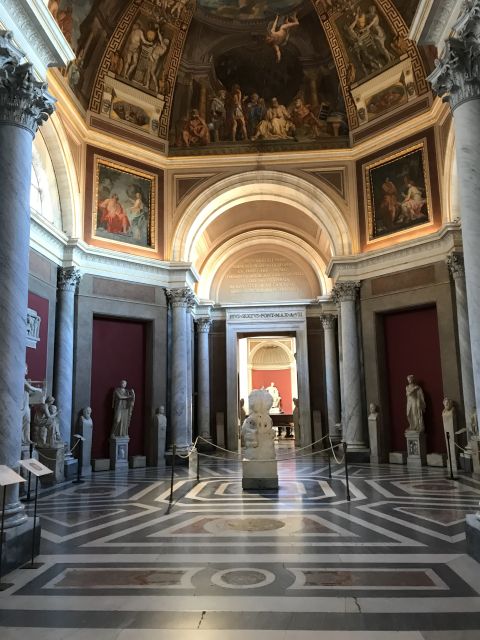
- Museo Pio Clementino: How the Museums Teach You to Look
- Cortile Ottagono and the 10–15 Minute Hits
- Gallery of the Candelabra: Small Space, Strong Focus
- Gallery of Tapestries and the Gallery of Maps: Politics You Can Read
- Raphael Rooms: Why This Section Feels Like a Turning Point
- The Sistine Chapel, Actually Seeing It: Ceiling and Altar Wall
- Saint Peter’s Square Photo Stop: A Tiny Pause in the Middle of Big Art
- Saint Peter’s Basilica: Pietà and Bernini’s Canopy
- Price and Value: What You Get for $220.91
- The Guide Matters: When Ferdinando Keeps It Moving
- What to Wear and Bring (So You Don’t Lose Entry)
- Clothing rules
- Bags and items
- ID rules
- Who This Tour Fits Best (And Who Might Prefer Another Plan)
- Should You Book This Early Morning Sistine Chapel Tour?
- FAQ
- How long is the Rome Sistine Chapel early morning access tour?
- Where does the tour start?
- What are the main stops during the tour?
- Does this tour skip the ticket line?
- Do I need to bring ID?
- What clothing and items are not allowed?
- How much time do you spend in the Sistine Chapel?
- Is the tour wheelchair accessible?
- What is the cancellation policy?
Key Things You’ll Notice on This Early Morning Vatican Run
- Priority entry means you walk in with a head start instead of fighting crowds
- Expert guide background (Ph.D. archaeologist or art historian) helps you read what you’re seeing
- Sistine Chapel time is built in so you can actually look, not just pass through
- Strategic route covers courtyards, major museum halls, Raphael Rooms, then Vatican highlights you care about
- Small group pacing keeps the tour moving while still leaving room for questions
- Clear rules for entry: shoulders and knees covered, no backpacks or large bags, and valid ID required
Entering the Vatican Early: Why 2.5 Hours Feels Like More
Starting early changes everything at the Vatican. You still get the big-ticket sights, but you do it with less pressure and more time to actually see instead of just queue. The tour is designed around speed with control: you move briskly, yet each stop has a purpose and a guide who explains what to notice.
This format also helps if you are the type who wants meaning, not just landmarks. The Vatican Museums are famous for their density of masterpieces, and the tour’s job is to connect the dots between major artists like Raphael, Michelangelo, and Botticelli. You’ll also learn why the spaces matter, starting with courtyards and gallery rooms before you reach the chapel and basilica.
The main trade-off is practical, not artistic. You’ll be inside museums and churches with strict entry rules. If you’re dressed wrong or you forget your ID, the entire plan can collapse.
You can also read our reviews of more tours and experiences in Rome
Meeting at Viale Vaticano: Find the Gate With Michelangelo and Raphael
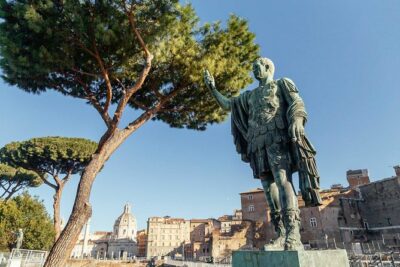
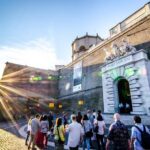
You meet at the Vatican Museums entrance area on Viale Vaticano, 100. The key detail is the specific meeting point: the gate with statues of Michelangelo and Raphael. That’s helpful because Vatican grounds can be confusing, especially when you’re arriving before the main rush.
Plan to arrive a bit early so you have time to settle in and get ready for what’s next. The tour is timed tightly (about 2.5 hours total), and once you start moving, you’ll want to be ready—especially with the rules on clothing and bags.
Also, bring the exact documentation you’re asked for. A valid ID is required the day of the tour, and failing to show it can mean denial to enter the Museums. This is one of those details where being prepared costs you almost nothing and saves you a huge headache.
Vatican Museums Stops: Courtyards, Sculptures, Maps, and Renaissance Power
The Vatican Museums portion is where this tour earns its keep. You get guided access through high-impact rooms without getting lost in the sheer scale of the complex. Even if you have visited Rome’s churches before, the Vatican Museums hit different: it’s art history stacked wall-to-wall, and a good guide helps you avoid the overwhelmed feeling.
Here’s how the tour’s museum sequence works in real life.
Courtyard of the Pigna: A Quick Reset Before the Galleries
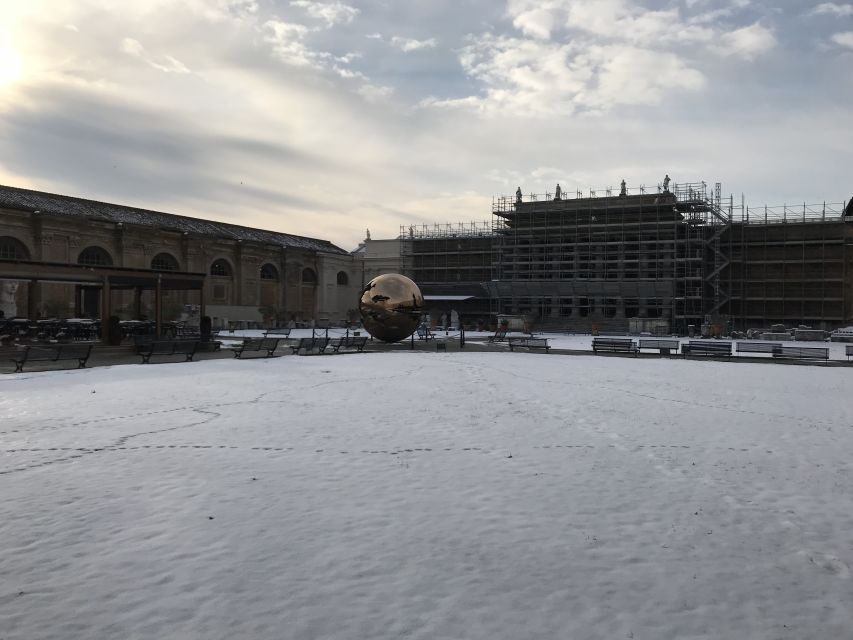
You start with the Courtyard of the Pigna (about 15 minutes). This is a smart first move: you step into an open area before the long indoor flow. You get a breather, and you also get a visual sense of the museum’s tone—grand, classical, and designed to impress.
For practical reasons, a short courtyard stop is also good for pacing. It keeps you from feeling like you’re going from zero to 100 without a warm-up.
Museo Pio Clementino: How the Museums Teach You to Look
Next is Museo Pio Clementino. This stop matters because it’s part of the Vatican Museums tradition of showing art as a system—sculpture, setting, and interpretation all working together. The guide’s job here is to point out what’s worth your attention rather than letting you wander.
One consideration: since you’re touring in a small window, you might not see everything you’d normally want if you were doing this at your own pace. You’re trading breadth for focus, and that usually feels worth it.






Cortile Ottagono and the 10–15 Minute Hits
You get a brief pass through Cortile Ottagono (about 15 minutes). Short blocks like this are useful in the Vatican. They keep the tour moving while letting you absorb key details. If you’re the type who likes to look longer than scheduled, these timed stops might feel fast—but the guide’s explanations help you get value without needing extra minutes.
Gallery of the Candelabra: Small Space, Strong Focus
The Gallery of the Candelabra is about 10 minutes. This kind of room is perfect for a guided approach because the details can get lost if you only skim. With the explanation, you’re not just watching architecture—you’re learning why the design and artworks mattered to their era.
Gallery of Tapestries and the Gallery of Maps: Politics You Can Read
Then comes a pair of quick, meaningful stops:
- Gallery of Tapestries (about 10 minutes)
- Gallery of Maps (about 10 minutes)
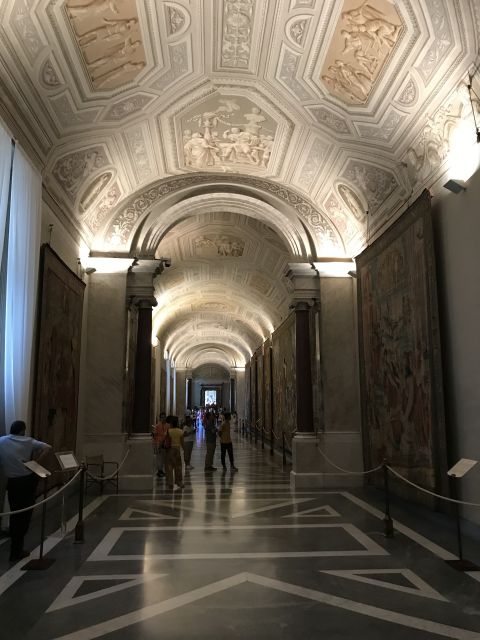
Both are included for a reason. Tapestries were status and storytelling. Maps were power and perspective. You’ll likely spend more time thinking about what they communicate after the guide explains the context.
This is also one of the reasons the small-group format works. When you’re guided through rooms like this, the guide can answer your questions fast without breaking the tour rhythm.
Raphael Rooms: Why This Section Feels Like a Turning Point
The tour ends the museum run with Raphael Rooms (about 20 minutes). This is a highlight area because it connects directly to the Renaissance world the Vatican is famous for. You’ll also be led to the private apartment of Pope Julius II painted by Raphael—part of what makes these rooms so central to how you understand the Vatican’s artistic identity.
If you like art that links to people with real influence—patrons, power, ideology—this section is the payoff moment.
The Sistine Chapel, Actually Seeing It: Ceiling and Altar Wall
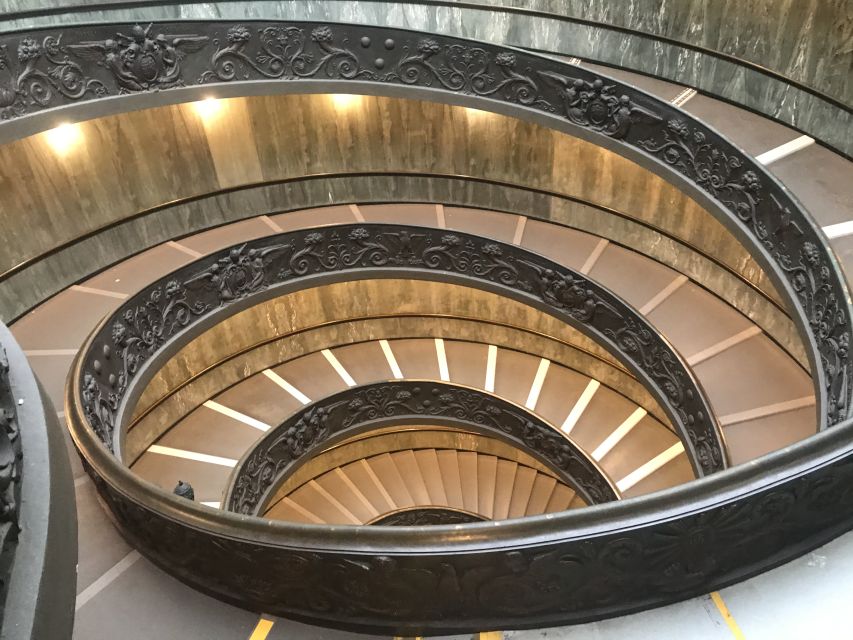
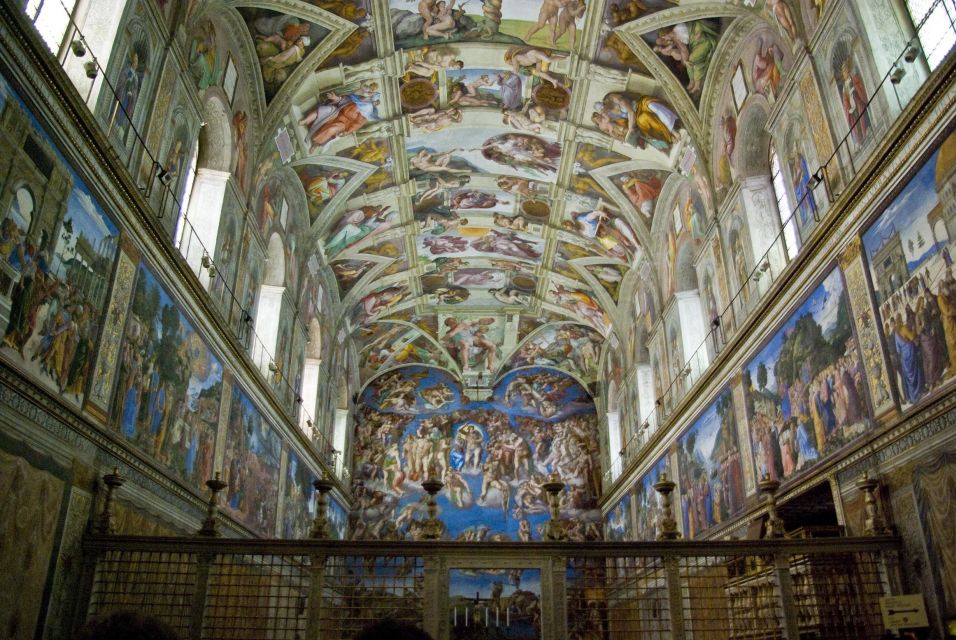
After the museum rooms, you head to the Sistine Chapel with a 30-minute guided visit. This is the moment most people care about, and early access matters here because the chapel experience is all about attention.
Michelangelo’s work is the headline: he spent 9 years painting the ceiling and the altar wall. With a guide, you’re not just looking up—you’re learning how to interpret what you see. That turns the chapel from a must-see checklist item into a place you can understand.
Two practical notes make a difference in your experience:
- You need to be ready to follow the chapel rules and dress standards you agreed to earlier.
- If you tend to “scan for the famous bits,” you’ll still want to slow down. The time is fixed, so let the guide help you prioritize what to notice first.
The best part of this setup is that you’re not rushed out immediately. You get enough time to stand, look, and absorb the guide’s pointing and explanations.
Saint Peter’s Square Photo Stop: A Tiny Pause in the Middle of Big Art
Right after the chapel, you reach Saint Peter’s Square. It’s scheduled as a 5-minute photo stop plus a bit of sightseeing with the guide. This section is brief on purpose. It gives you a quick reset and a clear sense of where you are before you move into the basilica interior.
Use this window to orient yourself. If you’re planning to keep exploring afterward, this stop helps you recognize the layout so you don’t feel turned around once the tour ends.
Saint Peter’s Basilica: Pietà and Bernini’s Canopy
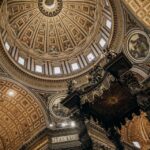
The tour includes Saint Peter’s Basilica with about 30 minutes of guided time. You’ll be guided to masterpieces mentioned as highlights: Michelangelo’s Pietà and Bernini’s Canopy over the main altar.
This is where having a guide really matters. Big churches are easy to treat like architecture backdrops. A guide pulls your attention toward what you came for, and explains what you’re seeing in a way that makes your own eyes more useful.
If you’re someone who likes contrasts—sculpture emotion next to grand religious design—this stop lands well. And because the tour is structured, you don’t waste the most important time wandering.
Price and Value: What You Get for $220.91
At $220.91 per person, this is not a budget activity. So you should ask one simple question: does it save you time and boost your understanding?
Here’s what you’re paying for, based on the tour structure:
- Priority entry and skip-the-ticket-line access, which is huge at the Vatican
- A live guide who is either a Ph.D. archaeologist or an art historian
- A curated sequence of major museum rooms plus time set aside for Sistine Chapel and Saint Peter’s Basilica
- A Sistine Chapel brochure to support what you’re seeing
- Small-group interaction so you can actually ask questions and keep moving with confidence
Is it worth it? If you’re going for first-class guidance and early timing, yes. If you prefer total freedom and want to linger for 3 hours per room, then you might feel constrained. This tour is for people who want the highlights plus expert interpretation without wasting energy.
Also, the early schedule can be a hidden value. Less waiting typically means less fatigue. In Rome, saving your energy is part of the cost-benefit equation.
The Guide Matters: When Ferdinando Keeps It Moving
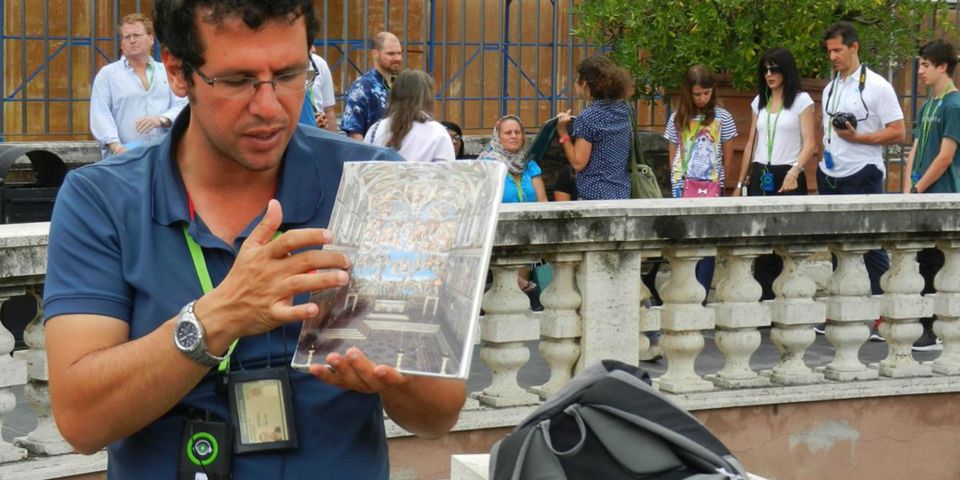
One of the strongest positives tied to this experience is the guide quality. I’ve seen how guides like Ferdinando can make the day feel both fun and well paced. The key detail isn’t just knowledge; it’s momentum. He keeps the tour moving while still answering questions and building connections between art and archaeology.
That matters because the Vatican can become frustrating fast if your guide is either too slow or too vague. Here, the goal is to help you leave with a real sense of what you saw and why it matters.
What to Wear and Bring (So You Don’t Lose Entry)
This tour is strict for good reasons: churches and museums have entry rules, and the Vatican is not flexible on dress. Here’s what you need.
Clothing rules
- Shoulders and knees must be covered
- No shorts
- No short skirts
- No sleeveless shirts
Bags and items
- No luggage or large bags
- No backpacks
- Luggage, big umbrellas, and big backpacks are not permitted
ID rules
- You must bring a valid ID for all participants
- For students, a student card is mentioned
- For children: passport or ID card for children
- An ID card copy is accepted
If you’re traveling with a parent or teenager, this is one of those moments to treat the ID rules as non-negotiable. A lost or forgotten card can turn your early morning into a long walk away.
Who This Tour Fits Best (And Who Might Prefer Another Plan)
This experience suits you if:
- You want early entry and a tour that focuses on the Vatican’s top highlights
- You value interpretation and context from an art historian or Ph.D. archaeologist
- You like a small group so you can ask questions without being unheard
You might look for another option if:
- You want to spend lots of time lingering on your own (this tour is timed)
- You don’t want to follow dress and bag rules
- You need wheelchair accessibility. The tour is listed as not suitable for wheelchair users, and mobility needs are only mentioned as something to discuss for a private customization.
Should You Book This Early Morning Sistine Chapel Tour?
If your main goal is to see the Sistine Chapel and Saint Peter’s Basilica with expert guidance and minimal waiting, this is a solid bet. The value comes from priority entry, the small-group pace, and the fact that time is allocated where it counts—especially the 30 minutes in the Sistine Chapel and guided focus in the basilica.
I’d book it when:
- You’re a first-time Vatican visitor who wants the highlights plus meaning
- You’re traveling with others and want fewer logistics headaches
- You want an expert guide like Ferdinando who keeps things moving and answers questions
Skip it when:
- You plan to arrive with no ID, or you cannot meet the dress rules
- You want maximum freedom to linger everywhere
FAQ
How long is the Rome Sistine Chapel early morning access tour?
It lasts about 2.5 hours total.
Where does the tour start?
You meet at the Vatican Museums entrance at the gate with statues of Michelangelo and Raphael, on Viale Vaticano, 100, 00192 Rome.
What are the main stops during the tour?
You’ll visit the Vatican Museums, see rooms including the Courtyard of the Pigna, Museo Pio Clementino, Cortile Ottagono, and galleries such as the Gallery of Candelabra, Tapestries, and Maps. Then you’ll go to the Raphael Rooms, Sistine Chapel, Saint Peter’s Square photo stop, and St. Peter’s Basilica.
Does this tour skip the ticket line?
Yes. Priority entry is included, and it’s listed as skipping the ticket line.
Do I need to bring ID?
Yes. A valid ID is required the day of the tour for all participants. If you fail to show it, entry can be denied.
What clothing and items are not allowed?
You should cover shoulders and knees. The tour lists no shorts, short skirts, sleeveless shirts, and no luggage or large bags. Backpacks are also not allowed, and big umbrellas and large bags are not permitted.
How much time do you spend in the Sistine Chapel?
The Sistine Chapel visit is guided for about 30 minutes.
Is the tour wheelchair accessible?
No. It is listed as not suitable for wheelchair users, with guidance to contact the local partner for private customization if you require a wheelchair.
What is the cancellation policy?
The tour is non-refundable.