REVIEW · ROME
Rome: Scavenger Hunt Self-Guided Tour
Book on GetYourGuide →Operated by Stadtspiel Schnitzeljagd GmbH · Bookable on GetYourGuide
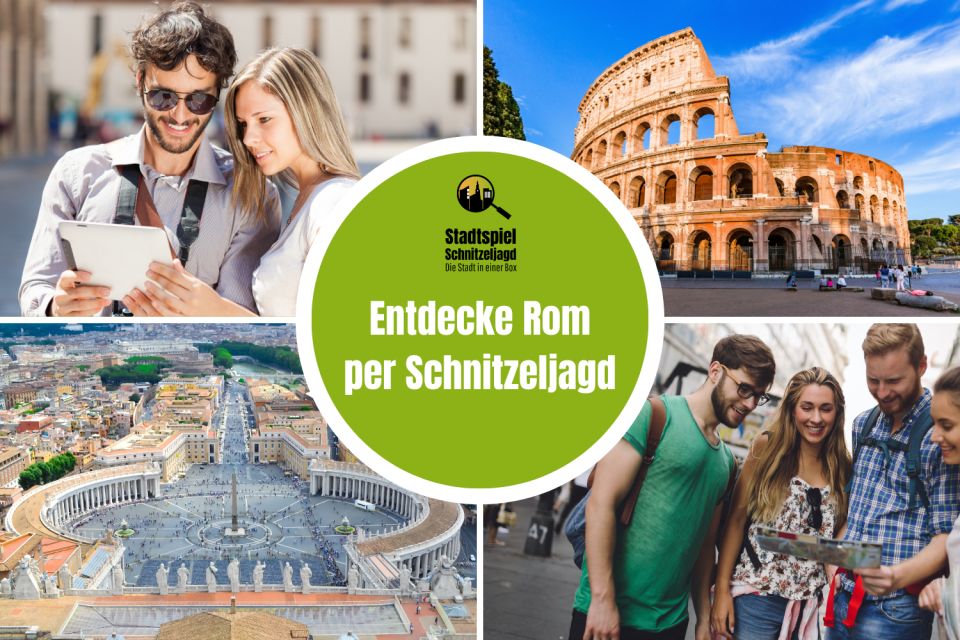
Rome feels different when you solve it step by step. This self-guided scavenger hunt turns major sights into a game, from the Colosseum to St. Peter’s Square. You walk at your pace, open envelopes when you’re ready, and use the puzzles to keep moving instead of just wandering.
I really like two things about it. First, the route hits the big-name landmarks and the in-between squares like Piazza Venezia and Piazza Colonna, so you get a fuller day of historic Rome than a quick photo sprint. Second, the hunt is built for flexibility: you can pause for espresso, take photos, or even stretch it across more than one day.
One drawback to consider: you won’t meet a guide in Rome. You’re starting from your mailed scavenger hunt box, and if your group wants someone to explain things face-to-face, this setup may feel a little self-serve.
In This Review
- Key things to know before you start
- The game plan: Colosseum to Vatican in one self-guided day
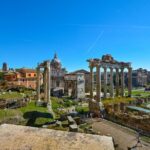
- From the Colosseum to the Forum Romanum: ruins with momentum
- Pantheon and Hadrianeum: turning famous sights into a route
- Piazza Venezia, Piazza Colonna, and Piazza Nova: the movie-backdrop stops
- Spanish Steps and Trevi Fountain: when you need rhythm, not rush
- The “two states” finish: Vatican and St. Peter’s Square
- What you actually get: 16 envelopes, facts, and an emergency solution
- Walking distance, timing, and comfort: plan like you mean it
- Price and value: is $53 per group a good deal?
- Best for families, friends, and independent travelers
- Practical logistics: how the mailed box changes your Rome plan
- Is this scavenger hunt for you? A simple decision guide
- FAQ
- How long is the Rome scavenger hunt?
- Where does the scavenger hunt start?
- Do I need a tour guide with me?
- How do I get the scavenger hunt box?
- Can I start at any time after it arrives?
- What is included in the scavenger hunt box?
- What should I bring?
- What sights are on the route?
- Is the cost per person?
- Are entrance fees and transport tickets included?
- Should I book this Rome Scavenger Hunt?
Key things to know before you start
- No guide, just a box: 16 envelope “chapters” with riddles, directions, and facts
- A route that crosses into Vatican City: you end with St. Peter’s Square after Italy’s sights
- About a 10km walk in 5 to 6 hours: comfortable shoes matter
- Pause or stop anytime: you can take breaks and keep going later
- Emergency envelope with solutions: helpful if a riddle traps you
- Best value for groups up to 10: one price covers a whole team, not per person
The game plan: Colosseum to Vatican in one self-guided day
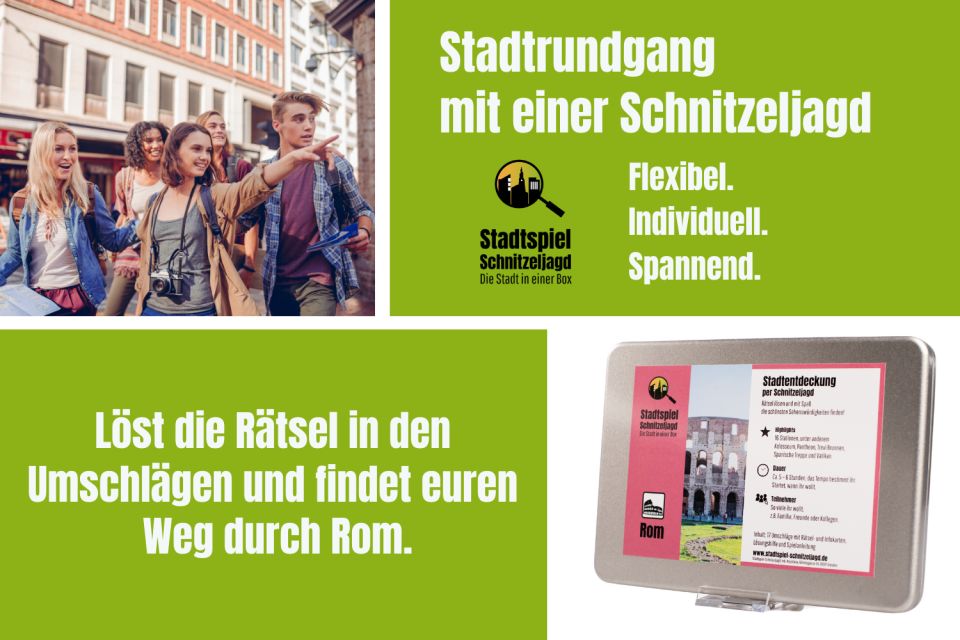
This is a walking scavenger hunt built around Rome’s most famous ruins and squares, with an ending that feels like a reward: the Vatican. Your “tour” starts at the Colosseum, where you begin opening the first envelope and following the next set of clues. After that, the city becomes a sequence of targets—landmarks you’d recognize instantly, plus plazas that help you connect the dots between them.
What makes this kind of tour work is simple: Rome is huge, crowded, and easy to overplan. A puzzle route gives structure. Instead of asking yourself, What should we do next? you’re already being nudged forward by the next riddle and next set of instructions. It also means the day feels lighter. Even if you’re tired, you can pause the hunt whenever you want and enjoy the street scenes around you.
The hunt lasts about 5.5 hours, but the experience is designed for breaks. You can stop for a rest, an espresso, or a photo moment, and then resume when you’re ready.
You can also read our reviews of more guided tours in Rome



From the Colosseum to the Forum Romanum: ruins with momentum
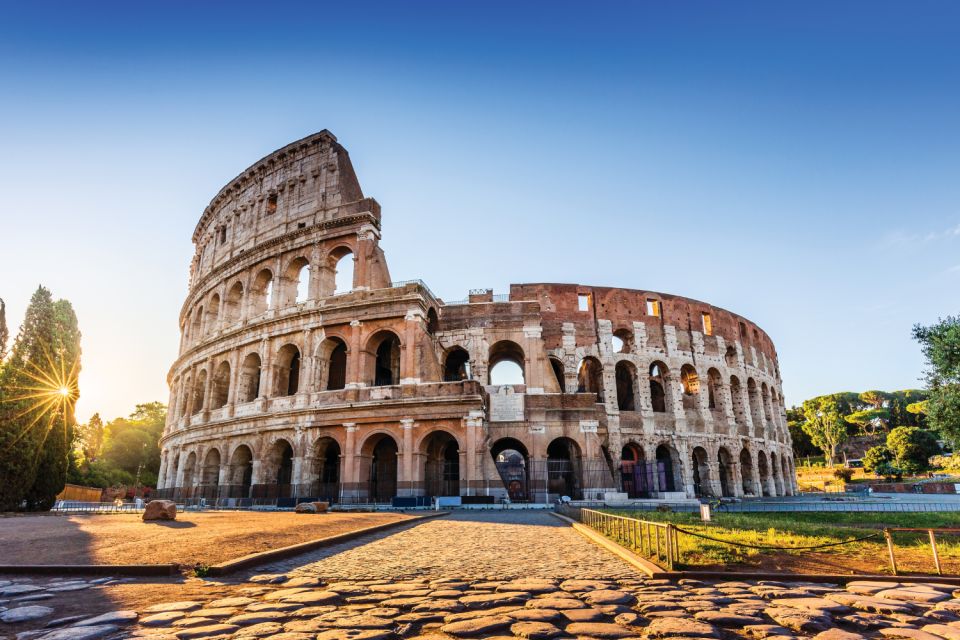
Starting at the Colosseum is a smart choice for a game. It’s iconic, and it’s also a place where you automatically slow down and look around—perfect for getting your bearings before the puzzles start moving you again.
From there, the route brings you to the Forum Romanum area, which is where Rome’s story shifts from “wow, big building” into “how did people live here?” You’re not just passing through. The hunt format keeps you active: read the clue, follow the directions, and stop at the next waypoint with a reason beyond sightseeing.
One practical tip: go in with the mindset that you’re not trying to speedrun it. At historic Rome sites, the crowd flow can be slow, and you’ll want small pauses to read and reorient. The hunt’s pacing helps here because it doesn’t demand a strict minute-by-minute schedule.
Pantheon and Hadrianeum: turning famous sights into a route
The Pantheon is another big anchor on the walk. Even if you’ve seen photos, being there in person changes the scale fast. In a self-guided format like this, the value isn’t only the building. It’s that the hunt gives you a structured reason to stop, look, and then move on without losing time trying to figure out where to go next.
The route also mentions the Hadrianeum. That’s the kind of stop that many “big sights only” plans skip, even though it helps connect the dots between the grand monuments and the wider historic fabric of the city.
If your group likes a bit of variety—ruins, landmark interiors you might peek into from the outside, and streets that feel more local—this middle stretch is where the day gains texture.
Piazza Venezia, Piazza Colonna, and Piazza Nova: the movie-backdrop stops
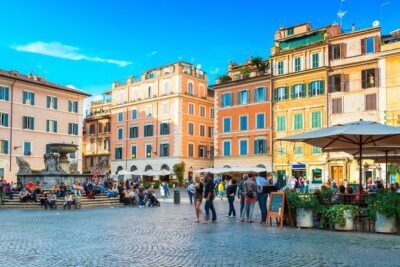
Rome has an annoying habit of making you feel like you’re always walking past something important. This hunt uses that advantage. You’re guided through key squares like Piazza Venezia, Piazza Colonna, and Piazza Nova, with directions and facts baked into the envelopes.
One of the most fun details here is Piazza Nova, which is noted as a prominent movie backdrop in Iluminati, starring Tom Hanks. That’s the kind of clue that makes you look twice. Suddenly you’re not just walking through a plaza—you’re hunting for the exact place you’ve seen on screen.
These squares are also good breaks. If you’re walking with kids, they often do best at open areas where they can stretch their legs and refocus before the next waypoint.
Spanish Steps and Trevi Fountain: when you need rhythm, not rush
The Spanish Steps are on the route, with the hunt designed to move you through the hustle-and-bustle zones. This part can be busy, so the best strategy is to use the puzzle format to slow down at the edges instead of trying to stay locked in the center of the crowd.
Next comes Trevi Fountain, one of the few places where most people instinctively stop even if they didn’t plan to. The hunt adds structure to that moment with tradition: you can throw a coin at the fountain as locals do.
Two things make this segment work well in a scavenger hunt:
- You get a reason to arrive there at the right pace, instead of racing across Rome to make it before sunset.
- The hunt makes a crowded landmark feel like a checkpoint, not a stress test.
You can also read our reviews of more tours and experiences in Rome




The “two states” finish: Vatican and St. Peter’s Square

A big selling point is that the hunt crosses into another country in the same outing. You start in Italy and end in Vatican City, finishing with St. Peter’s Square.
That shift can feel dramatic, even if you’re just walking. The hunt format helps because you don’t have to manage multiple tour bookings or coordinate transport between areas. You’re simply following the next envelope—and then, at the end, you’re standing in one of Europe’s most recognizable public spaces.
If you want your day to feel like it has a payoff, ending here makes sense. Rome days can blur together. A final “grand landing” at St. Peter’s Square gives your feet a finish line.
What you actually get: 16 envelopes, facts, and an emergency solution

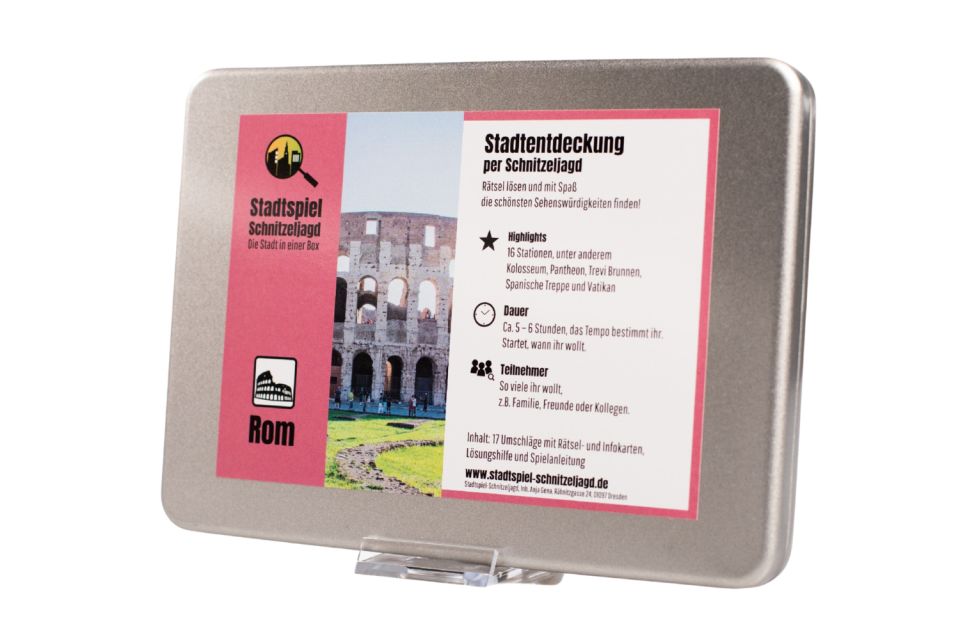
The included items are the heart of the value. You’ll receive a scavenger hunt box (including shipping), plus 16 envelopes containing riddles, directions, and information/facts. There’s also an emergency envelope with all solutions, which matters more than you might think.
For many self-guided activities, people get stuck on one point and the whole day slows down. Here, the emergency envelope reduces that risk. It lets you either keep going confidently or bail out quickly without turning your afternoon into a puzzle-famine.
Also note the way the hunt encourages learning. The envelopes don’t just tell you where to stand. They add interesting context so the landmarks don’t feel like a random checklist.
Walking distance, timing, and comfort: plan like you mean it
The route is about 10 kilometers on foot, typically 5 to 6 hours in total. That’s doable for many people, but it’s not a “light stroll.” You’ll want comfortable shoes, especially if your schedule includes any evening walk after.
The tour is also flexible about timing. You can pause at any time to take photos or take a break. That’s a relief in Rome, where crowds and detours happen. If the day runs long, you’re not forced to finish everything in one single push.
And because the walk passes many cafés and bistros, it’s easy to break up the day with espresso or a sit-down moment without planning a specific restaurant stop.
Price and value: is $53 per group a good deal?

At $53 per group (up to 10 people), you’re not buying a guide’s labor. You’re buying a structured experience: the box, the envelopes, and the logic of the route. That can be excellent value if:
- you’re traveling with friends or family who enjoy games,
- you like doing your own pacing,
- you’re okay walking between sights without timed entry.
In the practical world, this price can feel different depending on your group. If you’re a couple who wants a guided explanation at each stop, you might feel like you paid for puzzles more than for sightseeing help. But if your group enjoys interacting with the city, the structure is the product.
A note on real-world expectations: one review criticism mentioned the box felt pricey for how few envelopes it contains, and that children were sometimes less interested. So if your group is likely to lose steam quickly, plan for that by choosing the right pace and using the breaks strategically.
Best for families, friends, and independent travelers
This works especially well when your group likes:
- teamwork (riddles are more fun together),
- decision-making (you control the pace),
- flexible breaks (you can stop anytime).
It’s also a strong match for families. Several comments highlighted how children got excited about opening the next envelope and staying motivated by the next task. That doesn’t mean every child will love it, but the format is built for engagement.
For friends, the scavenger hunt style makes it feel less like sightseeing chores and more like a shared mission—especially when you hit those fun clue moments like the movie connection at Piazza Nova.
If you’re the kind of traveler who wants someone to explain Roman history out loud, or you need a strict plan, you may find this too self-guided. But if you like independence, this gives you structure without taking control away.
Practical logistics: how the mailed box changes your Rome plan
Here’s the key difference versus most Rome tours: there’s no tour-guide at the meeting point, and you start whenever you want once you have the box.
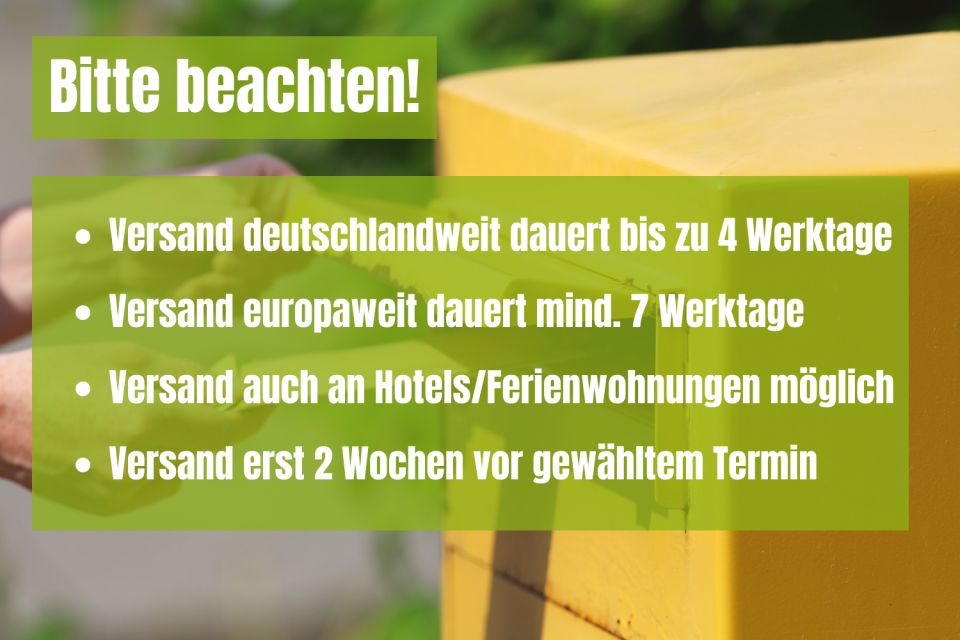
You receive the scavenger hunt box via mail, and shipping takes about 4 working days within Germany. It’s shipped at earliest 2 weeks before your selected date. There’s no pickup in Rome. You’ll want to plan around this timing so the box arrives before you travel.
Because you can start on any date/time you wish (as long as you have the box), you gain flexibility. This is helpful if your Rome itinerary shifts due to weather or museum choices.
You’ll also need to bring the game box to the meeting point, since that’s your starting kit.
Is this scavenger hunt for you? A simple decision guide
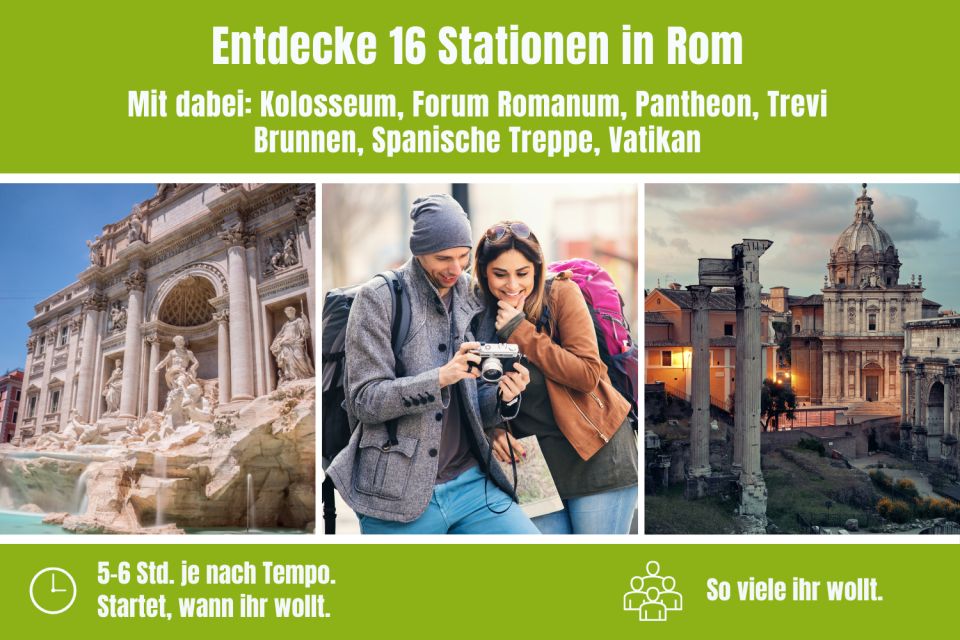
Book it if you want a structured, low-pressure way to see major sights without joining a group that moves fast. It’s a solid choice for families and friend groups who enjoy puzzles, and it’s a great way to connect landmarks like the Colosseum, Forum Romanum, Pantheon area stops, Piazza Venezia/Colonna/Nova, Spanish Steps, Trevi Fountain, and then the Vatican finish.
Consider skipping or switching to a guided tour if you:
- expect a guide to provide narration and history in real time,
- dislike walking 10 kilometers,
- know your group gets bored with riddles or reading-based tasks.
FAQ
How long is the Rome scavenger hunt?
The experience is planned for about 5.5 hours (roughly 5 to 6 hours).
Where does the scavenger hunt start?
The hunt starts at the meeting point at the Colosseum area, where your game begins.
Do I need a tour guide with me?
No. There is no guide at the meeting point. You’ll follow the envelopes in your scavenger hunt box.
How do I get the scavenger hunt box?
The box is shipped to you by mail. Shipping can take about 4 working days within Germany, and it is shipped earliest 2 weeks before your selected date.
Can I start at any time after it arrives?
Yes. You can start on any date and at any time you wish after you receive the box.
What is included in the scavenger hunt box?
It includes the shipping, 16 envelopes with riddles, directions, and information/facts, plus an emergency envelope with all solutions.
What should I bring?
You should bring comfortable shoes and the game box you received via mail.
What sights are on the route?
You’ll pass major sights such as the Colosseum, Forum Romanum, Pantheon, Hadrianeum, Spanish Steps, Piazza Venezia, Piazza Colonna, Piazza Nova, Trevi Fountain, and then reach the Vatican and St. Peter’s Square.
Is the cost per person?
The price is per group, up to 10 people.
Are entrance fees and transport tickets included?
No. Entrance fees and transportation tickets are not included, and food and beverages aren’t included either.
Should I book this Rome Scavenger Hunt?
If your goal is independent sightseeing with built-in motivation, this is a strong fit. The mailed box, 16 riddle envelopes, and the emergency solution keep the day moving without needing a guide. Add the flexibility to pause or continue later, and you have a practical way to see a lot of Rome, ending with the Vatican’s St. Peter’s Square.
Just go in knowing it’s a walking game—bring good shoes, plan for about 10 kilometers, and make sure your group actually enjoys puzzles. If you match that, you’ll likely have a fun, memorable day that feels like Rome, not a checklist.