REVIEW · ROME
Rome: Private Colosseum Experience and Ancient Ruins Tour
Book on GetYourGuide →Operated by Tour in the City - Travel Agency Rome - · Bookable on GetYourGuide
Three sites, one tight Roman afternoon. You get a focused look at the Colosseum, Palatine Hill, and Roman Forum with either a licensed live expert (headsets included) or a self-guided route with a multilingual audio app, and it’s designed so you spend less time stuck in crowds. I especially like how the route pushes you into the action quickly with fast-track entrance, and how a guide named Sara has earned praise for being personable, packed with specifics, and great at showing the best photo spots. One thing to consider: Colosseum security checks names and IDs, and if you arrive late, you may not be able to join or reschedule because ticket changes aren’t possible.
If you want control, the audio option lets you move at your own pace with phone-based storytelling across the main ruins. The tour timing is set for about 3 hours (and in July and August it runs 2 hours due to heat), so it’s a good fit when you want a big “wow” hit without an all-day commitment. The main downside for some people is that it’s not wheelchair accessible, and the ruins are real walking, real stone, real Rome.
In This Review
- Key highlights that make this tour work
- Entering the Colosseum fast, without losing your morning
- Private guided tour vs audio VIP: choose your pace
- Colosseum inside: where the stories match the stones
- Arches and photo stops: the quick hits that add up
- The Roman Forum: reading power in broken columns
- Palatine Hill: emperors’ views and city-scale perspectives
- Price and value: what you’re paying for beyond the ticket
- Timing, security checks, and weather reality
- Practical tips that make your walk easier
- Who should book this tour?
- Should you book the Rome Private Colosseum and Ancient Ruins tour?
- FAQ
- How long is the Colosseum, Palatine Hill, and Roman Forum tour?
- Does this tour include fast-track entry?
- Is the tour private?
- What languages are available?
- Is the audio app included if I choose the self-guided option?
- What should I bring for the visit?
- Are selfie sticks allowed?
- Is this tour wheelchair accessible?
- What if I arrive late to the meeting point?
Key highlights that make this tour work
- Fast-track entry: skip the long ticket line so you can get to the Colosseum sooner
- Headset system with a licensed English-speaking guide: you hear details even in busy areas
- Private tour option: tailored pacing with a small group feel
- Audio app points of interest: 44 stops with multilingual narration for self-guided exploration
- “Second tier” panoramic views: the route is planned so you hit major viewpoints during the visit
- Photo-friendly stop planning: quick pauses at key arches and overlooks help you shoot and regroup
Entering the Colosseum fast, without losing your morning
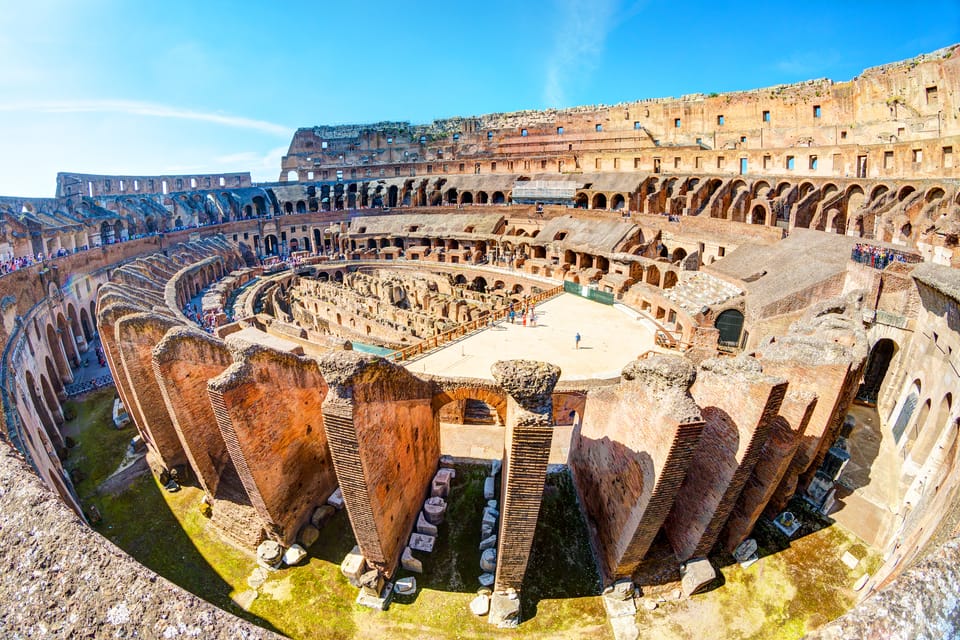
The Colosseum is one of those places where the biggest enemy is time. This tour is built around getting you inside efficiently, so you’re not wasting your energy standing in a long ticket line while the site stays busy and the day moves on. In practical terms, that matters because the Colosseum (plus the Forum and Palatine Hill) works best when you still have enough daylight and stamina left.
You’ll start at one of two meeting points in the central area—Via Labicana 96 near Piazza di San Clemente is one option—then the visit flows site-by-site with guided commentary and defined stop times. You’re looking at a roughly 3-hour experience for most seasons, with a shorter 2-hour version in July and August when heat makes long walks harder.
If you’re the type who likes a plan but hates being dragged through places, the private guided setup is a nice compromise. The audio option is even freer—same basic access theme, but you control how long you linger at each monument.
You can also read our reviews of more private tours in Rome



Private guided tour vs audio VIP: choose your pace
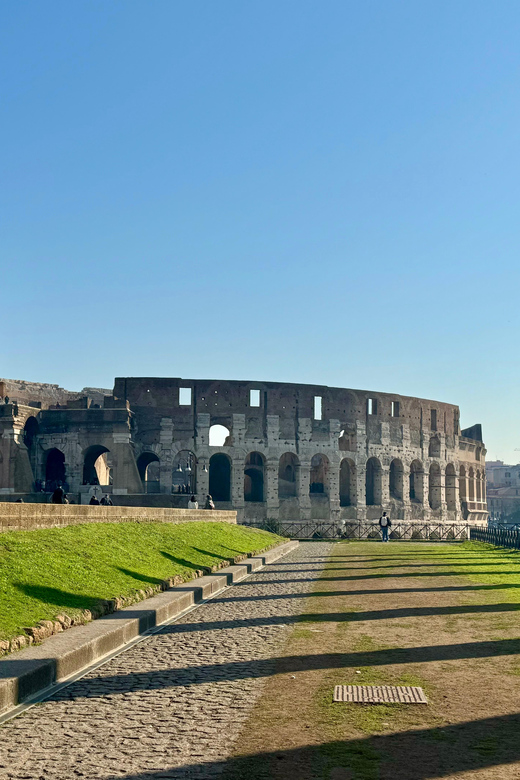
This experience gives you two ways to do the same core route: guided or self-guided with audio. The guided version is led by a professional, licensed expert (with headsets so you can stay close without straining your voice). If you choose the audio option, you download the app and get multilingual storytelling across the Colosseum, Palatine Hill, and Roman Forum.
Here’s how I’d decide:
- If you want names, dates, and cause-and-effect explanations as you walk, pick private guided.
- If you prefer reading the ruins with your own rhythm (and you like saving money or time), pick audio VIP.
The VIP angle mainly means flexibility and planning comfort. The data here also notes you can cancel up to 24 hours before for the VIP audio option, which helps if your itinerary depends on weather or another booking. Just remember that the Colosseum itself has strict ticket rules, so you’ll want to think through rainy-day plans.
Colosseum inside: where the stories match the stones
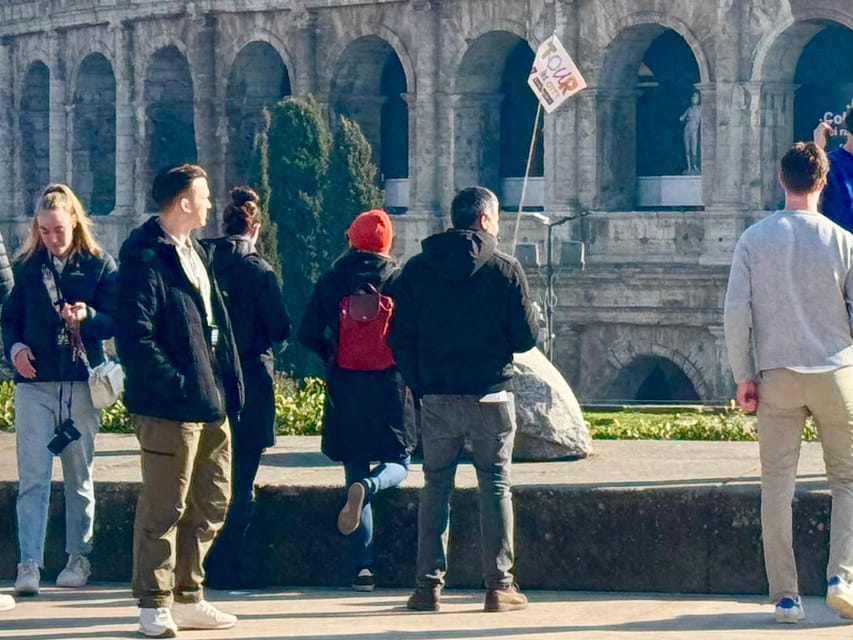
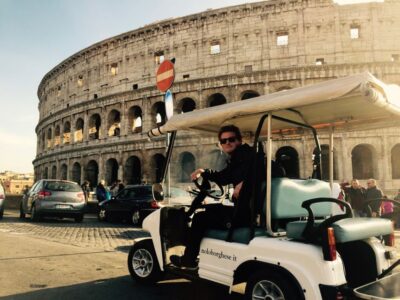
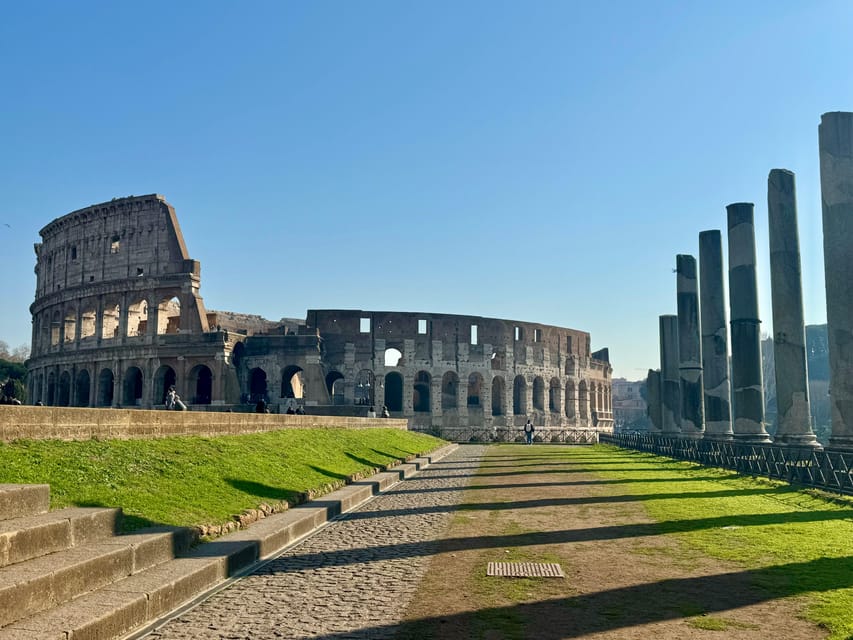
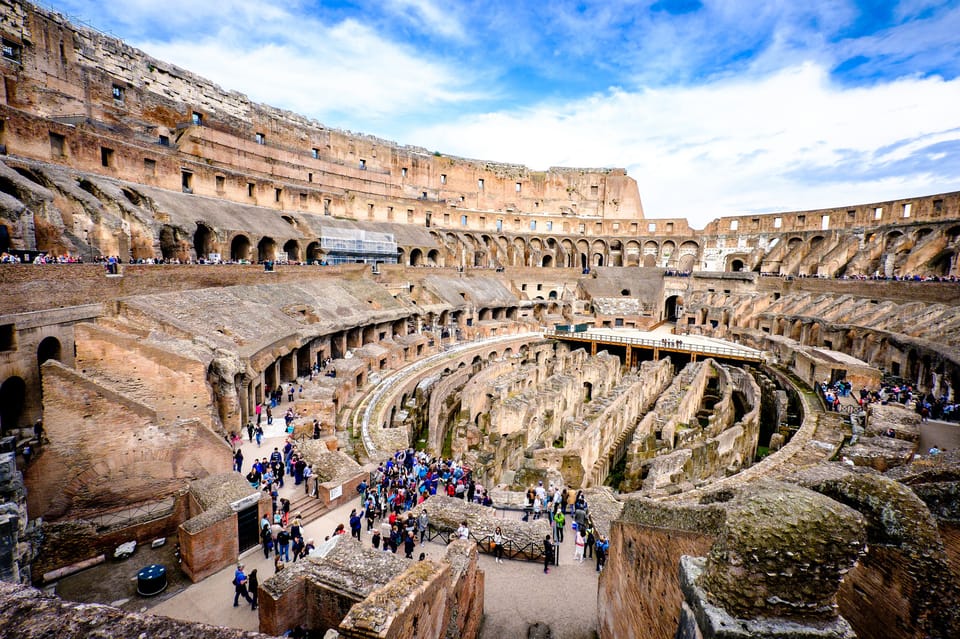
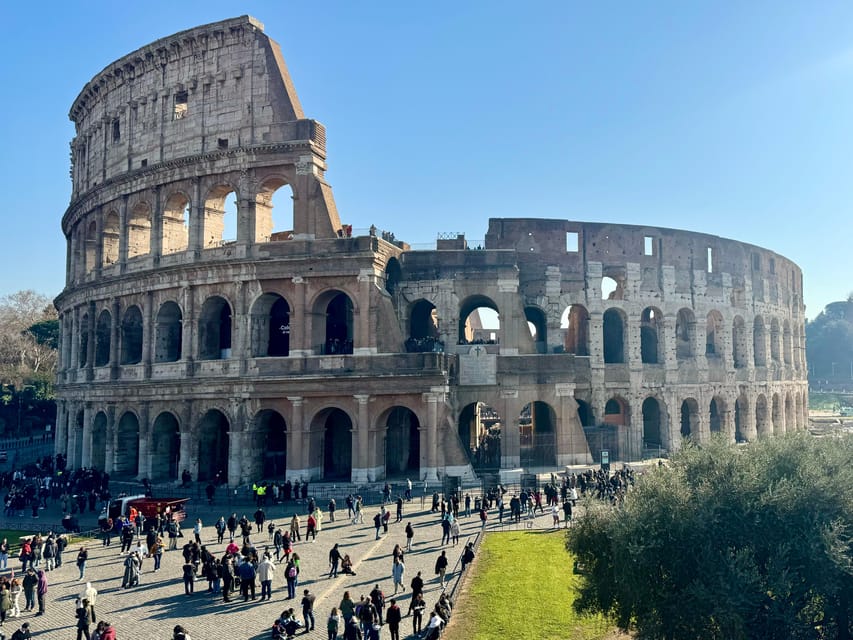
The Colosseum visit is the centerpiece, and the tour approach makes sense. You begin with the Colosseum’s exterior so you can understand the building’s most recognizable shape before you step inside. Then you move into the amphitheater where the guide or audio narration turns “ruins” into something closer to an event.
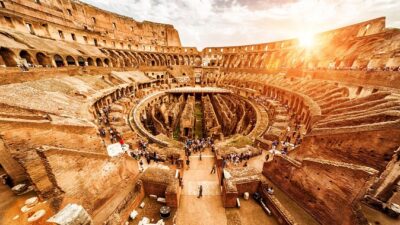
Inside, you’ll get the kind of specifics that make the place feel more real, not just impressive. The narration focuses on Roman engineering tricks and dramatic entertainment details—things like how Romans built this massive arena and how the show could be animated using hidden mechanisms like trapdoors. You’ll also hear about wild-beast spectacle themes and even mock sea battles, with imagery tied to what’s visible in the structure today.
One of the best parts of doing it this way is the pacing around viewpoints. You’re set up to reach the second tier for panoramic views, which is where many people finally feel the full scale. From there, the building stops being a photo and starts being a sense of place—an arena sized for crowds, noise, and power.
If you’re doing the audio version, you still get that same base entry advantage, plus the app gives you 44 points of interest. That means you can spend more time on the elements that catch your eye—architecture, symbols, or performance-related details—without waiting for a group to move.
Arches and photo stops: the quick hits that add up
After the Colosseum, you’ll pass through a sequence of short, purposeful stops that function like “chapters” rather than long museum time. The route includes photo pauses and short visits at major points such as the Arch of Constantine and the Arch of Titus.
Why these quick stops matter: arches are Rome’s shortcut to meaning. They often tie to political messages—who won, who ruled, what was celebrated—and they frame what you’ll see next in the Forum. You don’t need long speeches at every monument, but you do need enough context to know what your eyes are catching.
If you’re traveling with kids, these shorter segments can help keep attention from drifting. If you’re traveling solo, they’re also a practical rhythm break: you get to shoot a few strong photos, regroup, and then keep walking rather than burning energy on long detours.
The Roman Forum: reading power in broken columns
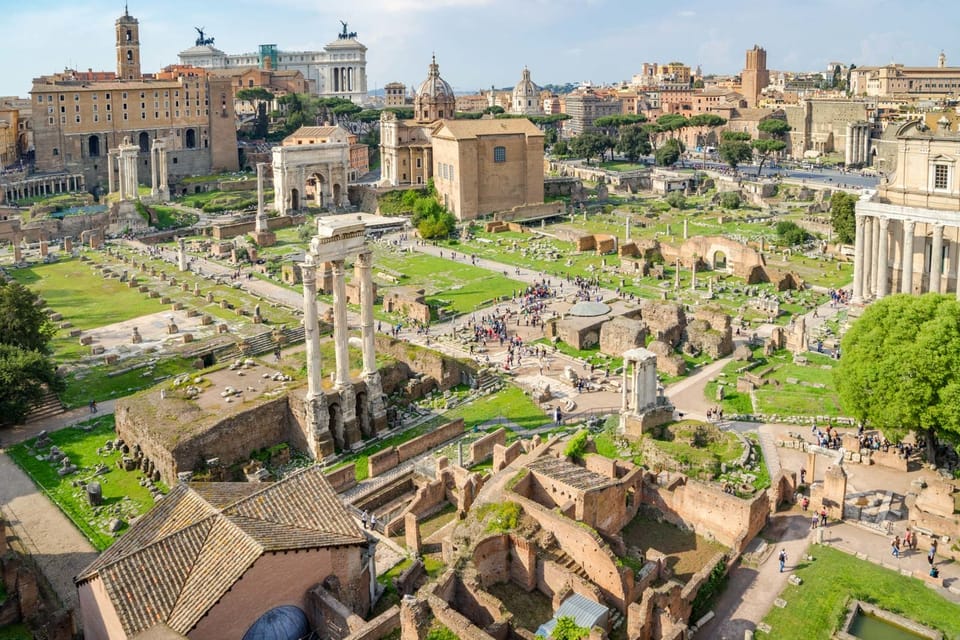
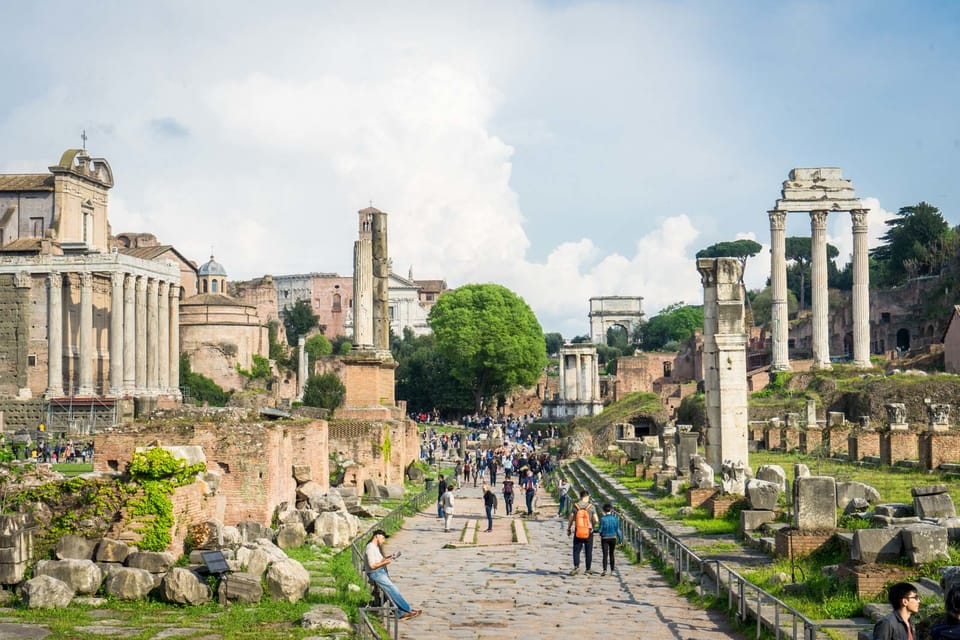
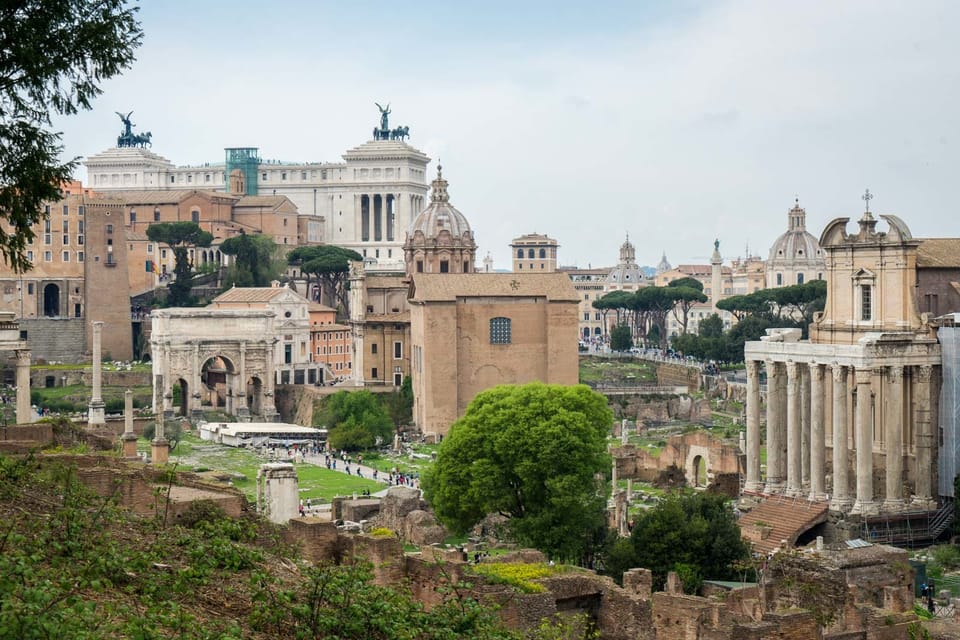
The Roman Forum can feel like a blur if you wander in without help. With this tour structure, you spend enough time in the Forum area to understand that it wasn’t just a marketplace. It was a stage for government and public life—where the Roman Republic’s identity and its later imperial flavor all left physical traces.
You’ll visit the Forum after the arch stops, with a guided or audio-supported time window designed to give you time to process what you’re seeing. The key theme is interpretation: you move from the arenas of entertainment to the arenas of politics.
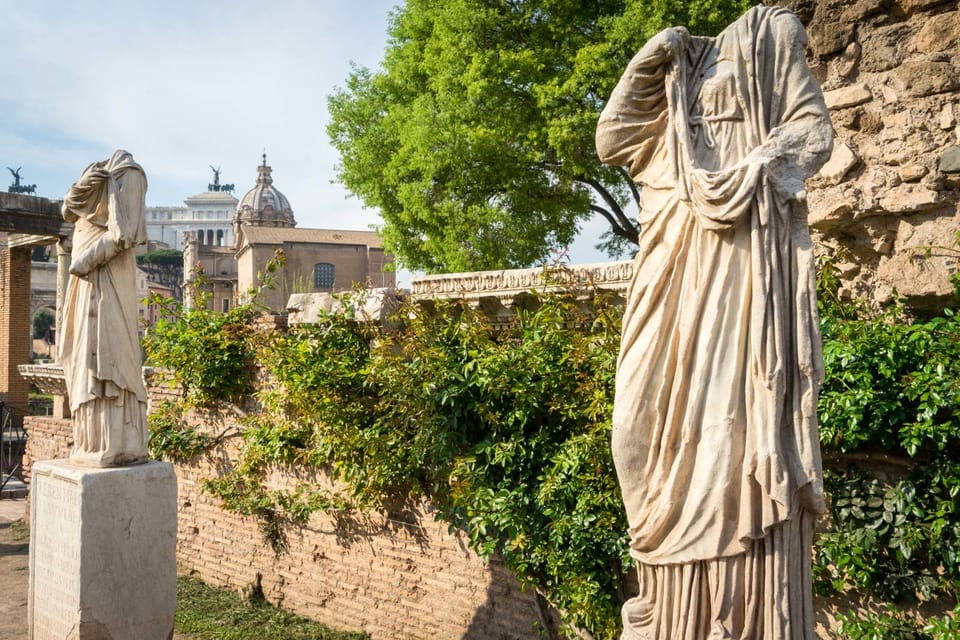
You’ll also catch major landmarks that anchor the Forum story. The route specifically references sights such as the Temple of Julius Caesar (built on the spot linked to his cremation), the House of the Vestal Virgins, the Senate House, and the Basilica of Maxentius. Even if you’re not a “ruins expert,” the names help you connect what you see—columns, foundations, arches—to the civic world the Romans lived in.
In practical terms, this is also where comfortable shoes pay off. The Forum is uneven and busy, and your feet will feel the difference between a quick glance and a real walk-through.






Palatine Hill: emperors’ views and city-scale perspectives
Palatine Hill is the viewpoint payoff. It was where Rome’s elite residence and imperial power converged, and today it gives you commanding sightlines across the surrounding ruins. After the Forum, you’ll head up to Palatine Hill for photo stops and time on site—plus a guided explanation or audio narration depending on your option.
The best reason to come here is the panorama logic. You don’t just look at ruins; you see how the city spreads and where influence would have felt close. From the Palatine viewpoints, the route highlights views toward the Circus Maximus and back toward the Roman Forum.
You’ll also encounter specific ruins tied to political and cultural meaning, including the Temple of Julius Caesar and the Arch of Titus context that you saw earlier. The combined effect is that Palatine Hill makes the Forum feel less random. You start to see connections—who overlooked what, and why certain spaces mattered.
One note: the hill is best tackled with a calm pace. Even though the total visit is limited to a few hours, you can still feel the vertical movement. If you plan to climb with photography in mind, it helps to keep your expectations realistic and take breaks when you need them.
Price and value: what you’re paying for beyond the ticket
The listed price is $50.11 per person. That’s not just a “thing to see” price—it’s a value mix of site access plus interpretation and time-savings.
Here’s the key financial logic: Colosseum, Palatine Hill, and Roman Forum tickets are listed at 18 euros for adults. The additional amount covers services such as the professional guide (if you pick the guided option), headset system, staff, and taxes. So you’re effectively paying for:
- the practical time benefit of fast-track entry
- the convenience of not having to manage guide listening logistics on your own
- clearer context while you’re walking through a place where details can easily blur
If you’re debating between guided and audio, compare your travel style more than your budget. Guided tours shine when you want the “why” behind what you see. Audio tours shine when you want freedom and you like learning at your own speed.
Also keep in mind that in July and August the experience is shorter (2 hours), so the “per hour” feel changes with season. If you’re visiting in peak heat, you’ll likely appreciate the shorter route more than you’d expect.
Timing, security checks, and weather reality
This tour operates in all weather conditions. Rome does not care that your packing plan included a nicer day. The Colosseum management also has strict rules about ticket amendments, so if you show up and decide not to attend due to rain, a refund may not be possible. Translation: bring a rain layer and treat weather like part of the plan.
The other big reality check is security. The Colosseum checks names and ID cards of each visitor, and that can add waiting time. The tour’s value still holds because you’re skipping the ticket line via the access method, but security timing can still influence your comfort level.
Arriving late matters too. If you arrive after the meeting time, it won’t be possible to join or reschedule because the tickets can’t be amended or canceled. That’s a hard rule, so plan buffer time around getting to the meeting point.
For July and August, the data says the tour lasts 2 hours due to excessive heat and the itinerary may vary. That’s your cue to come prepared with hydration and shade-friendly clothing, even if the route is shorter.
Practical tips that make your walk easier
This is a walk-heavy archaeological site day, so a few practical choices matter.
- Bring passport or ID card for the security check.
- Wear comfortable shoes. The terrain is uneven, and you’ll be on your feet for the Colosseum, Forum, and Palatine Hill.
- Avoid bringing anything disallowed: selfie sticks, glass objects, pets, weapons or sharp objects, and unaccompanied minors.
- Don’t plan on wheelchair access. This tour is noted as not accessible for wheelchairs.
Meeting points can vary depending on the option booked, but you’ll have a specific starting location and you’ll finish at the Roman Forum area. That helps you connect the day to the rest of your Rome plan—especially if you want to keep walking afterward.
If you’re doing the audio option, also be ready to use your mobile device. Headphones aren’t listed as included, so you’ll want to plan to have something workable with your phone.
Who should book this tour?
This experience fits you best if you want:
- a structured visit to three major ancient sites without spending your day fighting logistics
- context that helps the Colosseum and Forum make sense, not just look impressive
- either a private guide experience or a flexible audio self-guided option
It may not be ideal if:
- you need wheelchair-friendly access
- you prefer zero structure and lots of wandering without time limits
- you’re the type who arrives late to everything (Rome’s ticket rules don’t reward that habit)
If you’re traveling as a couple, this is also a strong choice. You get a shared plan and photo moments without the push-pull of big group tours.
Should you book the Rome Private Colosseum and Ancient Ruins tour?
I’d book this when you want maximum ancient Rome impact in a half-day and you care about getting inside the Colosseum without a ticket-line battle. The value math works out because the base tickets are listed separately, and the extra cost buys time-saving access plus headset-guided interpretation (or a well-supported audio route).
Choose the private guided tour if you want someone to explain what you’re seeing while you’re standing in front of it, and look out for guides with strong personalities—Sara has been specifically praised for being personable and for spotting great photo angles. Choose the audio VIP option if you want a self-paced day but still want fast entry and clear, multilingual narration.
If your trip depends on perfect weather, pack for rain and remember the Colosseum’s ticket rules are strict. Otherwise, this is a smart, efficient way to hit Rome’s headline ancient sites with enough interpretation that it feels meaningful, not random.
FAQ
How long is the Colosseum, Palatine Hill, and Roman Forum tour?
The duration is listed as about 3 hours. In July and August, the tour lasts 2 hours due to excessive heat.
Does this tour include fast-track entry?
Yes. It includes a Colosseum, Roman Forum, and Palatine Hill ticket with fast-track entrance, helping you skip the long line to buy tickets.
Is the tour private?
The guided option is described as a private tour, and it also notes that a private group is available.
What languages are available?
Live guide languages include Italian, Spanish, English, French, Chinese, German, Russian. The optional audio guide is available in English, Chinese, German, French, Italian, Spanish, and Portuguese (as listed).
Is the audio app included if I choose the self-guided option?
If you choose the ticket plus audio-guided option, you’ll have access to the self-guided audio storytelling. The audio guide download is described as multilingual, with 44 points of interest.
What should I bring for the visit?
You should bring your passport or ID card and wear comfortable shoes.
Are selfie sticks allowed?
No. Selfie sticks are listed as not allowed.
Is this tour wheelchair accessible?
No. It is noted as not suitable for wheelchair users.
What if I arrive late to the meeting point?
If you arrive late for the meeting time, it won’t be possible to join the tour or reschedule, since tickets can’t be amended or canceled.