REVIEW · ROME
Rome: Private Capitoline Museums Tour
Book on GetYourGuide →Operated by Rome Guides · Bookable on GetYourGuide
Rome’s ancient story starts on a hill. A private tour of the Capitoline Museums is one of the quickest ways to connect Roman art, myth, and archaeology into one clear picture. I especially love beginning in Capitoline Square, designed by Michelangelo, because it sets the tone before you even step inside the museum.
Second, I really like how the visit is paced around the objects that make this place click: the She Wolf symbol, the Marcus Aurelius Exedra and bronze statue, and then those Roman Forum views from the museum. If you’re expecting a casual stroll, this tour is more guided-spotlight than free wandering, and you’ll have to follow museum rules like no large bags.
In This Review
- Key Highlights at a Glance
- Capitoline Square First: Michelangelo’s Setup for Your Museum Visit
- The Museum’s Real Mission: How Pope Sixtus IV Shaped the Collection
- Entering the Art With the She Wolf: The Symbol of Rome
- Marcus Aurelius Exedra: Where the Bronze Becomes a Scene
- Looking Back at the Ancient Capitoline Temple of Jupiter
- The Payoff View: Roman Forum From Inside the Museum
- Guides Who Set the Tone: High Energy and Practical Context
- Price and Value: Why $135.94 Can Still Feel Fair
- Meeting Point Tips That Save You Time (and Stress)
- What’s Included, What’s Not, and What to Bring
- Is This the Right First Museum Tour in Rome?
- Should You Book the Private Capitoline Museums Tour?
- FAQ
- How long is the Rome Private Capitoline Museums Tour?
- Where do I meet my guide?
- Is this tour private?
- What’s included in the price?
- What is not included?
- What languages are available?
- Is the tour refundable if plans change?
- Does the tour run in bad weather?
- Is the museum accessible for wheelchair users?
- Are video recordings allowed?
Key Highlights at a Glance
- Michelangelo’s Capitoline Square right at the start
- Oldest European public collection of antiquities, created by Pope Sixtus IV
- She Wolf statue, a core symbol of Rome
- Marcus Aurelius Exedra plus the bronze Marcus Aurelius statue
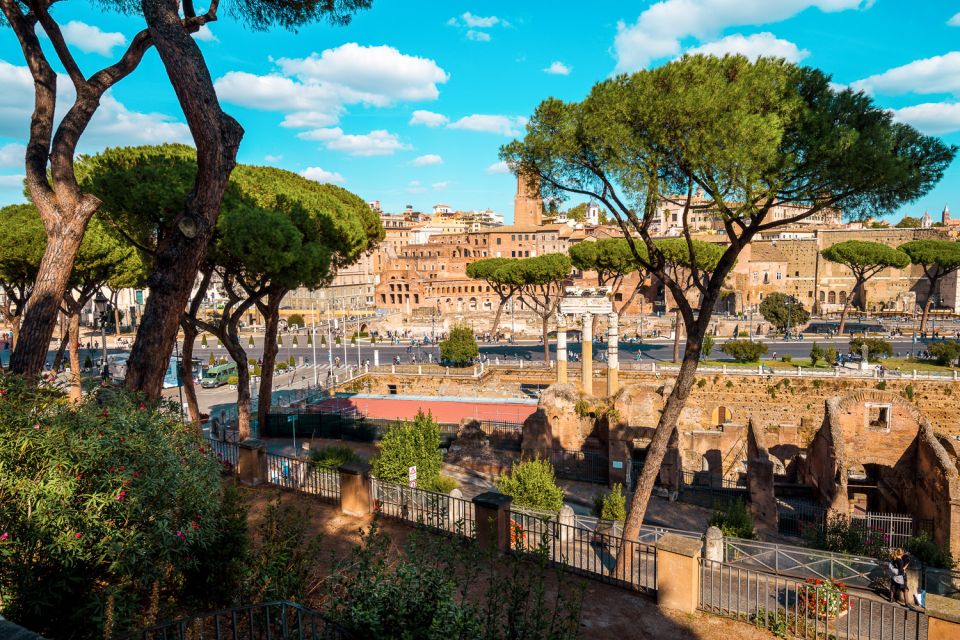
- In-museum views over the Roman Forum to close the loop
Capitoline Square First: Michelangelo’s Setup for Your Museum Visit
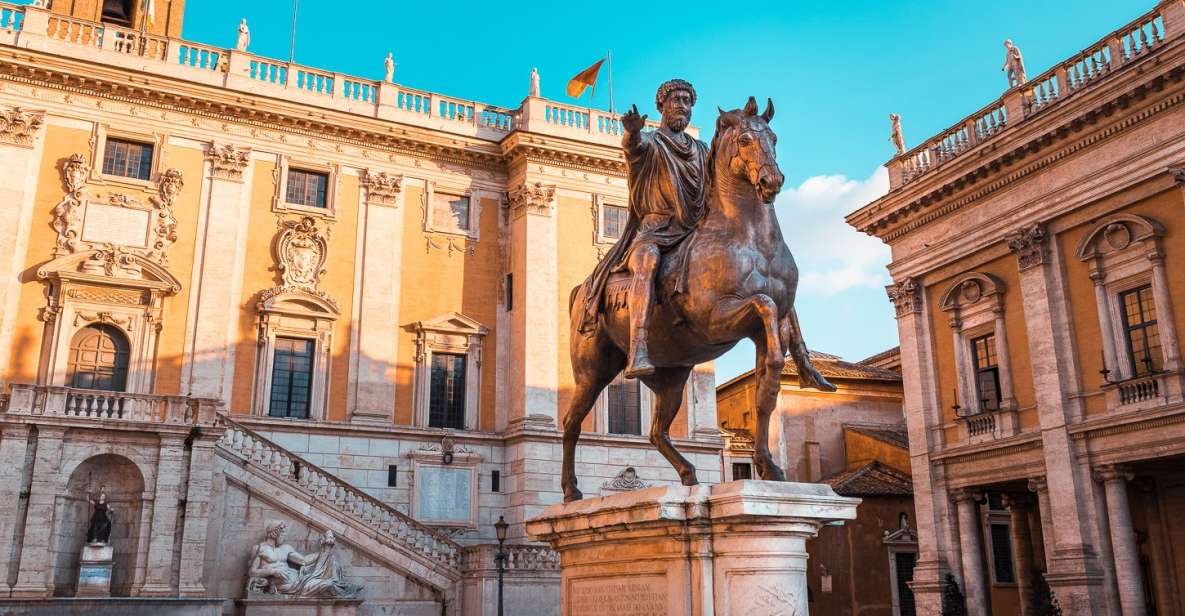
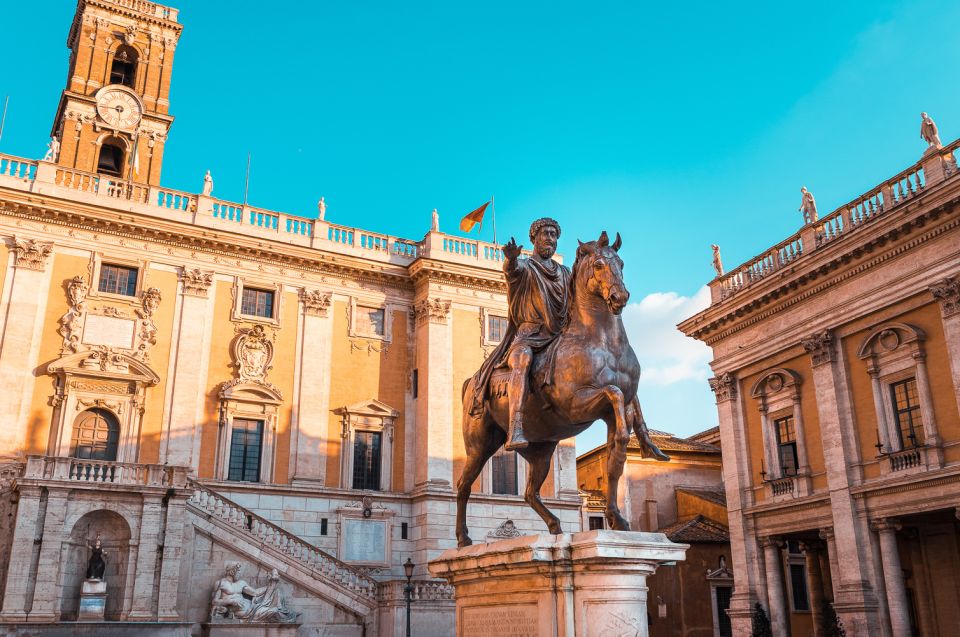
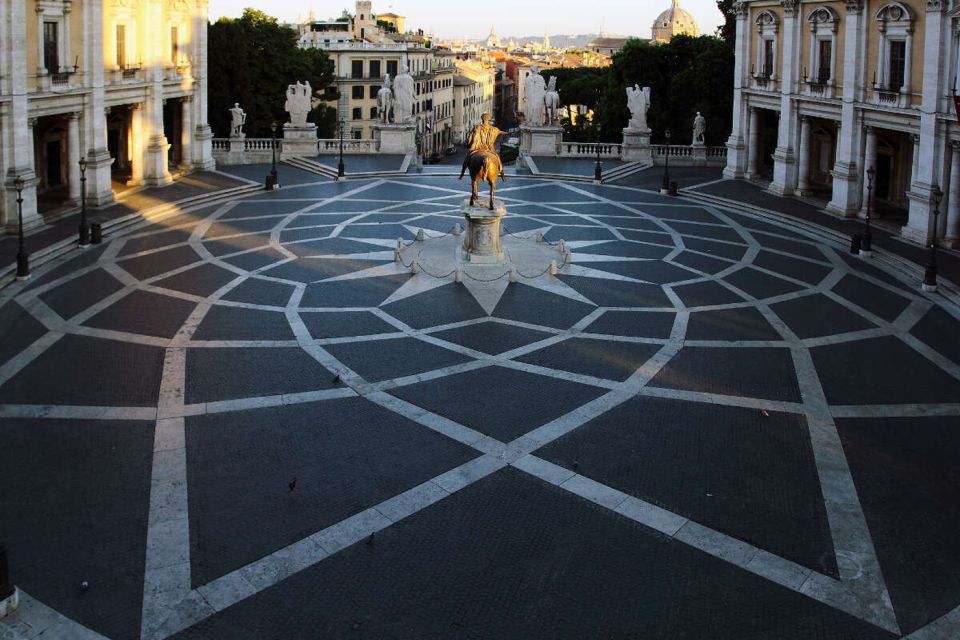
This tour starts where the setting matters. Meet your guide in the middle of Capitoline Square, in front of the statue of Marcus Aurelius, and your guide will hold a sign with your name and issue your tickets. It’s a simple meet-up point, but it helps you get oriented fast since the square is the visual gateway to the entire area.
Capitoline Square was designed by Michelangelo, and seeing it first makes the museum feel less like a warehouse of statues and more like a planned story. You’ll understand why these artworks sit where they sit, and that context helps when you’re facing multiple centuries of Rome in a short time.
One practical note: there’s a clear rule about luggage and bags. You won’t want bulky items slowing you down when the group is moving through key spaces on a set schedule.
You can also read our reviews of more private tours in Rome



The Museum’s Real Mission: How Pope Sixtus IV Shaped the Collection
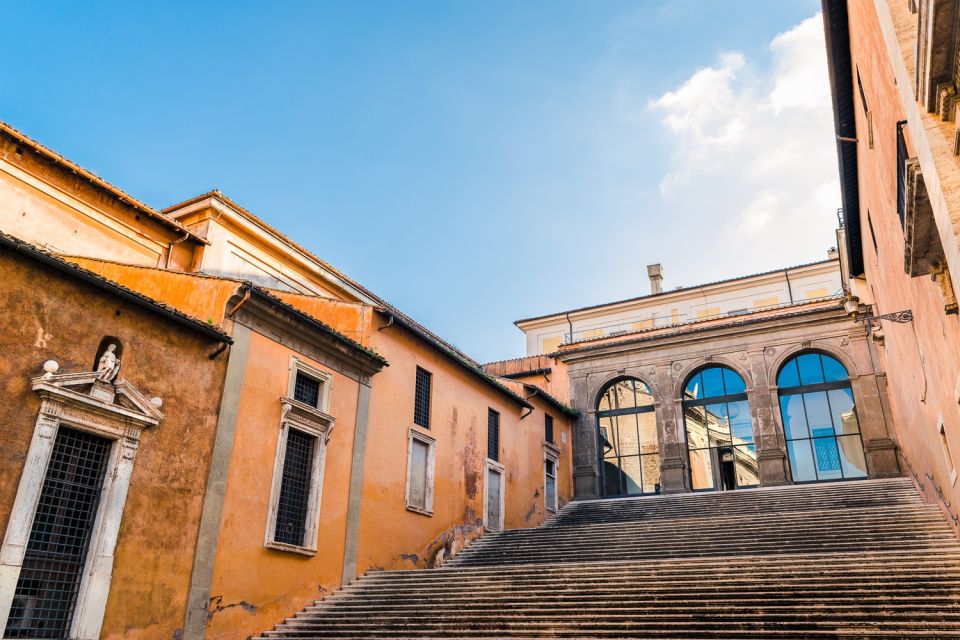
Once you’re inside, you’ll be walking through the oldest European public collection of antiquities. This collection was created by Pope Sixtus IV at the end of the 15th century, and the idea isn’t just to display objects. The museum is designed to help you make the pieces of old Roman history fit together.
That’s the difference a guided private tour makes. Without a guide, it’s easy to notice the big names and still miss how the themes connect. With a professional local guide, you’ll get help matching what you’re seeing to the bigger story of Rome’s art, power, and self-image.
Your route is built around major highlights first, then the details. You’ll see marble and bronze statuary, with stops that are timed to keep the visit from turning into a blur. Since the whole tour is 2.5 hours, it’s smart that the tour targets the moments that do the most work for your understanding.
Entering the Art With the She Wolf: The Symbol of Rome
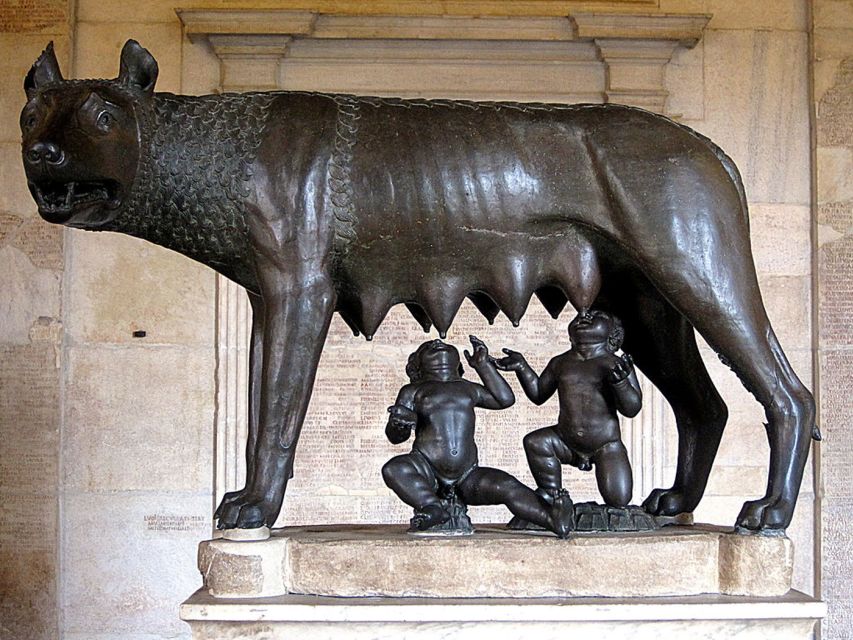
If you only remember one image, it should be the She Wolf. You’ll get a chance to see this famous statue, which serves as a symbol of Rome, before moving on to other key spaces in the collection.
Why this stop matters: the She Wolf is not just a striking piece of sculpture. It’s one of the images people use to talk about Roman identity, origin stories, and how the city wanted to represent itself across time. When your guide points out what to look for and how the museum frames it, the statue stops being a random photo-op and becomes part of a larger narrative you can carry through the rest of the visit.
This is also the kind of stop that benefits from a live guide. You’ll spend less time trying to figure out what you’re looking at and more time understanding why it’s famous in the first place.
Marcus Aurelius Exedra: Where the Bronze Becomes a Scene
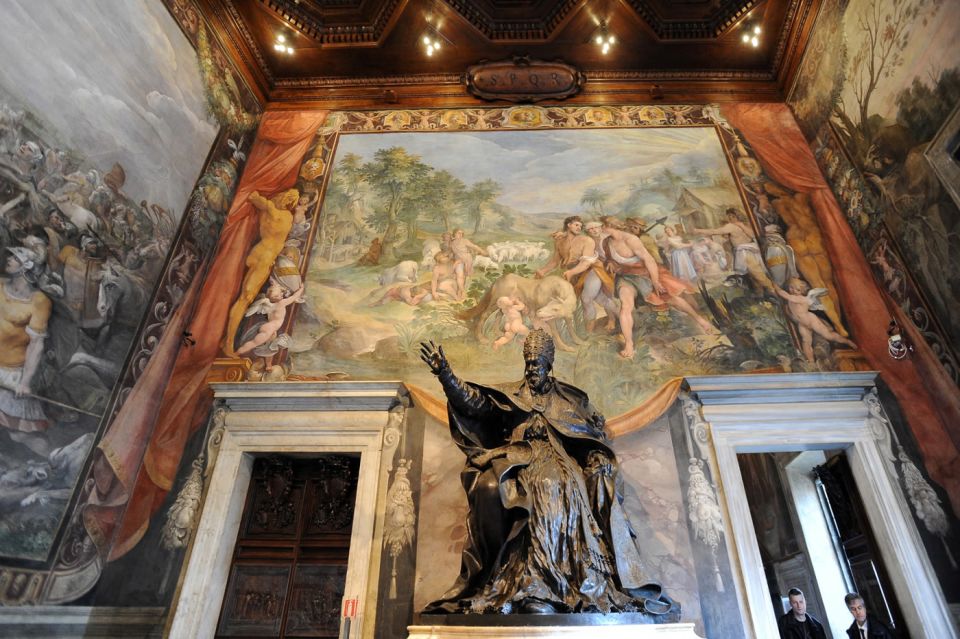
Next comes the Marcus Aurelius Exedra, and then the bronze statue of Marcus Aurelius itself. This bronze statue dates back to the 2nd century A.D., which makes it one of those objects that instantly gives you a sense of how long Rome’s influence has been visual, not just political.
The Exedra area matters because it creates a staged feeling. You’re not only seeing a statue; you’re seeing the space that helps frame the statue’s meaning. The guide’s job here is crucial: they help you connect the setting to the object, so you understand why this location is highlighted.
The Marcus Aurelius stop is a strong anchor for the whole tour. You’ll see how Rome used art to communicate authority and continuity, then you’ll move onward to other reminders of Rome’s religious and civic past.
If you’re a first-timer to Rome museums, this sequence helps you avoid the common problem of seeing beautiful things but leaving with disconnected facts. Here, the stops are arranged so each one supports the next.
Looking Back at the Ancient Capitoline Temple of Jupiter
After the Marcus Aurelius highlights, the tour includes time to admire the archaeological ruins of the ancient Capitoline Temple of Jupiter. This is one of those transitions that turns museum viewing into something more physical.
Statues can be easy to treat like separate items. Ruins change that. They show you that the city was built, rebuilt, and layered over time. Even in a short visit, you start to understand how the museum connects to the wider Capitoline area rather than existing in isolation.
This stop is also a good moment to slow down. If you tend to rush through museums, you’ll appreciate that the ruins naturally invite you to look around. The guide will help you connect what’s left behind to what used to stand here, so you don’t just see stones in place of a full building.
You can also read our reviews of more museum experiences in Rome





The Payoff View: Roman Forum From Inside the Museum
One reason this tour is worth your time is the ending. After the museum highlights and the ruins, you get incredible views over the Roman Forum from the museum.
This is more than a nice photo moment. The Forum view turns your earlier museum learning into something you can place in the geography of Rome. It helps you connect statues and stories to the real-life setting where Roman public life played out.
You also get a built-in flow advantage. Many Rome sightseeing plans scatter the Forum across multiple visits. Here, you finish with an outlook that makes the museum feel like a guide to the city, not a detour from it.
If you’re visiting in a season where sunsets are early, this kind of viewpoint can still feel satisfying without waiting for perfect light, since the view is available from the museum itself.
Guides Who Set the Tone: High Energy and Practical Context
A private tour lives or dies by the guide, and the best parts of this experience show up in the guide notes. Guides like Vincenzo (Vincent) and Martina are described as high-energy and full of interesting facts, with an emphasis on steering visitors to what matters most.
That emphasis is exactly what you want for a 2.5-hour tour. You don’t have to worry about spending half your time deciding what’s worth seeing. You get a focused route through the major highlights: Capitoline Square, the core antiquities, the She Wolf, the Marcus Aurelius Exedra and bronze statue, then the ruins and Forum views.
I also like that the guides bring context, not just names. The museum’s mission is to help you connect pieces of Roman history, and the guide’s explanations are the mechanism that makes that mission work in real time.
Tour language availability is also practical: the tour is offered in English and Italian, so you can choose what fits you best.
Price and Value: Why $135.94 Can Still Feel Fair
At $135.94 per person for a private 2.5-hour tour, this isn’t a budget add-on. But it also isn’t priced like a long, all-day experience with heavy logistics.
The value is mainly in two places. First, you’re paying for a professional local guide who helps you understand what you’re seeing, with a route that hits the big points efficiently. Second, you’re getting access to a curated, highlight-focused visit that ends with a view over the Roman Forum, so the tour gives you both objects and perspective.
If you’re traveling with someone who also wants explanations (not just “show me the highlights”), a private format can feel like a smart investment because the guide can shape the pacing to your interests. If you’d rather wander at your own rhythm and read everything slowly, you might not need this kind of structured tour.
Meeting Point Tips That Save You Time (and Stress)
This tour uses a very specific meeting spot: in front of the statue of Marcus Aurelius in the middle of Capitoline Square. Your guide will be holding a sign with your name, and they’ll issue tickets on the spot. That reduces the usual Rome stress of figuring out where to check in.
Because the tour ends back at the meeting point, you’re not dealing with a complicated drop-off. That’s useful if you’re planning the rest of your day around nearby sights.
Also remember: this experience runs rain or shine. If you’re the type who plans around weather, it helps to know the tour doesn’t cancel just because clouds show up.
What’s Included, What’s Not, and What to Bring
Here’s what you’re covered for: tickets, a professional local guide, and a private tour.
Not included are hotel pickup and drop-off, private transportation, and food and drinks. So treat this as a guided walking-and-viewing block inside the museum area, not a whole-day package.
What to bring:
- Wear comfortable shoes since you’ll be moving through different museum spaces and out near ruins
- Bring your ID if you tend to have it handy for ticket processes
- If you have any clothing or bag restrictions concerns, plan to travel light because luggage or large bags are not allowed
- Avoid planning on video recording since video is not allowed
One more practical note: there is one elevator, but it does not serve all levels of the museum. People with limited mobility may find this tour difficult, and it’s not suitable for wheelchair users based on the stated limitations.
Is This the Right First Museum Tour in Rome?
This tour is especially good if you want a strong “first museum” foundation. You’ll start at a famous square, then move into the museum’s core highlights that represent major themes: Roman identity through symbols, imperial presence through Marcus Aurelius, and the physical remnants of Roman religious space.
It’s also a great fit if you like your museum time structured. The route is built around the big artifacts and then a payoff view. At 2.5 hours, it’s long enough to feel meaningful but short enough to keep the day flexible.
If you dislike guided tours or prefer to read everything at your own pace without someone directing you, you may feel slightly constrained. The rules about bags and no video recording also mean you’ll want to plan accordingly.
Should You Book the Private Capitoline Museums Tour?
I’d book this if you want to make the Capitoline Museums feel coherent, not overwhelming. The museum’s purpose is to help you connect Roman history in one place, and the guided format is what makes that connection actually land within a tight timeline.
I’d skip it if you only want to see a few photos and move on. This is a guided, highlight-to-context experience, and it works best when you’re ready to learn what each object is doing for the bigger story.
If you can handle the walking and you’re comfortable with the museum’s rules (no large bags, no video), this private tour is a solid way to get your Rome bearings fast, then finish with a Roman Forum view that ties the whole day together.
FAQ
How long is the Rome Private Capitoline Museums Tour?
The tour duration is 2.5 hours.
Where do I meet my guide?
Meet your guide in front of the statue of Marcus Aurelius, located in the middle of Capitoline Square. Your guide will hold a sign with your name and issue your tickets.
Is this tour private?
Yes. It is a private group tour.
What’s included in the price?
The price includes tickets, a professional local guide, and the private tour.
What is not included?
Hotel pickup and drop-off, private transportation, and food and drinks are not included.
What languages are available?
The live tour guide offers English and Italian.
Is the tour refundable if plans change?
Yes, free cancellation is available up to 24 hours in advance for a full refund.
Does the tour run in bad weather?
It takes place rain or shine.
Is the museum accessible for wheelchair users?
This tour is not suitable for wheelchair users. It is also not recommended for people with limited mobility, and there is one elevator that does not serve all levels of the museum.
Are video recordings allowed?
No. Video recording is not allowed, and luggage or large bags are also not allowed.