REVIEW · ROME
Rome: Pizza and Gelato Cooking Class with Wine
Book on GetYourGuide →Operated by Crown Tours · Bookable on GetYourGuide
Rome smells like pizza and wine. In a small-group class, you learn to make Roman favorites from dough to dessert, then sit down with wine while it all comes together.
I love the hands-on teaching and the way the chefs keep things practical, even if you’ve never cooked before. I also like that the meal isn’t just a demo—you actually leave with skills and a recipe booklet. One drawback to plan for: there’s no gluten-free menu, and it’s not recommended for people with celiac disease.
Key points worth knowing
- Max 12 people keeps it personal and makes it easier to ask questions.
- You’ll make pizza dough from scratch, including kneading, not just topping.
- Learn Roman supplì and the gooey mozzarella trick inside the crispy shell.
- Gelato is taught as a technique, not just a sweet finish.
- Bottomless Italian wine plus coffee and snacks keep the evening lively.
- You might cook with an English-speaking chef such as Chef Max, Marco, or Alessandro, depending on the session.
In This Review
- Why This Rome Pizza, Suppli, and Gelato Class Feels Different
- The 3-Hour Flow: From Kneading Pizza Dough to Gelato Finish
- Pizza Masterclass: How to Think Like a Roman Pizzaiolo
- Supplì: Getting the Crispy Shell and Gooey Center Right
- Gelato Techniques: Why Italian Ice Cream Tastes Different
- Wine, Snacks, and the Sit-Down Meal Moment
- Price and Value in Rome: What $112.15 Really Buys
- Location and Logistics: Getting There Without a Headache
- Who This Is For (and Who Should Skip It)
- Should You Book This Pizza and Gelato Cooking Class?
- FAQ
- How long is the Rome Pizza and Gelato Cooking Class with Wine?
- What’s included in the price?
- Is this a small-group class?
- Is there hotel pickup or drop-off?
- Are gluten-free options available?
- Do you accommodate allergies or special dietary needs?
- Is the class taught in English?
Why This Rome Pizza, Suppli, and Gelato Class Feels Different
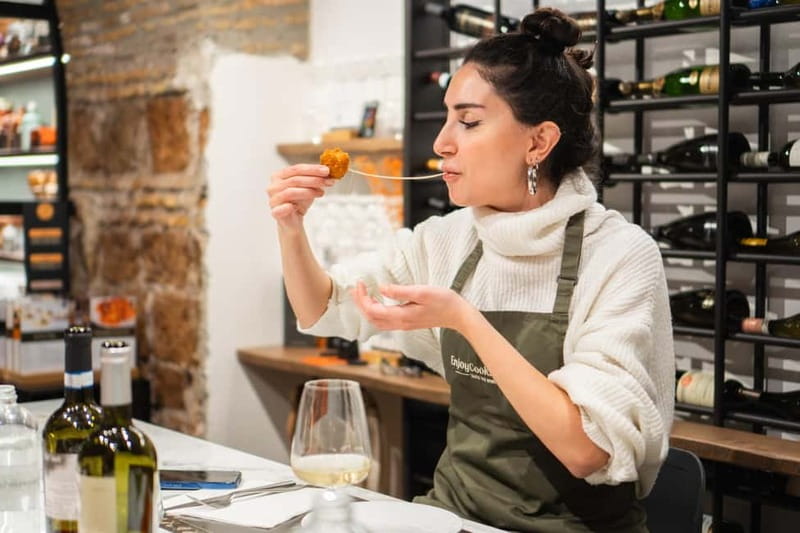
If you only do one food tour in Rome, make it a cooking class where you touch the food. This one is built around real technique: kneading dough, shaping Roman-style snacks, and balancing ingredients for creamy gelato. You don’t just watch—your hands do the work.
The setting matters. With a small-group format (up to 12), you get steady attention from the chef instead of waiting your turn forever. In multiple sessions, English instruction is clear and patient. You’ll also likely meet a named chef—people have cooked with Chef Max, Marco, Chef Alessandro, Jacopo, and Jacobo, and the common thread is friendly, hands-on guidance.
Still, don’t ignore the dietary reality. This experience is not recommended for celiac disease and it’s not suitable for people with gluten intolerance. The notes also flag traces of gluten and nuts, so if your allergies are severe, tell the operator before you book.
The 3-Hour Flow: From Kneading Pizza Dough to Gelato Finish
This runs about 3 hours, and the exact start time depends on what’s available. You’ll meet at a location that can vary by option, and the class ends back where you started.
Here’s the rhythm you can expect, in plain terms:
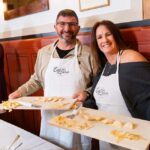
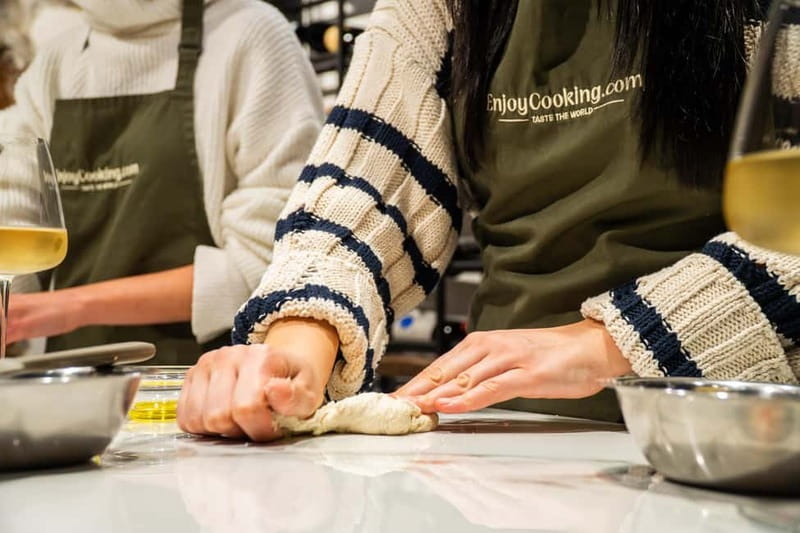
First, you roll up your sleeves for the pizza masterclass from scratch. You’ll learn the dough basics, what good dough feels like, and how to build a classic Roman pie with the right balance of sauce and toppings. The goal is to help you think like the pizzaiolo in the room, not just copy a finished product.
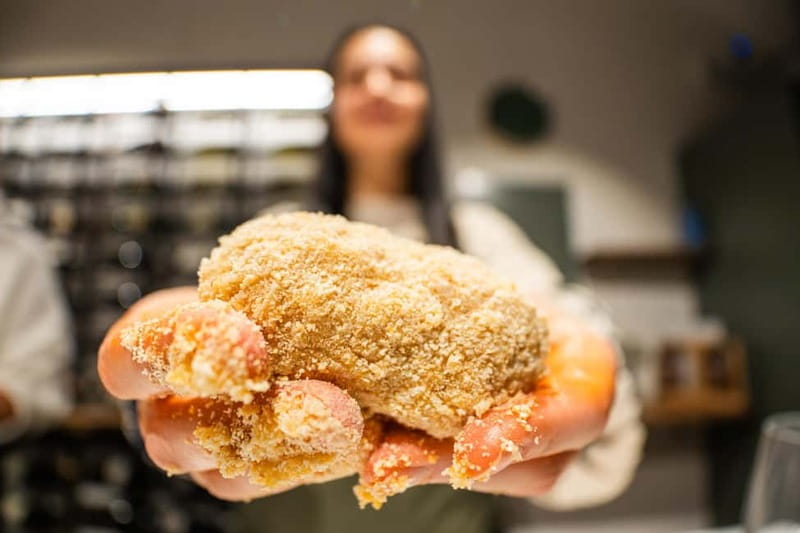
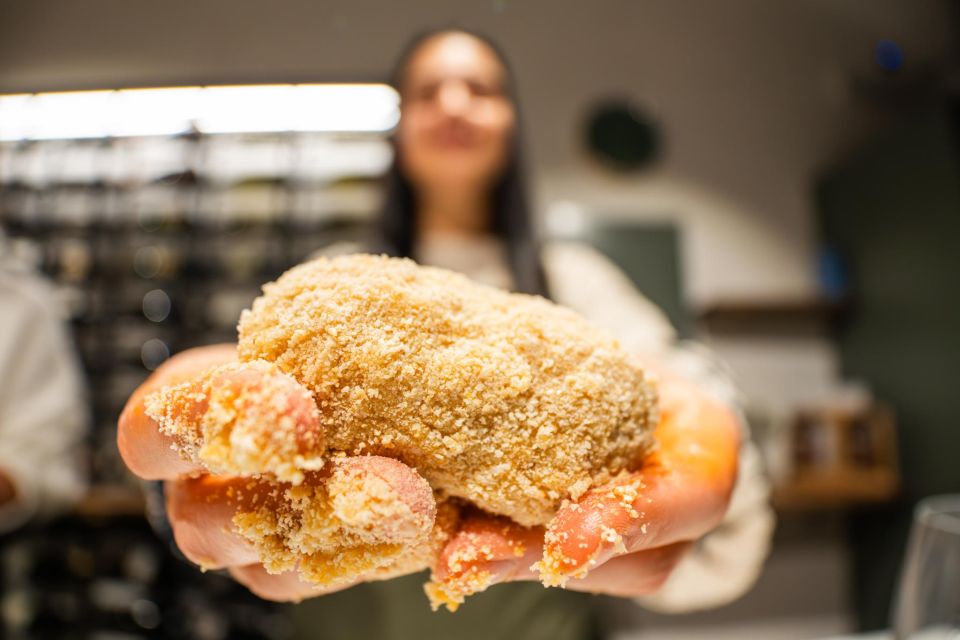
Next comes Rome’s iconic street bite: supplì—crispy rice croquettes with a gooey mozzarella center. You learn how to form them and what creates that golden crunch.
Then you switch gears to dessert. You make gelato using fresh, seasonal ingredients, with guidance on the technique that makes Italian gelato taste different from typical ice cream. After that, you sit down together and enjoy what you cooked, with coffee, nonalcoholic drinks, and wine flowing while you eat.
You can also read our reviews of more cooking classes in Rome

Pizza Masterclass: How to Think Like a Roman Pizzaiolo
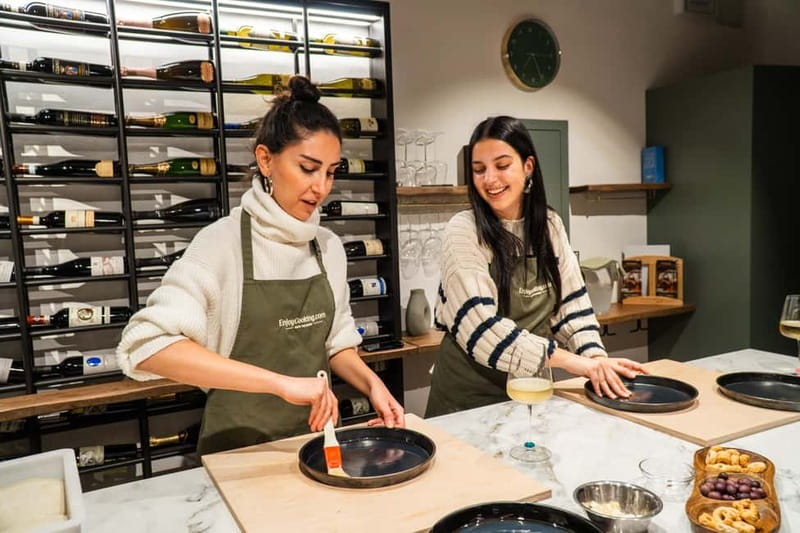
Roman pizza is a mindset. It’s not only about toppings—it’s about dough handling and timing, plus restraint. In this class, you learn the foundation by making the dough and kneading it yourself. That one step is a huge deal: once you understand how dough should feel, you can repeat it later at home.
You’ll practice building pizza with proper sauce and toppings—enough to get variety, but not so much that you lose the balance. People love this part because the chefs don’t talk down to you. If you’re nervous at the start, the instruction is set up to get you moving fast and fixing mistakes early.
A practical note: you’ll likely share workspace as part of a kitchen-focused class. One of the most common “surprise” moments is realizing this is collaborative cooking. The upside is you learn faster because you’re watching others’ dough and shaping at the same time.
Supplì: Getting the Crispy Shell and Gooey Center Right
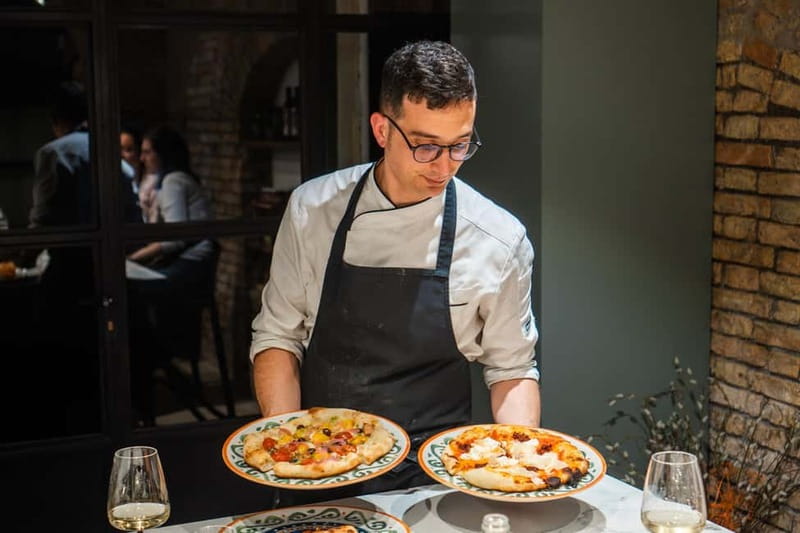
Supplì are one of those Rome foods that look simple until you try to make them. The chef’s guidance focuses on the details that create the signature texture: the crisp outside, and the molten, cheesy center that makes you want the next bite before you’ve swallowed the first.
You’ll learn how to shape them and how to handle the filling so it stays gooey without turning into a mess. It’s also a fun skill to take home because the technique is transferable. Once you understand the shaping and structure, you can adjust flavors later.
If you like street food but hate leaving things to luck, this is a good match. Supplì give you a clear before-and-after moment: when you see them in the crisp stage, it clicks that you actually made Rome’s comfort snack from scratch.
Gelato Techniques: Why Italian Ice Cream Tastes Different
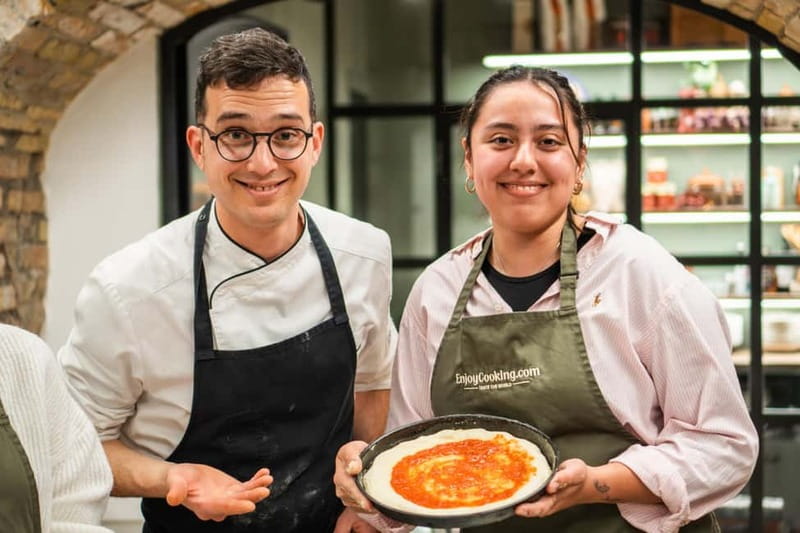
Gelato in Italy has a texture and flavor balance that’s hard to recreate without the right process. In this class, you don’t just mix ingredients and hope for the best. You learn what makes the gelato style work—how ingredients behave and what “right” tastes like as it comes together.
You’ll use fresh, seasonal ingredients, and the chef shows how to reach a creamy result without turning it into something heavy. Several people mention that the gelato part is a highlight, partly because you get to see that it’s technique-driven. You’re not learning one flavor only either—you’ll make and enjoy gelato you helped create.
One nice bonus: gelato is a clean way to end a hands-on class. Your earlier work is physical—dough, shaping, cooking—then you shift to a calmer dessert step that still feels craft-based.
Wine, Snacks, and the Sit-Down Meal Moment
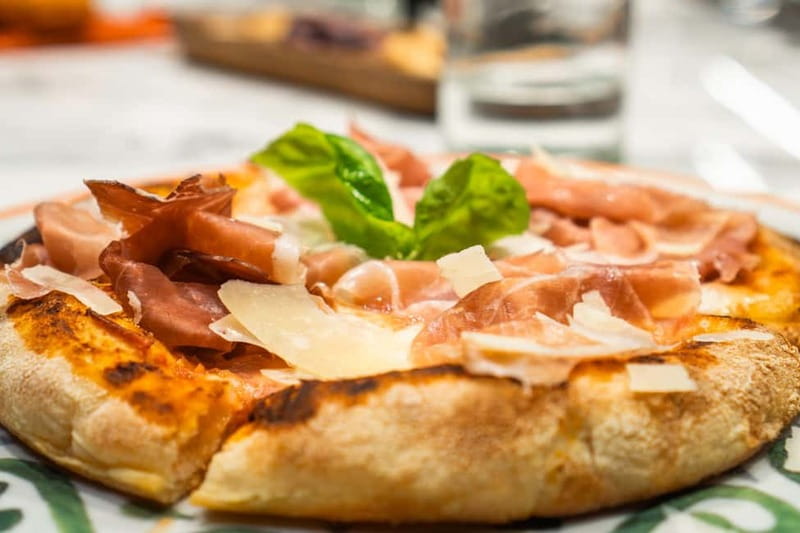
This experience pairs the cooking with bottomless Italian wine, plus coffee and nonalcoholic drinks. That changes the mood in a big way. You’re not rushing through tasks while everyone is silent and serious. You’re working, laughing, tasting, and then finally eating your own results.
Snacks are provided while you cook, and that’s a practical gift: you’re busy with your hands for a while, and having bites along the way keeps energy up. The wine is part of the fun, but the real win is that you sit down afterward and enjoy the meal together, instead of eating something quick on your feet and calling it done.
If you’re the kind of person who likes a lively evening but still wants real instruction, this hits the sweet spot.
You can also read our reviews of more wine tours in Rome


Price and Value in Rome: What $112.15 Really Buys
At $112.15 per person for about 3 hours, you’re paying for more than “someone teaches you recipes.” You’re paying for an organized chef-led cooking session, a kitchen setup for making three items (pizza, supplì, gelato), wine service, snacks, and a recipe booklet you can use at home.
This can feel like a lot until you break down what’s included:
- Pizza dough from scratch and guidance on sauces/toppings
- Supplì shaping and technique for a crispy-chewy result
- Gelato ingredient balance using seasonal products
- Wine + coffee + nonalcoholic drinks
- Recipe booklet to recreate the dishes later
And the small-group format helps too. When it’s capped at 12 people, the chef can actually correct you. If you’ve been in big group tours in Rome, you know how that goes: one person speaks, everyone else waits. Here, you’re working at the same time, so the value holds up.
Location and Logistics: Getting There Without a Headache
Hotel pickup and drop-off aren’t included, and the meeting point can vary depending on the option booked. That means you’ll want to plan your route like a local: pick a landmark, then walk or take a short ride to the meeting point.
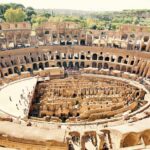
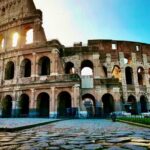
The class ends back at the meeting point, which is convenient. One person specifically noted that being close enough to the Colosseum helped them see it lit up nearby after the session. You can’t count on that exact perk every time, but it’s a good sign: the area often works well for easy sightseeing before or after.
Because the schedule depends on availability, check start times so the lesson fits your day. Three hours flies when you’re kneading dough and learning a new snack.
Who This Is For (and Who Should Skip It)
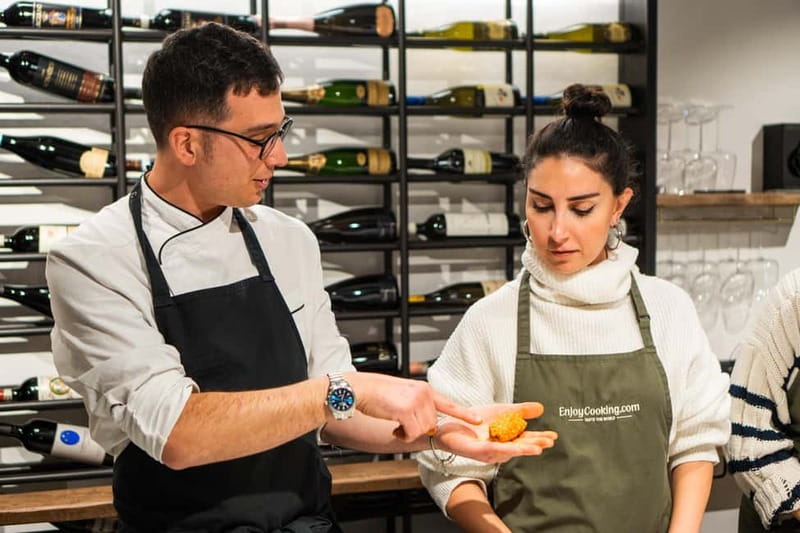
This class is a strong fit for people who learn best by doing. If you want to eat well in Rome and bring skills home, you’ll like the structure. It’s also popular for families and mixed-age groups—people have mentioned kids enjoying it too, with chefs staying patient.
It’s especially good if you care about getting the basics right:
- pizza dough technique
- supplì structure
- gelato texture
Now the clear watch-outs. If gluten is an issue for you, read the dietary notes carefully. This experience isn’t recommended for celiac disease. It also isn’t suitable for people with gluten intolerance. There may be traces of gluten and nuts, and gluten-free options aren’t listed.
If you’re allergic, tell them in advance. If your needs are complex, you may want a different food experience where ingredients are controlled more tightly.
Should You Book This Pizza and Gelato Cooking Class?
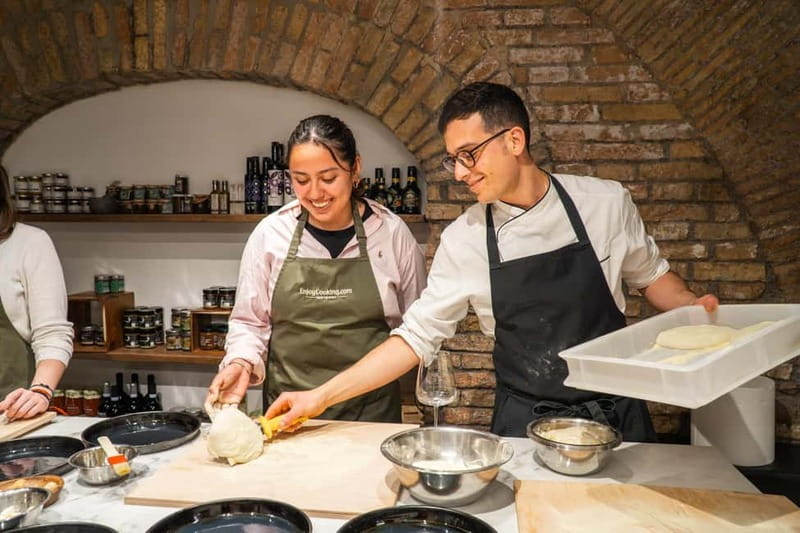
Book it if you want a hands-on Rome food experience that mixes real technique with a relaxed social vibe. The combination of small-group instruction, making three signature dishes, and enjoying them with bottomless wine is hard to beat for the price.
Skip it (or contact the provider first) if you need gluten-free meals, especially for celiac disease or severe gluten intolerance. Also skip if you’re hoping for a purely formal, silent cooking class. This one is meant to be friendly and interactive.
If you’re deciding between just eating pizza or actually learning how it’s made, I’d pick the class. Rome gives you plenty of great meals. This gives you something you can repeat at home—plus the fun part happens while you’re still in Rome.
FAQ
How long is the Rome Pizza and Gelato Cooking Class with Wine?
The class lasts about 3 hours.
What’s included in the price?
You get pizza, supplì, and gelato masterclasses, personalized guidance, coffee and nonalcoholic drinks, snacks, and free-flowing Italian wine. You also receive a booklet with recipes.
Is this a small-group class?
Yes. It’s an intimate setting with a maximum group size of 12 people.
Is there hotel pickup or drop-off?
No, hotel pickup and drop-offs are not included. The activity meets at a meeting point that can vary by option and ends back at that same point.
Are gluten-free options available?
Gluten-free options aren’t listed, and the experience is not recommended for people with celiac disease. It’s also noted as not suitable for gluten intolerance.
Do you accommodate allergies or special dietary needs?
You can notify them about dietary requirements when booking, including severe allergies. They do note that there may be traces of gluten and nuts, so it’s important to inform them in advance.
Is the class taught in English?
Yes, the instructor is English-speaking.