REVIEW · ROME
Rome: Pasta Cooking Class in a Professional Pasta Laboratory
Book on GetYourGuide →Operated by Professional Lab Pasta Experience · Bookable on GetYourGuide
Fresh pasta, made like the pros do. This Rome class takes you into a working pastificio setting at Pastificio Faini, where you learn to shape dough with real tools and step-by-step coaching. I like that it is a small setup of up to 9 people, so you get close attention instead of feeling lost in the crowd.
Two things I really enjoy: first, the hands-on method. You roll thin sheets, cut, and shape pasta yourself, then you taste what you made right there; it is not a demo-with-a-snack situation. Second, I like how they build in options for dietary needs, including gluten-free pasta made with buckwheat flour.
One possible drawback: if you book on a Thursday, the gnocchi portion may feel a bit faster than the rest of the class. You still get homemade gnocchi with fresh potatoes, but it may not have the same pace for everyone’s hands-on time as the ravioli and sauce steps.
In This Review
- Key highlights at a glance
- Inside Pastificio Faini: A real pastificio, small-group pasta focus
- The dough lesson with three grains: from ancient wheat to buckwheat
- Rolling, cutting, and shaping: three ravioli types the practical way
- Roman sauce training: carbonara, cacio e pepe, or gricia
- Safety first: knife and food-cutting procedures before you start
- Gluten-free and vegan options: buckwheat flour and egg-free pasta
- Thursday gnocchi note: homemade potatoes with a faster feel
- The final sit-down: wine, tasting, and eating with your classmates
- What you get for $66.84: price vs what you learn and take home
- Who this pasta laboratory class is best for
- Should you book the Rome Pasta Laboratory class?
- FAQ
- How long is the pasta cooking class?
- How many people are in the class?
- Where do I meet for the class?
- Is the class available in English?
- Can gluten-free participants join?
- Is there a vegan option?
- What do you eat and drink during the class?
Key highlights at a glance
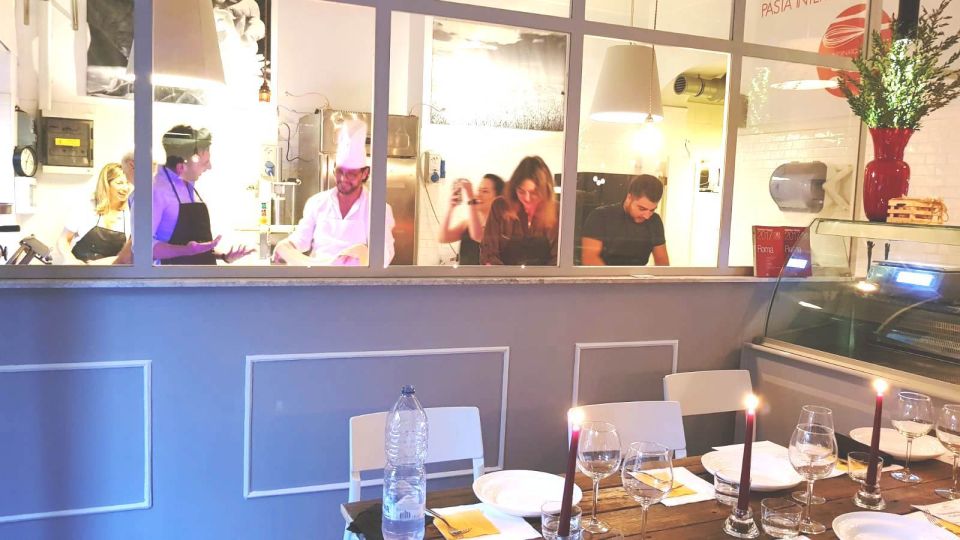
- A real pastificio laboratory experience in Rome, not a home-kitchen studio
- Thin-sheet pasta practice by hand, including rolling and shaping
- Three grains in one class, from ancient wheat to buckwheat (gluten-free)
- Multiple Roman sauces you can actually replicate later: carbonara, cacio e pepe, or gricia
- Gluten-free and vegan-friendly pathways so more diets can join the fun
- Wine with the meal you made, served with your final tasting
Inside Pastificio Faini: A real pastificio, small-group pasta focus
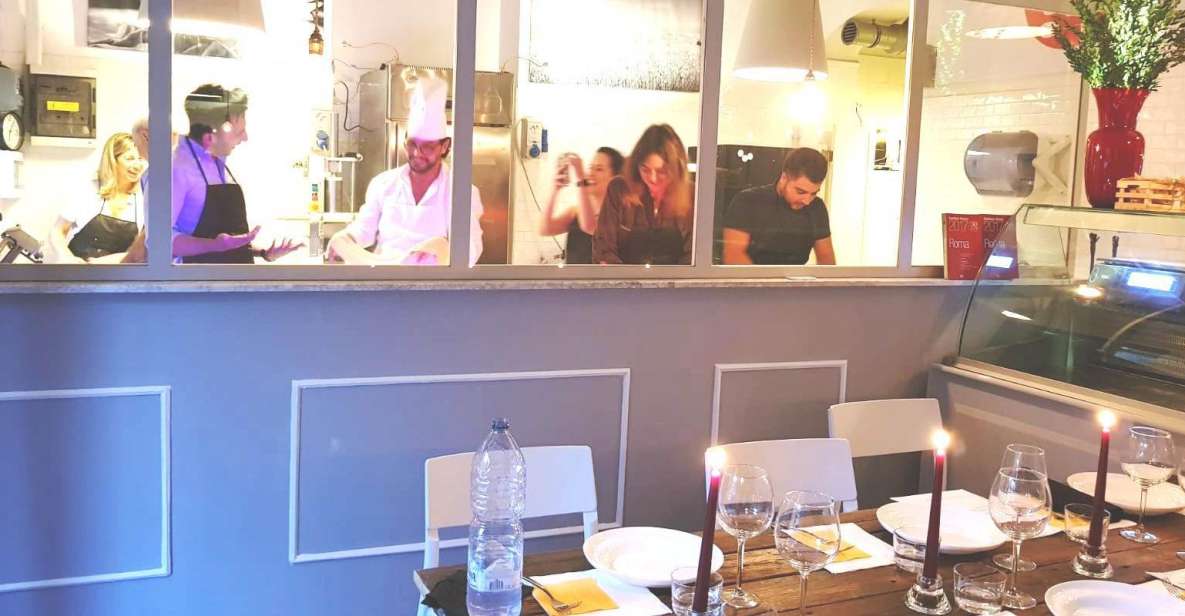
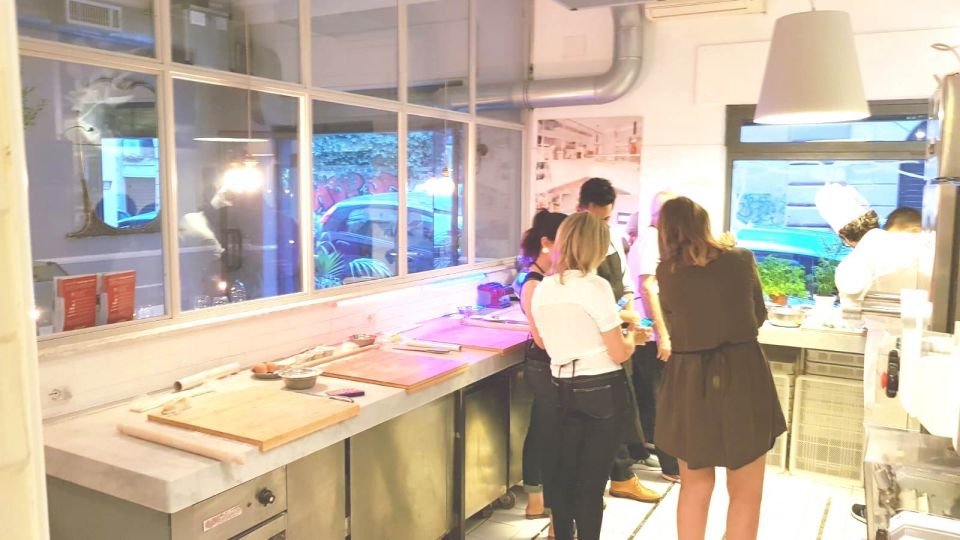
The meeting point is Pastificio Faini, 13 Via dei Latini, Roma 00185, and the class ends back where it starts. You are stepping into a working Italian pasta laboratory atmosphere, with the staff mindset that pasta is serious business, but the room stays friendly.
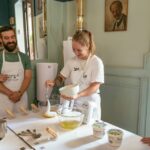
This is designed for small groups, max 9 participants, and that matters. When a chef is showing you how the dough should feel, you want time to adjust your thickness, your cutting angle, and your confidence. In a bigger setting, you might watch more than you do. Here, you usually get to work alongside the instruction.
I also appreciate the way they manage the flow. The class moves from prep and safety to dough work to shaping and sauce-making to a sit-down tasting. It keeps momentum without feeling like you are being rushed out of the door the second you finish one step.
You can also read our reviews of more cooking classes in Rome
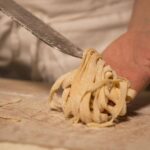

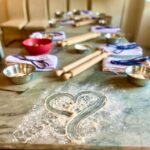
The dough lesson with three grains: from ancient wheat to buckwheat
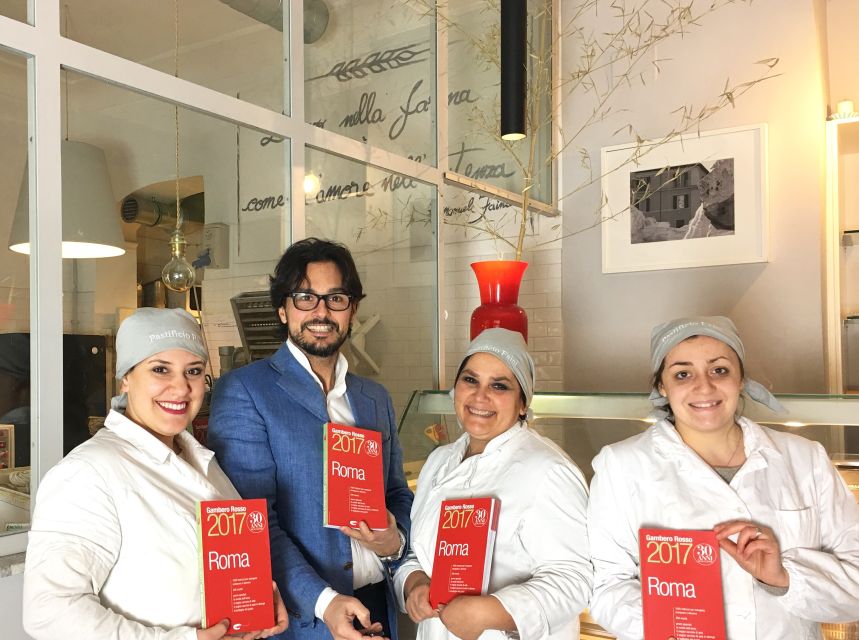
A core reason this class feels different is the ingredient story. You make handmade pasta using three kinds of grains, and you get context for what is in your bowl before you start working.
The three flours are:
- Triticum Monococcum, described as one of the first cereals cultivated by man (around 7500 BC)
- Senatore Cappelli, a strain selected in 1915, later lost, then rediscovered through the work of a small farmer
- Grano Saraceno (buckwheat), used for a gluten-free pasta option
That ancient-to-modern arc is more than trivia. It helps you understand why dough behaves the way it does. When you feel the dough and learn what elasticity or handling differences to expect, you are better prepared to recreate the recipes at home.
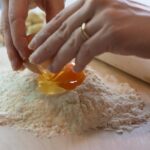
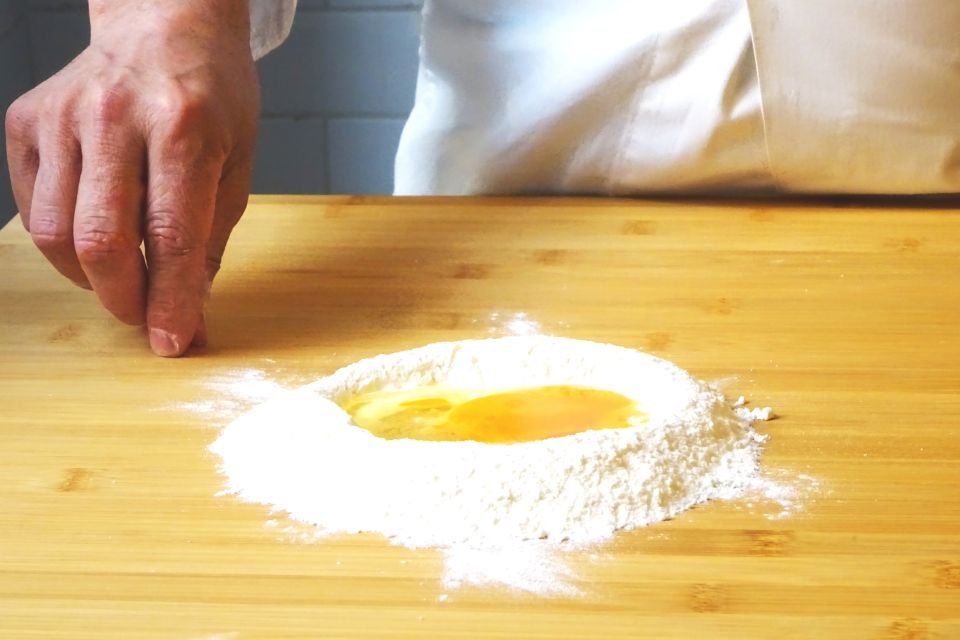
You also get the big skill: making thin sheets of pasta dough. Some classes skip this and rely on machines. Here, you practice the sheet thickness so you can shape ravioli without the pasta tearing or turning too chewy.
Rolling, cutting, and shaping: three ravioli types the practical way
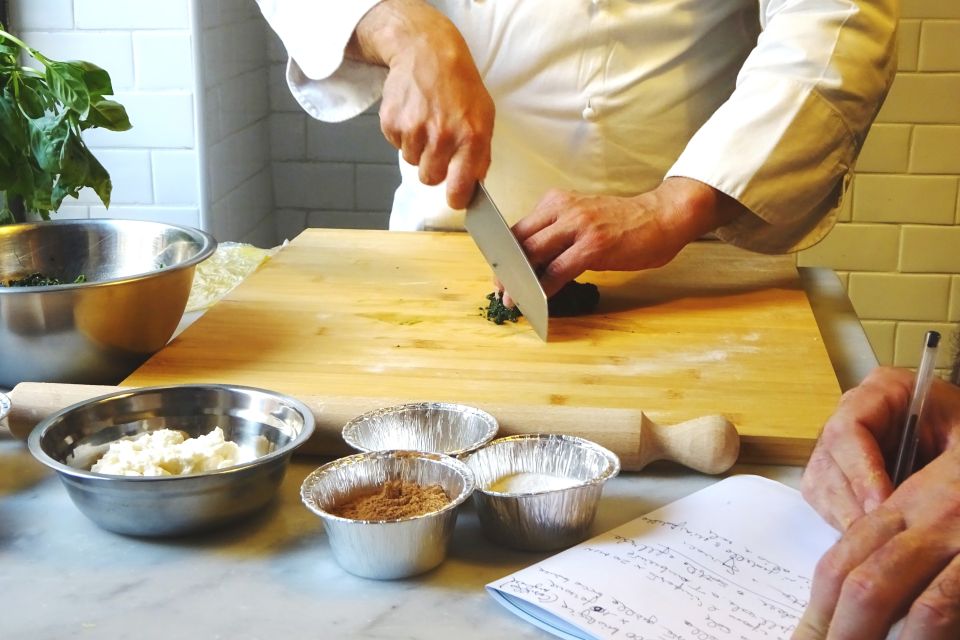
Once you have your dough base, the class focuses on real technique. You learn how to create thin sheets, then you move into shaping ravioli—specifically, three types of ravioli plus fillings and sauce pairing.
There is a big difference between learning to make pasta and learning to make pasta that holds up. The chef guides you through what to watch for: dough thickness, even filling distribution, and sealing methods so the pasta stays intact during cooking.
One subtle but useful detail: this workshop emphasizes rolling and shaping rather than running dough through a machine. I like this because it teaches you control. When you later make pasta at home, you are not stuck thinking, I need the exact machine they used in class—you understand how the dough should look and feel.
If you are a beginner, you will still be able to follow. The class is set up as simple and infallible, with guidance at the moments that usually trip people up.
Roman sauce training: carbonara, cacio e pepe, or gricia
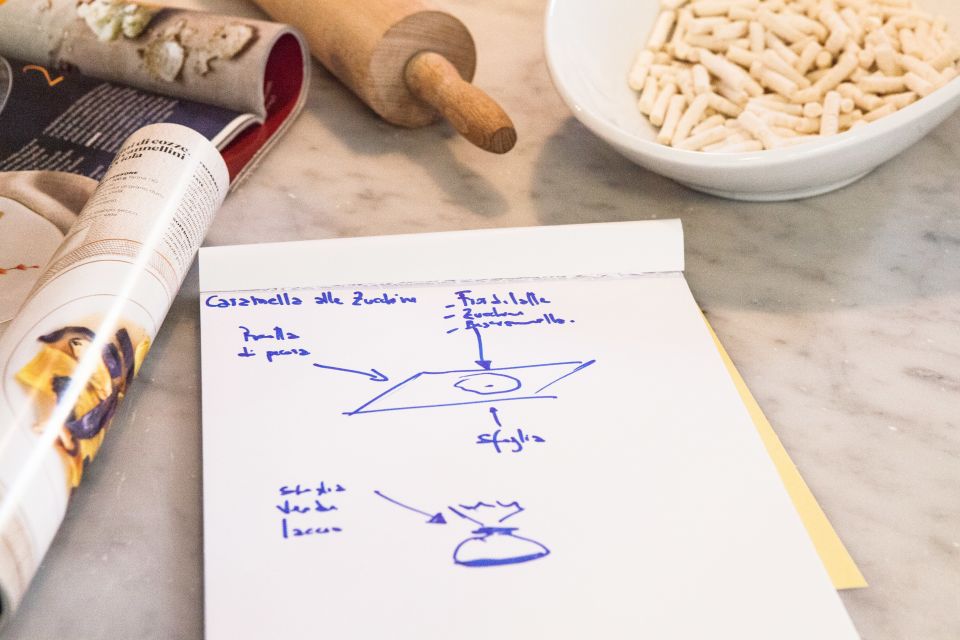
Pasta is only half the equation in Rome. This class makes sure you learn how to finish with Roman flavor profiles, not just dough.
You discover and taste typical Roman sauces such as:
- Carbonara
- Cacio e pepe
- Gricia
They also connect the sauce-making to what you are doing with your pasta shapes. Ravioli and sheet pasta behave differently when sauce clings, so you get a sense of pairing in a way that is easier to remember later.
Even if you already know one of these dishes, you may pick up better timing and seasoning habits. These sauces can be simple on paper, but they punish impatience. In a short class, you learn the rhythm that makes them work.
Safety first: knife and food-cutting procedures before you start
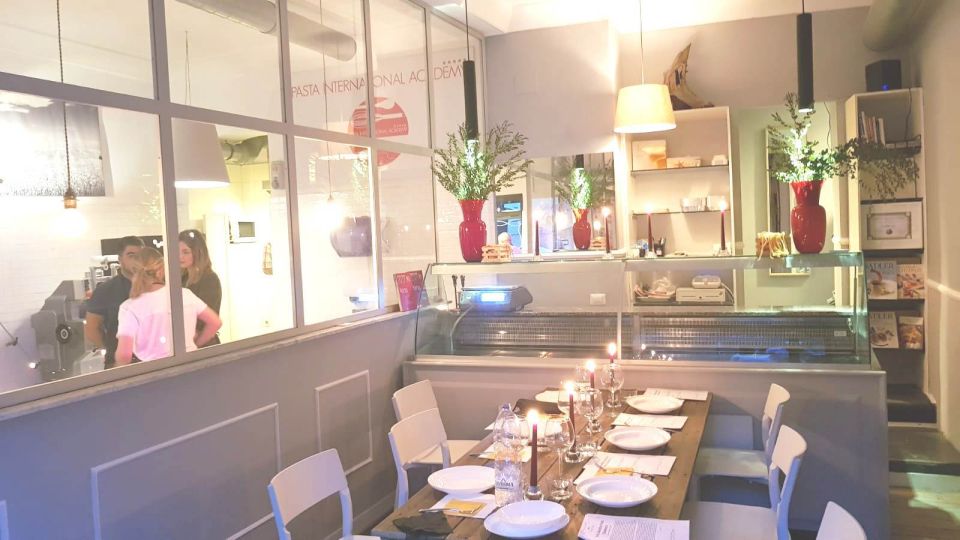
Before hands go into flour, you get a welcome drink and an explanation of safe food cutting procedures. This is not just a formality. When you are cutting pasta shapes and portioning ingredients, safety and cleanliness affect the final texture and the cooking outcome.
It also sets the tone: this is professional lab work, and that professionalism keeps the class feeling calm. You are not flailing around while someone yells instructions. You get the steps clearly, then you get to practice.
You can also read our reviews of more tours and experiences in Rome

Gluten-free and vegan options: buckwheat flour and egg-free pasta
One of the most useful elements for planning is that the class caters for gluten-free participants. You do not just get an afterthought substitute. You make gluten-free pasta as part of the workflow, using buckwheat flour (Grano Saraceno).
The class also includes a pasta type without egg, which is vegan. You will still learn the sheet-making and shaping steps that matter, rather than skipping straight to something pre-made.
This matters if you have coeliac disease or gluten sensitivity. It also helps if you travel with someone who eats differently. The class atmosphere feels designed to include you, not isolate you in a corner.
Tip for best results: advise dietary requirements ahead of time. That way the team can prepare for your needs and you can focus on learning pasta, not scrambling with last-minute adjustments.
Thursday gnocchi note: homemade potatoes with a faster feel
On Thursdays, the class includes homemade Italian gnocchi with fresh potatoes. This is a great bonus if you specifically want a Roman-style potato dumpling experience rather than only ravioli and sauce.
Just consider pacing. Some people may find the gnocchi portion less hands-on than the main pasta steps, because the class keeps a timeline to move everyone through. If you care most about shaping and getting lots of feedback while you work the dough, you might treat gnocchi as an extra highlight rather than the main skill you take home.
The final sit-down: wine, tasting, and eating with your classmates
After cooking and finishing, you get to taste everything you made while sipping Italian wine. This is one of those details that sounds routine until you do it: eating at the end makes the techniques stick.
You taste your own pasta, fillings, and sauces in one sitting, so you can connect cause and effect. If your ravioli sealed well, you notice how it holds. If your sheet was too thick, you notice the bite. If the sauce timing was off, you notice how it clings and coats.
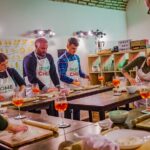
You are also provided wine and water, and there is a welcome drink early on. The vibe is social without turning into a party. You can chat as you eat, and you get to compare what everyone made.
What you get for $66.84: price vs what you learn and take home
At $66.84 per person for a 3-hour class, the price sits in the middle of what you will see for Rome cooking experiences—but what you get leans toward the better end for value.
Here is what is included:
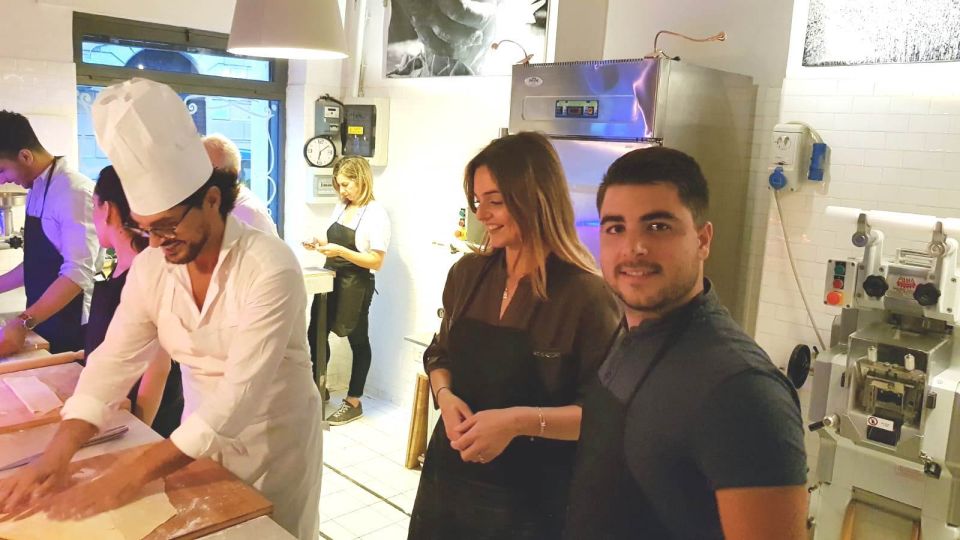
- a professional branded chef hat and apron signed by the chef
- recipes
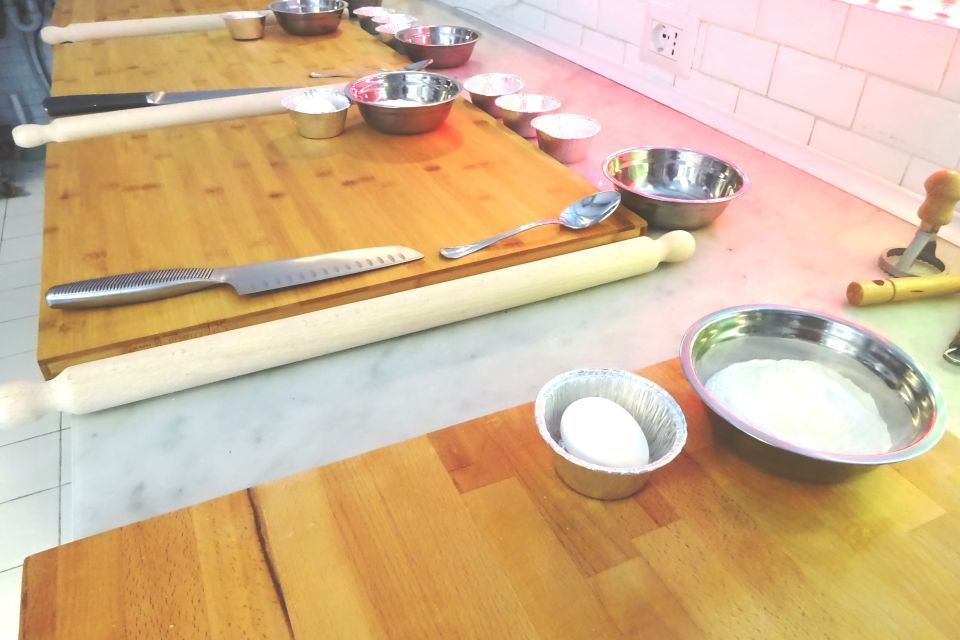
- ingredients and equipment to make pasta and sauces
- wine and water
In practical terms, the value comes from the fact that you learn technique you can repeat. You are not paying just to eat. You are paying to practice rolling thin sheets, shaping ravioli, and making sauce finishes you can recreate at home.
If you have ever bought pasta tools and failed to use them because you never learned the feel of dough, this class can save you from that frustration. You leave with instructions and the sensory memory of what worked.
Who this pasta laboratory class is best for
This class is ideal if you:
- love pasta and want a hands-on skills lesson, not a performance
- want a small group experience with real coaching
- want to make multiple pasta types and pair them with classic Roman sauces
- need gluten-free options or want a vegan egg-free pasta path included
It is less ideal if you want a hands-off, relax-and-watch style class. This workshop is built around doing: shaping, cutting, filling, and learning how to get pasta right.
Should you book the Rome Pasta Laboratory class?
If you want the most practical souvenir from Rome, book it. You are getting technique, recipes, and an actual meal built from your work—plus gluten-free and vegan-friendly options that are integrated into the class structure.
I’d especially recommend it for first-timers who are curious but nervous. The structure is designed for beginners, and the small group size keeps you from feeling lost. If you are sensitive to pacing on Thursdays, consider booking on a different day so gnocchi remains a bonus rather than the main time-pressure moment.
If pasta is your thing, this is one of the rare Rome experiences where you should feel confident telling people what you learned—and meaning it.
FAQ
How long is the pasta cooking class?
The class runs for about 3 hours, and starting times can vary based on availability.
How many people are in the class?
It is a small group with a limit of 9 participants.
Where do I meet for the class?
Meet at Pastificio Faini, 13 Via dei Latini, Roma 00185. The class ends back at the meeting point.
Is the class available in English?
Yes. The instructor teaches in English and Italian.
Can gluten-free participants join?
Yes. The class caters for gluten-free participants, including making gluten-free pasta using buckwheat flour.
Is there a vegan option?
Yes. You will make one type of pasta without egg, which is vegan.
What do you eat and drink during the class?
You taste the pasta, fillings, and sauces you make, and you sip Italian wine. Water is included as well.