REVIEW · ROME
Rome: Pasta and Tiramisu Class at a Local’s Home
Book on GetYourGuide →Operated by Cesarine · Bookable on GetYourGuide
Rome tastes better at a family’s table. This small-group pasta and tiramisu class in a local home turns Italian comfort food into a practical, seated meal with Cesarine hosts. It is a seriously friendly alternative to dining out in the loud center.
I especially like the way you learn sfoglia for fresh pasta by hand, step by step, with a home-cook’s patience. And I like that it is not just a lecture, you actually make, shape, and cook alongside the person who knows the routine best. One drawback to consider: you are eating in a private home, so you’ll need to be comfortable with an address you only receive after booking, plus a more casual, lived-in setup.
I also love the tiramisu payoff. You learn it in the same session and then sit down to taste what you prepared, with prosecco during aperitivo and drinks like wine, coffee, and water at the table. It’s a wonderful reset from Rome’s fast pace, but it is fixed around the host’s home schedule, so plan your day with some breathing room.
In This Review
- Key highlights worth planning for
- A Home-Table Class with Cesarine in Lazio
- Who this is best for
- The Pasta Lesson: Rolling Sfoglia and Making Two Types
- Expect two pasta recipes, made in your hands
- The biggest value: technique you can repeat
- Tiramisu, the Classic Finish (and Why It Matters)
- How the tiramisu lesson fits the evening
- Aperitivo and the Table: Eat Like a Guest, Not a Customer
- Why this setup makes the class better
- Instructor Quality: Calm Guidance from Real Home Cooks
- Cesarine’s “home cook” model
- Price and Value: Is $105 Worth It in Rome?
- When the price might feel steep
- Timing in Rome: How the 10:00 AM and 5:00 PM Options Feel
- Dietary Needs: What You Can Confirm Before You Book
- Practical Tips for a Smooth, No-Stress Arrival
- A few smart prep ideas
- Should You Book This Pasta and Tiramisu Class?
Key highlights worth planning for
- Hand-rolled sfoglia: you learn the fresh pasta dough technique, not just the final plate
- Two pasta dishes from scratch: you’ll make two distinct types of pasta during the class
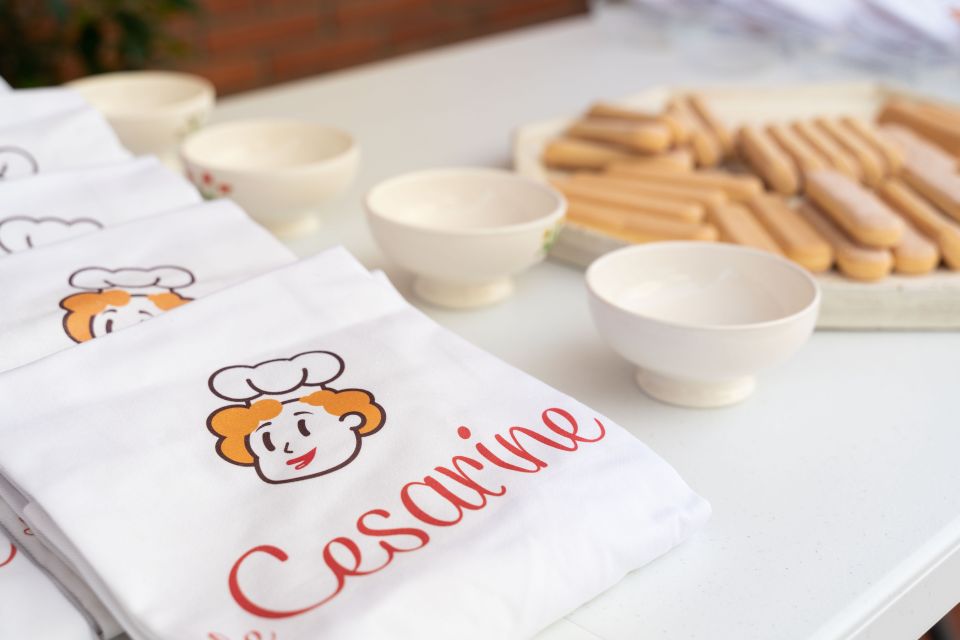
- Tiramisu as the final skill: the classic dessert is taught as part of the same cooking flow
- Cesarine home cooks: a long-running network where hosts share family-style recipes from their cookbooks
- Eat what you cook: everything is served at the table, with aperitivo and drinks included
- Patient, welcoming instruction: past sessions highlighted hosts who were especially calm and clear for families
A Home-Table Class with Cesarine in Lazio
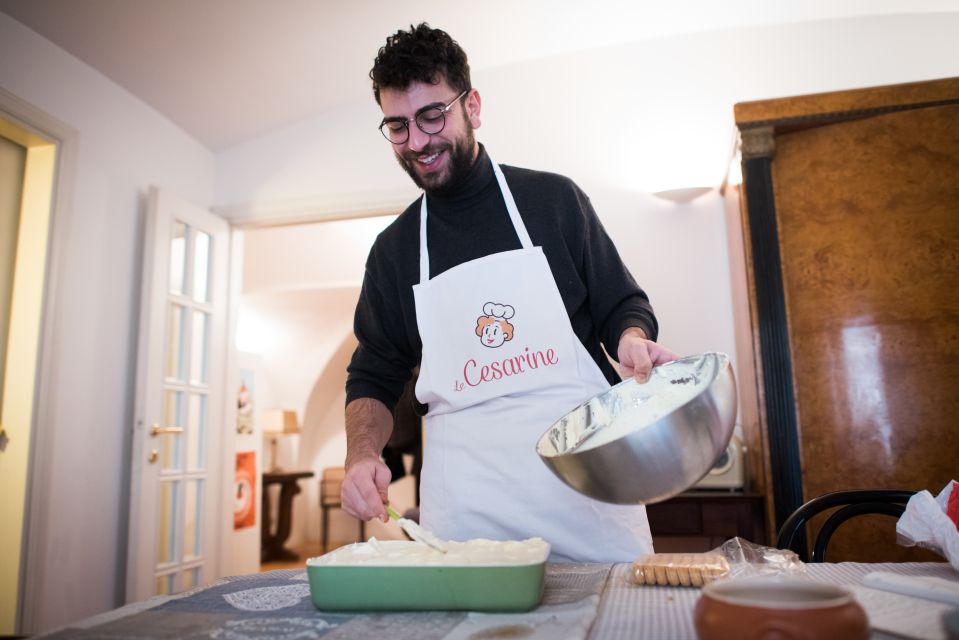
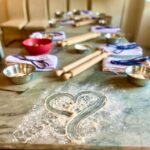
This is the kind of Rome experience that feels local on contact. Instead of cramming into a crowded kitchen demo, you step into a real home, learn real recipes, and end up sharing the meal you made.
The organizer here is Cesarine, which is described as the oldest Italy network of home cooks, operating in more than 500 cities. The idea is simple: hosts open the doors of their own homes and teach from family cookbooks, so you get techniques and choices that match how Italian families actually cook.
What helps the experience land well for most people is the setting. A home kitchen tends to be less intimidating than a classroom, and it naturally encourages questions. In a few past sessions, hosts like Giovanni & Martina and Claudia were praised for staying patient and explaining clearly, including when families brought kids.
You can also read our reviews of more cooking classes in Rome

Who this is best for
You’ll likely have the best time if you want more than a meal. If you enjoy practical skills—rolling dough, shaping pasta, learning timing—you’ll walk away with real confidence. If you prefer to watch and snack rather than cook, this may feel too hands-on.
The Pasta Lesson: Rolling Sfoglia and Making Two Types
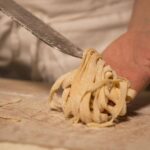
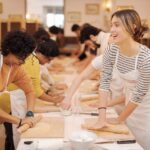
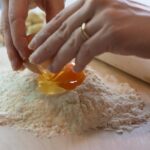
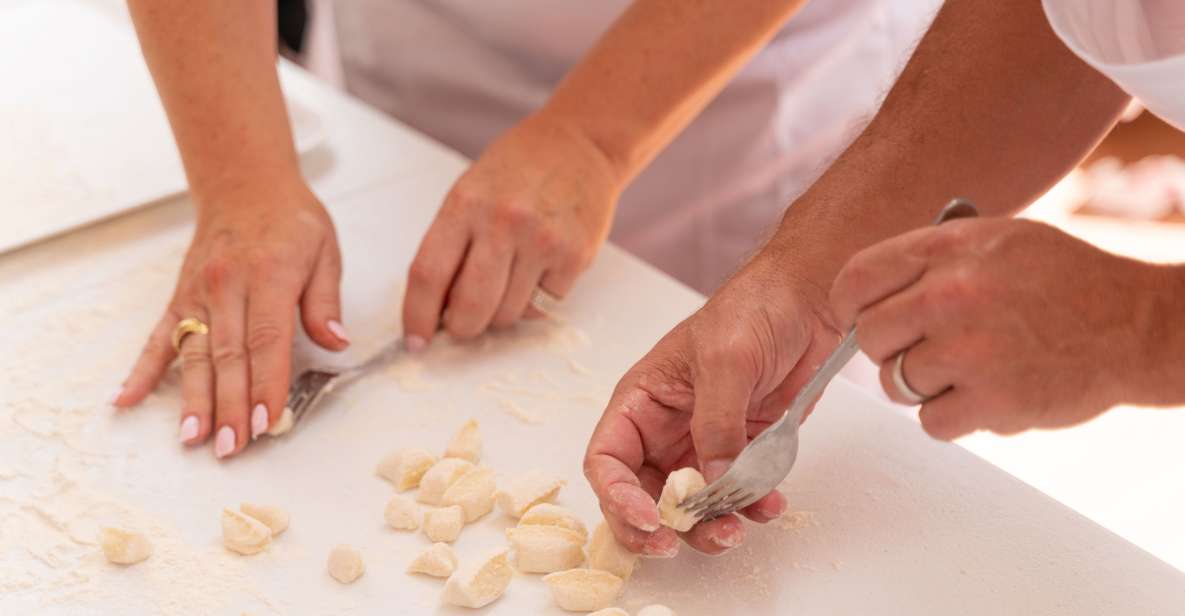
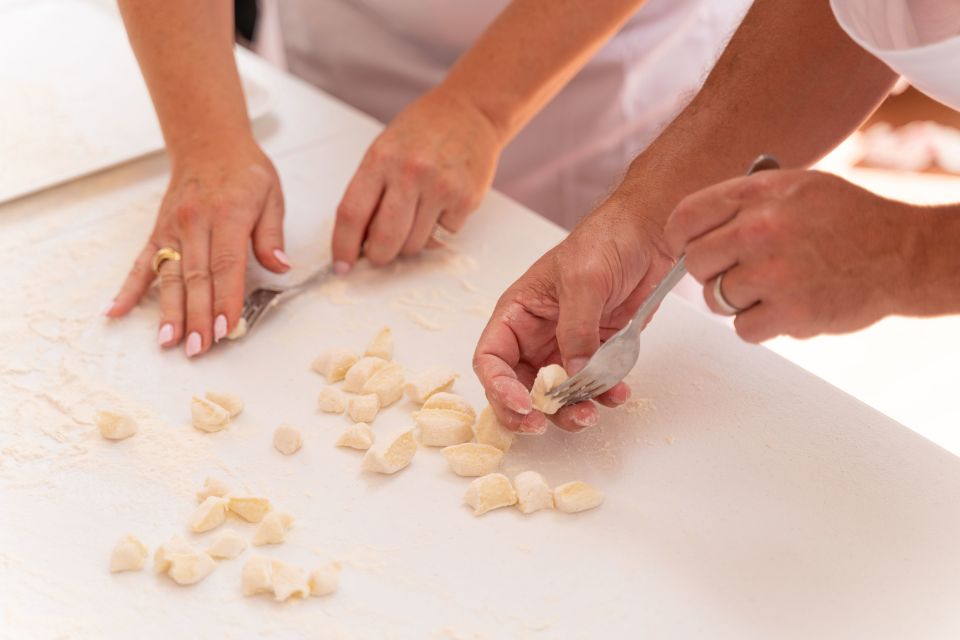
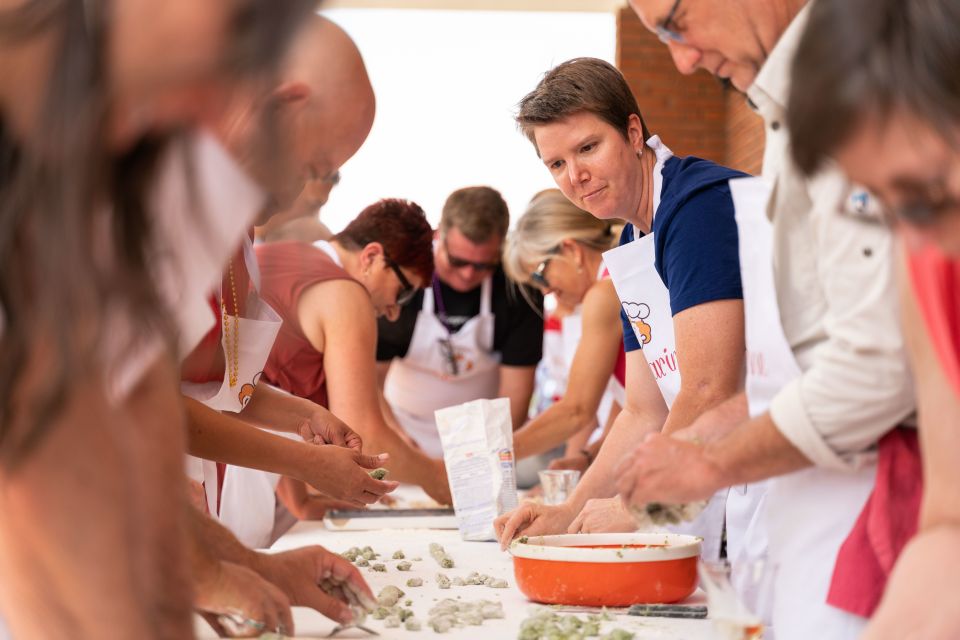
You start with pasta, because in Italy, pasta is the main event. The class teaches you how to roll sfoglia (fresh pasta dough) by hand, then prepare two different kinds of pasta from scratch.
In practice, this means you are not just learning ingredients. You’re learning texture and feel: how the dough behaves, how thin to roll it, and how to work without tearing. Fresh pasta is more forgiving than you might expect once someone walks you through the basics in a home kitchen rhythm.
Expect two pasta recipes, made in your hands
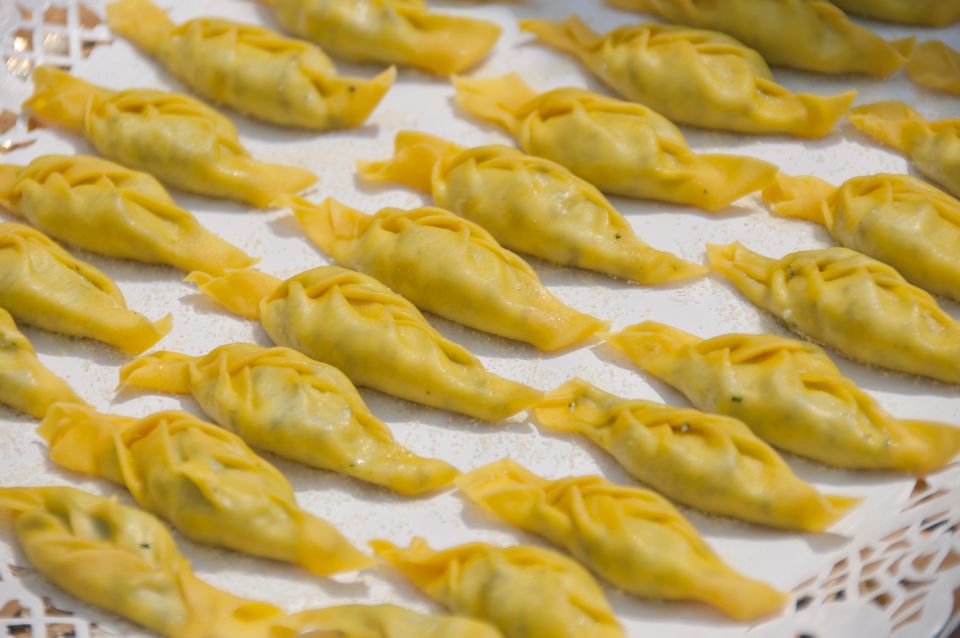
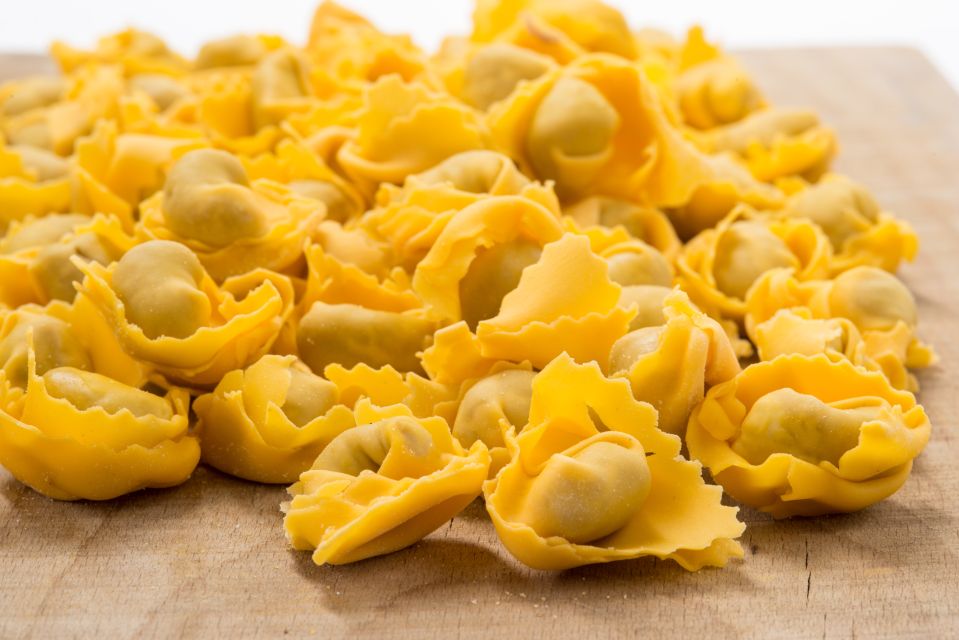
The specific pasta types can vary by session, but the structure stays the same: you learn two distinct pasta preparations. Past sessions have included ravioli and fettuccine, alongside tiramisu. That variety matters because each shape uses different handling and different dough/workflows.
Here’s what you’re getting from that, beyond the novelty of making pasta:
- You’ll understand how choices affect taste and mouthfeel, like thickness and how the pasta holds sauce.
- You’ll see how filling and shaping change the pace of cooking.
- You’ll likely leave with at least one dish you can reproduce at home without special equipment.
The biggest value: technique you can repeat
A restaurant teaches you what to order. A cooking class teaches you what to make. The reason this one feels worth your money is that the dough work is front and center. When you’ve rolled fresh sfoglia with your own hands, you stop thinking of fresh pasta as a rare treat reserved for Italy.
You can also read our reviews of more tours and experiences in Rome

Tiramisu, the Classic Finish (and Why It Matters)
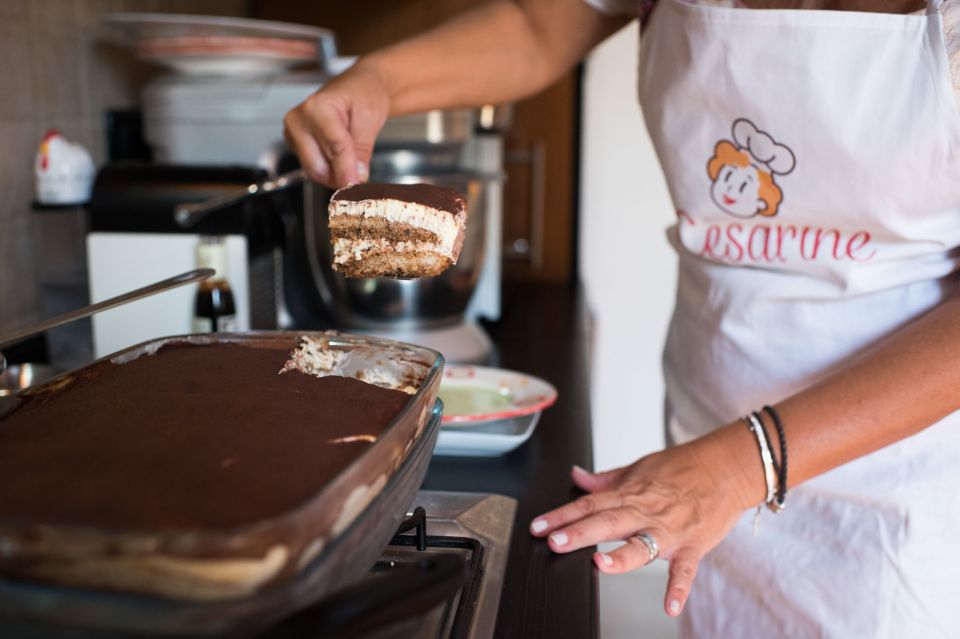
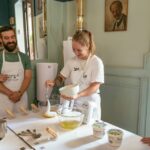
Tiramisu is not just a dessert here. It is a skill and a set of timing cues. The class includes instruction to prepare the iconic tiramisu, and then you taste it as part of the meal.
The appeal is obvious: tiramisu is famous, and you’ll want to know how it really comes together. But the deeper win is learning how Italian home cooks treat dessert as part of the same dining flow as everything else. In a good session, you don’t just follow steps—you understand why they happen in a certain order.
How the tiramisu lesson fits the evening
Think of the class as a pasta-to-dessert arc:
- First, you build pasta foundations (dough, shaping, cooking).
- Then, you pivot to the dessert steps, which require a different kind of focus.
- Finally, you sit down and taste the whole table.
This rhythm keeps it fun and prevents the session from dragging. It also means you get instant feedback, since you’ll eat what you created rather than taking home a perfect “theory lesson.”
Aperitivo and the Table: Eat Like a Guest, Not a Customer
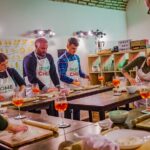
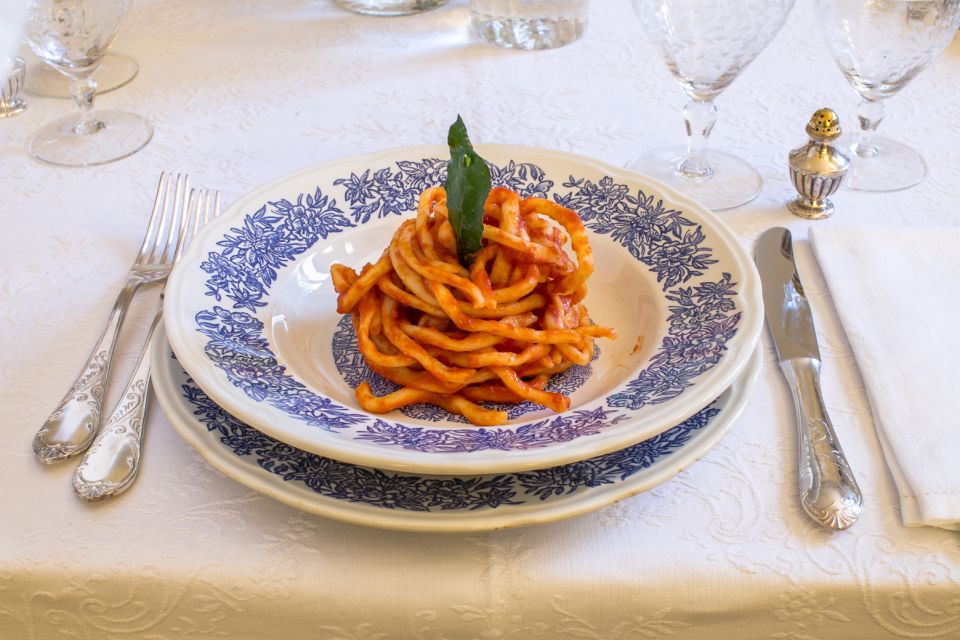
One of the strongest parts of the experience is what happens after cooking. You taste everything you prepared around the table, with drinks included.
The included beverage list is practical: water, wines, and coffee. On top of that, there’s an Italian aperitivo with prosecco and nibbles. That detail matters because it sets a relaxed tone at the start, before anyone is rushing over a cutting board.
Why this setup makes the class better
Eating together is not just a perk. It’s the moment everything clicks:
- You taste pasta while the methods are still fresh in your mind.
- You get a chance to compare results with the people you cooked with.
- You can talk through what worked and what to adjust next time.
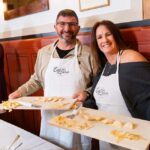
Some past hosts were specifically praised for creating an inviting table setup and serving the meal in a warm, welcoming atmosphere. For me, that is the difference between a cooking class and a cooking memory. You don’t just learn; you share.
Instructor Quality: Calm Guidance from Real Home Cooks
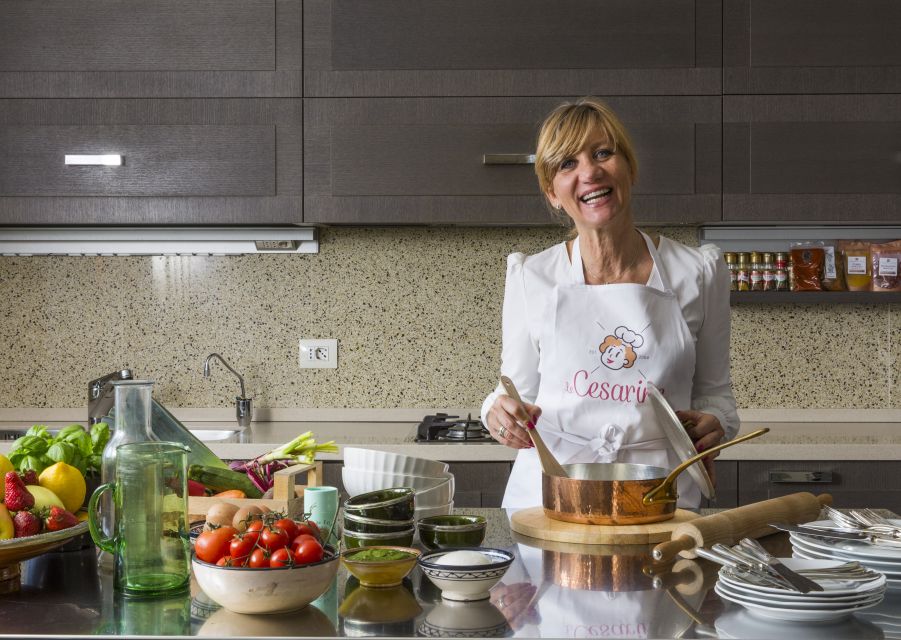
This class is taught in English (with support from an instructor who speaks Italian as well). The point is communication plus comfort: you should feel able to ask questions without slowing everything down.
In the feedback you can read between the lines, hosts were highlighted for being patient and very clear, even when cooking with children in the group. That tells me the teaching style likely works for mixed experience levels, from first-time dough rollers to people who cook regularly at home.
Cesarine’s “home cook” model
Cesarine’s concept is home cooks from family cookbooks, which tends to produce a specific kind of lesson. You’re more likely to get:
- practical substitutions,
- small technique tips,
- explanations tied to tradition and habit.
That’s also why conversations come up naturally. When you cook from a family approach, you end up talking like family friends rather than like teacher and student.
Price and Value: Is $105 Worth It in Rome?
At $105 per person for a 3-hour class, you’re paying for more than recipes. You’re paying for three big things that restaurants rarely give:
First, instruction in a home kitchen. That’s a scarce resource. A cooking class needs time, space, and skill to guide you through hands-on steps like rolling sfoglia and shaping pasta.
Second, you get ingredients and dining together. You aren’t just making food; you’re eating what you make with prosecco, plus wines, coffee, and water. For a lot of people in Rome, that’s where the value becomes real, because you would otherwise spend money on an evening meal and drinks.
Third, you leave with more than one dish. The format teaches foundational technique plus application: fresh dough + two pasta types + tiramisu. That’s a lot to take home in one session.
When the price might feel steep
If you are the type who only wants a quick bite and zero cooking, it can feel pricey. But if you want a memorable, skills-based experience, $105 for a paced 3-hour home class with food and drinks included often makes sense.
Timing in Rome: How the 10:00 AM and 5:00 PM Options Feel
Dinner planning in Rome can get messy. This class typically begins around 10:00 AM or 5:00 PM, with flexibility by request.
The time choice matters:
- 10:00 AM can pair well with a morning of sightseeing. You get a skill-heavy experience early and still have the afternoon.
- 5:00 PM can work as a calmer bridge between a busy day outside and an evening meal.
Either way, plan to be done with your main sightseeing blocks before you commit. A home-cooking session benefits from a relaxed arrival.
Dietary Needs: What You Can Confirm Before You Book
The class can cater to different dietary requirements, but you’ll need to confirm those details directly with the organizer after booking. That means don’t assume. If you eat vegetarian, gluten-free, or have other restrictions, reach out early so the host can tell you what’s possible for that specific menu flow.
The upside is that dietary needs are acknowledged as something they can handle, at least in some form. The key is communication.
Practical Tips for a Smooth, No-Stress Arrival
This is a do-it-right, show-up-ready experience. The meeting point is the host’s home, and the address is shared after reservation.
When you arrive, you ring the doorbell. After booking, you’re contacted by customer care to share private details including the host’s full address and mobile number. That’s helpful if you arrive at the wrong entrance or need quick confirmation.
A few smart prep ideas
- Wear clothes you feel comfortable cooking in. Pasta dough can be messy.
- Bring a good attitude. Home cooking is hands-on, and that’s the whole point.
- If you’re traveling with kids, this type of class has been praised for patient instruction and explanations.
Should You Book This Pasta and Tiramisu Class?
Book this class if you want a Roman experience that is less about watching and more about doing. You’ll get fresh pasta technique (including sfoglia by hand), two pasta recipes, and the iconic tiramisu, then you’ll sit down and eat it with prosecco, wine, coffee, and water. The value comes from the combination of skills plus a shared home-table meal.
Don’t book it if you hate hands-on cooking or you want a very formal, big-attraction sightseeing vibe. A home kitchen is casual and personal. If that feels uncomfortable, you’ll probably prefer something more structured and public.
If you’re on the fence, here’s my simple decision rule: if you would be excited to roll dough with your own hands and learn how Italian families cook from their own family cookbooks, this is a very good use of your time in Rome.