REVIEW · ROME
Rome Night Photo Tour
Book on Viator →Operated by Travel Photo Tours in Rome · Bookable on Viator
Night Rome turns into your classroom. This 4.5-hour small-group photo tour sends you through the Colosseum, the Vatican area, and Rome’s riverfront after dark, with coaching focused on how to frame and shoot what you see. Between stops, you get to enjoy quieter streets and streetlight glow instead of daytime crowds.
I love the personal instruction here. With a maximum of 4 travelers, the instructor (often Marco, and on at least one tour it’s Luca) can adjust your angles and settings so you’re not just following a group. I also love the gear support: a tripod is included, and the teaching works for DSLR/mirrorless cameras and phones.
One drawback to plan for: this is not a sit-down show. You’ll be walking on real sidewalks and cobblestones for much of the night, so comfy shoes and some patience for traffic-and-wait moments matter.
In This Review
- Key things that make this tour work
- What Makes Rome at Night So Much Better for Photos
- Small-Group Coaching With Marco or Luca (And Why That Matters)
- Where the Tour Starts (and How the Route Builds Momentum)
- Stop-by-Stop: What You’ll Shoot and What Each Place Teaches
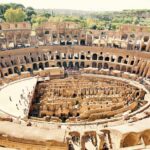
- The Colosseum: Classic vs. unusual angles
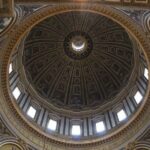
- St. Peter’s Basilica: a different technique for the Vatican area
- Castel Sant’Angelo: Blue Hour practice with bridge and river views
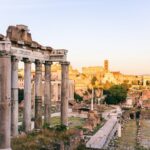
- Roman Forum: a different way of seeing the forums
- Palatine Hill: multiple angles on Rome’s origins
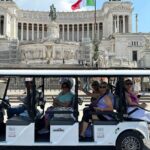
- Monumento a Vittorio Emanuele II: a quick hit from a unique point of view
- Piazza del Campidoglio: Capitoline Hill surroundings and small “glimpses”
- Mercati di Traiano – Museo dei Fori Imperiali: Trajan’s Market and Forum angles
- Optional add-ons: Trastevere, Pantheon, Spanish Steps, Trevi, Piazza Navona
- Why Blue Hour at Castel Sant’Angelo Is the Tour’s Secret Weapon
- Composition and Night Settings: What You’ll Learn (Even With a Phone)
- Logistics That Affect Your Enjoyment (More Than You Think)
- Transport and the hotel drop-off
- Timing and start-time shifts
- Rain doesn’t mean cancel (it means different photos)
- You’ll want comfortable shoes and water
- Price and Value: What You’re Really Paying For
- Who Should Book This Night Photo Tour
- Should You Book This Rome Night Photo Tour?
- FAQ
- How long is the Rome Night Photo Tour?
- What does the tour cost?
- Where do I meet, and where does the tour end?
- How many people are in the group?
- Can a friend or partner join for free if they are not taking photos?
- Is a tripod included?
- Are admission tickets included for the main stops?
- When does the tour start?
- What if it rains?
- Can I add extra sights like Trastevere or the Pantheon?
Key things that make this tour work
- Max 4 travelers means real attention, not a rushed slideshow
- Tripod included so your night shots don’t turn into blurry mush
- Free admission at every main stop keeps the value high
- Blue Hour practice at Castel Sant’Angelo for dramatic lighting and reflections
- Bring a non-photographer friend free (they still get the sights and atmosphere)
- Optional additions like Trastevere, the Pantheon, Spanish Steps, Trevi Fountain, and Piazza Navona if you request them
What Makes Rome at Night So Much Better for Photos
Rome at sunset is pretty. Rome after dark is different. The buildings soften, shadows get longer, and streetlights create those layered tones you can’t fake with filters. This tour leans hard into that idea: you’re not just “seeing” monuments, you’re learning how to translate night lighting into photos.
The timing also helps your experience. The tour starts at 7:30pm from April to October, and at 5:00pm from November to March. Since start time can shift with twilight, you get more of that sweet spot where the city looks lit-but-not-yet-dark.
And because the group is tiny, the night feels less like a stampede and more like an evening walk with a guide who cares about your results. You’ll shoot around 15–20 different scenes, which is a sweet number: enough variety to feel productive, but not so many stops that you’re constantly sprinting.
You can also read our reviews of more evening experiences in Rome
Small-Group Coaching With Marco or Luca (And Why That Matters)
A big claim in most tours is personalized attention. Here, the math actually supports it. This experience runs with a maximum of 4 travelers, and that changes how the night feels.
In practice, you’ll benefit from the instructor’s teaching style in two ways:
- You learn “how” while you’re still at the location. The coaching is meant to translate on the spot, not after the fact.
- You’re guided even if you’re a beginner. The tour is suitable for beginners, amateurs, and advanced photographers.
The reviews you’ll hear over and over point to patient instruction and careful composition talk. People mention concepts like rule of thirds, depth of field, lighting, and what makes an image feel sharp and intentional. Even if you’re shooting with an iPhone, you’re not treated like you’re doing something “less.” A tripod is still useful at night, and the instructor will help you get steadier results.
There’s also a big plus for couples and friends: you can bring a non-photographer partner or friend for free. They won’t be left behind. They’ll still be part of the walk, the views, and the timing—while you focus on getting your shots.
Where the Tour Starts (and How the Route Builds Momentum)
You meet at the Napoleonic Museum on Piazza di Ponte Umberto I, 1 (close to public transportation). The tour ends at the Colosseum area, at Piazza del Colosseo, 1.
You’ll also get transport by private vehicle during the experience, plus a return drop-off to your hotel by car—inside Rome. Hotel pickup is not included, so you’ll want to plan your own way to the meeting point.
This structure helps for night photography. If you had to walk the whole route, you’d spend energy moving instead of shooting. Here, the mix of walking and private-vehicle transport keeps the pace realistic for a 4.5-hour window.
Also note a practical detail that helps your energy: you can stop for gelato, pizza, or coffee at any time. That’s not just comfort. It’s a chance to reset without feeling like you’re losing the “photo window.”
Stop-by-Stop: What You’ll Shoot and What Each Place Teaches
This tour is built around turning iconic monuments into photo opportunities. Every stop has a focus, often with more than one angle or technique. You’ll generally spend 10–45 minutes per location, which is long enough to try and retry.
The Colosseum: Classic vs. unusual angles
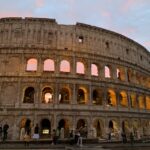
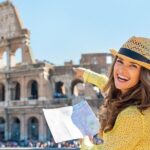
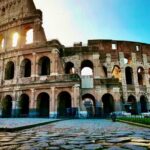
The night start happens at the Colosseum, with two different angles—one classic and one more unusual. This is a smart way to begin, because it helps you avoid the first-night mistake: grabbing the postcard view and stopping there. If you’ve never shot a big landmark at night, the Colosseum is also a great training ground for lighting and scale.
Admission ticket is free here, and you’ll have about 30 minutes.
You can also read our reviews of more photography tours in Rome
St. Peter’s Basilica: a different technique for the Vatican area
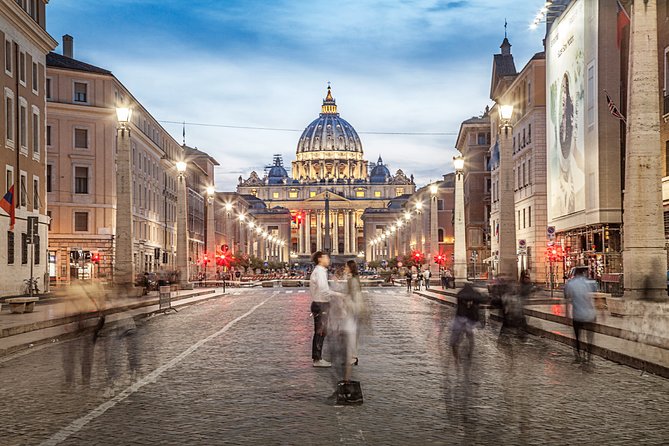
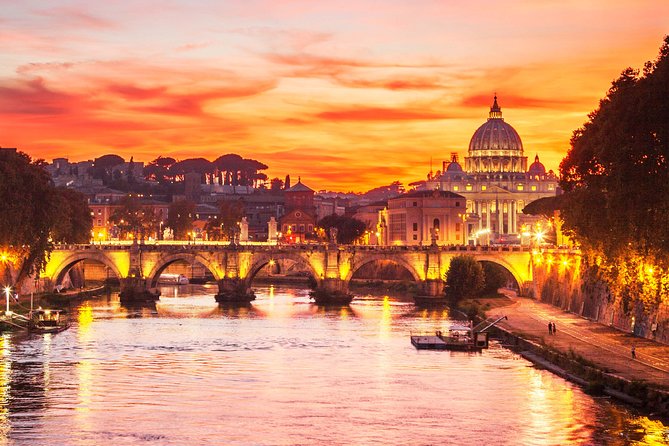
Next is St. Peter’s Basilica. The tour focuses on shooting St. Peter (Vatican) with a different technique. Even if you’ve photographed this area in daylight, night changes everything—reflections, contrast, and how bright stone reads under warm lights.
You’ll get about 45 minutes, and again the admission ticket is free.
Castel Sant’Angelo: Blue Hour practice with bridge and river views
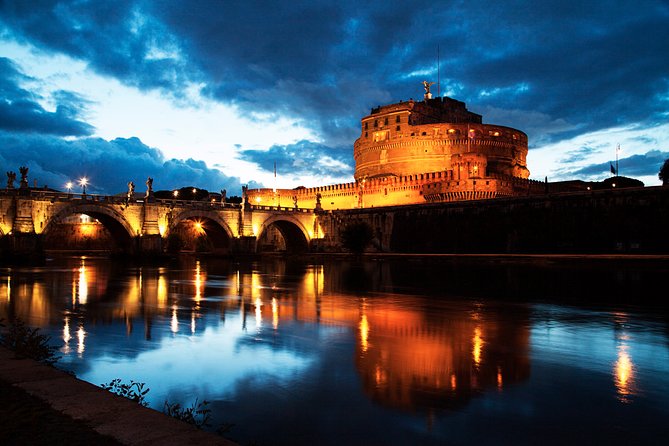
Castel Sant’Angelo is one of the most satisfying parts of the night. The plan is to shoot the castle, the bridge, and the river from exclusive spots during Blue Hour. That word matters because the sky often still holds color while the monuments are already glowing.
This stop is about 30 minutes, with free admission.
Roman Forum: a different way of seeing the forums
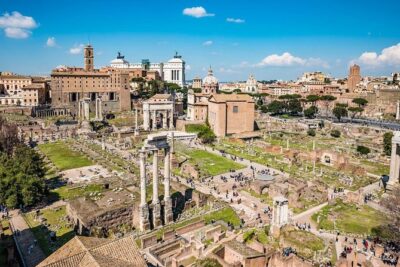
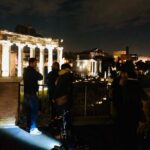
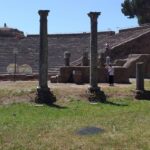
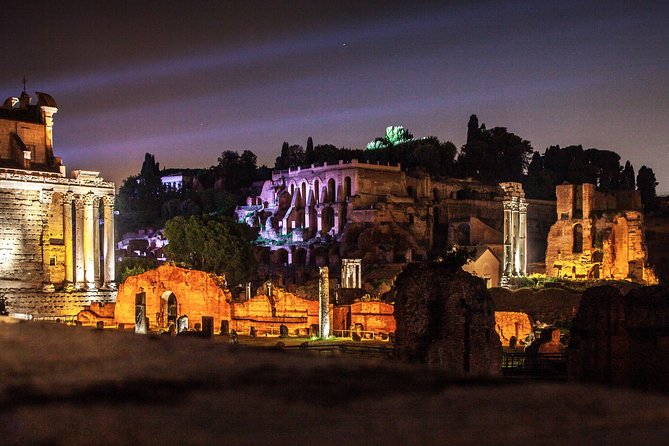
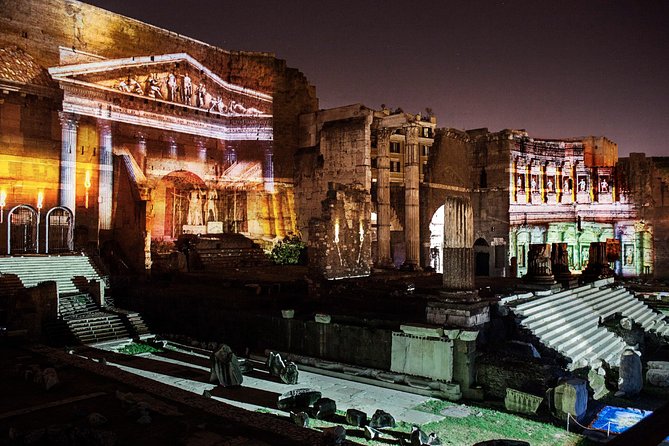
At the Roman Forum, you’ll shoot all the forums in an alternative way. Think fewer “look-at-the-ruins” shots and more composition work: leading lines, framing, and perspective that shows depth in dark tones.
You’ll have about 30 minutes, with free admission.
Palatine Hill: multiple angles on Rome’s origins
Palatine Hill is where you continue the perspective-building. You’ll shoot the Palatine from various angles in about 20 minutes. This helps you capture Rome’s layers, not just a single view.
Admission ticket is free.
Monumento a Vittorio Emanuele II: a quick hit from a unique point of view
This stop is short—about 10 minutes—but it has a clear purpose: shoot the monument from a unique point of view. Short stops can still produce strong results if you’re coached on what to look for and how to frame quickly.
Free admission applies here too.
Piazza del Campidoglio: Capitoline Hill surroundings and small “glimpses”
At Piazza del Campidoglio, you’ll shoot the Capitoline Hill and its surroundings, with amazing sights and glimpses included. This stop is about 45 minutes, so you get time to slow down and hunt for frames that feel more personal than a simple skyline shot.
Free admission is included.
Mercati di Traiano – Museo dei Fori Imperiali: Trajan’s Market and Forum angles
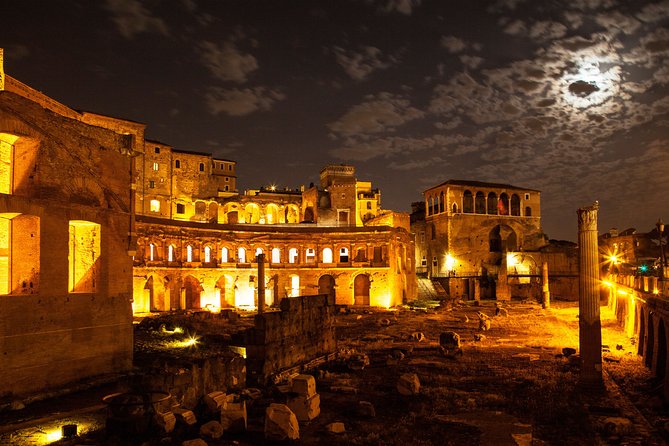
You’ll finish this major stretch by shooting Trajan’s Market and Forum from unique spots. This one is about 15 minutes, and it’s built for variety—quick angles, tight framing, and details that make the forum feel alive at night.
Free admission is included.
Optional add-ons: Trastevere, Pantheon, Spanish Steps, Trevi, Piazza Navona
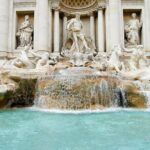
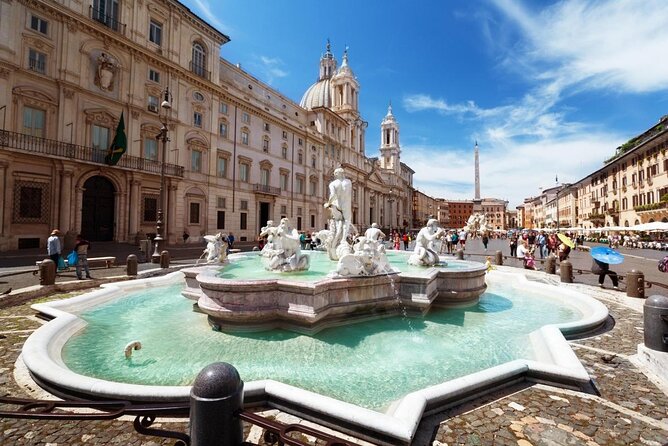
If you request it, you can include extra areas like Trastevere with off-the-beaten-track glimpses. Other add-ons include the Pantheon, Spanish Steps, Trevi Fountain, and Piazza Navona.
Requesting adds-on is ideal if you want your night to feel less “greatest hits” and more “Rome that you’ll remember walking through.”
Why Blue Hour at Castel Sant’Angelo Is the Tour’s Secret Weapon
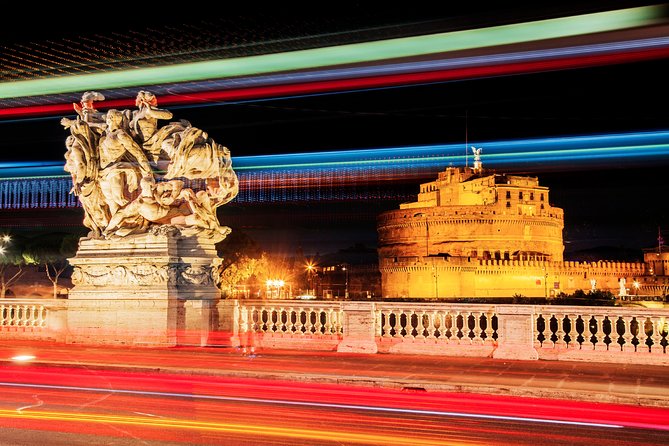
If you only take one kind of night photo skill from this tour, make it this: timing. Castel Sant’Angelo is designed around the window when the sky is still interesting and the city has started to glow.
On a normal night walk, you’re at the mercy of the light. Here, the schedule pushes you into Blue Hour, which helps photos look less flat. You’ll be shooting the castle, bridge, and river at exclusive spots, and that setup naturally gives you contrast and reflective surfaces—two things that make night photos look more “alive.”
Also, this is where a small-group tour shines. When you’re not elbowing through crowds, the instructor can shift you to better positions and help you try alternate compositions without turning it into chaos.
Composition and Night Settings: What You’ll Learn (Even With a Phone)
Night photography is simple in theory and tricky in practice: low light can blur your image, and bright highlights can overpower everything else. This tour teaches the steps that help you control the result.
From the coaching style described in the experience, you can expect guidance around:
- Composition: rule of thirds, framing, and how to place the main subject
- Lighting: how to handle bright stone and dark foregrounds
- Perspective and depth: how to build a sense of space in an image
- Camera techniques: and yes, this includes concepts like depth of field
Even if you’re not bringing a full camera setup, the tour is designed for real-world use. People mention using iPhones and Android cameras, and the instructor is prepared to help you get better sharpness and framing anyway. A tripod being included matters here, because steady support is often the difference between a sharp night shot and a soft one.
One more practical point: the instructor can also be flexible about what works for your gear. For instance, the guides referenced in the experience have supported phone shooters by lending a tripod for steadier results in the field (so you’re not stuck guessing).
Logistics That Affect Your Enjoyment (More Than You Think)
There are a few “behind the scenes” items that can make or break a night tour.
Transport and the hotel drop-off
You’ll use a private vehicle during the tour, and you’ll be dropped back at your hotel by car. That reduces your stress after a long evening. The tour does not include hotel pickup, though, so you still have to get yourself to the meeting point near the Napoleonic Museum.
Timing and start-time shifts
The start time is season-based: 5:00pm in Nov–Mar and 7:30pm in Apr–Oct. It can shift depending on twilight, and that’s a good sign. Night photography needs correct light timing more than it needs strict clock precision.
Rain doesn’t mean cancel (it means different photos)
You might worry about rain. Here, if it rains, the experience is framed as better atmosphere and character for images. That’s not a guarantee about comfort, but it does mean the tour isn’t treated like fragile glass.
You’ll want comfortable shoes and water
The tour recommends comfortable shoes and a small bottle of water. That’s not just generic advice. Night walking adds up fast, especially if you’re stopping often to compose.
Price and Value: What You’re Really Paying For
At $217.69 per person for about 4 hours 30 minutes, you might wonder if this is “worth it” versus just wandering and copying a couple of Instagram spots.
Here’s why the price can make sense:
- Free admission tickets are included at each main stop
- You get a professional photographer guide who teaches, not just points
- A tripod is included
- You get private-vehicle transport and hotel drop-off by car inside Rome
- The group is capped at 4, which boosts the coaching value per person
- You can bring a non-photographer friend for free, which improves value for couples
The only cost-risk is your expectations. If you want a casual stroll with photos as a bonus, any walking tour could feel “cheaper.” But if you want night photos that look intentional—shots with better composition, sharper results, and angles you wouldn’t find alone—this is the kind of structure that pays off fast.
Who Should Book This Night Photo Tour
Book it if:
- You want night photos that go beyond tourist snapshots
- You’re a beginner and want calm, step-by-step coaching
- You’re an intermediate/advanced shooter and want new angles and better use of night lighting
- You’re shooting with a phone and want practical help getting sharper results
- You want a small-group night experience with a guide who actually teaches
Skip it if:
- You hate walking and standing for photos
- You’re expecting full control of every location stop without guidance
- Your “must-have” is a deep museum experience instead of a night-photo route
Should You Book This Rome Night Photo Tour?
If you care about photos—and you want them to improve while you’re in Rome—this is an easy yes. The combination of a tiny group, a tripod included, and coaching that works for phones and cameras makes it feel like a real workshop, not a sightseeing bus with cameras.
My main advice: wear shoes you’d be happy walking in for a while, and give yourself permission to try multiple frames at each stop. The tour is built for that kind of patience. If you do, you’ll leave with images that feel more like a story of Rome at night, not just a list of monuments.
FAQ
How long is the Rome Night Photo Tour?
It runs for about 4 hours 30 minutes.
What does the tour cost?
The price is $217.69 per person.
Where do I meet, and where does the tour end?
You start at Napoleonic Museum, Piazza di Ponte Umberto I, 1, 00186 Roma RM, and you end at the Colosseum area, Piazza del Colosseo, 1, 00184 Roma RM.
How many people are in the group?
This experience has a maximum of 4 travelers.
Can a friend or partner join for free if they are not taking photos?
Yes. Your partner/friend can accompany you for free as a non-photographer.
Is a tripod included?
Yes. A tripod is included.
Are admission tickets included for the main stops?
Admission tickets are free at the main sites listed in the tour schedule.
When does the tour start?
From November to March it starts at 5:00pm. From April to October it starts at 7:30pm. The start time can change based on twilight.
What if it rains?
If it rains, it only enhances the experience by adding atmosphere and character to the images.
Can I add extra sights like Trastevere or the Pantheon?
Yes, if requested you can include Trastevere, the Pantheon, Spanish Steps, Trevi Fountain, and Piazza Navona.