REVIEW · ROME
Rome Must See Golf Cart Tour: Pantheon Navona & Trevi Fountain
Book on Viator →Operated by ITERITALY Golf Cart Tours, Shore Excursions, Private Transfers · Bookable on Viator
Rome without the traffic drama. This half-day Rome golf cart tour uses small-group stops to take you from the Pantheon to Trevi Fountain and on through the classics, while the driver steers you onto calmer side streets when possible.
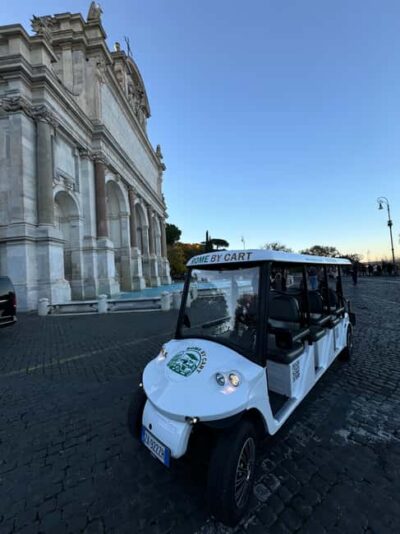
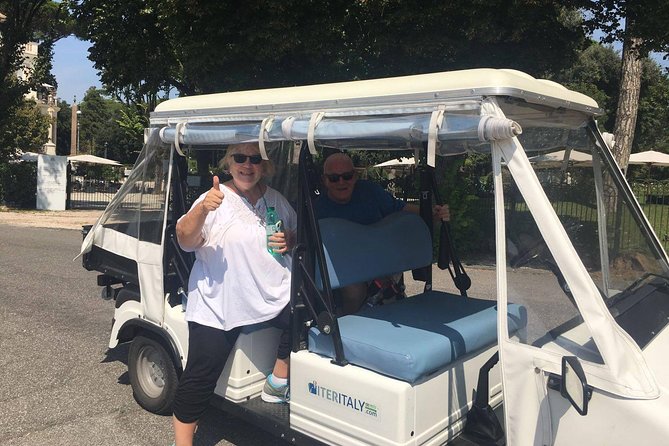
I especially like two things. First, it’s a small-group ride (max 15) with an English-speaking driver, so you’re not just herded from window to window. Second, the route feels flexible: you can choose sites, get off when you want a closer look, and even snag photos/videos from the cart.
One drawback to plan for: the experience depends on timing, traffic, and how the day flows. If you sit farther back, street noise can make the commentary harder to catch, and in at least one case the pacing felt uneven (other stops taking longer than expected).
In This Review
- Key Things I’d Prioritize on This Golf Cart Tour
- Why a Rome Golf Cart Tour Works for First-Timers
- The Morning vs Afternoon Question (And What It Changes)
- Meeting Point and the Start-of-Day Reality
- Pantheon and Navona Squares: First Wow, Fast Orientation
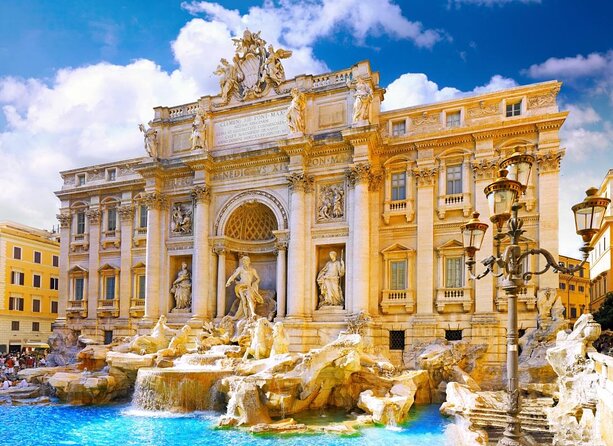
- Trevi Fountain and Spanish Steps: Where Timing Makes the Difference
- The Mouth of Truth and Artisan Corners: Small Stops That Feel Like Rome
- Campo de’ Fiori and the Quick-Look Local Scene
- Via Veneto and Villa Borghese: A Softer Side of the City
- Colosseum, Circus Maximus, and Palatine Hill Viewpoints
- Aventine Hill and the Keyhole View: The Fun Side of Rome
- How the Coffee and Gelato Stops Fit In
- Cart Comfort, Seats, and Staying Able to Hear
- Price and Value: Is $229.29 Worth It?
- Best-Fit Travelers (And Who Might Prefer a Different Plan)
- Should You Book This Rome Must See Golf Cart Tour?
- FAQ
- How long is the Rome Must See Golf Cart Tour?
- Where does the tour start?
- Where does the tour end?
- Is the tour offered in English?
- How many people are in the group?
- Are entry tickets included?
- Does the tour include coffee and gelato?
- What sites should I expect to see?
- Can I choose my departure time?
- What’s the cancellation policy?
Key Things I’d Prioritize on This Golf Cart Tour
- Back-street routing that aims to reduce noise, fumes, and gridlock near the biggest sights
- Photo-friendly stops where you can get out for a quick walk, then reboard fast
- Pick morning or afternoon so you can match your energy level and crowd risk
- Coffee and gelato breaks built into the day, not just an afterthought
- A driver who adapts to what you want to see next (you can redirect the plan)
Why a Rome Golf Cart Tour Works for First-Timers
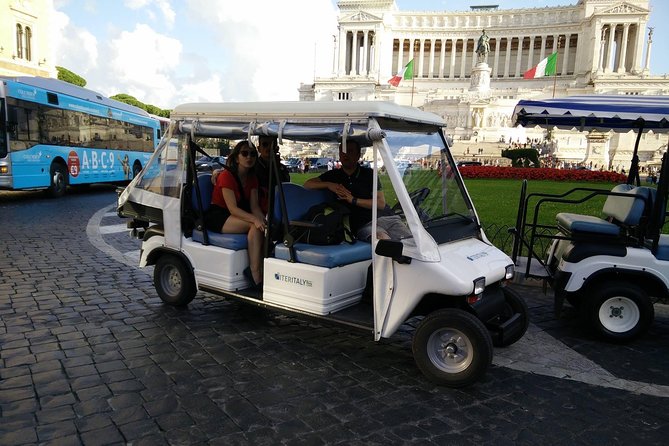
Rome is not shy about crowds. Even when you know what you want to see, you still spend time fighting traffic, finding parking, and timing your walks between landmarks. A golf cart tour is a practical fix because it lets you cover ground without exhausting you in between stops.
This one is built around the idea of a quick orientation day. You hit top sights like the Pantheon, Trevi Fountain, and Piazza Navona, then you also get steered into quieter lanes where the city feels more like Rome and less like a postcard line. Guides like Marco, Ivanna, Luca, and Pietro (names I’ve seen connected to this experience) all seem to share the same approach: explain enough to help you place what you’re seeing, then give you time to look closer.
For the money, the value isn’t about “speed at any cost.” It’s about smart pacing: short stops you can absorb, then moving again before the day turns into one long bottleneck.
You can also read our reviews of more tours and experiences in Rome.



The Morning vs Afternoon Question (And What It Changes)
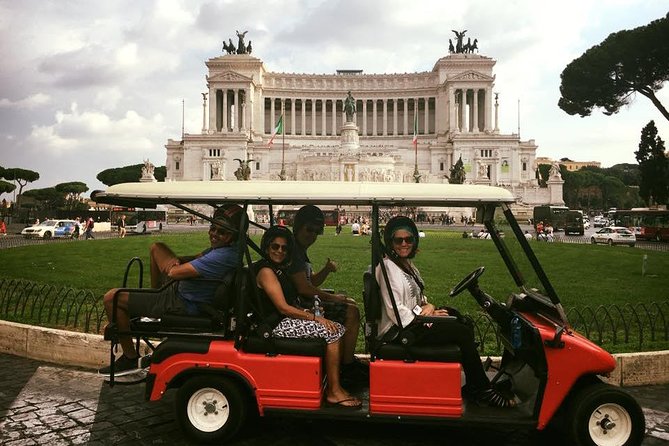
You can choose departure times in the morning or afternoon, and that matters more than it sounds. Morning often feels calmer for walking around landmark squares, while afternoon can work better if you want a later start after breakfast and you’re planning a slower evening.
If you’re traveling on a tight schedule, I’d think of this tour as your “scouting lap.” You’ll see where you want to return later—especially around the Pantheon-area lanes, Trevi’s surrounding streets, and the view points from higher ground like Palatine Hill and Aventine Hill (depending on what’s included in your day’s routing).
Also keep in mind: the cart ride is not the same as a long bus tour. With a smaller group, you’re more likely to get that rhythm where you move often, stop often, and don’t feel stuck for long stretches.
Meeting Point and the Start-of-Day Reality
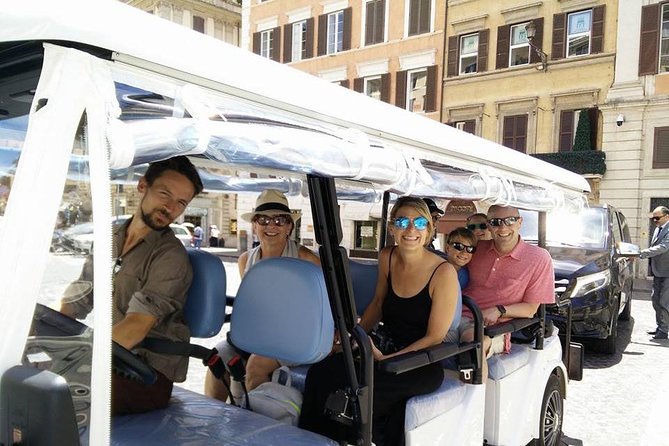
The tour starts at Piazzale delle Canestre, 00197 Roma RM, Italy, and it ends back at the same meeting point. That matters because Rome’s center can be chaotic, and you want a start location that actually works.
Bring a simple plan for the beginning:
- Be on time at the meeting point.
- Wear shoes you’re comfortable walking in for short stretches, since you’ll have opportunities to step out.
- Expect that your driver will make on-the-ground calls based on what’s moving smoothly that day.
No matter what time you choose, the first hour sets the tone. If your guide is energetic and comfortable managing the group, the whole tour feels easier—something people repeatedly tie to guides like Francesco, Nadia, Tommy, and Sabrina.
Pantheon and Navona Squares: First Wow, Fast Orientation
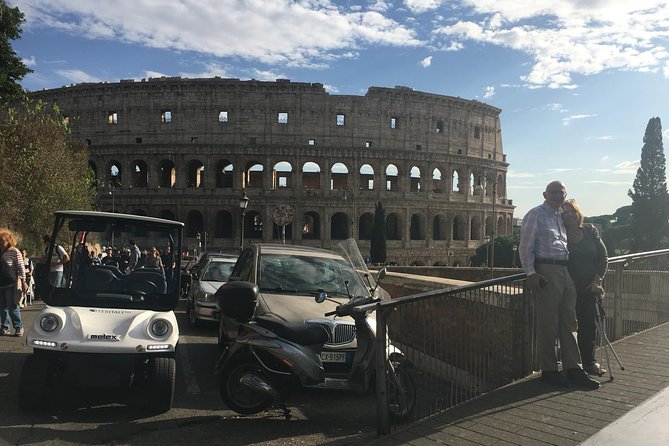
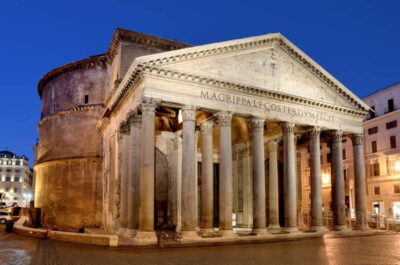
If you’re mapping your first Rome trip, the Pantheon-area is a smart place to begin. It’s one of those landmarks that hits you with scale and detail whether you’re religious, architectural, or just plain curious.
On this tour, you’ll typically stop so you can:
- see the exterior clearly,
- take pictures from angles you can’t always get while walking through crowded streets,
- and step around long enough to understand where the square connects to the surrounding neighborhood.
Then the tour often shifts toward Piazza Navona. This is where Rome starts to feel like a lived-in city: busy in a good way, but still easier to enjoy when you arrive with a plan and you’re not stuck searching for your way.
One benefit I like: you’re not forced into a long walk between points. That’s huge on day one when your feet are still learning the city.
Trevi Fountain and Spanish Steps: Where Timing Makes the Difference
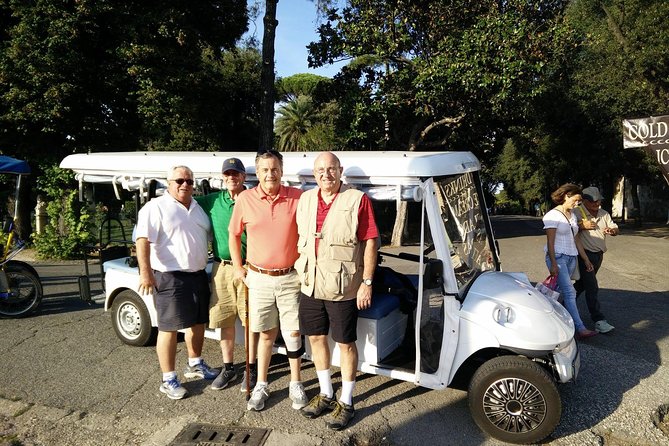
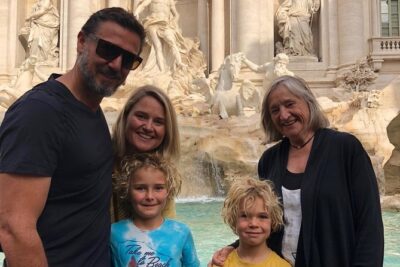
Trevi Fountain and the Spanish Steps are the two biggest “everyone wants this photo” magnets in Rome. That’s why timing and routing matter so much. With a cart, you’re not just waiting on the street. You arrive as a group with a plan for quick viewing and photo time.
Here’s the practical way to approach it:
- Treat Trevi as a visual stop, not a “sit and stare for an hour” moment.
- Take the photos you want, then move on before the crowd pressure builds.
The same idea works for the Spanish Steps. You’ll usually get a stop that lets you see the steps and their surrounding feel, then continue rather than getting stuck in a slow-moving crush.
Do read the room, though. A golf cart tour still depends on traffic and the day’s pacing. I’ve seen at least one complaint tied to missed emphasis on specific stops when the schedule got tight, so if Trevi and the Spanish Steps are top priorities, it’s worth being direct with your driver early in the tour so they know what matters most to you.



The Mouth of Truth and Artisan Corners: Small Stops That Feel Like Rome
This is where the cart concept shines. If you only do “big sights,” you end up with a list, not a sense of place. Stops like the Mouth of Truth area (and nearby lanes) feel different because they connect famous names with real street texture.
You’ll also have time for workshop-style scenes and courtyards—places that don’t always make it into crowded walking itineraries. Even a short stop helps because you can step out, look at details, and notice how Roman neighborhoods shift from major plaza energy into quieter, more local rhythms.
This part is less about ticking boxes and more about getting your eye trained. Once you spot those lanes and courtyards, you start recognizing patterns in Rome: where you can duck off the main street, where a square opens up, and which streets feel like they belong to residents rather than tour buses.
Campo de’ Fiori and the Quick-Look Local Scene
Campo de’ Fiori is one of those places you should experience at least once because it represents Rome’s day-to-day life as much as its landmark life. Even if your stop is brief, being there with less stress than a forced long walk helps you actually enjoy it.
On a tour like this, Campo de’ Fiori works as:
- a break in pace,
- a chance to absorb a different kind of architecture and street layout,
- and a grounding point between heavier sightseeing moments.
If you’re the type who wants to come back later, this is often where that urge starts. You’ll catch streets you want to stroll again at your own speed.
Via Veneto and Villa Borghese: A Softer Side of the City
Via Veneto is famous, but it’s also useful on a tour because it pulls you toward another texture of Rome—more boulevard energy, more open sightlines, and a different pace.
From there, the tour may include a move toward Villa Borghese gardens. That’s a big deal if you want at least one part of the day that doesn’t feel like a nonstop photo gauntlet. Gardens and viewpoints change how your brain processes the city. After plazas and fountains, a quieter space feels like a reset.
Even if you don’t stay long at every green area, the cart helps you see how Rome’s layout alternates between intense sightseeing zones and more breathable sections.
Colosseum, Circus Maximus, and Palatine Hill Viewpoints
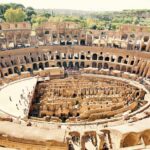
Rome’s ancient sites are the big-ticket moments for many visitors, and this tour often includes stops around:
- the Colosseum,
- Circus Maximus,
- and Palatine Hill.
The key value here is viewpoint management. When you approach these sites with a cart, you’re not spending as much time relocating or waiting for everyone to funnel through foot traffic. Your driver can get you close enough to feel the scale, then you walk a little for the angles and photos.
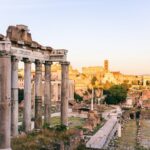
Palatine Hill is especially important for orientation. It’s one of those places where seeing the ground level and then looking outward helps you understand the city’s geography. Even short stops here can make the ancient experience feel less like separate monuments and more like one connected area.
Aventine Hill and the Keyhole View: The Fun Side of Rome
If you’re the sort of traveler who loves a quirky, specific photo spot, the Aventine Hill area and the Keyhole view often become a highlight. This is the kind of moment that doesn’t require a long museum time commitment. It’s more about landing at the right spot at the right time.
Even if your stop is brief, it breaks the pattern. After fountain-and-steps intensity, a whimsical viewpoint gives your brain something different to latch onto.
I also like that this stop often feels like you’re traveling away from the most obvious tourist loops. The cart helps you reach it without turning your day into a long trek.
How the Coffee and Gelato Stops Fit In
This tour includes coffee and gelato as part of the experience. That’s a big deal because food breaks are often where pacing falls apart on group tours. When snacks are scheduled, you can keep your momentum instead of searching for a place while the group gets restless.
The practical advice: treat it as a planned pause, not a full meal. You’ll want energy for walking a bit at key sights, and gelato is better when you don’t plan to immediately rush to a museum-level stop.
This is also one more reason the small group format matters. A group that moves together and stops together tends to keep the day from stretching.
Cart Comfort, Seats, and Staying Able to Hear
A golf cart is fun, but you’re also riding with street noise around you. One real consideration that came up: if you end up farther back in the cart, the guide can be harder to hear during busier streets.
Here’s what you can do:
- Aim for a seat closer to the front, especially if you care about the commentary.
- If you’re taking photos or filming, keep expectations realistic: you may still want to put the phone down for key explanations.
- If the guide gives you quick options, choose fast. The cart can reposition easily, but time evaporates.
The good news: most guides linked to this experience (Marco, Ivanna, Luca, Pietro, and others) are described as attentive and smooth with groups. When that’s true, the cart turns from gimmick into a comfortable way to move and learn.
Price and Value: Is $229.29 Worth It?
At $229.29 per person for roughly 3 hours, this isn’t the cheapest way to see Rome. It is, however, priced as a “high convenience” option.
So what are you paying for?
- A small group with an English-speaking driver.
- Transportation between areas without relying on taxis or long walks.
- Guided stops at major sights plus side streets.
- Built-in time to get out, look, and take photos.
- Coffee and gelato during the tour.
What you’re not paying for:
- Entry tickets (they are not included),
- and it’s not a private experience.
Value is best if you:
- are seeing Rome for the first time,
- want a strong overview without committing to a museum-heavy day,
- and plan to return later to whichever sights grab you.
It may feel less worth it if you already know you only want one or two sites and you’ll spend the rest of your time wandering. For that style of trip, independent tickets plus a local guide for just the places you care about can be a better fit.
Best-Fit Travelers (And Who Might Prefer a Different Plan)
This tour fits best when you’re balancing “see a lot” with “don’t burn out.”
It’s a strong choice if:
- you’re short on time and want to cover key icons like Pantheon, Trevi, Piazza Navona, and Spanish Steps,
- you want quieter lanes alongside the big attractions,
- you appreciate a driver who can adjust based on what you’re curious about,
- you don’t want the stress of traffic and crowds between stops.
It might be less ideal if:
- you’re extremely focused on museum-style depth and long time inside specific sites,
- you struggle with hearing from the back of a group transport (seat position matters),
- you expect a perfectly rigid schedule with long stays at every stop.
One of the best signals from the feedback is that people with limited mobility often found the golf cart format easier because it reduces the amount of walking required. Still, the tour does include stops where you may step out briefly, so wear appropriate shoes.
Should You Book This Rome Must See Golf Cart Tour?
Here’s my practical take. If it’s your first trip to Rome or your first time back in a while, this tour is a smart way to get your bearings fast—without turning your day into a grind.
I’d book it if you want:
- a tight 3-hour overview of the biggest sights,
- side-street Rome mixed in,
- and an English-speaking driver who helps you connect what you’re seeing.
I’d think twice if your heart is set on long, detailed visits to a few specific monuments and you don’t care about seeing a wider slice of the city. In that case, a site-specific guide or a DIY day might serve you better.
If you do book, give your driver clear priorities early. Tell them what you most want to linger at (Trevi vs Pantheon vs viewpoints like Palatine Hill). That’s how you turn a good half-day into a great one.
FAQ
How long is the Rome Must See Golf Cart Tour?
It runs for about 3 hours.
Where does the tour start?
The meeting point is Piazzale delle Canestre, 00197 Roma RM, Italy.
Where does the tour end?
It ends back at the same meeting point.
Is the tour offered in English?
Yes. The tour is offered in English.
How many people are in the group?
The tour has a maximum of 15 travelers.
Are entry tickets included?
No. Entry tickets are not included.
Does the tour include coffee and gelato?
Yes, coffee and gelato are part of the experience during the tour.
What sites should I expect to see?
This experience includes stops around major highlights such as the Pantheon, Piazza Navona, Trevi Fountain, the Spanish Steps, and the Mouth of Truth area, with additional Rome sights like Campo de’ Fiori, Villa Borghese gardens, Via Veneto, Palatine Hill, Colosseum, Circus Maximus, and Aventine Hill and Keyhole depending on the day.
Can I choose my departure time?
Yes, you can choose from morning and afternoon departure times.
What’s the cancellation policy?
Free cancellation is available up to 24 hours in advance for a full refund. If you cancel less than 24 hours before the start time, the amount paid is not refunded.