REVIEW · ROME
Rome: Lip Smacking 4 hours Foodie Tours in golf cart
Book on Viator →Operated by DGS Driver Guide Service · Bookable on Viator
Roman food tastes better when you can move fast.
This private Rome tour mixes sightseeing with real eating, using a roofed golf cart to reach viewpoints and local streets without turning it into an all-day hike. I especially like the way it pairs big landmarks with neighborhood stops, plus the food focus that isn’t just snacks—it’s proper Roman-style bites like supplì and fried zucchini flowers.
Two things I’d highlight right away: you’ll get a structured route through icons like the Spanish Steps, Trevi Fountain, and the Pantheon area, and you’ll also spend meaningful time at the Testaccio food market for a more local flavor. One drawback to consider is the price—at $395.28 per person, it’s a premium compared with larger group food tours, so it’s best when you value private comfort and time-efficient touring.
In This Review
- Key things that make this tour work
- Why a roofed golf cart changes Rome for food lovers
- Price and value: what your $395.28 per person is buying
- Terrazza del Pincio: the viewpoint start that sets the mood
- Spanish Steps and Via Giulia: iconic scenes plus a calmer lane
- Pantheon and Trevi Fountain: big sights, tighter pacing
- Altare della Patria and Piazza Navona: shifting from marble monuments to street-level drama
- Mercato di Testaccio: where the tour turns into a food day
- Bocca della Verità and the Circus Maximus view: finishing with playful Rome
- What to expect from the guide and pacing
- Timing tips: weather, heat, and Jubilee restoration changes
- Who should book this golf cart foodie tour (and who might not)
- Should you book this Rome Lip Smacking golf cart tour?
- FAQ
- What’s the duration of the Rome golf cart food tour?
- How much does it cost per person?
- Does the tour include pickup?
- Is this tour private?
- What food is included?
- Is Pantheon admission included?
- What should I know about weather and possible site changes?
Key things that make this tour work
- Roofed golf cart comfort means you can see more with less walking, even when streets get busy
- Testaccio Covered Market time gives you a true local food angle, not just photo stops
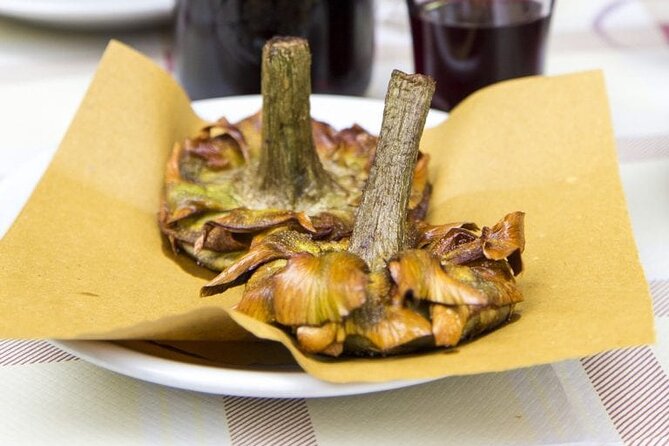
- Food tastings are built in: supplì, fried zucchini flowers, Roman-style artichokes, and more
- A guide who sets the route based on timing can help you fit extra sights when the schedule allows
- A mix of Rome icons and older corners keeps it from feeling like one long queue
Why a roofed golf cart changes Rome for food lovers
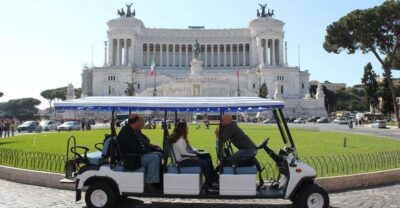
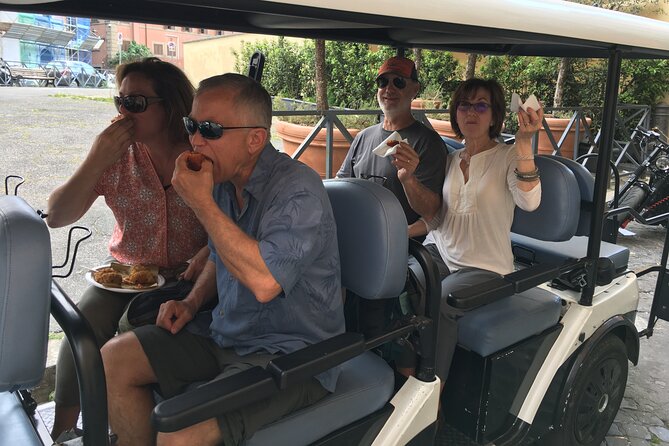
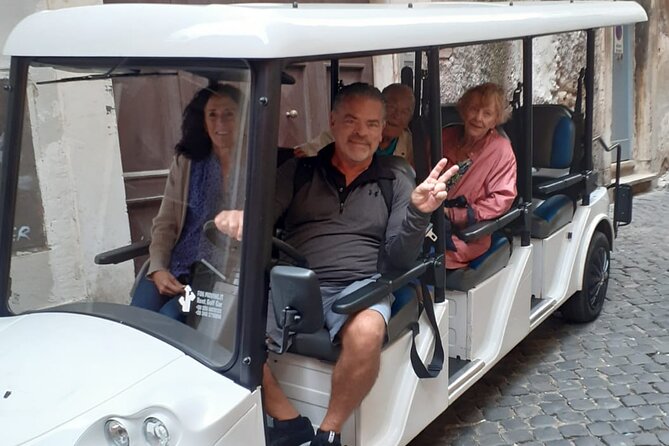
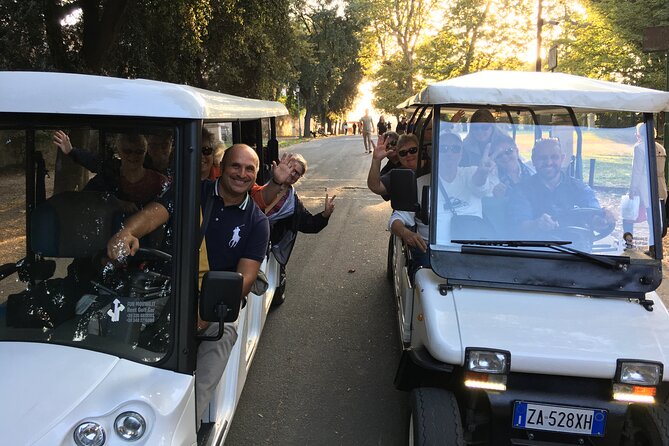
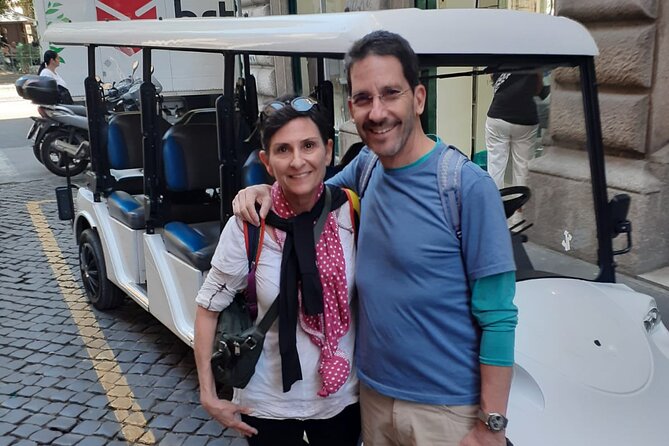
Rome can be great, but it can also be relentless on your feet. What I like about this format is simple: you’re not spending the day power-walking between stops. The tour uses a golf cart with a roof, and it can roll you through areas that feel tricky on foot or slow in traffic. That matters when you’re trying to do both: look at landmarks and still enjoy the market side of Rome.
Because it’s private, you’re not fighting a crowd for timing or space. Your driver and guide plan the day route early on, then adjust as time allows. That flexibility is a big deal in Rome, where you can hit perfect lighting at one corner and be stuck behind a bus at another.
Also, the tour isn’t just “sightseeing with a snack.” The included tastings come early and later, so the food rhythm stays part of the experience instead of feeling like a quick interruption.
You can also read our reviews of more tours and experiences in Rome
Price and value: what your $395.28 per person is buying
This is priced at $395.28 per person for about 4 hours, and it includes private transportation plus a set list of tastings. That’s not cheap, and it shouldn’t be treated like a budget food tour.
Here’s the value logic I’d use to decide:
- You’re paying for private routing and transport (not a shared bus that drops you at random points).
- You get multiple included food items, including classics Romani cooks would recognize fast.
- The itinerary hits major sights (Spanish Steps, Trevi area, Pantheon area, Piazza Navona) and then shifts into a neighborhood food market experience.
One more value piece: pickup is offered if you’re staying in the city center. That can save time and hassle, especially on a first day when you’re still learning your bearings.
Terrazza del Pincio: the viewpoint start that sets the mood
You begin at Terrazza del Pincio in Villa Borghese, an overlook that looks straight into Rome’s historic center. This is the kind of first stop that helps your brain map the city. Before you get swept into streets and squares, you get a clean skyline view.
The timing is short—about 20 minutes—and the ticket is free. But even in that quick window, it’s useful. You’ll likely start noticing how the neighborhoods connect, where the big monuments sit in relation to each other, and why Rome looks the way it does from above.
If you’re the type who likes good photos, this early viewpoint also gives you a baseline. Later stops will be about detail and food, but Pincio helps you understand what you’re looking at.
Spanish Steps and Via Giulia: iconic scenes plus a calmer lane
Next up: Spanish Steps. They’re one of the most visited places in Rome for a reason—dramatic Baroque styling, easy people-watching, and a stairway that’s become part of Rome’s visual identity. This stop is also about 20 minutes, and it’s ticket-free.
Right after that, you head to Via Giulia, a historic street known for churches, cultural buildings, and elegant palazzi. This is where the tour starts to feel more like local roaming than postcard hopping. The guide discusses the plan at the beginning and works route logic around timing, so you don’t just pop in and rush out.
One practical note: the Spanish Steps area can feel packed. The cart and your private route help reduce the time you’re stuck threading through crowds on foot. You’ll still want to keep an eye on where you’re walking and where the cart can park, but the overall experience stays smoother than a fully on-foot day.
Pantheon and Trevi Fountain: big sights, tighter pacing
You’ll reach the Pantheon, one of Rome’s best-preserved ancient buildings. This stop is around 10 minutes. Ticket info here matters: admission is not included, so if you want to go inside, you’ll need to plan for that separately.
Why I still like including it even with limited time: the exterior and the immediate surroundings are a quick hit of Roman scale and design. Even if you focus on the outside, you’re seeing a rare kind of continuity—ancient fabric that still shapes how the modern city moves.
Then you roll to Trevi Fountain. It’s ticket-free and about 20 minutes. Trevi is famous enough that expectations can run high, but the real value here is timing and movement. With the golf cart and a structured route, you can spend your energy on the experience instead of losing an hour to transit and wandering.
If you care about photos, arrive ready to take a few quick shots and also just look for the small details—stone textures, water flow, and the way people cluster around the fountain.




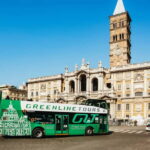

Altare della Patria and Piazza Navona: shifting from marble monuments to street-level drama
After Trevi, you visit the complex for Vittorio Emanuele II, known as Altare della Patria (the building locals nickname things like the typewriter and wedding cake). It’s right by Piazza Venezia, and you’ll get a brief stop (about 10 minutes). Ticket is free here.
From a touring standpoint, this stop works because it changes Rome’s visual tone. The views are still monumental, but it’s a different kind of grand—more modern national symbolism wrapped in huge white stone massing.
Then comes Piazza Navona (about 20 minutes). This square has 17th-century additions and major sculptural features. A key landmark is the Fontana dei Quattro Fiumi by Bernini, plus an obelisk brought into the scene from the Circus area in ancient Rome. It’s a place where architecture and street life feel connected.
This is also a helpful stop for the day’s energy. By now, you’ve seen enough big landmarks that you’ll appreciate the chance to slow down, look around, and get ready for the market segment.
Mercato di Testaccio: where the tour turns into a food day
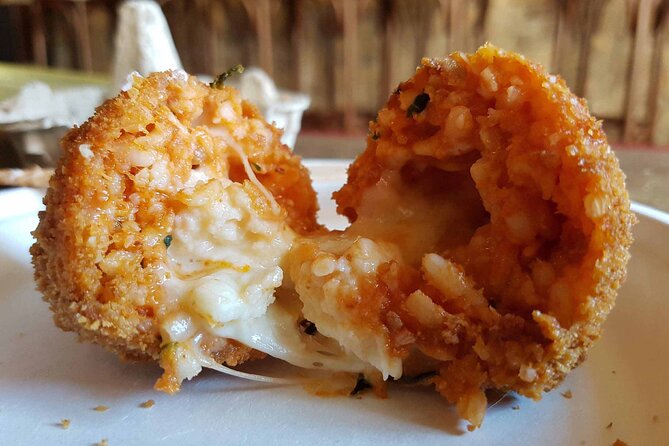
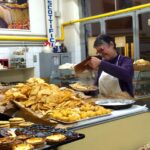
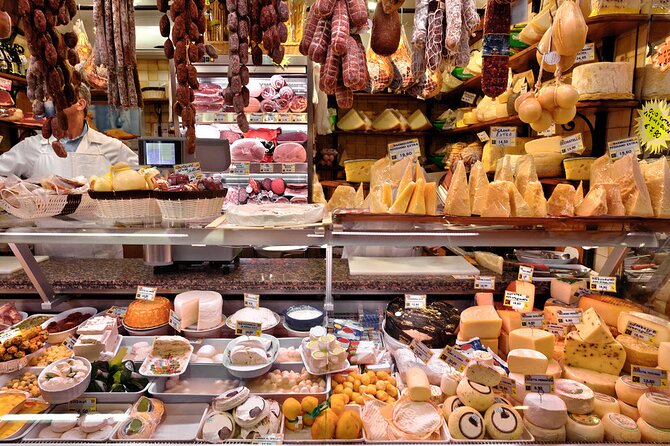
The highlight for many people is Mercato di Testaccio, and it’s easy to see why. It’s scheduled for about 1 hour, and it’s ticket-free. This is the kind of food stop that doesn’t just show Rome—it explains it.
Testaccio is known as the Heart of Rome and a neighborhood with deep food identity. The market includes lots of family-run stalls and shops, and it’s famous for being local-first. Instead of chasing rare ingredients, you’re sampling in the context of how Romans actually eat.
This stop pairs especially well with the included tastings, because you can connect what you’re tasting to the kinds of vendors and Italian everyday flavors surrounding you. If you’re someone who likes a food crawl with context, this hour is the part that keeps the tour from feeling like a checklist.
Bocca della Verità and the Circus Maximus view: finishing with playful Rome
After Testaccio, the tour takes a fun turn.
First, Bocca della Verità. You’ll get about 20 minutes here. It’s an ancient marble mouth that’s famous for a medieval-era “lie detector” legend—your hand goes inside, and you’re supposed to be honest about what you say. This is ticket-free and feels light after the market focus.
Then the day ends with a stop tied to Rome’s largest ancient stadium, the chariot-racing arena used for thousands of years. Even if you don’t go into deep archaeology mode, it’s a satisfying final “whoa” moment—Rome’s scale in one big sweep of space. It’s also a good capstone because you’ve been moving between landmarks, and this ties it together with the idea of Rome as spectacle and crowds.
What to expect from the guide and pacing
The biggest difference between a good day and a great day in Rome is the pacing. This tour is designed for time-efficient movement, and your guide sets the plan based on what fits. That route logic is part of the magic because you’ll be visiting multiple iconic sites and still getting real food time.
Guides associated with this tour have been described as humorous, knowledgeable, and very passionate about showing Rome from angles most people miss. One thing I’d take from that: don’t be shy about asking for practical photo stops or for the best order to do sights when you’re there. With a private format, those questions can actually change the route you end up taking.
The tour also seems built for comfort. There’s limited walking, and the cart can park close to stops, so you’re not constantly dragging yourself across distance. That matters in Rome heat, too.
Timing tips: weather, heat, and Jubilee restoration changes
This experience requires good weather. If weather is poor, they’ll offer a different date or a full refund. Rome in summer can feel brutal, and this tour is more comfortable than many walking-heavy options, but it’s still outdoors for parts of the day.
You should also pay attention to messages about Jubilee restorations. Some monuments may be under restoration, which could cause changes in what you can fully access or how long you spend at certain sites. The good news: the route is flexible, and the guide adjusts based on time.
Practical advice on your side: wear breathable clothes, plan to drink water, and keep a light layer for shade when you can. Since the tour is mostly short stops, comfort matters more than fancy walking shoes, though you still want something grippy.
Who should book this golf cart foodie tour (and who might not)
I’d recommend this tour if you want:
- A first serious Rome tour that mixes icons with real food stops
- Private, time-efficient sightseeing with less foot pain
- A market-focused food experience at Testaccio
- Included tastings that feel like Roman eating, not just random bites
It may not be ideal if you:
- Want a long, slow museum-style day (this is about movement and bite-sized stops)
- Are mainly interested in deep interior visits everywhere (Pantheon admission isn’t included, and many stops are brief)
If you’re traveling with kids or teens, the format is often a win because it keeps energy up and reduces the boredom that can come from repetitive walking. If it’s your first Rome trip, I also like the idea of doing this early so you can later return to neighborhoods or landmarks you loved most.
Should you book this Rome Lip Smacking golf cart tour?
If you’re choosing between a standard tour and something that prioritizes comfort and food, I think this one makes a strong case. The private golf cart format helps you cover a lot without wrecking your day. The included tastings are the kind of Roman flavors you’ll remember, and the Testaccio market stop gives the tour its real “local” credibility.
Book it if you value:
- Time-efficient touring plus a real market experience
- A guide-led route that can adjust with the day
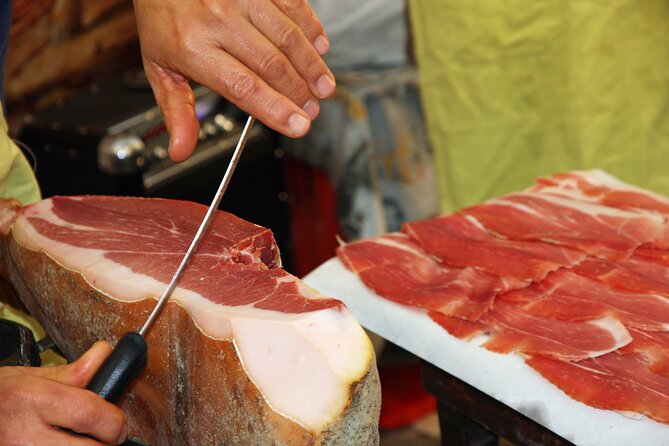
- Included tastings like supplì, fried zucchini flowers, Roman artichokes, and Roman countryside ricotta with 24-month Parma ham
Skip it if you’re strictly bargain hunting or you only care about long museum interiors. At this price point, you’re paying for a smoother day and a more focused food experience—so it works best when you want both.
FAQ
What’s the duration of the Rome golf cart food tour?
It runs for about 4 hours.
How much does it cost per person?
The price is $395.28 per person.
Does the tour include pickup?
Pickup is offered if you are staying in the city center. You meet at your hotel if you’re within that area.
Is this tour private?
Yes, it’s a private tour/activity, and only your group participates.
What food is included?
Included tastings include supplì and fried zucchini flowers, Roman-style artichokes, Parma ham aged 24 months with sheep ricotta from the Roman countryside, and white pizza.
Is Pantheon admission included?
No. Pantheon admission is not included.
What should I know about weather and possible site changes?
The experience requires good weather. Also, because of the Jubilee, some monuments may be under restoration, so you may receive messages about potential changes.