REVIEW · ROME
Rome: Catacombs of St. Callixtus Entry Ticket & Guided Tour
Book on GetYourGuide →Operated by OPERA ROMANA PELLEGRINAGGI · Bookable on GetYourGuide
Rome gets weird in the best way.
This guided visit to the Catacombs of St. Callixtus takes you under the Appian Way to see how Rome’s early Christians were laid to rest, including the Crypt of the Popes. I like that it’s short and focused at 30 minutes, so you get a real sense of the site without turning your day into a half-day project.
I also like that the tour is fully guided with live interpretation in Italian, French, German, or English, so the names, burial spaces, and wall paintings make sense fast. One thing to weigh: it’s not suitable if you have mobility issues or claustrophobia, and photography is not allowed inside.
In This Review
- Key Highlights You’ll Care About
- Catacombs of St. Callixtus: What the Tour Actually Shows You
- Crypt of the Popes: The Main Stop With Real Emotional Weight
- Crypt of St. Cecilia: Proper Burial as a Key Theme
- Area I and the “Cubicles of the Sacraments”: Small Spaces, Big Clues
- St. Callixtus and the Appian Way Setting: Why This Place Matters
- How to Get There: Ticket Office First, Not the Parking Lot
- Where to go and when
- From Termini Station
- Alternative via Colosseo or Circo Massimo
- Price and Time: Is It Good Value for $16?
- Comfort, Shoes, and Expectations: The Real-World Comfort Checklist
- Should You Book the Catacombs of St. Callixtus Tour?
- FAQ
- How long is the guided tour of the Catacombs of St. Callixtus?
- What does the ticket include?
- Where do I meet the guide and how early should I arrive?
- Is hotel pickup or drop-off included?
- Are photos allowed inside the catacombs?
- Is the tour suitable for people with mobility impairments?
- Is it suitable for people with claustrophobia?
- What languages are the tours offered in?
- What should I wear or bring?
- Source Provided Activity Provider
Key Highlights You’ll Care About
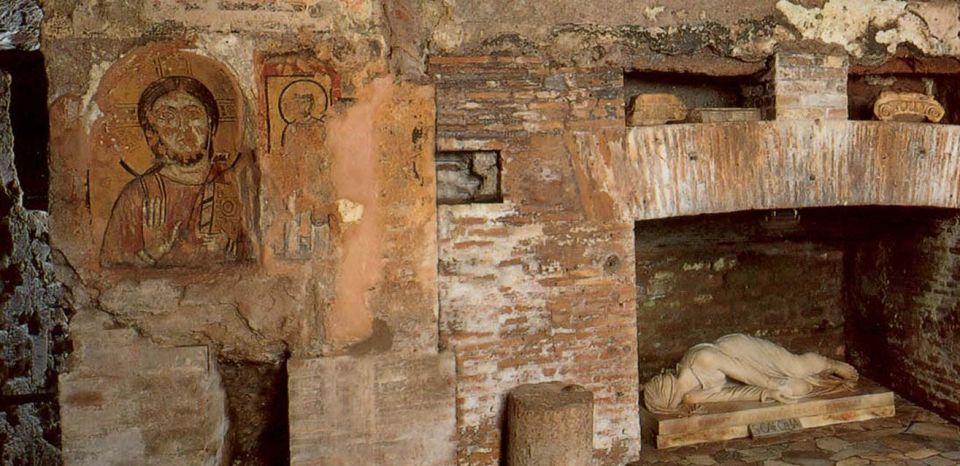
- Crypt of the Popes: see where 9 popes and 3 bishops were laid to rest
- Crypt of St. Cecilia: visit the adjoining room tied to a Roman matron known for ensuring martyrs got proper burial
- Oldest official cemetery: explore the long-running Christian burial ground linked to Rome’s early community
- Appian Way underground: tour burial areas beneath one of Rome’s most famous roads
- Frescoes and burial “rooms”: spot some of the oldest wall paintings in the catacombs
- Short duration, high information: a compact tour that still leaves room for questions at the end
Catacombs of St. Callixtus: What the Tour Actually Shows You
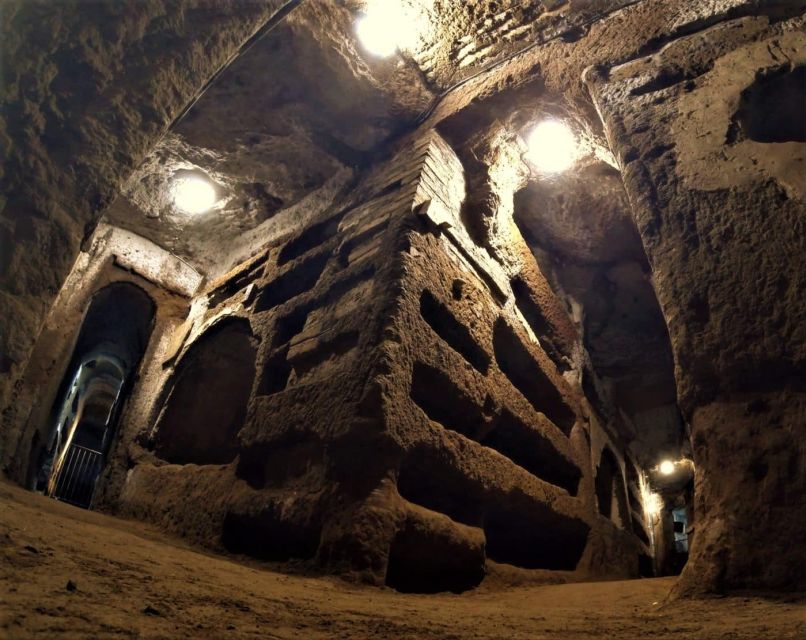
This experience is built around one core idea: early Christians in Rome didn’t just mourn and move on. They used a structured system for burial, memory, and community—down below the city, along the roads that led out of Rome.
You’ll start with your ticket and guided tour at the catacombs site and then move through the underground spaces in a set route. The emphasis isn’t on spooky extras. It’s on understanding what you’re seeing: burial chambers, names tied to Christianity’s early era, and how the site expanded over time. Expect a respectful, educational tone.
And yes, this place is genuinely Roman. It’s not the kind of attraction where the guide simply reads a plaque. You’re walking through an underground complex that stretches beneath the Appian Way, and the guide helps you connect the architecture and artwork to the people who used it.
You can also read our reviews of more tours and experiences in Rome


Crypt of the Popes: The Main Stop With Real Emotional Weight
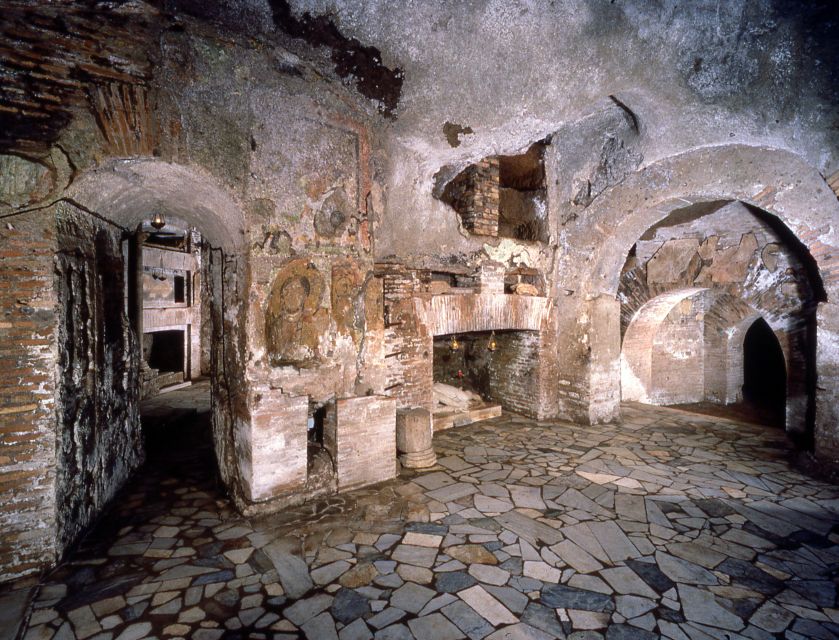
If you want one moment that frames the whole visit, it’s the Crypt of the Popes. This is the headline room in plain terms: it’s where 9 popes and 3 bishops were laid to rest. Even with only a brief time underground, this stop gives you context for why people still come here—this isn’t just a cemetery, it’s a record of leadership, faith, and memory.
The way the guide explains the crypt matters. A good guide will connect names to the broader story of Christianity in Rome—how communities organized themselves, how burials reinforced belonging, and why certain sites became central over time. In other words, you won’t just see a room. You’ll understand what kind of place it was.
Practical note: the underground air is cooler than the street, and you’ll feel it. One review specifically mentioned about 15 degrees Celsius, so don’t show up in a single thin layer unless you enjoy chills. Bring a light jacket even in warm months.
Crypt of St. Cecilia: Proper Burial as a Key Theme
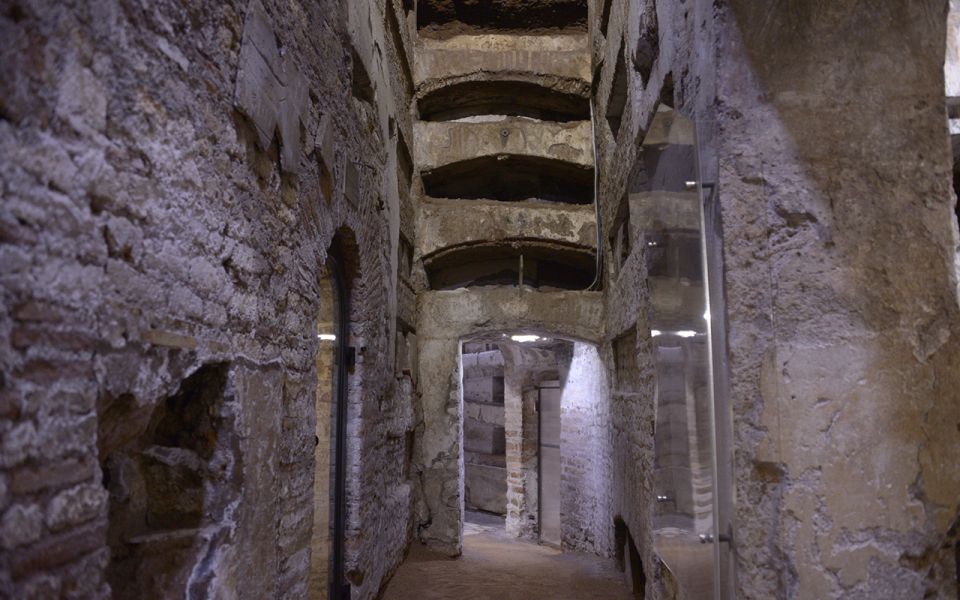
After the popes’ crypt, you’ll head to the adjoining room connected to St. Cecilia. Here, the tour shifts from leadership to a different kind of story—care, responsibility, and what it meant to make sure martyrs received proper burial.
What I like about this stop is that it fills in a detail that many visitors miss: burial wasn’t only about logistics. It was also about respect and ritual. The guide’s job is to make that clear without getting lost in academic wording, and it usually works because the room is smaller and the story stays focused.
If you’re the type of traveler who likes to connect history to human behavior (who did what, and why it mattered), this is the part that tends to land. The space gives you that quiet, reflective pacing the catacombs are known for.
Area I and the “Cubicles of the Sacraments”: Small Spaces, Big Clues
One of the best ways to appreciate catacombs is to notice the details. The tour includes Area I, where you can see the cubicles connected to what are described as the sacraments.
This is where the tour feels most like a history lesson done right: the guide points out what makes these sections distinctive and how they fit into how the site operated. If you’re expecting dramatic tombs with skeletons in every corner, adjust your expectations now. This is more about burial spaces and the way they were arranged than about modern horror-movie visuals.
You’ll also have a chance to see some of the oldest frescoes decorating the walls. In catacomb settings, frescoes can be easy to overlook if you aren’t paying attention, but a guide can point out what to look for—where the art sits, what condition it’s in, and what it adds to the story of early Christian life.
St. Callixtus and the Appian Way Setting: Why This Place Matters
Catacombs of St. Callixtus isn’t just another underground stop on a Rome checklist. This site is described as the oldest official cemetery of Rome’s Christian community, which changes how you should think about what you’re touring.
You’re not only walking through a collection of rooms. You’re visiting a place that functioned across generations, likely expanding as the community grew and burial practices developed. The name comes up during the guided explanation, and that helps you see the site as a named, organized location—not just a random network.
The location also adds atmosphere. The catacombs are beneath the Appian Way, and when you step outside before or after the tour, you’ll likely notice the surrounding grounds. One review even described the outdoor greens as well maintained, which helps the whole visit feel less like a sealed-off attraction and more like a real historic environment.
You can also read our reviews of more guided tours in Rome






How to Get There: Ticket Office First, Not the Parking Lot
Getting to this site is the main logistic friction point for many people, because it’s outside the historic center. The good news is that the public transport route is straightforward if you follow it carefully—and the site has clear instructions for where to meet.
Where to go and when
Go directly to the ticket office of the Catacomb. Show your voucher at least 10 minutes before the scheduled tour time. This is the most important rule. If you’re late, the group moves on.
Also, don’t assume the meeting point is where you first see a sign or where a nearby parking area might be. Several visitors have found the correct location confusing, so treat the ticket office as the anchor.
From Termini Station
- Take Metro A (direction Anagnina) to San Giovanni
- Then take bus 218 (direction Ardeatina) to Fosse Ardeatine
The entrance should be right in front of you after you get off.
Alternative via Colosseo or Circo Massimo
- Take Metro B (direction Laurentina) to Colosseo or Circo Massimo
- Take bus 118 (direction Appia/Villa Dei Quintili) to Catacombe di San Callisto
My practical tip: if your tour starts early in the day, build in extra time for the bus transfer. It’s not about distance—it’s about timing.
Price and Time: Is It Good Value for $16?
At $16 per person for an entry ticket plus a guided tour, this is good value—mainly because the tour is guided and meaning-focused, not just access. You’re paying for context: where the crypts are, what each area represents, and how early Christian burial practices worked in real physical space.
The listed duration is 30 minutes, which sounds short, but that brevity is part of the appeal. You can fit it into a Rome day without sacrificing something big like a longer walk in the historic center. And in practice, some groups have run a bit longer than scheduled, which usually means your guide managed extra explanations and questions rather than cutting corners.
What you’re paying for:
- Guided interpretation (including multiple language options)
- Access to the key rooms: popes’ crypt, St. Cecilia, and major areas inside the complex
- A structured route that helps you avoid getting lost underground
What you’re not paying for:
- Hotel pickup or drop-off
- Food and drinks
If you’re the kind of traveler who hates rushing and prefers slow, self-guided exploring, this might feel a little “fast.” But if you want a short, meaningful underground experience with a human guide telling the story, the price-to-time ratio works.
Comfort, Shoes, and Expectations: The Real-World Comfort Checklist
This is an underground site, so comfort is not optional. The tour suggests comfortable shoes and comfortable clothes, and I agree for a simple reason: you’ll be walking through areas that are not designed for fashion shoes.
Also factor in:
- No photography inside
If you need photos for your own memory, plan to take pictures outside instead.
- No baby carriages
If traveling with a stroller, rethink the setup.
- Not suitable for mobility impairments
Think about limited ability to manage steps/uneven surfaces in underground areas.
- Not suitable for claustrophobia
Narrow underground spaces can feel restricting fast.
On the plus side, the tour is described as reverent and focused, and guides often build in time for questions at the end. That matters because catacombs can feel abstract unless someone explains the story clearly.
Should You Book the Catacombs of St. Callixtus Tour?
Book this if you want one of the more meaningful underground experiences in Rome without turning your day into a marathon. The guided format is the value: you’ll leave with a clearer picture of early Christian burial traditions, and you’ll hit the key sights—especially the Crypt of the Popes and the Crypt of St. Cecilia—in about 30 minutes.
Skip it (or choose a different Rome plan) if underground spaces make you nervous, if mobility limitations are a factor, or if you’re hoping for a photo-heavy, bones-everywhere kind of attraction. This isn’t that. It’s a thoughtful visit built around burial rooms, wall paintings, and history explained in a human way.
If you’re going, do yourself a favor: bring a light jacket, wear real walking shoes, and go straight to the ticket office early. That combo makes the whole experience smoother—and you’ll spend your time underground learning, not searching.
FAQ
How long is the guided tour of the Catacombs of St. Callixtus?
The guided tour duration is 30 minutes.
What does the ticket include?
It includes the Catacombs of Saint Callixtus entry ticket and a guided tour.
Where do I meet the guide and how early should I arrive?
Go directly to the ticket office of the Catacomb and show your voucher at least 10 minutes before the scheduled tour.
Is hotel pickup or drop-off included?
No, hotel pickup and drop-off are not included.
Are photos allowed inside the catacombs?
No photography is allowed inside.
Is the tour suitable for people with mobility impairments?
No, it is not suitable for people with mobility impairments.
Is it suitable for people with claustrophobia?
No, it is not suitable for people with claustrophobia.
What languages are the tours offered in?
Tours are offered with a live guide in Italian, French, German, and English.
What should I wear or bring?
Wear comfortable shoes and comfortable clothes. Since it’s underground, a light layer can be helpful.
Source Provided Activity Provider
OPERA ROMANA PELLEGRINAGGI