REVIEW · ROME
Rome: Jewish Quarter and Campo de’ Fiori Street Food Tour
Book on GetYourGuide →Operated by Orange Umbrella Srl · Bookable on GetYourGuide
Rome tastes different when you walk. This tour threads the Jewish Quarter and Campo de’ Fiori together with guided food stops and clear explanations, led by guides like Martina and Ramona who bring energy and solid English. I especially like the mix of iconic Roman bites (like supplì and pizza al taglio) plus small, practical tastings (olive oil and balsamic) that make the flavors click. The main thing to watch is that this is not a buy-everything kind of tour, so if you plan to shop at the market after tastings, check prices first and don’t get swept up by impulse.
You’ll finish at Largo di Torre Argentina, after walking from lively market streets into the older lanes near Portico d’Ottavia and the views by the Great Synagogue (from outside). I like that the route is short enough to stay fun, but packed enough to feel like you actually learned something about Roman Jewish food culture, not just ate on the go. One possible drawback: it’s not suitable for vegans and it’s not for gluten intolerance, and the Campo de’ Fiori market is closed in the afternoons.
In This Review
- Key highlights you’ll feel right away
- The core idea: Jewish Quarter meets Roman street food
- Where you meet and how the timing works (2.5 hours on foot)
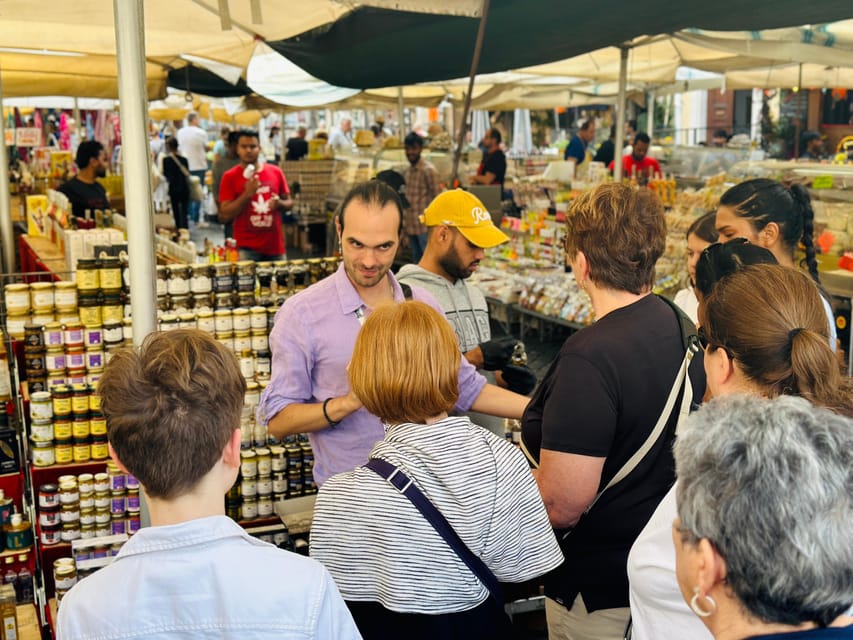
- Campo de’ Fiori: the market stop that sets up the flavors
- Wine stop and a different way to taste Roman ingredients
- Theater of Pompey: when the tour adds street bites and sightseeing
- Via dei Chiavari: the beer moment (fast, focused, and tasty)
- Portico d’Ottavia and the Jewish Quarter essentials
- Jewish Ghetto streets: where the specialty bites make sense
- The food you can actually expect to taste
- Price and value: what $46 buys you in Rome
- A quick caution: market shopping after tastings
- Who this tour suits best
- Who should skip it
- Should you book the Rome Jewish Quarter and Campo de’ Fiori Street Food Tour?
- FAQ
- How long is the Rome Jewish Quarter and Campo de’ Fiori Street Food Tour?
- Where do I meet the guide?
- What food and drinks are included?
- Can vegetarians join?
- Is the tour suitable for vegans or people with gluten intolerance?
- Is the Campo de’ Fiori market always open during the tour?
Key highlights you’ll feel right away
- 5 guided tastings that hit classic Roman street food alongside Jewish-Roman specialties
- Campo de’ Fiori market time plus a second stop focused on wine
- A guided stroll through the Jewish Ghetto area near the Tiber, including major sights like Portico d’Ottavia
- Iconic street bites you’ll recognize on sight: supplì and pizza al taglio
- Beer and wine included, so you’re not doing math every time the group stops
The core idea: Jewish Quarter meets Roman street food
If you want Rome that feels less like a museum day and more like real life, this is a smart format: you walk, you stop, you taste, and you connect the food to the place. The tour focuses on two neighborhoods that are close on a map but different in mood.
Campo de’ Fiori gives you the Roman market heartbeat. It’s where you can understand why street food matters here, because food is part of daily routine, not just a tourist activity. Then the route shifts toward the Jewish Ghetto area, where the stories around food land differently. You’re not only learning what people ate; you’re picking up why certain dishes and ingredients became meaningful.
And the guide is the glue. The reviews point to guides like Martina and Ramona for clear English and interesting commentary, which matters on a short walking tour. If you can’t follow the story, the tastings feel random. Here, the explanations are tied to what you’re tasting.
You can also read our reviews of more food & drink experiences in Rome
Where you meet and how the timing works (2.5 hours on foot)
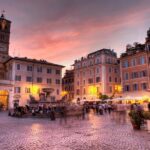
You meet in Campo de’ Fiori, under the statue of Giordano Bruno, in the middle of the square. That’s easy to find, and it also anchors the tour immediately in the market zone.
The total time is 2.5 hours, on foot, with short stops that keep the pace friendly. You’re not doing long museum walks or crossing the city. Instead, it’s a concentrated sampler that covers key areas: Campo de’ Fiori, Theater of Pompey, Via dei Chiavari, Portico d’Ottavia, the Great Synagogue area (from outside), the Jewish Ghetto streets, Theater of Marcellus, and the finish near Largo di Torre Argentina.
That duration is a sweet spot. It’s long enough for multiple tastings and a meaningful neighborhood walkthrough, but short enough that you still feel fresh afterward—especially because some stops are only about minutes, not hours.
Campo de’ Fiori: the market stop that sets up the flavors
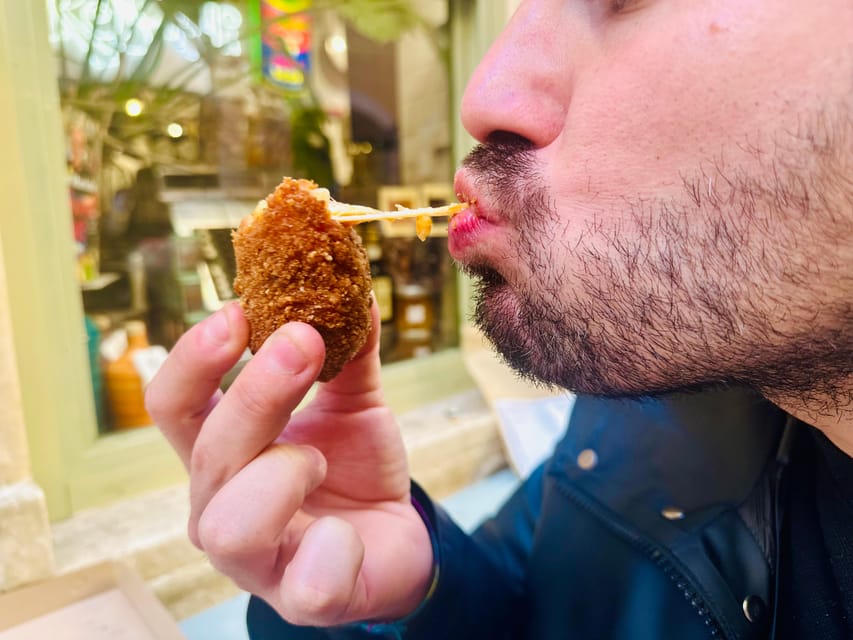
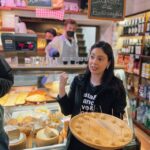
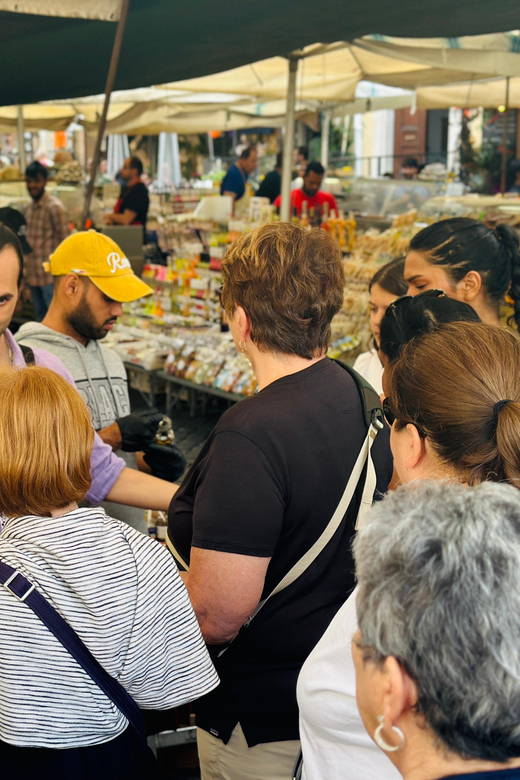
The tour starts in Campo de’ Fiori with a street food and regional food tasting and a market visit (about 30 minutes). This is where you get oriented and start thinking like a local: ingredients first, then dishes.
You’ll likely encounter foods built for handheld eating and quick sharing. The schedule includes street-food style tastings and a chance to see what’s actually available in the market environment. And because this is a walking tour with a guide, you’re not just browsing—you’re learning what to look for and how ingredients translate into Roman flavor.
One practical note: the market is closed in the afternoons. If you’re booking later in the day, this can affect what you experience at that first market segment. If you want the full market feel, plan your timing earlier rather than later.
Wine stop and a different way to taste Roman ingredients
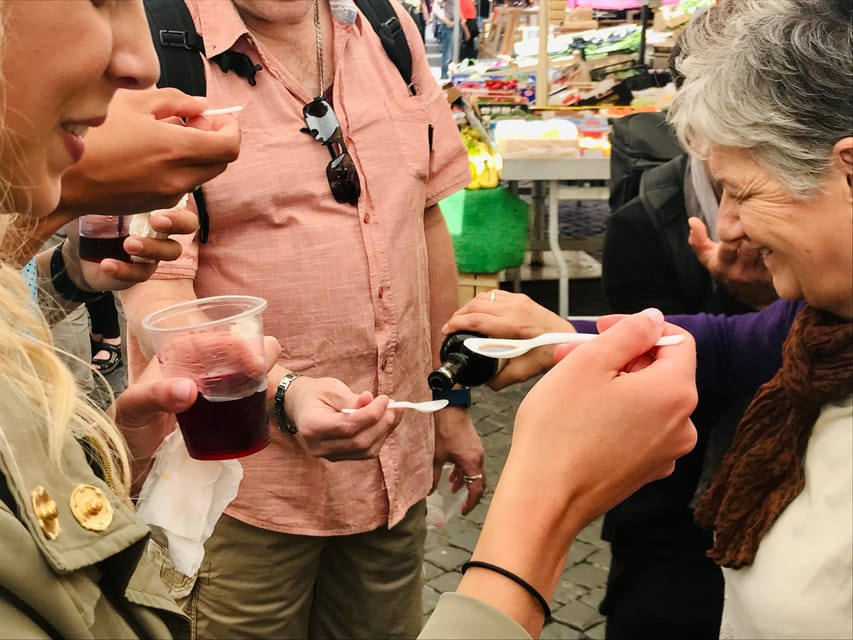
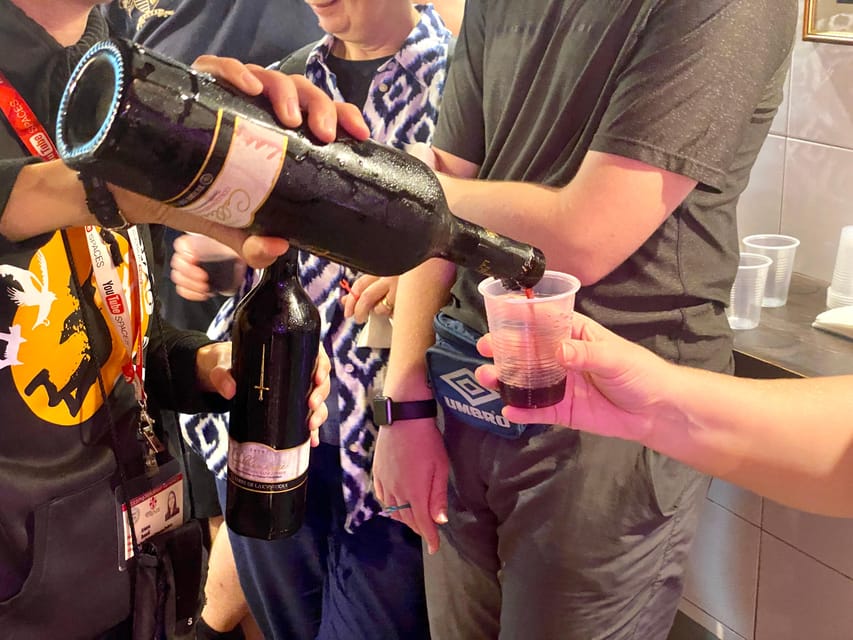
Right after the initial market portion, the tour adds a second Campo de’ Fiori stop focused on wine (another 30 minutes), again tied to food.
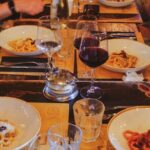
This part matters because wine is one of those Rome add-ons that locals actually use to balance flavors: salty, fried, tangy, and savory all play differently depending on the drink. Even if you’re not a wine expert, having it included removes decision fatigue. You’re tasting with context.
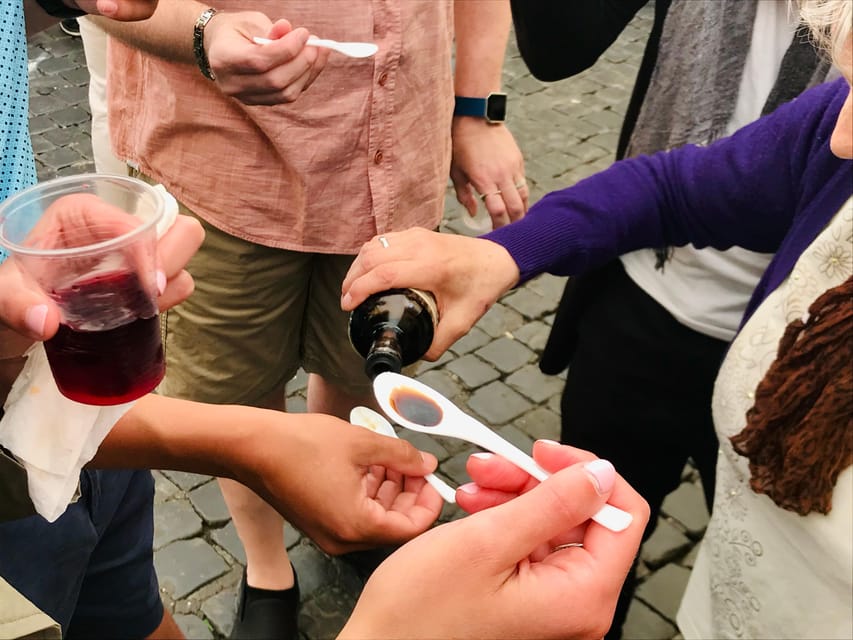
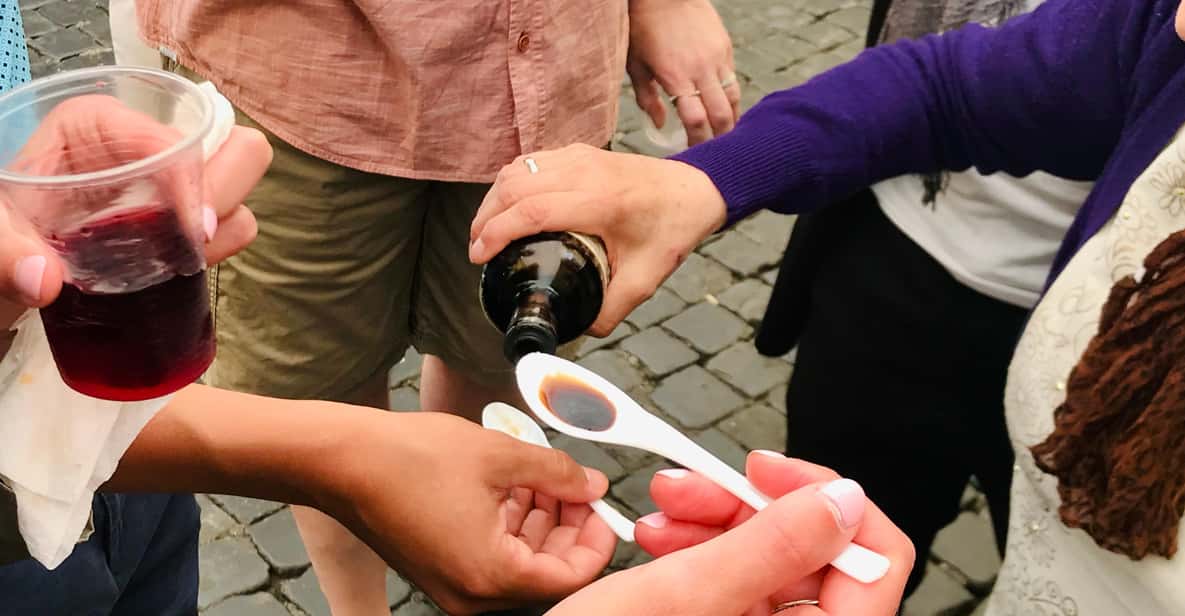
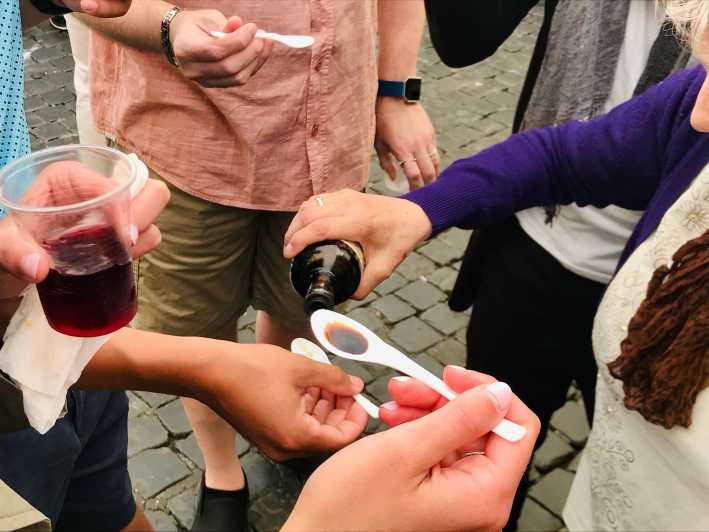
The tour also highlights ingredients like olive oil and balsamic vinegar, along with truffles. Those might not sound like street food at first glance, but they’re exactly the reason Roman cooking tastes the way it does. You’re getting small doses that make later bites make sense.
Theater of Pompey: when the tour adds street bites and sightseeing
After the wine segment, you’ll move through a short walk and then hit a hidden-feeling sightseeing stop (about 15 minutes). This is the kind of pause that turns a food walk into a real neighborhood walk—slowing down just enough for you to notice details while your guide connects them to food culture.
Then comes the Theatre of Pompey area (about 15 minutes). Here, you get more street-food style tastings plus the historical setting. It’s an effective combo: you see a landmark, you hear the story, and you eat something that belongs to the everyday Rome that grew around places like this.
The goal isn’t pretending food existed in the ancient world the same way it does now. Instead, it helps you understand how neighborhoods layer over centuries, and how today’s market and street traditions are part of that ongoing life.
You can also read our reviews of more tours and experiences in Rome

Via dei Chiavari: the beer moment (fast, focused, and tasty)
The Via dei Chiavari stop is short, but it has purpose: beer plus street food (about 5 minutes), with a quick sightseeing glance.
Think of it as the reset point. After tasting and walking, the beer gives you a palate break. It’s also a practical inclusion because beer in Rome is often part of the casual social rhythm around street snacks. Even a short beer stop can make the difference between eating and actually enjoying what you’re eating.
Portico d’Ottavia and the Jewish Quarter essentials
Now the tour shifts into the Jewish Quarter area, where the food story becomes more specific.
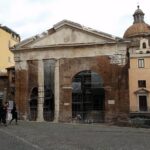
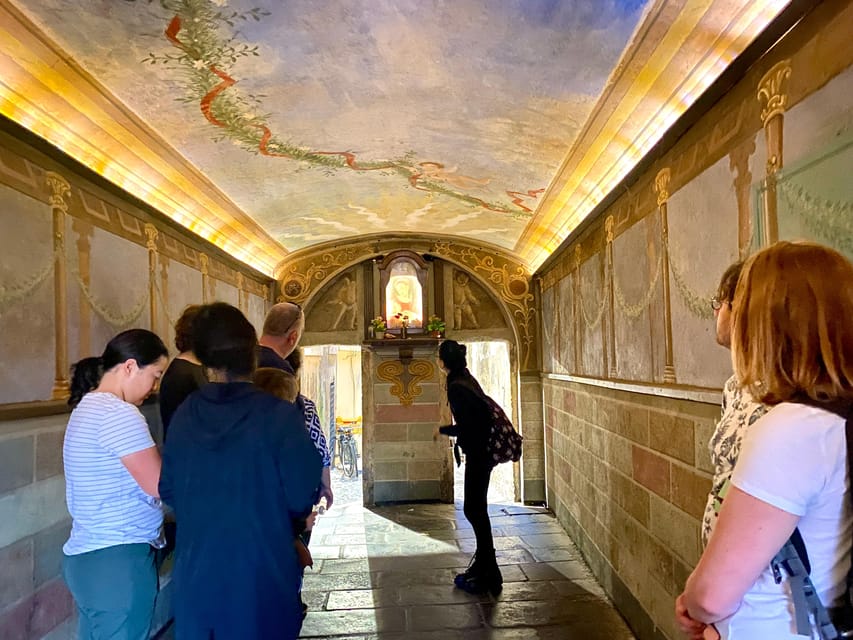
You’ll visit Portico d’Ottavia (about 15 minutes) with sightseeing and a guided walk. This is one of the most important anchor points in the area, and it works well on a tour because it’s a place you can see and understand without needing to plan a separate visit.
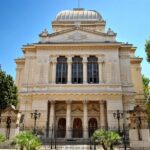
From there, you’ll pass the Great Synagogue of Rome (about 10 minutes), from outside. This is not a ticketed interior stop. It’s about location awareness: knowing where the synagogue sits in the neighborhood and how the surrounding streets relate to the history you’re hearing.
Jewish Ghetto streets: where the specialty bites make sense
The main Jewish Quarter tasting segment is around the Jewish Ghetto area (about 20 minutes). This is the part that makes the tour title feel real, because your guide connects what you’re tasting to the neighborhood.
Expect guided street-food style tastings here, and the tour highlights Roman-Jewish specialties as you stroll. The route is built so you’re not just standing in one place. You’re moving through the streets while the story catches up to the food.
The guide also covers major local sights along the way, including the Theatre of Marcellus area (about 5 minutes), before ending at Largo di Torre Argentina (with dessert, about 15 minutes).
The food you can actually expect to taste
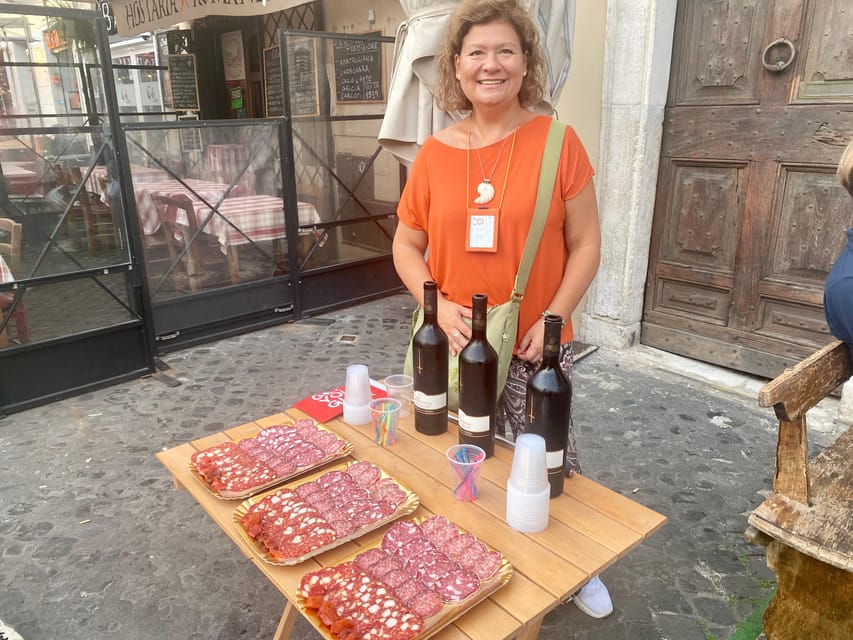
The tour is structured around multiple stops, and several key items are called out clearly. You should plan around these iconic bites and ingredients:
- Supplì: rice balls filled with cheese and ragù
- Pizza al taglio: Roman-style pizza sold by the slice
- Truffles, olive oil, and balsamic vinegar samples
You’ll also receive food tastings across the route, plus a sample of beer and a sample of wine. The “5 different street food tastings” promise is important because it sets expectations. This isn’t just one snack repeated five times. The tastings are spread across the walk and tied to each stop’s setting.
One more practical thought: because tastings are included, you’ll be less tempted to overspend mid-tour. That’s good. Still, you may want extra water and you may feel like you want more after your final dessert. Just know extra purchases are not included.
Price and value: what $46 buys you in Rome
At $46 per person for a 2.5-hour guided walk, you’re paying for three things at once: access to tastings, a licensed guide, and the time savings of having the route and timing handled.
Let’s translate that into real-world value:
- You get 5 tastings, plus beer and wine samples. That alone is a meaningful chunk of the total cost in a city where individual snacks add up quickly.
- The guide’s job is not just to point. Reviews highlight guides like Martina and Ramona for strong English and interesting explanations. On a short tour, good guiding is the difference between eating and learning.
- You also get concentrated sightseeing: Campo de’ Fiori, major theater areas, Portico d’Ottavia, and passes near the synagogue.
So the cost isn’t just for food. It’s for how the food is explained and how efficiently you move between neighborhoods that can otherwise take planning time.
A quick caution: market shopping after tastings
One review raised a specific concern: be careful about prices on products you might buy at the market after tasting. The warning here isn’t about avoiding the market. It’s about staying in charge of your wallet.
If you want to buy olive oil, balsamic, or other pantry items, do it like a grown-up shopper:
- compare prices with what you see nearby
- check quantity and packaging, not just brand name
- don’t feel pressured just because you tasted something delicious
A food tour should leave you inspired, not financially stuck.
Who this tour suits best
This tour fits well if you:
- want a guided introduction to Rome through food, not just landmarks
- like street food but also want the “why” behind what you’re eating
- enjoy walking and don’t mind multiple short stops
It’s especially good for first-timers who want direction without doing five separate planning tasks, and it’s also useful for repeat visitors who want to see new angles of familiar streets. The review highlights mention even frequent Rome visitors picking up new things and seeing the city with fresh context.
Who should skip it
Avoid it if you:
- need a vegan menu (the tour isn’t suitable for vegans)
- have gluten intolerance (not suitable)
- are planning a very late afternoon slot when the market might be closed
Also, because it’s food-focused, you’ll want to be comfortable eating multiple small portions and drinking a little (beer and wine samples are included).
Should you book the Rome Jewish Quarter and Campo de’ Fiori Street Food Tour?
If you want Rome that feels like a real day—markets, street snacks, and neighborhood storytelling—this is a strong booking. The combination of Campo de’ Fiori tastings, Jewish Ghetto walking, and guided context makes the food mean something beyond taste alone. Guides like Martina and Ramona come through in the reviews for clear English and genuinely engaging explanations, which is what you want when you’re spending your only limited hours walking.
I’d book it with confidence if you eat regular meat/dairy-based Italian food and you’re fine with a walking pace. If you’re vegan, gluten-free, or you’re sensitive about shopping choices at the market, then pick your timing carefully and consider another approach.
FAQ
How long is the Rome Jewish Quarter and Campo de’ Fiori Street Food Tour?
It lasts 2.5 hours and is a guided walking experience in English.
Where do I meet the guide?
Meet your guide in Campo de’ Fiori square, under the statue of Giordano Bruno in the middle of the square.
What food and drinks are included?
The tour includes 5 different street food tastings, plus a sample of beer and a sample of wine.
Can vegetarians join?
Vegetarians can be accommodated, but you need to advise in advance. Last-minute requests won’t be accommodated.
Is the tour suitable for vegans or people with gluten intolerance?
No. The tour is not suitable for vegans and not suitable for people with gluten intolerance.
Is the Campo de’ Fiori market always open during the tour?
No. The market is closed in the afternoons, which can affect the market visit portion depending on your time slot.