REVIEW · ROME
Rome: Incredible Adventure in the Heart of the City
Book on GetYourGuide →Operated by IF Game · Bookable on GetYourGuide
History has a new way to show up. This self-guided Rome game turns some of the city’s most famous ruins into a “read, solve, walk” experience, starting in the quieter green area of Colle Oppio and ending with jaw-dropping scale at the Colosseum and beyond.
Two things I really like are the way it makes you slow down and notice details, and the way it gives you a clear “story thread” about Rome’s foundation. You’re not just visiting monuments—you’re following a sequence of stops where puzzles push you to understand what you’re looking at.
One possible drawback: it can take longer than a quick sightseeing sprint, and puzzle time can feel demanding if you’re traveling with kids who have short focus spans. If you want a rigid, guide-led tour with zero thinking, this might frustrate you.
In This Review
- Key things to know before you play
- A self-guided puzzle route through Rome’s oldest layers
- Starting at Colle Oppio and Trajan’s Baths: the calm before the monuments
- Basilica of Maxentius and the Forum zone: where the clues start to feel real
- Via dei Fori Imperiali: a straight run that helps you grasp Rome’s layout
- Piazza del Campidoglio: the dramatic pause point
- The Mouth of Truth: a classic stop, played your way
- Circus Maximus and the Arch of Constantine: big scale, easy payoff
- Nero’s Golden House site and the Colosseum: seeing the ruins with new eyes
- Time on your feet: plan for 3 to 4 hours, not a quick hop
- What’s included (and why the kit matters)
- Price and value: $71 per group up to 10
- Who this fits best (and who will get annoyed)
- Practical tips so your day runs smoothly
- Should you book this Rome game?
- FAQ
- Is this experience guided by a tour guide?
- How long does the route take and how far do you walk?
- When will I receive the game kit?
- Can I play at any date after the kit arrives?
- What’s included in the price?
- Are tickets to attractions included?
Key things to know before you play

- Game box + book at home: You get a physical kit shipped after payment, plus a book you take home as a memory.
- Walk about 5 km: Plan on 3 to 4 hours, with some extra time if you like to linger at each stop.
- Your pace, your route rhythm: After you receive the materials, you can play at any time, without being stuck to a fixed time window.
- Big-name landmarks, less “tour bus” energy: Colosseum, Roman Forum, Circus Maximus, and more—but encountered through clues.
- Family-friendly, with one caveat: The puzzles aren’t described as hard, but concentration can be an issue for some kids.
- Not wheelchair-friendly: The route isn’t suitable for people with mobility impairments or wheelchair users.
A self-guided puzzle route through Rome’s oldest layers
This isn’t marketed as a classic treasure hunt. It’s built like an adventure game: you open the book, follow the route, and solve riddles from one location to the next—while learning what Rome looked like in its earliest legendary days.
That structure matters. It changes how you experience the Eternal City. Instead of passively reading plaques (fast, forgettable, and easy to skip), you’re doing the work of paying attention. The game format nudges you to look at the right things at the right time—stone, layout, and context.
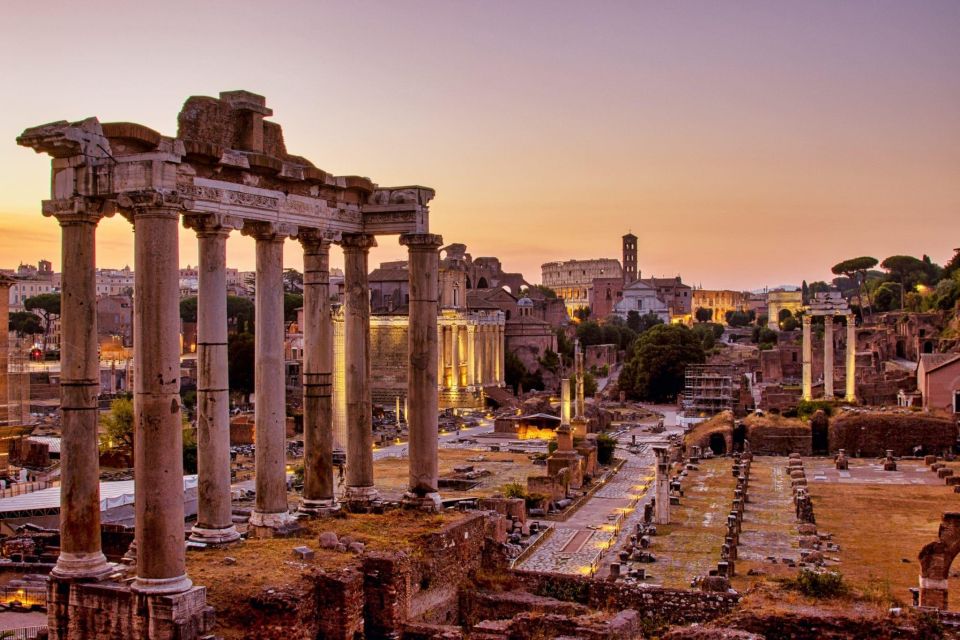
And yes, it still includes the big stops. You’ll see the Roman Forum and the Colosseum, plus other major sights like the Circus Maximus and the Arch of Constantine. The difference is you’re approaching them as chapters in a story.
You can also read our reviews of more city tours in Rome



Starting at Colle Oppio and Trajan’s Baths: the calm before the monuments
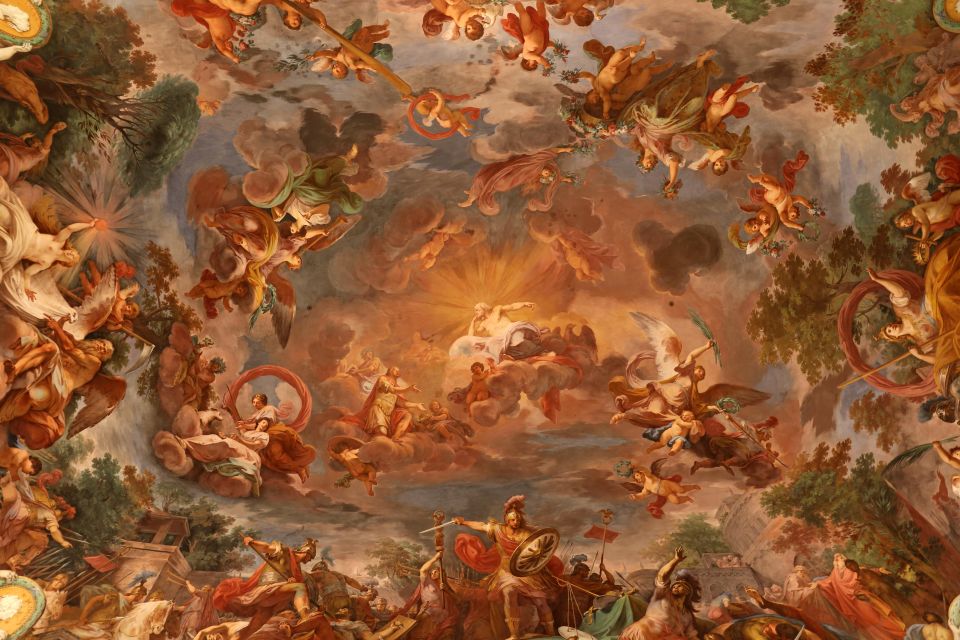
The adventure begins at Colle Oppio Park and the Baths of Trajan—a smart choice if you’re trying to beat the usual “hit Rome at full volume” feeling. You start in a green oasis in the heart of the city, which helps the route feel less like you’re marching from one crowd to the next.
At this stage, you’ll be getting oriented for the whole game. Expect that the first clues help you get into the rhythm: read the page, solve the puzzle, and then move. If you like activities where you can learn while walking, this opener works well.
Practical note: wear comfortable shoes. Even though the total distance is only about 5 km, you’re on historic uneven ground for much of it, and the game keeps you moving.
Basilica of Maxentius and the Forum zone: where the clues start to feel real
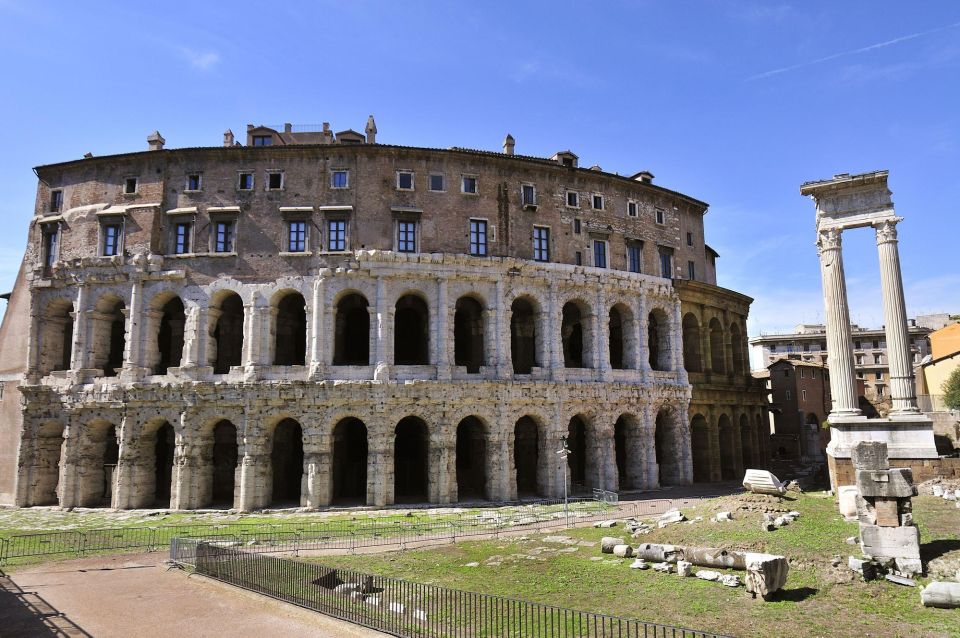
From Trajan’s Baths you move toward the Basilica of Maxentius, then into the Roman Forum area. This is where the game starts to connect the dots between Rome’s past and what’s still visible today.
The Basilica of Maxentius is impressive in a big, structural way—massive scale, strong geometry, and a strong sense of what public spaces were like. In game mode, that’s useful because the puzzles push you to understand the purpose of spaces, not just their appearance.
When you reach the Roman Forum, you’re in a core chapter of ancient Rome. The game approach is valuable here because the Forum can feel overwhelming if you’re just “looking around.” Riddles act like a guide without lecturing. You know what you’re looking for, so the area sticks.
Via dei Fori Imperiali: a straight run that helps you grasp Rome’s layout
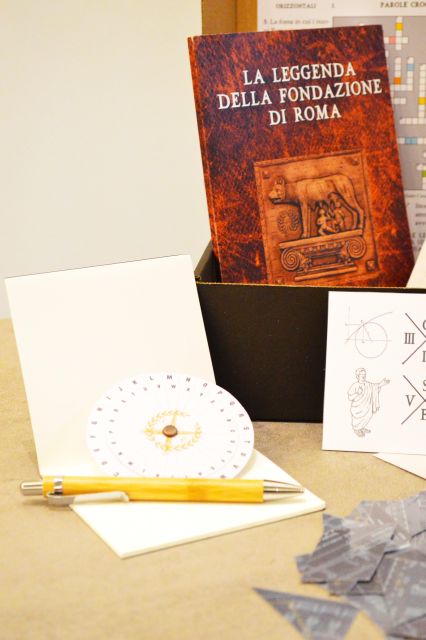
Next comes Via dei Fori Imperiali. This stretch is visually dramatic: it’s built for long sight lines, which means it’s easier to grasp how the monumental parts of the city connect.
As a self-guided player, you benefit from that. When the route gives you a corridor-like path, you can focus on reading the city’s structure. The game keeps you moving, but the streets themselves also help you understand scale.
If you’ve ever felt like Rome’s ruins are too spread out, this is one of the reasons this route works. It’s designed to make the “big picture” easier to hold while you walk.
Piazza del Campidoglio: the dramatic pause point
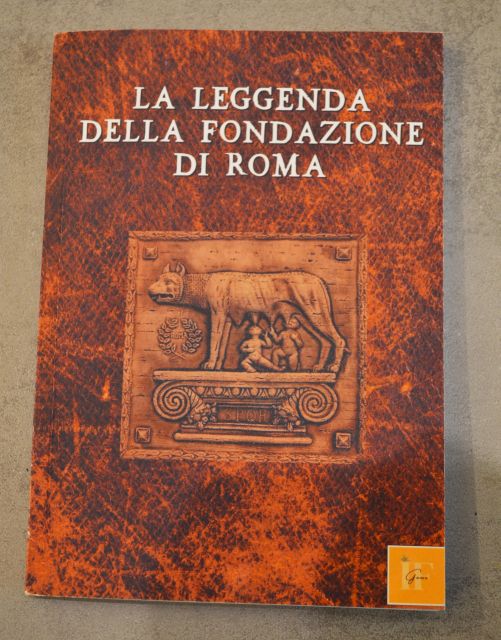
You’ll then reach Piazza del Campidoglio, a place that feels different from the narrow, ruin-heavy streets. It’s a visual reset—less “scramble through fragments,” more “stand and take it in.”
In game terms, this is where you can slow down. A story-based route needs checkpoints, and this piazza gives you room to breathe and re-focus.
If you enjoy looking at architecture and urban design (even just casually), this stop makes the walk feel less like a long scavenger mission and more like a guided flow—only you’re holding the guide in your hands.





The Mouth of Truth: a classic stop, played your way
One of the most recognizable stops on the route is the Mouth of Truth. This is a fun point in the adventure because it’s a recognizable symbol, which helps anchor the story as you move through lesser-known angles of the route.
The game format makes this more than a photo stop. You’re not just saying I saw it. You’re using it as part of the puzzle chain, so you remember it for what it means in the broader experience.
This is also a nice moment if you’re traveling with kids. The activity is described as fun for families, and simple tasks can make it easier for younger players to stay involved—though it still helps to keep expectations realistic about attention spans.
Circus Maximus and the Arch of Constantine: big scale, easy payoff
Then you head to Circus Maximus and the Arch of Constantine. These stops bring you back to scale and public-life context—places built for crowds and ceremonies.
Circus Maximus can feel like the “oh wow” moment of space. Even when you’re not inside a restored arena, you get the sense of how massive Rome’s entertainment world was.
After that, the Arch of Constantine adds a more focused, monument-style payoff. It’s the kind of sight where the shape and symbolism are easy to grasp, even when you’re reading on the go.
In a game route, that balance matters. You’re not stuck only in wide-open ruins or only in tight details. You get variety—scale, then structure, then scale again.
Nero’s Golden House site and the Colosseum: seeing the ruins with new eyes
One standout feature is that the route includes the area where the Golden House of Emperor Nero once stood. This matters because it adds a layer of “Rome beyond the postcards.” You’re encouraged to think about power, wealth, and what emperors built—then connect that context back to the rest of the day.
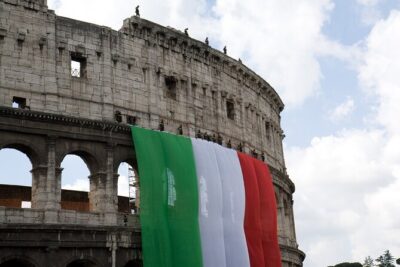
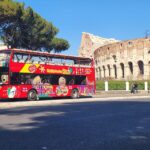
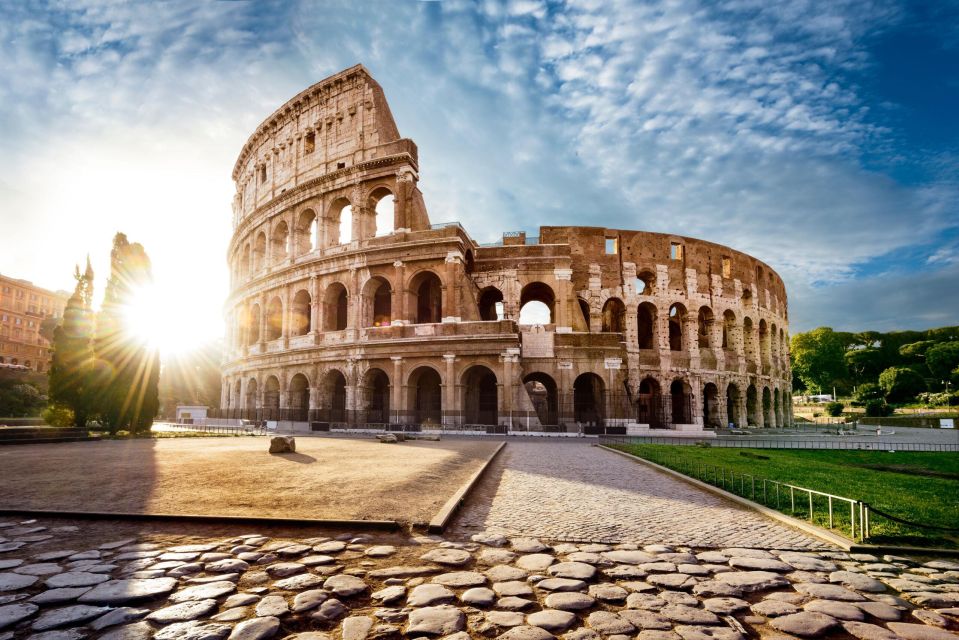
Finally, you reach the Colosseum, the star that most people come to Rome for. In this format, the Colosseum can land differently than it does on a basic walk-through. You’re not only noticing size and arches. You’re also noticing the sequence of how Rome’s legendary foundation story connects with what you see in front of you.
That change in “how you look” is often what makes the day memorable. You end up with a mental map that feels personal, not borrowed.
Time on your feet: plan for 3 to 4 hours, not a quick hop
The route is about 5 kilometers and takes 3 to 4 hours. That’s a solid chunk of time, and I’d treat it like a half-day activity with an easy chance of running longer.
The experience is self-guided, so your pace sets the tempo. If you’re a slow reader, pause for photos, or work through puzzles carefully, expect the experience to stretch.
Also, it’s worth remembering what one family-style comment pointed out: plan for almost a day if you’re truly going to enjoy and explore. That doesn’t mean you must. It just means the monument density and puzzle format can naturally pull you in.
What’s included (and why the kit matters)
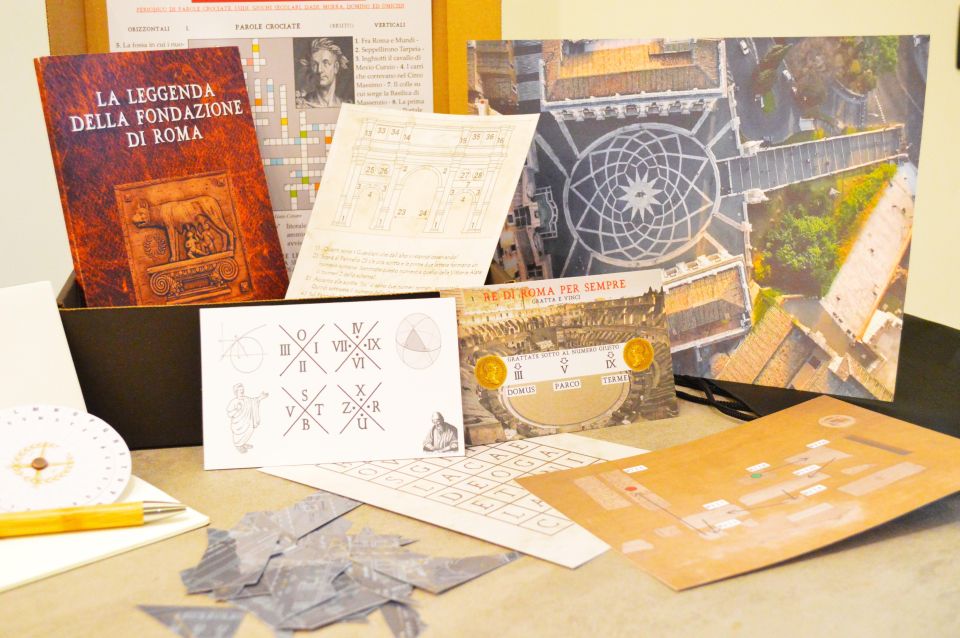
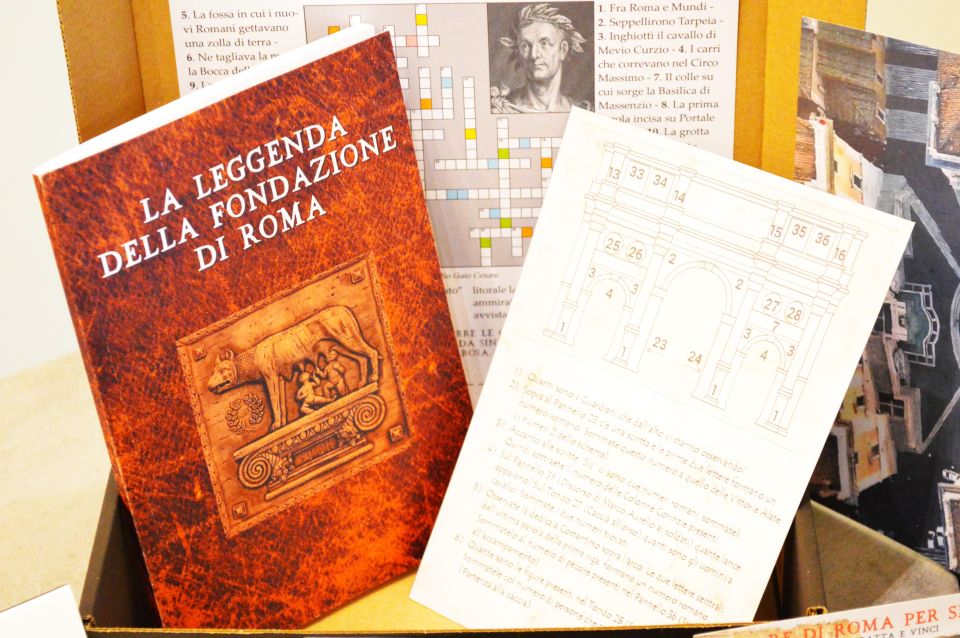
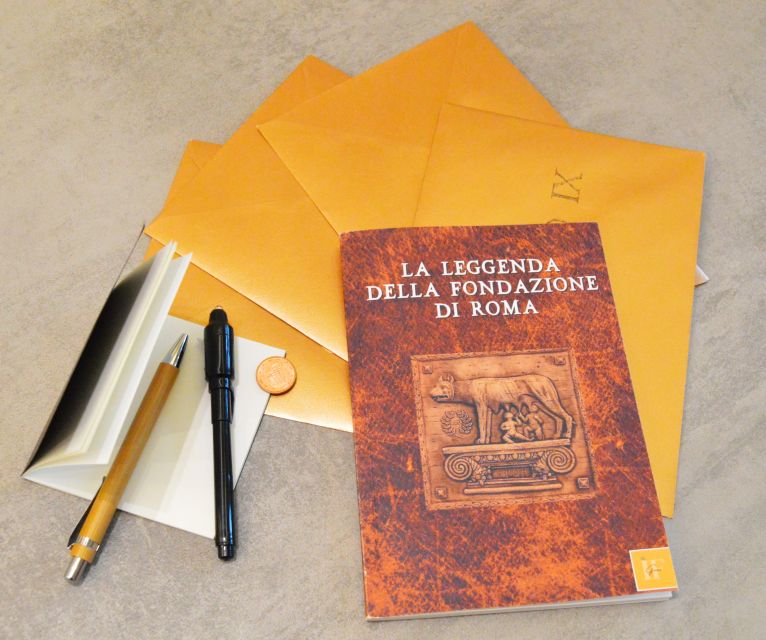
This experience ships you a game box and includes everything needed to play. You also get a book to play with and a physical book you can take home as a memory.
That home-delivered kit is part of the value. You’re not arriving in Rome with vague instructions. You open the package, follow the book, and start moving—like you’re carrying a mini tour guide in your hands.
It also includes tips, information, and curiosities, which helps you make sense of what you’re solving and seeing. It’s a good fit if you like learning in context rather than reading a page at a time.
Price and value: $71 per group up to 10
The price is $71 per group up to 10. That can be surprisingly good value if you split it across friends or a family unit.
Here’s the practical math:
- If you fill it with 10 people, it works out to about $7.10 per person.
- If you’re only a couple, your cost per person goes up, because it’s still priced per group.
So this is best when you can team up. The activity is also designed for a group to cooperate—especially for puzzle solving. Families can feel like a natural fit because kids can help read and solve.
One caution: there’s a comment noting the price felt a bit high at first, but it was judged fair once you factor in the materials, experience, knowledge, and the included surprise. In other words, decide based on whether the kit and learning format feel worth it to you.
Who this fits best (and who will get annoyed)
This is a strong match if you:
- want a self-guided experience with structure
- like puzzles and enjoy figuring things out on foot
- want to see Rome’s core ruins without a live guide’s schedule driving the day
- are traveling as a family and don’t mind a little teamwork
It may not fit you as well if you:
- want a classic guided lecture with no problem-solving
- need fully accessible terrain (the route is not suitable for wheelchair users or people with mobility impairments)
- dislike activities that require keeping a smartphone charged and using internet access
Practical tips so your day runs smoothly
You’ll want a few basics ready:
- Comfortable shoes (seriously)
- a charged smartphone
- internet access
- the game box in hand
The smartphone detail matters because the experience calls for internet access. That’s easy in Rome if your battery is healthy. If you’re the type who kills batteries taking photos, bring a small power bank (even though one isn’t listed, it’s the sensible move).
Also, plan your expectations: you’re walking 5 km through major Rome sights. It’s not a “sit and snack” kind of day.
Should you book this Rome game?
I’d book it if you want a fresh way to understand Rome’s center. The route hits the Colosseum, Roman Forum, Circus Maximus, Arch of Constantine, and more, while the puzzle format helps the information stick.
Skip it if you want a zero-effort tour, need wheelchair access, or you hate puzzle tasks. This works best when you’re willing to think a little and walk a little.
If you’re traveling with a group (up to 10), it also becomes a value play. You’ll spread the cost and share the fun of solving together.
FAQ
Is this experience guided by a tour guide?
No. It’s a self-guided game. You play using the book and materials you receive.
How long does the route take and how far do you walk?
The experience takes between 3 and 4 hours and the route is about 5 kilometers.
When will I receive the game kit?
The game box is shipped by mail after payment. The recommendation is to buy at least two weeks before the day you plan to play, and you can play at any time after you receive it.
Can I play at any date after the kit arrives?
Yes. Once you receive the material, you can play at any time. There are no time-restricted locations on the route.
What’s included in the price?
Included materials are the game box, all accessories necessary for playing, a book to play with (and take home), plus tips, information, and curiosities.
Are tickets to attractions included?
No. Tickets to attractions are not included, and public transportation tickets and transfers to/from the starting point are also not included.