REVIEW · ROME
Rome: Hands-On Pasta & Tiramisu Class with Unlimited Wine
Book on GetYourGuide →Operated by Crown Tours · Bookable on GetYourGuide
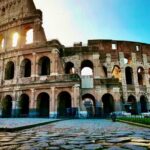
Fresh pasta starts with your hands. This Rome class is a hands-on pasta and dessert workshop in an intimate setting, paired with unlimited Italian wine, so the evening feels like dinner with a real Roman family. It’s also often set up close to the Colosseum, and you’ll start in a kitchen that smells like flour, eggs, and garlic.
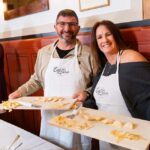
I especially like the fact that you don’t just watch. You mix dough by hand, shape fresh ravioli, and build a classic tiramisu step by step, with close guidance from a chef who teaches in clear English.
One key consideration: this isn’t a safe bet for people who need gluten-free. It’s not recommended for celiac disease, and traces of gluten and nuts may be present, so if you have severe allergies, you’ll want to tell the operator in advance.
In This Review
- Key highlights at a glance
- Entering a Roman pasta kitchen near the Colosseum
- What you’ll make: fresh fettuccine, stuffed ravioli, tiramisu
- The fettuccine lesson: dough you feel, not just see
- Stuffed ravioli: fillings, shaping, and the al dente payoff
- Tiramisu building: espresso, mascarpone, and cocoa dust
- Unlimited Italian wine and downtime that feels social
- Chef-led teaching in English with real names behind the scenes
- The meal you earn: eating what you made, not just tasting
- Price and value: what $112.15 buys you in real terms
- Who should book this class, and who should skip it
- Practical tips before you go
- Should you book this pasta and tiramisu class?
- FAQ
- How long is the Rome pasta and tiramisu class?
- What will I learn to cook during the class?
- Is the class taught in English?
- Are drinks included, and is the wine unlimited?
- Can I cancel and get a full refund?
- Is this class suitable for people with celiac disease or gluten-free needs?
- Do they pick you up from your hotel?
Key highlights at a glance
- Hands-on 3-in-1 menu: fresh fettuccine, stuffed ravioli, and classic tiramisu
- Small-group VIP vibe: intimate kitchen time with personalized guidance
- Unlimited Italian wine during the meal and downtime between steps
- Chef instruction in English for easy, practical learning
- Recipes to take home via a booklet you can actually use later
- Designed for most skill levels with technique coaching from dough to serving
Entering a Roman pasta kitchen near the Colosseum
The setting is part of the charm. You’ll meet in a Roman kitchen that feels more like a real workspace than a tourist studio, and the facilities are clean, organized, and set up for cooking in small groups. Many sessions are located near the Colosseum area, which makes it a great add-on to a sightseeing day.
The group stays small, and that matters. With fewer people at the stations, you get more hands-on help instead of standing back and hoping you get a turn. The vibe is friendly and relaxed, with conversation flowing while you cook.
You can also read our reviews of more cooking classes in Rome

What you’ll make: fresh fettuccine, stuffed ravioli, tiramisu
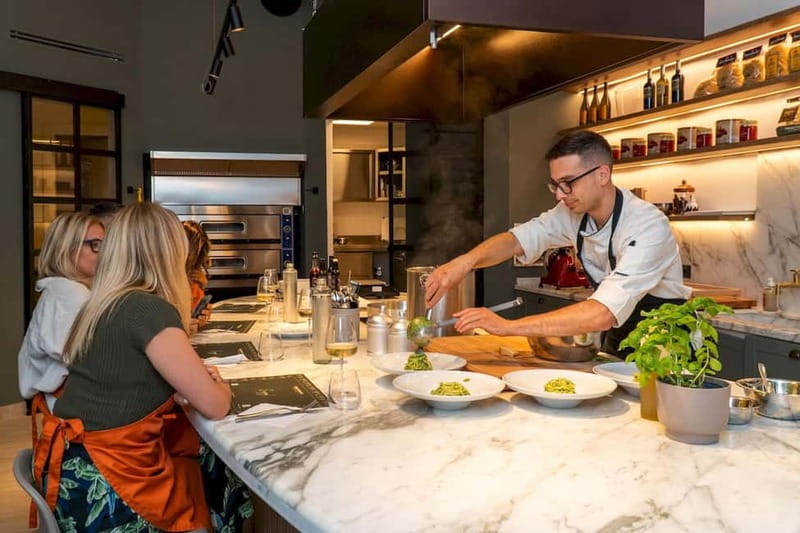
This class isn’t a one-dish gimmick. It’s a full menu of Italian comfort food built around three core skills: pasta dough, ravioli technique, and tiramisu assembly. The result is that you leave with a real sense of how Italian home cooking works, not just what to do in one moment.
Fresh fettuccine is your starting point, so you learn dough texture and handling early. Then ravioli adds a new level of focus because you’re shaping delicate pasta sheets and stuffing them properly. Finally, tiramisu gives you a dessert workflow that’s simple, repeatable, and very rewarding.
The fettuccine lesson: dough you feel, not just see
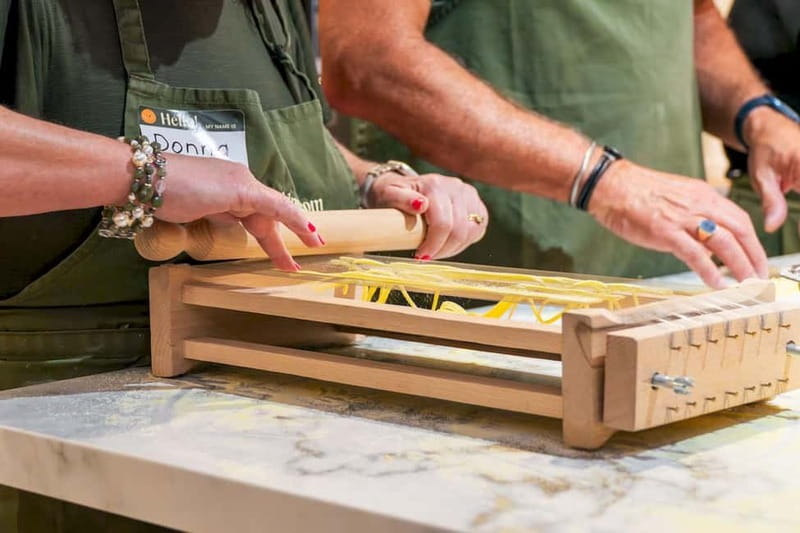
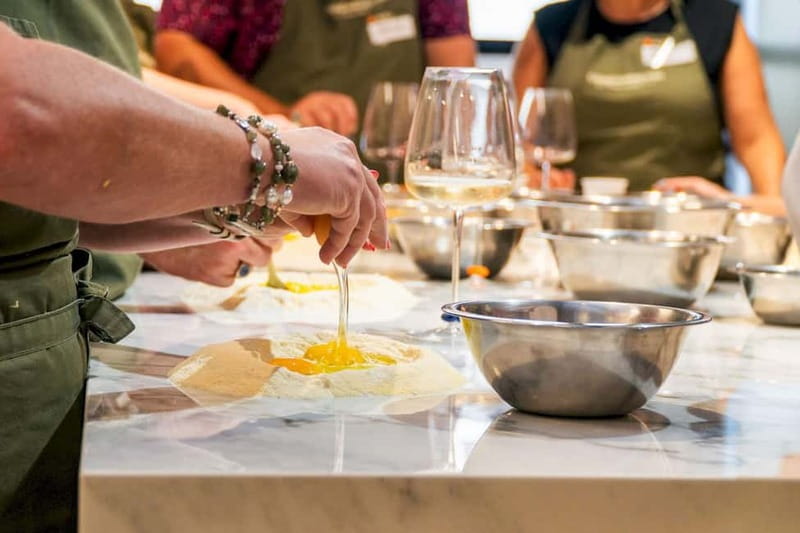
Your first active step is mixing flour and eggs with your hands. That sounds basic, but it’s actually where the learning begins, because you can feel when the dough comes together and stops being sticky. A good chef cues you on texture so you’re not guessing.
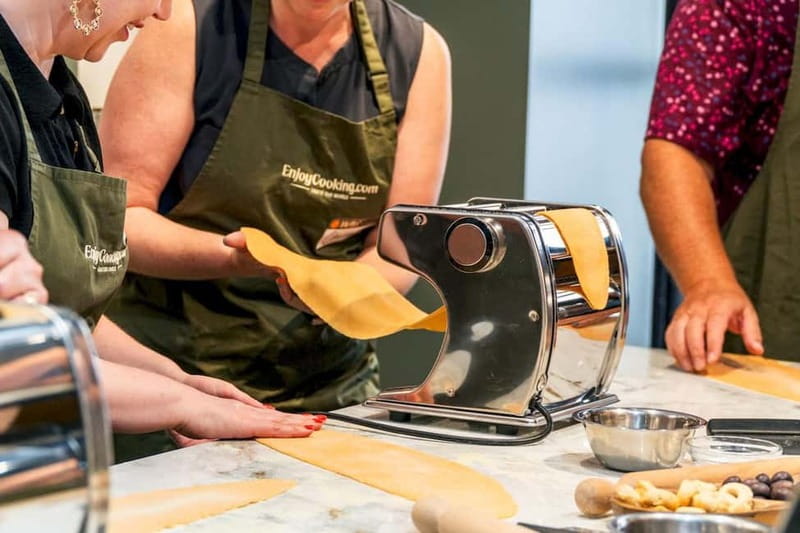
Next comes kneading and rolling. You’ll get guidance on how to work the dough so it becomes elastic and smooth, not torn or uneven. This is also where you learn how thin is thin enough for fresh pasta, which is the difference between pleasant pasta and chewy, overworked pasta.
When it’s time to cook, you’re aiming for that al dente feel Italians talk about. Fresh pasta cooks fast, so you’ll want to stay alert and follow the chef’s timing cues. If you love food with a little bite, this is the part that clicks.
Stuffed ravioli: fillings, shaping, and the al dente payoff
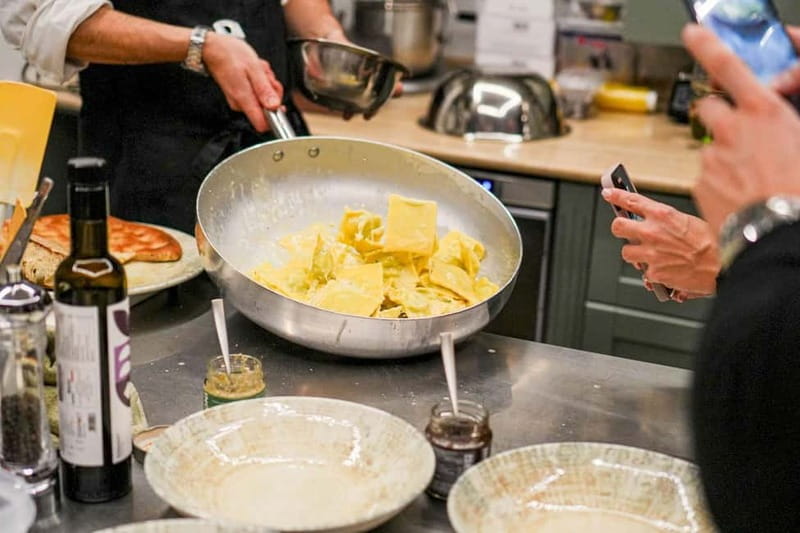
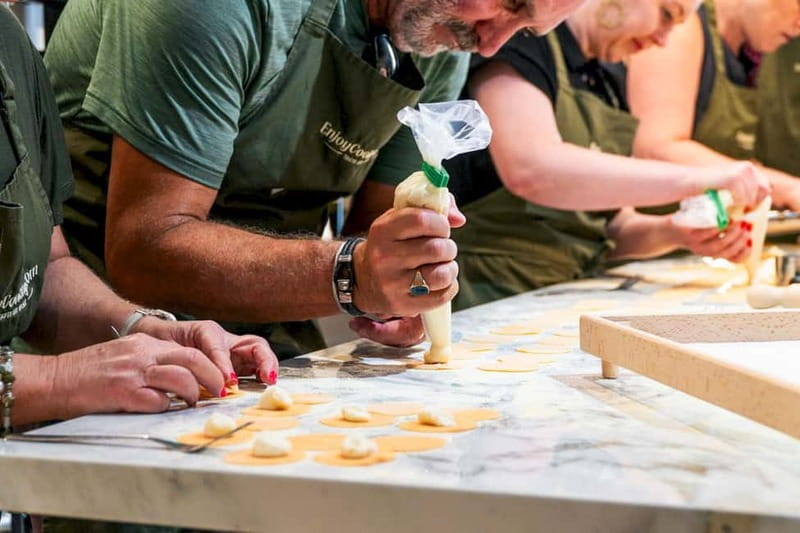
Ravioli is the middle act, and it’s where the class turns into real technique. You’ll work with fresh, seasonal fillings, then shape ravioli into little pockets of flavor. It’s delicate work, but that’s the point: you practice the motions until your seams hold.
Your chef will guide you on portioning and shaping so the ravioli don’t burst when boiled. You’ll see them bubble as they cook, and you’ll learn what “done” looks like in the pot, not just what to guess from timing. Then you get to eat what you made, which is honestly the fastest way to understand why good dough thickness matters.
One practical win here: once you learn the logic of ravioli (dough thickness, sealing, boiling), you can adapt it later. You can change fillings, try different shapes, and still use the same method. That’s the kind of transferable skill that makes the class worth more than just a meal.
Tiramisu building: espresso, mascarpone, and cocoa dust
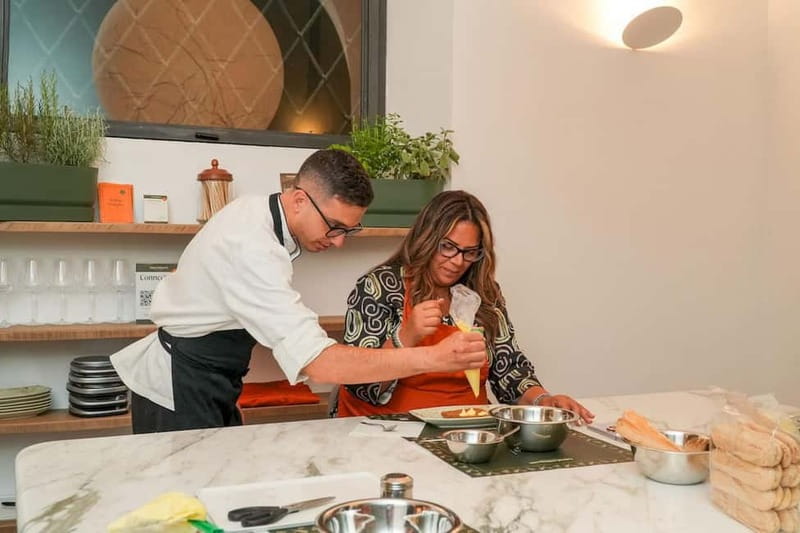
No Italian cooking class feels complete without dessert, and tiramisu is the signature here. You’ll layer espresso-soaked biscuits with creamy mascarpone, then finish with rich cocoa. The workflow is straightforward, but the layering technique is what makes it look and taste right.
The chef’s guidance matters with texture and balance. Too wet and the layers collapse; too dry and the dessert feels flat. You’ll learn the right rhythm for soaking and building so each bite has the classic contrast of coffee and cream.
It’s also a nice pace change after pasta and ravioli work. Tiramisu gives your hands a break while your table time ramps up for conversation, wine, and that slow, satisfied dessert moment.
You can also read our reviews of more wine tours in Rome



Unlimited Italian wine and downtime that feels social
Wine is a major part of why this class feels like an evening, not a rushed cooking demo. You’ll have free-flowing Italian wine alongside coffee and nonalcoholic drinks, with snacks while you cook. If you want to socialize with your cooking group while still focusing on technique, this format hits the sweet spot.
Just remember the wine is bottomless, which means pace yourself like you’re in a real Italian dinner setting. Keep tasting notes in your head, sip water, and don’t wait until ravioli is in the pot to slow down. The best classes keep energy up without turning into a blur.
Chef-led teaching in English with real names behind the scenes
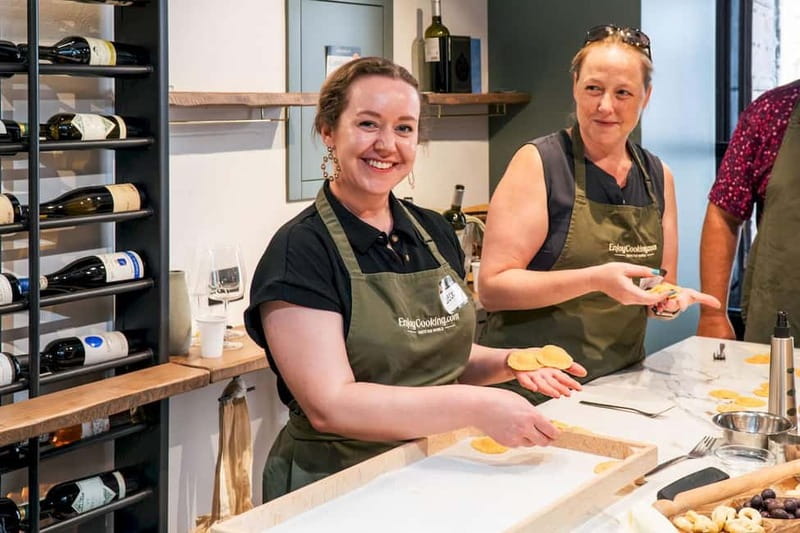
This class is taught in English, which keeps the technique clear even if you’re new to pasta. You’ll get personalized guidance throughout, and the chef stays involved while you work through each stage. That close coaching is a big reason the experience tends to stick in your memory.
Depending on the session, you may learn from chefs including Max, Marco, Alessandro, Jacopo, or Zori. The common thread is teaching style: funny when it should be, serious about technique when it matters, and attentive so everyone can follow along.
The pace is also well managed. You’ll move through each course without feeling like you’re being rushed, and you’ll still have enough time to learn what’s happening and why.
The meal you earn: eating what you made, not just tasting
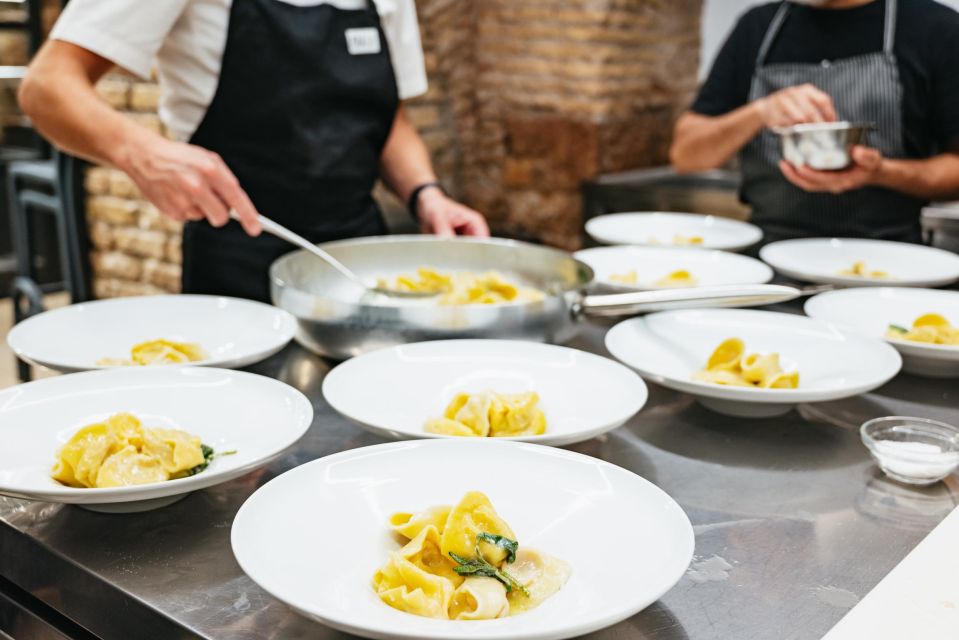
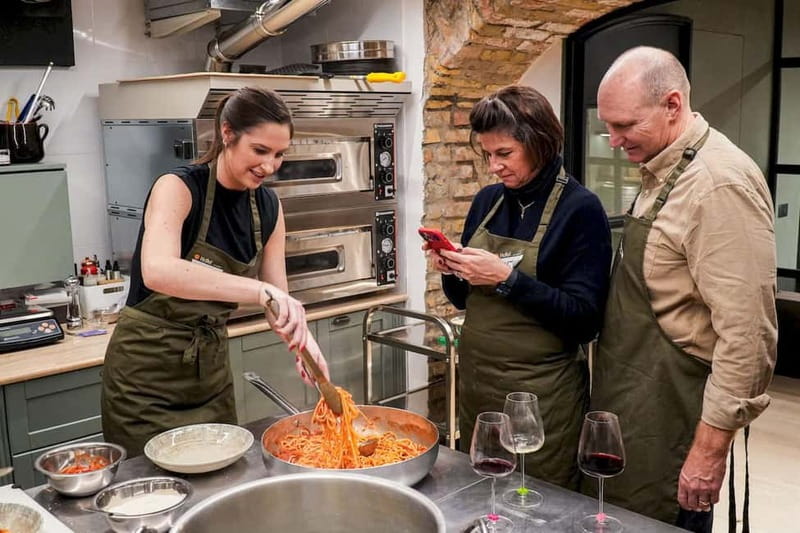
After cooking, you gather around the table and eat your pasta and ravioli. It’s not a separate tasting menu where you only get small bites. You get to sit down with the food you created, plus the wine and drinks that keep the atmosphere relaxed.
This is where the class wins for value. Many activities feed you, but this one teaches you how to recreate the flavors and textures later. When you leave with recipes and a technique you understand, that’s a different kind of souvenir.
Also, the food quantity tends to feel generous for a group class. Between the pasta, ravioli, and tiramisu, you get a full meal experience that’s more satisfying than a short snack-style workshop.
Price and value: what $112.15 buys you in real terms
At $112.15 per person, you’re paying for three things at once: guided cooking time, the ingredients and kitchen setup, and the included drinks. The duration is about 3 to 3.5 hours, so you’re not spending the money on a quick walkthrough.
You also get take-home materials via a booklet, plus coffee and nonalcoholic options. Add in unlimited wine during the class, and it’s easier to see why the overall value feels strong, especially if you’d otherwise pay separately for dinner plus a food experience.
If you’re the type of traveler who likes doing more than photographing, this price usually makes sense. You’re buying instruction and a meal that tastes like effort.
Who should book this class, and who should skip it
This works great for beginners and experienced cooks. If you’re brand new, the step-by-step approach with close guidance helps you learn what to do and what good dough feels like. If you already like cooking, the hands-on shaping and sealing techniques give you something specific to practice, not just general tips.
If you’re gluten-free or have celiac disease, skip this one. It’s not recommended for celiac disease, and there may be traces of gluten and nuts, even if special dietary requests are accommodated. People with severe gluten or nut allergies should be extra cautious and inform the operator in advance so they can advise whether any adjustments are possible.
It also tends to be friendly for different ages. Some families have done the class successfully, and the overall structure is social and fun, not overly formal. Just note that the class involves cooking steps and hot liquids, so you’ll want to use your own judgment for younger kids.
Practical tips before you go
Wear something you don’t mind getting flour on, even if aprons are used. The process is hands-on, and a little mess is part of the fun.
If you plan to drink wine, eat lightly beforehand and hydrate during the class. The wine is included, but your best pasta day is the day you can remember the steps.
Finally, go in with curiosity about texture. Fresh pasta is different from dried pasta, and ravioli is different from store-bought pasta. When you pay attention to feel, you’ll pick up skills you can use again later.
Should you book this pasta and tiramisu class?
Book it if you want an honest Rome experience: hands-on cooking, real food you eat, and a small-group pace that lets you learn. The menu is cohesive and practical, and the included wine makes the meal feel like part of an Italian evening, not a chore.
Skip it if gluten is an issue for you or if you need a fully gluten-free environment. Also skip if you dislike the idea of active cooking for a few hours, since you’re not just watching a chef plate dishes.
If you’re trying to choose one food activity in Rome that gives both memories and repeatable skills, this is a strong pick. For me, it hits the balance of fun, technique, and value in the same sitting.
FAQ
How long is the Rome pasta and tiramisu class?
The class runs about 3 to 3.5 hours. Starting times vary, so you’ll need to check availability for the schedule.
What will I learn to cook during the class?
You’ll learn to make fresh fettuccine, stuffed ravioli (including the ravioli filling), and classic tiramisu from scratch. You’ll also eat the dishes you prepare.
Is the class taught in English?
Yes, the instructor is listed as English-speaking.
Are drinks included, and is the wine unlimited?
Free-flowing Italian wine is included, along with coffee and nonalcoholic drinks. Snacks are also provided during the cooking process.
Can I cancel and get a full refund?
Yes. You can cancel up to 2 days in advance for a full refund.
Is this class suitable for people with celiac disease or gluten-free needs?
It is not recommended for people with celiac disease, and there may be traces of gluten and nuts. Gluten-free options are not listed as available, so you should confirm your situation directly when booking.
Do they pick you up from your hotel?
Hotel pickup and drop-off are not included. The meeting point can vary depending on the option booked, and the activity ends back at the meeting point.