REVIEW · ROME
Rome: Fountains and Squares Small-Group Walking Tour
Book on GetYourGuide →Operated by romanholiday.travel & tours · Bookable on GetYourGuide
Fountains and squares start with the Spanish Steps. This Rome route lines up major monuments with a go-inside Pantheon moment and an end at the Trevi Fountain for the classic coin toss.
One thing to watch: it’s a walking-heavy afternoon, and church dress rules are strict. Plan for covered shoulders and knees, and skip shorts or sleeveless tops so you can enter without hassle.
In This Review
- Key highlights you’ll care about
- Why the Spanish Steps to Trevi Route Makes Sense
- Meeting Point at the Spanish Steps (and How Not to Miss the Group)
- What to Wear: Church Rules Matter More Than You Think
- Trinità dei Monti Up the Spanish Steps (and Where the Story Starts)
- Piazza di Spagna and Bernini’s Half-Sunken Ship
- Piazza Navona: Domitian’s Stadium Meets Bernini’s Fountain
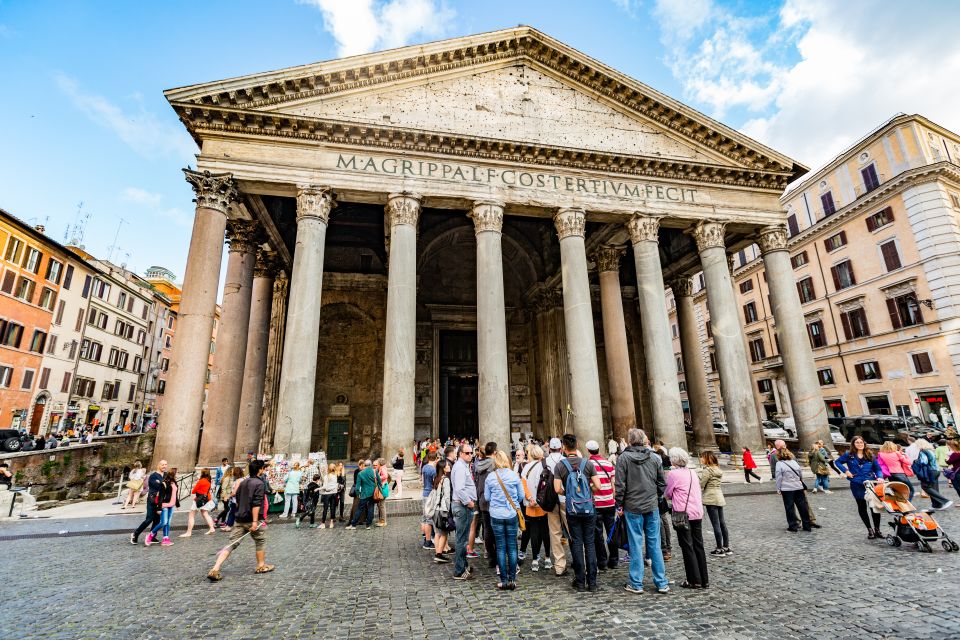
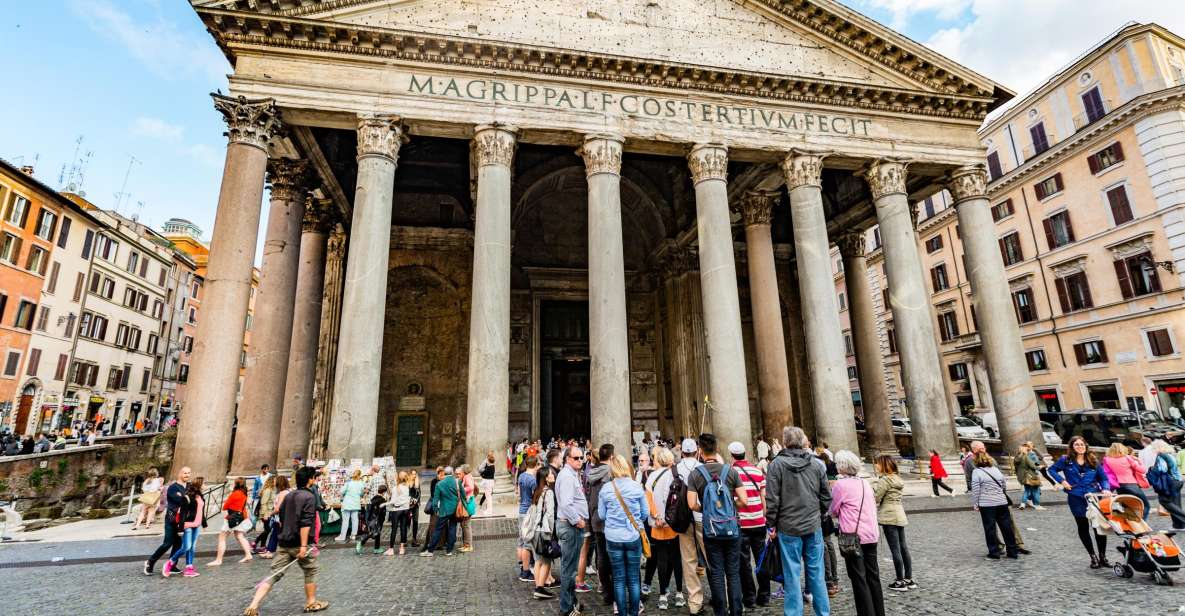
- Going Inside the Pantheon (Not Just Looking at It)
- The Column of Marcus Aurelius (and Pop-Culture Meets Stone)
- Saint Ignatius Church and Trompe l’Oeil That Works
- Raphael’s Tomb Area: A Small Stop With Big Meaning
- Trevi Fountain Finish (Coin Toss Included)
- Price and Value: Why $45.55 Can Be a Good Deal
- Guide Impact: You Can Feel the Difference in the Flow
- Pace, Group Size, and Timing Reality
- Who This Tour Is Perfect For
- When to Skip (or Choose Another Style of Rome Day)
- Should You Book This Rome Fountains and Squares Tour?
- FAQ
- How long is the Rome fountains and squares walking tour?
- Where do I meet the guide?
- Where does the tour end?
- What’s included in the price?
- Can I go inside the Pantheon?
- Is food or drinks included?
- What should I bring and wear?
- What items are not allowed during the tour?
- Is this tour suitable for children?
- Is it wheelchair or stroller accessible?
Key highlights you’ll care about
- Pantheon interior time: See one of the most intact Roman-era temples up close.
- Piazza Navona + Bernini energy: One square, multiple layers of Baroque design.
- Sant’Ignazio trompe l’oeil: A dome painting trick that changes how you look up.
- Bernini’s half-sunken ship at Piazza di Spagna: A quick visual stop with serious artistry.
- Spanish Steps to Trevi flow: A logical route that keeps you moving through the center efficiently.
Why the Spanish Steps to Trevi Route Makes Sense
Rome can feel like a blur if you’re bouncing between landmarks at random. This tour gives you a clean line through the city core, starting near the Spanish Steps and ending at the Trevi Fountain—so you get both orientation and highlights in one go.
What I like about this setup is how the sights talk to each other. You’re not just seeing pretty squares; you’re seeing how Roman, Renaissance, and Baroque design keep reusing the same stages—streets, piazzas, and churches—to tell new stories.
The tour runs about 2.5 hours (and it often feels like a solid, efficient 2-hour sprint once you’re in the rhythm of stops). It’s also small-group by design, with a max of 20 people, so you’re not stuck shouting over a crowd.
You can also read our reviews of more walking tours in Rome
Meeting Point at the Spanish Steps (and How Not to Miss the Group)
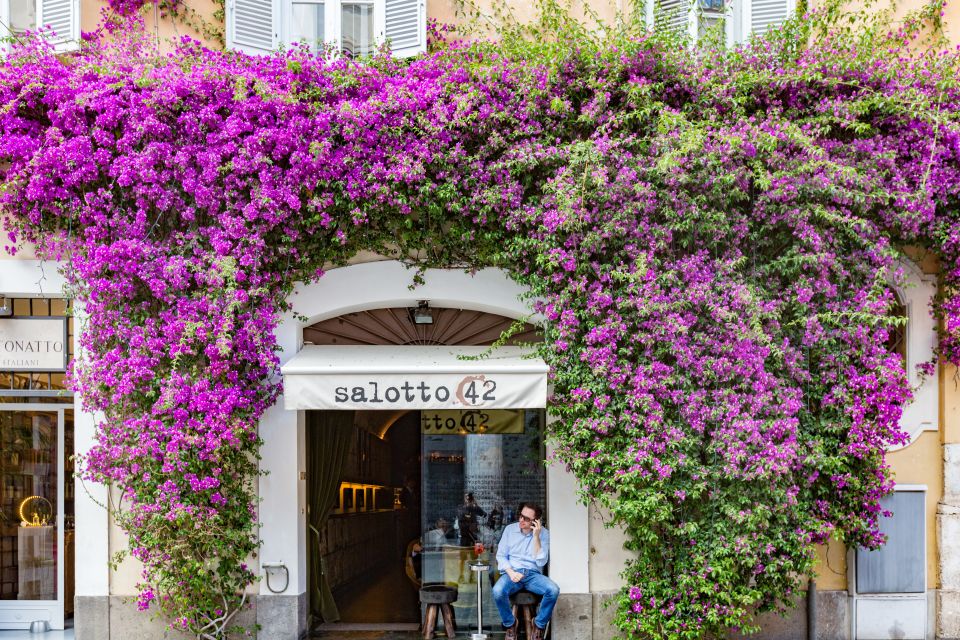
Meet by the entrance of the Keats Shelley Museum at the bottom of the Spanish Steps, right by the Acqua di Parma store. Your guide will be holding a sign or wearing a GETYOURGUIDE badge.
Arrive about 10 minutes early. In Rome, that extra time matters—busy sidewalks, multiple entrances, and the kind of foot traffic that can make you late even when you’re trying hard. If you’re even a bit behind, you can lose the start of the tour.
This is an English-language experience with a licensed guide. No pets are allowed, and you’ll want to dress for church visits—more on that next.
What to Wear: Church Rules Matter More Than You Think
You’ll be walking outdoors, then entering churches and other spaces with specific dress expectations. Bring comfortable shoes first. Then bring clothing that covers shoulders and knees so you’re not turned away at the door.
The tour doesn’t allow shorts, short skirts, or sleeveless shirts. It also doesn’t allow eating or drinking during the tour, and smoking is off the table. That means you’ll want to handle snacks and coffee before you meet, or save them for after.
If you’re visiting in colder months, you’ll still be outside for stretches. Layers help because you’re moving constantly, but the waiting between stops can be chilly.
Trinità dei Monti Up the Spanish Steps (and Where the Story Starts)
The meeting area sits at the base of the staircase, and your walk begins right where the Spanish Steps flow upward toward Trinità dei Monti. This stretch is more than a photo-op. It’s a perfect warm-up for Rome’s “see it from the right angle” vibe, because viewpoints open up as you climb.
Your guide helps you connect what you’re seeing to what came before—so the route doesn’t feel like a random checklist. Instead, each turn explains why this corner exists and what it’s been used for over time.
Also, you’re in the Piazza di Spagna zone, which gives you an early taste of Bernini’s style. One standout is the half-sunken ship fountain that people remember long after the walk is over.
Piazza di Spagna and Bernini’s Half-Sunken Ship
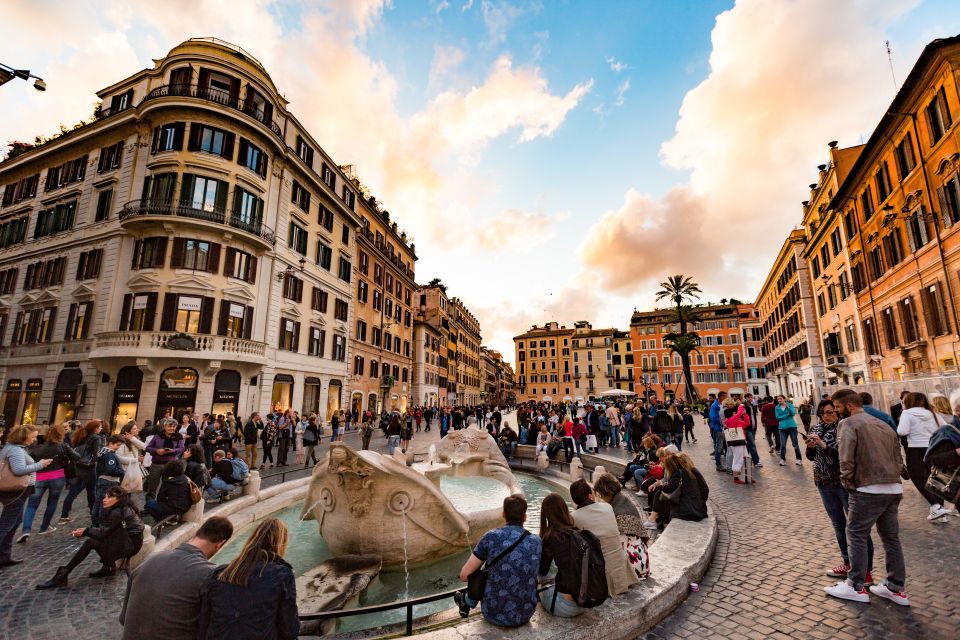
Bernini’s fountains are the kind of art that feels theatrical in motion. The half-sunken ship at Piazza di Spagna looks like it’s mid-event, half-resting, half-dramatic—exactly the kind of Baroque visual storytelling that makes Rome fun to slow down for.
You won’t spend forever here, because the tour is paced to cover several key monuments. But the stop is timed well: it gives you a hook into the Baroque world right before the route moves toward the bigger “stage squares” of central Rome.
If you’re someone who likes understanding what you’re looking at, you’ll appreciate how your guide frames it. You’re not just pointing at a famous fountain; you’re learning what makes Bernini’s work so different from simpler classical styles.






Piazza Navona: Domitian’s Stadium Meets Bernini’s Fountain
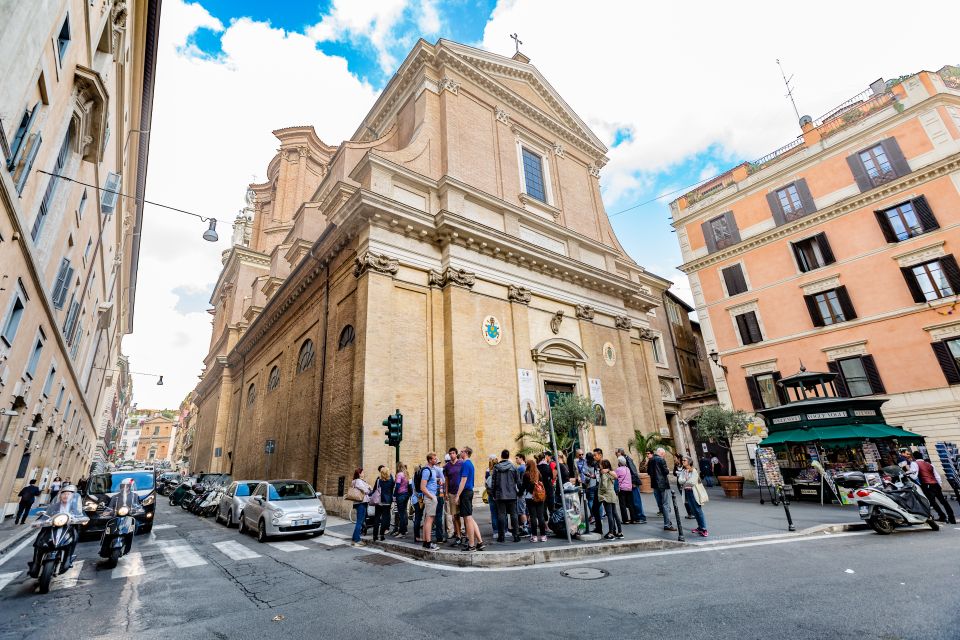
Piazza Navona is one of the city’s best squares for a reason: it’s built on a past that still shapes the present. Here, you get a key historical layer—this area was the Stadium of Domitian, built around 85 A.D., originally used for athletic games.
Then the Baroque era takes over the look and feel. Piazza Navona is packed with architecture and sculpture by major names, including Bernini and Francesco Borromini. The square becomes a kind of outdoor theater, with lines and curves that pull your eyes toward the fountain center.
One of the big moments is Bernini’s Fountain of the Four Rivers. Even if you’ve seen pictures before, the real thing reads differently at street level. The sculptural energy feels more immediate, and you understand why this square has been a magnet for art-lovers for centuries.
Going Inside the Pantheon (Not Just Looking at It)
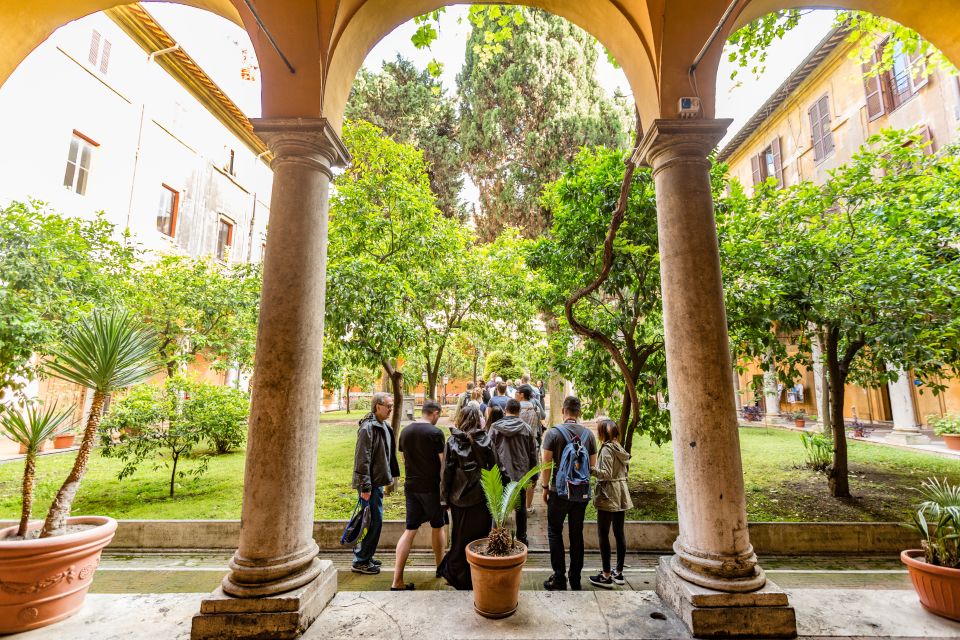
This tour’s biggest “real ticket value” is that you go inside the Pantheon. Seeing it from the outside is impressive, but stepping into the interior is a different experience entirely—especially because the building is remarkably intact.
You get a chance to experience the space like ancient Romans did: moving in and looking around as a person, not as a tourist stopped in front of a gate. The size and clarity of the room makes you understand why the Pantheon became such a reference point for later builders.
If you care about architecture, this is the moment that justifies the price more than almost anything else. A guided stop with time inside turns the Pantheon from a landmark into an event.
The Column of Marcus Aurelius (and Pop-Culture Meets Stone)
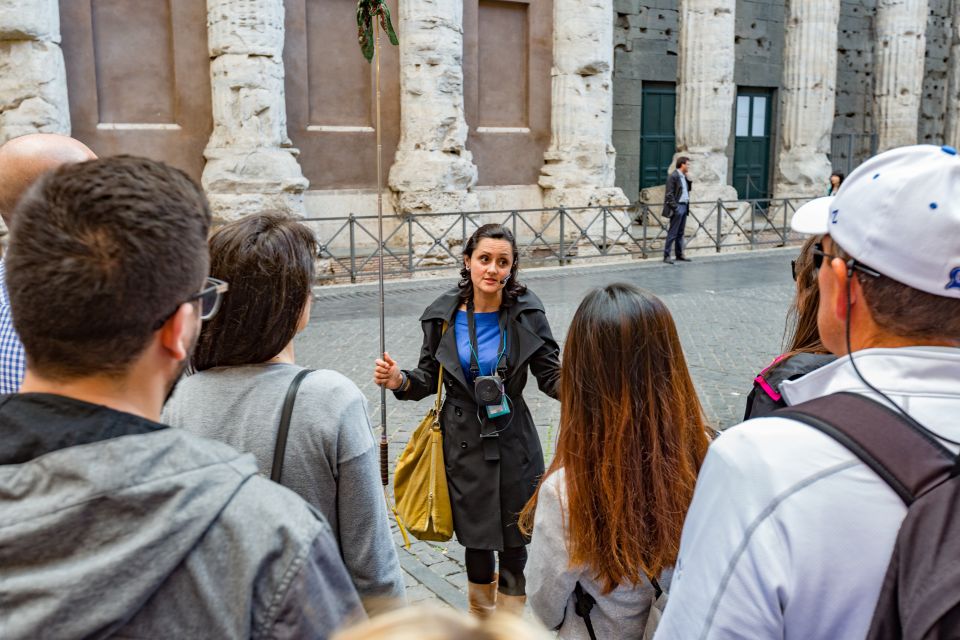
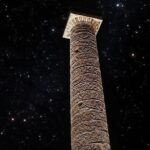
After Pantheon time, you continue through the historic center with stops that explain how Rome reused imagery. One of the standout carvings is the Column of Marcus Aurelius, with original scenes carved around the monument.
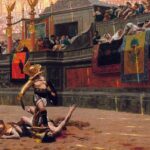
There’s even a link point to modern film—your guide connects what you see to the kind of visuals people remember from Gladiator. It’s a clever way to make the details less abstract. You start spotting the narrative in the stone instead of just admiring the column’s height.
This part of the walk is where your guide’s pacing matters. The goal isn’t to overwhelm you with facts. It’s to give just enough context that you can actually look.
Saint Ignatius Church and Trompe l’Oeil That Works
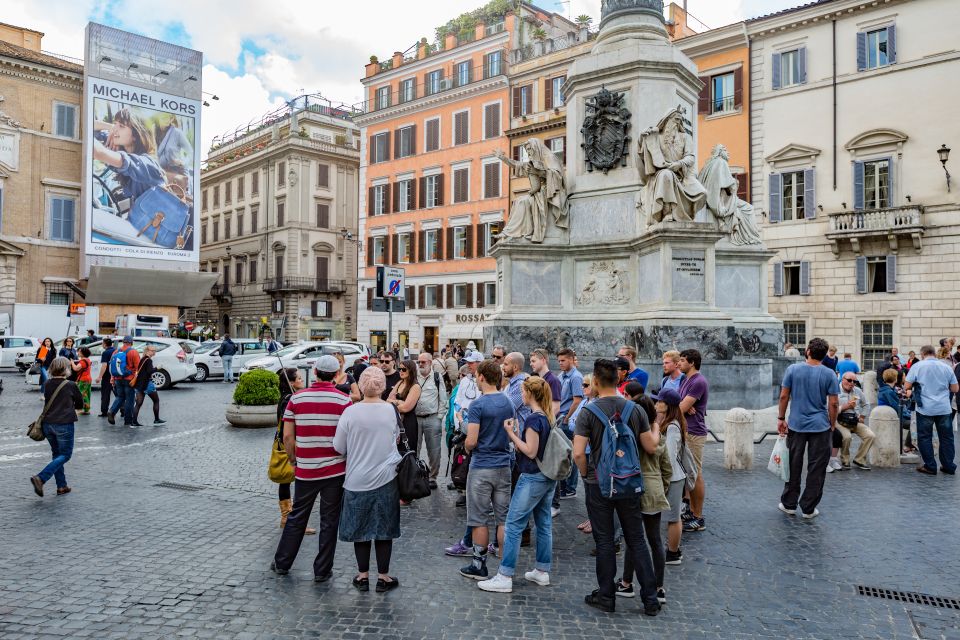
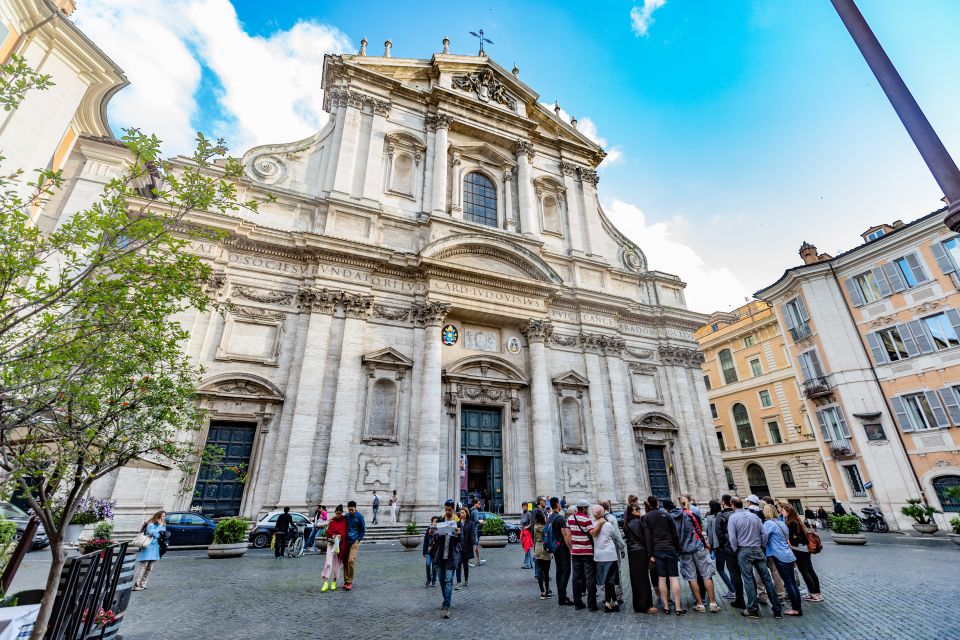
Sant’Ignazio Church is where Rome turns the trickster. The highlight here is trompe l’oeil—an illusionistic effect in the dome that makes painted space look deeper and more dimensional than it should.
If you’ve ever been disappointed by “optical illusion” claims in museums, this one is different because it’s built into a working church setting. You’re inside a sacred space, so the illusion feels purposeful, not gimmicky.
Your guide helps you place what you’re seeing. The best part is that you come away looking up in a new way—like Rome itself is still performing for you, one ceiling at a time.
Raphael’s Tomb Area: A Small Stop With Big Meaning
You’ll also see the tomb of Raphael. It’s not the kind of thing you stumble into by accident while rushing through Rome, and it adds variety to the route.
This stop works especially well if you like balancing grand public monuments with quieter, artist-focused moments. It’s also a good reset after fountain intensity and Pantheon scale.
The guide keeps you moving, but the stop helps you understand that Rome’s “great works” aren’t only fountains and squares—they’re also tied to individuals who shaped Renaissance art.
Trevi Fountain Finish (Coin Toss Included)
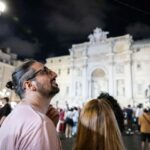
The tour ends at the Trevi Fountain, with time to soak in the scene. Yes, it’s famous. That doesn’t make it automatic or boring. The Trevi reads as a true focal point of the city’s Baroque style—dramatic, sculptural, and built to feel grand.
Your guide gets you to the right moment to throw your coin and make a wish. It’s the kind of tradition that only works if you’re not doing it while halfway lost. This tour gets you there with less stress and more understanding of what you’re seeing.
After the Trevi, the tour ends back at the meeting point location, so you’re not left figuring out your way across crowded central streets at the end of a long walk.
Price and Value: Why $45.55 Can Be a Good Deal
At $45.55 per person, this isn’t the cheapest way to “do Rome,” but it can be strong value for one specific reason: the tour is guided, small-group, and includes Pantheon interior time.
For many first-time visitors, the Pantheon stop alone is worth it because it’s the kind of place where context changes everything. Add in major squares—Spanish Steps area, Piazza Navona, and Trevi—plus a church with trompe l’oeil, and you’re getting multiple high-demand sights handled in one organized route.
Also, the tour is about 2.5 hours. That’s not a half-day commitment, but it’s long enough to feel like you actually traveled through the city’s center rather than just sprinting between icons.
Guide Impact: You Can Feel the Difference in the Flow
The best walking tours are mostly about the guide. Here, you’ll often get a guide who brings energy and humor while keeping the group together.
Names that show up in guide experiences include Bruno and Stefano (and other guides like Andrea, Paolo, Matteo, and Steven in different runs). The common thread: guides keep the pace comfortable, answer questions when they can, and make the route feel like a conversation instead of a lecture.
One small detail that stands out from real guide personalities: in at least one case, a guide treated the group with something like tiaramisu. That’s not something you should expect as part of the official itinerary, but it hints at how personable some guides are.
Pace, Group Size, and Timing Reality
With a max of 20 people, you avoid the worst bottleneck problems. That said, Rome is still Rome—crowds happen at major sights, and church interiors can get busy.
Bring patience for short waiting moments, especially around the most photographed stops. The upside is that you’re moving enough that you don’t feel stuck. It’s a “walk, look, learn, move on” rhythm.
Also, note the rule about translating: no translating is allowed during the tour. That keeps everyone focused on the main guide, but it means the experience is intentionally run in one language.
Who This Tour Is Perfect For
This is a great choice if:
- You want a guided first look at central Rome—Spanish Steps, Piazza Navona, Pantheon, and Trevi—without building a route yourself.
- You care about architecture and want explanations tied to what you’re seeing.
- You like small-group pacing and an English-speaking guide with stories and humor.
It’s also a smart match if you have limited time and want one outing that covers the city’s classic “fountains and squares” identity.
When to Skip (or Choose Another Style of Rome Day)
Skip or think twice if:
- You struggle with steady walking on uneven sidewalks.
- You can’t meet the church dress rules (covered shoulders and knees are required).
- You need wheelchair access or stroller access, because the tour isn’t set up for wheelchairs and it isn’t possible with strollers due to the route.
Also, if you’re traveling with very young kids, note that the tour isn’t suitable for children under 10.
Should You Book This Rome Fountains and Squares Tour?
If you want a well-paced route that hits Rome’s biggest fountain-and-square icons while also including meaningful stops like Pantheon interior time and Sant’Ignazio trompe l’oeil, I’d book it. At this price, the guided context is doing real work, not just adding commentary over a self-guided walk.
Book it early in your trip, too. Finishing at Trevi and walking through landmarks like Piazza Navona and the Pantheon helps you understand where everything is, so the rest of your days feel easier.
If you can handle the walking and you’re set on respecting church dress rules, this tour is one of the cleanest ways to get oriented fast and still feel like you saw more than just the postcard version.
FAQ
How long is the Rome fountains and squares walking tour?
The tour duration is listed as 2.5 hours, and you’ll want to check availability for the starting times.
Where do I meet the guide?
Meet your guide by the entrance of the Keats Shelley Museum at the bottom of the Spanish Steps, in front of the Acqua di Parma store. The guide will have a GETYOURGUIDE badge or holding a sign with that logo.
Where does the tour end?
The tour ends back at the meeting point.
What’s included in the price?
The tour includes a licensed English-speaking guide.
Can I go inside the Pantheon?
Yes. One of the highlights is going inside the Pantheon.
Is food or drinks included?
No. Food and drinks are not included, and eating or drinking is not allowed during the tour.
What should I bring and wear?
Wear comfortable shoes and comfortable clothes. For churches and some monuments/private areas, you’ll need something to cover your shoulders and knees.
What items are not allowed during the tour?
Pets aren’t allowed, and you also can’t bring things like oversize luggage or large bags. The tour also doesn’t allow smoking, eating or drinking, and it prohibits shorts, short skirts, and sleeveless shirts.
Is this tour suitable for children?
No. It’s not suitable for children under 10 years old.
Is it wheelchair or stroller accessible?
It is not suitable for wheelchair users, and the route isn’t possible with strollers.