REVIEW · ROME
Rome Experience: Wine Tasting With a Local Host, Custom & Private
Book on Viator →Operated by City Unscripted · Bookable on Viator
Wine tastes better on Rome’s streets. This private, 3-hour wine experience uses a local host to turn the historic center into a tasting map, with stops that can range from an underground cellar to a terrace bar. I like the private host match and the practical way you learn how to pair wine with food, and the main trade-off is that you should expect some walking on uneven pavement.
You’ll do three structured tastings that add up to six wines, with pairings like local cheeses, meats, and breads. I found the best part is that the host doesn’t just pour and explain. They choose what to serve based on what you like, then show you what to look for when you’re choosing bottles later.
At $147.67 per person, this is not a casual add-on. I think it can be strong value because you’re paying for time with a matched local host, multiple tastings, and a route built around where wine culture actually lives in Rome.
In This Review
- Key things to know before you go
- Starting point near Piazza Farnese: how the route sets the tone
- How a local host customizes your wine flight
- Three tastings, six wines: what you’re actually eating and drinking
- Where you taste in Rome: underground cellar to terrace bar
- Pairing lessons you can use back home
- Guide personality and the human side of a private tour
- Price and value for a 3-hour private wine tasting
- Who should book this Rome wine tour
- Should you book this private wine tasting with a local host?
- FAQ
- How long is the wine tasting tour in Rome?
- Where does the tour start and end?
- How many wines and food pairings are included?
- Is this tour private or shared with strangers?
- How do they choose your local host?
- What’s the cancellation policy?
Key things to know before you go
- Private local host matched to your tastes after you fill out a short questionnaire
- Six wine tastings across three stops paired with local cheeses, meats, and breads
- A venue-hopping route that can include an underground cellar, food-focused shops, and an outdoor terrace
- Walking format in Rome’s historic center with support if you need taxi or public transport suggestions
- Central Italy focus with an overview of wine production and culture, not just quick trivia
- Flexible meeting point options with hotel meet-up available on request for central locations
Starting point near Piazza Farnese: how the route sets the tone
Your tour starts at Chiesa di Santa Brigida (Piazza Farnese 96, Rome) and ends back at the meeting point. That location matters because you’re in a part of central Rome where you can feel the city’s layers fast: classic streets, food culture nearby, and lots of places that have been serving wine for generations.
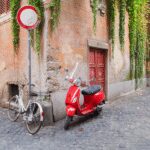
The experience is designed as a stroll, not a bus tour. That’s good for atmosphere, but it also means you’ll want comfortable shoes and a bit of patience with Rome’s pavement. If you’d rather minimize walking, your host can suggest public transport or taxi options.
Also, this is a private activity. Only your group participates, so you’re not squeezed into a large group rhythm. That makes it easier to ask questions about what you’re tasting and how you like to drink.
You can also read our reviews of more food & drink experiences in Rome

How a local host customizes your wine flight
One of the smartest parts of this experience is that it’s not one fixed lineup. After booking, you receive a short questionnaire so the provider can match you with a like-minded local host. Then your host picks each wine stop and each pour based on your tastes and preferences.
In practice, that can mean two great things for you:
- You spend less time tasting wines you don’t care about.
- You get pairing advice that matches your palate, not a generic script.
In the reviews, the guide Massimo came up with extra context and solid added information during a Sunday stroll with Familia. That kind of detail is exactly what helps wine tastings feel like part of Rome instead of a themed lecture.
One consideration: wine is social, and host styles vary. One review noted a guide who was not a drinker himself while leading a wine tour. That’s not automatically a dealbreaker, but it does suggest you may want to bring a curiosity-first attitude and focus on the tasting and pairing lessons.
Three tastings, six wines: what you’re actually eating and drinking
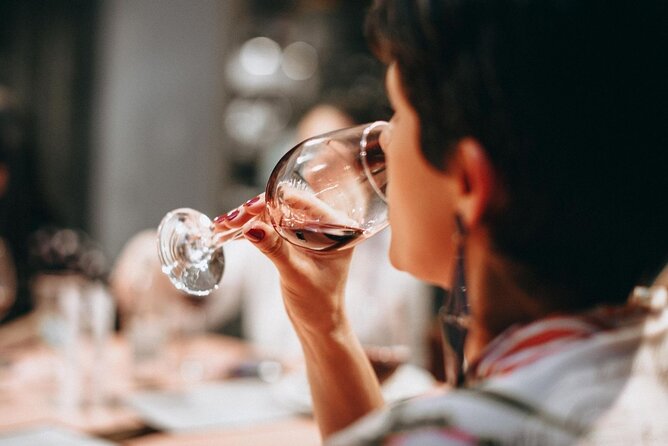
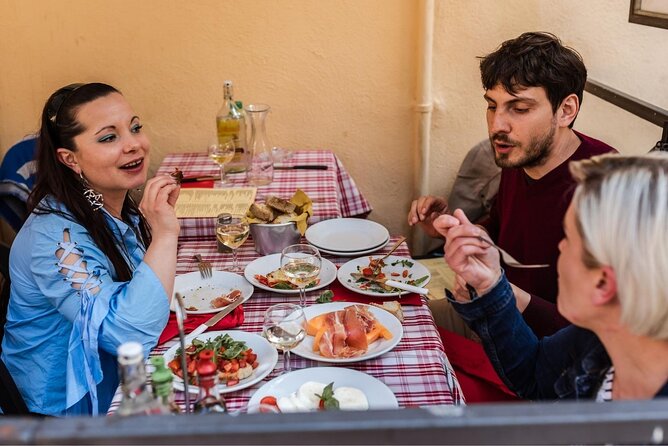
The experience centers on three tastings, but the total comes to six red and white wines. Each tasting pairs wine with local food, such as cheeses, meats, or breads. This matters because you’re tasting in context, not like you’re sampling in a vacuum.
Here’s how that helps you as a traveler:
- You taste how flavor changes when you switch from cheese to bread or from one style of meat to another.
- You learn which pairings work because the host shows the why, not only the what.
- You get a broader feel for the Central Italy wine range without turning the whole tour into a long drinking session.
The host also gives an overview of the history and culture of Italian wine production. You don’t need to be a wine expert for this to click. The point is to build intuition: how grapes, producers, and local traditions influence what ends up in your glass.
A practical tip: pace yourself across the route. With multiple wines, you’ll taste more clearly if you sip, slow down for the food, and ask your host what to pay attention to in each pour.
Where you taste in Rome: underground cellar to terrace bar
The tour uses venue variety as part of the learning. You’re not just moving through streets; you’re tasting in different kinds of wine spaces. Depending on the day and your host’s plan, you may stop at places such as:
- an underground wine cellar
- a classic wine bar
- a food market area
- an al fresco terrace bar
- a specialist shop focused on something like cheese
Why this matters for you: the setting changes the mood and often the way you experience the wine. In a cellar, the air and lighting tend to make the tasting feel more grounded. On a terrace, you’re tasting with Rome outside the window. A food shop or market stop can also make the pairing feel more concrete, since you’re surrounded by ingredients and local habits.
The experience also aims to connect what you see with how wine is made and how it fits into everyday Italian culture. So you’re more likely to remember the lesson when it’s tied to a place.
One heads-up from the general Rome context: due to the Jubilee, some monuments may be under restoration. That can affect sightlines or surroundings during walks. Your host will handle the route reality, but it’s smart to stay flexible if you were hoping for a perfect photo at a specific landmark.
Pairing lessons you can use back home
This tour is fun because it’s about drinking, but it’s more useful because it’s about pairing logic. Your host shares secrets of how food and wine are traditionally paired and why wine is part of the local culture.
If you want to take something home that isn’t just a photo, aim to learn three things while you’re tasting:
- How the host describes flavor (not just “this is good”).
- How pairing changes the experience of acidity, tannins, and fruit notes.
- What the food is doing to the wine, and vice versa.
For example, cheeses can mute or highlight certain flavors depending on their richness and age. Breads and simple pairings can make a wine taste smoother or more rounded. Meat pairings often bring out structure in reds. You don’t have to memorize technical terms. If you pay attention to the taste shifts, you’ll start building your own pairing instincts.
Then when you’re back home, you can use the tour as a checklist when you’re choosing a bottle. If a wine tasted great with a specific style of food in Rome, you can look for similar profiles when you shop later.
You can also read our reviews of more private tours in Rome




Guide personality and the human side of a private tour
A private tour rises or falls on the host. The good news here is that the experience explicitly uses a matching questionnaire to connect you with a like-minded guide. That increases your odds of getting a comfortable conversation and a pairing explanation that fits your level and interest.
In one review, Massimo was praised for being on point and adding extra info during the afternoon. That’s the kind of guiding that turns a tasting into a story.
At the same time, one review flagged something slightly awkward: the guide said he didn’t like to drink wine while on a wine tour. If you’re the kind of person who wants your guide to be visibly in love with wine personally, that could bother you. If you care more about learning and enjoying the food-and-wine pairing process, you may find it easier to separate personal preference from teaching.
Bottom line: bring your questions. In a private setting, you’re not trapped in silence.
Price and value for a 3-hour private wine tasting
The price is $147.67 per person for an experience lasting about 3 hours. That sounds like a splurge, but it’s a private tour with multiple tastings and food pairings, plus time with a local host who customizes the wines to your tastes.
Here’s what you’re paying for, in plain terms:
- A private experience (so you’re not sharing your host’s attention with a big crowd)
- Six wine tastings across three tasting rounds
- Food pairings (cheese, meats, breads)
- A walking-style route built around wine culture and venue variety
- A host who shares production and pairing context
You’ll also see features like mobile tickets and group discounts listed. Even though the tour is private, the booking system may offer price adjustments when more people are added.
One caution on value: don’t treat this like a quick “try a glass” stop. The point is the full tasting and pairing experience. If you’re only in Rome for a half day and want something short and light, this may be more than you need.
Who should book this Rome wine tour
This experience is a great fit if you:
- want a private format that feels like a conversation
- enjoy learning how to pair wine with food, not just tasting
- like the idea of seeing Rome through the lens of local wine culture
- prefer a route with venue variety instead of sitting in one room
It may be less ideal if you:
- hate walking or struggle with uneven pavement
- want only a single quick stop rather than three tasting rounds
- dislike tours where your guide’s personal drinking habits might differ from yours
The good part is that your host can suggest public transport or taxi options if walking is an issue. That flexibility can make the tour workable even if you’re not in “museum marathon” mode.
Should you book this private wine tasting with a local host?
If you want Rome to feel practical and delicious, I’d book it. The biggest strength is that it combines customized tastings with pairing lessons you can actually use later. You’re not just consuming wine; you’re learning how the match works and why Central Italy’s wines show up the way they do.
Book it if:
- you’ll enjoy guided walking through central Rome
- you want six wine tastings with food pairings
- you like the idea of a host choosing pours based on your tastes
Skip it if:
- you’re looking for a very short, low-intensity activity
- you don’t want any walking on cobblestones
- you want a very specific kind of wine focus (the tour is about Central Italy broadly, paired with local foods)
If you go, do one thing that improves the whole experience: slow down. Let the food reset your palate between sips, and ask your host how to recreate the pairing when you’re back home.
FAQ
How long is the wine tasting tour in Rome?
The experience is about 3 hours.
Where does the tour start and end?
It starts at Chiesa di Santa Brigida, Piazza Farnese 96, 00186 Roma RM, Italy, and it ends back at the meeting point.
How many wines and food pairings are included?
You’ll enjoy three tastings, with six wines (red and white) paired with local cheeses, meats, or breads.
Is this tour private or shared with strangers?
This is a private tour/activity, so only your group participates.
How do they choose your local host?
After booking, you’ll receive a short questionnaire about your interests and preferences, and you’ll be matched with a like-minded local host.
What’s the cancellation policy?
You have free cancellation. A full refund is available if you cancel at least 24 hours before the experience’s start time (local time).