REVIEW · ROME
Rome Etruscan Museum of Villa Giulia
Book on Viator →Operated by Weekend in Italy · Bookable on Viator
Rome has a pre-Roman side most miss. The Museo Nazionale Etrusco di Villa Giulia puts you face-to-face with Etruscan art and everyday ideas before Rome swallowed it all, and I love how clearly the museum shows what made this culture tick. I’m also a big fan of the Sarcophagus of the Spouses, because it turns history into something human instead of distant. One thing to keep in mind: the optional audioguide upgrade can be hit-or-miss, so don’t plan your whole visit around perfect audio.
What makes this experience practical is that it’s focused and doable in a short window. You’re looking at about 1 to 3 hours, it’s offered in English, and admission is included, which cuts down on “where do I buy what” stress. If you want to stack sights, I also like that you can roll right into the Villa Borghese gardens afterward, since it’s one of Rome’s top-stop areas nearby.
For the one caution that matters most: use the official tickets provided by the experience. Some people run into trouble when they try to enter with a copy, receipt, or other document instead of the real thing.
In This Review
- Key highlights you’ll care about
- Museo Nazionale Etrusco di Villa Giulia: why it’s worth your time
- Etruscan sculpture in the spotlight: what to look for
- Greek meets Etruria: why the collection feels broader than expected
- How long you should plan: 1 to 3 hours that actually feels right
- Audioguide upgrade: useful if it works, but verify early
- Easy pairing with Villa Borghese gardens after your museum visit
- Price and value: is it worth $25.26?
- Tickets and entry rules: avoid the most common frustration
- Getting there in Rome: near public transit, easy to slot in
- Who this museum visit fits best
- Should you book the Rome Etruscan Museum at Villa Giulia?
- FAQ
- How long is the Rome Etruscan Museum of Villa Giulia experience?
- Is admission included?
- Is the experience offered in English?
- Is a digital audioguide included?
- Are snacks included?
- Do I need private transportation?
- Where is the meeting area in relation to transit?
- When will I receive confirmation after booking?
- Is the booking refundable if plans change?
Key highlights you’ll care about
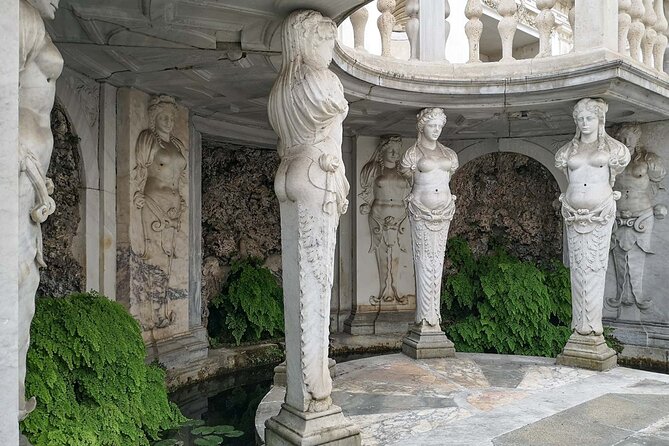
- Sarcophagus of the Spouses: A standout terracotta work that makes Etruscan life feel immediate.
- Museum scale for time-crunched days: You can get a lot done in 1 to 3 hours.
- Etruscan plus top-level Greek pieces: The collection shows cross-cultural overlap, not a sealed-off world.
- English experience: Clear for visitors who want the story without guesswork.
- Optional digital audioguide: Useful if it works, but I’d keep a backup plan.
- Great combo with Villa Borghese: Build a smart afternoon without overthinking transit.
Museo Nazionale Etrusco di Villa Giulia: why it’s worth your time
Most Rome itineraries race straight to the Roman and Renaissance highlights. That’s fun, sure. But the Museo Nazionale Etrusco di Villa Giulia gives you a different angle: Italy before Rome took over. When you step inside, the Etruscan civilization feels like a real competitor world—artful, organized, and connected to bigger Mediterranean currents.
What I like about this museum experience is the way it stays readable. You’re not trying to conquer an entire region of museums. Admission is included, the visit is short-to-moderate, and the focus is the collection itself—Etruscan sculpture and related masterpieces—so you can walk out feeling you actually learned something.
The museum setting also makes the visit easier on your body. If you’ve been walking Rome all morning, you’ll appreciate that this is a contained stop, not a marathon. And because it’s near public transportation, you can slot it into a day that already has other plans.
You can also read our reviews of more museum experiences in Rome



Etruscan sculpture in the spotlight: what to look for
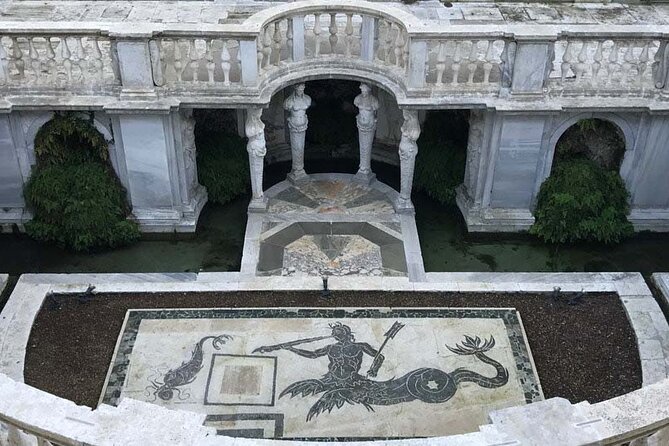
This is the kind of museum where your eyes start wanting details. You’ll see ancient Etruscan sculpture, and that’s where a lot of people get hooked fast. The museum doesn’t treat Etruscan art like a side note. It gives you major works and lets you slow down enough to notice faces, poses, and materials.
Here’s the practical advice: when you reach the terracotta pieces, stand back for a moment and then step in. Terracotta can look “soft” at first, but up close you’ll notice how carefully the forms are made. The whole point of seeing Etruscan sculpture here is that you get a tangible sense of skill and style, not just names in a textbook.
And yes, the big draw is the terracotta Sarcophagus of the Spouses. It’s famous for a reason: the figures don’t look like generic figures from long ago. They look like people with a shared moment, which makes the culture feel less distant. If you’re the type who cares about what people believed about love, status, or daily life, this piece hits hard.
Greek meets Etruria: why the collection feels broader than expected

One surprise here is that the museum collection isn’t only Etruscan. It also includes Greek products of high quality. That matters, because it changes how you think about “before Rome.”
The Etruscans weren’t living on an island. They were part of a wider Mediterranean network where styles, objects, and ideas moved across regions. When you see Etruscan works side-by-side with Greek artifacts, the story becomes less about isolated cultures and more about connections—trade, influence, imitation, and choice.
This is also where a good museum visit becomes something more than pretty displays. You start asking better questions, like: What did the Etruscans adopt? What did they adapt? What did they keep distinctly their own?
If you like that kind of thinking, you’ll enjoy spending real time in the rooms with both Etruscan and Greek objects. Even without a tour guide narrating every minute, the collection layout does some of the teaching for you.
How long you should plan: 1 to 3 hours that actually feels right
This experience is listed for about 1 to 3 hours, and that range makes sense. You can do it fast if you’re prioritizing a few highlights. Or you can stretch it if you like reading details and going slower with sculpture.
My go-to pacing for a museum like this:
- Start with your must-see items, especially the Sarcophagus of the Spouses.
- Then spend time where you can compare styles and materials.
- Don’t try to read every label. Pick themes—figures, funerary art, everyday life signals, and craftsmanship.
If you try to do everything in the minimum time, you’ll still see a lot, but it won’t “stick.” If you go toward the maximum time, you’ll have the chance to connect dots—how Etruscan art expresses identity, status, and beliefs.
Also, keep in mind you’re in Rome. If you’re combining this with other sights, this time window is a gift. It lets you build a day that feels planned, not chaotic.
Audioguide upgrade: useful if it works, but verify early

There’s an optional digital audioguide upgrade, and the idea is simple: you get more context while you move through galleries. If you like structured explanations, it can turn a “nice art stop” into a “now I understand what I’m looking at” stop.
That said, here’s the important consideration based on real-world experience patterns: audio devices don’t always behave as expected. I’d treat the audioguide as a bonus, not the foundation of your visit. If it’s working, great. If it isn’t, you’ll still have the collection itself—Etruscan sculpture, including major terracotta works, doesn’t go away just because the sound has issues.
A smart move before you get too settled: check that the audio is running and that you can follow where you are in the museum. Then keep an eye on battery and headphone comfort, because small annoyances become big frustrations in a museum setting.





Easy pairing with Villa Borghese gardens after your museum visit
One of the best parts of this experience is the suggested follow-on plan: you can visit the Villa Borghese gardens right after. That’s a smart combo because it balances “indoors and focused” with “outdoors and wandering.”
So plan it like this: use the museum time to learn the Etruscan story, then shift gears outdoors. The gardens give you a break for your eyes and legs, and you can enjoy the scenery without feeling like you’re cramming another heavy museum right away.
If your Rome itinerary is already packed with grand Roman sites, this pairing is a nice change of pace. It also helps you keep your day coherent: culture first, then decompress.
Price and value: is it worth $25.26?
At $25.26 per person, you’re paying for an admission ticket plus the experience wrapper. That can be a good deal when you want less friction and a set plan.
But here’s the value question I think you should ask yourself: do you want maximum convenience, or do you want to hunt for the lowest ticket price? A few visitors have been frustrated when they felt the experience price was far higher than what they expected to pay by buying directly at the museum.
So my balanced advice is:
- If you hate ticket logistics, the bundled price can feel worth it.
- If you’re price-sensitive, check the museum’s on-site ticket option before committing.
- Either way, don’t ignore the fine print about what counts as an official ticket for entry.
In short: at this price, it’s reasonable if it saves you time and stress. It’s not a deal if you end up feeling like you overpaid for admission when on-site options might be cheaper.
Tickets and entry rules: avoid the most common frustration
The museum entry issue is the one to take seriously. Access is possible only by showing the official tickets provided by the experience. If you show other documentation—like a copy, a generic payment receipt, or a third-party confirmation—you may be blocked.
This is where I think you should be careful, especially if you’re traveling on a tight schedule. When you get your confirmation, keep it and make sure you have the official ticket format that’s intended for entry. If you’re the type who likes to show screenshots, don’t assume that will work. Plan on having the real ticket details ready to present.
It’s a small thing, but it can ruin your day when you’re already in the neighborhood. Treat tickets as sacred.
Getting there in Rome: near public transit, easy to slot in
This stop is near public transportation, which matters a lot in Rome. The city’s best days are the ones where your route feels simple. You don’t want your museum time eaten by transfers and long walks, especially if you’re going to add Villa Borghese after.
Use the public transit option that drops you closest to Villa Giulia, then plan a direct walk to your next stop. Rome rewards clean routing, and this experience fits that style.
Also, since the visit is designed for most travelers and doesn’t call for anything extreme, you can pair it with normal walking days without it turning into a test of endurance.
Who this museum visit fits best
This is a strong match if you:
- Love history that feels human—faces, objects, and how people portrayed themselves.
- Want a change from the usual Roman-only track in Rome.
- Appreciate museums where you can spend time without feeling trapped for a whole day.
It’s also a good pick if you’re traveling with mixed interests. One part of the appeal is that it’s not just “names and dates.” You’re seeing sculpture you can look at from multiple angles, plus the broader Etruscan context created by the collection.
If you’re the type who likes a quick win, the 1-hour option can work too, as long as you prioritize the star works like the terracotta Sarcophagus of the Spouses and accept that you can’t read everything.
Should you book the Rome Etruscan Museum at Villa Giulia?
Yes—if you want a focused, high-impact Etruscan stop that doesn’t swallow your whole day. The Sarcophagus of the Spouses alone makes this worth it for most people. Add the Etruscan sculptures and the presence of top-level Greek pieces, and you get a museum visit that feels more connected than you’d expect.
Book it if you also like the convenience of having admission handled and you’re comfortable presenting the official tickets for entry. And if you’re considering the digital audioguide, treat it as a bonus. The collection stands on its own.
Don’t book it blindly if you’re trying to squeeze every dollar. At a price like $25.26, I’d compare on-site ticket costs so you feel good about value. Also, double-check that you’ll have the official tickets you’re meant to show—this is where avoidable headaches happen.
If you’re building a Rome day with smart pacing—museum learning now, then Villa Borghese gardens later—this fits cleanly.
FAQ
How long is the Rome Etruscan Museum of Villa Giulia experience?
It’s scheduled for about 1 to 3 hours.
Is admission included?
Yes. The entrance ticket is included.
Is the experience offered in English?
Yes, it’s offered in English.
Is a digital audioguide included?
No. The digital audioguide is an optional upgrade.
Are snacks included?
No. Snacks are not included.
Do I need private transportation?
No. Private transportation is not included.
Where is the meeting area in relation to transit?
It’s near public transportation.
When will I receive confirmation after booking?
Confirmation is received within 48 hours of booking, subject to availability.
Is the booking refundable if plans change?
No. This experience is non-refundable and cannot be changed for any reason.