REVIEW · ROME
Rome: Colosseum Gladiator’s Arena and Roman Forum Tour
Book on GetYourGuide →Operated by Tour in the City - Travel Agency Rome - · Bookable on GetYourGuide
The Colosseum feels different from the arena floor. With direct access through the Gladiators’ Entrance, you don’t just look at the ruins—you step into the space where the games happened. I especially like that this tour also connects the Colosseum to the Roman Forum and Palatine Hill, so you see how power worked in daily Roman life.
You can choose self-audio on your smartphone or a private licensed guide with a headset for clear, easy listening. One real consideration: there’s a moderate amount of walking, and Palatine Hill can be rocky with uneven ground.
In This Review
- Key Things I’d Focus On Before You Go
- Gladiators’ Gate to the Colosseum Arena Floor
- Self-Audio vs Private Guided: Pick the Style That Fits Your Day
- Option 1: Self-audio guided on your smartphone
- Option 2: Private guided tour with a licensed guide
- The Roman Forum: Where the City’s Power Shows Up in Stones
- Palatine Hill: Imperial Palaces and Uneven Ground
- Timing, Crowds, and Why Your Start Time Matters
- Meeting Point and What to Expect on Arrival
- Practical Stuff That Makes the Day Go Smoothly
- Is This Good Value at About $64 Per Person?
- Should You Book This Colosseum + Arena + Forum Experience?
- FAQ
- How long is the Rome Colosseum, Gladiator’s Arena, and Roman Forum tour?
- Do I get access to the Colosseum Arena floor?
- What are the main tour options?
- Which sites are included besides the Colosseum?
- Is there a skip-the-line benefit?
- Are selfie sticks or large bags allowed?
- Is the tour wheelchair accessible?
Key Things I’d Focus On Before You Go
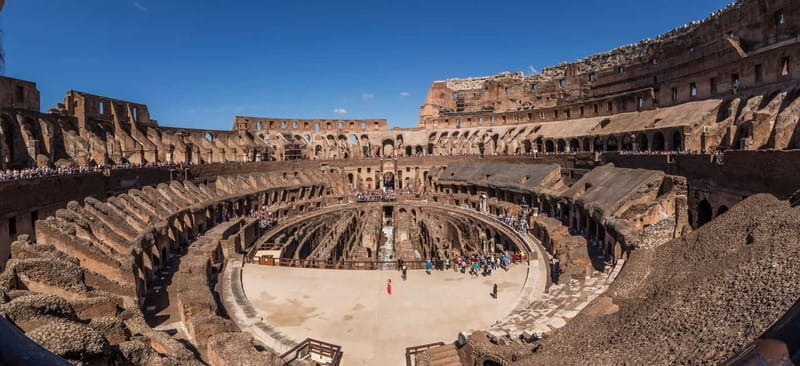
- Arena floor access via the Gladiators’ Entrance makes the Colosseum feel real, not just impressive
- Two formats: self-audio for freedom, or a private licensed guide for a smoother story and Q&A
- You get all three major stops: Colosseum Arena, Roman Forum, and Palatine Hill in one outing
- Shady pacing and smart stops can make a hot visit much easier (guides have handled this well)
- Security and capacity rules can affect timing, especially on busy days
- No wheelchair access, and comfortable shoes matter on hills and stone
Gladiators’ Gate to the Colosseum Arena Floor
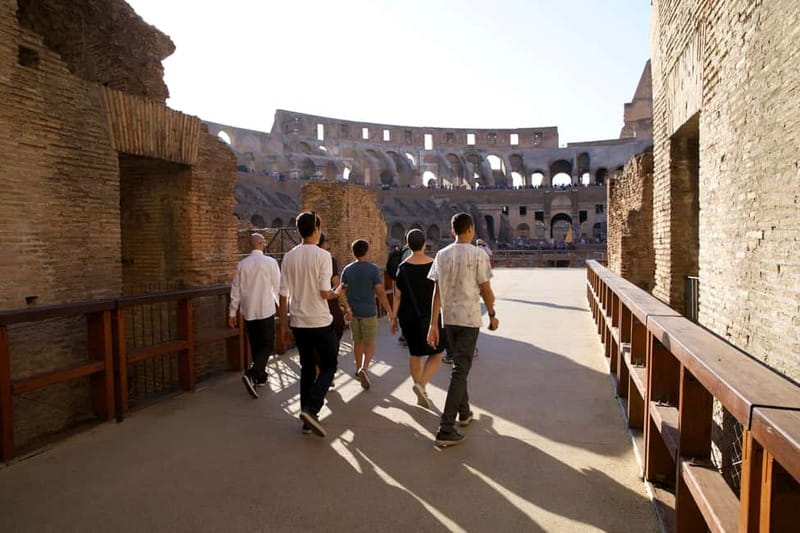
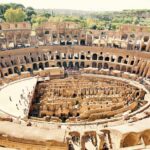
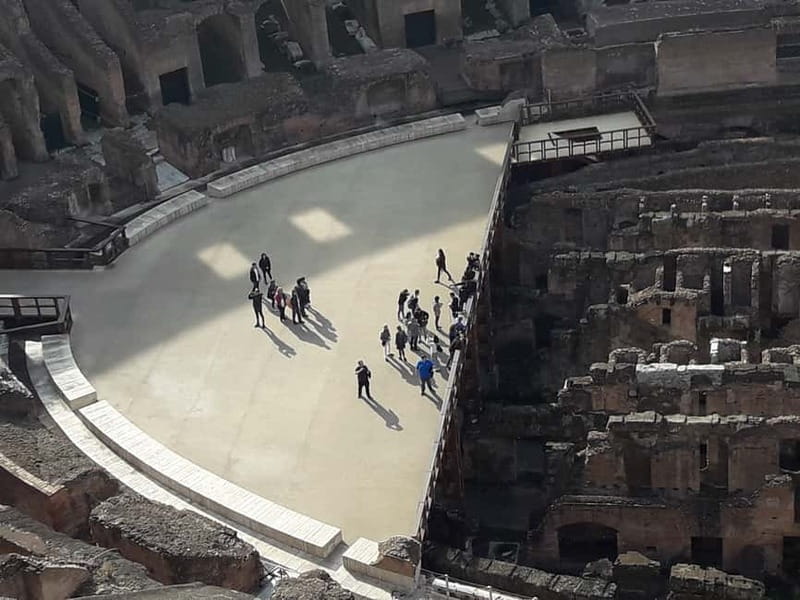
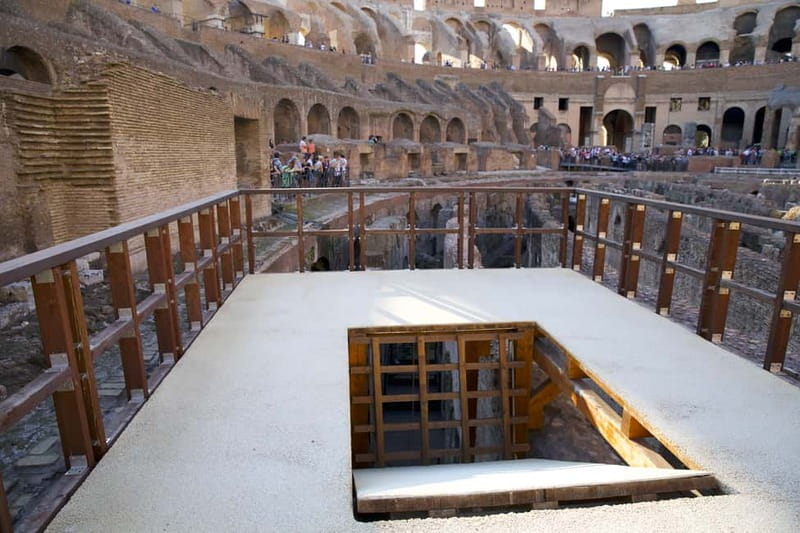
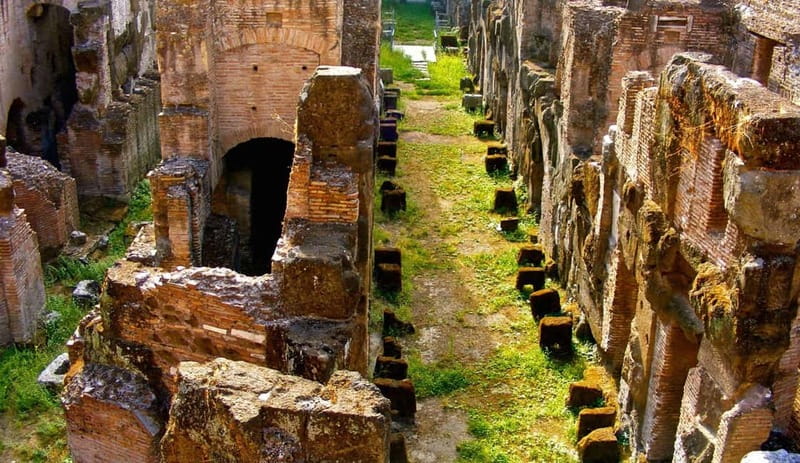
This is the moment most people remember: stepping through the Colosseum complex with arena-level access and standing on the floor where gladiators once faced the crowd. It changes how you understand the building. From street level, the Colosseum reads as big and dramatic. From the arena floor, it becomes functional—vomitoria (entry routes), seating sightlines, and the way the space channels movement.
I also like that the tour is set up so you’re not wasting your time circling around. With direct access and time built around the key spaces, you spend energy on what matters: the arena floor first, then the sites that explain the bigger system behind the spectacle.
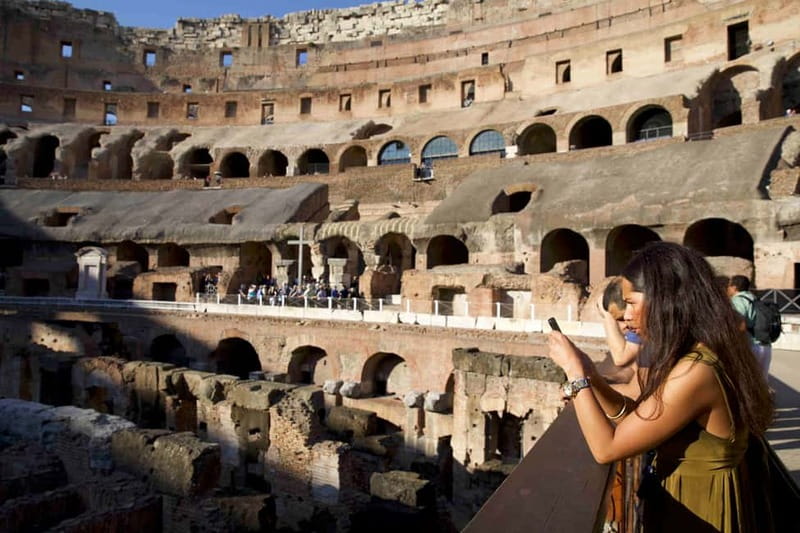
If you’re the type who likes photos, plan to slow down for a few minutes once you’re inside. People tend to rush the first look because it’s so striking. Take a breath, get your bearings fast, then do your photos with more patience. A guide with a headset setup can also help you position yourself without feeling rushed.
You can also read our reviews of more tours and experiences in Rome.



Self-Audio vs Private Guided: Pick the Style That Fits Your Day
One of the smartest things about this experience is the choice. You’re not stuck with one approach.
Option 1: Self-audio guided on your smartphone
If you like to move at your own speed, the self-guided audio version can work well. You get entry to the Colosseum with Arena access, plus coverage of the Roman Forum and Palatine Hill. Commentary is delivered through your phone, so you can pause when something grabs your attention or skip what doesn’t.
This format is especially useful if your group’s pace varies. You can regroup visually and keep moving without waiting for a group-wide pace decision.
Option 2: Private guided tour with a licensed guide
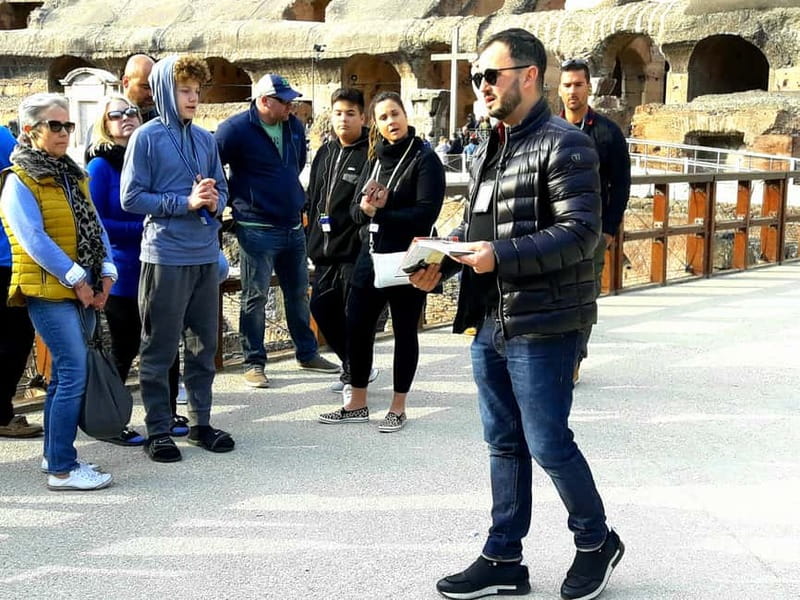
If you want stories tied to what you’re seeing, the private option is the better match. You get a professional licensed guide, available in multiple languages, and a headset system so you’re not straining in crowd noise. That matters a lot here. Stone echoes and packed groups can turn any explanation into a guessing game.
The private guide also gives you flexibility. If you’re more interested in architecture, political life, or gladiator games, you can shape the emphasis. Some guides have a talent for pacing on tough days—one guide was praised for finding shade and water spots while keeping the tour moving.
Language availability is broad, including English, Portuguese, French, Spanish, German, and Italian, plus other options listed for the live guide and optional audio. If your language is important, double-check it during booking.
The Roman Forum: Where the City’s Power Shows Up in Stones
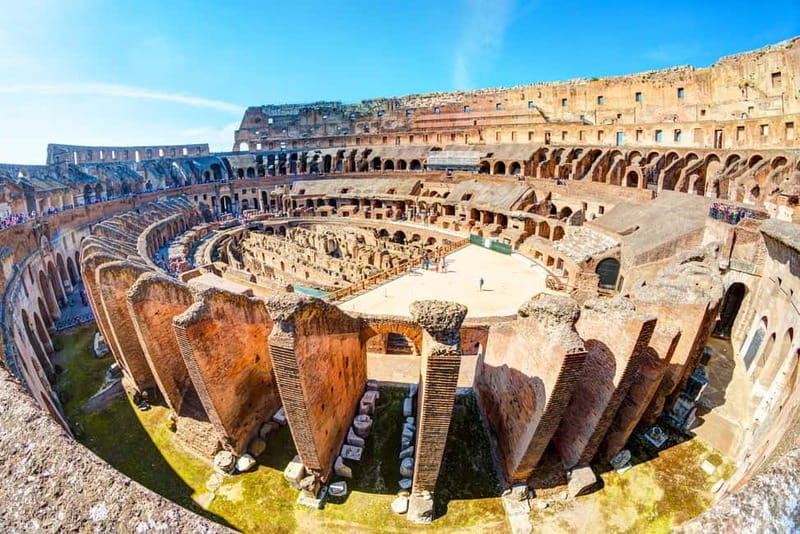
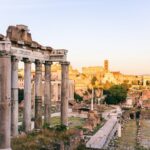
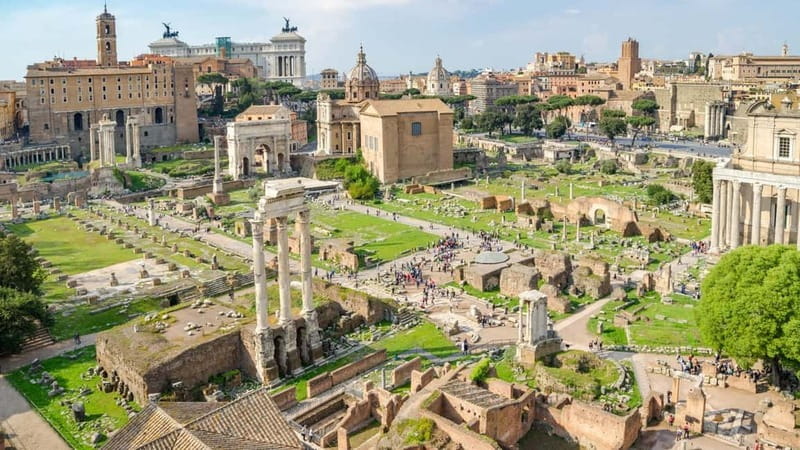
After the arena, you shift from spectacle to government—Roman life in its official gear. The Roman Forum is where you start noticing patterns: where leaders spoke, where crowds gathered, and how Rome shaped public space to project authority.
This stop tends to be a strong payoff if you enjoy context. The Colosseum explains entertainment. The Forum explains why entertainment mattered. It’s the same political world—different stage.
The Forum also tends to feel less chaotic than the Colosseum itself, and that’s a good thing. You’ll often get a more breathable pace to read details and let the atmosphere sink in. If you want to understand the vibe of power in ancient Rome, this is a key bridge.



Palatine Hill: Imperial Palaces and Uneven Ground
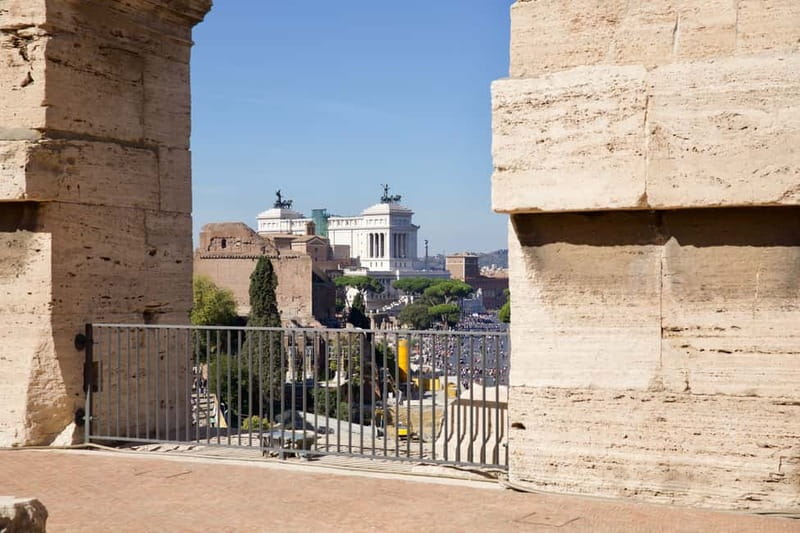
If the Forum is where Rome organized itself, Palatine Hill is where it lived large. The imperial palaces aren’t intact like a museum display, but the scale and placement make the story click. You get the sense of how rulers wanted their homes to look out over the city.
One caution: Palatine Hill can be rocky, and you’ll want to watch your footing. Comfortable shoes are not a suggestion here. If you’re traveling in sandals, switch before you arrive.
This is also a good stop for a slower pace. Even with a guide, you’ll likely pause for views and to orient yourself on what you’re looking at. If you’re the kind of person who likes to linger, Palatine Hill is often where you feel you could spend extra time.
Timing, Crowds, and Why Your Start Time Matters
This is a 2.5 to 3 hour experience, and it’s best understood as a concentrated hit of the biggest sites. You’re moving between three major areas, plus the Colosseum Arena floor. That’s a lot for one session, so you’ll feel the pace—especially at midday.
The good news: you’re designed to avoid the long line to buy tickets. The better news: you get to use the experience time for the places you came for.
The tricky part is that the Colosseum is still subject to capacity regulations and security, which can delay tour departures. On national holidays and event-heavy days, that can affect how the day feels. If you’ve got tight plans after, don’t schedule something demanding right on the back end.
Also note the rule about late arrivals: if you miss the meeting time, you may not be able to join or reschedule without paying again. So build in a little buffer, even if you’re sure you know the route.
Meeting Point and What to Expect on Arrival
Your starting point can vary by the option booked. One listed start is Via Labicana, 96, near Piazza di San Clemente, with a short walk on foot afterward. The tour ends back near Piazza di San Clemente.
Because the order of sites can vary, expect the flow to be flexible. That’s normal with crowded historical sites. What matters is that you still cover the same core locations: Colosseum Arena, Palatine Hill, and the Roman Forum.
When you arrive, plan for security checks and crowd movement. Even with direct access, you’ll still be sharing space with other visitors during peak hours.
Practical Stuff That Makes the Day Go Smoothly
A few details matter more than you think on this specific route:
- Bring ID (passport or ID card). Entry processes often require it.
- Wear comfortable shoes. Hills and uneven surfaces show up, especially around Palatine Hill.
- Keep luggage small. There’s no cloakroom, and large bags/backpacks/suitcases aren’t permitted.
- Skip selfie sticks inside the Colosseum. Security rules apply.
- Pets aren’t allowed. If traveling with animals, you’ll need alternate plans.
- Hydrate. Even when water isn’t easy, it’s a long walk day. Some guides have been praised for pointing out water fountains and pacing with shade.
One small theme from guide feedback: the best tours feel planned, not rushed. Several guides were praised for clarity and for keeping the group on track during chaos inside the Colosseum. That’s a big deal. Here, organization is part of the quality.
Is This Good Value at About $64 Per Person?
At around $64 per person, you’re paying for two things that can be hard to DIY smoothly: Arena floor access and a structured way to cover the Colosseum plus both Forum and Palatine Hill in one session.
If you pick the private guided format, the value is stronger because it includes a licensed guide and headset system, which helps you actually hear the story while moving through crowded spaces. The headset system isn’t just a convenience. It changes how much you absorb when you’re surrounded by noise and stone surfaces.
If you go self-audio, you still get the core value drivers: entry with Arena access and coverage of all three major sites. This can be a good deal if you’re comfortable reading the room, navigating crowd flow, and letting the audio do the heavy lifting.
The tradeoff is time pressure. Because the visit is limited to roughly 2.5 to 3 hours, you won’t have unlimited wandering time in the Forum or Palatine Hill. If you love museums and hate being on a schedule, you might find yourself wishing for more minutes at one specific stop.
Should You Book This Colosseum + Arena + Forum Experience?
Book it if you want the Colosseum’s arena experience plus the Forum and Palatine Hill without turning the day into a patchwork of tickets and lines. The Arena floor access is the headline, and the Forum/Palatine pairing makes the visit make more sense.
Skip it (or plan differently) if walking over rocky, uneven ground will be a problem for you, since this tour is not wheelchair accessible. Also think twice if you rely on being flexible with late starts—missing the meeting time can mean you won’t be able to join or reschedule without paying again.
FAQ
How long is the Rome Colosseum, Gladiator’s Arena, and Roman Forum tour?
The tour lasts about 2.5 to 3 hours, depending on available start times.
Do I get access to the Colosseum Arena floor?
Yes. This experience includes exclusive access to the Colosseum Arena floor, accessed through the Gladiators’ Entrance.
What are the main tour options?
You can choose a self-audio guided tour using your smartphone, or a private guided tour with a licensed guide in multiple languages.
Which sites are included besides the Colosseum?
The experience includes the Colosseum, plus the Roman Forum and Palatine Hill.
Is there a skip-the-line benefit?
The tour includes direct access and no need to wait in line to buy tickets, though security and capacity regulations may still affect tour departure timing.
Are selfie sticks or large bags allowed?
Selfie sticks are not allowed inside the Colosseum. Large bags, backpacks, and suitcases are also not permitted, and there is no cloakroom.
Is the tour wheelchair accessible?
No. This tour is not wheelchair accessible.