REVIEW · ROME
Rome: Colosseum, Roman Forum, and Palatine Hill Experience
Book on GetYourGuide →Operated by Find Rome Tours · Bookable on GetYourGuide
The Colosseum is the main event, but the views win too. This ticket bundles priority access to three top ruins—Colosseum, Roman Forum, and Palatine Hill—plus an electronic guidebook that helps you read what you’re looking at. I like that it keeps things efficient without turning it into a sprint.
Two things I really like: you get priority access (so you spend less time at the ticket line), and you can climb Palatine Hill for wide city views, including the Circus Maximus direction. For the Roman Forum, you’re walking the political and commercial heart of ancient Rome—temples, basilicas, and the spaces where emperors and senators showed power.
One drawback to plan around: it’s not built for everyone. It’s not suitable for mobility impairments or wheelchair users, and the entry still involves security checks even though you skip the ticket line.
In This Review
- Key things to know before you go
- Ticket value: priority access plus a guide you can actually use
- Where to meet: Colosseo metro, upper level, Find Rome Tours staff
- Entering the Colosseum: what priority access really changes
- Colosseum highlights: structure, scale, and photo angles without the confusion
- Roman Forum walk: the political and commercial heart you can actually read
- Palatine Hill climb: views of Rome and the legend of its origins
- Digital or printed guidebook: helpful context, and a small tech caveat
- What to bring and what to leave behind (so you don’t get turned around)
- Timing and pace: fitting three major sites into 75–80 minutes
- Who this tour is best for (and who should look elsewhere)
- Should you book: the honest verdict
- FAQ
- How long does the Colosseum, Roman Forum, and Palatine Hill experience last?
- Is this entry ticket guided or self-guided?
- What does the priority access include?
- Do you skip security control?
- Where do I meet the staff?
- What’s included with the ticket besides entry?
- How much is the ticket, and what does it cover?
- What should I bring?
- Are flash photos allowed?
- Is it suitable for wheelchair users or people with mobility impairments?
Key things to know before you go
- Priority entry saves time at the ticket line, but security control isn’t skipped
- Colosseum + Roman Forum + Palatine Hill in one tight 75–80 minute visit
- Digital or printed guidebook helps you understand ruins beyond the photos
- Palatine Hill panoramas are a major payoff for the climb
- Some audio kits can be hit or miss, so test your device early
- Flash photography isn’t allowed, and you’ll want comfortable shoes fast
Ticket value: priority access plus a guide you can actually use
For about $20.50 per person, you’re buying a very practical combo: entry to the Colosseum, access to the Roman Forum, and time on Palatine Hill, with a guidebook component included. There’s a clear pricing logic here too: the basic Colosseum admission is €18 for adults, while the rest covers the electronic information booklet and booking and advertising fees.
What that means for you: you’re not just paying to stand in an ancient queue. You’re paying to move through the experience with context. The Roman Forum and Palatine Hill are where many people feel lost—this kind of guide helps you connect the stones to the stories, especially around emperors, senators, and citizens.
Just keep expectations aligned with the format. This experience is designed to be 75–80 minutes, so it’s not meant for a slow, unhurried wander with zero time pressure.
You can also read our reviews of more tours and experiences in Rome.



Where to meet: Colosseo metro, upper level, Find Rome Tours staff
Meeting point details are unusually specific here, and that’s a good thing in Rome. You start on the upper level of the Colosseo metro station, near the M metro symbol and the SOS sign, close to Caffe Roma. Look for the Find Rome Tours staff.
Why this matters: Rome is full of look-alike tours and tents. If you show up early and find the right staff line at the right landmark, check-in becomes painless instead of stressful.
The good news: the activity ends back at the same meeting point, so you’re not stuck figuring out where to exit once you’re done.
Entering the Colosseum: what priority access really changes
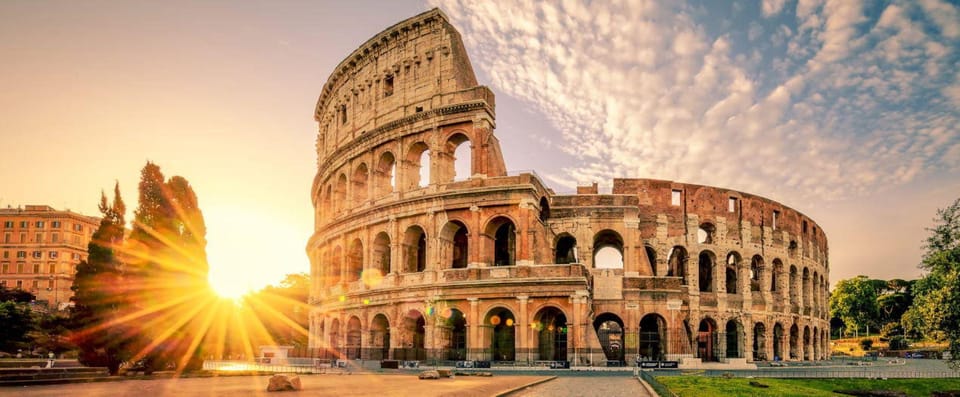
The headline promise is priority access to the Colosseum, and that’s your main time saver. In practice, it means you should avoid the worst of the ticket-line crush and get pointed toward the right entrance flow.
Still, don’t treat this like a magical skip-everything pass. The experience includes skip-the-ticket-line behavior, but security control is not skipped. Bring your passport or ID card (a copy is accepted) and expect standard checks.
Also, the Colosseum is huge and crowded. Even with priority access, you can run into normal bottlenecks inside the site—especially near the most popular viewpoints and photo moments. One helpful tip: if you’re in a guided option, listen for exactly where your group is heading next, and stay close. A couple of people ran into time issues at the end when the group moved on quickly.
Colosseum highlights: structure, scale, and photo angles without the confusion
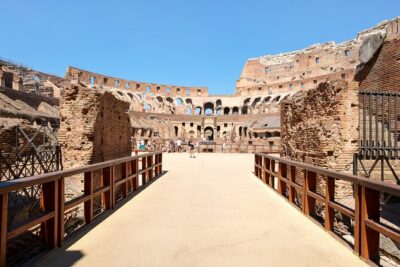
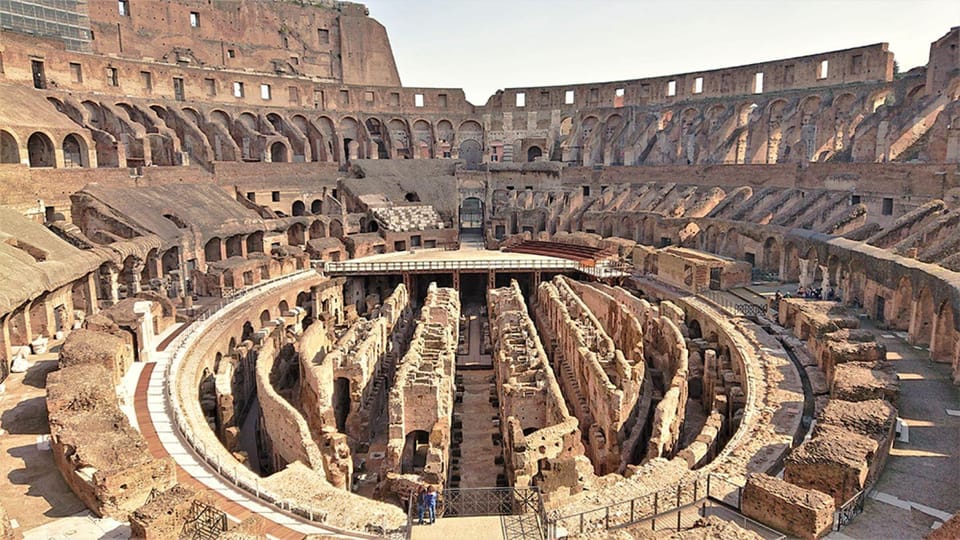
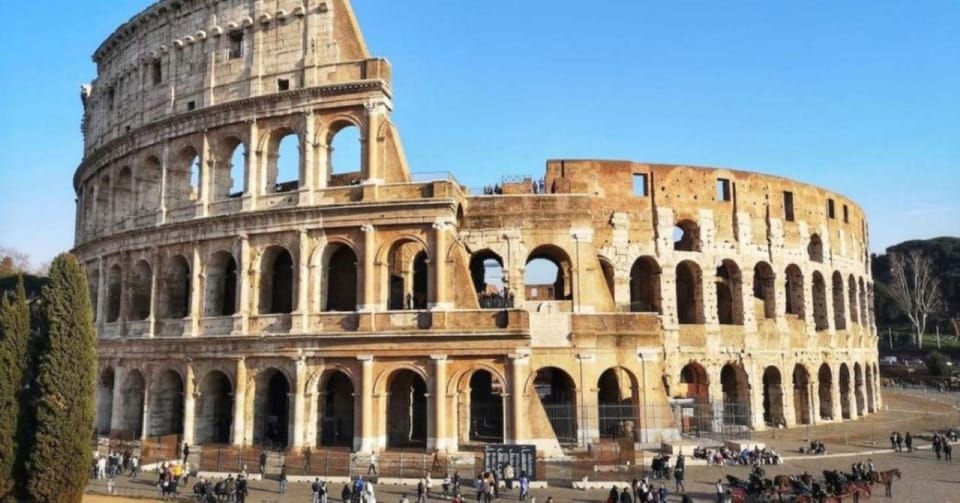
Inside the Colosseum area, the experience is aimed at the big emotional beats: the arena setting and the scale of the structure. The Colosseum is the kind of place where you immediately understand why it was built, but the guidebook helps you connect that feeling to facts—who used the space and why.
If you’re using a guide, you’ll typically get clear direction for the most meaningful spots and some photo-friendly areas. Some guides were specifically praised for pacing and for taking time for pictures without making people feel rushed—names like Sandro, Nefertiti, and Giovanna show up in feedback for exactly that kind of human touch.
One practical note: sections of the Colosseum can be closed on the day. If you hit closures, don’t panic—this ticket still aims to cover the major areas, but your exact walk may vary.
And if you were hoping for access to extra areas like the arena floor: this option doesn’t say that’s included, so plan around the standard visit flow.
Roman Forum walk: the political and commercial heart you can actually read
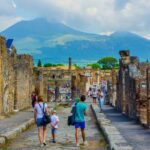
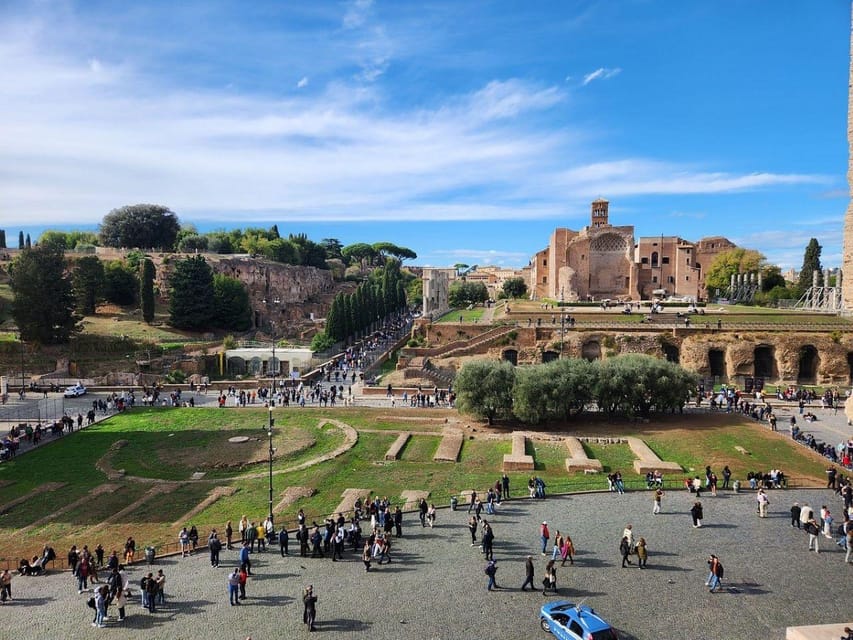
After the Colosseum, the experience turns into a guided understanding session—because the Roman Forum is where you need translation. You’re walking through ruins of temples and basilicas, the political and commercial hub of ancient Rome.
This is also where the guidebook style really helps. Without context, the Forum can look like scattered stone. With the electronic or printed guide, you can start linking places to roles: emperors making moves, senators shaping policy, and everyday citizens operating inside a powerful civic system.
There’s another value here: the Forum often lets you feel the city’s layers. You’re moving through spaces that were once high-traffic centers, not just standing in one landmark. The downside is time. With a 75–80 minute overall window, you’ll want to keep your pace steady so you don’t spend your whole Forum time staring at one corner.






Palatine Hill climb: views of Rome and the legend of its origins
Palatine Hill is the payoff stop for a lot of people. You climb it for panoramic views over Rome and toward the Circus Maximus, and you also get a sense of the legendary birthplace theme.
The experience description also points to imperial spaces—sprawling palaces and gardens—and that’s the right way to think about Palatine Hill: it’s not just a lookout, it’s a window into elite luxury and power.
What to expect practically: it’s a climb, and it can feel warm on sunnier days. Bring comfortable shoes and plan for uneven ground. If you’re deciding between a quick photo stop and a real look, Palatine Hill rewards the second option, especially for the wide views.
Digital or printed guidebook: helpful context, and a small tech caveat
This ticket includes an electronic guidebook (or printed guidebook, depending on what you receive). That matters because the Colosseum and Forum are not self-explanatory if you want the deeper meaning behind what you see.
I’ll also flag a tech reality: some feedback mentioned the audio kit can be hit or miss, with devices that didn’t work or had crackling. If you get an audio setup, do a quick test right away. If it fails, be ready to switch to the guidebook text and still enjoy the visit.
If you’re the type who likes to move at your own speed, this format can be a decent match. It’s not designed as a slow museum lesson, but the guide gives you enough structure to keep the experience from feeling random.
What to bring and what to leave behind (so you don’t get turned around)
You’ll have a smoother visit if you pack smart. Bring:
- Comfortable shoes
- Hat and sunscreen
- Water
- Passport or ID card (copy accepted)
Don’t bring:
- Luggage or large bags
- Backpacks
- Flash photography (not allowed)
This is one of those Rome realities where “I’ll just bring a small backpack” can turn into “why are we holding up the line?” Keep it light, and you’ll feel the difference at security.
Also, check the weather forecast. Sun and heat can hit hard, especially if you’re climbing Palatine Hill. If it’s hot, water and a hat become more than comfort—they’re survival gear.
Timing and pace: fitting three major sites into 75–80 minutes
The duration is listed as 75–80 minutes, with starting times depending on availability. That means the experience is structured, even if the walk feels flexible.
Some people reported that their day’s flow shifted slightly—like enjoying parts of the Roman Forum before heading to the Colosseum when timing changed. That’s a normal possibility when schedules run and entrances manage crowds, so don’t assume the stops always follow one single rigid order.
Best practical move: if you’re with a guide, ask early what the closing time reality is. A couple of feedback notes mentioned guides disappearing or not clearly setting expectations at the end, which is frustrating when you want those last seconds to count.
Who this tour is best for (and who should look elsewhere)
This experience is a strong match if you want:
- A fast, high-impact Colosseum day without planning three separate entries
- Context for the Roman Forum and Palatine Hill, not just sightseeing
- A setup that can work with private or small groups (when available)
It’s not a good fit if you:
- Need wheelchair access or mobility support, since it’s marked not suitable for wheelchairs or mobility impairments
- Expect lots of time for a super slow, deep, sit-down approach (the window is short)
If you’re traveling with kids, a few guides were praised for making the experience fun for younger visitors—so it can work well for families who want a structured highlight route.
Should you book: the honest verdict
I’d book this if your priorities are priority entry, a one-ticket solution for three sites, and a guidebook that helps you understand what you’re seeing. For the money, the value is strongest when you want context and less time waiting at the most painful line.
I’d think twice if you hate tech uncertainty or you’re picky about audio. The audio guide can be uneven, so have a backup plan: rely on the printed/electronic guide text when needed. And if you’re sensitive to crowds, remember the Colosseum is always crowded—priority helps, but it doesn’t make it quiet.
If you want a short Rome win that hits the biggest ruins with direction, this is a solid choice.
FAQ
How long does the Colosseum, Roman Forum, and Palatine Hill experience last?
It’s listed as 75 to 80 minutes, depending on the starting time you select.
Is this entry ticket guided or self-guided?
A guided tour may be available depending on the option you choose. If you don’t select guided, a self-guided option is available.
What does the priority access include?
You get priority access to the Colosseum and access to the Roman Forum and Palatine Hill. The ticket line is skipped.
Do you skip security control?
No. The experience includes skip-the-ticket-line entry, but skip the Security Control is not included.
Where do I meet the staff?
Meet at the upper level of the Colosseo metro station, near the M symbol and the SOS sign, close to Caffe Roma, and look for Find Rome Tours staff.
What’s included with the ticket besides entry?
You get an electronic (or printed) guidebook along with access to the sites.
How much is the ticket, and what does it cover?
The price is listed as $20.50 per person. For adults, the Colosseum admission is €18, and the rest covers the guidebook information booklet and booking-related fees.
What should I bring?
Bring comfortable shoes, a hat, sunscreen, and water. Also have passport or ID card (a copy is accepted).
Are flash photos allowed?
No. Flash photography is not permitted.
Is it suitable for wheelchair users or people with mobility impairments?
No. It’s marked not suitable for wheelchair users and people with mobility impairments.