REVIEW · ROME
Rome: Colosseum Guided Tour with Entry Tickets
Book on GetYourGuide →Operated by Rutas Romanas · Bookable on GetYourGuide
The Colosseum is loud, even in silence. This guided experience is interesting because it’s built for time-crunched visits: you get special entry tickets to cut ticket-office lines, plus headsets so you can hear every detail while the site stays crowded. It’s the kind of tour that helps you read the monument instead of just walking past it.
I especially like the way the guide connects big moments to specific spots, from the arena viewpoints to where the emperor’s box was located. Guides named in recent tours—like Henry, Alessandra, Agostino, Rita, and Alessia—are repeatedly described as story-forward and engaging, which matters when you only have an hour.
The main drawback is simple: one hour is tight. You’ll still deal with security, and on busy days there can be an unavoidable delay; add rain and some Forum/Palatine areas might be harder to access.
In This Review
- Key highlights at a glance
- The Real Value of a $65 Colosseum Tour (and What You’re Paying For)
- Meeting at Via del Colosseo 41: Getting Started Without Stress
- Special Entry, Security Checks, and Why Your Timing Can Still Shift
- Entering the Colosseum: Corridors, Architecture, and the Seating Logic
- The First-Floor Learning Area and the Arena Overlook
- Ending at the Emperor’s Box: A Strong Finish With Context
- How Palatine Hill and the Roman Forum Fit Into This 1-Hour Plan
- Comfort Tips That Make a Big Difference on Colosseum Days
- Who This Colosseum Tour Is For (and Who It Might Not Be)
- Should You Book This Colosseum Guided Tour?
- FAQ
- How long is the Rome Colosseum guided tour?
- Where do I meet the tour guide?
- What’s included in the ticket price?
- Which languages are available for the live guide?
- Do I need to bring anything with me?
- Is the tour affected by rain or bad weather?
Key highlights at a glance
- Skip-the-line style entry helps you avoid the worst ticket-office queues
- Headsets included so you can hear clearly in a noisy, crowded amphitheater
- Architectural specifics: capacity, build details, and how the system served spectators
- Social class layout explained so the seating doesn’t feel random
- Emperor’s box ending point gives you a strong final anchor to remember
The Real Value of a $65 Colosseum Tour (and What You’re Paying For)
At $65 per person for about 1 hour, this isn’t a bargain tour, but it is a practical one. You’re paying for three things that add up fast at the Colosseum: guided context, access to multiple major sites, and a smoother entry flow than the typical do-it-yourself scramble.
First, the tour includes entrance to the Colosseum plus the Roman Forum and Palatine Hill. If you’re only in Rome for a short stretch, that bundle is a big part of the value. Second, you get a professional guide and headsets—which is more important than it sounds, because this area is loud and groups spread out quickly.
Third, the “special entry tickets” angle is about reducing wasted time at the ticket office. When you’re visiting one of the world’s most visited monuments, time saved at entry is time you can actually spend learning the layout and taking a few good photos.
You can also read our reviews of more tours and experiences in Rome

Meeting at Via del Colosseo 41: Getting Started Without Stress
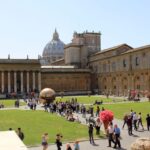
Your meeting point is Via del Colosseo 41, above Colosseum Metro Station, in front of Caffe Roma. The staff will be holding a “Rutas Romanas” sign—this is one of those details that can save you from circling the area with everyone else.
Because the Colosseum area is dense, I’d treat this like a “show up early” kind of plan. Aim to arrive a bit before the time on your ticket so you can find the correct staff member quickly, even if the block is busy or your route runs late.
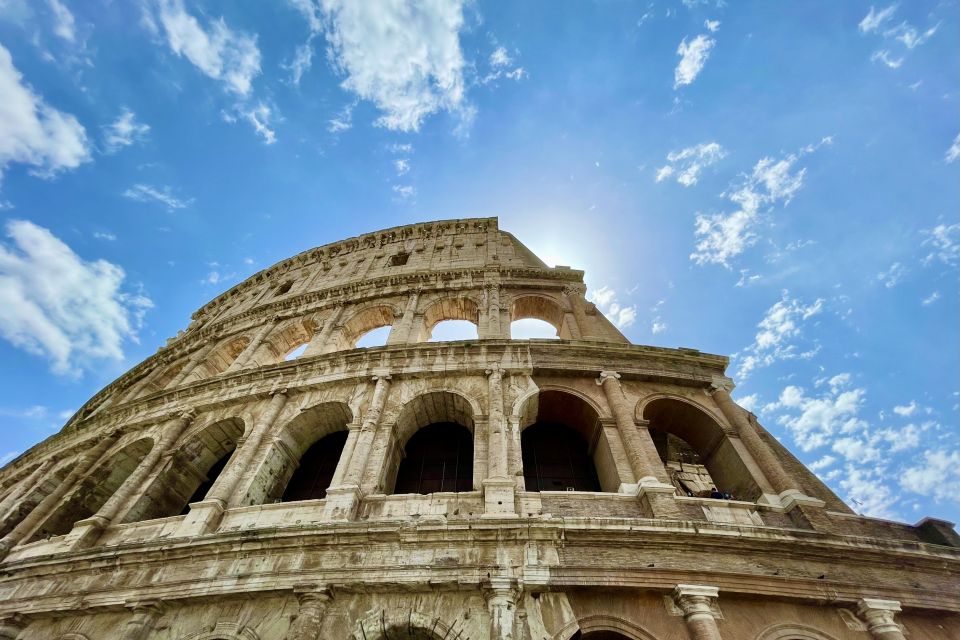
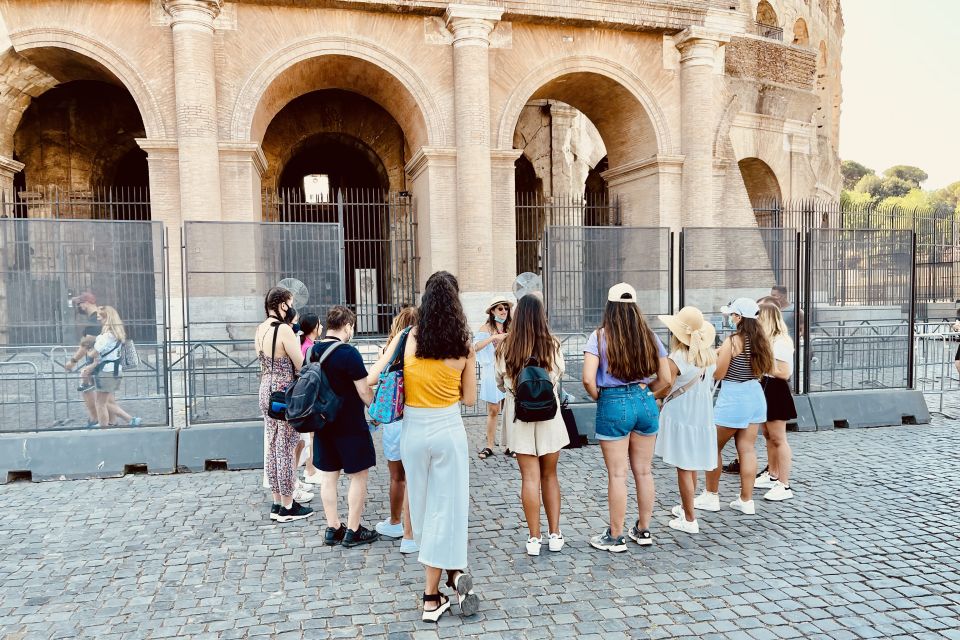
Once you’re matched with the right group, the tour starts from the outside—so you get oriented right away with the imposing façade before going inside. That orientation is useful because once you’re in, it’s easy to lose the “big picture” if you haven’t already seen the whole structure.
Special Entry, Security Checks, and Why Your Timing Can Still Shift
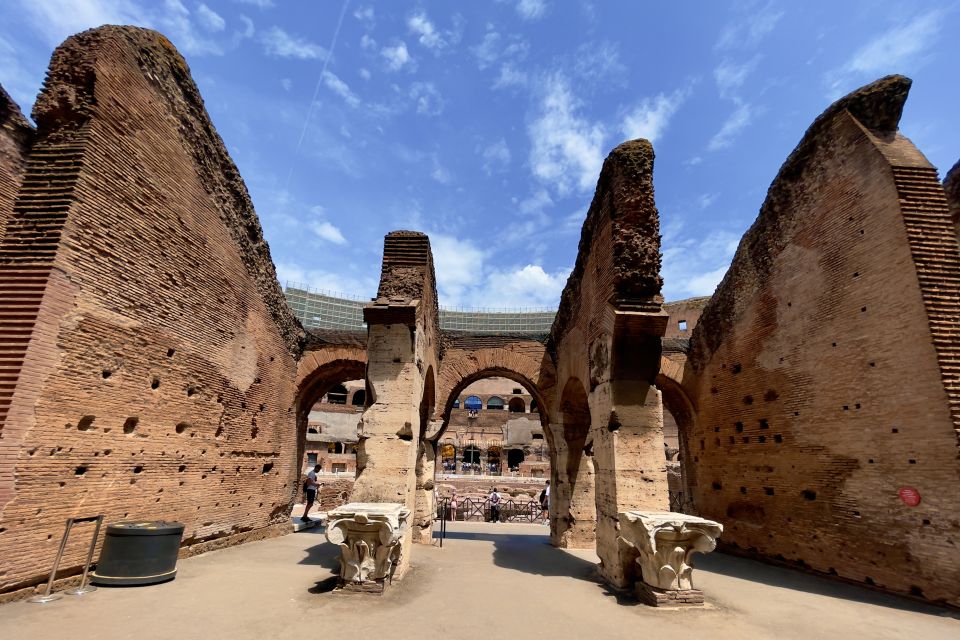
This tour is designed to help you avoid long queues at the ticket office with special entry tickets. That’s the part you can control: fewer minutes in line, more minutes seeing what matters.
But you should also know the honest reality: all visitors must pass through a security check. On busy days, there might be a queue, and that queue is described as unavoidable and outside the tour operator’s control. Translation: the tour time might be delayed slightly.
So plan smart. If you have dinner reservations right after, give yourself a cushion. One of the practical lessons from similar timed tours here is that the official start time can be earlier or later depending on security flow, and the one-hour duration doesn’t always mean exactly 60 minutes on the clock.
Entering the Colosseum: Corridors, Architecture, and the Seating Logic
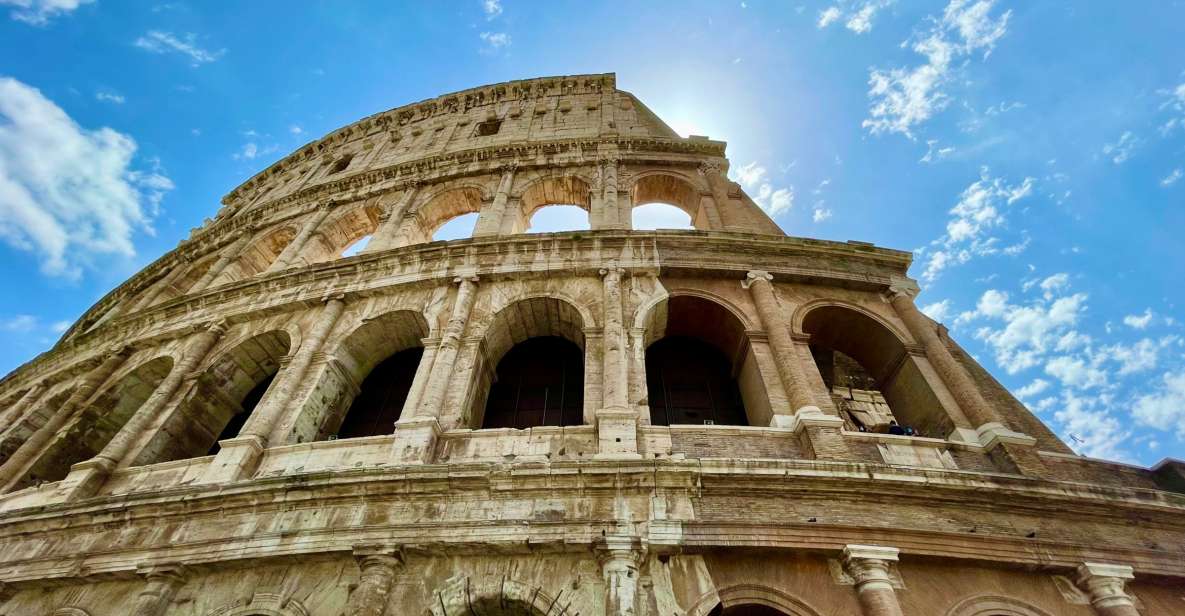
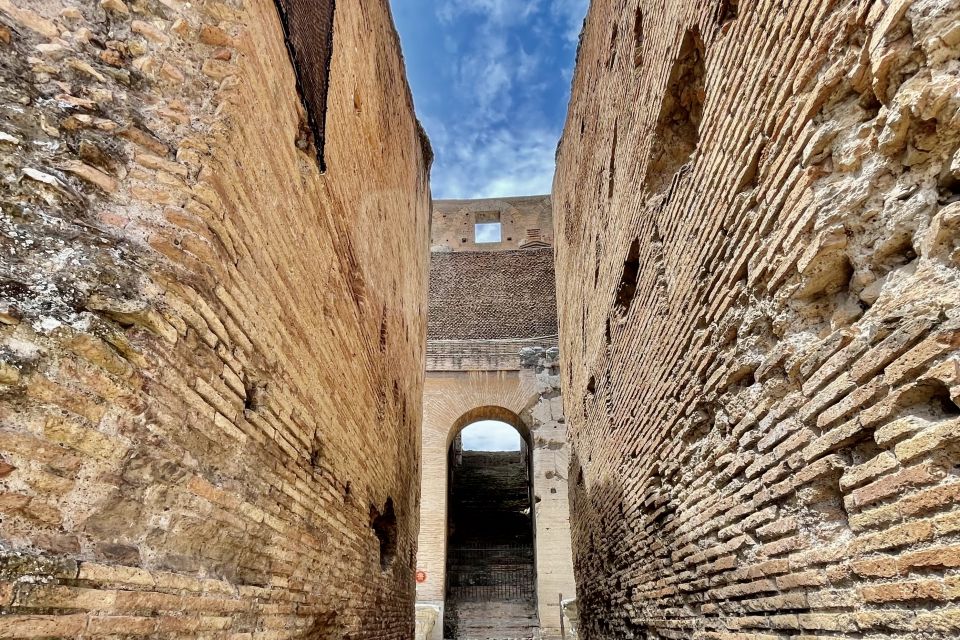
The core Colosseum part starts outside, then moves inside so you can walk the corridors visited in ancient times by millions. This isn’t just a walk-through; it’s the kind of tour where the guide points out architectural details and explains how the building was constructed and operated.
Here’s what you’ll get that’s hard to DIY:
- How the Colosseum’s capacity worked
- The complex system of services created to accommodate large crowds
- How spectators were divided by social class
Those last two points are key. Without context, it’s easy to look at seating and think it’s just a pretty amphitheater. With the tour’s explanations, the layout starts to make sense: you can connect where people sat to the idea of status and visibility in Roman public life.
You also spend time on the first floor and in corridors that were designed for learning—useful if you want quick, clear explanations rather than wandering through stone that’s too big to “read” on your own.
The First-Floor Learning Area and the Arena Overlook
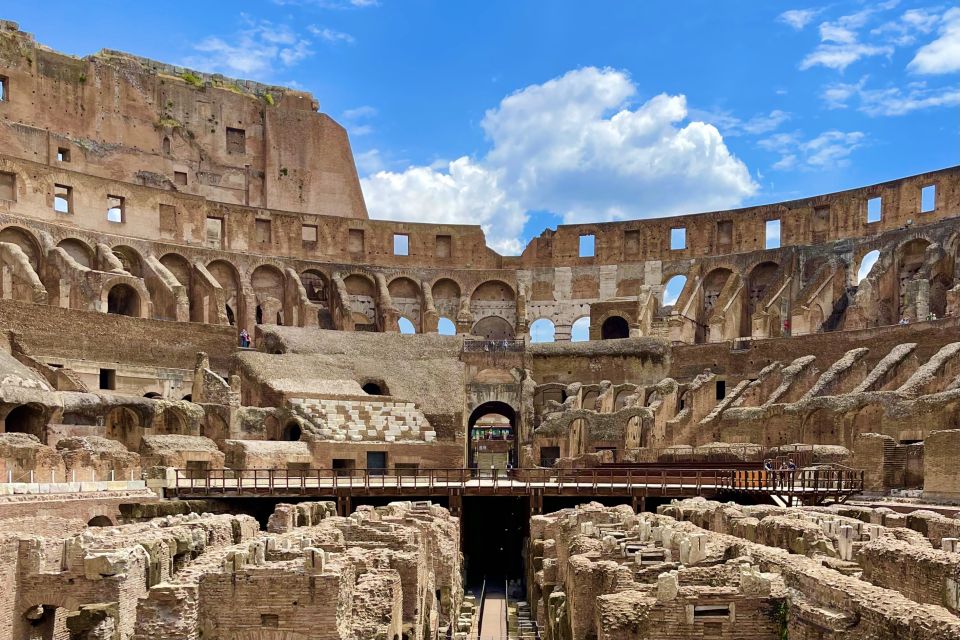
On this tour you don’t stop at the most dramatic photo spots only. You also go to the first floor and walk along a corridor described as an educational section with explanatory panels and reconstructive models.
This matters because models and panels help bridge a gap that frustrates a lot of self-guided visitors. The Colosseum is partially ruined, so the “what was here?” question is constant. The tour’s built-in explanation turns that uncertainty into understanding—especially if you’re not a Rome-ruins expert.
Next comes a view of the reconstructed portion of the arena from above. Even if you’re not sure what you’re looking at at first, the height and viewpoint usually make the “shape” of the space click. You’ll also hear about the types of events that took place there, so the building stops being only an old structure and becomes a stage with purpose.
You can also read our reviews of more guided tours in Rome






Ending at the Emperor’s Box: A Strong Finish With Context
The tour ends at the place where the emperor’s box was located, described as the spot that housed his family and guests of honor. Ending here is a smart move, because it gives you a final reference point.
When you finish with the emperor’s perspective, you naturally understand why the Roman world cared about visibility—who could watch, who could be seen, and who held power in the crowd. It’s one of the moments that turns the whole visit into a coherent story rather than separate stops.
How Palatine Hill and the Roman Forum Fit Into This 1-Hour Plan
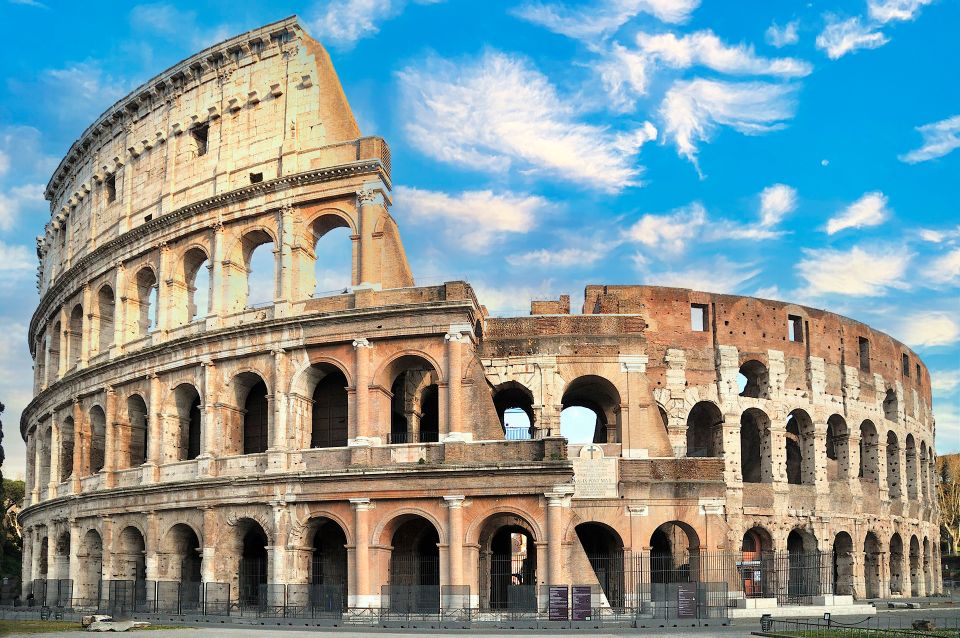
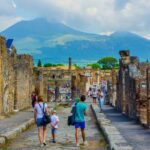
This experience includes access to Palatine Hill and the Roman Forum, but the exact order can vary. Sometimes the tour starts in the Colosseum and ends at Palatine Hill and the Forum. Other times, it starts in the Forum/Palatine area and ends inside the Colosseum.
Either way, the value of this “quick-hit” approach is orientation. In a short Rome window, you’re not trying to master every ruin. You’re learning the main connections—where political power and daily life intersected, and how the amphitheater sat within that world.
Weather can affect what you can reach. The tour runs rain or shine, but some areas of the Roman Forum and Palatine Hill might not be accessible in bad weather. If you’re visiting on a stormy day, keep your expectations flexible and treat the tour as a guided introduction, not a guarantee of every single corner.
Comfort Tips That Make a Big Difference on Colosseum Days
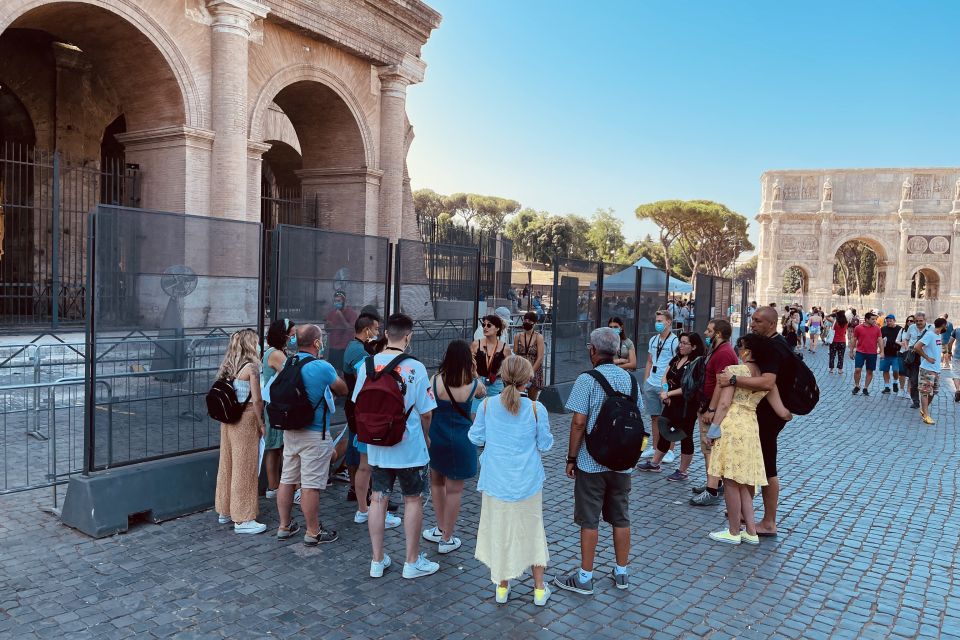
This is an outdoor-heavy visit with crowds, steps, and security lines, so pack for walking and standing. The tour asks you to bring:
- Passport or ID card
- Comfortable shoes
And leave the big stuff behind. The site rules listed here include no luggage or large bags, no weapons or sharp objects, no alcohol or drugs, no sprays or aerosols, no glass objects, and no pets. If you want this day to feel easy, travel light enough that security doesn’t turn into a struggle.
Also, bring your own water planning. One pattern that shows up in guidance here is staying cool in heat. Even if you find water fountains around the area, you don’t want to rely on luck—especially in hotter months.
Finally, know your rhythm. The tour is only one hour, so don’t plan to wander deeply afterward expecting time to stretch. It’s best used as your “setup visit,” then you can choose where to go next based on what you found most interesting during the guide-led stops.
Who This Colosseum Tour Is For (and Who It Might Not Be)
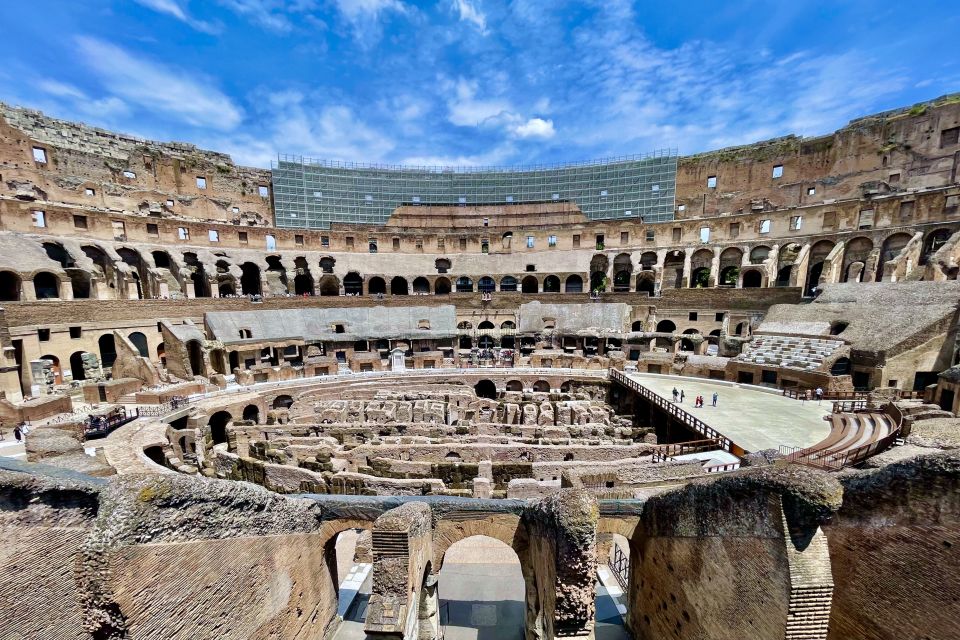
This tour fits well if you:
- Want a guided orientation without spending half your day on logistics
- Like the monument-to-meaning connection (architecture, seating logic, and the emperor’s viewpoint)
- Appreciate headsets and a guide who keeps the group together and moving
It can also work for mixed groups. People have reported it’s handled well for children and for older adults, with guides described as patient and group-aware.
But it’s not for everyone. It’s listed as not suitable for people with mobility impairments and wheelchair users. If you need step-free routes, this one is likely to be frustrating.
Also, if your ideal visit is slow, quiet, and unstructured—this timed, guided format might feel a bit pressurized. You’ll get the highlights and key context, but you won’t be allowed the luxury of lingering everywhere.
Should You Book This Colosseum Guided Tour?
Yes, book it if your priority is getting the story straight fast. Paying for a guide plus special entry is often the difference between walking through ruins and actually understanding what you’re looking at—especially when you also gain access to the Roman Forum and Palatine Hill.
I’d skip (or at least reconsider) if you’re expecting wheelchair-friendly routes, if you hate timed experiences, or if your schedule is extremely tight with no room for security delays. And if you’re visiting during weather that shuts areas down, treat the visit as flexible.
If you want the best odds of a smooth day: arrive early at Via del Colosseo 41, bring your ID, wear good shoes, and go in ready to learn the Colosseum as a system, not just a landmark.
FAQ
How long is the Rome Colosseum guided tour?
The tour lasts about 1 hour.
Where do I meet the tour guide?
Meet at Via del Colosseo 41, above Colosseum Metro Station, in front of Caffe Roma. Staff will be holding a “Rutas Romanas” sign.
What’s included in the ticket price?
Entrance is included for the Colosseum, Roman Forum, and Palatine Hill, plus a professional tour guide and headsets.
Which languages are available for the live guide?
The guide is offered in Spanish, French, and English.
Do I need to bring anything with me?
Bring a passport or ID card and wear comfortable shoes.
Is the tour affected by rain or bad weather?
The tour runs rain or shine, but some areas of the Roman Forum and Palatine Hill might not be accessible during bad weather conditions.