REVIEW · ROME
Rome: Jewish Ghetto and Trastevere Tour
Book on GetYourGuide →Operated by City Stories Tours · Bookable on GetYourGuide
Two Roman neighborhoods tell one complicated story. This 2.5-hour Jewish Ghetto and Trastevere tour threads the past to the present, using guided stops that connect the Tiber area, key piazzas, and the winding back streets of Trastevere.
I love two things right away: the way the route is built around specific landmarks, and the way the guide turns them into scenes you can picture. We start near Santa Rita da Cascia in Campitelli, then hit major sites like the Theatre of Marcellus and Portico d’Ottavia before you even reach the Ghetto. And guides such as Alethea, Guido, Ben, and Ariel are repeatedly praised for clear, fluent English plus humor that keeps heavy history from feeling like a lecture.
One possible drawback: you’ll see the synagogue from the outside (no interior visit), and food/drink isn’t included. There is an optional stop at a gelateria/cafe, but you’ll want to plan on sightseeing without a full meal baked in.
In This Review
- Key things I’d bank on before you go
- Why the Ghetto-to-Trastevere connection is the whole point
- Meeting at Santa Rita da Cascia: where to start without stress
- Theatre of Marcellus and Portico d’Ottavia: the prelude to the Ghetto
- The Jewish Ghetto walk: streets with real emotional weight
- Piazza Mattei: a useful pause and a good orientation point
- Tiber Island: a 15-minute lesson in why Rome kept returning here
- Trastevere: alley time, church stops, and a different kind of Rome
- Piazza Trilussa finish: where to go after the stroll
- Price and value: what $35 buys you in Rome time
- Practical tips so the walk stays enjoyable
- Who should book this Rome tour, and who might want a different one
- Should you book the Jewish Ghetto and Trastevere Stroll?
- FAQ
- How long is the Rome Jewish Ghetto and Trastevere tour?
- Where do I meet the tour?
- Is the synagogue included?
- Is food or drink included?
- What language is the tour in?
- Does the tour run in bad weather?
Key things I’d bank on before you go
- Expert storytelling that links neighborhoods instead of treating them like separate stops
- A logical walking flow from classic ruins to the Ghetto, then across the Tiber to Trastevere
- Tiber Island context for a small place that mattered a lot to Roman life
- Piazza Mattei and major piazzas that help you orient in the middle of the maze
- Trastevere churches and alleyways that show a different side of Rome after the Ghetto’s weight
Why the Ghetto-to-Trastevere connection is the whole point
Rome is full of “see this, then see that” tours. This one aims for something smarter: it shows how two areas that feel different on the map are connected by how Rome worked, changed, and remembered.
In the Jewish Ghetto, you’re dealing with centuries of community life under pressure—resilience, restrictions, survival, and the painful turns of history. Then, in Trastevere, you move into a neighborhood that feels more “local Rome”: narrow lanes, older churches, and that slower, human-scale pace that’s hard to find in the biggest tourist corridors. Put together, the route makes you notice how Rome doesn’t erase. It rearranges. It layers.
If you like history that you can actually walk through, this is a strong match. And because the tour is story-driven, you’re not just collecting facts—you’re learning how to read streets.
You can also read our reviews of more tours and experiences in Rome.



Meeting at Santa Rita da Cascia: where to start without stress
You meet outside Santa Rita da Cascia in Campitelli, in Via Montanara, right next to the Antico Caffè del Teatro Marcello. Your guide will be holding a sign that says Jewish Ghetto & Trastevere Stroll, and you’ll want to arrive about 10 minutes early so the whole group can start on time.
This matters more than you’d think. The area around the start point is busy, and it’s easy to lose the exact corner. If you’re the type who hates last-minute wandering, show up early and take 2 minutes to confirm you’re in the right spot.
A practical note: bring comfortable shoes. This is a walk with cobblestones and uneven paving in older neighborhoods. Even when the pace is relaxed, your feet will do the work.
Theatre of Marcellus and Portico d’Ottavia: the prelude to the Ghetto
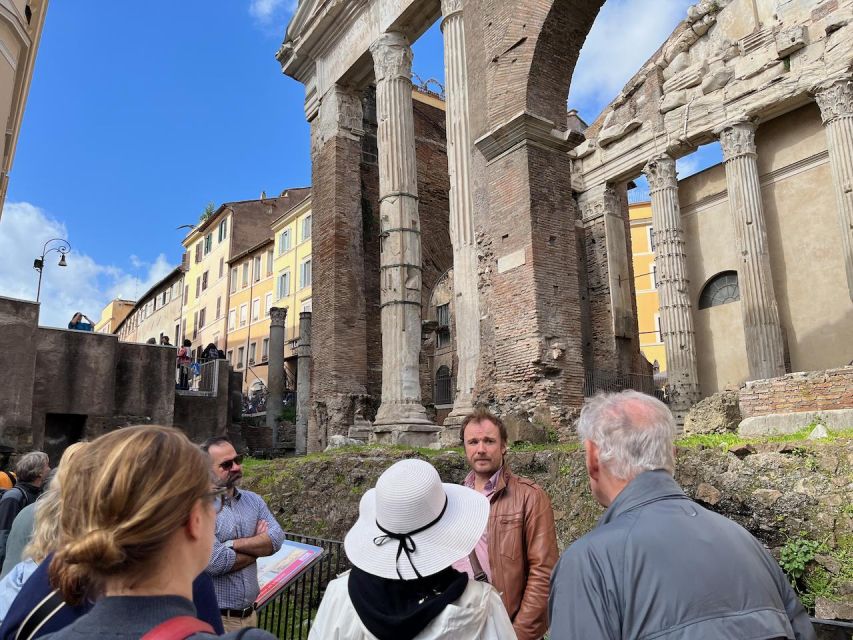
Before you even step into the Jewish Ghetto, the tour gives you a foundation. The route includes a guided stop at the Theatre of Marcellus (about 10 minutes) and then Portico d’Ottavia (about 5 minutes).
Why these stops help: they ground you in Rome as a city of planned spaces—where politics, architecture, and daily movement all intersected. It’s not just sightseeing ruins. It’s getting your bearings in a city where the past keeps shaping the present.
Also, this early portion sets the tone for how the guide teaches. You’ll notice the storytelling style right away: the guide doesn’t just point at stone. They explain why that location mattered, and how that meaning connects forward to the neighborhoods you’ll walk next.
The Jewish Ghetto walk: streets with real emotional weight
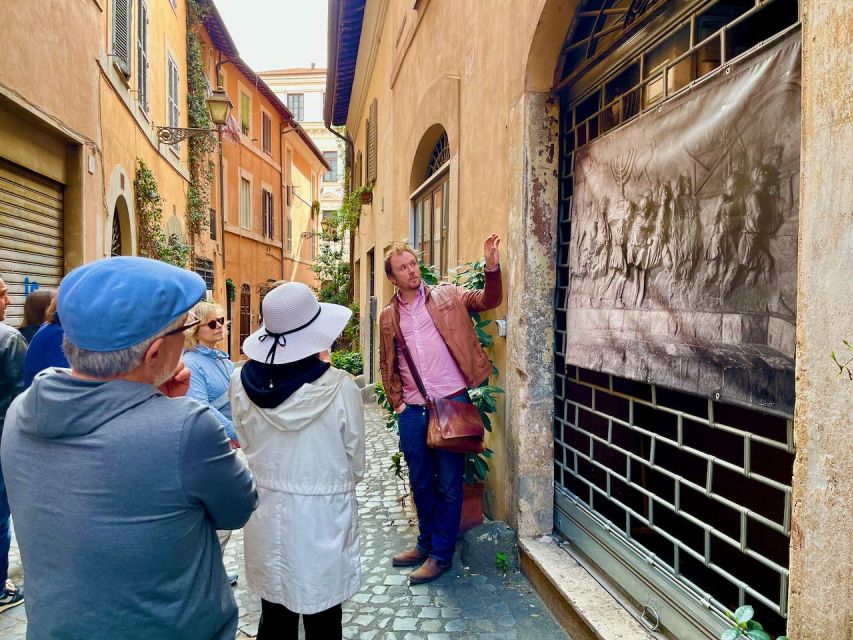
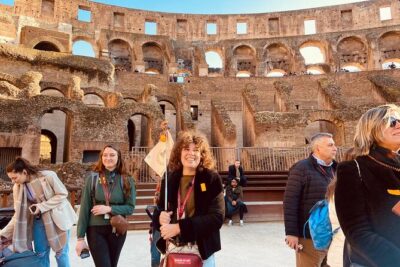
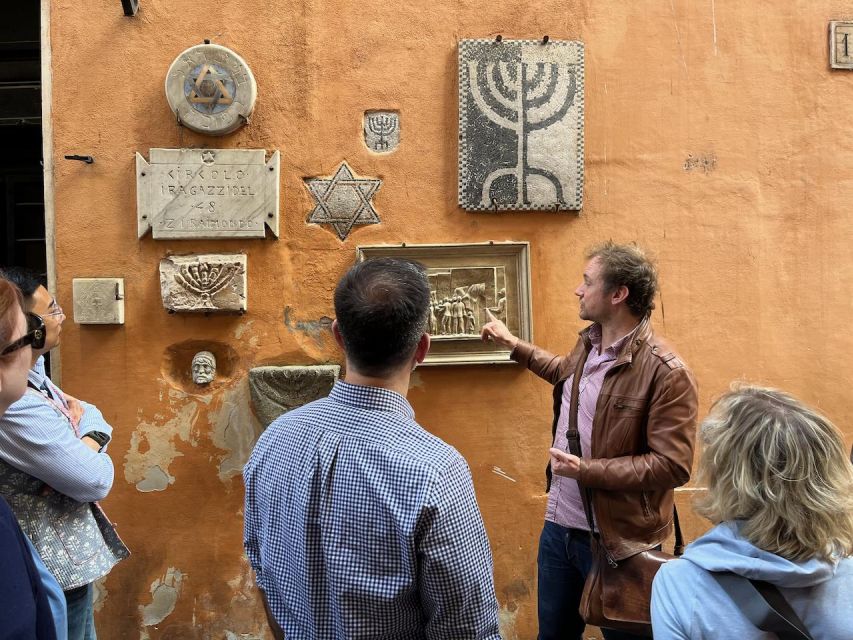
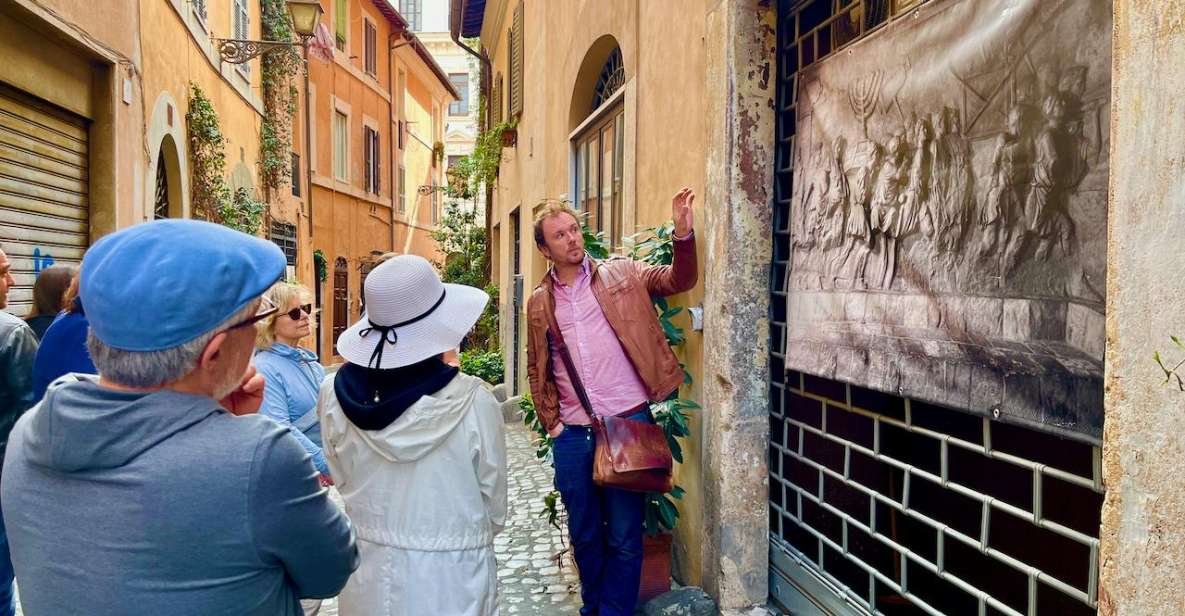
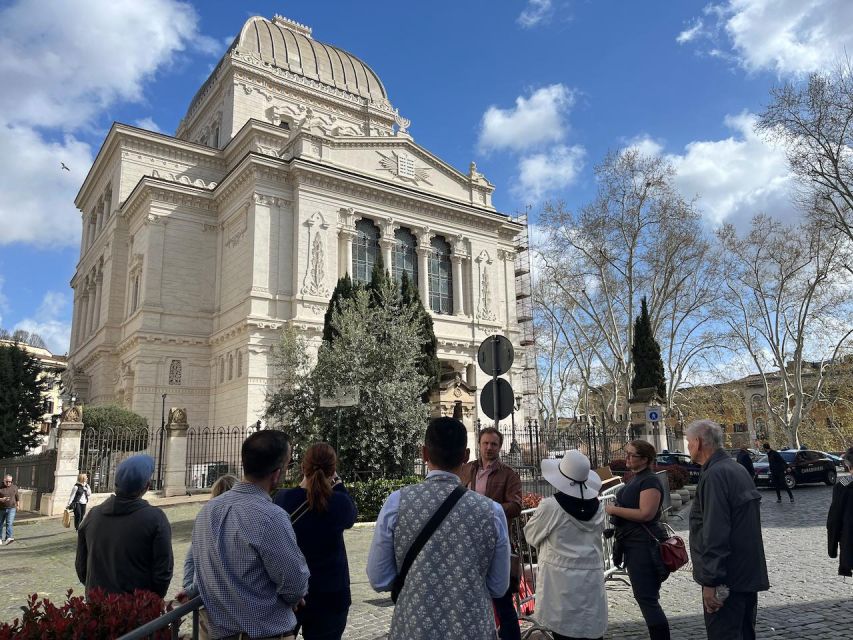
This is the heart of the tour. You spend multiple guided segments in the Jewish Ghetto, with stops that total around an hour (30 minutes plus 20 minutes, separated by later sights).
Here’s what I like about this structure: it mirrors how you experience a neighborhood. You start learning the basics, then you break out to a key piazza and return again with a different frame of mind. That second pass helps you connect details instead of treating each corner like a standalone stop.
What you can expect on the ground:
- Winding, cobblestone streets where history feels close under your feet
- A focus on community resilience and the ups and downs over centuries
- Stories that include both tragedy and human hope, not just monuments
A key detail to know ahead of time: the synagogue is seen from the outside. That can disappoint if you expected an inside visit, but it also keeps the tour moving through the neighborhood and lets the guide focus on street-level context. If you want interior access, you’ll need a separate ticket or a different kind of visit.
Piazza Mattei: a useful pause and a good orientation point
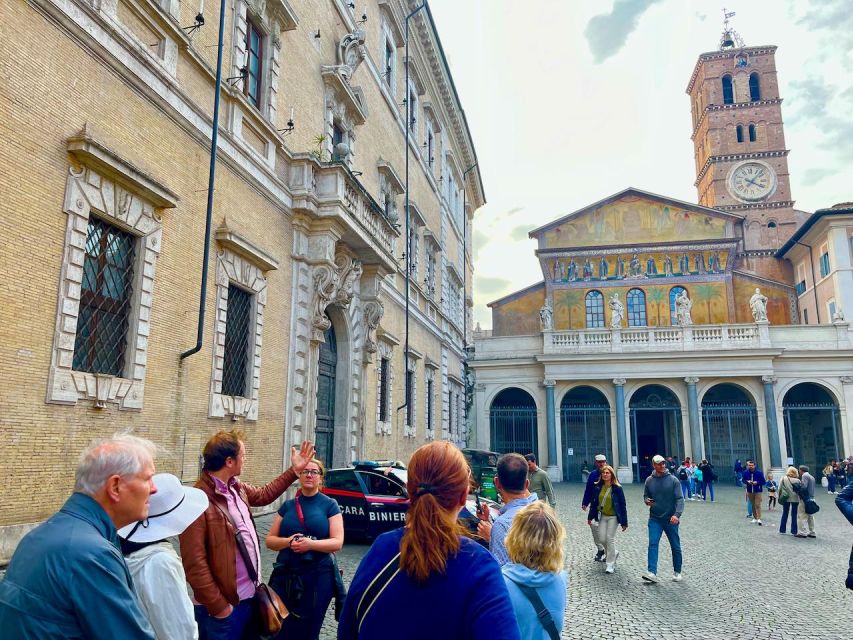
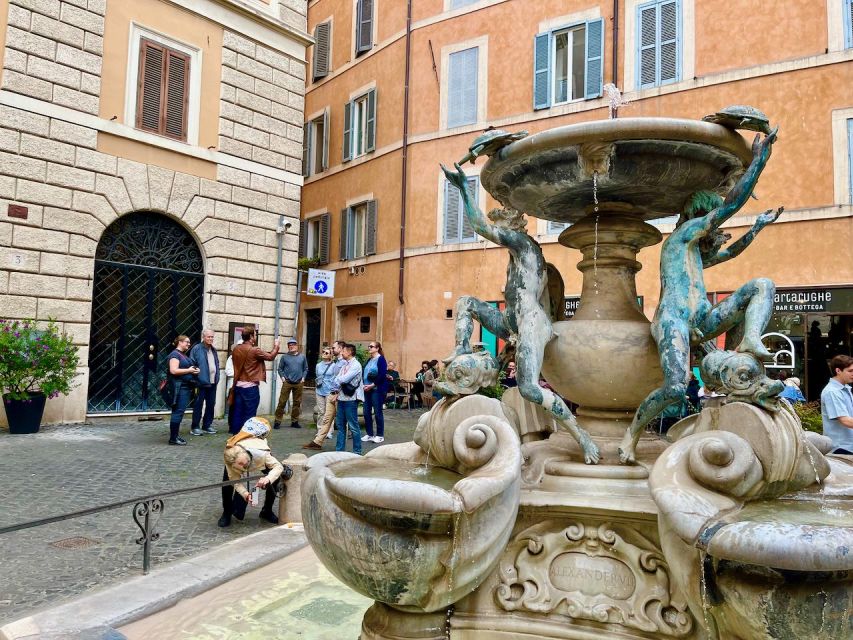
Between the two Ghetto segments, you’ll spend time at Piazza Mattei (about 10 minutes). I’m glad this stop exists because it functions as a mental reset. You’ve been walking through tight streets; a piazza gives you room to breathe and re-orient.
This kind of “pause stop” is also where guides often connect themes. You’ll likely hear the story deepen—how public spaces, institutions, and everyday life all fit together in the neighborhood.
If you’re prone to zoning out during long explanations, piazzas help. You can look around, follow the guide’s pointing directions, and then settle back in when the walk resumes.



Tiber Island: a 15-minute lesson in why Rome kept returning here
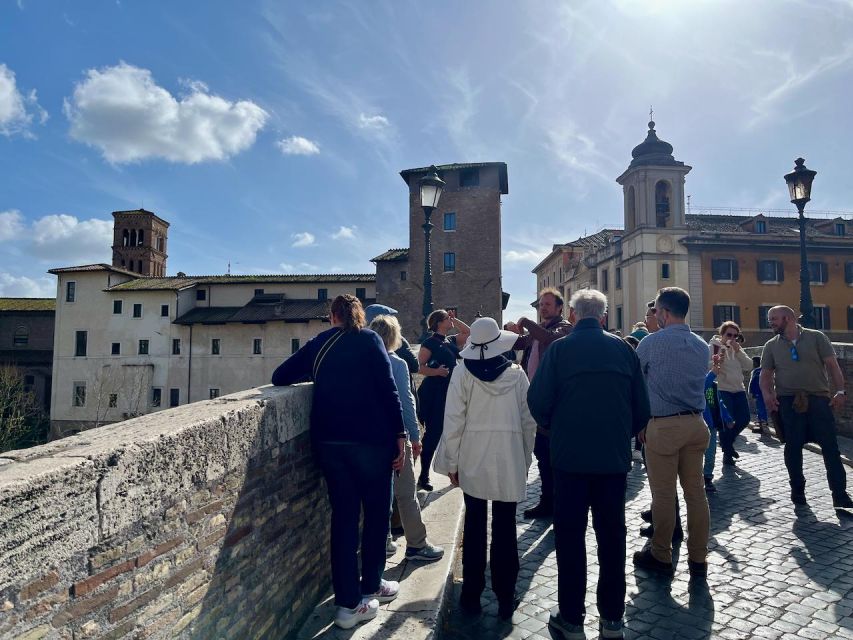
Next comes the Tiber Island (about 15 minutes guided), plus a 10-minute break. The island is small, but Rome loved small places with big meaning, and that’s what you’ll feel here.
Why it’s worth the detour: you get a clearer sense of how the river shaped movement, boundaries, and symbolism. In a tour that starts with community history and then ends in Trastevere, the island acts like a bridge—geographically and story-wise.
The break is also genuinely useful. You’re coming off a heavier section of history. Even 10 minutes of space helps you absorb what you learned without rushing into more alleyway walking right away.
Trastevere: alley time, church stops, and a different kind of Rome
Once you cross over into Trastevere, the mood shifts without losing the thread. You’ll get about 30 minutes of guided time in the neighborhood, then a stop at Santa Maria in Trastevere (about 10 minutes), and then more Trastevere walking (about 20 minutes) before finishing near Piazza Trilussa.
What I’d tell you to watch for in Trastevere:
- Narrow lanes where the city feels intimate, not staged
- Older churches you can’t ignore if you’ve been trained to look at architecture as a record of belief and power
- The way everyday life sits right next to the past
Santa Maria in Trastevere is the standout church stop on the route. Even if you’re not a “church person,” the guided explanation helps you understand why it belongs on this itinerary—Trastevere isn’t just pretty streets. It’s part of the city’s long social story.
And yes, Trastevere can be lively in general, but on this tour it stays focused. The guide keeps you moving at a pace that’s meant for listening, not just taking photos.
Piazza Trilussa finish: where to go after the stroll
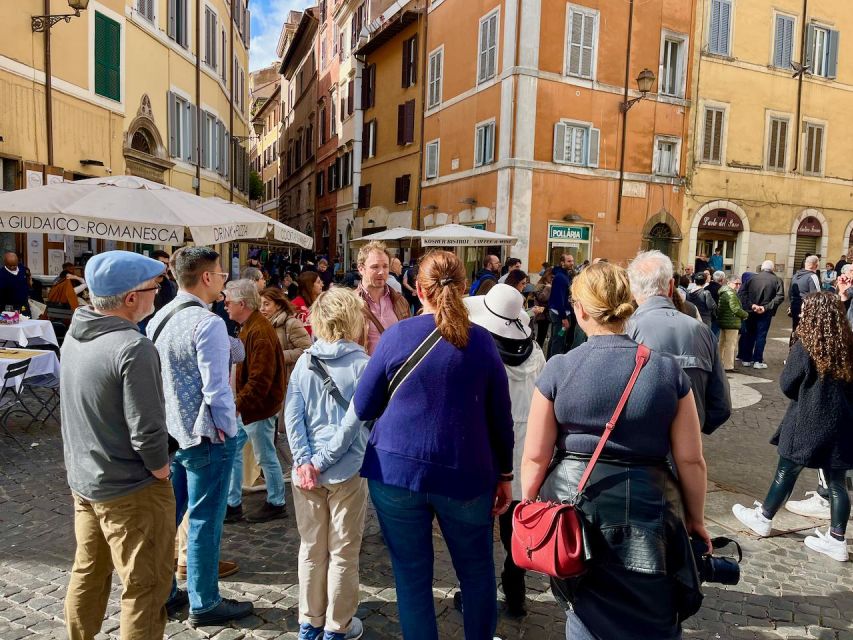
The tour ends at Piazza Trilussa. This is a smart finishing point because it’s not buried in a parking-lot maze of exits. You can walk onward in whichever direction you want—toward drinks, dinner, or another wandering loop.
If you still feel “in the story” after the tour, Trastevere is a great place to keep going slowly. If you want to cool down after the Ghetto sections, the ending in Trastevere gives you that gentler rhythm.
Price and value: what $35 buys you in Rome time
At $35 per person for about 2.5 hours, the best value here is the guide—not the checklist. This tour is built around an informed narrative, and that’s what separates it from a basic map walk.
You also get multiple layers in one outing:
- Major Roman sites near the start (Theatre of Marcellus, Portico d’Ottavia)
- A full working segment in the Jewish Ghetto
- A river landmark at Tiber Island with a real break
- Trastevere streets plus a church stop
Food isn’t included, and the synagogue isn’t entered. Those are the two things that keep the tour lean and affordable. In exchange, you’re paying for time and storytelling across several distinct areas.
Practical tips so the walk stays enjoyable
A few small things make a big difference on this route:
- Wear comfortable shoes. Cobblestones are real here.
- Bring a water bottle in summer. There are fountains for refills.
- Go prepared for rain or shine. This tour runs in bad weather too.
- Don’t plan for a long stop for meals. There may be an optional gelateria/cafe stop, but treat it as a bonus, not part of a full plan.
If you’re the type who likes questions, this tour tends to reward that. Guides on this route have been praised for answering questions patiently and keeping the pace readable.
Who should book this Rome tour, and who might want a different one
You’ll probably love it if:
- You want a story-driven Rome walk instead of random stops
- You’re interested in how neighborhoods connect through time
- You like history explained with humor and clear spoken English
- You want a route that mixes architecture, city planning, and human stories
Consider another option if:
- You’re specifically looking for inside access to the synagogue (the tour only looks from the outside)
- You expect a very narrow focus only on Jewish life across generations. Some people have wanted the tour to go even deeper on that angle, rather than covering additional surrounding topics.
A good rule: if you enjoy “walking and learning,” this format works. If you only want one single historical theme without any side threads, you may feel the itinerary casts a wider net.
Should you book the Jewish Ghetto and Trastevere Stroll?
If you want one afternoon that connects Rome’s layered identity—sad and hopeful, official and everyday—this is a strong pick. The route is short enough to stay manageable, but packed enough to make the time feel full. The repeated praise for guides like Alethea, Guido, Ben, and Ariel says a lot: you’re not paying for monuments only. You’re paying for a good storyteller.
I’d book it if you’re curious, respectful, and comfortable walking. I’d think twice if you need synagogue interior access or you only want one narrow historical subject.
FAQ
How long is the Rome Jewish Ghetto and Trastevere tour?
It lasts about 2.5 hours.
Where do I meet the tour?
You meet outside Santa Rita da Cascia in Campitelli, in Via Montanara next to Antico Caffè del Teatro Marcello.
Is the synagogue included?
No. The synagogue entrance is not visited; it’s seen from the outside.
Is food or drink included?
No. Food and drink aren’t included, though there may be an optional stop at a gelateria/cafe.
What language is the tour in?
The live tour guide speaks English.
Does the tour run in bad weather?
Yes. It runs rain or shine, so bring weather protection and wear comfortable shoes.