REVIEW · ROME
Rome: Colosseum, Arena & Ancient City Guided Tour
Book on GetYourGuide →Operated by Global Experiences by Carpe Diem Tours Group · Bookable on GetYourGuide
Nothing beats the Colosseum on a good day. This tour pairs timed entry with arena floor access so you spend less time stuck in lines and more time seeing what matters, including gladiator-era details. One thing to keep in mind: the route can start at the Colosseum or at the Roman Forum/Palatine Hill depending on ticket timing, so the order of your highlights may shift.
I like that the plan is built around a simple flow: walk in, look closely, listen, then move on. You get priority access to three major Ancient Rome stops, headphones for clear commentary, and a licensed historian guide who keeps the story moving instead of turning it into a lecture.
A possible drawback is timing sensitivity. If your tour starts with the Forum/Palatine, you may feel like you waited a bit too long for the main event, especially if you’re laser-focused on the arena floor.
In This Review
- Key highlights you should care about
- Entering The Colosseum via the Arch of Constantine (and why the start order matters)
- Arena Floor Access: What you’ll learn while you stand where the action began
- Palatine Hill for an hour: Views plus the story of Rome’s power center
- Roman Forum: Politics, crowds, religion, and everyday public life
- The guide makes the difference: hearing it from Catarina or Barbara
- Timing and comfort: how to get the most without burning out
- Price and value: is $93 a good deal?
- Who should book this Colosseum, Arena, and Ancient City tour?
- Should you book? My practical take
- FAQ
- How long is the Rome Colosseum, Arena & Ancient City guided tour?
- Where do we meet for the tour?
- Does the tour always start at the Colosseum?
- What’s included in the ticket price?
- Do I need to bring ID?
- Is there free cancellation?
Key highlights you should care about
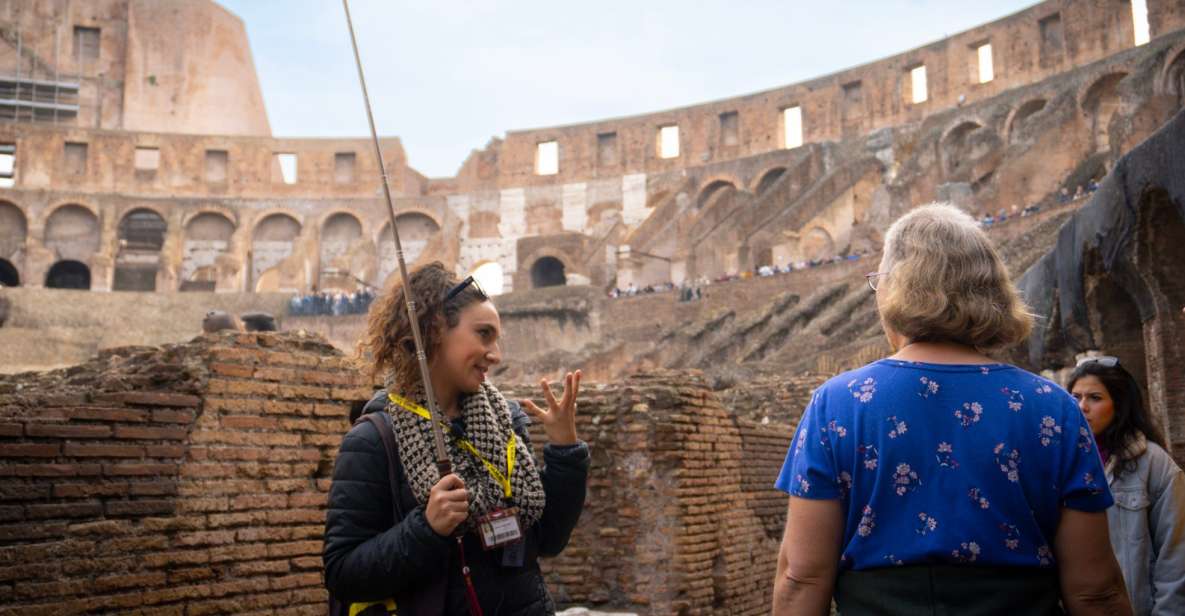
- Arena floor time inside the Colosseum with guided storytelling about battles and spectacle
- Priority, timed entry for the Colosseum plus faster access to Palatine Hill and the Roman Forum
- Palatine Hill viewpoints tied to emperors’ homes and the mythic origins of Rome
- Roman Forum context on power, religion, and day-to-day public life
- Headphones and a licensed guide (English) so you don’t miss details in crowded zones
Entering The Colosseum via the Arch of Constantine (and why the start order matters)
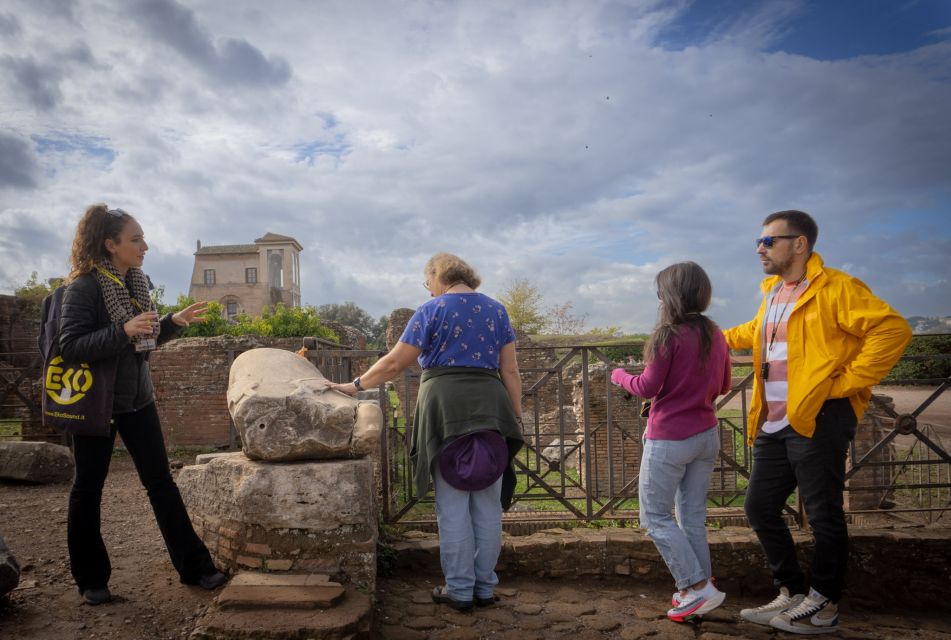
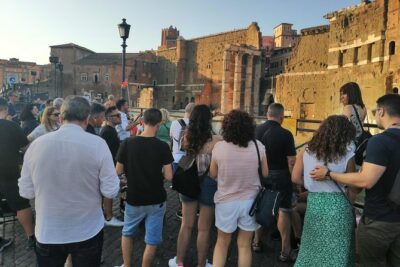
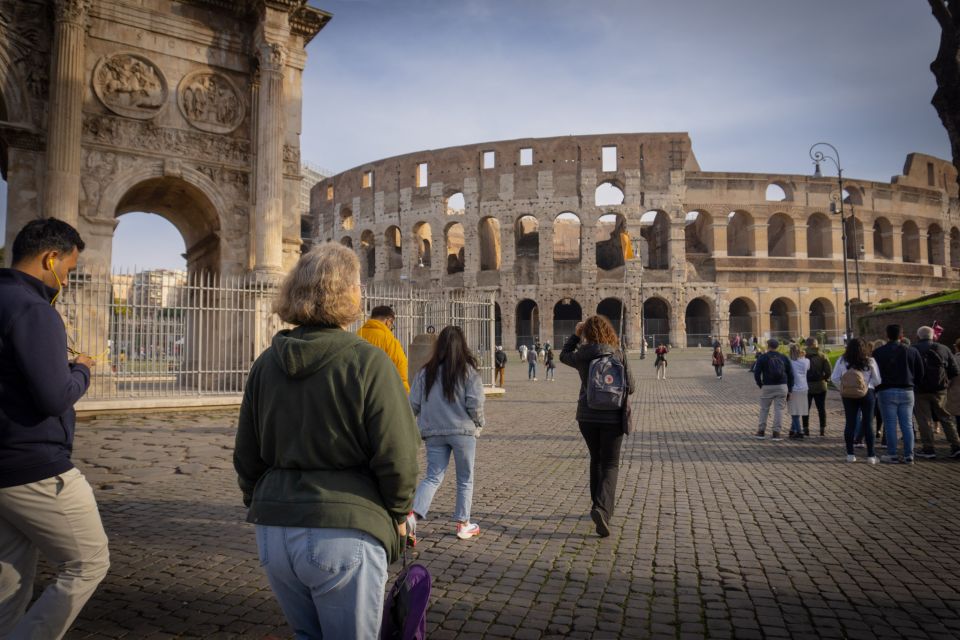
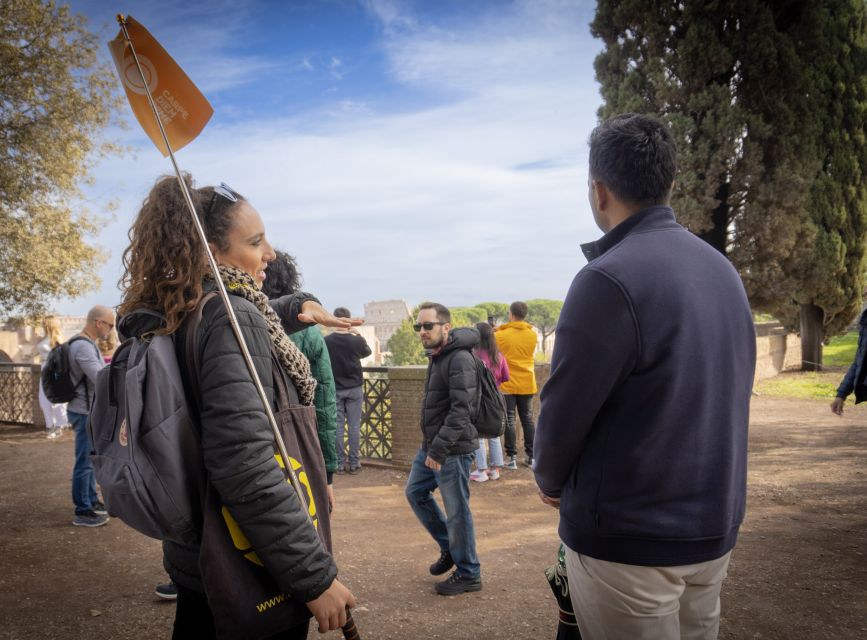
You meet at the Arch of Constantine, on the side furthest from the Colosseum, where the guide holds a yellow Carpe Diem Tours flag. That meeting point is useful because it keeps the opening moment clear—no wandering the area looking for the group.
The small twist is that your tour can start in one of two ways. Depending on what ticket times are available, the morning schedule may begin at the Colosseum or begin at the Roman Forum/Palatine Hill. You don’t control that part, but it changes how the day feels. A Colosseum-first start helps you get the arena moment out of the way while your energy is highest. A Forum/Palatine-first start can be great too, because you build context before you step into the stadium atmosphere—but if you’re mainly chasing the arena floor, it can feel like a warm-up that takes longer than expected.
I also appreciate that the structure is intentionally paced: the tour runs about 1.5 to 3 hours, with roughly an hour at each major area (Colosseum arena floor, Palatine Hill, Roman Forum). That’s not a “see everything from the distance” schedule. It’s enough time to get real explanations, but not so long that you’re exhausted before the best views.
And yes, it’s outdoors. Plan for walking, sun (or shade if you’re lucky), and uneven pavement. Comfortable shoes are not optional here.
You can also read our reviews of more guided tours in Rome



Arena Floor Access: What you’ll learn while you stand where the action began
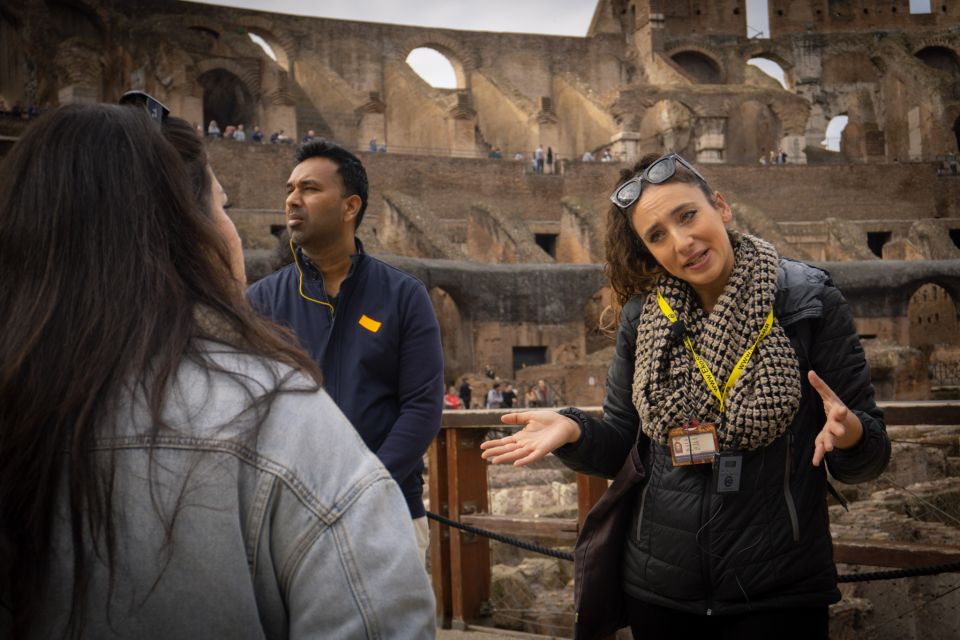
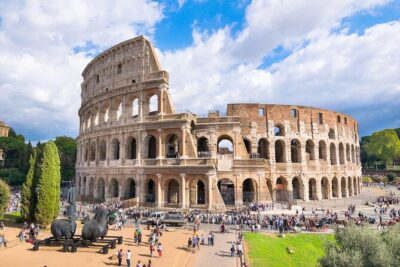
The headline is the Colosseum arena floor. This is where the guided experience earns its keep. You’re not just looking at the seats like a postcard. You’re stepping into the space gladiators and performers would have experienced as a stage.
What I like about this setup is the “translation” effect. Ancient Rome can feel like a pile of stone facts until someone ties it to human drama—crowds, rivalry, politics, and survival. With the guide, the arena floor becomes a reference point. You can understand what parts of the building were meant to impress, intimidate, or control attention.
Even if you already know the general gladiator story, you’ll likely pick up new angles by seeing the Colosseum from different perspectives: how the venue functioned as a spectacle machine, how emperors and officials used events to project power, and how the day’s entertainment fit into wider Roman life. The guide’s job is to connect architecture to behavior, and the arena floor is the easiest place to make that connection.
A practical note: you’ll want to pay attention to the route you take inside the Colosseum. You’ll move through key viewpoints with the guide rather than randomly exploring. That can save time and helps you avoid the classic mistake of spending your limited time looking at the same section without realizing what you’re missing.
If you’re wondering about headphones: they’re included. That matters here, because the Colosseum area can be noisy and echo-prone, and you don’t want to miss details because you’re craning your neck.
Palatine Hill for an hour: Views plus the story of Rome’s power center
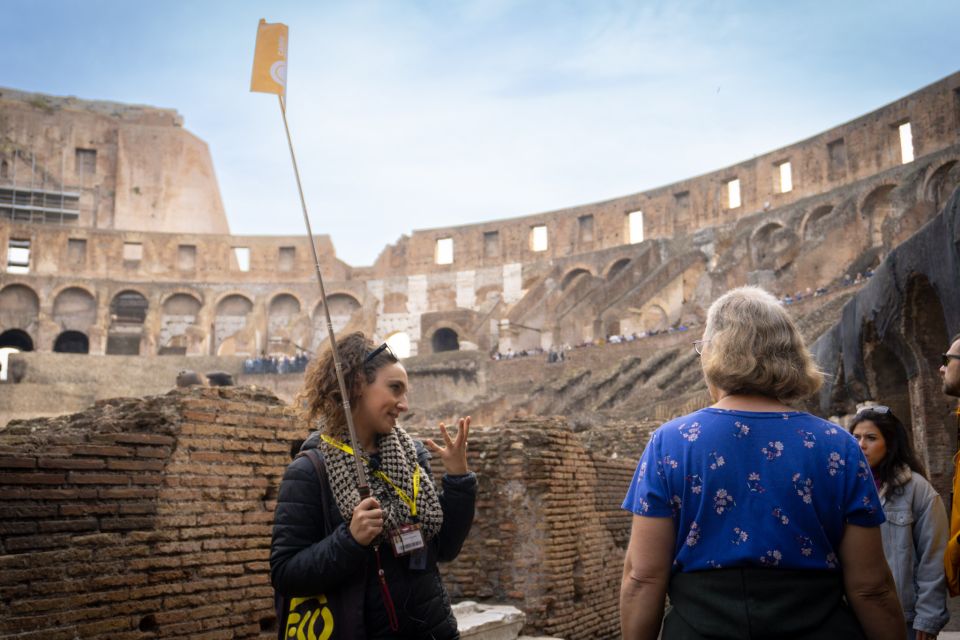
After the Colosseum, the tour moves to Palatine Hill (again, order depends on the start time). This is one of the best places in Rome to understand the difference between myth and politics.
Palatine Hill is often described as a birthplace area, but the real value for you is how the guide frames it: you’re not only walking through ruins, you’re standing near the landscape of imperial ambition. The palaces here are tied to the home of Rome’s emperors, and that theme helps you see why Romans cared so much about proximity to power.
And then there’s the view factor. You’ll get city views that help the ruins click into place. Even if you’ve seen photos, the physical experience changes things. From Palatine, you get a sense of scale—how the Forum area below connects to the broader city, and how rulers might have wanted to feel above the crowds.
Is one hour enough? For a guided visit, it’s a smart time window. Long enough for a guided walk and key explanations, not so long that your legs give up before Roman Forum. If you want to linger on your own after, you can, but the guide will usually keep the pacing so you don’t miss the next stop.
Roman Forum: Politics, crowds, religion, and everyday public life
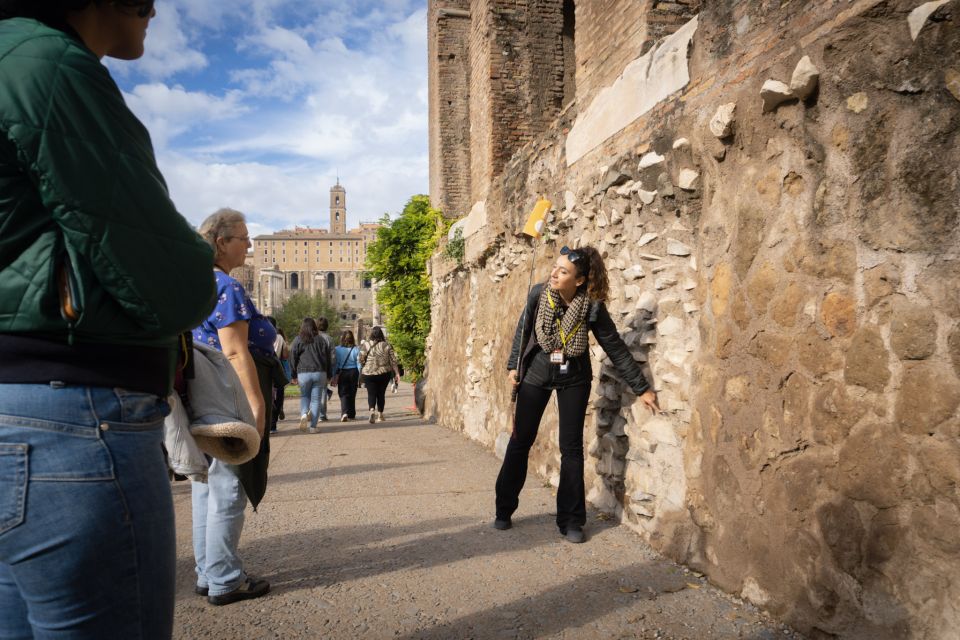
The Roman Forum is where Rome stops being an architectural museum and starts acting like a real society. It’s political, religious, and social all at once—and that’s exactly why this guided format helps.
In an unstructured visit, it’s easy to see fragments and feel lost. With a guide, you get the logic: the Forum as the stage for debate, ritual, and public decision-making, where crowds gathered and power was performed in plain sight. The storytelling here matters because the Forum can look like “more columns and more stones” until someone puts them in context.
This stop also benefits from the tour’s momentum. You’ve already been in the Colosseum arena and (often) climbed Palatine Hill, so you’re carrying a more complete picture of how spectacle and rule connected. Then you land in the Forum, which is the machinery of public life—laws, speeches, ceremonies, and the daily grind of citizens and officials.
At the end of the day, the tour finishes at the Roman Forum. That’s convenient because it places you where other historic highlights cluster, and it helps you keep your navigation simple on departure.
The guide makes the difference: hearing it from Catarina or Barbara
A theme that comes through in the best feedback is guide quality. People loved guides who didn’t just recite facts; they organized the flow, explained clearly, and made the stories feel grounded.
Two names stand out: Catarina and Barbara. Catarina is described as an archaeologist with deep knowledge and a big ability to make the sites understandable. Barbara is praised for being super informative and organized, polite, and able to keep the entire visit enjoyable.
Here’s why that matters for you: a tour like this has to cover three major zones in a limited time. If the guide can’t control pace, your schedule becomes a rushing blur. If the guide can, the tour feels efficient and satisfying—even though you’re moving.
You’ll also benefit from a licensed historian guide. That credential doesn’t automatically guarantee a great experience, but it strongly signals that the person speaking to you knows how to connect evidence to story instead of guessing. And with headphones provided, you can stay in the conversation instead of losing half the explanation.
You can also read our reviews of more city tours in Rome



Timing and comfort: how to get the most without burning out
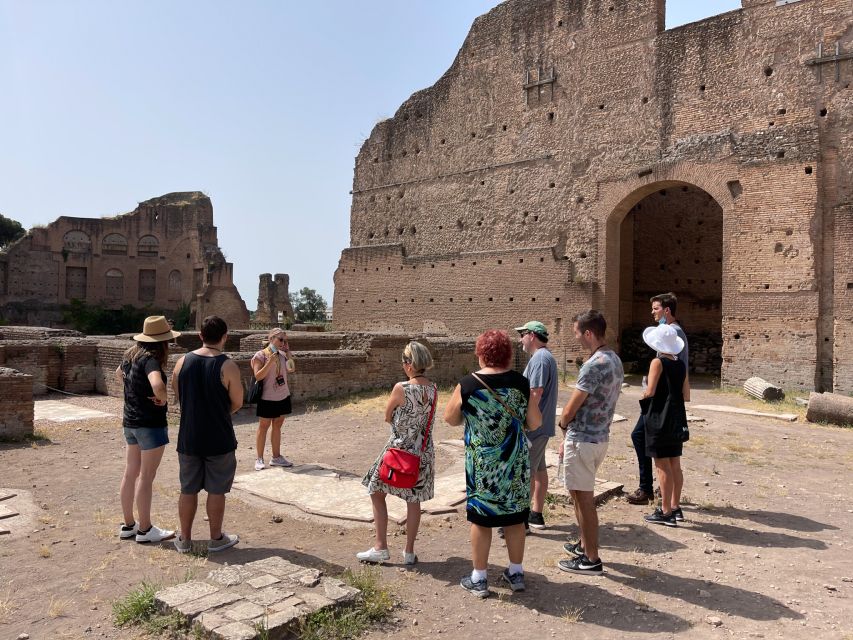
This isn’t a sit-down museum tour. It’s outdoors, and it involves walking between major ancient sites. If you’re planning around your day schedule in Rome, factor in extra time for getting from your hotel to the meeting point and for moving through ticket areas.
Here’s the comfort strategy I recommend:
- Wear comfortable walking shoes with good traction.
- Plan for weather. The tour is outdoors, and shade can be patchy.
- Keep water and basic snacks handy if you normally snack during tours.
Now for the “don’t waste time” part. Your biggest time advantage comes from the timed entry and priority access. That means you should arrive with enough buffer to meet your group calmly. If you’re rushed, you lose the benefit of the faster route and end up stressed in places you’d rather enjoy.
And if your tour starts at the Roman Forum/Palatine rather than the Colosseum, don’t assume you’re losing value. Palatine and the Forum can actually enhance your arena visit later because you’ll understand the power structure and public life that created the need for spectacle. Still, if the arena floor is your top priority, start-order matters emotionally. It’s worth checking what time you’re assigned and choosing accordingly when possible.
Price and value: is $93 a good deal?
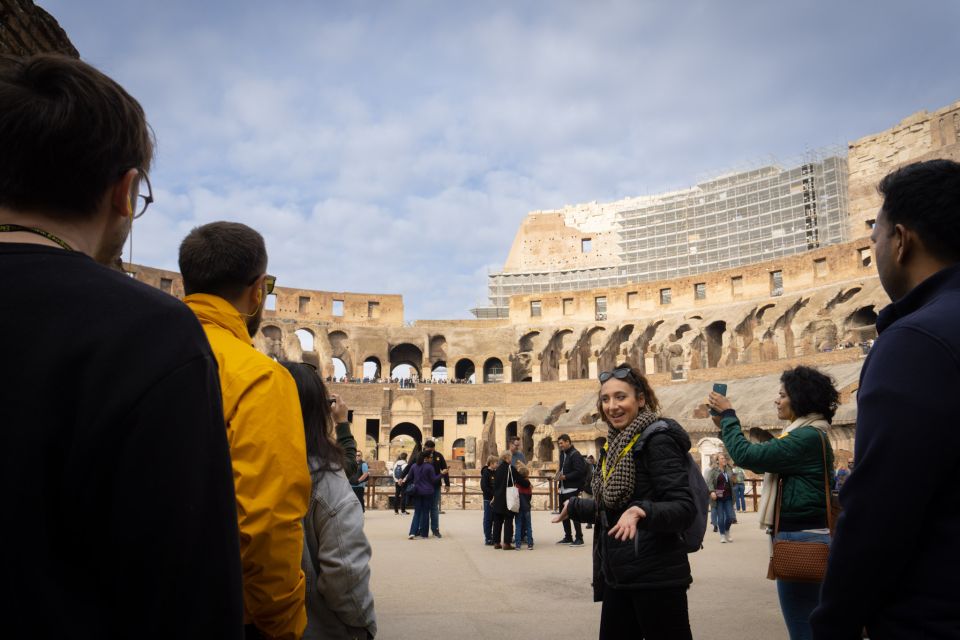
At about $93 per person, this tour is positioned as a mid-range option. The question isn’t whether it’s cheap. It’s whether the structure gives you value you can feel.
You’re paying for three things:
- Timed entry to the Colosseum plus exclusive access to the arena floor
- Priority access to Palatine Hill and the Roman Forum
- A licensed guide with headphones, which compresses three complex sites into a coherent story
If you were to visit on your own, you’d still spend time dealing with timed tickets, lines, and figuring out what you’re looking at. The arena floor access alone is the part that usually makes a guided, ticketed approach feel worth it, because it’s not the typical “look from the outside” experience.
So who gets the best value? People who want to see the big three efficiently and don’t want to guess their way through Roman history. If you enjoy reading signs and wandering freely, you might prefer a looser plan. But if you want the sites connected—Colosseum spectacle, Palatine power, Forum politics—this price can feel fair for what you actually get.
Who should book this Colosseum, Arena, and Ancient City tour?
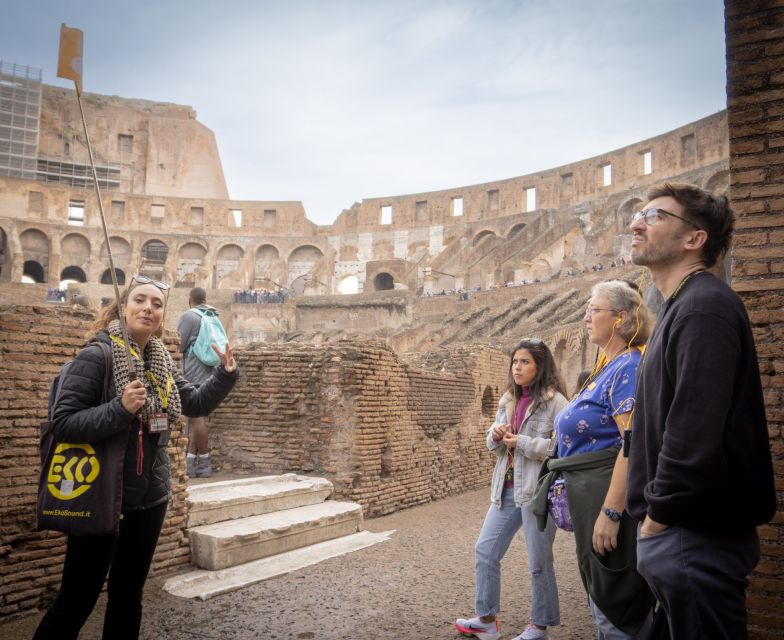
I think this tour fits best if you:
- Want arena floor access without spending your trip time on logistics
- Prefer guided storytelling that connects sites instead of treating them as separate attractions
- Like structured pacing and want a “big highlights” plan in one stretch of time
- Are visiting for a first trip to Ancient Rome and want the core landmarks in a sensible order
It’s also a good match if you’re traveling with someone who likes history but doesn’t want to spend hours cross-referencing guidebooks. The guide does that work for you, and headphones help keep everyone synced.
If you’re the type who loves long solo wandering—taking photos, watching crowds, and moving slowly—this tour’s time limits might feel a bit tight. Still, you can always add free time before or after to linger.
Should you book? My practical take
Yes, book it if you’re aiming for a guided, efficient Ancient Rome day with the most in-demand Colosseum experience included. The combination of timed entry, priority access, and arena floor time is exactly how you turn crowded landmarks into a meaningful visit. The guide quality—especially examples like Catarina and Barbara—also seems to be a major reason people leave happy.
Think twice if you’re very sensitive to start order and you know you’ll feel impatient if you don’t hit the Colosseum first. In that case, choose a time slot when the schedule is more likely to begin at the arena, or mentally frame Palatine/Forum as the context that makes the Colosseum hit harder.
Either way, bring ID, wear good shoes, and arrive a touch early so you don’t lose the benefit of priority access.
FAQ
How long is the Rome Colosseum, Arena & Ancient City guided tour?
The tour duration is about 1.5 to 3 hours, depending on the starting time available.
Where do we meet for the tour?
You meet at the Arch of Constantine, on the side furthest from the Colosseum. The guide will be holding a yellow Carpe Diem Tours flag.
Does the tour always start at the Colosseum?
Not always. The tour may start at either the Colosseum or the Roman Forum/Palatine Hill depending on the ticket times that can be purchased.
What’s included in the ticket price?
Included features are timed entry to the Colosseum with exclusive arena floor access, priority access to Palatine Hill and the Roman Forum, headphones, and a licensed historian guide in English.
Do I need to bring ID?
Yes. Bring a valid ID (passport or ID card), and this is especially important if minors are traveling with you.
Is there free cancellation?
Yes. You can cancel up to 3 days in advance for a full refund.