REVIEW · ROME
Rome: Catacombs of Domitilla Entry Ticket & Guided Tour
Book on GetYourGuide →Operated by OPERA ROMANA PELLEGRINAGGI · Bookable on GetYourGuide
Rome gets loud above ground. Then you go under and it all changes. The Catacombs of Domitilla take you 16 km beneath the city, where the walls do not care about your itinerary—only about history. I especially like the way a guide connects the site’s pagan roots to its Christian transformation.
Two things that really make this experience work: the guided explanations (in Italian or English) and the chance to see burial spaces tied to early Roman martyrs. One drawback to think about first: you can’t take photos inside, so bring another way to remember—notes, sketching, or just soaking it in.
In This Review
- Key Takeaways Before You Go
- Catacombs of Domitilla: Rome’s Two-Level Underground Cemetery
- The Flavians Hypogeum: Where Pagan Space Becomes Christian
- Nereus and Achilleus: A Crypt, a Basilica, and Papal Upgrades
- Frescoes, Burial Meaning, and Restoration You’ll Actually Remember
- 30 Minutes, Two Languages, and How a Small Group Changes the Pace
- Practical Tips: What to Wear, What’s Forbidden, and How to Prepare
- Value for $16: What You’re Actually Paying For
- Who Should Book Domitilla, and Who Might Want Another Option?
- FAQ
- How long is the tour?
- Where do I meet the guide?
- What is included in the ticket price?
- What languages are offered?
- Is photography allowed inside the catacombs?
- How big is the group?
- Is the tour suitable for wheelchair users or people with mobility impairments?
- What should I wear?
- Can I cancel and get a refund?
- Should You Book the Catacombs of Domitilla Tour?
Key Takeaways Before You Go
- Small group (up to 10): you get a calmer pace than big crowds down underground.
- Two main levels: you’ll move between major sections, including the Flavians area and later Christian spaces.
- Pagan + Christian art mix: frescoes and burial use show how belief and space evolved.
- Martyrs and basilica history: learn how Nereus and Achilleus were honored and how popes shaped the site.
- No photos inside: plan on focusing, not filming.
- Short timing (30 minutes): it’s efficient—worth it if you want a focused stop.
Catacombs of Domitilla: Rome’s Two-Level Underground Cemetery
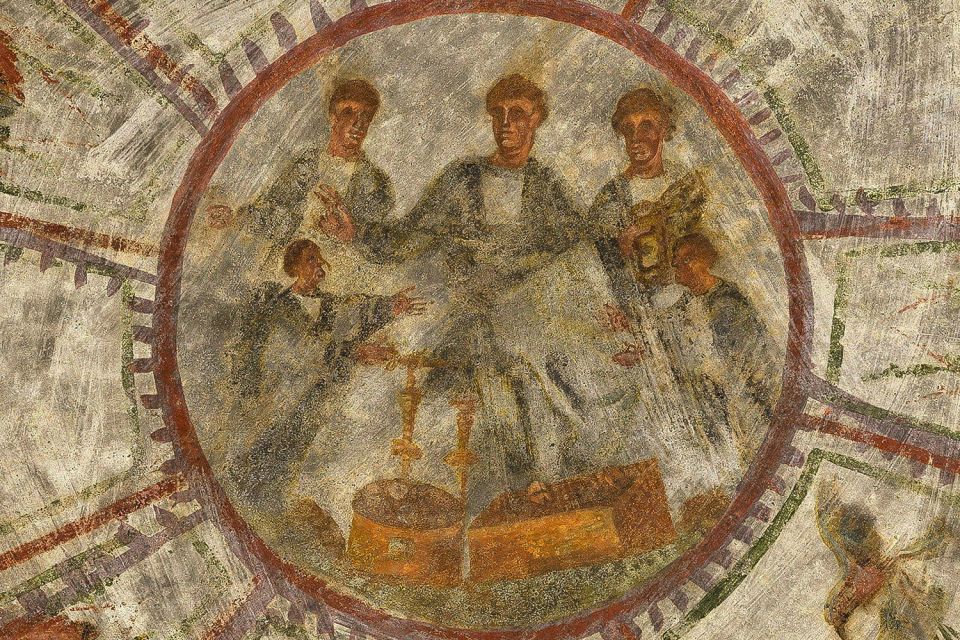
The Catacombs of Domitilla sits on via delle Sette Chiese and is one of Rome’s biggest underground cemeteries. This is not a single hallway you walk through. It’s a working maze of chambers and burial spaces, created and reused over centuries.
I like that the tour frames the catacombs as a real burial landscape with changing meanings. The story begins with land connected to Flavia Domitilla—connected to the imperial world—and then becomes something that early Christians turned into sacred space. You’ll feel the scale quickly: the catacombs are vast, but your visit only includes the parts open to visitors.
You should also know the tone underground is quiet and cool. The experience is described as history preserved in cold stone walls, so dress for chill—even if Rome feels warm outside.
You can also read our reviews of more tours and experiences in Rome

The Flavians Hypogeum: Where Pagan Space Becomes Christian
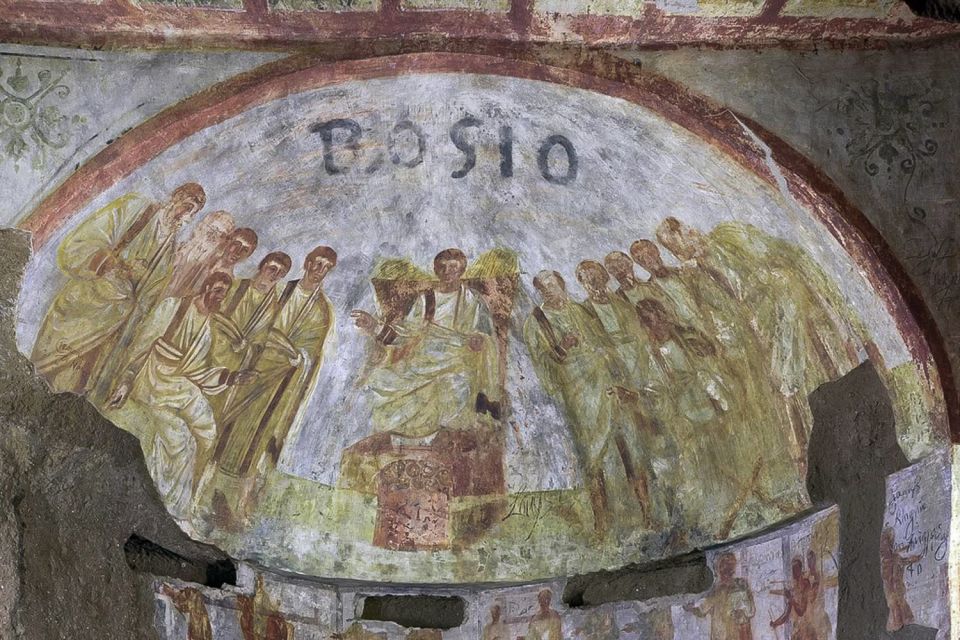
The catacombs are organized into two main levels, and the lower story you hear about most often starts with the so-called Hypogeum of the Flavians.
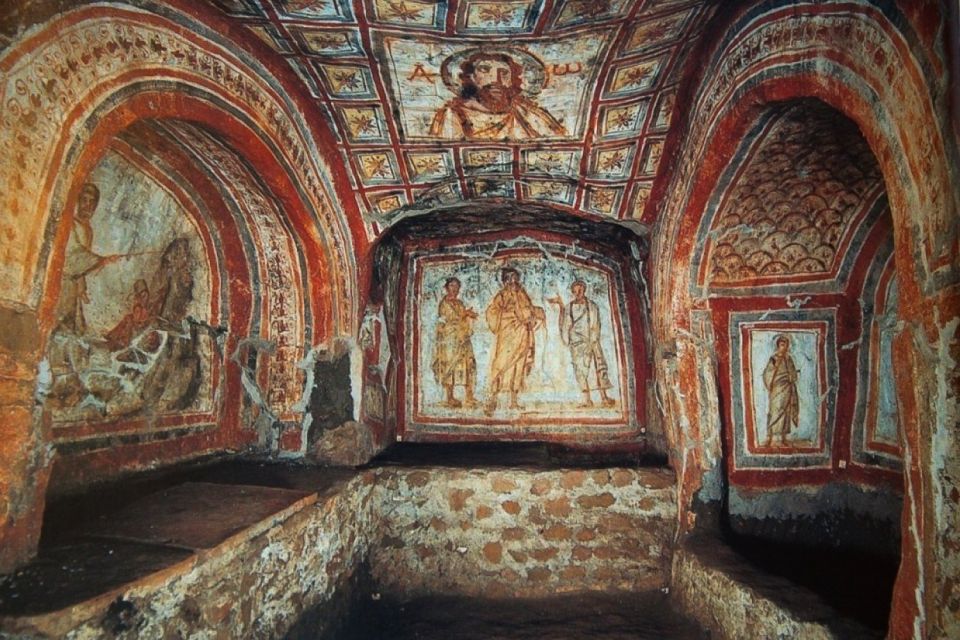
Here’s the key idea: it begins as a pagan hypogeum built roughly from the end of the 2nd century to the beginning of the 3rd century. Then, as Christianity spreads and the site gains sacred importance, that pagan space becomes Christian and is enlarged around the mid-3rd century.
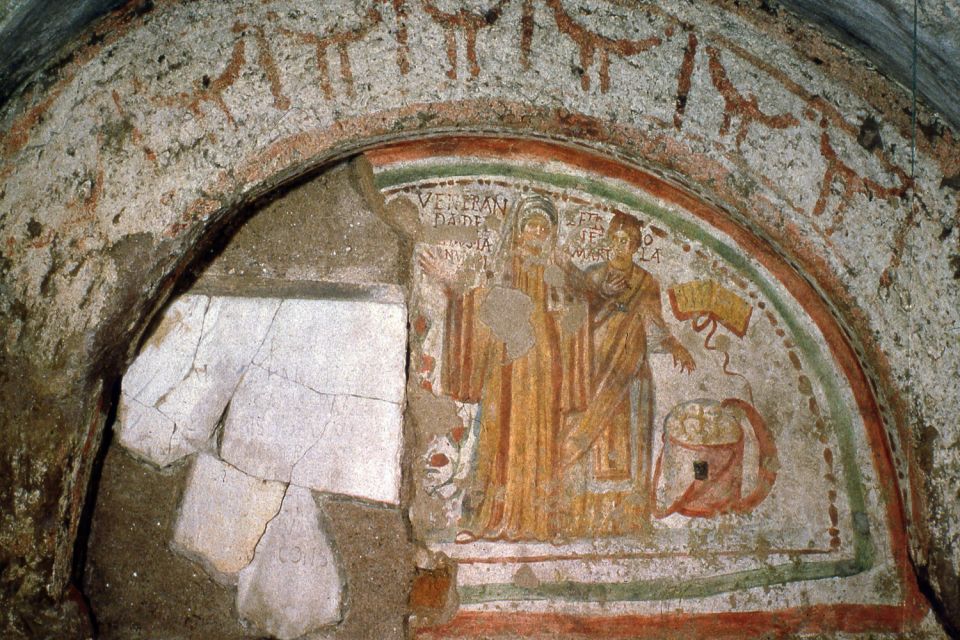
Even in a 30-minute visit, that timeline matters because it explains why you may see a mix of art and imagery. The tour highlights a unique blend of pagan and Christian frescoes, which isn’t just decoration—it’s a visible record of cultural change. I find that satisfying because it stops the catacombs from being treated like a spooky museum prop. It’s a real place where people buried families, and later communities reinterpreted that space with new faith.
Nereus and Achilleus: A Crypt, a Basilica, and Papal Upgrades
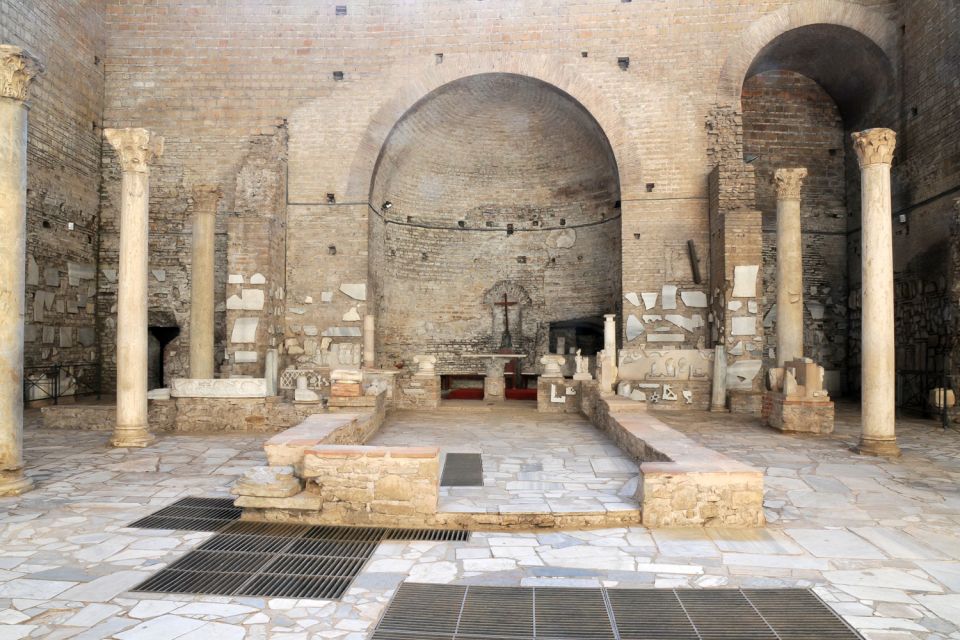
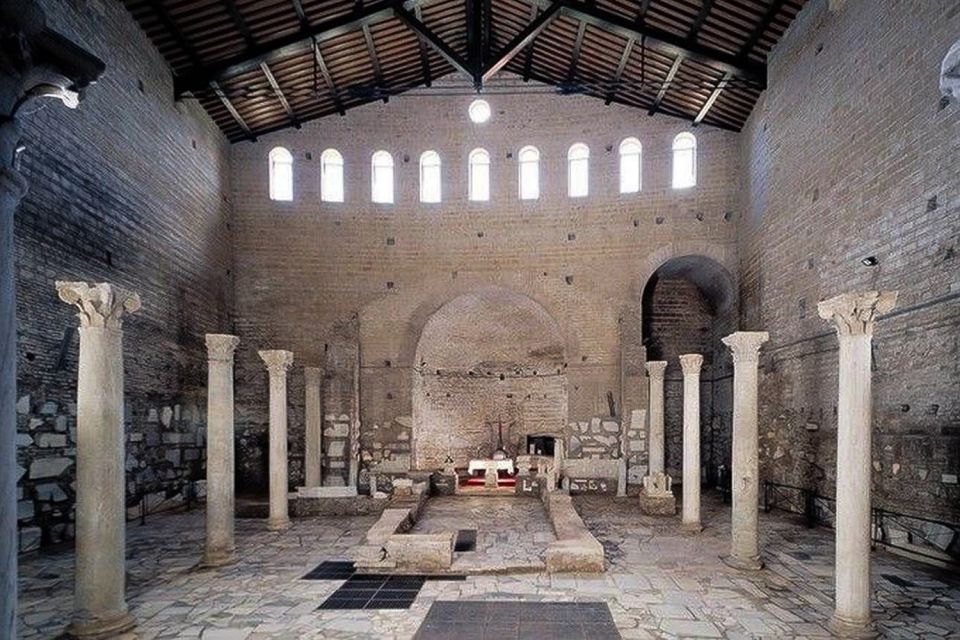
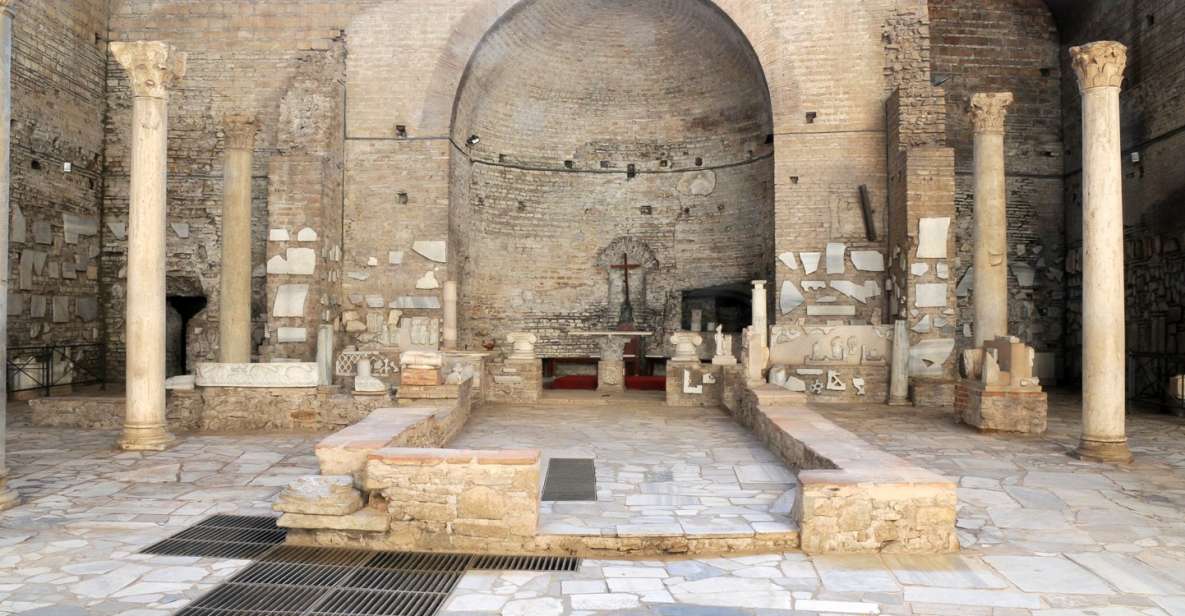
On the second floor, the catacombs take another step toward Christian identity. Toward the end of the third century, the bodies of the martyrs Nereus and Achilleus were placed in a crypt.
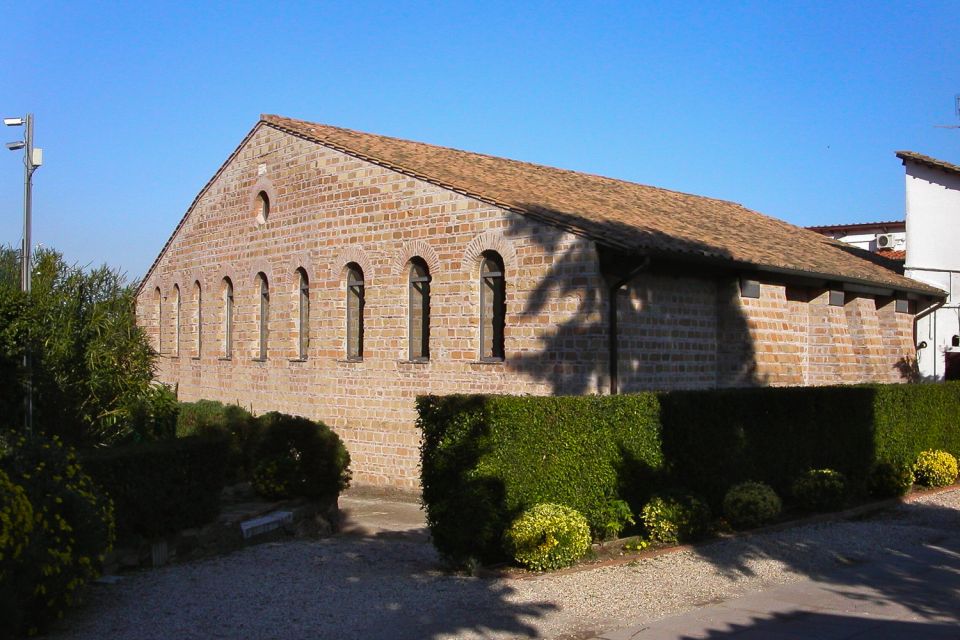
This is where the site starts to feel less like only an underground cemetery and more like a shrine. The tour also connects later church leadership to the site’s development. Pope Damasus (366–384) transformed this area into a small basilica, and later Pope Siricius expanded it to reach its current size.
If you care about church history, this part is the payoff: you see how early Christian memory was built into architecture. The catacombs weren’t only for burial; they became places where people came to honor the dead.
One practical note: you’re not wandering freely through every corridor. The tour gives access to selected sections, so you may notice that only parts of the larger network are open to visitors. Still, the sections you see are significant, especially the places tied to the Flavians and the basilica story.
Frescoes, Burial Meaning, and Restoration You’ll Actually Remember
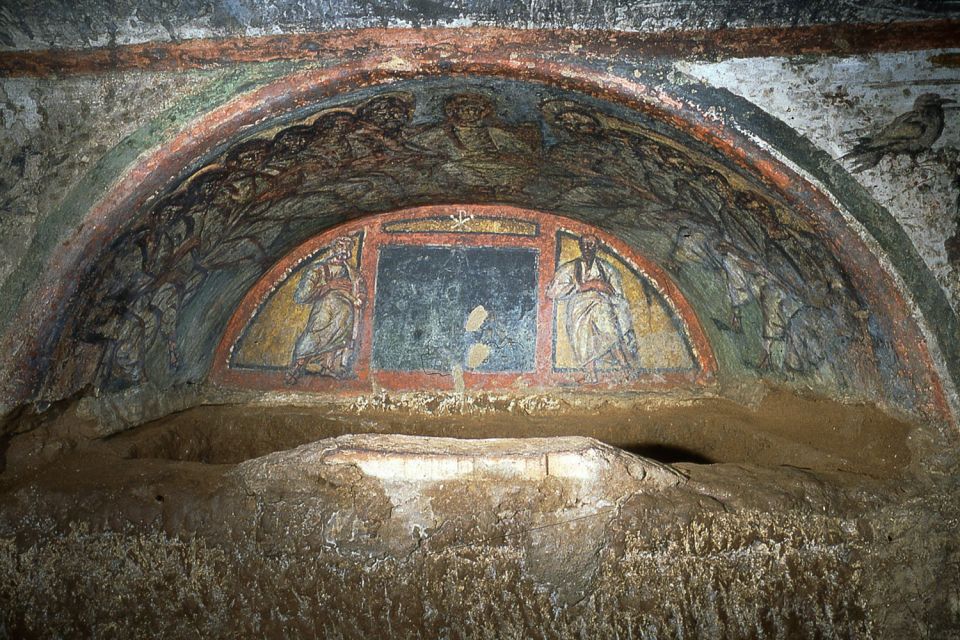
The Catacombs of Domitilla are often summarized with a spooky pitch. Ignore that. What’s more compelling is what the tour helps you understand about burial grounds—especially for Christian martyrs.
You’ll hear about the sanctity of burial grounds, and why that mattered so much for early Christians. Burial wasn’t just a practical step. It was part of preserving identity, faith, and memory. That context makes the underground spaces feel purposeful rather than gloomy.
Another highlight is the guide’s explanation of restoration. Underground artwork suffers from time, humidity, and wear, and catacombs are also delicate because they’re literally stone and fragile surfaces. The tour specifically includes lessons about the delicate restoration process, which is helpful if you’ve ever wondered why ancient art looks preserved in some spots and protected in others.
Also, you’ll spend time navigating masterfully built chambers. Even without seeing the full network, the guided pacing helps you understand that these spaces were engineered, not random dugouts.
30 Minutes, Two Languages, and How a Small Group Changes the Pace
This tour is designed to be short: 30 minutes with a small group limited to 10 participants. That matters. In a place like this, where the setting is already intense, a longer tour can feel rushed later—or it can drag if you’re stuck behind slower walkers. Here, the tight format usually keeps everything focused.
You can choose Italian or English for your live guide. I’ve seen how much difference the right guide makes in underground sites, and the feedback around this tour is especially strong for guides who clearly explain the art, the timeline, and the why behind the symbols. Names like Andrea show up in the kind of guide praise you want: friendly, professional, and genuinely interested in history and art.
One more timing reality: you should plan for check-in. The meeting instruction is simple—go directly to the ticket office and show your reservation at least 10 minutes before your scheduled tour. If you’re relying on public transport, give yourself extra slack so you’re not sprinting underground (where you really can’t afford to be flustered).
You can also read our reviews of more guided tours in Rome






Practical Tips: What to Wear, What’s Forbidden, and How to Prepare
A few things are worth getting straight before you go.
- Bring: comfortable clothes.
- Don’t do: photography inside is not allowed.
- Avoid if you need accessibility support: it’s not suitable for people with mobility impairments or wheelchair users.
Also, plan psychologically for the photo rule. It can be tempting to treat this like an Instagram stop, but inside you’ll have to rely on attention instead. If you like having souvenirs, bring a small notebook for quick notes: dates, names (Flavia Domitilla, Damasus, Siricius, Nereus, Achilleus), and what you saw on the frescoes.
Comfort matters too. You’re underground and walking through stone corridors. Even if the site is controlled, underground air can feel cooler than Rome outside, so dress in a way that won’t make you feel stiff after five minutes.
Value for $16: What You’re Actually Paying For
At about $16 per person, this ticket is priced like a focused add-on rather than a half-day commitment. And that’s the point. You’re paying for two things that usually cost money separately on other tours: entrance fees and a live guide.
Because it’s only 30 minutes, it’s also good value if you want an “essential Rome underground” moment without breaking your day. If your schedule is tight, this format can fit neatly between surface highlights.
Is it the cheapest ticket? Maybe not, depending on what else you book. But the value comes from interpretation. Catacombs become much more meaningful when someone explains the layered timeline: Flavians hypogeum, pagan-to-Christian reuse, martyrs placed in a crypt, then papal transformations into a basilica setting. Without that structure, you can still see the space, but you’ll likely miss the connections.
Who Should Book Domitilla, and Who Might Want Another Option?
I’d recommend this tour if you:
- want early Christian history with a strong sense of place
- enjoy art history context (especially pagan and Christian frescoes)
- like small-group pacing instead of herd movement underground
- prefer a short, guided visit over a long walking tour
I’d consider skipping or switching plans if you:
- really need to take photos inside (you can’t)
- have mobility limitations or need wheelchair access
- expect a long, in-depth wander through every corridor (the open visiting area is limited)
If you’re the type who likes to read a site like a story—names, dates, and changes over time—this tour format works well. It keeps the important points front and center without pretending you’ll see the entire catacomb system.
FAQ
How long is the tour?
The tour lasts about 30 minutes.
Where do I meet the guide?
Go directly to the ticket office of the Catacomb and show your reservation at least 10 minutes before the scheduled tour.
What is included in the ticket price?
The package includes a tour guide and entrance fees.
What languages are offered?
The live tour guide is available in Italian and English.
Is photography allowed inside the catacombs?
No, photography inside is not allowed.
How big is the group?
It’s a small group limited to 10 participants.
Is the tour suitable for wheelchair users or people with mobility impairments?
No. It’s not suitable for people with mobility impairments or wheelchair users.
What should I wear?
Wear comfortable clothes.
Can I cancel and get a refund?
Yes. Free cancellation is available up to 24 hours in advance for a full refund.
Should You Book the Catacombs of Domitilla Tour?
Yes—if you want a high-impact Rome stop in a short time. The $16 price makes sense because you’re getting both entrance access and a live guided explanation, plus the “why” behind the site’s pagan-to-Christian evolution and the martyrs’ basilica story.
Skip it only if photography is a must for you or if accessibility is an issue. If you’re flexible and ready to focus on what you can learn underground, this is one of the better ways to see Rome from the inside—cold stone walls and all.