REVIEW · ROME
Rome: Giuseppe Verdi’s “La Traviata” Live Performance
Book on GetYourGuide →Operated by Opera e Lirica srl · Bookable on GetYourGuide
An opera night inside a Roman church hits different. Here, La Traviata unfolds in St. Paul’s Within the Walls, turning Verdi’s heartbreak into something you feel in your chest, not just your ears. The evening is built around big emotion and even bigger voices, with soprano Aleksandra Buczek taking on Violetta Valéry.
I especially love two things: the sound and the star power. The La Traviata orchestra and choir (Opera e Lirica Orchestra, led by conductor Elvin Dhimitri) project clearly in the church, and the cast’s vocal range stays sharp even when the music swells.
One drawback to plan for is pew seating. Since this isn’t a raised opera-house stage setup, your view can be limited depending on where you sit, especially for staged moments.
In This Review
- Key things I’d circle before you go
- First, know what you’re really buying for $41
- Finding St. Paul’s Within the Walls (and why arriving early helps)
- The church setting: pretty on the outside, loud in the best way
- What happens during the show (and how to follow without panic)
- The cast and music details you can spot right away
- Choir, orchestral power, and the feeling of doing it live
- Seating reality check: sight lines are the main variable
- Language and story-following: how to make it easy on yourself
- Timing and pacing: a late show that works with Rome nights
- Value for money: what makes it feel worth it
- Who should book this (and who should think twice)
- Should you book La Traviata in St. Paul’s Within the Walls?
- FAQ
- Where does La Traviata take place?
- What time does the performance start and end?
- How long is the experience?
- How much does it cost?
- What’s included with the ticket?
- Are food and drinks included?
- Is the venue wheelchair accessible?
- Are pets allowed?
- Is cancellation free if plans change?
Key things I’d circle before you go
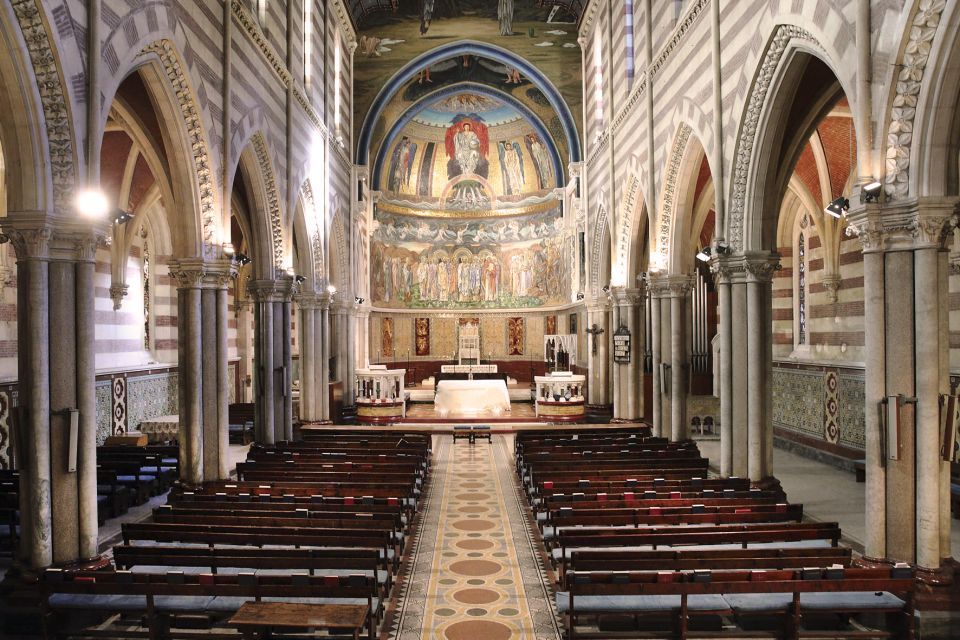
- St. Paul’s Within the Walls setting: A historic church that changes how you hear Verdi.
- The opera is the main event: Full soloists plus choir plus orchestra, not a shortened concert.
- Names to listen for: Violetta Valéry (Aleksandra Buczek), Alfredo (Emil Alekperov), and Giorgio Germont (Cristian Alderete).
- The conductor matters here: Elvin Dhimitri leads with tight musical control in a space that can sound powerful fast.
- Plan for non-English performance: It’s not presented in English, so a little plot prep helps.
- No food included: You’re coming for the show only, so don’t rely on snacks on-site.
First, know what you’re really buying for $41
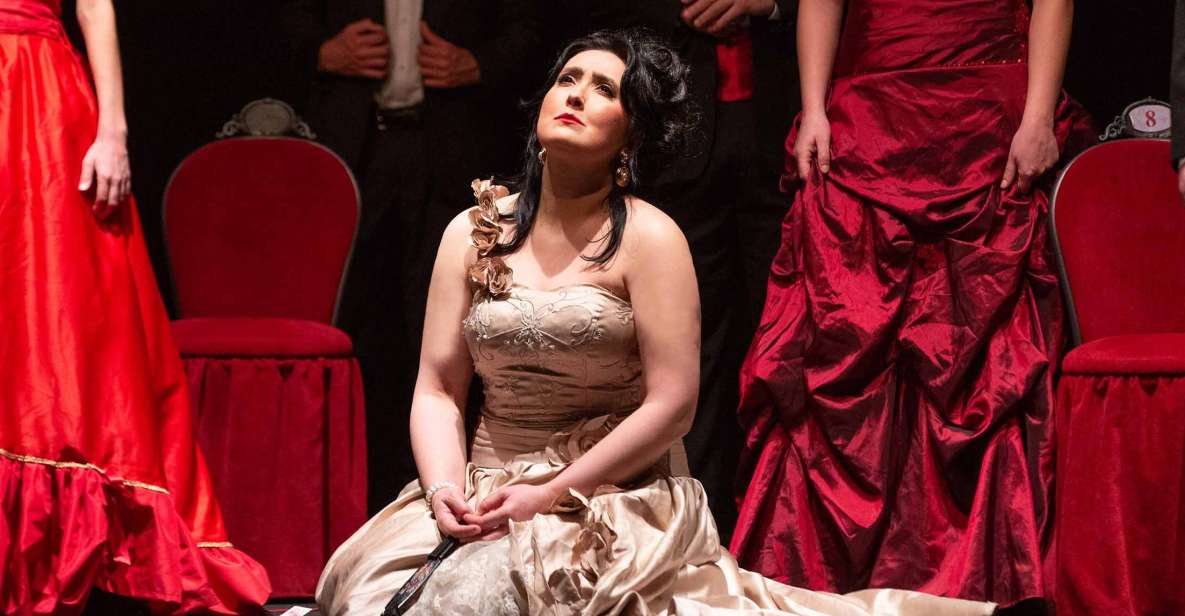
At $41 per person for a 2-hour night, you’re paying for something specific: a live staging of Giuseppe Verdi’s La Traviata with soloists, choir, and orchestra in a landmark Roman church. Tickets are included, but food and drinks aren’t, so think of it as an evening program you pair with dinner plans elsewhere.
This is also a strong “first opera in Rome” option because it’s focused. You’re not expected to navigate a huge venue or multiple activities—just find your seat, settle in, and let the music do the heavy lifting.
You can also read our reviews of more tours and experiences in Rome.



Finding St. Paul’s Within the Walls (and why arriving early helps)
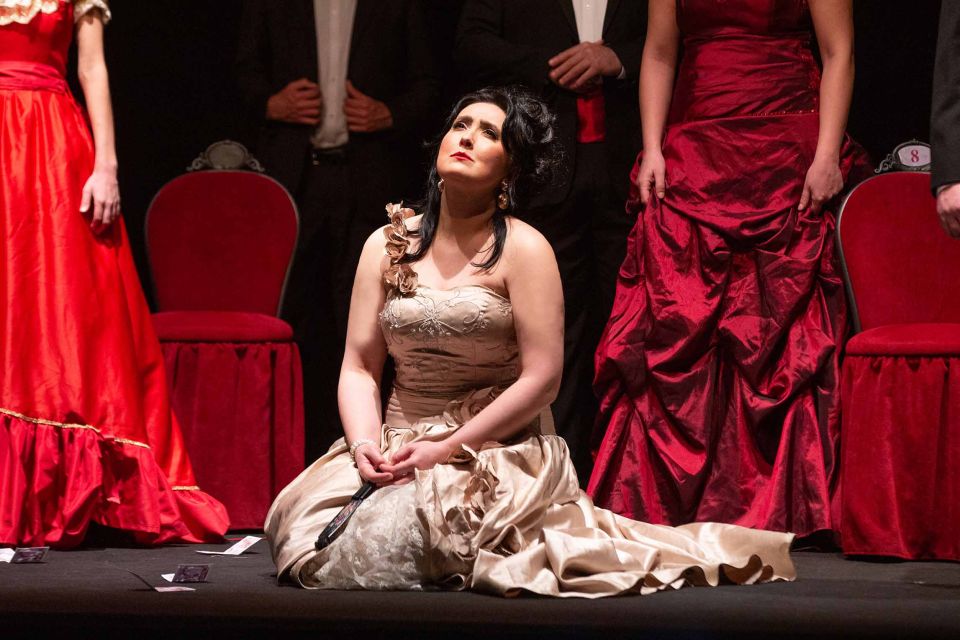
The performance happens at St. Paul’s Within the Walls Church on Via Nazionale 16/A. Start time is 8:30 pm, with an end time of 10:30 pm, so you’ll want to be there early enough to get comfortable before the show begins.
Your biggest practical concern here isn’t transportation—it’s seating. Because this is a church with pew-style seating, where you sit affects both sight lines and how comfortably you can watch from your row.
The church setting: pretty on the outside, loud in the best way
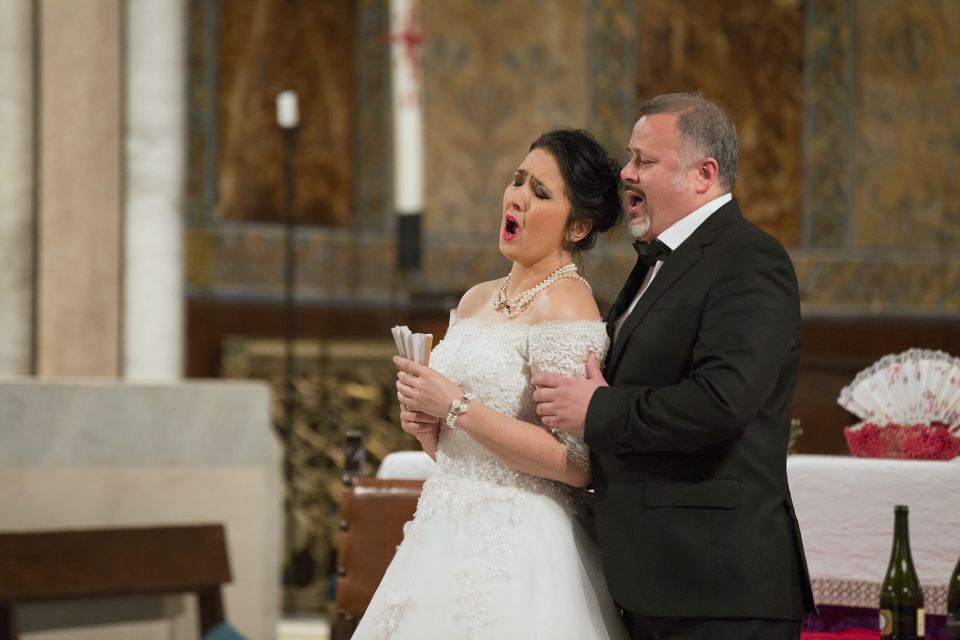
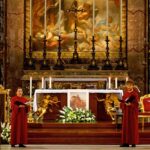
This venue is the headline. St. Paul’s Within the Walls creates an atmosphere that’s different from modern theatres: you’re surrounded by stone, arches, and a room that naturally bounces sound. That shape matters, because opera is all about long notes, overtones, and a singer’s ability to fill space.
One of the strongest points of the evening is how the voices and orchestra carry. In a room like this, the difference between a good performance and a truly good one shows up quickly—because you hear every detail, from quiet phrasing to louder climaxes.
If you’ve ever thought you were too far from the stage in other venues, this one changes that math. Many seats bring you surprisingly close to what’s happening musically, even if the visual angle isn’t always perfect.
What happens during the show (and how to follow without panic)
La Traviata is a three-act opera, composed by Verdi with an Italian libretto by Francesco Maria Piave. The production is described as a full staging, performed by Opera e Lirica soloists with choir and orchestra, and it runs about 120 minutes.
You don’t need to be an opera scholar to enjoy it, but you do need one thing: a basic sense of what the story is about. The premise centers on Violetta Valéry, an ill-fated woman fighting for love and freedom, and the show builds tension around that emotional conflict.
Here’s the best way to follow along in real time:
- Listen for character “signatures” through voice type. Violetta is the soprano role, Alfredo is the tenor, and Giorgio Germont is the baritone. When those voices rise or soften, you’re usually tracking the shift in emotion even if you’re not translating every line.
- Pay attention to the chorus categories. The choir is listed as including servants and noblemen, friends of Violetta and Flora, and even groups like picadores and gypsies—so when the chorus comes in, the setting and social pressure change.
- Notice when the orchestra suddenly widens. In opera, the orchestra often tells you the mood before the singers do.
The cast and music details you can spot right away
The program isn’t just “Verdi, plus people singing.” It’s a staffed production with names you can anchor to as the night moves.
Key soloists listed for this performance include:
- Violetta Valéry (Soprano): Aleksandra Buczek
- Alfredo Germont (Tenor): Emil Alekperov
- Giorgio Germont, his father (Baritone): Cristian Alderete
- Flora Bervoix-Annina (Mezzo-soprano): Anastasiia Demchenko
- Gastone, Viscount of Letorières (Tenor): Andrea Pecci
- Barone Duphol (Baritone): Andrea Scorsolini
- Marquese d’Obigny (Bass): Matteo Nardinocchi
- Commission Agent (Bass): Giuseppe Trovato
When you’re listening, this lineup helps you stop guessing. A strong soprano line will naturally stand out in a church acoustic, but the most satisfying moments are usually the ones where the tenor and baritone trade emotion—because that’s where the story’s pressure becomes clear.
The conductor is Elvin Dhimitri, and the artistic director is Giusi Cuccaro. Scenes and costumes are credited to Bolero Sartoria. Those production credits matter because they tell you this isn’t a casual performance—it’s built to look and sound like an opera, with actual staging choices.






Choir, orchestral power, and the feeling of doing it live
One of the most praised parts of this experience is the combination of incredible voices and the orchestra’s punch. Verdi writing rewards singers who can control dynamics—quiet intensity and then full-throttle energy—especially in long melodic lines.
The choir is also a big part of the impact. Opera in a church can feel almost cinematic when the choir and orchestra hit together, because the sound doesn’t just sit in the front of the room. It fills the space, and that makes the music feel bigger than any single voice.
If you’ve never heard a full opera with orchestra before, this night gives you the real deal without the huge learning curve.
Seating reality check: sight lines are the main variable
Let’s talk about the thing that can make or break your comfort: visibility.
Multiple people note that pew seating can limit what you can see, especially since the stage action can be at floor level. If you’re hoping for a clear view of all movement, dancers, or staged moments, sit as close to the performance area as you can afford. When you’re farther back, the “what’s happening visually” part can drop in importance—while the “what’s happening musically” part stays strong.
Also, the physical comfort factor can vary. Hard benches show up as a recurring theme, so bring the right mindset: this is a listening-first experience. If you’re the type who needs cushion-level comfort to stay focused for two hours, plan ahead.
Language and story-following: how to make it easy on yourself
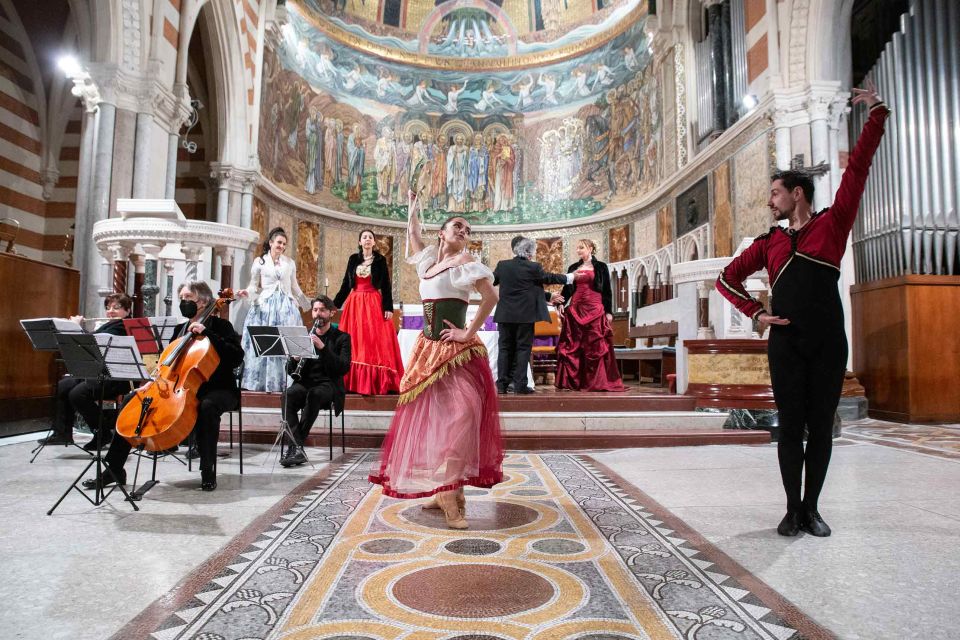
La Traviata is not in English, based on how the event is described through guest experience. That doesn’t mean you’re lost, but it does mean you should do a quick bit of prep so you recognize the emotional beats.
My practical advice is simple: read a short plot summary ahead of time and decide you’ll focus on the characters you care about. Once you’ve got the emotional outline—love versus freedom, desire versus consequences—you’ll track the performance with much less mental work.
If you don’t prepare, you may still enjoy it for the music alone. But with a story like this, understanding the relationship tensions makes the big moments land harder.
Timing and pacing: a late show that works with Rome nights

This is a 8:30 pm start, ending at 10:30 pm. That timing is handy because it fits Rome’s rhythm: you can spend the earlier part of the day sightseeing, then switch gears to a calm sit-down evening.
Also, two hours passes fast when the voices are strong and the orchestra is driving the emotional curve. You’re not dealing with a long multi-part day—just a focused live performance.
Value for money: what makes it feel worth it
Even though the price is attractive, you’re not getting a stripped-down version. The show includes:
- Tickets
- Soloists
- Choir and orchestra
- A full staging in a famous church setting
That combination is the value: you’re buying an opera evening with real production elements at a price that doesn’t force you into a “this is a once-in-a-lifetime splurge” mindset.
If this is your first opera, it’s also a confidence-builder. You can judge the genre by the actual thing: live singers, live orchestra, live sound in a real space.
Who should book this (and who should think twice)
This experience is ideal if you:
- Want your first opera in Rome and prefer a setting that feels intimate and human.
- Love listening to voices and orchestral color more than you need perfect stage visuals.
- Enjoy classic Italian art in a dramatic architectural space.
You might want to think twice if:
- You need consistently clear sight lines from your seat.
- You’re very sensitive to sitting comfort during longer seated programs.
- You strongly prefer performances in English narration or translation (since this one is not presented in English).
Should you book La Traviata in St. Paul’s Within the Walls?
If you want a memorable Roman night that mixes world-famous music with a venue that changes the acoustics, I’d book it. The biggest payoff is the live singing—those controlled dynamics and emotional phrasing that only show up when it’s happening in front of you. Add in the church atmosphere and you get a performance that feels special even if you don’t know every operatic detail.
If you’re on the fence, your decision comes down to two things: how much you care about visual staging versus pure music, and how okay you are with pew-style seating for two hours.
FAQ
Where does La Traviata take place?
The performance is at St. Paul’s Within the Walls Church, Via Nazionale 16/A, Rome. The meeting point is the church itself, so make your way there on your own.
What time does the performance start and end?
It starts at 8:30 pm and ends at 10:30 pm.
How long is the experience?
The total duration is 2 hours (about 120 minutes).
How much does it cost?
The price is listed as $41 per person.
What’s included with the ticket?
Tickets are included.
Are food and drinks included?
No. Food and drinks are not included.
Is the venue wheelchair accessible?
Yes, it’s listed as wheelchair accessible.
Are pets allowed?
No pets are allowed.
Is cancellation free if plans change?
Free cancellation is available up to 24 hours in advance for a full refund. There is also a reserve now, pay later option.