REVIEW · ROME
Cooking Class in Rome: Chef in a Day
Book on Viator →Operated by Federico Alessandri · Bookable on Viator
Pasta starts with shopping, not machines. You meet your chef at Piazza Farnese, map out the menu, then head to Campo de’ Fiori for fresh ingredients you’ll actually cook. I especially love how personal the instruction feels in a small hands-on setup, and I love that you’re not stuck making just one pasta. One thing to plan for: you’ll be on your feet a lot in a real apartment-style kitchen, so comfy shoes help.
This is also one of those Rome activities where you learn why Italian cooking works, not just what to do. Menus change seasonally, and you’ll make three different pasta shapes with matching sauces, then sit down to eat what you made with wine. In the end, you get the recipes emailed to you, so the class keeps working after you go home.
Because transport isn’t included and the class starts in central Rome and ends in Trastevere, you’ll want to think through your day. If you keep it simple, though, this is a solid value: market time, chef-led instruction, a full lunch, and wine for one set price.
In This Review
- Key highlights
- Piazza Farnese to Start: You Plan the Menu Like a Chef
- Campo de’ Fiori Market Shopping: The Ingredient Lesson You Keep
- Trastevere Kitchen Time: Apartment-Style, 100% Hands-On
- The Pasta Lineup: Stuffed, Long, and Short-Medium
- Sauces in Three Dimensions: Why They Match the Pasta
- Lunch, Wine, and a Seasonal Menu You Actually Eat
- Price and Value: What $147.49 Really Buys
- Practical Details That Make or Break Your Day
- Who This Chef in a Day Class Fits Best
- Should You Book It in Rome?
- FAQ
- Where is the meeting point?
- What time does the class start?
- How long does the experience last?
- What’s included in the price?
- Is transport included?
- Is the class offered in English?
- How many people are in the group?
- What will I cook during the class?
- Will I receive recipes to take home?
- What if I have dietary restrictions?
- What is the cancellation policy?
Key highlights
- Piazza Farnese menu planning before you walk to the market
- Campo de’ Fiori ingredient shopping with help choosing herbs, cheeses, and meat
- Three pasta varieties (stuffed, long, and short-medium) plus multiple sauces
- Real technique coaching with hands-on steps and tips for recreating dishes later
- Wine included with your meal in the Trastevere dining area
- Recipes emailed after class so you can cook the same food at home
Piazza Farnese to Start: You Plan the Menu Like a Chef
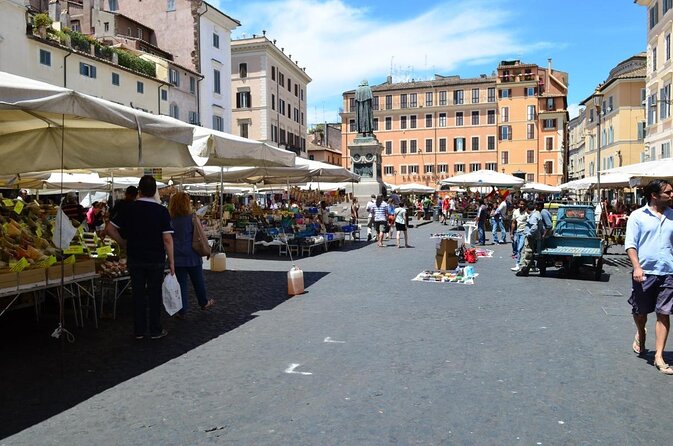
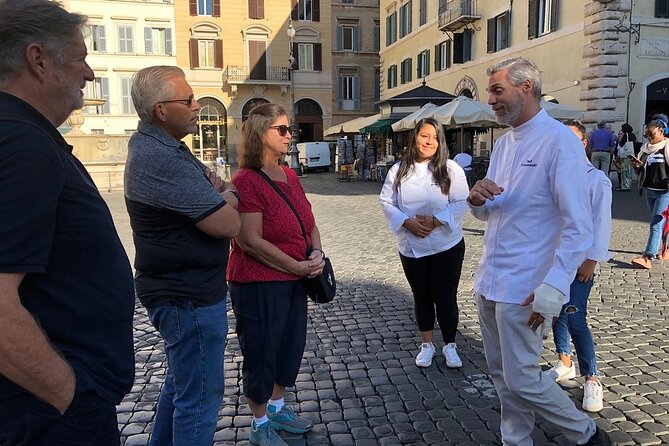
The day kicks off at Piazza Farnese at 9:30 am. You’ll meet your guide/chef in the center of Rome and talk through what the kitchen is making that day. That first conversation matters more than it sounds. When you know the direction, you pay closer attention at the market and you understand what ingredients matter for each dish.
From there, you head toward Campo de’ Fiori, typically on foot. It’s a nice rhythm: quick city orientation outside, then cooking work you can connect to what you see. The class language is English, and it’s designed so you’re involved from the start, not watching from the sidelines.
If you’re hoping for a huge production, this is smaller and more “workshop” than “show.” In a lot of sessions, the cooking teacher is Federico Alessandri, though some classes also highlight chefs like Paola. Either way, expect a real teaching style: step-by-step and practical, with lots of questions encouraged.
You can also read our reviews of more cooking classes in Rome

Campo de’ Fiori Market Shopping: The Ingredient Lesson You Keep
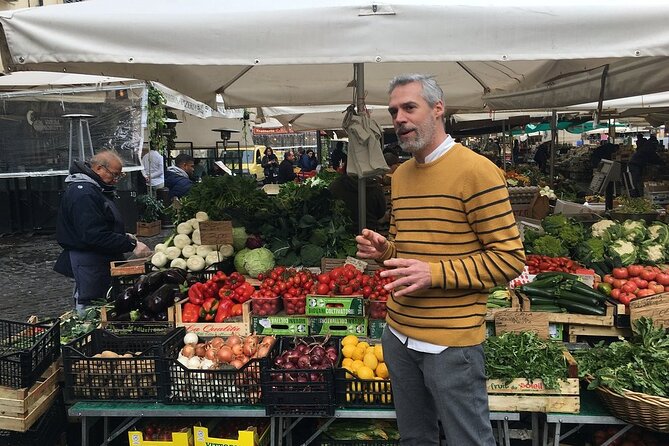
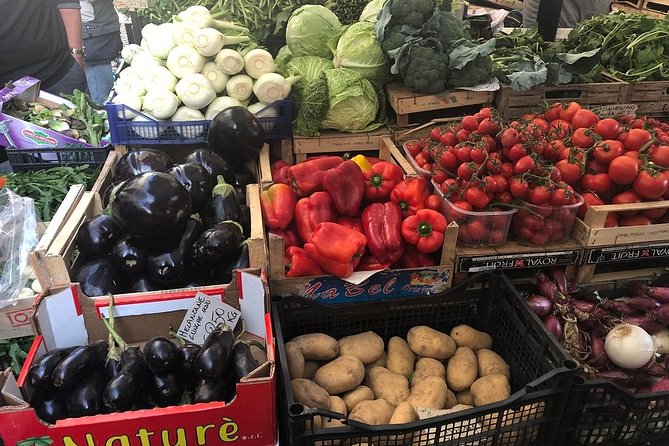
The market stop is where this class builds credibility. You’re not just buying basics. You’re selecting things like seasonal vegetables, herbs, spices, cheeses, and usually meat for the meat course (since the menu can include that). The chef and guide explain what makes certain ingredients work together, and you help choose what ends up on your plates.
A few details from past sessions make the approach clear. Ingredients can be less common than the usual supermarket lineup, and the chef may pull you toward produce that’s truly in season. One standout example mentioned in reviews is puntarelle, a chicory-style vegetable that shows up in some Roman cooking and can be paired with anchovy, garlic, and olive oil. It’s the kind of lesson that helps you cook beyond your comfort zone.
For me, this is the most “Italian life” part. You watch how people shop, how stalls are set up, and how the day’s cooking connects to what’s fresh right now. If you like food markets, you’ll probably feel like the class starts moving faster once you’re picking ingredients in person.
Trade-off: markets take time, and they’re active. If you don’t enjoy crowds or you’re easily stressed in busy spaces, you’ll want to mentally prep for that energy before you arrive.
Trastevere Kitchen Time: Apartment-Style, 100% Hands-On
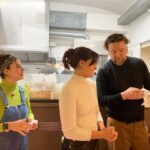
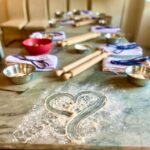
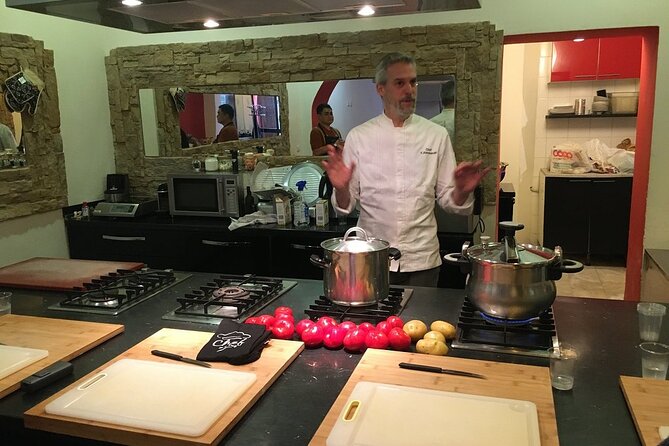
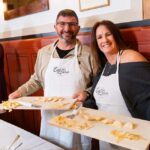
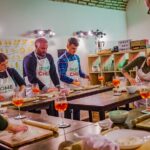
After the market, you go to the cooking space in Trastevere, in the heart of the neighborhood. The class is described as an open-plan apartment setup, not a big hotel kitchen. That means you’ll work close together. It also means it feels like real life instead of a staged cooking lab.
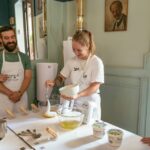
You’ll spend most of the class hands-on: chopping vegetables, blending sauces, rolling dough, filling pasta, and assembling plates. This is exactly why the class works as a skill builder. If you want to recreate pasta at home, muscle memory matters. You need to feel dough textures, understand how sauces thicken, and learn timing.
Expect an efficient setup with help from assistants in some sessions so things don’t drag. But even with help, the whole experience runs about 5 hours, and multiple reviews flag that it can be mostly standing. If you have knee or back issues, plan accordingly.
The Pasta Lineup: Stuffed, Long, and Short-Medium
The core promise is three pasta varieties, each designed to teach you a different technique. Across different days, what you make can vary, but you’ll almost certainly hit these categories:
- a stuffed pasta
- a long pasta
- a short-medium pasta
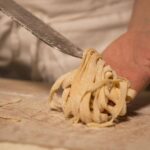
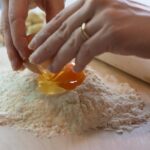
Some sessions include dough styles like egg-and-flour pasta or semolina-based dough, and you may also make gnocchi using potato (reported in prior classes). The point isn’t memorizing names. The point is learning how the dough behaves and why the method changes depending on the pasta type.
Here’s what you should look for while you cook:
- How the dough comes together and what it should feel like before rolling
- How thickness changes texture after cooking
- How filling is portioned and sealed so it stays intact
- How long noodles behave differently from short shapes
- How gnocchi testing and shaping affect results
The chefs also tend to explain the reasoning behind steps, not just the step itself. Reviews mention learning foundational sauce basics and knowing when to adjust using seasonal ingredients. That’s one of the strongest values here: you leave with a framework, not only recipes.
Also, you’ll be making enough to eat. Many classes are fun but leave you with a tiny tasting portion. This one ends with a lunch-style meal built from your work.
Sauces in Three Dimensions: Why They Match the Pasta
Making pasta is half the story in Italian cooking. The other half is sauce. This class pairs each pasta type with a sauce, and you learn to build flavor in a way that scales from “at home for dinner” to “cooking like you mean it.”
You’ll chop ingredients, blend or simmer sauce components, and then understand what each sauce is doing. Past sessions mention learning techniques for:
- tomato sauce as a base sauce you can reuse
- pesto handling so it stays bright and fresh
- sauce consistency control, so it clings instead of pooling
- a mix of meat and cheese-based sauces, depending on the menu
One review even highlights the idea of learning a “mother sauce” approach plus an additional sauce for gnocchi. Whether your exact menu is that same combo or not, the takeaway is similar: you learn sauce structure. That means when you’re back home with different pantry ingredients, you’re not stuck.
A helpful sign that this is a legit teaching class: participants describe learning techniques above copycat recipes. When a chef talks about why Italians cook a certain way or how to adjust to seasonal produce, you can apply that logic later.
You can also read our reviews of more tours and experiences in Rome


Lunch, Wine, and a Seasonal Menu You Actually Eat
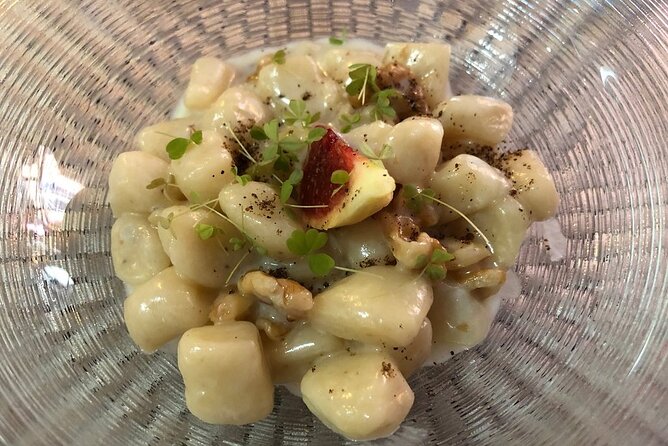
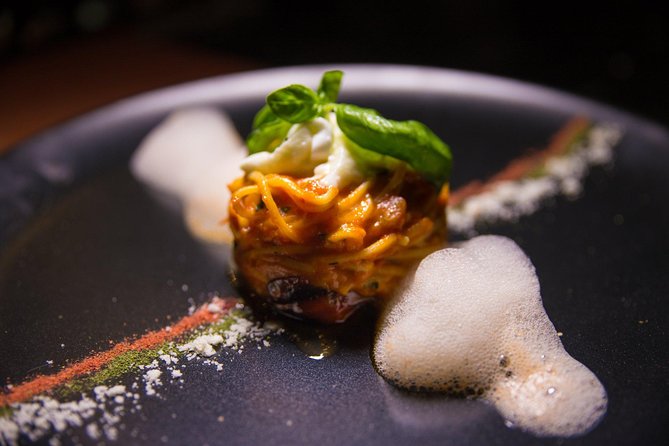
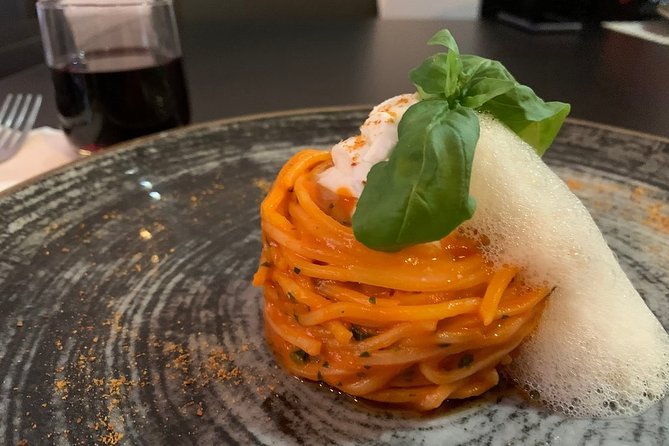
By the end, you sit down to a meal based on the day’s menu. The menu includes an appetizer, homemade pastas, a meat course, dessert, and wine, with changes seasonally. Not every component will be exactly the same each day, but the structure stays consistent.
Wine is included, and it’s served with your meal. This turns the course into a true long lunch, not a quick bite-and-go. One practical thing: plan to stay calm afterward if you’re sensitive to alcohol. You may have had wine during the class and you’ll still want energy for the rest of your day.
Dessert has also shown up as a seasonal item like a strawberry dessert in some sessions. You might also see vegetable dishes like chicory-based salad depending on what the chef finds best that day.
If you’re vegetarian, the class notes that you should provide dietary requirements when booking. Some reviews describe the class as vegetarian friendly, but also note that adding more vegetarian options would have made it even better. Translation: tell them what you need early, and expect the chef to adapt within the menu framework.
Price and Value: What $147.49 Really Buys
At about $147.49 per person, this is not a bargain-basement pasta class. But the price makes sense when you break down what you’re getting:
- market shopping with ingredient selection help
- a professional chef and small-group instruction
- 5 hours of hands-on cooking time
- lunch built from what you made
- wine included
- recipes emailed afterward so you can cook again
A typical cooking class can focus on one pasta shape and skip the ingredient education. Here, the ingredient hunt is part of the lesson, and you end with a full meal. You’re also paying for technique coaching, not just entertainment.
Group size matters too. The class maximum is listed as 11 travelers. There’s also a minimum needed to run the class (so you won’t accidentally get a no-show experience). With a group this size, you’re more likely to get personal attention while your dough, sauce, or shaping needs correcting.
Logistics matter as well: transport isn’t included. Since you start in central Rome and finish in Trastevere, you’ll want to plan how you’ll get there and then where you’ll go after lunch. Still, if you’re already planning a Trastevere afternoon or you like walking, it’s a nice landing point.
Practical Details That Make or Break Your Day
Start time is 9:30 am, and the class ends in Trastevere after lunch. That means:
- arrive early enough to find Piazza Farnese calmly
- wear shoes you can stand in for a few hours
- bring a little water patience for a market walk and kitchen work
You’ll get a mobile ticket and confirmation within 48 hours of booking, depending on availability. The class is offered in English, and children must be accompanied by an adult.
Dietary needs: you’re asked to include them in the special requirements box when you book. Do that. Don’t wait until the day of the class, because market choices are part of the planning.
Also, keep your day loosely timed. This experience runs about 5 hours. If you cram a late appointment right after, you might feel rushed. Cooking days should end with time to digest, not sprint.
Who This Chef in a Day Class Fits Best
This class is a strong match if you want to:
- learn pasta technique you can repeat at home (not just follow a one-off recipe)
- shop for ingredients in a real Rome market with expert guidance
- cook in a small group where you get attention
- combine food education with a genuine sit-down meal and wine
It also works well for mixed experience levels. Reviews mention everything from people new to pasta to experienced cooks who still learned new sauce and timing tips.
If you’re the type who gets bored by cooking “demo” classes, this one is for you. You’ll work at the stations and you’ll produce food you eat.
If you dislike standing, tight spaces, or busy markets, then it’s worth weighing your comfort. The payoff can be big, but the setup is not a relaxed, seated workshop.
Should You Book It in Rome?
Yes, if you want a cooking class that feels like real Italian life and real skill-building. I’d book it when:
- you like markets and want ingredient education, not just pasta rolling
- you want to leave with recipes you’ll use
- you value a small-group experience with a professional chef
- you’re okay with a hands-on day that can mean standing for stretches
I’d think twice if you need very accessible, low-standing movement or you want a private experience. This is designed for small group learning, with a kitchen setup that’s close by nature.
If you’re choosing between a quick tasting class and a serious learning session, this leans clearly toward the serious side. And the best part is simple: you go to the market, you make the pasta, and then you eat it where you cooked it, in Trastevere. That loop is the point.
FAQ
Where is the meeting point?
You meet at Piazza Farnese, 00186 Roma RM, Italy.
What time does the class start?
The start time is 9:30 am.
How long does the experience last?
It runs for about 5 hours.
What’s included in the price?
The experience includes a Campo de’ Fiori market tour, a professional chef, lunch, wine, and recipes that will be emailed after the course.
Is transport included?
No, transport is not included.
Is the class offered in English?
Yes, it’s offered in English.
How many people are in the group?
The class has a maximum of 11 travelers, and a total of 6 participants are needed for the class to start.
What will I cook during the class?
You’ll prepare three pasta varieties and sauces, and the day’s menu also includes an appetizer, a meat course, dessert, and wine (seasonally changing).
Will I receive recipes to take home?
Yes. The pasta recipes are emailed after the course.
What if I have dietary restrictions?
You should list any dietary requirements in the Special Requirements box when you book.
What is the cancellation policy?
You can cancel for a full refund up to 24 hours before the experience’s start time. Cancellation changes made within 24 hours of the start time aren’t refundable, and if the minimum number of travelers isn’t met, you’ll be offered another date or a full refund.