REVIEW · ROME
Rome Catacombs Night Tour & Santa Maria Maggiore After Hours
Book on GetYourGuide →Operated by LivTours - We craft tours, you live them · Bookable on GetYourGuide
Rome at night has a different rhythm. This VIP combo strings together the underground world of the early Christians and the calm glow of Santa Maria Maggiore—without the usual daytime crowds.
I especially like the exclusive night access (you get in after hours, including special areas) and the chance to see Santa Maria Maggiore’s interiors in near-silence. The experience also leans on an actual expert guide—some guides, like Ella (an archaeologist), can even read and translate Latin you’ll encounter.
One thing to plan around: there’s no photography allowed inside the Catacombs of Saint Agnes, so if you’re collecting images, you’ll need to rely on your memory and notes instead.
In This Review
- Key highlights to know before you go
- Rome After Dark: Why This VIP Combo Feels Worth Your Time
- Meeting at Anantara Palazzo Naiadi and Riding in a Chauffeured Vehicle
- Saint Agnes Outside the Walls: Constantia’s Golden Rotunda at Night
- The Catacombs of Saint Agnes: Symbols, Martyrs, and the No-Photo Rule
- Santa Maria Maggiore After Hours: Mosaics, Popes, and Rooftop Views
- Bernini’s Spiral and the Quiet Nave at Night
- Price and Value: What You’re Really Paying For
- Who Should Book This Tour (and Who Might Want to Skip)
- Should You Book This Tour?
- FAQ
- FAQ
- What’s the tour duration for Rome Catacombs Night Tour & Santa Maria Maggiore After Hours?
- Where does the tour start?
- Where does the tour end?
- Is the tour guided?
- What’s included in the price?
- Is hotel pickup included?
- Are food and drinks included?
- Is there photography allowed in the Catacombs of Saint Agnes?
- What’s the dress code for the churches?
- Are children allowed?
Key highlights to know before you go
- VIP night entry to the Catacombs of Saint Agnes, plus dedicated time with a live English guide
- Mausoleum of Constantia after-hours access, including her early Christian rotunda and golden mosaics
- Santa Maria Maggiore without the crowds, including the Loggia balcony with illuminated medieval mosaics
- Hall of the Popes and rooftop terraces for wide views over Rome’s domes and spires
- Bernini’s spiral staircase back down into the tranquil, lit-up nave at night
Rome After Dark: Why This VIP Combo Feels Worth Your Time
A lot of Rome night tours just shuffle you between a couple monuments. This one has a sharper purpose: you see two places that feel completely different—dark underground burial spaces first, then bright, monumental basilica interiors—while Rome is quieting down for the evening.
I like that the tour is built around after-hours entry, not just “meeting at dusk.” The catacombs are where the early Christian world gets personal: symbols, tombs, burial practices, and stories of persecution. Then Santa Maria Maggiore becomes the visual reward—mosaics, chapels, and major papal-era spaces—seen from vantage points you normally don’t get at regular visiting hours.
The duration is also realistic. With about 165 minutes total, you get meaningful time at both sites without it turning into a long endurance test. If you’ve already hit the big-ticket daytime attractions, this is a smart way to add depth without repeating the same photos from the same angles.
You can also read our reviews of more evening experiences in Rome

Meeting at Anantara Palazzo Naiadi and Riding in a Chauffeured Vehicle
You start at Piazza della Repubblica, at the front of the Anantara Palazzo Naiadi Rome Hotel. That meeting spot matters because it’s central, and it helps you avoid the stress of hunting down a less obvious door in a maze of streets.
From there, you go by luxury chauffeured vehicle. Rome traffic can be unpredictable, and being in a car with a set schedule helps the whole evening feel smoother. The tour also uses a separate entrance so you can skip the usual lines—exactly the kind of small advantage that makes night access actually feel like a perk.
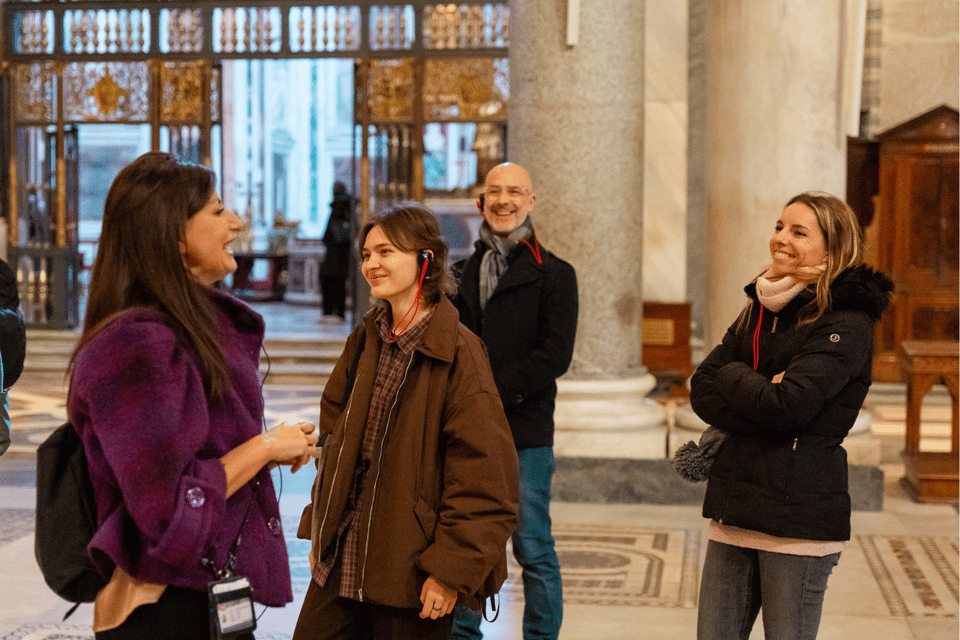
You should expect a live English guide throughout. The tour notes indicate private or small groups are available, which usually means you’ll spend more time actually asking questions and less time waiting for a big crowd to move.
Saint Agnes Outside the Walls: Constantia’s Golden Rotunda at Night
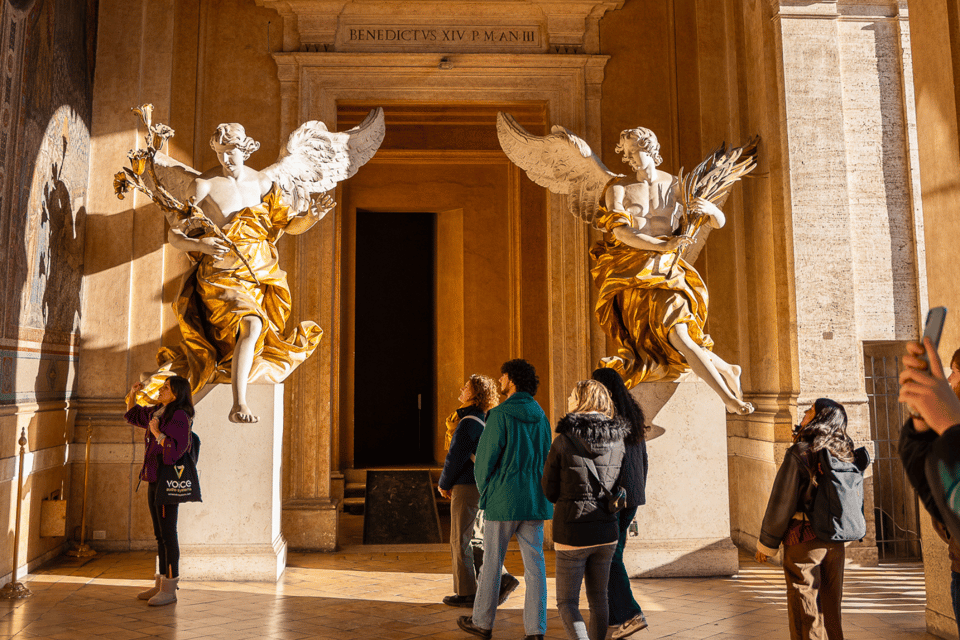
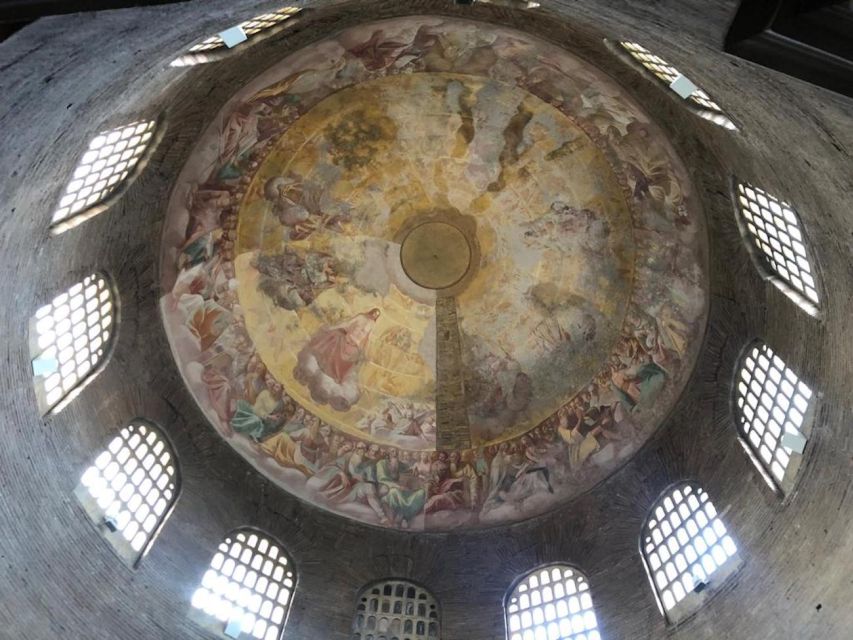
Your first stop is the Saint Agnes complex, often described as a vast site that includes catacombs, a preserved basilica, and the Mausoleum of Constantia. The timing is key. At night, the setting shifts from an outdoor stop into something more atmospheric, because the light and the quiet change how stone, arches, and mosaics read.
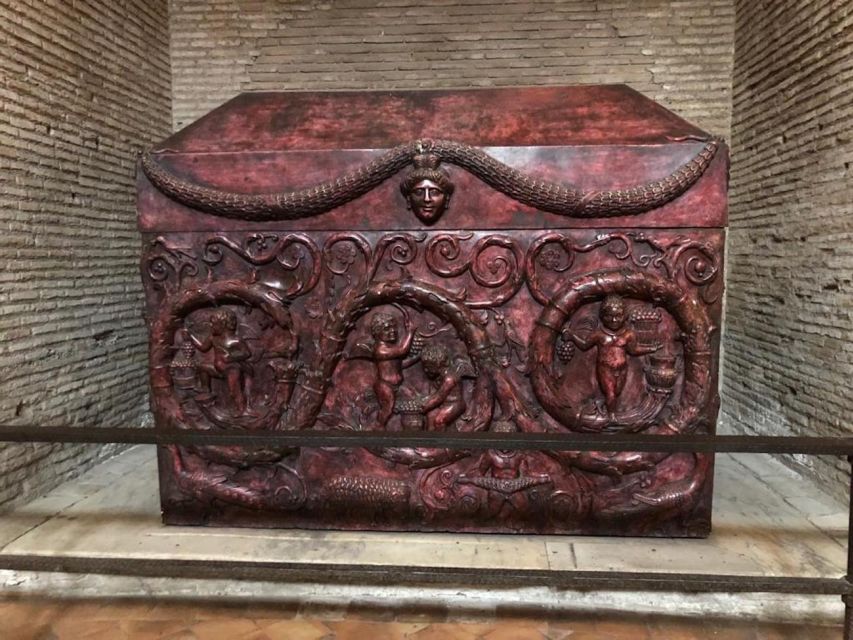
The Mausoleum of Constantia is where this part earns extra points for most people. You enter her early Christian rotunda and see golden mosaics that have survived since the 600s. These mosaics aren’t just pretty background. They act like a visual bridge between the early Christian era and later centuries of devotion, which is a big part of why this site feels layered.
And yes, Constantia is famous for a reason: she was the daughter of Emperor Constantine. That connection helps you place the basilica and mausoleum in the bigger shift of early Christianity—moving from persecution and underground burial to more public religious architecture.
One practical note: places of worship have a strict dress code, so plan to cover shoulders and knees. This matters because you’ll want to walk through multiple interior spaces and not get stuck outside at the moment you want to enjoy the first stop.
The Catacombs of Saint Agnes: Symbols, Martyrs, and the No-Photo Rule
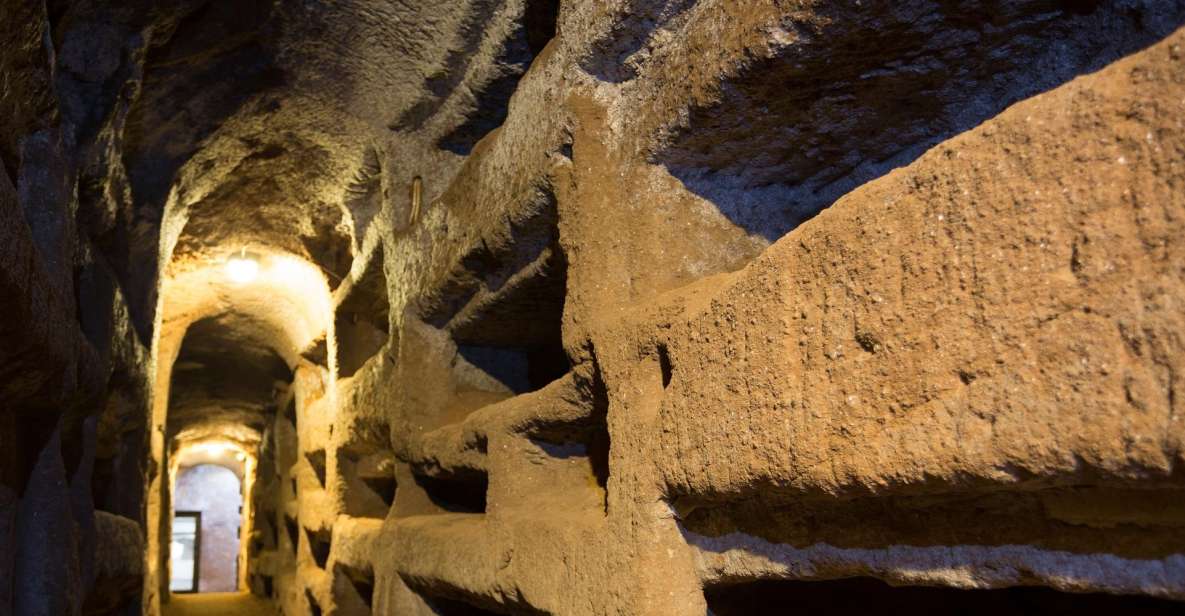
Then you go underground.
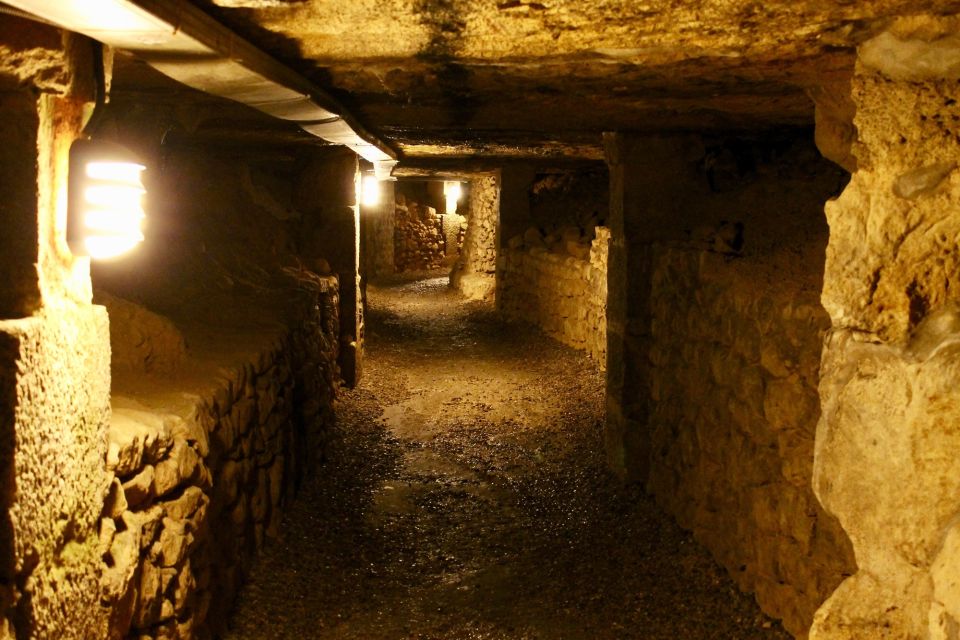
The catacombs are ancient subterranean burial chambers created nearly two thousand years ago for the early Christian communities. With a guide, you don’t just look at stone and tunnels—you learn how the burial spaces worked and how symbolism shows up in the details. The tour emphasizes early Christian symbolism and secret codes, funeral rites, and the stories tied to persecuted martyrs such as Saint Agnes.
What I think many people underestimate is how interpretive this experience can be. The catacombs can feel like Indiana Jones chaos if you don’t have context, but with a good guide, they become a readable world: pathways, tombs, inscriptions or markings, and a sense of why people chose these places.
This is also where the “night” element really matters. Being down in the tunnels when you’d normally be at street level changes the mood. It’s not loud sightseeing. It’s more like you’re stepping into a preserved memory of how people handled death, faith, and community.
The biggest consideration is the no photography rule inside the catacombs of St. Agnes. I’d treat that as part of the experience rather than a disappointment. When cameras aren’t allowed, you tend to look longer and absorb more—especially if your guide points out the small symbolic details that you might otherwise miss while framing shots.
Santa Maria Maggiore After Hours: Mosaics, Popes, and Rooftop Views
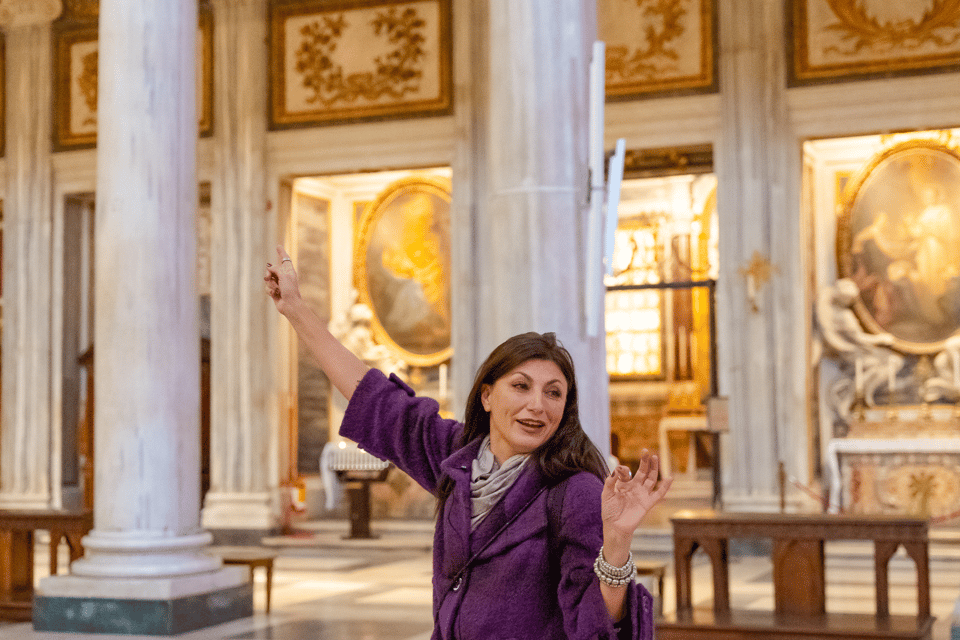
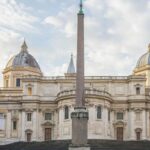
After the underground portion, you drive to Santa Maria Maggiore, one of Rome’s most beloved and oldest basilicas. Parts date back to the 5th century, and the building’s age shows in the way different eras layer together.
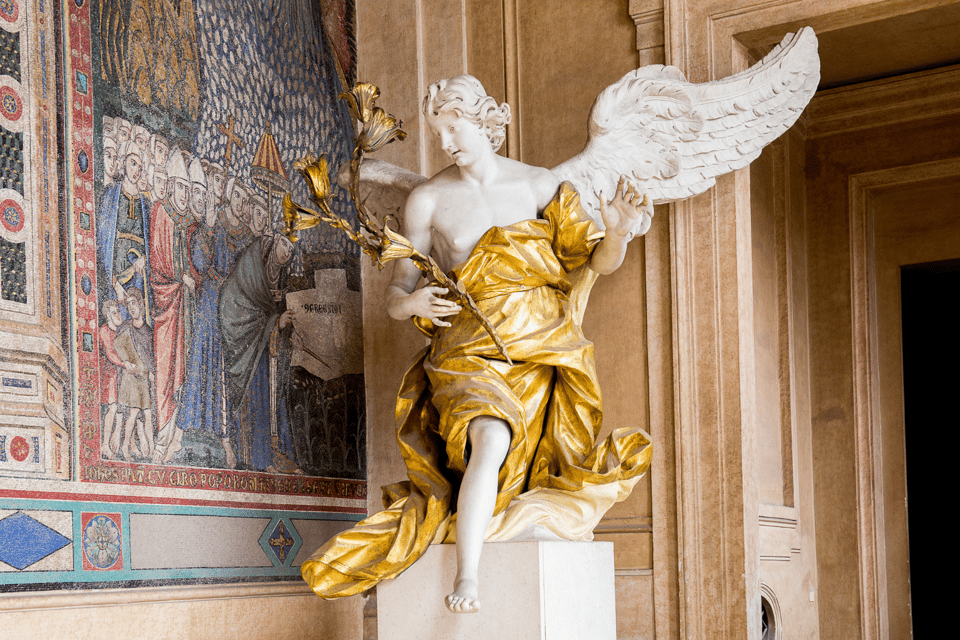
On this VIP night visit, you get exclusive access to special areas that you likely would not see on a standard daytime route. You walk up to the Loggia balcony where you can view illuminated medieval mosaics. Seeing mosaics lit at night is a different experience than seeing them under daylight glare. They read more like living color—especially because the basilica is calmer and darker overall.
Next is time in the Hall of the Popes. It’s a major space, and access to it can be a highlight if you like where political and spiritual power left physical marks. From there, the tour moves to rooftop terraces for panoramic views over Rome’s domes and spires.
A quick heads-up from the tour details: terraces have a safety rule for kids. Children under 7 aren’t permitted on the terraces, so this isn’t the easiest fit for very young families.
If you care about specific relics and major burials, Santa Maria Maggiore also includes the sacred relics of the Manger and notable burials, including Bernini. Add the fact that Pope Francis has declared he will be buried there, and the basilica takes on a contemporary weight alongside its ancient roots.






Bernini’s Spiral and the Quiet Nave at Night
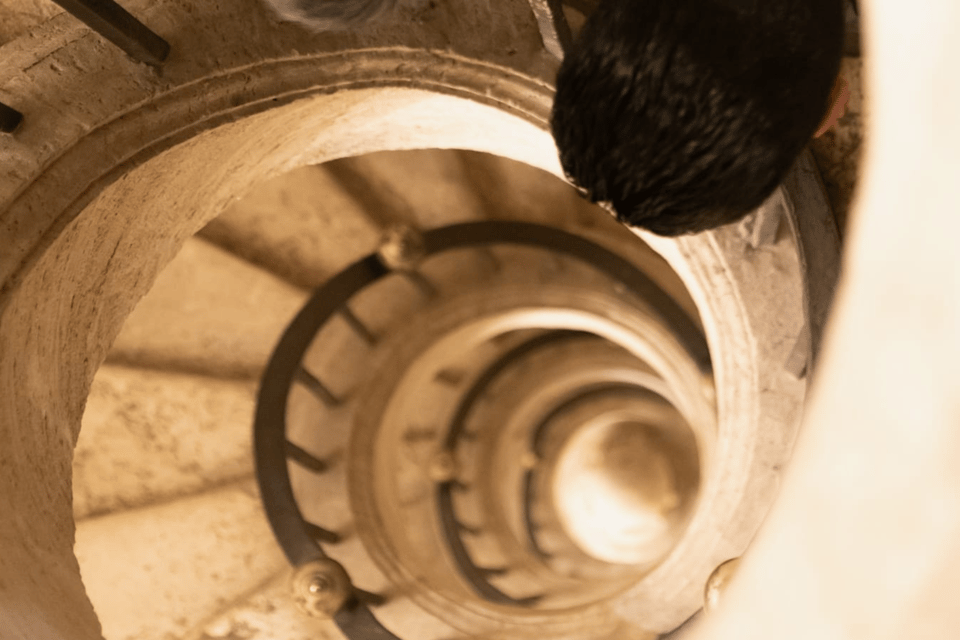
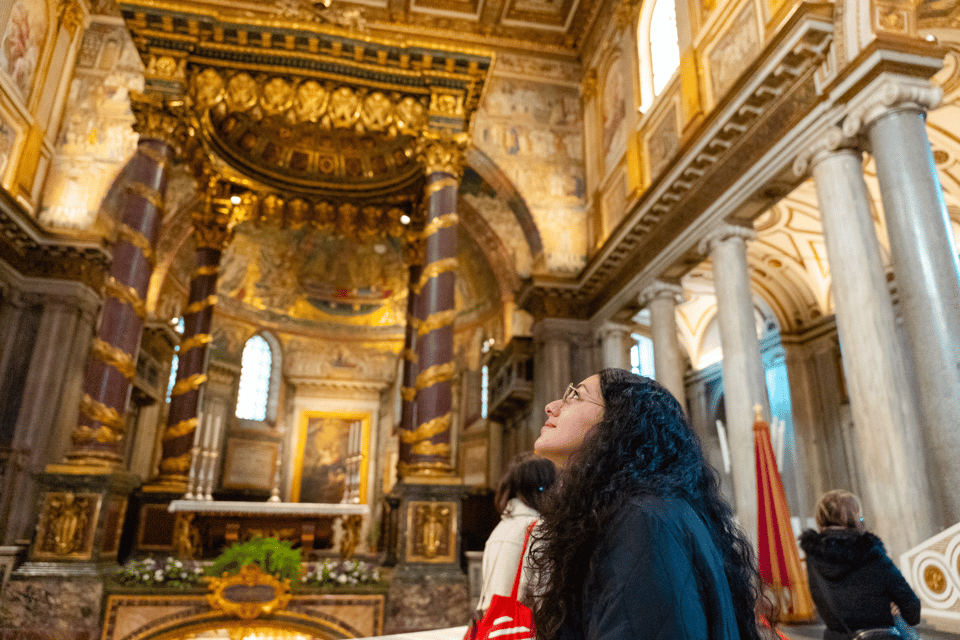
One of my favorite parts of this tour concept is the return route. You come back via Bernini’s famous spiral staircase, and then you tour the nave when it’s lit up and empty at night.
That emptiness is the point. Daytime basilicas are often active and crowded. At night, the nave feels more like a room than a public thoroughfare. The result is an easier way to study scale: arches, side chapels, and the way light moves through interior stone.
The tour notes also connect this basilica with the nickname People’s Church. The large apse mosaics of the Virgin Mary are a big reason why people feel drawn to it, and the side chapels add another layer if you like exploring devotion as a physical design system.
You’ll end as you exit past the Holy Door, which is a nice ceremonial touch because it marks the transition from visiting mode back into an evening stroll in Rome. Even if you don’t plan anything afterward, it helps the whole night tour feel like a complete arc rather than a check-off list.
Price and Value: What You’re Really Paying For
This tour costs $202.89 per person for about 165 minutes. That’s not cheap, especially if you’re comparing it to daytime self-guided entries. But the value story is clear: you’re paying for night access, a private chauffeur, and exclusive areas where regular visitors don’t go.
Night entry is often the real budget line. Catacombs and basilicas at night aren’t just later hours—they can mean different entrances, fewer crowds, and a more controlled visit. The same is true for Santa Maria Maggiore’s special access points, including rooftop terraces and the Hall of the Popes.
The live English guide also matters for value. The catacombs especially can be hard to interpret without someone pointing out symbolism, rites, and the meaning behind what you see. From past experience with this tour style, guides can be very strong—one guide named Sabrina has been praised for energy and friendliness, and Ella is known for archaeological depth and Latin translation.
Is it perfect value for everyone? Not necessarily. One guide’s interpretation might make catacombs feel less exciting than the basilica experience, and that can happen if you’re more drawn to mosaic art, chapels, and famous artworks than underground history. Still, even if catacombs aren’t your favorite part, they function as the emotional origin story for why Santa Maria Maggiore matters so much.
Who Should Book This Tour (and Who Might Want to Skip)
I think this is a great fit if you want a Rome night experience that feels like more than sightseeing. You like being in a place when it’s quieter. You enjoy guides who explain what you’re looking at. And you want two major sites in one go without spending your night on ticket lines and logistics.
This also works well if you’re interested in early Christian faith. The catacombs focus on burial practices, symbolism, and stories tied to martyrs like Saint Agnes. Then Santa Maria Maggiore reframes all that faith in monumental form—mosaics, chapels, and major basilica spaces.
It may be less ideal if you strongly prefer photography in every venue, because the catacombs do not allow photos. It’s also not suitable for wheelchair users, based on the tour information provided.
Finally, if you’re traveling with very young children, the terraces rule matters. Kids under 7 aren’t permitted on the rooftop terraces, so the Santa Maria Maggiore portion may not match what you hoped to do.
Should You Book This Tour?
If you’re choosing between another daytime “highlights” day and a focused night experience, I’d lean toward booking this. The reason is simple: VIP night access + special areas are hard to recreate on your own. The catacombs give context to early Christian life, and Santa Maria Maggiore gives you the masterpiece-scale payoff.
Book it if:
- you want after-hours calm instead of crowd surfing
- you like the idea of seeing golden mosaics and major basilica interiors at night
- you value a strong guide who can make inscriptions and symbolism understandable
Skip it if:
- you’re hoping to photograph every stop (catacombs are no-photo)
- you need wheelchair-friendly access
- your plan depends on rooftop terraces with children under 7
FAQ
FAQ
What’s the tour duration for Rome Catacombs Night Tour & Santa Maria Maggiore After Hours?
The total duration is listed as 165 minutes.
Where does the tour start?
The meeting point is in front of Anantara Palazzo Naiadi Rome Hotel, in Piazza Repubblica.
Where does the tour end?
The activity ends back at the meeting point.
Is the tour guided?
Yes. The tour includes a live tour guide in English.
What’s included in the price?
Included are the Basilica of Santa Maria Maggiore, Basilica of Saint Agnes, exclusive night entry into the Catacombs of Saint Agnes, after-hours entry into the Mausoleum of Constantia, exclusive Santa Maria Maggiore night access, and a private chauffeur.
Is hotel pickup included?
No. Hotel pickup and drop-off are not included.
Are food and drinks included?
No. Food and drinks are not included.
Is there photography allowed in the Catacombs of Saint Agnes?
No. Photography is not allowed in the Catacombs of St. Agnes.
What’s the dress code for the churches?
You must have shoulders and knees covered for entry. Tank tops and short dresses are not allowed.
Are children allowed?
Children under 7 years old are not permitted on the terraces, and bookings for guests with children under 7 are not accepted. Also, the tour is not suitable for wheelchair users.