REVIEW · ROME
Rome 2-Day Sightseeing Tour with Trevi Fountain, Colosseum & More
Book on Viator →Operated by Private Tours of Rome · Bookable on Viator
Rome feels huge, but this plan cuts chaos. This private, two-day route strings together the big hitters—Trevi Fountain, the Colosseum, and Vatican highlights—without trying to cram everything into one exhausting day.
I love the two things that matter most in Rome: real guidance and a pace you can live with. I’ve seen guides like Paola and Claudia praised for clear explanations and keeping kids engaged with small in-spot “tasks,” and Tomasso singled out for making the walk-and-learn rhythm work for families with a wide age range.
One consideration: expect a lot of walking and stairs, and the Vatican has strict dress rules. Add in the reality that parts of the Vatican can close last minute for major religious events, and you’ll want to be flexible.
In This Review
- Quick Takeaways Before You Commit
- Why This 2-Day Rome Tour Works (Even If Rome Tries to Wear You Out)
- Day 1: Trevi Fountain, Pantheon Area, and the Colosseum-Forum Focus
- Trevi Fountain and the Hadrian-to-Rome-Government Stretch
- Colosseum: More Than an Exterior Photo Stop
- Roman Forum: The Empire’s Hub in Human Terms
- Pantheon and Piazza Navona: Art, Fun, and the Rome People Actually Love
- Day 2: Vatican Museums That Actually Make Sense
- Vatican Museums: Statues, Maps, and Raphael Rooms
- Sistine Chapel: Rules Up Front, Then the Ceiling Does the Talking
- St. Peter’s Basilica and Square: The “Signed Pietà” Moment
- Guides That Set the Tone: Paola, Claudia, Tomasso, Romina
- Price and What You’re Really Paying For at $721.67
- Practical Tips That Make the Difference in Rome
- Dress code for places of worship
- Names and ID have to match
- Bring water
- Food and transport are on you
- Should You Book This Rome 2-Day Private Tour?
- FAQ
- What’s the duration of the tour?
- Which major sights are included?
- Are entrance tickets included?
- Is there a dress code?
- Do I need to bring my passport or ID?
- What if the Vatican sites close last minute?
- Can I get a refund if my plans change?
Quick Takeaways Before You Commit
- Skip-the-line momentum: Colosseum entry and reservation fees are handled for you, so you’re not stuck playing ticket-Tetris.
- A calmer split: Roman day + Vatican day: you get time to recharge instead of trying to sprint from one end of Rome to the other.
- Art historian + local guide combo: you get context that makes famous art and ruins feel less like a checklist.
- Raphael, Michelangelo, and Bernini in context: you don’t just see them—you learn what you’re looking at and why it mattered.
- Vatican closures handled with a fallback: if the Sistine Chapel and/or Basilica can’t be accessed, you still get a Vatican-focused alternative.
Why This 2-Day Rome Tour Works (Even If Rome Tries to Wear You Out)
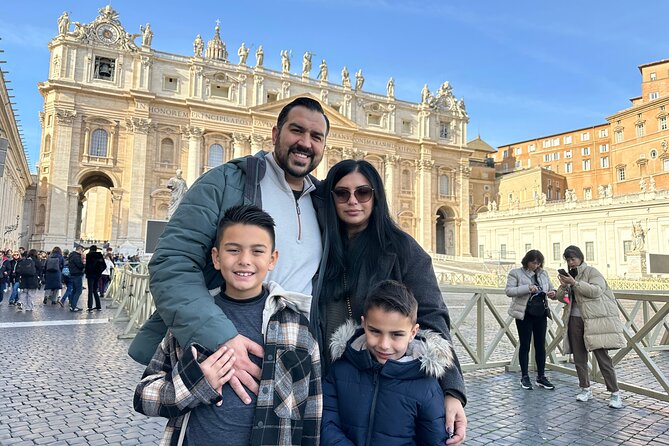
Rome punishes the “see everything” mindset. Streets twist, lines form, and the distance between highlights is bigger than your map makes it look. This two-day private tour is built around one smart idea: spread the pressure out, so you can actually enjoy the places you came for.
You’ll get a guide who can translate what you’re seeing into something you understand. At Trevi, the Colosseum, the Vatican museums, and the Sistine Chapel, the tour doesn’t feel like a slow march of photos. It’s more like a guided conversation with Rome’s strongest characters—politics, religion, art, and spectacle—woven into a route that keeps you moving.
The private part matters too. Instead of waiting for a big herd to catch up, your group stays together at a workable speed. That’s how you end up with time at stops to look closely instead of only taking selfies while someone counts down the minutes.
You can also read our reviews of more tours and experiences in Rome
Day 1: Trevi Fountain, Pantheon Area, and the Colosseum-Forum Focus
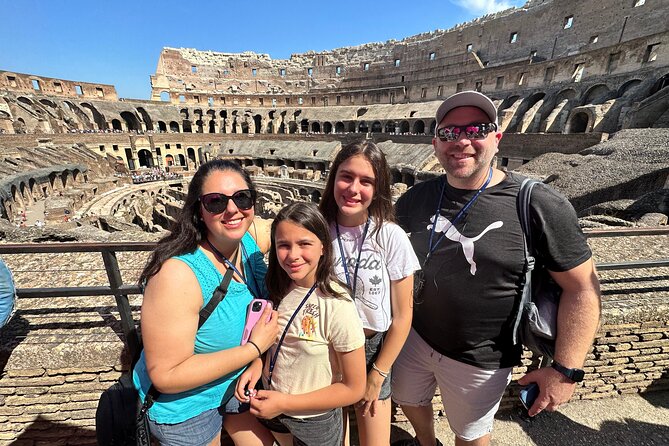
Day 1 hits the classic Rome arc: start with the city’s most famous fountain, then slide into the ancient core, then finish in the Baroque showplace zone. It’s a strong mix of Rome-as-movie-set and Rome-as-emperor-dominion.
Trevi Fountain and the Hadrian-to-Rome-Government Stretch
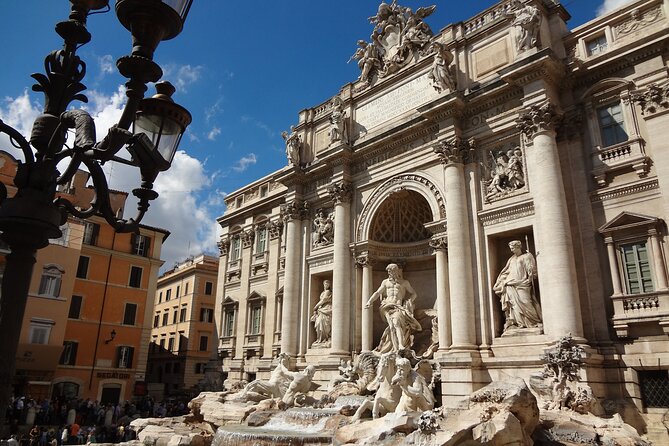
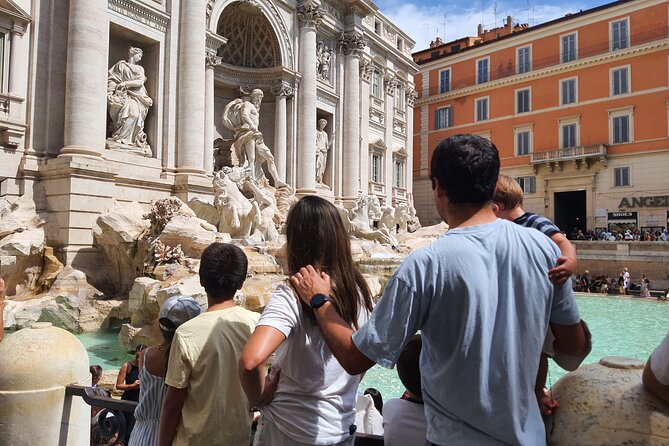
The tour begins at Trevi Fountain, the place people toss coins and make a wish. You’ll also hear the cultural side—Trevi has been featured in famous films, including Fellini’s La Dolce Vita. That’s not just trivia. It helps you recognize why Trevi is so visually over-the-top: Rome knows how to make a grand moment.
From there you shift from legend to power. You’ll see key government-area landmarks—Parliament and the Palace of the Council of Ministers—along with the Column of Marcus Aurelius. It’s a reminder that Rome wasn’t only temples and gladiators. It also ran on administration and monuments.
Close by, you’ll pass the Temple of Hadrian, connected to Emperor Antonius Pius honoring his predecessor. This part works well because it sets up the theme of Day 1: Rome’s greatness wasn’t accidental. It was planned, financed, and carved into stone.
Why this matters for you: this “soft start” gets you oriented without forcing you immediately into the hardest crowds.
Colosseum: More Than an Exterior Photo Stop
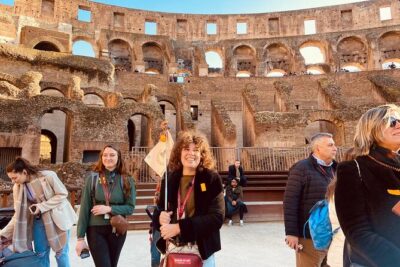
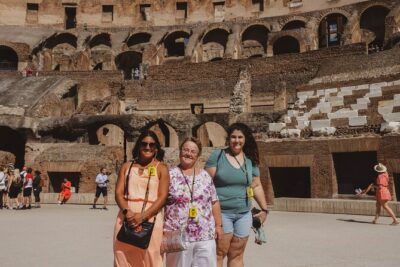
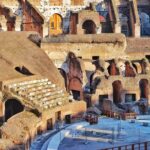
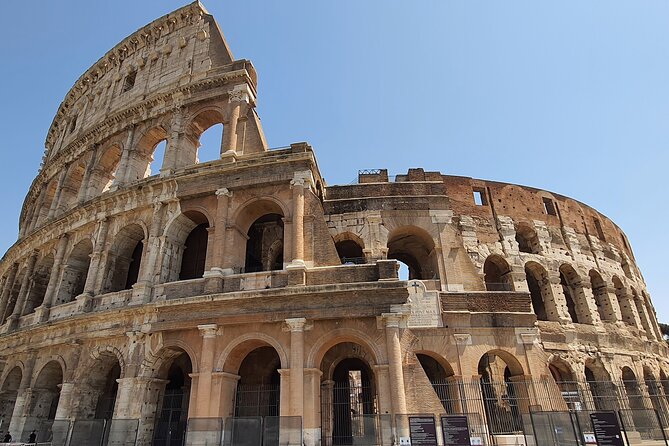
Next comes the Colosseum. You’ll meet your guide outside, then explore the arena with commentary that gives shape to what you’re looking at. The Colosseum is famous, but it can feel vague if you only see it as big and old. With a guide, the structure becomes a story—how it worked, who it served, and why it became a symbol.
There’s also a look outward from the Colosseum area at the Arch of Constantine and the Roman Forum. That’s a good rhythm. It helps you connect the amphitheater to the political and social center that surrounded it.
Roman Forum: The Empire’s Hub in Human Terms
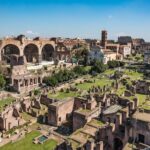
The Roman Forum stop is shorter than the Colosseum, but it’s designed to hit the essentials. The Forum was the Empire’s political, religious, and social hub, so it’s where a lot of the “why” lives. Instead of treating it like scattered ruins, you’ll learn how its role linked leadership, ritual, and daily public life.
This is one of those stops where a guide can prevent frustration. The Forum can look like a pile of ancient leftovers unless someone points out the logic behind where things stood and how they fit together.




Pantheon and Piazza Navona: Art, Fun, and the Rome People Actually Love
After the ancient core, the tour moves to the Pantheon area. You’ll walk down a narrow avenue to the Pantheon and see the tomb of Raphael. Even if you’re not an art specialist, Raphael’s name carries weight, and the guide’s framing helps you notice details you’d otherwise miss.
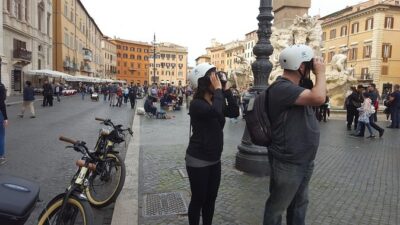
From there, you head toward Piazza Navona to see Bernini’s Fountain of the Four Rivers. Piazza Navona is a perfect “pressure release” after the ruins. It’s lively and visually dramatic, and the fountain gives you a memorable finish to Day 1—something you can enjoy without straining to decode stone blocks.
Best for your energy: you’re not only walking between sites; you’re also getting visual variety.
Day 2: Vatican Museums That Actually Make Sense
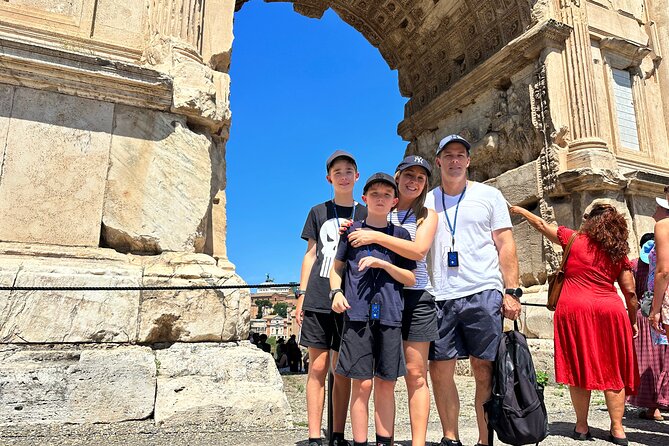
Day 2 is all Vatican. The plan gives you museums first, then the chapel, then St. Peter’s, and finally St. Peter’s Square. That order helps because the Vatican is easier to understand when you build up the art-and-ideas context before you hit the ceiling.
Vatican Museums: Statues, Maps, and Raphael Rooms
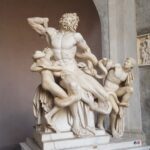
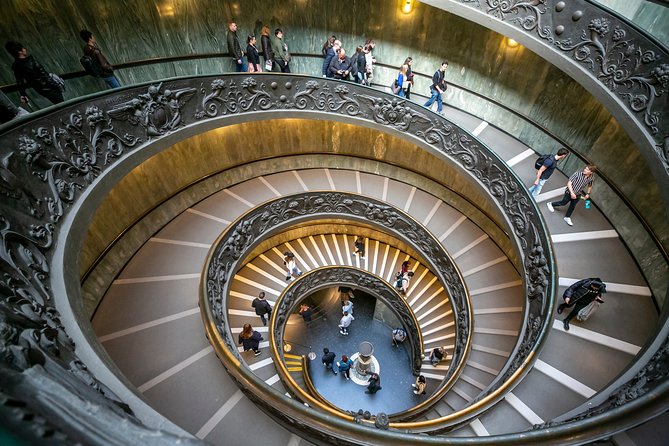
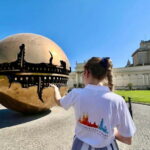
The Vatican Museums visit includes the Belvedere Courtyard and the Pio-Clementino Museum, plus a large collection of ancient Roman and Greek statues. This is where the Vatican shows you its collecting instincts—classical art as a foundation.
Then you’ll move into the Gallery of Geographic Maps and the Gallery of woven-wall hangings (the tour lists this as the textile-focused gallery). The maps and hangings are different from the statues, and that variety keeps you from feeling stuck in a long corridor of marble.
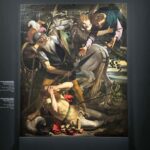
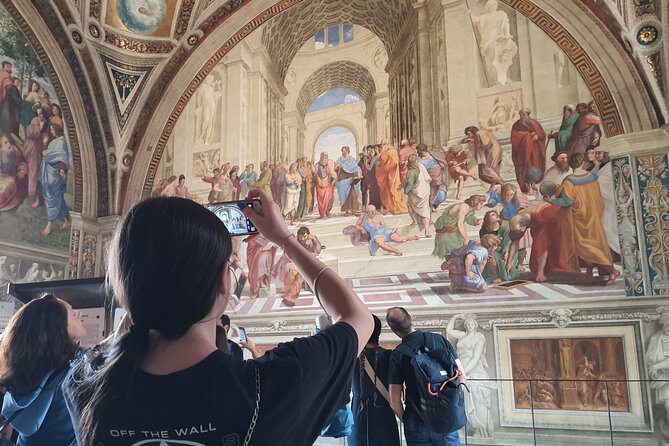
You’ll also visit the Sobiesky Room, home to a huge canvas painting, and the Immaculate Conception Room with frescoes. After that comes Raphael’s rooms, including the spaces painted for Pope Julius II. You’ll learn about Raphael and see works such as Parnassus and School of Athens.
Why this is valuable for you: Vatican Museums can feel like sensory overload if you don’t know what you’re seeing. This route focuses on rooms that connect themes—classical influence, religious imagery, and intellectual ambition.
Sistine Chapel: Rules Up Front, Then the Ceiling Does the Talking
After museums, you enter the Sistine Chapel. The guide sets you up first with history and interesting facts. Inside, speaking is forbidden, so your guide’s job is to get you ready to look.
You’ll marvel at Michelangelo’s frescoes and also see work by Botticelli and other famous artists. The tour also explains how the Sistine Chapel is used today, including the conclave process where a new pope is elected.
Even if you’ve seen photos before, the scale hits harder in person. The tour format helps you notice what makes the paintings work—composition, symbolism, and the emotional punch.
St. Peter’s Basilica and Square: The “Signed Pietà” Moment
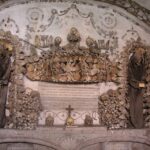
St. Peter’s Basilica is next. You’ll explore side chapels and their hidden crypts, which adds texture beyond the main nave. Then you’ll see Michelangelo’s Pietà, and the guide will explain a key detail: it’s the only work by Michelangelo that he signed.
You’ll also hear about Bernini’s altarpiece and how Michelangelo “triumphed” over contemporaries for the dome. Even if you’re not into architecture, the story makes the building feel like it has authors, debates, and rivalries—not just one finished masterpiece.
The tour ends at St. Peter’s Square. That last stop is practical. You get a moment to take in the full space after the detailed indoor viewing.
Good to know: the tour notes that parts of the Basilica might not be accessible due to the Jubilee and other changes that can happen very late. If that happens, your guide provides an alternate plan centered on the Vatican museums.
Guides That Set the Tone: Paola, Claudia, Tomasso, Romina
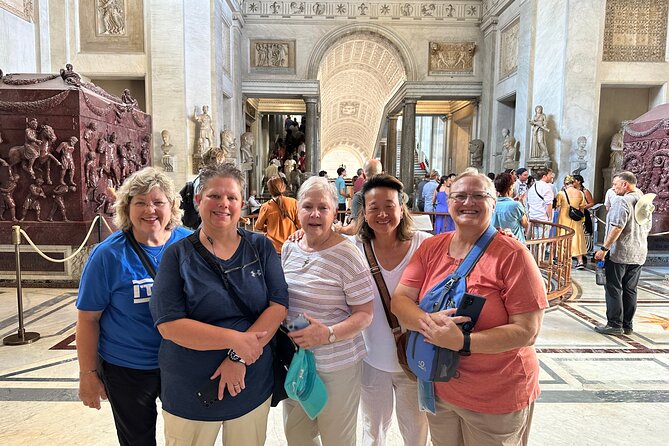
This kind of tour lives or dies by the guide. In this case, the strong feedback isn’t just about facts. It’s about how the guide manages pacing, questions, and group energy.
Paola and Claudia are described as engaging and articulate, with a style that works even with kids. One standout approach is giving children small look-for tasks inside major spaces like the Basilica and Sistine Chapel—so kids don’t just endure, they participate.
Tomasso is noted for being especially good for families. A mixed group from ages 6 to 60 was able to keep a good rhythm, and the tour stayed efficient—short waits, clear navigation, and options when people wanted to shift their pace.
There’s also a reminder that not every day feels perfect. Romina, for example, was described as passing through monuments quickly during intense heat. That doesn’t mean the tour is “bad.” It’s a real travel truth: in 37°C weather, nobody can perform miracles. If you’re traveling in summer, plan for slower self-pacing and bring what you need to stay comfortable.
Price and What You’re Really Paying For at $721.67
At $721.67 per person for about two days, this isn’t a bargain-basement Rome option. It’s a private-tour price. So the value question becomes: what do you buy with that money?
Here’s what’s specifically covered:
- Colosseum entrance ticket (valued at €18 per person)
- Colosseum reservation fee (valued at €2 per person)
- Professional art historian guide plus a local guide
- Local taxes
- The rest of the price supports the guide team and the overall service package
What you’re not paying separately for here is the headache. In Rome, the most expensive thing isn’t always euros—it’s lost time and mental load. This tour aims to reduce:
- line stress,
- navigation problems,
- and the “we walked by it and didn’t get it” feeling.
If you value expert interpretation and you want a route that hits big highlights without turning your day into a sprint, the price starts to make sense. If you’re the type who enjoys wandering freely and doesn’t mind figuring it out yourself, you might find cheaper ways. But if your goal is maximum Rome with minimum hassle, a private guide is often the best money you’ll spend.
Practical Tips That Make the Difference in Rome
This tour involves walking, stairs, and long focus stops. You should have moderate physical fitness. You’ll also want to plan your packing and mindset, because Rome’s rules can surprise you.
Dress code for places of worship
You must cover knees and shoulders for both men and women. That means no shorts and no sleeveless tops. Don’t wing it. If you show up out of compliance, you risk refused entry.
Names and ID have to match
For the Colosseum and Roman Forum, you must present a valid passport or ID document that matches the name used at booking. The tour also notes that failure to present a voucher with all travelers’ full names at the ticket office can lead to denied entry. So double-check spelling early.
Bring water
A refillable water bottle is a simple win, especially in warm months. The tour covers major stops, and you’ll want something you can keep returning to.
Food and transport are on you
Food and drinks aren’t included. Private transportation also isn’t included. That usually means you’ll rely on walking plus public transport connections in Rome, and you’ll handle meals on your own between the guided stops.
Should You Book This Rome 2-Day Private Tour?
Book it if you want a guided Rome that saves your energy and makes the landmarks click. This is especially smart for families, first-timers, and anyone who prefers expert context over wandering in circles. You’ll see Trevi, the Colosseum, the Roman Forum, the Pantheon area, Piazza Navona, and then hit the Vatican Museums, Sistine Chapel, St. Peter’s Basilica, and St. Peter’s Square—all with commentary that turns famous names into understandable places.
Skip it or reconsider if you dislike strict dress rules, you hate lots of walking, or you’re traveling during a period when Vatican closures could derail access. The tour does provide alternatives if key areas can’t be reached, but some moments (like certain chapel or basilica sections) may change.
If your priority is to get your bearings fast and keep moving through Rome with a plan, this two-day structure is one of the most practical ways to do it.
FAQ
What’s the duration of the tour?
It’s scheduled for 2 days (approx.).
Which major sights are included?
You’ll visit Trevi Fountain, the Colosseum, the Roman Forum, the Pantheon, and Piazza Navona on Day 1. On Day 2, you’ll visit the Vatican Museums, the Sistine Chapel, St. Peter’s Basilica, and St. Peter’s Square.
Are entrance tickets included?
Colosseum entrance and reservation fees are included. Admission is also listed as included for the Vatican Museums, Sistine Chapel, and St. Peter’s Basilica stops.
Is there a dress code?
Yes. No shorts or sleeveless tops. Knees and shoulders must be covered for both men and women to enter places of worship and selected museums.
Do I need to bring my passport or ID?
Yes. You must present valid passport or ID that matches the name provided at booking for successful entry to the Colosseum and Roman Forum.
What if the Vatican sites close last minute?
The tour notes that some areas might close due to Pope Francis events and the Jubilee. If key access isn’t possible, the guide provides an alternative focusing on the Vatican museums.
Can I get a refund if my plans change?
No. The experience is non-refundable and cannot be changed for any reason.