REVIEW · ROME
Rome: Appian Way & Roman Aqueducts Guided E-Bike Tour
Book on GetYourGuide →Operated by TopBike Rental & Tours · Bookable on GetYourGuide
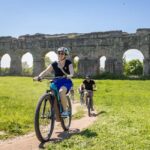
Roman roads, minus the crowds, on a bike. In just four hours you’ll pedal from the city edge onto the Appian Way and out toward monumental aqueducts, guided by people known for safety and story time, like Nima, Cas, and Pablo. I especially love the texture of those 2,300-year-old cobblestones and how clearly you can see the aqueduct engineering in person; the main thing to plan for is uneven gravel and occasional traffic links.
This is a solid half-day break from central Rome, with a route that mixes quiet park riding and just enough city navigation to make it feel real. You’ll cover 27 km on a comfortable Cannondale e-bike (helmet mandatory), and you’ll be guided by a small team capped at 10 riders—great for questions and staying together.
In This Review
- Key things I’d prioritize on this ride
- From Via Labicana to the countryside: the setup that matters
- Aurelian Walls and the Catacombs area: starting with Rome’s defenses
- Circus of Maxentius and the Tomb of Cecilia Metella: ruins that read clearly on a bike
- Appian Way on 2,300-year-old cobblestones: the ride you came for
- Parco degli Acquedotti: aqueducts you can measure with your eyes
- Caffarella Valley Park: where the ride turns quiet
- Intermediate level: what uneven surfaces really mean for you
- Safety and the guide’s job: keeping traffic from being the main event
- Price and value: why $85 can make sense here
- Who should book, and who might prefer a different day
- Should you book this Rome Appian Way and Aqueducts e-bike tour?
- FAQ
- How long is the Rome Appian Way and Roman Aqueducts guided e-bike tour?
- Where is the meeting point?
- What is the total distance of the ride?
- How much of the tour is off-road versus in the city?
- What type of riding level is this tour?
- Are the e-bikes provided and what kind are they?
- Do I need to bring anything?
- Is hotel pickup included?
- Can children join the tour?
- What are the weight limits for the bikes and equipment?
Key things I’d prioritize on this ride
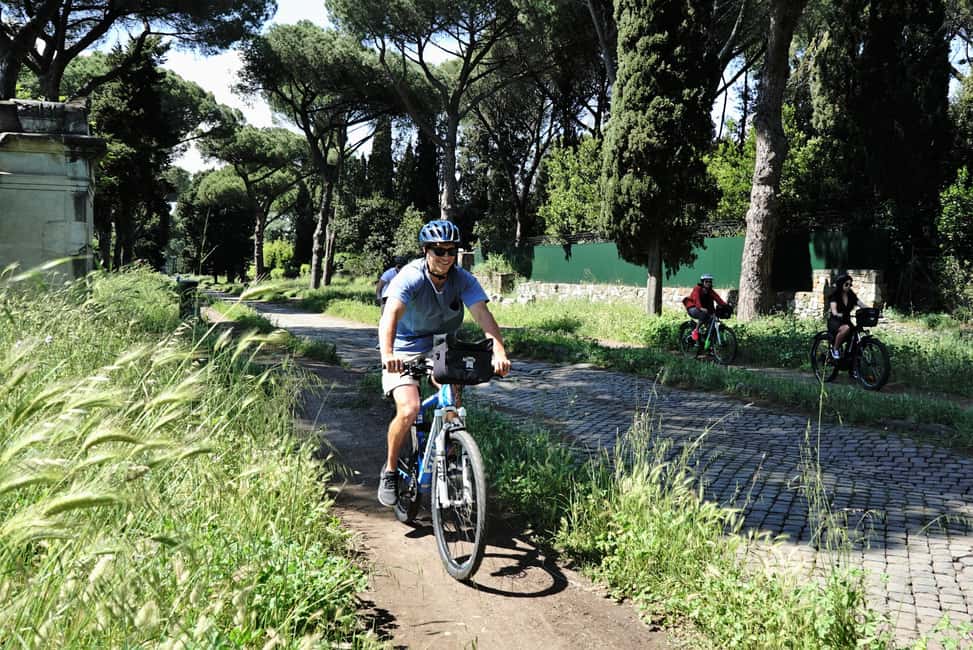
- Ancient Appian Way cobblestones: old-road grit under your tires, not just photos.
- Aqueducts in full scale: you can judge height and distance by eye while moving.
- Small group pacing: limited to 10, so the guide can watch everyone in traffic transitions.
- Caffarella Valley Park feel: countryside calm inside Rome’s urban boundary.
- Guides who manage safety tightly: many rides emphasize careful handling of intersections and junctions.
From Via Labicana to the countryside: the setup that matters
Most people start this tour near the Colosseum area at Via Labicana 49. It’s an easy meetup point if you’re already exploring that side of the center, and it keeps the morning from turning into a complicated logistics puzzle.
Before you head out, you’ll get your bike fit and a safety briefing. The tour uses Cannondale e-bikes with anti-puncture tires and a comfortable saddle, plus a helmet (mandatory), a handlebar bag, and a biodegradable bottle of water.
The practical win here is simple: you get real countryside time without having to figure out how to get there on your own or how to bike in semi-chaotic Rome traffic. In a good way, it feels like the tour does the hard parts—meeting, routing, regrouping—so you can focus on the sights.
You can also read our reviews of more cycling tours in Rome
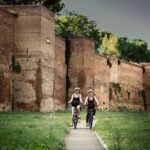
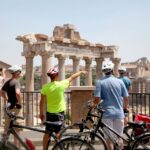
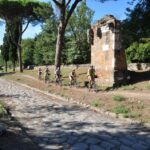
Aurelian Walls and the Catacombs area: starting with Rome’s defenses
The ride begins by passing the Aurelian Walls, Rome’s older protective ring. Even if you’re not stopping for long, you’ll get a clear sense of how the city’s boundaries shaped where people lived and moved.
From there, the route heads toward the Catacombs of Rome area. You’ll be sightseeing as you cycle through the surroundings rather than treating this like an underground tour. That means you get the historical context from the surface view, while still keeping the energy moving.
This first stretch matters because it sets expectations. The tour soon swaps busy streets for off-road paths, but you’re building momentum and comfort with the group and the e-bikes. If you’re new to cycling—or new to e-bikes—this is the moment to get confident, ask questions, and settle into the ride rhythm.
Circus of Maxentius and the Tomb of Cecilia Metella: ruins that read clearly on a bike
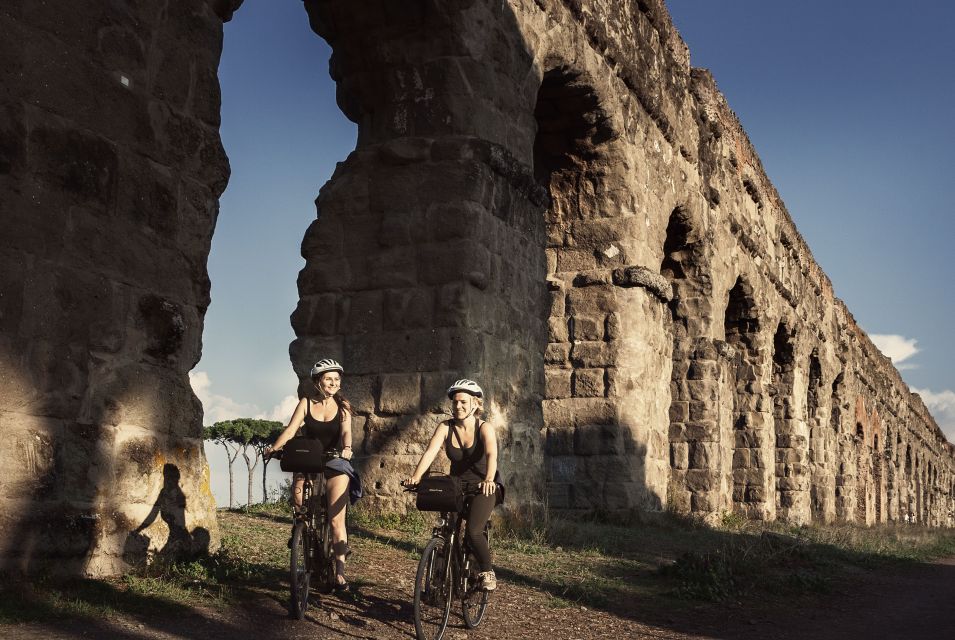
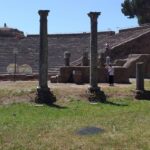
Two stops help you understand Rome beyond the postcard monuments: the Circus of Maxentius and the Tomb of Cecilia Metella.
At the Circus of Maxentius, you’re looking at an enormous footprint of entertainment and power. It’s the kind of ruin where being outside and moving along the edges makes it easier to grasp scale, not just admire shapes.
Then you’ll reach the Tomb of Cecilia Metella, a standout structure that’s easy to recognize even from a distance. This is one of the moments where your guide’s narration can make a big difference. You’ll get the why behind the what—why buildings were placed where they were, and how the area changed over time.
One note from experience shared by cyclists: you’ll want to slow down mentally for photos. The tour is moving, and some of these ruins are best seen when you pause and let the guide’s story anchor what you’re looking at.
Appian Way on 2,300-year-old cobblestones: the ride you came for
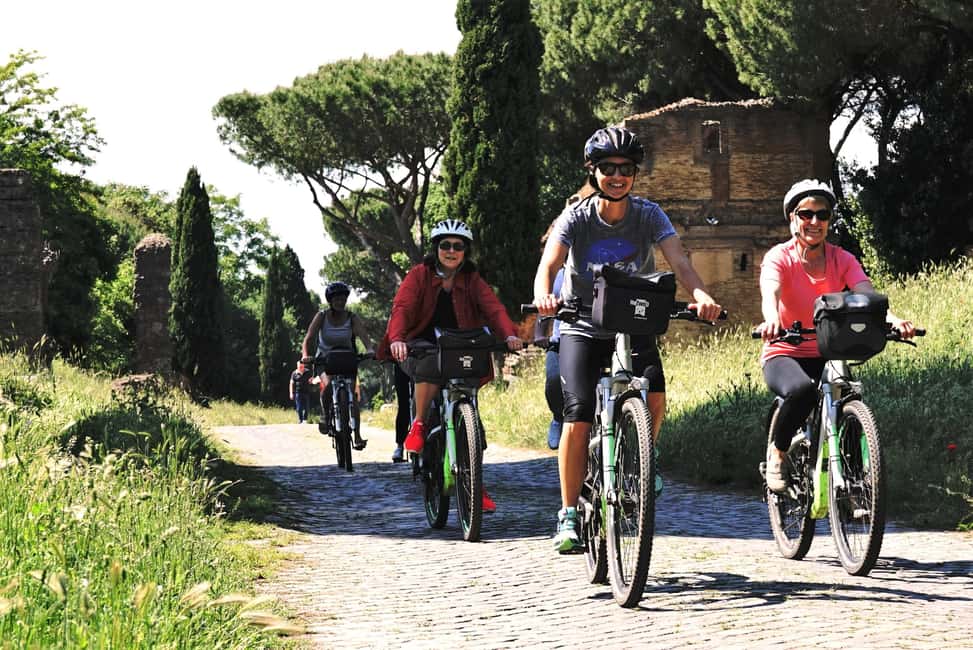
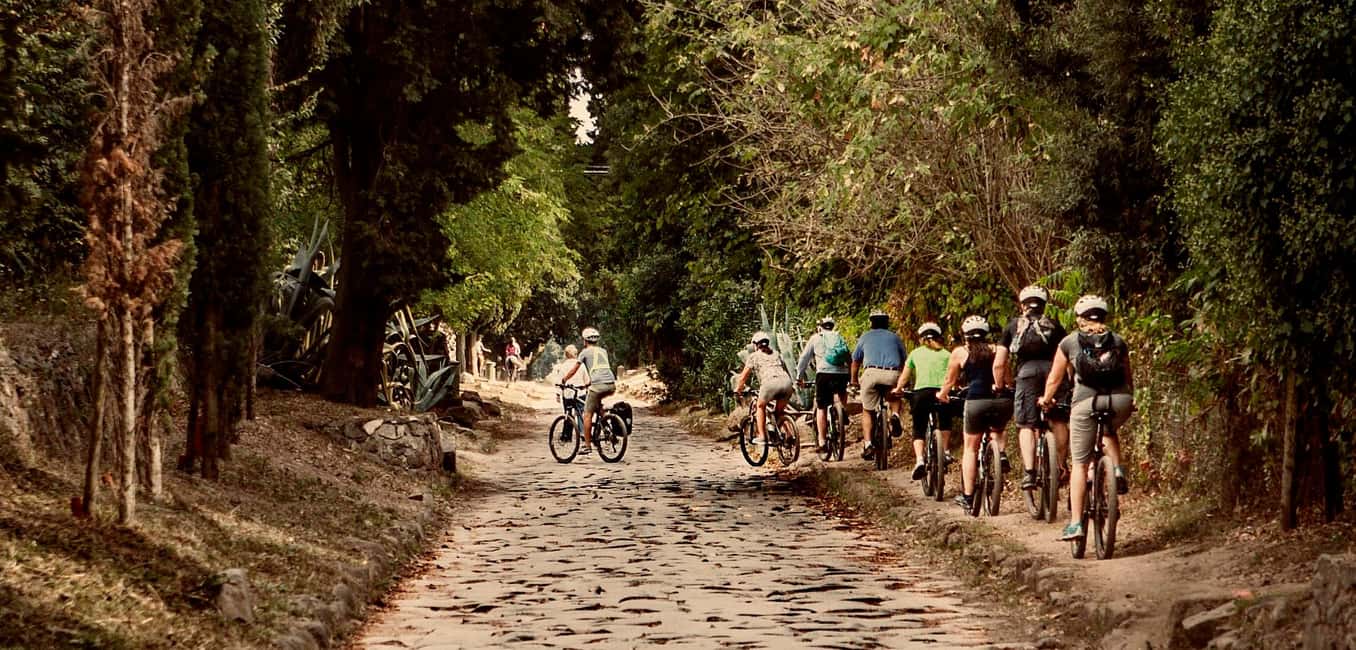
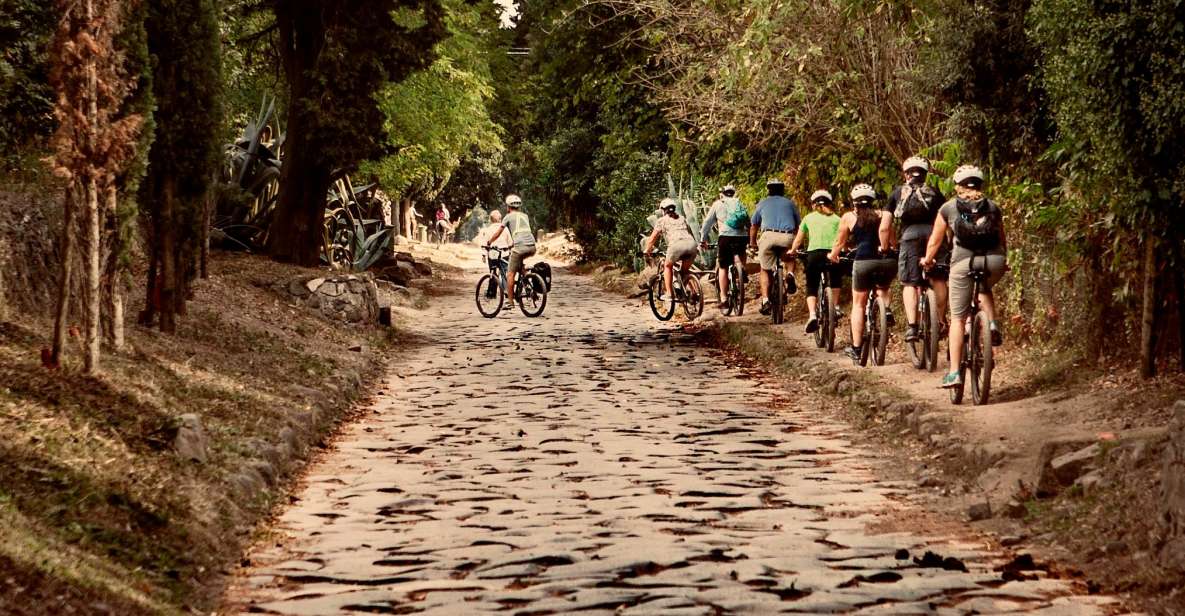
This is the star act. After a short urban ride, you reach the beginning of the Ancient Appian Way and you pedal along its famous cobblestone surface.
Yes, it’s old. More importantly, it’s textured. Those ancient stones create vibration and uneven footing, which can feel surprisingly physical even on an e-bike. E-bikes help a lot with hills, but they don’t erase the road surface, so comfort is about both the bike and your riding expectations.
You’ll also cycle past tombs and remnants tied to imperial life, with your guide explaining details that make the road feel less like a set and more like a lived-in corridor. This is where the tour earns its value: you don’t just see Rome history, you ride along a working timeline.
If you’re sensitive to bumpy surfaces, take it seriously. One rider noted the roads can be rocky and harrowing—especially on old stones. Another point that helps: your guide usually keeps the group moving safely, so you’re not left to guess where to place your tires.
Parco degli Acquedotti: aqueducts you can measure with your eyes
Leaving the Appian Way, the route follows ancient aqueducts through the Roman countryside. This is where the views start to feel less like sightseeing in a museum and more like watching infrastructure do its job.
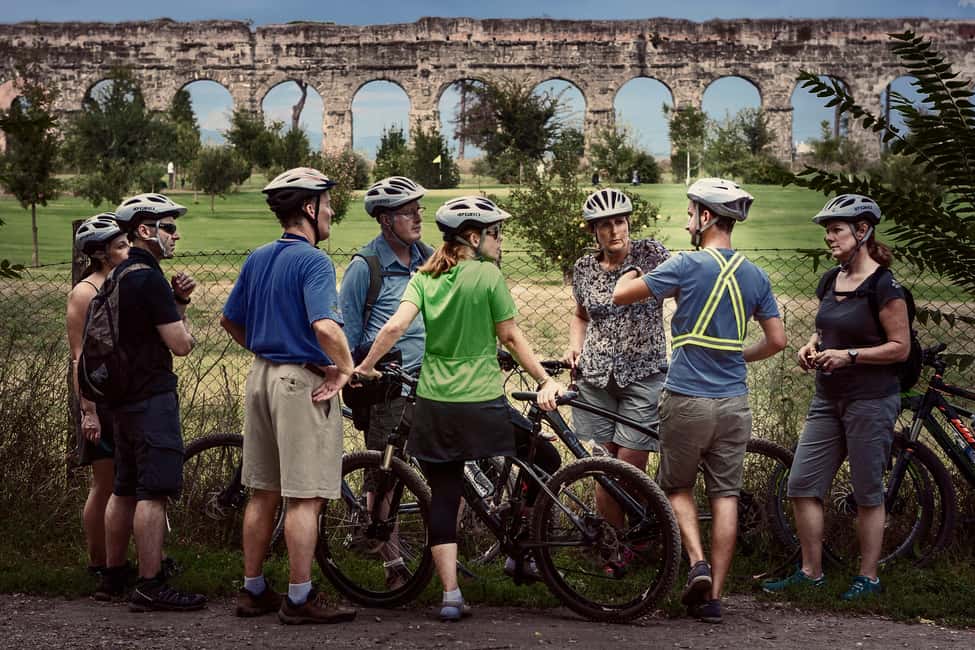
Parco degli Acquedotti is the highlight space for aqueducts, and the scale is hard to capture from ground-level photos. From the bike, you can judge height, distance, and alignment. You’re literally pacing the engineering, which makes the story click.
On a hot day, one guide-led moment can be a memorable one: riders have been shown an option connected to Aqua Felix for a refreshing dunk-style break. You’re not forced into it, but it’s a great reminder that this isn’t just history—it’s also a working landscape people use and notice now.
Expect more stops for narration here than you’d get on a pure sightseeing ride. If you dislike talking breaks, that could be your only complaint. One cyclist found the bike time felt shorter than expected due to frequent listening pauses. The tradeoff is you’ll get better context for what you’re looking at while moving through one of Rome’s most impressive technical achievements.
You can also read our reviews of more guided tours in Rome






Caffarella Valley Park: where the ride turns quiet
As you head into Caffarella Park, the vibe changes. This is the intact beauty portion of the tour, where you’re in a calmer pocket of green inside the city’s reach.
People love this segment because it feels like you’ve slipped away from crowds without leaving Rome. The route also includes riding in parks where there’s no traffic, which makes the whole experience easier on your nerves and legs.
You might notice wildflowers and photo spots along the way. At least one guide built in a spur route for a better view, which is exactly the kind of small, informed decision you want in a group tour.
This section also helps your body reset. After cobblestones and city connections, park riding lets you find a steady cadence. If you’re traveling with teens, this is often the portion that feels most like an adventure rather than a lecture.
Intermediate level: what uneven surfaces really mean for you
The tour is listed as intermediate and it is challenging with added child equipment, but the real detail is the terrain mix. You’ll ride 27 km total, with roughly 60% off-road and about 40% in the city.
About that city riding: traffic is unavoidable at connecting sections between the Appian Way and the park areas. In the park sections, there’s no traffic. That mix is why the guide’s role matters so much. If the guide manages intersections well, your stress level stays low.
For bike comfort, remember: e-bikes make hills easier, but they don’t smooth gravel. One rider mentioned handlebars that felt too low and led to shoulder ache. If you’re tall, short, or have stiffness issues, pay attention during the initial bike fit and don’t hesitate to ask for adjustments.
Bring comfortable shoes. The tour gives you an e-bike and helmet, but your feet still need grip and support for ancient stones and gravel.
Safety and the guide’s job: keeping traffic from being the main event
In a tour like this, the guide isn’t just a historian. They’re traffic manager, pace-setter, and group controller.
Many riders praised guides for staying attentive in the city portions—especially around intersections and road connections. Names that came up repeatedly in positive safety stories include Fabio, Pablo, Nima, Cas, Aaliyah, Bita, and Zac. The common theme is that they lead from the front, watch the group, and help everyone feel stable during the tricky parts.
So how do you make it easier on yourself? Start by treating the city segments like the warm-up phase, not the sightseeing phase. Keep your posture steady, stay aware of your distance from the rider ahead, and follow the guide’s signals.
Also, keep your camera habits practical. If you stop suddenly on uneven ground, you’re more likely to slow the group and create awkward gaps. When you do want photos, choose spots where the group can pause safely.
Price and value: why $85 can make sense here
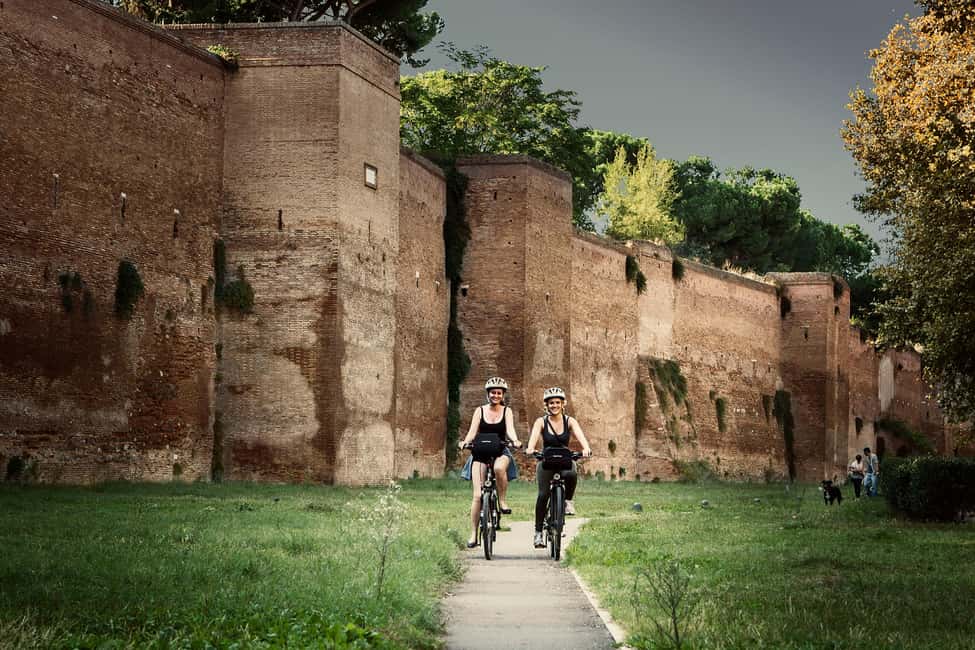
At about $85 per person for a 4-hour small-group tour, you’re paying for more than guided commentary. You’re paying for an e-bike with anti-puncture tires and a comfortable saddle, plus a helmet, bottle, and a guide who handles the route transitions.
That value gets stronger because the tour’s time is well used. You get a mix of iconic ancient sites (Appian Way, aqueducts, major ruins) plus countryside atmosphere in Caffarella and the aqueduct park area. It’s hard to replicate this mix cheaply unless you rent transport and do the route planning yourself.
Small group size also helps. Limited to 10 participants, you’re more likely to get help when you need it and less likely to feel like you’re trapped in a large crowd routine.
The one cost-related caveat: it’s not a private tour. If you want total silence, no stops for narration, and maximum ride time, you might find the pacing too chatty. But if you like understanding what you’re seeing while you move, the structure tends to feel worth it.
Who should book, and who might prefer a different day
This tour suits you if you want an off-the-grid Roman experience without abandoning the convenience of a guided route. It’s a good fit for people who like history but get bored with only standing still. It’s also a smart choice for travelers who want countryside scenery in half a day.
It’s especially nice for groups and families where teens can handle the ride and younger kids can join with the correct bike setup. The tour supports children with a child seat for ages 1–4 (free) and a child extension for ages 5–8. Kids 9 and up ride appropriately sized e-bikes.
It’s not for babies under 1 year. Also, note the equipment weight limitation of 300 lbs (136 kg).
If you’re a brand-new rider or you hate uneven surfaces, think twice. E-bikes reduce effort, but you’ll still feel cobblestones and gravel. If your idea of cycling is smooth paths only, this may feel like too much texture.
Should you book this Rome Appian Way and Aqueducts e-bike tour?
Book it if you want a real change of pace from central Rome and you care about seeing the aqueducts and the Appian Way in motion. The small group size, the guided safety focus in city transitions, and the mix of cobblestone history with park riding make it a strong half-day use of your time.
Pass or swap to a different option if you need a mostly smooth ride, dislike bumpy ground, or get irritated by frequent stop-and-listen moments. Also, if you’re picky about bike fit, show up ready to adjust during the briefing.
If you’re the type who likes your Rome with some grit under the tires, this is a very satisfying way to do it.
FAQ
How long is the Rome Appian Way and Roman Aqueducts guided e-bike tour?
The tour lasts 4 hours.
Where is the meeting point?
You meet at Via Labicana 49, which is about a 5-minute walk from the Colosseum.
What is the total distance of the ride?
The route is 27 kilometers.
How much of the tour is off-road versus in the city?
Roughly 60% of the route is off-road. About 40% takes place in the city, with traffic unavoidable in some connection sections.
What type of riding level is this tour?
The level is intermediate, with some challenging riding due to uneven surfaces. E-bikes are included, but you should be comfortable with gravel and ancient stones.
Are the e-bikes provided and what kind are they?
Yes. You’ll ride a Cannondale e-bike with anti-puncture tires and a comfortable saddle.
Do I need to bring anything?
Bring comfortable shoes. A helmet is mandatory and provided for the ride.
Is hotel pickup included?
No. Hotel pickup and drop-off are not included.
Can children join the tour?
Infants under 1 year cannot participate. Infants aged 1–4 ride for free on a child seat. Ages 5–8 have a child extension, and ages 9 and above ride an appropriately sized e-bike.
What are the weight limits for the bikes and equipment?
There is a weight limitation of 300 lbs (136 kg) for the bike equipment. The child seat has a max limit of 49 lbs or 22 kg.