REVIEW · ROME
Rome: Hop-on Hop-off Bus Tour and Colosseum Experience
Book on GetYourGuide →Operated by Sightseeing Experience · Bookable on GetYourGuide
Rome’s Colosseum meets easy city hopping. This combo pairs a 24/48-hour hop-on hop-off bus with an entrance ticket covering the Colosseum, Roman Forum, and Palatine Hill. I like that you can switch between iconic ruins and quick bus sightseeing on the same day, and I also like the built-in chance to explore at your own pace instead of sitting through a fixed tour script.
The one drawback to plan around is that the bus experience is good for convenience, but the on-board audio can be unreliable, and some stops can feel spaced out if you want to walk everywhere. The good news: if you use the bus strategically, you’ll get exactly what you paid for—major sights without the stress.
Below are the key reasons this works, plus the practical caveats that can make or break your day in Rome.
In This Review
- Key points before you go
- Price and what you actually get for $88
- Redeeming at Via Paola 35 (and the voucher reality check)
- How the hop-on hop-off bus works (24 vs 48 hours)
- A note about spacing and your legs
- The onboard experience: Wi‑Fi is great, audio can be spotty
- The simple strategy
- Stop by stop: where the bus helps you most
- Via Marsala and Santa Maria Maggiore
- Colosseo stop
- Circo Massimo
- Piazza Venezia
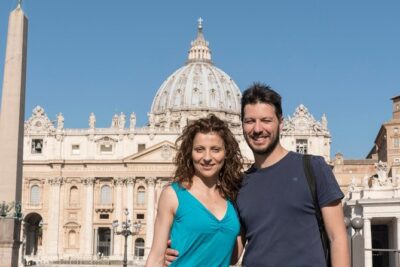
- Vaticano
- Fontana di Trevi
- Piazza Barberini
- Entering the Colosseum: your ticket and your pacing
- A key planning point: check regulations
- Roman Forum and Palatine Hill: the Sacred Way and the best views
- Roman Forum: Sacred Way walking
- Palatine Hill: panorama + Circus Maximus context
- A smart timing plan for 1 or 2 days
- If you have 1 day
- If you have 2 days
- Pros and cons: what makes this combo work (or not)
- The strong wins
- The common annoyances
- Who this is best for
- Should you book this Rome combo?
- FAQ
- What does the ticket include?
- How long is the hop-on hop-off ticket valid?
- Where do I redeem my voucher?
- Do I need a printed voucher?
- Can I bring bags with me?
- Is there a guided tour included?
Key points before you go
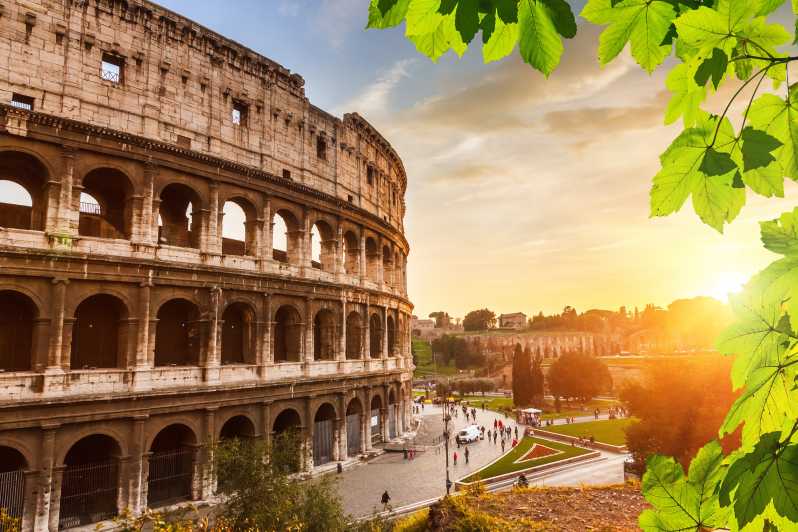
- You get two big parts: hop-on hop-off bus time plus entrance to the Colosseum, Roman Forum, and Palatine Hill
- The bus is open-top for views of major landmarks as you move around the center
- Boarding flexibility: you can hop on and off at stops like Colosseo, Circo Massimo, Piazza Venezia, Vaticano, Fontana di Trevi, and Piazza Barberini
- Onboard Wi‑Fi is included, handy for mapping plans and sharing photos as you go
- Plan for self-guided ruins: you’re entering and wandering, not being walked through by a guide
- Travel light: bags are not allowed
Price and what you actually get for $88
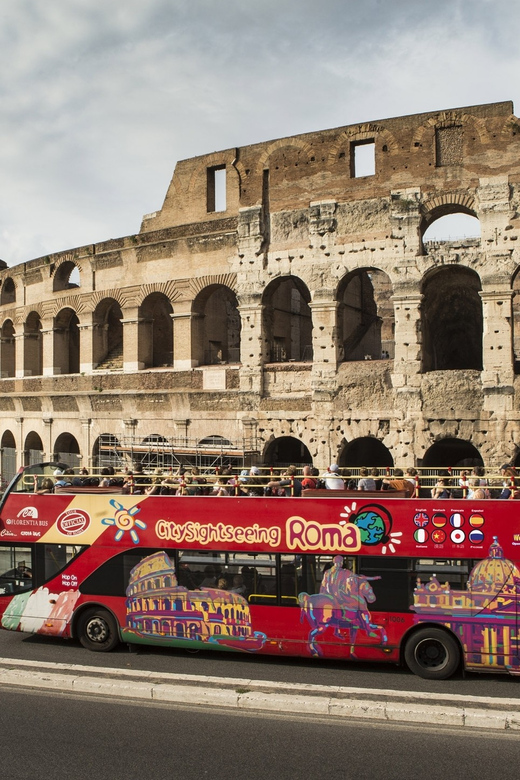
At about $88 per person, this isn’t the cheapest way to do Rome’s top sights—but it’s also not trying to be. You’re paying for two conveniences that are hard to DIY cleanly: (1) an all-day hop-on bus ticket, and (2) a bundled entrance ticket covering multiple interconnected sites.
Here’s how I think about the value. If you only cared about the Colosseum, it can feel like you’re overpaying. But once you factor in that your ticket also covers the Roman Forum and Palatine Hill, the price starts to make more sense. That’s a lot of high-demand sightseeing in one package, plus a bus option that helps you connect the dots without burning your entire day in transit.
Also, your ticket is designed for a “pick your moments” style of travel. That matters in Rome, where walking is part of the magic but getting stuck in heat, crowds, or long routes can be the real cost.
You can also read our reviews of more tours and experiences in Rome.



Redeeming at Via Paola 35 (and the voucher reality check)
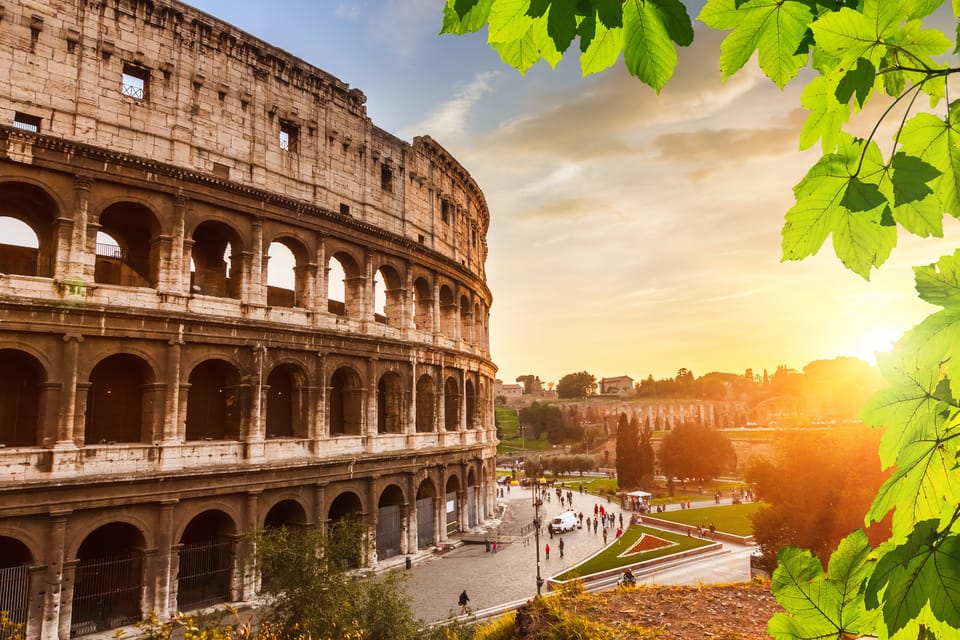
Your meeting point is clearly set: you redeem your voucher at the Vatican Visitor Center City Sightseeing Rome in Via Paola, 35.
Two practical things to keep you from wasting time:
- Bring a printed voucher. This is required, not optional.
- Be ready to exchange it at the start. Some people can have trouble finding the right exchange spot, so going early helps.
One more detail I’d treat seriously: bags are not allowed. That can affect how you move through the Colosseum area and how you pack for the day. If you’re carrying camera gear, keep it minimal and organized.
How the hop-on hop-off bus works (24 vs 48 hours)
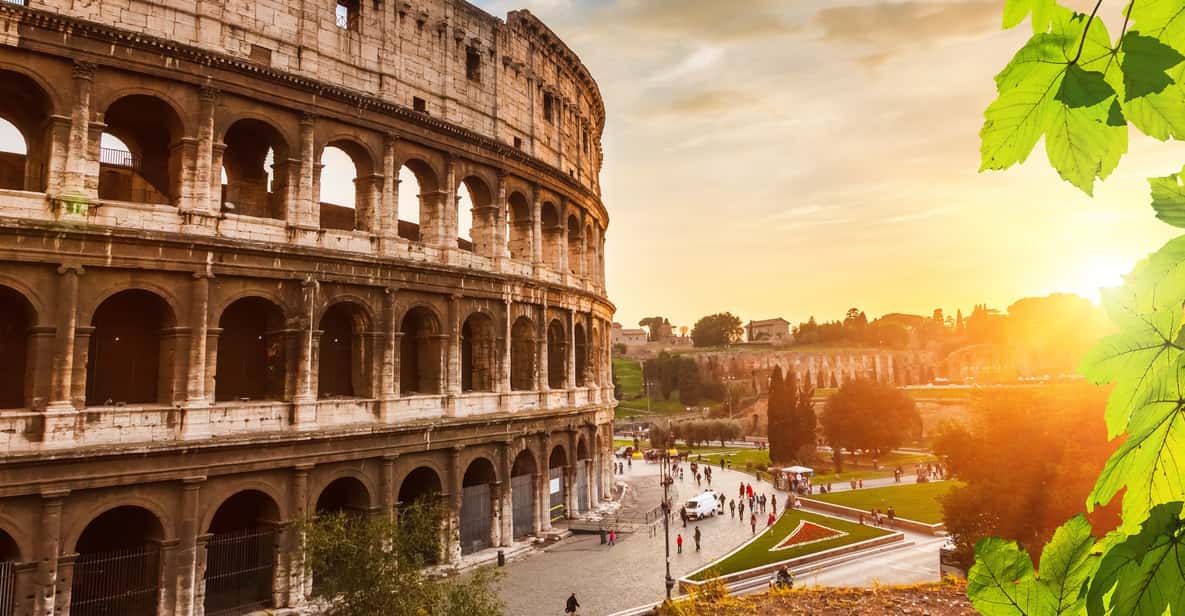
You choose a 24- or 48-hour ticket, and the goal is simple: use the bus as your moving base and stop where it fits your day. Because it’s hop-on hop-off, you can return to the route later instead of committing to a one-way walking plan.
The bus route includes pass-by and/or stops tied to classic Rome anchors. You can hop at:
- Via Marsala
- Santa Maria Maggiore
- Colosseo
- Circo Massimo
- Piazza Venezia
- Vaticano
- Fontana di Trevi
- Piazza Barberini
You also get panoramic views from the open-top bus of major sights, including the Colosseum and Imperial Forum area, plus views toward the Spanish Steps.
A note about spacing and your legs
The bus is helpful, but the stops are not so close together that you’ll feel like you can instantly hop out and walk to everything without thought. If your plan is to chain attractions with short walks between them, you’ll want to group nearby stops and accept that some Rome walking is unavoidable.
The onboard experience: Wi‑Fi is great, audio can be spotty
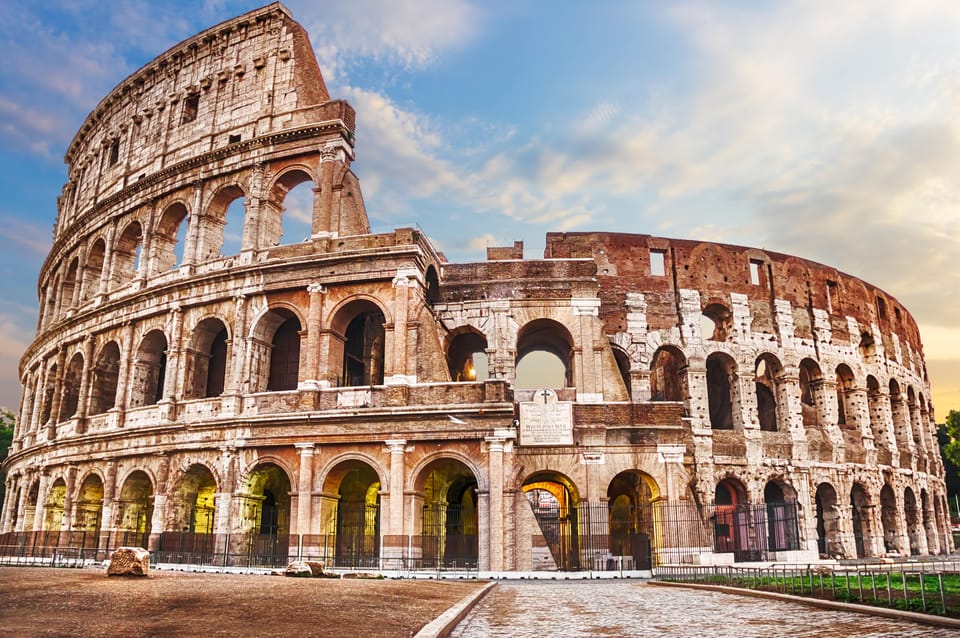
One win is that there’s Wi‑Fi onboard. In practice, it’s useful for:
- Checking your next hop stop
- Reworking your timing if you hit crowds
- Uploading photos and keeping your group on the same page
On the other hand, the on-board narration/audio can be uneven. Some rides are described as having old buses and audio that’s hard to understand, and there’s even a mention that channels may not work correctly. If you really want context while you ride, treat the audio as a nice bonus, not your main source.



The simple strategy
Use the bus for movement and views. For deeper context, rely on what you read before you arrive (or offline on your phone) so you don’t miss out if the audio fades in and out.
Stop by stop: where the bus helps you most

Rome is a patchwork of hills, piazzas, and ruins connected by busy streets. The route matters because it reduces the number of long, “I hope this works out” walks.
Here’s how I’d use the listed stops, with what they set you up for:
Via Marsala and Santa Maria Maggiore
These are good early stops for getting your bearings and spreading your day out. You’re also passing by Basilica Papale di Santa Maria Maggiore, which is a strong landmark if you want your first half-day to feel more “Rome neighborhood” and less “ruins only.”
Colosseo stop
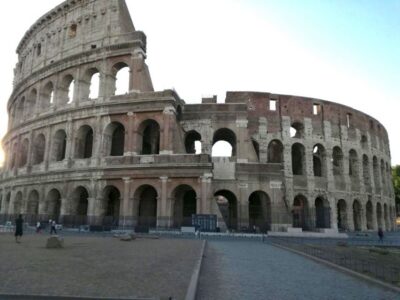
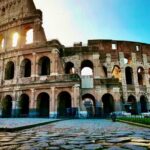
This is your direct line to your Colosseum day. It’s the most obvious hop because your ticket entrance sites are clustered. If you want to see more on the same day, hop here, then connect your next ruins visits without losing time.
Circo Massimo
If you like Roman engineering and the idea of what used to fit where, this stop is a natural breather from the Colosseum’s intensity. It sets you up for the wider view of how the Romans used massive outdoor spaces.
Piazza Venezia
This is a pivot point for central sightseeing. It’s also a convenient place to rethink your plan if your day is running tight. Rome days often stretch or tighten depending on crowds, ticket timing, and energy.
Vaticano
This stop puts you in reach of the Vatican area. Even if you’re not doing museums in the same visit, it’s useful for seeing the big-city flow and adjusting your route based on how long other stops are taking you.
Fontana di Trevi
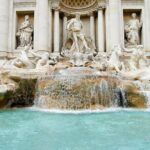
This is the stop tied to one of Rome’s most famous moments. The bus helps you reach Trevi Fountain, where tossing a coin is part of the classic ritual most people come for.
Practical tip: if you’re aiming for photos without peak crowds, you’ll want to time your hop-off carefully and be ready for the fact that Trevi can get packed.
Piazza Barberini
This stop is handy for turning your day back toward shopping streets or evening plans. It’s a good final “I still want to see more but don’t want to travel far” option.
Entering the Colosseum: your ticket and your pacing
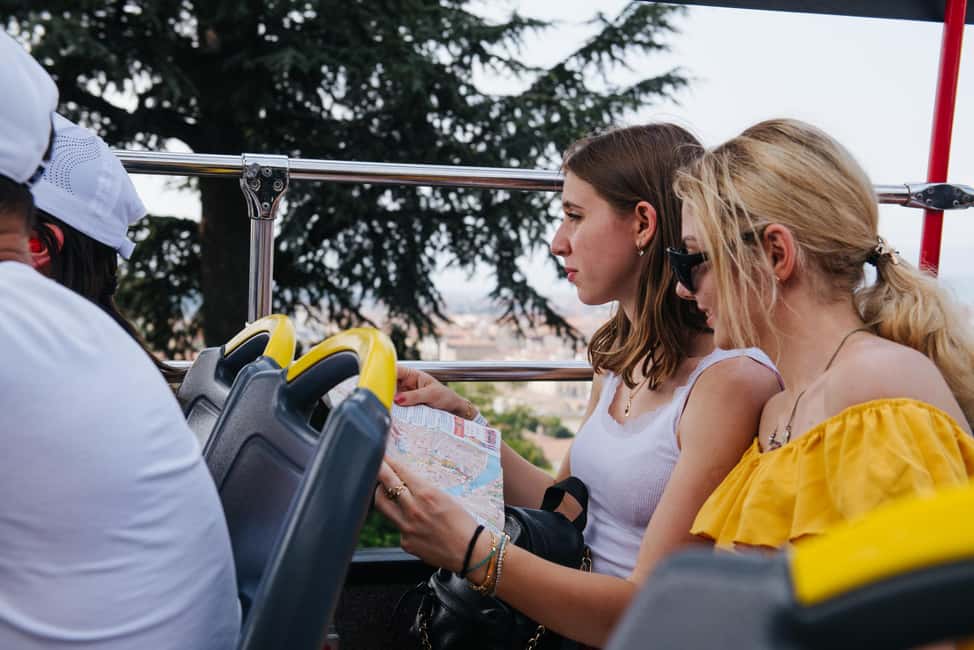
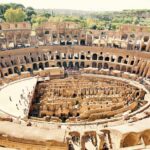
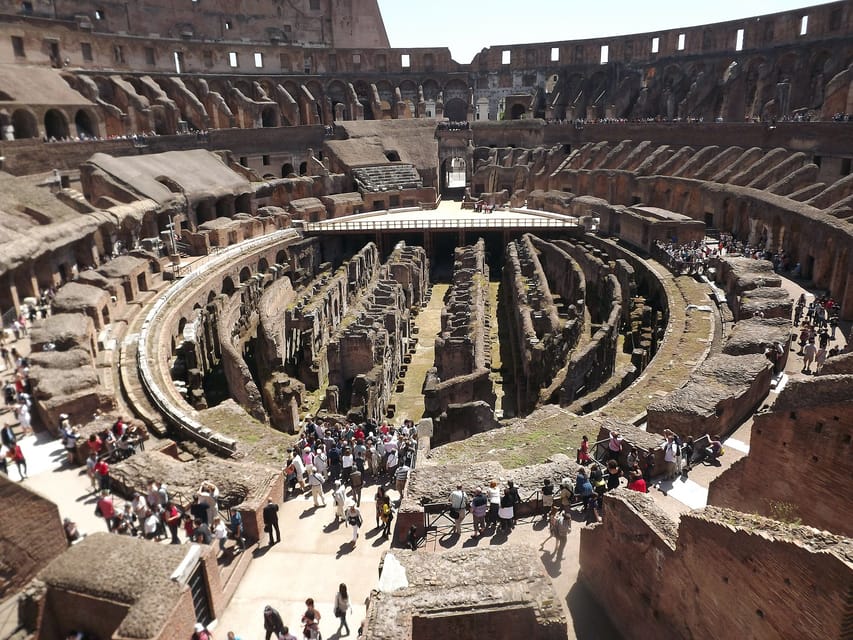
Your admission covers the Colosseum, and the experience is set up for wandering. You can explore the Colosseum on two levels, and the layout is meant to help you understand how different parts of the arena worked during gladiatorial events.
I like this kind of self-paced entry because you can choose what to linger on:
- The circumference walk that helps you picture the scale
- The moments where you can step back and take in crowd-level perspective
- The way the site changes as you move between levels
And yes, the core theme is gladiator life—what it meant to be in the arena and what the experience looked like from different angles.
A key planning point: check regulations
Before you go in, you should consult the visitor regulations for the Colosseum. Ruins sites often have changing rules about bags, entry routes, and security checks, and you already know bags are not allowed here—so don’t arrive with a heavy load.
Roman Forum and Palatine Hill: the Sacred Way and the best views
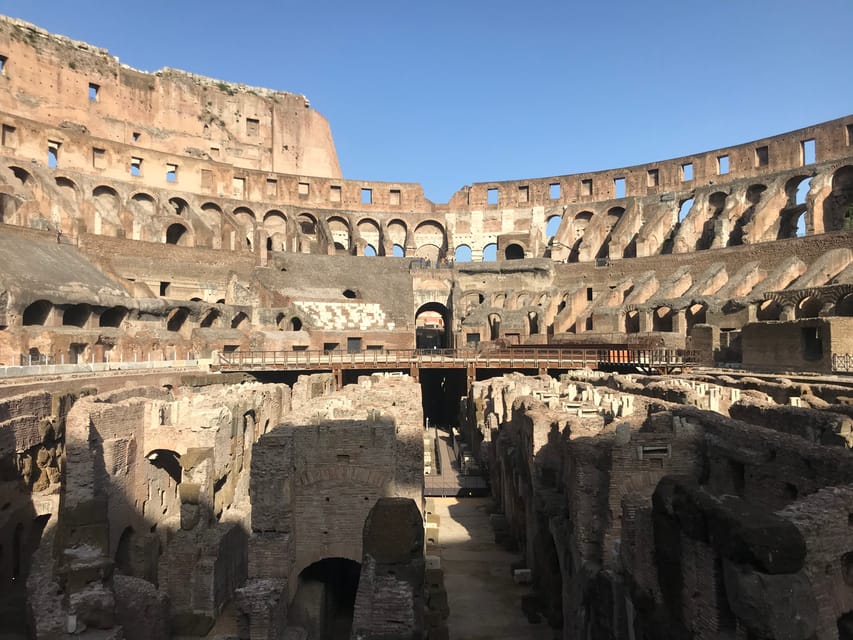
After the Colosseum, your ticket continues into the area that really tells the story of how Rome functioned day to day—and how power displayed itself.
Roman Forum: Sacred Way walking
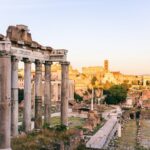
You can walk along the Via Sacra (Sacred Way). That’s where festivals and triumphal processions took place, which makes it easier to connect the space with human scenes instead of just standing in ruins and guessing.
The Forum works best when you let it be a slow walk. Instead of rushing, stop at points where the ground feels like it holds public drama—then keep moving. It’s one of those places where your brain does more work when you don’t sprint.
Palatine Hill: panorama + Circus Maximus context
Palatine Hill is one of Rome’s seven hills and is famous for the views. Your ticket includes it, and the experience is about seeing the Forum from above and understanding how the surrounding space shaped power and daily life.
You’ll also get views of Nero’s Circus Maximus, tied to the chariot races of the Roman Republic. That visual link—arena to hill to distant city—is a big part of why this stop feels satisfying. It helps the ruins feel like a system, not scattered stones.
A smart timing plan for 1 or 2 days
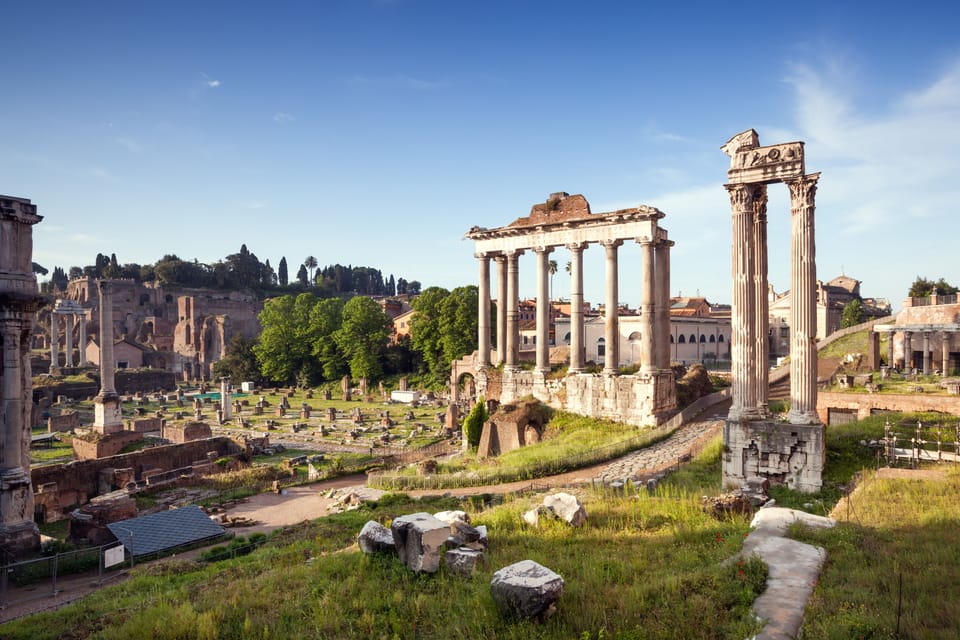
With a hop-on bus ticket plus multiple ruins sites, your schedule should reduce backtracking. Here’s the general approach that usually works best:
If you have 1 day
- Start with one ruins cluster: Colosseum first, then move into the Roman Forum and finish on Palatine Hill when the light and crowds feel manageable.
- Use the bus afterward for one “icon” stop (like Trevi) and one “anchor” stop (like Piazza Venezia or Piazza Barberini) so you still feel like you covered Rome, not just ruins.
If you have 2 days
- Day 1: ruins-heavy (Colosseum + Forum + Palatine Hill) to get the hard logistics out of the way.
- Day 2: neighborhood pacing. Use hop-off stops like Santa Maria Maggiore, Piazza Venezia, Vatican area (Vaticano), and then finish with Trevi and Piazza Barberini.
Either way, don’t assume you’ll “do it all.” Rome has a way of stretching time. Build in pauses for water, restrooms, and the fact that you’ll likely want extra photos.
Pros and cons: what makes this combo work (or not)
Let’s be honest about both sides.
The strong wins
- Convenience + big-ticket sights in one package: you’re not juggling separate planning for bus time and multiple ruins entries.
- The bus route is solid: you get a practical way to reach classic hotspots without constant rides or long walks.
- Colosseum entry is straightforward: you’re not stuck waiting for a guided group, and entry timing is described as timely.
The common annoyances
- On-board audio may be hard to use: narration can be limited, difficult to understand, or inconsistent.
- Stops can feel far apart: if you hop frequently with the expectation of short walks between every attraction, your day may feel choppy.
- Some issues at voucher exchange can happen: it’s usually resolved, but it can take time, so plan to arrive ready to redeem quickly.
- No bags allowed: if you’re traveling heavy, you’ll need a plan for what you carry.
Who this is best for
This is a good fit if:
- You want major Roman ruins without committing to a guided tour format.
- You like planning your own pace and deciding how long to linger in the Colosseum and Forum.
- You want bus help reaching several central sights without thinking about every bus transfer.
It’s less ideal if:
- You need clear, reliable audio narration on transport.
- You hate any risk of uncertainty around voucher exchange and want everything perfectly smooth.
Should you book this Rome combo?
If your priority is getting to the Colosseum + Roman Forum + Palatine Hill and you also want an easy way to move between central sights, I’d say yes. The package makes sense because it bundles entrance for multiple sites with a bus ticket that keeps your day flexible.
Book it especially if:
- You’re traveling on your own schedule
- You want a low-stress way to cover the “greatest hits”
- You’ll actually use the hop-on flexibility (Trevi, Piazza Venezia, Vatican area, and more)
Skip it or think twice if:
- You’re very sensitive to audio quality and want narration to be your main learning tool
- You’re carrying a lot of luggage
- You expect every stop to be close enough for rapid walking chains
In Rome, time is a currency. This combo spends it efficiently—just keep your expectations calibrated about the bus narration and handle the voucher exchange early, and you’ll get a day that feels like real freedom, not just transportation.
FAQ
What does the ticket include?
It includes entrance to the Colosseum, the Roman Forum, and Palatine Hill, plus a 24/48-hour hop-on hop-off bus ticket with Wi‑Fi onboard.
How long is the hop-on hop-off ticket valid?
You choose either a 24-hour or 48-hour ticket.
Where do I redeem my voucher?
Redeem your voucher at the Vatican Visitor Center City Sightseeing Rome, in Via Paola, 35.
Do I need a printed voucher?
Yes. A printed voucher is required.
Can I bring bags with me?
No. Bags are not allowed.
Is there a guided tour included?
No. The experience includes entrance for self-guided exploring, and it does not include a guided tour.