REVIEW · ROME
Roamin’ Around Rome Guided Tour
Book on GetYourGuide →Operated by Italy Wonders · Bookable on GetYourGuide
Rome looks different after dark. This night walking tour strings major sights and lesser-seen corners into one guided loop you can actually follow.
I like how the guide helps you connect the dots fast, from monument to meaning, without turning Rome into a lecture. You’ll also get a clear sense of where to look and what to notice as the streets light up.
My favorite part is the balance: big, famous stops paired with places you usually do not plan for. You’ll see Galleria Sciarra with its frescoes and visit the underground archaeological site of Vicus Caprarius.
One drawback: you’re walking for 2.5 hours and the pace is steady. It’s not suitable for mobility impairments or wheelchair users, and popular areas like Trevi can feel crowded even at night.
In This Review
- Key highlights you will feel right away
- Meeting at Fontana della Pigna and settling into the night pace
- Piazza Navona under the lights: where the city slows down
- Palazzo Venezia and Trajan’s Column: power you can spot fast
- The Pantheon pass-by: appreciating without adding tickets
- Galleria Sciarra frescoes: the art stop people remember later
- Vicus Caprarius underground ruins: seeing Rome at ground level, then under it
- St. Ignazio di Loyola: a church visit that adds a new tone
- Altar of the Fatherland viewpoint: panoramic payoff
- Fontana di Trevi coin toss: what to expect at the classic moment
- Colosseum at night: the final glow and your last photos
- Price and value: is $35 worth a 2.5-hour Rome night walk?
- Who this tour suits best
- Practical notes so you enjoy the walk more
- Should you book the Roamin’ Around Rome guided tour?
- FAQ
- How long is the Roamin’ Around Rome Guided Tour?
- Where do I meet the guide?
- Does the tour include entrance fees?
- What languages are offered?
- What should I bring for the tour?
- Can I cancel and get a full refund?
Key highlights you will feel right away
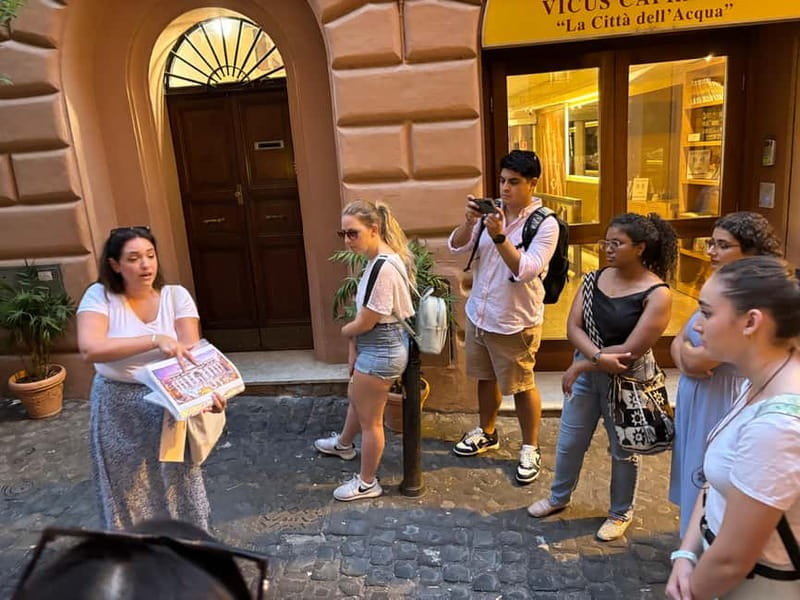
- Fontana della Pigna start point: meet your guide next to the fountain, holding a branded company flag.
- Palazzo Venezia and Trajan’s Column: you’ll learn the political story behind two Rome powerhouses.
- Pantheon from the street: a best-preserved imperial landmark you can appreciate without ticket lines.
- Galleria Sciarra and Vicus Caprarius: above-ground art and below-ground archaeology in the same night.
- St. Ignazio di Loyola inside: step into a church that changes the mood from statue to sacred space.
- Trevi coin toss and a Colosseum view: do the classic ritual, then end with a glowing skyline moment.
Meeting at Fontana della Pigna and settling into the night pace
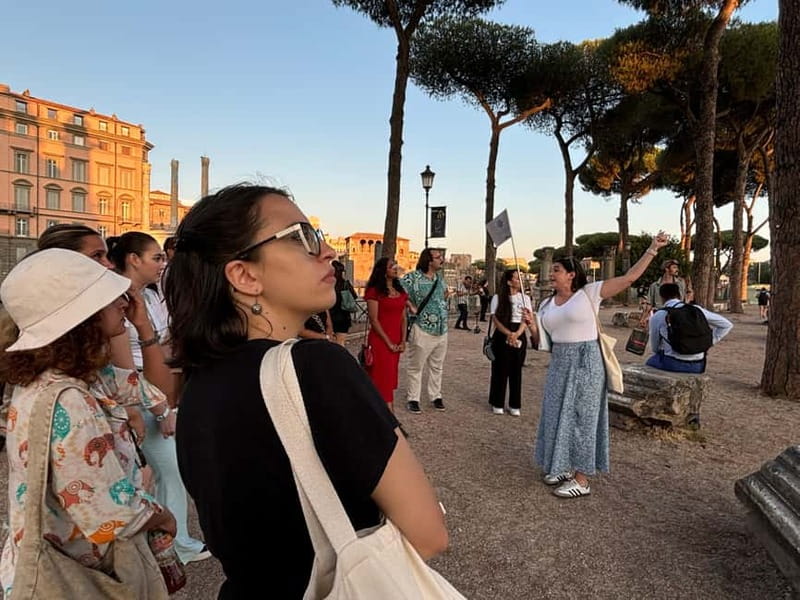
This tour begins next to Fontana della Pigna, where the guide stands holding a branded Italy Wonders flag. It’s a good setup because the start is a real landmark, not a vague street corner, so you can find the group without stress.
You should plan for about 2.5 hours of walking, which matters more than it sounds. Rome’s center is full of short stops, steps, and turns, and night lighting can make it feel slower because everything is pretty. Bring comfortable walking shoes and keep your evenings flexible if you’re also planning dinner nearby.
Also, your guide keeps things moving, so your best strategy is simple: stay attentive at crossings and listen when the guide shifts from what you see to what you should remember. In past groups, guides like Pillar (kind, full of detail) and Furio (friendly and engaging) made the whole flow feel easy, not rushed.
You can also read our reviews of more guided tours in Rome



Piazza Navona under the lights: where the city slows down
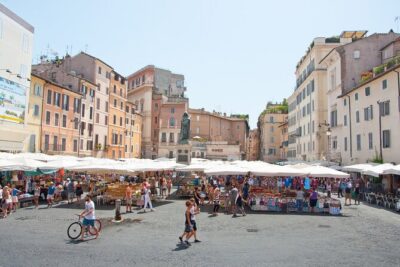
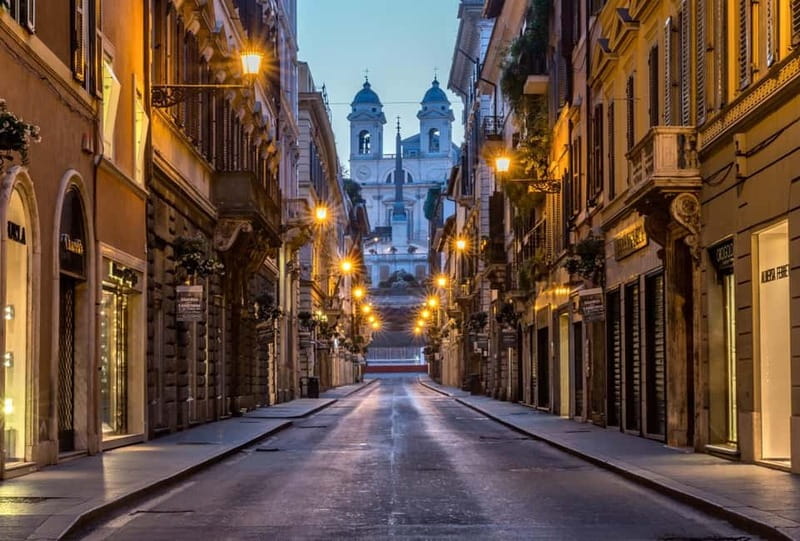
One of the first things you’ll notice is Piazza Navona looking almost theatrical at night. The square is known for its grand shape and lively energy in daytime, but after dark it feels more personal. You get a chance to look at the architecture and statues without the same kind of daytime crush.
This is also where your guide starts teaching you how to read Rome visually. You’ll learn how spaces like Piazza Navona connect to the city’s long story, from “look at me” public settings to what people use these places for today.
A practical tip: if you want photos, do them early in the square. Later, you’ll have company from other groups, and night crowds build around the same photo angles.
Palazzo Venezia and Trajan’s Column: power you can spot fast
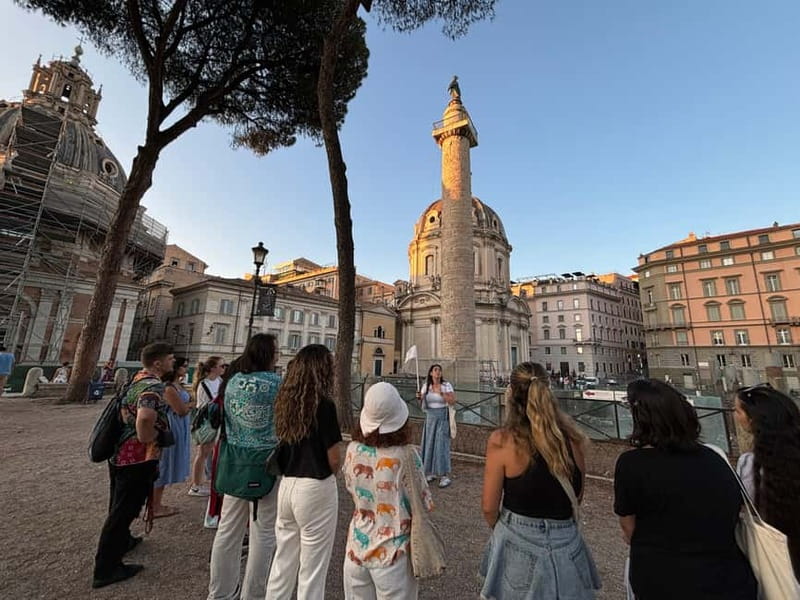
Two of the most satisfying stops in this tour are Palazzo Venezia and Trajan’s Column. They’re impressive in a totally different way than fountains and plazas. Instead of beauty for beauty’s sake, they feel like statements—Rome showing what it wanted the world to believe.
With Palazzo Venezia, you’ll hear the history tied to the building and what it represents in Rome’s power center. Then Trajan’s Column gives you another kind of wow: a monument built to commemorate military triumphs, with details that reward closer attention. Your guide will point out what you should look for so the column doesn’t just become a tall thing in the background.
Why this part is valuable: Rome can overwhelm you with scale. These two stops give you anchors. After you understand what you’re looking at here, the rest of the night feels more logical.
The Pantheon pass-by: appreciating without adding tickets
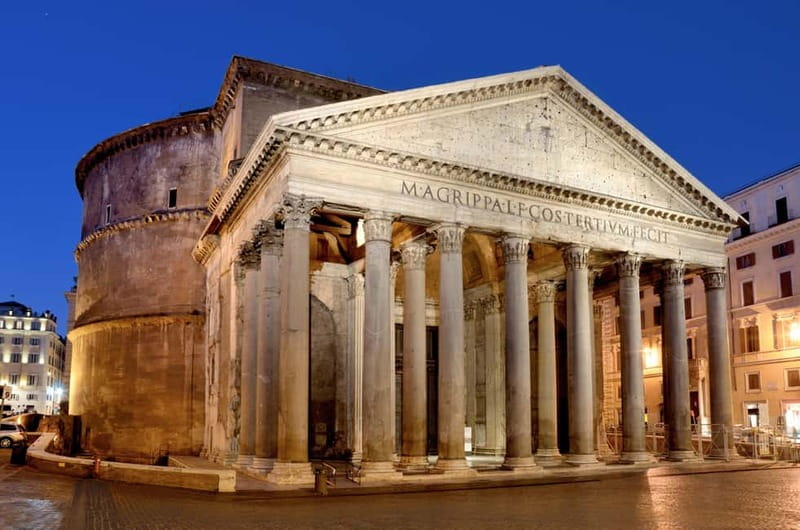
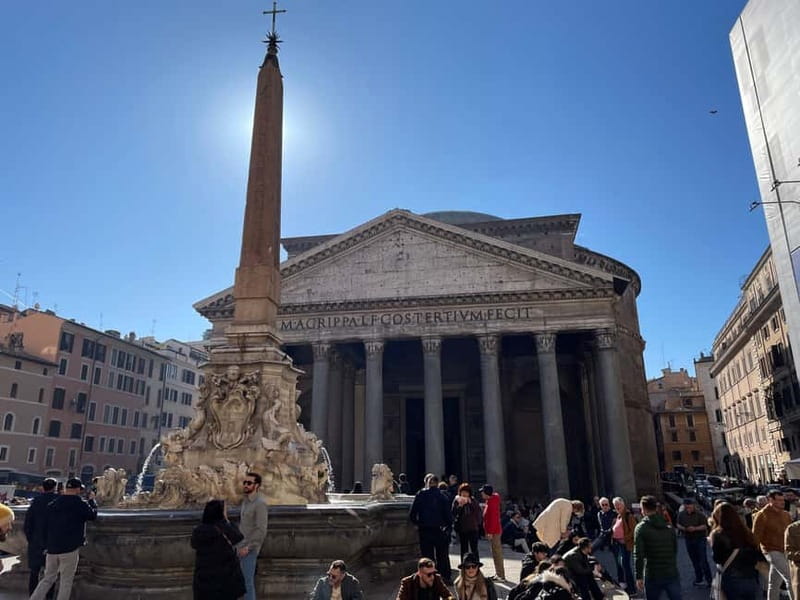
You will pass by the Pantheon, and that is the right approach for a night walk. Since you’re not relying on an entrance plan, you get to focus on the look of the structure and how well it has survived. The Pantheon is one of the best-preserved monuments from the Roman imperial era, and you can still appreciate that from the street.
What I like about this kind of stop is that you can treat it like a visual checkpoint. You’ll notice the scale right away, and the guide can help you interpret what makes it stand out, even when you don’t go inside.
If you’re the type who likes architecture but hates delays, this pass-by works. If you only want to see big sites with indoor access, you might feel like you want more time at the Pantheon. Just know the tour is designed for walking and seeing a lot in limited time.
Galleria Sciarra frescoes: the art stop people remember later
This tour includes Galleria Sciarra, where you’ll spot frescoes that make the space feel like a surprise. It’s one of those Rome moments where you realize the city is not only outside and loud. The ceiling and interior details can change your mood fast, and you’ll get a break from the main streets for a minute.
Art here is more than decoration. It’s a reminder that Rome’s layers aren’t only ancient. The look of these galleries shows how people continued building, decorating, and living among older structures.
As a photo stop, it’s excellent, but be respectful of timing and space. Galleries can get busy when a group takes over the main angle for pictures.





Vicus Caprarius underground ruins: seeing Rome at ground level, then under it
Next comes the underground archaeological site of Vicus Caprarius. Seeing Roman remains below street level changes how you understand the city. You stop thinking only about what stands today and start imagining what used to sit beneath your feet.
This stop is especially good on a night tour because it breaks up the “keep walking and looking upward” pattern. Underground sites are usually cooler and quieter, so your brain gets a reset. Your guide will help you connect what you see to the ancient layout and what this location was for.
A consideration: underground spaces can involve uneven steps or corridors. The tour is not labeled suitable for wheelchair users or mobility impairments, so if you know you struggle with stairs or tight passages, this is the part where you’ll want to be extra honest about comfort.
St. Ignazio di Loyola: a church visit that adds a new tone
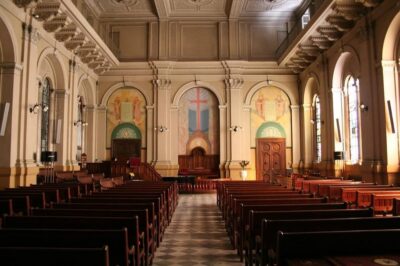
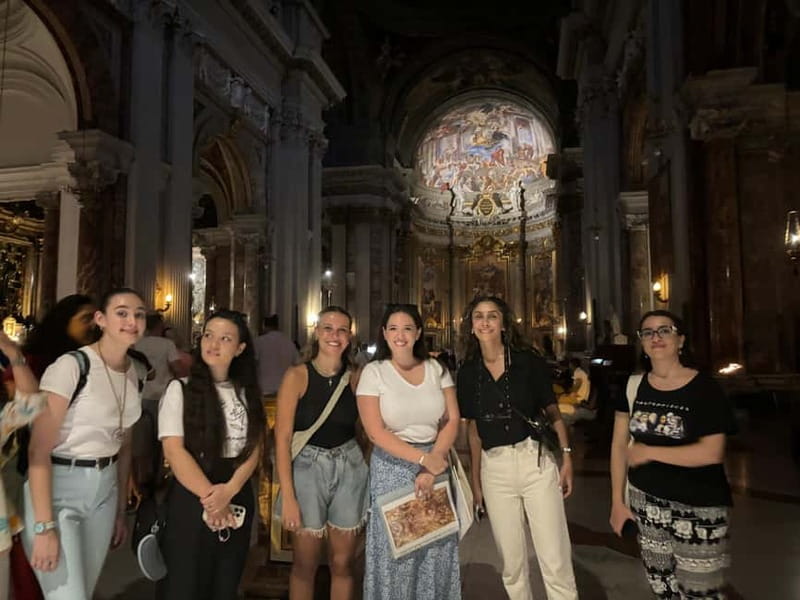
You’ll also step inside St. Ignazio di Loyola. This is a different kind of Roman stop than columns and fountains. Inside a church, the experience becomes more about atmosphere and detail. You slow down naturally because the space asks you to look and listen.
I like this addition because it gives the tour a “reset” between ancient monuments and classic Rome photo points. It also helps you understand why Rome isn’t just ruins and sightseeing; it’s a living city with sacred spaces that still matter.
If you take your time here, you’ll get the most. If you rush through, you may miss the parts that make the inside of St. Ignazio feel worth the detour.
Altar of the Fatherland viewpoint: panoramic payoff
Panoramic moments are a huge part of why night tours work. You’ll get views from the Altar of the Fatherland area, which can turn the whole city into a nighttime map. Looking out over Rome helps you connect the sites you’ve already walked past with the larger geography.
This is also where the guide’s pacing helps. After years of monuments, your eyes can get tired. A viewpoint gives you a clean mental “screenshot,” so you carry the layout with you later.
Crowds can build around scenic points, so keep your belongings secure and follow your guide’s directions for the best viewing spots.
Fontana di Trevi coin toss: what to expect at the classic moment
You’ll reach Fontana di Trevi, where you can toss a coin for good luck as part of the experience. This is the moment most people picture when they think of Rome, and it’s also the moment where crowds can surprise you, even at night.
Plan for the fact that Trevi is popular in every season. Photography is allowed, but be respectful of people and private property, and don’t treat the fountain like a stage where you can linger wherever you want.
I recommend stepping back for a second before you throw the coin. You’ll get a better look at the composition, and it helps you avoid jostling. Then do your coin toss and let the group keep moving so you don’t get stuck in the densest part of the crowd.
Colosseum at night: the final glow and your last photos
The tour ends with a breathtaking view of the Colosseum, glowing against the night sky. Even if you’ve seen photos, the Colosseum in real life hits differently when you’re standing in Rome with street sounds in the background.
This ending is a smart choice. You spend the earlier part of the night learning symbols and stories, then finish with a visual icon that feels like the city’s closing argument. It gives your brain a “big finish” that ties the experience together.
After the view, the tour activity ends back at the meeting point (near Fontana della Pigna). That means you can plan a simple post-tour walk or head out for dinner without the confusion of a different ending location.
Price and value: is $35 worth a 2.5-hour Rome night walk?
At $35 per person for about 2.5 hours, you’re paying for something Rome is expensive at in the right way: a professional guide plus a focused walking tour of the historic heart. The price includes the guide and the guided walking experience.
What is not included matters for budgeting:
- Entrance fees to attractions are not included.
- Food and drinks are not included.
- Hotel pickup and drop-off are not included.
So the value comes from time and guidance, not from bundled tickets. If you like structure, want help picking up meaning quickly, and enjoy doing several key sights in one evening, $35 can feel fair. If you only want a single major stop and don’t care about the supporting cast—Palazzo Venezia, Trajan’s Column, the underground Vicus Caprarius—then you might decide a different, slower plan fits you better.
Who this tour suits best
This tour works especially well if you want:
- A night walk that reduces daytime stress
- Clear guidance at major Roman landmarks
- A mix of big names and smaller, unexpected stops like Galleria Sciarra and Vicus Caprarius
It’s not the best fit if you have mobility challenges. The activity specifically notes it is not suitable for mobility impairments and not suitable for wheelchair users.
It also suits couples and solo visitors who like meeting a few people along the way. In the experiences with guides Pillar and Furio, the social vibe came through: you can chat while walking, which makes the night feel less like a checklist.
Practical notes so you enjoy the walk more
A few rules keep things smooth:
- Bring a passport or ID card (copies accepted).
- Alcohol and drugs are not allowed.
- Audio recording is not allowed.
- Wear comfortable walking shoes and carry a water bottle.
- Check the weather and dress for Roman evenings, which can run hot in summer and cool in winter.
And yes, you should expect crowds, especially around Trevi. If you treat the crowd like part of the setting rather than a problem to fight, you’ll enjoy the moment more.
Should you book the Roamin’ Around Rome guided tour?
I’d book it if you want a single evening plan that hits a strong set of Roman icons, plus a couple of stops that feel more personal than the usual highlight reel. The guides (including Pillar and Furio) seem to do well at making the walk clear, friendly, and worth your attention.
I would not book it if you dislike walking for extended stretches or if stairs and uneven underground areas could be a problem. I’d also skip it if you want lots of ticketed museum time, since entrance fees are not included.
If you want a night in Rome that gives you both the classics and the details—without spending your evening guessing where to go—this tour is a solid bet.
FAQ
How long is the Roamin’ Around Rome Guided Tour?
The tour lasts about 2.5 hours. Starting times can vary, so you’ll want to check availability.
Where do I meet the guide?
You meet the guide next to Fontana della Pigna. The guide will be holding a branded company flag.
Does the tour include entrance fees?
No. Entrance fees to any attractions are not included. The tour includes a professional guide and a walking tour of Rome’s historic heart.
What languages are offered?
The live tour guide is available in English and Spanish.
What should I bring for the tour?
Bring a passport or ID card. A copy is accepted. Wear comfortable walking shoes and consider bringing a water bottle.
Can I cancel and get a full refund?
Yes. Free cancellation is available up to 24 hours in advance for a full refund.