REVIEW · ROME
Private Vatican Tour with Sistine Chapel, Fast-Access Tickets
Book on Viator →Operated by Vatican Private Tour Guide · Bookable on Viator
Skip lines in the Vatican maze. This private tour moves fast, with a trained art historian guiding you through the most famous rooms without getting stuck in the crowd shuffle. I especially like the skip-the-line setup for the Vatican Museums and the way it ends in St. Peter’s Square, so you don’t waste time trying to reconnect the dots on your own.
Two more wins: you get a private experience with just your group, and the guide points out details you’d miss if you wandered in alone. One drawback to plan around: last-minute closures can happen for major events, and the Basilica access can be affected during the Jubilee—so you may need flexibility to see everything.
In This Review
- Key Things You’ll Feel Right Away
- Skip-The-Line, Private Pace: Why This Tour Feels Worth It
- Vatican Museums: From Roman Statues to Renaissance Maps
- Raphael’s Rooms: The Moment You’ll Want to Look at Twice
- Sistine Chapel: How to Prepare for the No-Talking Experience
- St. Peter’s Basilica and the Papal Crypt: Art Above, Pilgrimage Below
- Important planning note for Jubilee timing
- St. Peter’s Square Finish: Pope’s Palace Views and Swiss Guards
- Guides, Flow, and the Details That Make the Visit Land
- Price, Tickets, and What You’re Actually Buying
- Who this tour is best for
- Smart Planning Tips: Dress Code and Last-Minute Vatican Changes
- Should You Book This Private Vatican Tour?
- FAQ
- How long is the private Vatican tour?
- Is this tour private?
- What language is the tour offered in?
- Does it include fast-access tickets or skip-the-line entry?
- What stops are included during the tour?
- Are admission tickets included?
- Where do I meet the guide, and where does the tour end?
- Is transportation included?
- What is the dress code for visiting?
- What happens if areas close due to Pope-related events or the Jubilee?
Key Things You’ll Feel Right Away
- Guaranteed skip-the-line entry that lets you start with Belvedere Courtyard and the big-name museum halls sooner
- Professional art historian guide who helps you read what you’re seeing, not just walk past it
- Gallery of Maps and Raphael’s Rooms time, including the Parnassus and School of Athens
- Sistine Chapel guidance before you enter, with the no-talking rule in mind
- St. Peter’s Basilica plus underground papal crypt for a very different kind of Vatican experience
- Finish in St. Peter’s Square to spot the Pope’s Palace viewpoint and Swiss Guards
Skip-The-Line, Private Pace: Why This Tour Feels Worth It
The Vatican is famous for two things: art that knocks you off balance, and crowds that do the same. This tour’s main value is that it helps you skip the worst of the waiting and start with momentum. Instead of spending your energy battling lines, you can spend it looking at statues, frescoes, and paintings.
The private setup matters more than people expect. You can keep a steady rhythm through the Museums and then get your Sistine Chapel moment without feeling like you’re trapped in a slow-moving pack. And because it’s led in English by a professional art historian, you’re not just collecting highlights—you’re learning what those highlights mean.
The price is steep at $426.50 per person for about 3 hours. But you’re paying for a specific mix: a private guide, admission included for each major stop, and the fast-access promise. If you’re the type who wants the best chance of seeing the big works efficiently, the math can start to make sense quickly.
You can also read our reviews of more tours and experiences in Rome
Vatican Museums: From Roman Statues to Renaissance Maps
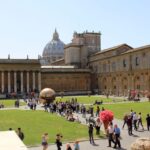
Your first stop is the Vatican Museums, with the guide meeting you at the entrance in Viale Vaticano, 100. The big payoff here is that you’re not starting randomly. You begin with the Belvedere Courtyard and move into major collections that set the tone—ancient Greek and Roman sculpture, then moving into art that feels like it’s made for storytelling.
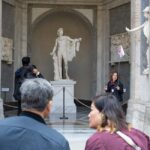
You’ll pass through the Pio-Clementino Museum, then continue through the Gallery of Tapestries and the Gallery of Maps. The maps gallery is one of the most significant displays of Renaissance maps in the world, and it’s the kind of detail most people walk past if they’re going it solo. With a guide, you’ll actually understand why these maps mattered and what to look for as you move along.
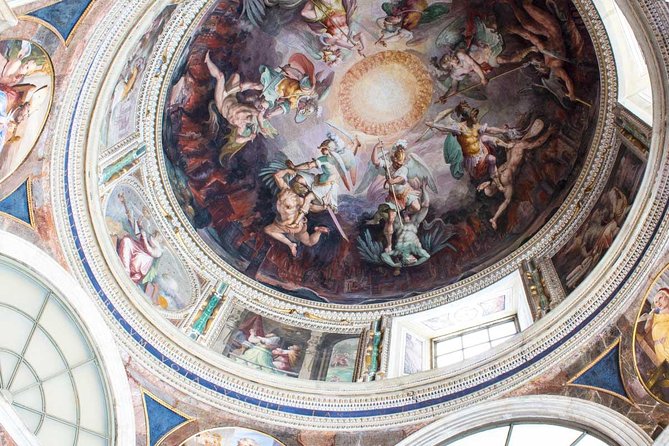
Next comes the Sobiesky Room, where you’ll see one of the largest paintings in the Vatican, and then the room of the Immaculate Conception for frescoes worth slowing down for. The tour doesn’t just say these rooms are important—it helps you practice seeing. That’s the difference between a checklist visit and a meaningful one.
Raphael’s Rooms: The Moment You’ll Want to Look at Twice
Don’t rush Raphael’s Rooms. You’ll spend time here because the paintings were created for Pope Julius II, and two of the standout works you’ll see are Parnassus and School of Athens. Even if you already recognize the names, the guide’s focus on composition and symbols makes the scenes feel less like famous images and more like carefully built worlds. It’s the kind of stop where your brain goes quiet for a minute, in a good way.
Sistine Chapel: How to Prepare for the No-Talking Experience
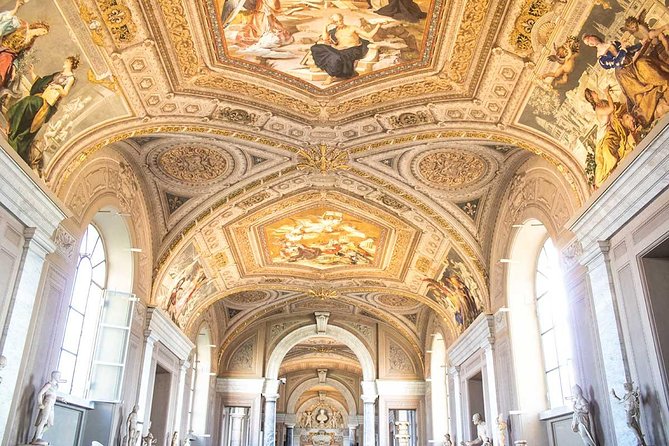
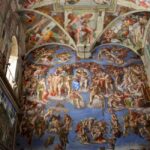
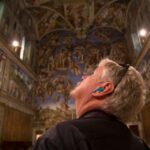
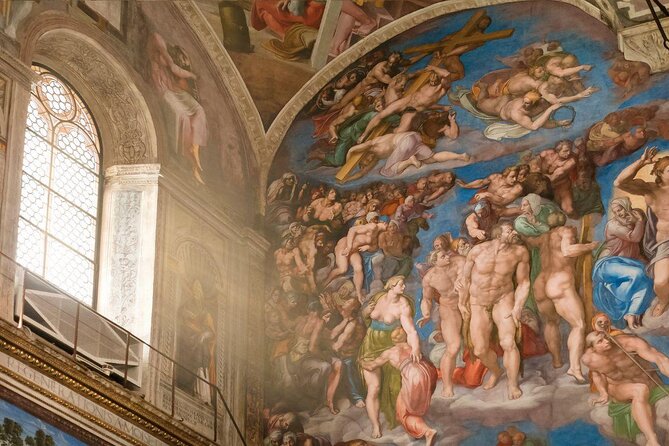
After the Museums, you head to the Sistine Chapel. Before you enter, your guide shares context about Michelangelo, Botticelli, and other artists you’ll see on the ceiling and walls. This is smart, because once you step inside, the rules kick in hard: no talking allowed.
About the experience itself: you’ll be guided so you know where to look first and why certain areas matter. The Sistine Chapel isn’t just about seeing big paintings—it’s about noticing how the visual story is arranged. When you have a guide explaining what you’re about to see, the chapel stops feeling like a blur and starts feeling like a coherent artwork.
This is also where timing and crowd flow matter. A private, fast-access approach helps you reach prime viewing moments without waiting in the same chaotic bottlenecks everyone else hits. You’ll likely notice the difference immediately: less noise, more attention, and a better chance to actually take in the scale.
St. Peter’s Basilica and the Papal Crypt: Art Above, Pilgrimage Below
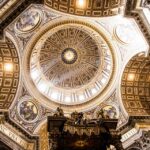
Next up is St. Peter’s Basilica, where you explore side chapels and hidden crypt spaces. This part is important because it adds layers beyond the famous dome view. You’ll see Michelangelo’s Pietà, and your guide explains why it’s the only work Michelangelo signed. That detail alone changes how you look at it—suddenly it feels less like a museum object and more like a statement.
You’ll also learn about Bernini’s altarpiece and how Michelangelo triumphed over contemporaries to earn the honor to paint St. Peter’s magnificent dome. The Basilica is full of visual drama, but it can become visual noise if you don’t have someone to frame it. With the art historian approach, you get the story behind the style.
Then you go below ground for the papal crypt. Many popes have been interred there over the centuries, and it’s described as a site of pilgrimage for many Catholics. That underground portion gives you a calmer, more reflective Vatican moment than the high-ceiling spectacle above. It’s also a nice way to balance the intense focus of the Sistine Chapel.
You can also read our reviews of more private tours in Rome




Important planning note for Jubilee timing
Because of the Jubilee, the Basilica might not be accessible as part of the tour, and it’s only known very last minute. If that happens, you can still visit after the tour, but you’ll need to queue. If you’re traveling during Jubilee-related periods, I’d treat the Basilica stop as a best-case scenario and plan your expectations accordingly.
St. Peter’s Square Finish: Pope’s Palace Views and Swiss Guards
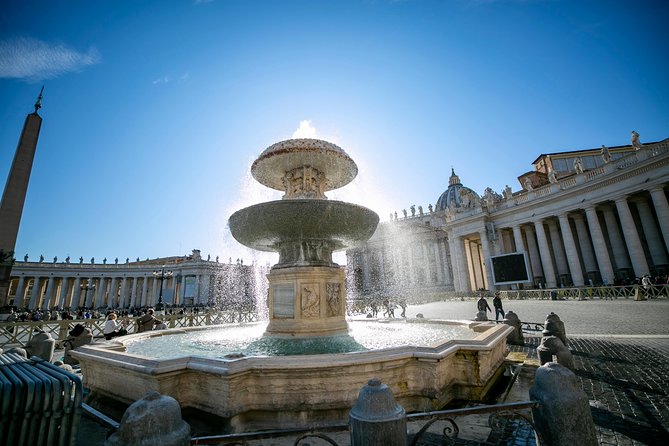
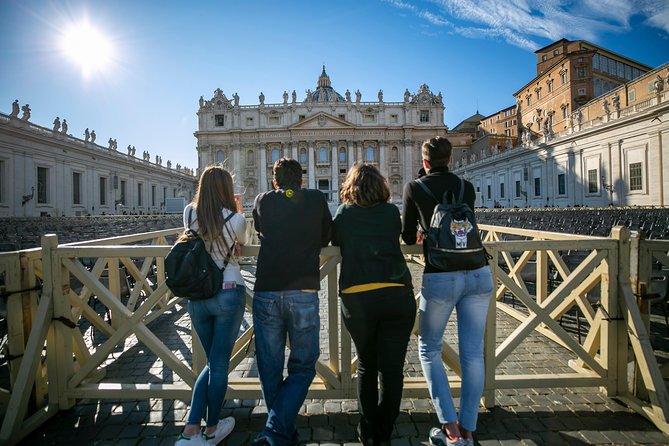
The tour ends in St. Peter’s Square (Piazza San Pietro). This is a smart way to finish because you get a clear transition from indoor art to the Vatican’s outdoor power center. You’ll be able to see the Pope’s Palace area and catch a glimpse of the colorful Swiss Guards.
This final stop also helps you “land” the experience. Once you’re done with museums and chapels, it’s easy to feel like you’ve just gone from room to room. Finishing outdoors gives you space to breathe, get photos, and understand what you’ve seen in context.
Guides, Flow, and the Details That Make the Visit Land
What makes this tour stand out most is how it’s guided. Names from past guides you may be assigned include Thomas, Francesco, Sara, Macelliano, Massimo, Natalia, and Paola. While your exact guide can vary, the pattern is consistent: guides use stories, careful visual cues, and patient explanations to help you notice what matters.
I like the way the route is set up for flow. You’re not bouncing around randomly. You go from ancient sculptures to Renaissance thinking, then to the Sistine Chapel’s spiritual artistry, and finally into St. Peter’s Basilica’s layers—chapels above and papal crypt below. That sequencing makes the Vatican feel like one place with connections, not disconnected rooms.
And yes, skip-the-line helps. But the real win is skip-the-line with a guide who can tell you what you’re actually looking at while the rest of the crowd is still trying to get inside.
Price, Tickets, and What You’re Actually Buying
At $426.50 per person for roughly 3 hours, this is not a budget pick. It’s a premium choice, and it earns that label through included admission, private guiding, and fast-access tickets that are guaranteed to cut waiting times.
You’ll also get a mobile ticket, which is handy in Rome where check-in points can be crowded and mobile access keeps things smoother. Admission tickets are included for each main stop, so you’re not dealing with surprise add-ons at the entrance.
One more practical point: private tours like this do not include private transportation. If you’re coming from outside the area, you’ll need to handle your own transit, rideshare, or taxi. The meeting point at Viale Vaticano is near public transportation, which helps.
Who this tour is best for
This tour fits you well if:
- You want the big Vatican sights covered in a focused timeline
- You prefer learning through an art historian rather than solo wandering
- You don’t want to spend hours queueing in peak crowd conditions
- Your group values a private pace, with room for questions
If you travel with mobility limits, you’ll want to check practical comfort levels with the provider before booking since the route includes major museum walking and underground areas. The listing indicates most travelers can participate, but the Vatican’s surfaces and crowds can still feel demanding.
Smart Planning Tips: Dress Code and Last-Minute Vatican Changes
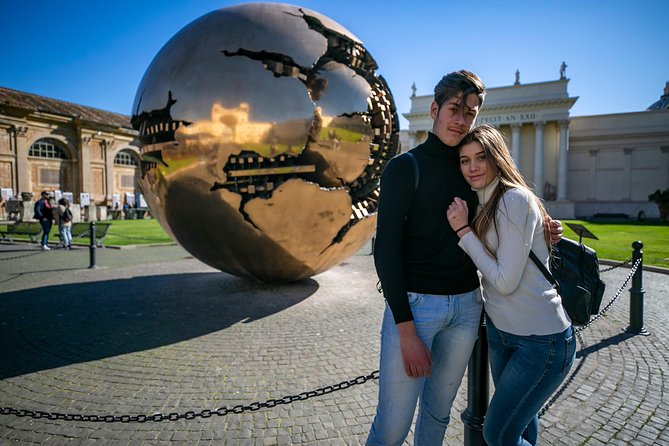
This tour comes with a clear dress code requirement. For both men and women, no shorts or sleeveless tops, and knees and shoulders must be covered. If you ignore this, you risk refused entry, which would be the worst possible way to start a Vatican day.
Also plan for disruption. The Vatican sometimes closes areas last minute due to major events connected to the Pope’s activity. If that happens, the guide provides an alternative focusing on the Museums. That’s a helpful safety net, but it’s still a reality you should plan around with a flexible mindset.
If you’re traveling close to major religious events or special periods like the Jubilee, double-check your expectations the day of your tour. You may get a museum-focused reroute even if your plan included a specific Basilica moment.
Finally, book early when you can. This one averages 82 days in advance, which hints that the tour sells out—especially in busy seasons.
Should You Book This Private Vatican Tour?
I’d book it if you want the best shot at seeing the Vatican highlights efficiently, with serious guidance from an art historian and the confidence that skip-the-line access is part of the package. The itinerary covers the stuff that most people come for—Vatican Museums, Sistine Chapel, St. Peter’s Basilica, then St. Peter’s Square—but it also adds the “why look here” layer that makes the time feel earned.
Skip it only if you’re traveling ultra-budget, or if you prefer complete freedom with no structured flow. And if you’re visiting during Jubilee-era dates or around high-profile papal events, plan your day with flexibility because some areas can become inaccessible at the last minute.
FAQ
How long is the private Vatican tour?
It’s approximately 3 hours.
Is this tour private?
Yes. It’s a private tour, and only your group participates.
What language is the tour offered in?
The tour is offered in English.
Does it include fast-access tickets or skip-the-line entry?
Yes. You’re guaranteed to skip the long lines with fast-access entry.
What stops are included during the tour?
The tour includes the Vatican Museums, the Sistine Chapel, St. Peter’s Basilica (with below-ground papal crypt access), and ends in St. Peter’s Square.
Are admission tickets included?
Yes. Admission tickets are included for each stop listed in the itinerary.
Where do I meet the guide, and where does the tour end?
You meet at Viale Vaticano, 100, 00192 Roma RM, Italy, and the tour ends in St. Peter’s Square at Piazza San Pietro, 00120.
Is transportation included?
No. Private transportation is not included.
What is the dress code for visiting?
You must cover knees and shoulders. No shorts or sleeveless tops are allowed.
What happens if areas close due to Pope-related events or the Jubilee?
Some areas might close last minute. If that affects the route, your guide provides a valuable alternative focusing on the Vatican Museums. Also, because of the Jubilee, the Basilica might not be accessible as part of the tour, but you can visit after the tour by queuing.