REVIEW · ROME
Private tour: Underground Rome
Book on Viator →Operated by Rome Tour · Bookable on Viator
Rome’s secrets are underground, and you’ll feel it. This private Underground Rome walk links two big themes of ancient life—water and sports—then closes with a classic Trevi Fountain moment, all with an English guide and plenty of time to ask questions. It’s a smart way to see ancient spaces far from the main crush.
I really like that the itinerary is built around places most people never get to experience at all. The underground Vicus Caprarius site (the City of Water) and the Stadio di Domiziano beneath Navona Square turn Rome’s legends into real rooms you can stand in.
The main drawback: this is underground and not recommended if you’re claustrophobic. You should also have a moderate physical fitness level for time on uneven paths and stairways.
In This Review
- Key points before you go
- Underground Rome that actually feels different
- Stop 1: Vicus Caprarius, the City of Water under the Trevi area
- Stop 2: Stadio di Domiziano under Navona Square (for sports fans)
- Stop 3: Trevi Fountain as a quick reset (and a wish stop)
- Price and value: why this one costs what it costs
- Timing, meeting point, and how to make the 4:00 pm start work
- Private tour reality: guides, language, and group fit
- Who should book Underground Rome, and who should skip it
- Should you book this private Underground Rome tour?
- FAQ
- How long is the Underground Rome private tour?
- Where does the tour start, and where does it end?
- What stops are included?
- Are tickets included for the underground sites?
- Is the tour offered in English?
- Is this tour suitable for everyone physically?
- What’s included in the price, and what’s not?
Key points before you go
- Vicus Caprarius under Trevi: You’ll visit the underground City of Water area, with an entry ticket included.
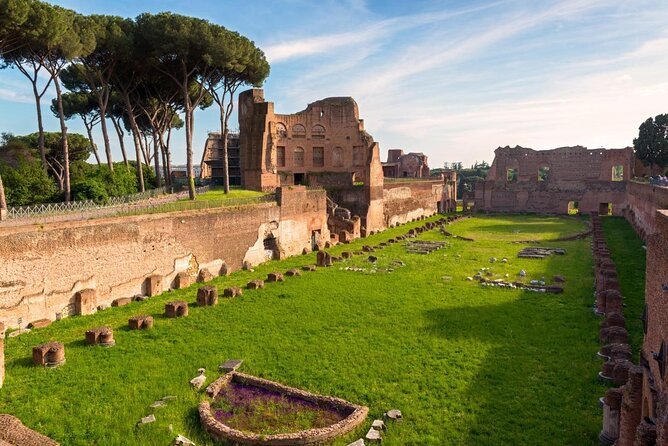
- Domitian Stadium underground: Go into the Stadio di Domiziano spaces connected to a stadium that held up to 30,000.
- Tickets are handled for you: Entrance tickets for both underground sites are included, plus a bottle of water.
- Private group pace: Only your group participates, with time for questions instead of rushing.
- 4:00 pm start: Late-afternoon timing helps you pair the underground sites with a smooth Trevi stop.
Underground Rome that actually feels different
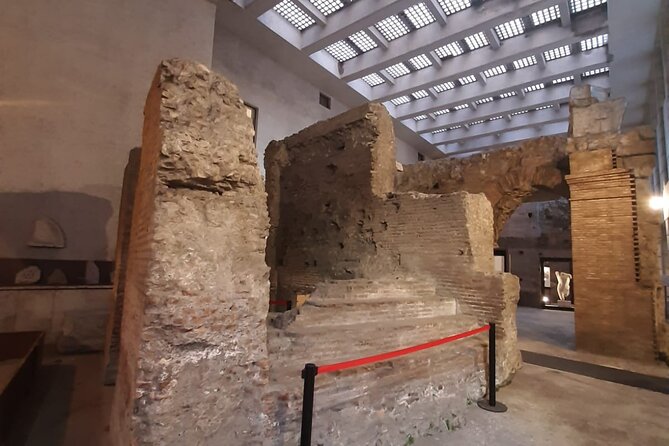
Underground Rome isn’t just a gimmick. It’s the rare chance to look at the city without the usual street-level noise and views. Here, you’re walking through buried layers of ancient Rome—spaces designed for daily life and public spectacle—while your guide connects the dots into something you can understand fast.
The value is in the way the route is shaped. You start with Rome’s water story, then you move to an underground stadium space tied to sports gatherings. That combo matters: it shows Rome wasn’t only about monuments and emperors—it was also about systems (water) and routines (watching games).
And because it’s a private tour in English, you don’t have to guess what you’re seeing. People in the reviews called out guides who were flexible and responsive, including names like Ricardo and Allasandra for clear explanations and good pacing. There’s even mention of Alex as a senior underground specialist, which hints at the overall focus of the experience.
The tour price sits at $192.25 per person for about 2.5 hours, and the best part is what’s included. You’re not just paying for narration—you’re also getting official-guided access with tickets built in.
You can also read our reviews of more private tours in Rome



Stop 1: Vicus Caprarius, the City of Water under the Trevi area
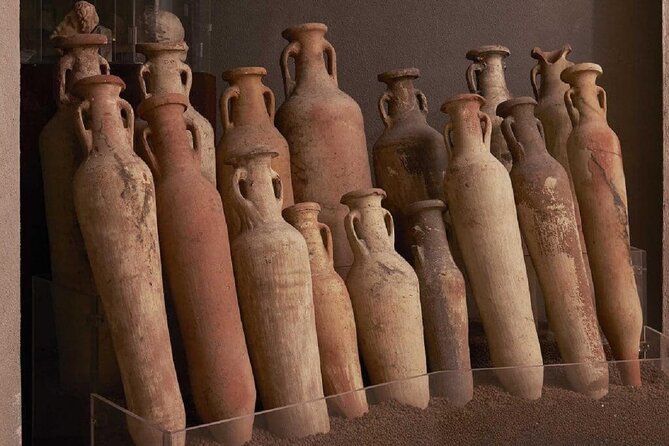
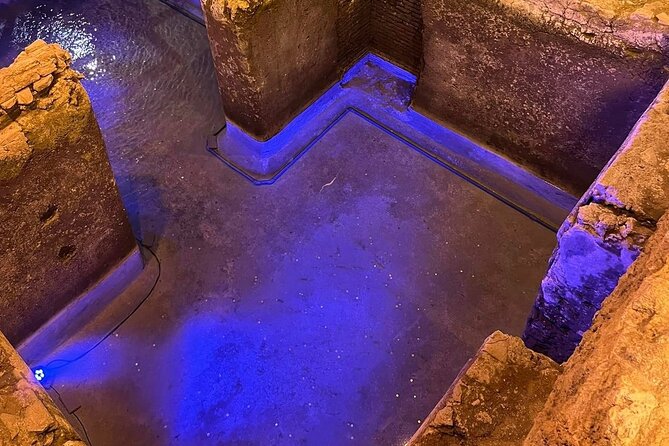
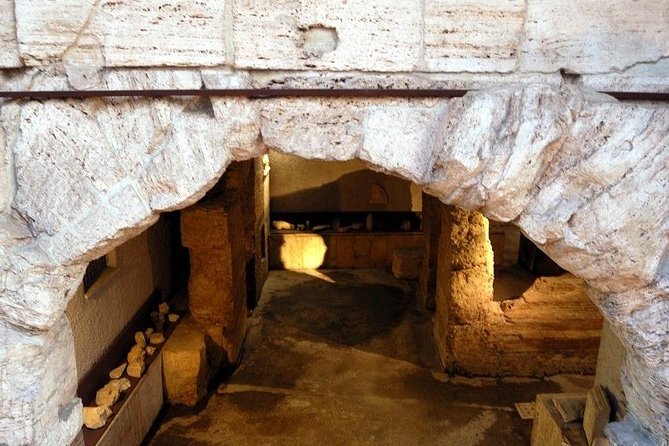
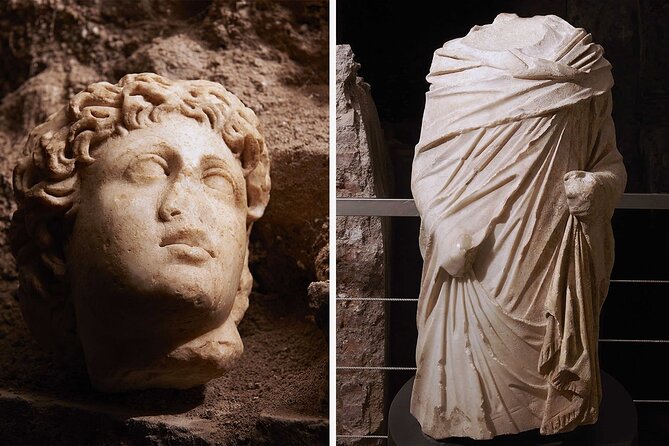
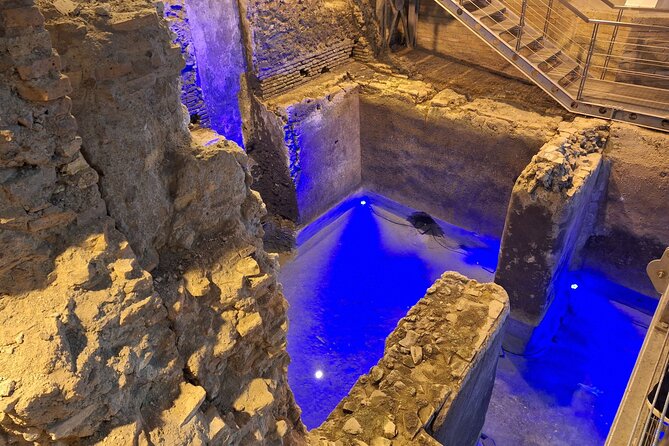
Your first main stop is Vicus Caprarius—the City of Water—an archaeological zone you explore underground. The time on this segment is about an hour, and your admission ticket is included.
What I like about this stop is the theme. Water in Rome wasn’t a background detail; it was infrastructure that made everything work. Seeing the underground remains associated with the water system helps you understand why aqueducts and distribution mattered so much. One of the guide experiences people praised specifically mentioned learning about Rome’s aqueducts, which fits the idea that your guide will connect the physical site to the bigger network.
The location also gives you a fun mental trick. You’re in Rome, you’re near the Trevi Fountain area above, and then you’re looking at buried layers that relate to how the city handled water. That contrast helps the whole tour click.
Practical reality check: underground spaces can feel tight. Even if you’re fine in normal crowds, the environment here is still cave-like. If you tend to get uncomfortable in enclosed spaces, consider skipping this tour. That warning is part of the tour details for a reason.
Stop 2: Stadio di Domiziano under Navona Square (for sports fans)
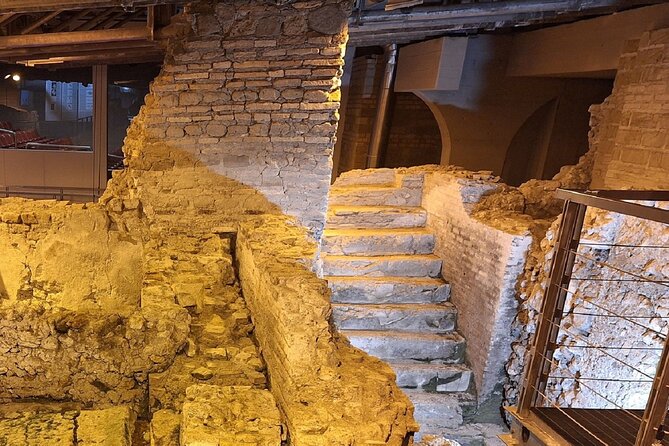
Next you’ll head to Stadio di Domiziano, tied to the stadium that once attracted as many as 30,000 people. You spend about an hour and 10 minutes here, with the admission ticket included.
This stop is different from the waterworks because it’s about public energy. Your guide frames the stadium as a place where Romans gathered to watch sports—something that was an important part of everyday life. The underground setting makes it feel a bit like you’re walking through an archaeological storybook: labyrinth-like passages plus dramatic context.
Here’s what you’re likely to enjoy most: learning how a stadium wasn’t just an arena, but a social hub. If you love people-watching (even from the past), this angle tends to land well. Also, the route through underground corridors can change how you experience scale. It’s easier to grasp what “up to 30,000” means when you’re inside the kind of structures the ancient city built for crowds.
One more practical note: because it’s underground and you’ll move through multiple areas, wear shoes you trust on stairs and uneven surfaces. You don’t want to spend the tour thinking about your footing.
Stop 3: Trevi Fountain as a quick reset (and a wish stop)
After the underground segments, you finish with Trevi Fountain. This is the shortest stop—about 20 minutes—and there’s no ticket cost listed for this part.
Trevi is famous for a reason: even if you’ve seen photos before, the scale and the details hit differently in person. And yes, there’s the well-known wish ritual people associate with Trevi—so this stop works as a satisfying bookend to the rest of the tour.
I like that it’s short. You get your Trevi moment without turning this into a full sightseeing marathon. The underground time takes focus, and then Trevi gives you something bright and iconic to end on.
If you’re the type who hates lingering in crowds, treat those 20 minutes as intentional: look, reset, then move on. The best part is how the tour doesn’t rely on you to survive a long Trevi wait.
Price and value: why this one costs what it costs
At $192.25 per person, this is not a bargain in the usual sense. But it does feel priced like a tour where access and time matter.
Here’s what you’re getting that supports the price:
- An official guide of City of Rome
- Entrance tickets for Vicus Caprarius underground and the Domiziano stadium
- A bottle of water
- Tax included
- A private format for your group, in English
The one thing not included is also worth noting: tips aren’t included, and an air-conditioned vehicle isn’t included. Depending on how the local transport works for your group, you might want to plan for walking time in the open air before you reach the underground sites.
The best value comes from the combination of tickets plus guidance. Underground access often isn’t as straightforward as a standard museum visit. When the entry is packaged with the tour, you can spend your energy on the experience instead of logistics.
One more angle: in the reviews, people praised the guides for information and comfort with questions. If you care about learning—not just standing in places—this kind of guided structure tends to feel worth the cost.






Timing, meeting point, and how to make the 4:00 pm start work
The tour starts at 4:00 pm and begins at Via del Corso, 230, 00187 Roma RM, Italy. It ends back at the meeting point.
A late-afternoon start is smart for two reasons. First, you’re getting into the underground sites when the day is cooling down. Second, you finish at Trevi with daylight fading or fresh evening light—often a more pleasant visual experience than midday heat.
Because the meeting point is near public transportation, you can plan to arrive without a big taxi scramble. I’d still aim to get there a few minutes early so you’re not stressed while finding the exact spot.
What I’d bring:
- Comfortable walking shoes
- A light layer (underground can feel cooler)
- Your best patience if you’re traveling with someone who gets nervous underground—this isn’t the place for last-minute comfort experiments
And if you like to get the most out of a guided experience, prep one question about Roman daily life. Water systems and stadium culture are both easy topics to ask about, and your guide should be able to connect the physical space to the bigger story.
Private tour reality: guides, language, and group fit
This is a private tour, meaning only your group participates. That matters because it changes the vibe. You’re not working around other people’s pace. You can pause when you want. You can ask follow-up questions without feeling like you’re slowing down a giant group.
The reviews repeatedly highlighted guide quality. Ricardo was praised for being informative and accommodating, and Allasandra was praised as a great guide for learning about the aqueducts of Rome. The tone in those comments suggests people felt they were getting real explanation, not just facts recited while rushing.
That said, one review flagged an issue with English language clarity and said the guide wasn’t focused enough for the price. That’s a good reminder: private tours still depend on the specific guide you get. This tour is offered in English, but individual delivery can vary.
If you’re picky about language smoothness, consider booking with enough time in your schedule to adjust your expectations and ask for clarification immediately if anything feels unclear.
Who should book Underground Rome, and who should skip it
This tour is a strong fit if you:
- Want ancient Rome far from the most obvious tourist paths
- Enjoy technical daily-life themes like water and infrastructure
- Like sports culture and public gatherings as part of history
- Want a private pace with time to ask questions
- Prefer guided access to underground archaeological spaces
It’s also a good choice if you like a mix: underground learning first, then a quick iconic stop at Trevi.
Skip it if:
- You’re claustrophobic. The tour isn’t recommended for this.
- You don’t feel comfortable with moderate physical activity on an underground route.
- You’re planning to bring children who won’t be accompanied (children under 12 must be accompanied).
Also note the practical rule: animals aren’t allowed on this activity.
If your party matches the comfort level, you’ll likely love the contrast between Rome aboveground and the buried logic underneath.
Should you book this private Underground Rome tour?
I’d book it if you want a guided Underground Rome experience that focuses on two core engines of Roman life: water systems and public sports culture. The included tickets for the underground sites are a big deal, and the itinerary is paced so you don’t feel dragged into a long, unfocused day.
I would not book it if you’re claustrophobic or if you strongly dislike underground environments. Even a well-run tour can’t change the basic physical reality of those spaces.
One last thing to keep in mind: this experience is non-refundable and can’t be changed for any reason. If your dates are flexible, double-check before you commit.
If you’re ready for history you can walk through, this private route is one of the smarter ways to see Rome in a way most people never get.
FAQ
How long is the Underground Rome private tour?
The tour runs about 2 hours 30 minutes.
Where does the tour start, and where does it end?
It starts at Via del Corso, 230, 00187 Roma RM, Italy at 4:00 pm and ends back at the same meeting point.
What stops are included?
You’ll visit Vicus Caprarius underground, Stadio di Domiziano (under Navona Square), and then Trevi Fountain.
Are tickets included for the underground sites?
Yes. Admission tickets are included for the Vicus Caprarius underground site and the Stadio di Domiziano stadium.
Is the tour offered in English?
Yes, the tour is offered in English.
Is this tour suitable for everyone physically?
It requires a moderate physical fitness level. It is not recommended for travelers with claustrophobia, and children under 12 must be accompanied. No access with animals is allowed.
What’s included in the price, and what’s not?
Included: an official City of Rome guide, entrance tickets for the stadium and Vicus Caprarius, a bottle of water, and tax. Not included: tips and an air-conditioned vehicle.