REVIEW · ROME
Private Tour of Underground Rome
Book on Viator →Operated by VIVICOS INTERNATIONAL TRAVEL SRL · Bookable on Viator
Rome has a second city underground. This 3-hour private walk slips you from famous streets into forgotten layers of the city, with a licensed guide who keeps things clear and engaging for all ages, including guides like Francesco and Mattia.
I also love how the route is built for a quieter feel—this is a private group format, so you’re not stuck in the mass of tour crowds while you’re trying to take it all in.
Another standout is the variety in a short time: you go from athletic-venue archaeology at Capuchin Crypt-level intensity, to the bones-and-symbolism mood of the crypt, then down to water-history traces at Vicus Caprarius beneath Trevi. It’s a smart mix of places that most visitors never see, with an expert guide tying the stories together as you walk.
The one thing to plan carefully is the entry rules: a strict dress code is required, and you’ll also handle a small extra payment on-site for Vicus Caprarius.
In This Review
- Key highlights worth knowing before you go
- Stadio di Domiziano beneath Piazza Navona: the start of Rome’s “below street” story
- Santa Maria della Concezione dei Cappuccini: the Capuchin Crypt and how to handle the mood
- Vicus Caprarius under Trevi Fountain: Rome’s City of Water, minus the noise
- What “private” really changes in a 3-hour underground walk
- Price at $430.52 per person: when it feels fair, when it doesn’t
- The practical “don’t get refused” list: dress code and timing cues
- Should you book this private Underground Rome tour?
- FAQ
- What is the duration of the Private Tour of Underground Rome?
- Is this tour private or shared?
- Where does the tour start?
- Where does the tour end?
- Which underground sites are included in the tour?
- Are entrance fees included?
- Is the Capuchin Crypt admission included or free?
- Do I need to follow a dress code?
- Does the tour run in bad weather?
- Can I cancel for a refund, and how late can I do it?
Key highlights worth knowing before you go
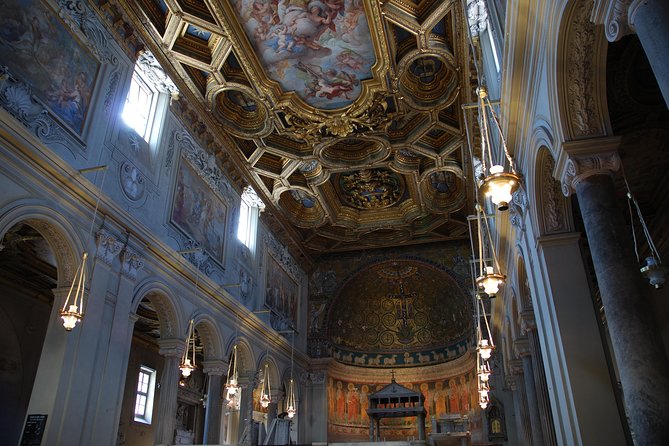
- Domitian Stadium under Piazza Navona: a real Roman competitive athletics venue in underground form
- Capuchin Crypt in Santa Maria della Concezione: bone-made rooms where each space features different bones
- Vicus Caprarius under Trevi Fountain: the remains of the first Roman aqueduct, tied to the City of Water
- Private licensed guide: expect real explanations and room for questions, even for families
- Mobile ticket: easier last-mile access once you’re at the meeting point
- All-weather operation: you’ll still go—so dress for damp stone and changing skies
Stadio di Domiziano beneath Piazza Navona: the start of Rome’s “below street” story
Your tour starts at Piazza Navona, and within minutes you’re in an area most people simply walk past. The first stop is Stadio di Domiziano – Navona Square Underground, the stadium connected to Domitian’s celebrations of the Capitoline Games. It’s one of those Rome moments where “under” is the whole point: you’re not just looking at ruins, you’re getting the scale of an older city layer—literally beneath modern paving.
This first segment is about 1 hour. Importantly, the entrance to Domitian Stadium is included as part of your tour setup, so you’re not juggling extra tickets at the door for this stop. You can think of this location as the tone-setter. Before you meet the shock-and-stare of the bone crypt, you get context: Rome wasn’t only built for temples and art. It also built for performance, competition, and public spectacle.
If you like architecture that has a job to do—spaces designed to channel crowds, sound, and attention—this stop will feel satisfying. And because the tour is private, your guide can pace the explanations without feeling like they’re rushing to keep a big group aligned.
One practical note: there’s no hotel pickup, and the meeting point is near public transportation, so you’ll want to arrive a few minutes early and get your bearings around Piazza Navona before you move underground.
You can also read our reviews of more private tours in Rome



Santa Maria della Concezione dei Cappuccini: the Capuchin Crypt and how to handle the mood
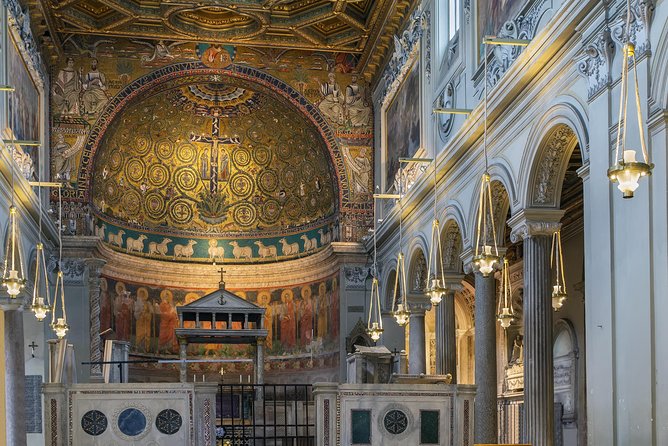
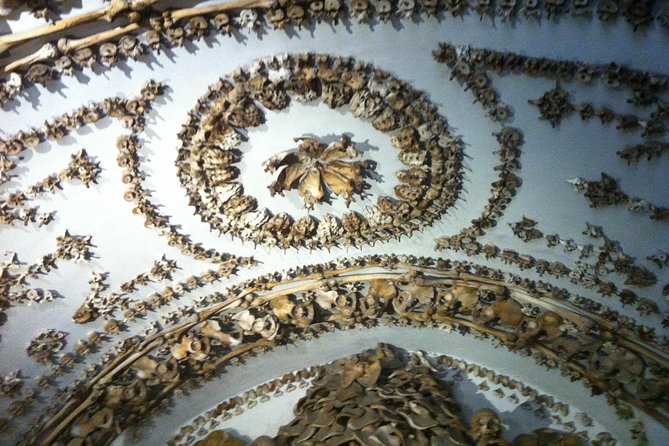
Next comes the part most people remember: Santa Maria della Concezione dei Cappuccini, the Crypt of Bones in the Church of Santa Maria of the Conception. The crypt is made by the Capuchin friars from real human bones, and it’s arranged as a set of rooms where each room features a different type of bone—you’ll see groupings that focus on arms, legs, and other categories.
This stop is about 1 hour, and the admission here is free for your tour. That’s a nice cost advantage inside the overall package. But the bigger win is emotional and experiential. This isn’t “dark museum vibes” from behind glass. You’re walking through a space where the material is front and center, and your guide’s job becomes essential: they help you read what you’re seeing without drowning you in too much at once.
The guide can be the difference between a visit that feels overwhelming and one that feels thoughtful. In previous outings, guides such as Francesco have a knack for pulling families in—especially when kids are involved—so explanations land in a way that’s engaging rather than scary. Another guide style you may run into is a Q-and-A rhythm: Mattia is described as answering questions throughout, which matters in a place like the crypt where people often have personal reactions and lots of curiosity.
Dress code matters here too. You’re entering places of worship, and you’ll need knees and shoulders covered—no shorts or sleeveless tops for both men and women. If your outfit doesn’t meet the rule, entry refusal is a real risk.
Also, expect the crypt experience to require a calm mindset. Even if the bones are arranged with meaning, the subject is unusual. If you’re bringing younger kids, consider having your guide set expectations first—good guides do that quickly.
Vicus Caprarius under Trevi Fountain: Rome’s City of Water, minus the noise
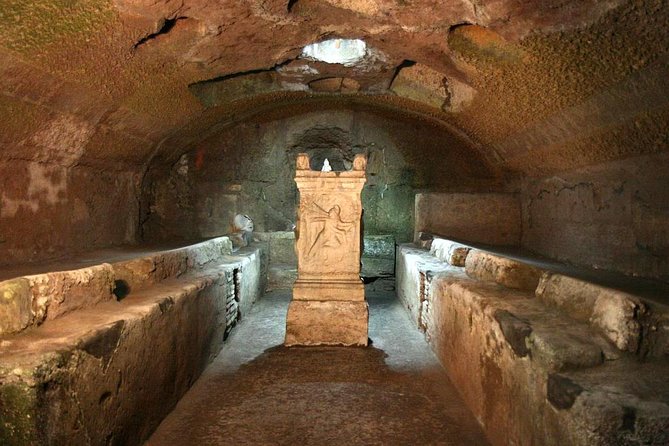
The final leg is Vicus Caprarius – the City of Water, located beneath Trevi Fountain. This is where the underground tour turns more “engineering and daily life” than “spectacle and symbolism.” You’ll be able to see the remains of the first Roman aqueduct, which ties the area to how water shaped neighborhoods and routines.
This stop is shorter—about 30 minutes—and the tour notes that entrance fees for Vicus Caprarius are paid on site. So while your package includes entrance for Domitian Stadium and the Capuchin Crypt, you should expect at least a small extra payment here. It’s not something you want to handle while you’re standing under a closed door, so plan a bit of flexibility in your budget and payment method.
One reason I like this stop is that it gives you a different angle on Rome’s underground. You’ve seen an athletic venue and a crypt, and now you get the “plumbing” of the city—an ancient system that kept Rome functioning. In a tour that lasts only a few hours, that kind of variety is valuable: you’re not repeating the same theme three times. You’re learning how different underground spaces reflected different parts of Roman life.
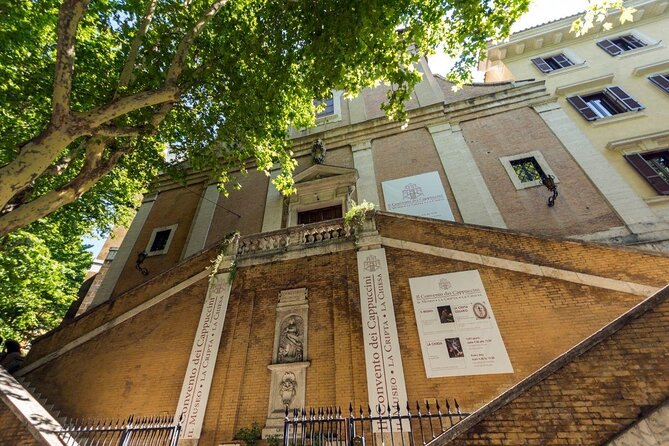
And since the tour ends near Museo e Cripta dei Cappuccini in the Via Vittorio Veneto area, it creates a practical flow: you start at Piazza Navona, finish back on the museum-and-church side of the neighborhood, and you’re not stranded in the middle of nowhere.
What “private” really changes in a 3-hour underground walk
This is a private tour/activity, meaning only your group participates. That matters more than it sounds. Underground spaces can feel tight, and explanations need to match your pace. In a private format, your guide can stop longer at the points you care about, or move faster if you’re focused on photos and broad understanding.
The total duration is about 3 hours, and that’s a sweet spot. It’s long enough to get a real sense of transitions—stadium to crypt to aqueduct—but not so long that you burn out before you’ve actually absorbed what you came for.
You also get a licensed guide for the full time, and the guide is the key connective tissue between stops. Names that show up in guide feedback include Diego as well—known for being attentive and personalized. While not every guide explanation style will match your preferences, the general pattern is that the guide doesn’t just point. They explain in a way that keeps you oriented.
The tour also runs in all weather conditions. That’s great for planning, but it means you should expect stone, shade, and possibly damp air. A moderate physical fitness level is recommended, which makes sense for a walking-based underground route with stairs and uneven surfaces. If you’re unsure, you might want to think twice if you need step-free access, because nothing in the provided details promises accessibility accommodations.
And since no transportation or hotel pickup is included, you’ll be responsible for getting yourself to the start point and handling your own return plans after the tour ends.
Price at $430.52 per person: when it feels fair, when it doesn’t
At $430.52 per person, this private underground experience isn’t a budget play. But value in Rome often comes down to what’s included—and here, quite a bit is folded in.
Your package includes:
- a private licensed guide for 3 hours
- entrance fees to the Capuchin Crypt
- entrance fees to Domitian Stadium
What’s not included:
- entrance fees to Vicus Caprarius (paid on site)
- hotel pickup/drop-off and transportation
So you’re paying for a guide plus two covered entrances up front, with one additional site cost added at the end. That structure can make the total feel more reasonable once you compare it to piecing things together yourself, especially in places where timed access and entry rules can slow you down.
There’s also a note that the tour offers group discounts and uses a mobile ticket, which can reduce friction. And with an average booking window of 54 days in advance, you’ll usually have a better shot at getting a time that fits your schedule if you plan early rather than waiting until the last week.
Who is this price for? It often makes the most sense for people who strongly value a private guide and want an efficient route through multiple underground sites in one go. If you’re traveling solo or on a tight budget, it may feel heavy. If you’re traveling with family or someone who wants interpretation (not just wandering), the guide time can justify the cost.



The practical “don’t get refused” list: dress code and timing cues
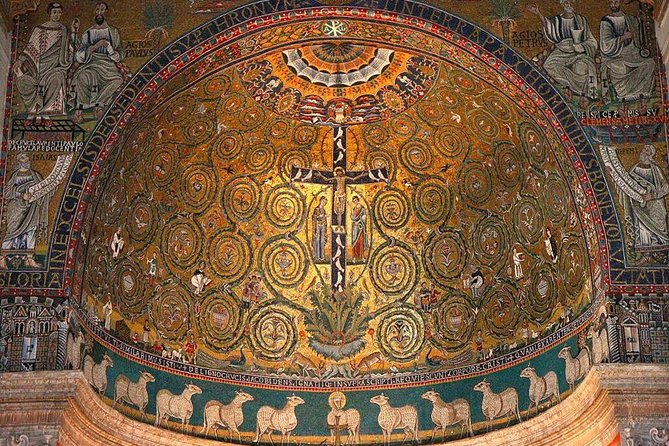
This tour includes places of worship, so you need to come prepared. The rule is straightforward and strict: no shorts or sleeveless tops, and knees and shoulders must be covered for both men and women. If you don’t follow it, you may risk being refused entry. I’d treat this as non-negotiable, not a suggestion.
The tour runs in all weather, so dress for real conditions, not postcard weather. Underground spaces can feel cooler than the street above, and you’re walking from stop to stop, so layers are useful.
Also plan around the fact that the meeting and ending points are different. You’ll start at Piazza Navona and end near Museo e Cripta dei Cappuccini (Via Vittorio Veneto, 27). That’s convenient for staying in the same general area, but it does mean you should plan your next meal or attraction accordingly.
Finally, keep your physical comfort in mind. The tour calls for moderate physical fitness, which aligns with walking and navigating underground environments. If you have mobility limitations, you’ll want to think this through carefully before booking.
Should you book this private Underground Rome tour?
Book it if you want a guided, private route through three very different underground spaces—Domitian Stadium, the Capuchin Crypt, and Vicus Caprarius—within about 3 hours, with key entrances covered and a guide who can keep the stories understandable and on pace. It’s especially strong for families if your guide has that knack for engaging kids without turning the crypt into a pressure-cooker. Guides such as Francesco, Mattia, and Diego have been highlighted for that kind of human, responsive style.
Skip it or rethink it if you’re not comfortable with strict clothing rules, if you’re sensitive to bone-and-remains themes, or if the private price feels too steep for your trip. Also reconsider if you need guaranteed accessibility support, because the details provided only mention moderate physical fitness, not step-free access.
If you’re the kind of traveler who likes Rome to surprise you—quietly, not loudly—this is a smart way to see the city’s forgotten layers without wasting time.
FAQ
What is the duration of the Private Tour of Underground Rome?
The tour lasts about 3 hours.
Is this tour private or shared?
It’s private. Only your group participates.
Where does the tour start?
The meeting point is Piazza Navona, 00186 Roma RM, Italy.
Where does the tour end?
The tour ends near Museo e Cripta dei Cappuccini, Via Vittorio Veneto, 27, 00187 Roma RM, Italy.
Which underground sites are included in the tour?
You visit Stadio di Domiziano under Piazza Navona, the Capuchin Crypt at Santa Maria della Concezione dei Cappuccini, and Vicus Caprarius beneath Trevi Fountain.
Are entrance fees included?
Entrance fees are included for the Capuchin Crypt and Domitian Stadium. Entrance fees for Vicus Caprarius are paid on site.
Is the Capuchin Crypt admission included or free?
The tour information indicates the Capuchin Crypt admission is free for this stop, and the tour also includes entrance fees to the Capuchin Crypt.
Do I need to follow a dress code?
Yes. You must have knees and shoulders covered. No shorts or sleeveless tops. You may be refused entry if you don’t comply.
Does the tour run in bad weather?
Yes. It operates in all weather conditions, so you should dress appropriately.
Can I cancel for a refund, and how late can I do it?
You can cancel up to 3 days in advance for a full refund. If you cancel less than 3 days before the start time, you won’t receive a refund.