REVIEW · ROME
Private 3-Hour Tour of Rome
Book on Viator →Operated by Rutasenroma · Bookable on Viator
Rome can feel like information overload.
This private 3-hour route gives you a fast, organized overview of the city’s big hitters, from the Spanish Steps to Castel Sant’Angelo, with just enough time at each stop to actually look and take photos. I really like how the guide keeps the day fun and easy to follow, and the pace works well for mixed ages.
I also love that the stops are thoughtfully sequenced, so you’re not zig-zagging across town trying to find landmarks yourself. The explanations at key places include details like the history around the Marcus Aurelius column area and what changed when Hadrian’s Mausoleum became Castel Sant’Angelo.
The main drawback is simple: with only about 20 minutes at each highlight, you’ll want to go back later if you’re the type who likes to linger in one spot. Also, big crowds at Trevi and the Pantheon can slow down photos, even with a guide steering the flow.
In This Review
- Key highlights at a glance
- A well-built 3-hour Rome route you can actually use
- Start at Piazza di Spagna: quick orientation that makes Rome click
- Trevi Fountain: coin toss time with a guide to keep it flowing
- Palazzo Chigi and the Marcus Aurelius column area: where power meets art
- Chiesa di Sant’Ignazio di Loyola: ceilings you’ll remember
- Pantheon interior: one of Rome’s oldest monuments, with time to actually go inside
- Piazza Navona and the fountains: the 4 Rivers story in one stop
- Castel Sant’Angelo: from Hadrian’s Mausoleum to a fortress chapter
- How the timing works: efficient stops, smart windows
- Price and value: what $404.75 per group really means
- Who this private Rome tour fits best
- Small practical notes to help you enjoy the day
- Should you book this private 3-hour Rome highlights tour?
- FAQ
- Where does the tour start?
- Where does the tour end?
- How long is the tour?
- Is this a private tour?
- How many people can be in the group?
- What stops are included?
- Are there admission tickets included?
- What’s included in the price?
- Are tips included?
- What happens if the weather is bad?
Key highlights at a glance
- Private and tailored pacing for a group of up to 15, with only your group participating
- Spanish Steps to Castel Sant’Angelo in one smooth 3-hour highlights loop
- Time-efficient stops that still include interior time at the Pantheon
- Photo-friendly moments at places like Trevi Fountain and Piazza Navona
- A guide who connects with kids and adults, with clear, age-friendly explanations
A well-built 3-hour Rome route you can actually use
If you’re short on time (or short on patience for endless “next stop” energy), this private highlights tour makes Rome feel manageable. The idea is straightforward: hit the most emblematic monuments, get clear context, and keep moving so you don’t waste half a day just figuring things out.
The private part matters. With a small group of up to 15, your guide can adjust the flow for families, mixed ages, and different interests without everyone waiting around. And because the tour is designed as an efficient circuit, you get that classic Rome impact without the stress of planning every turn.
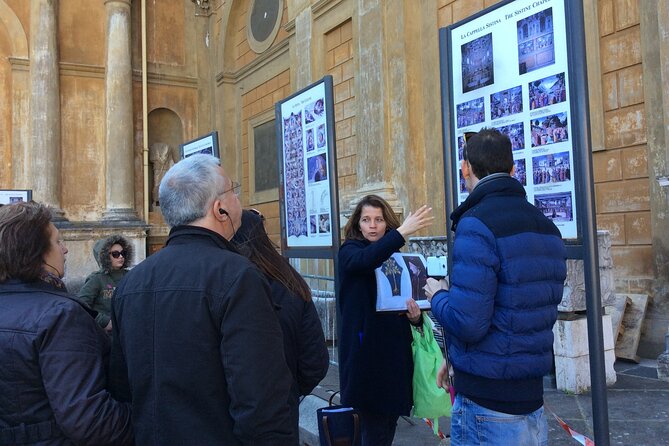
Most importantly, the guide approach shows up in the reviews: punctual, friendly, and clearly invested in making the walk engaging. Guides on this route seem to do more than recite facts. They connect art and history in a way that works for adults and kids alike, with didactic explanations that keep children interested from stop to stop.
You can also read our reviews of more private tours in Rome



Start at Piazza di Spagna: quick orientation that makes Rome click
You begin at Piazza di Spagna, right by the Spanish Steps. This is a smart opening move because the area instantly shows you how Rome blends grand architecture, politics, and everyday city life in one compact space.
The tour spotlights the square itself, plus the surroundings along via dei Condotti and the nearby Spanish embassy. In about 20 minutes, that’s enough time to understand why this part of Rome is a magnet for visitors and why it’s such a great place to orient yourself before the rest of the highlights.
One practical benefit of starting here: you get bearings fast. After the first stop, the rest of the route feels less like random monuments and more like a connected story of the city center moving from one era to the next.
Trevi Fountain: coin toss time with a guide to keep it flowing
Next up is the Trevi Fountain, the stop everyone recognizes the moment they see it. The tour gives you a focused photo window and time to toss the coin, but it’s not just about the fountain pose.
A guide helps here because this is a high-traffic area. You want to get your photos without spending the whole visit stuck at the edges. With a structured schedule, you can actually enjoy the moment instead of racing it.
The other big win is context. When you’re there with someone explaining what you’re looking at, the fountain stops being just a postcard target and becomes part of a larger Rome experience. You get that sense of meaning, even if your time is short.
Palazzo Chigi and the Marcus Aurelius column area: where power meets art
After Trevi, the tour moves to the Palazzo Chigi area and the nearby Piazza della Colonna. This stop might be less famous on a first glance, which is exactly why it can be so satisfying: it gives you a breather from the busiest crowd magnets while adding real historical texture.
You’ll spend time learning about the column of Emperor Marcus Aurelius, plus how the Chigi Palace fits into the surrounding story. The tour also ties in a nearby temple dedicated to Adrian, which helps you connect the visual landmarks to the wider theme of Roman emperors shaping what you see today.
One practical consideration: this stop is still in the center, so it’s not “quiet Rome.” But it tends to feel more grounded than a pure photo stop. It’s the kind of moment that makes you feel like you understand the city a bit better, not just passed through it.
Chiesa di Sant’Ignazio di Loyola: ceilings you’ll remember
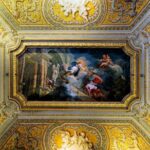
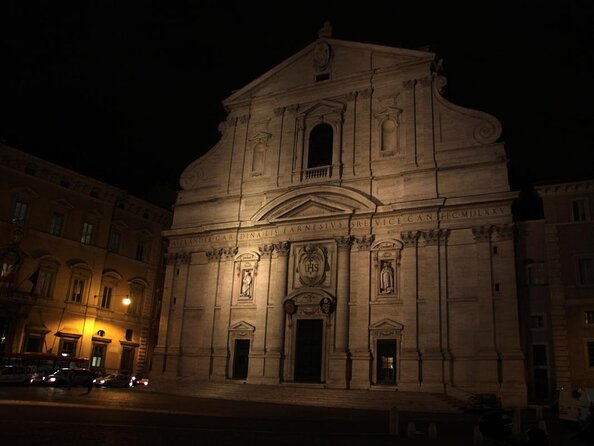
Then comes Chiesa di Sant’Ignazio di Loyola, a church stop that’s famous for what’s above you. The tour focuses on the ceilings, and that matters because it changes how you experience a church visit. Instead of only scanning facades, you’re directed to look in a specific way.
In about 20 minutes, you can do what many people fail to do: actually notice the artwork details you came for. A guide’s pointing and timing help, especially in a place where people tend to stand where they can see, not where the best perspective is.
This is also a stop where the tour’s “for all ages” reputation makes sense. Reviews highlight how the guide keeps explanations engaging and easy for kids to follow. If you’re traveling with younger family members, this kind of visual focus often lands better than a stop that requires long reading or deep concentration.
You can also read our reviews of more tours and experiences in Rome



Pantheon interior: one of Rome’s oldest monuments, with time to actually go inside
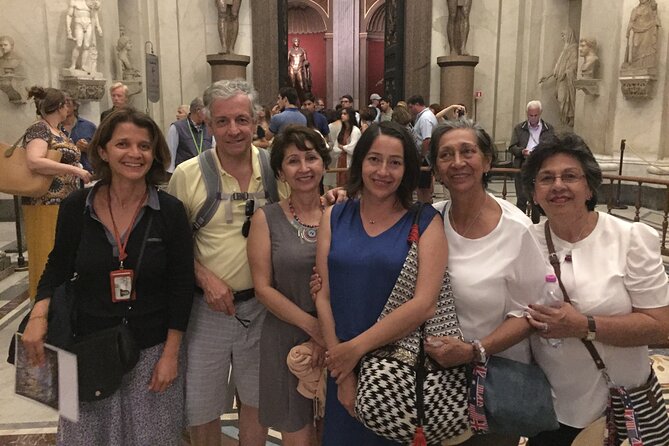
The Pantheon is a major highlight, and the key advantage here is that the tour includes an internal visit. Many Rome “highlights” walks stay outside, but this one gets you into the monument itself, which is where it can really click.
The tour spends about 20 minutes here. That’s not long enough for a slow, museum-style experience, but it’s enough time to see the space with intention and not just rush through the doorway.
The benefit of having a guide at the Pantheon is that your eyes know what to prioritize. Even without getting lost in details, you’ll leave with a better sense of why the Pantheon continues to matter as one of Rome’s oldest monuments.
If you want a relaxed visit, go into it with clear expectations: you’re there for focused viewing and context, not a full independent exploration. Then you can always return later if you want to linger.
Piazza Navona and the fountains: the 4 Rivers story in one stop
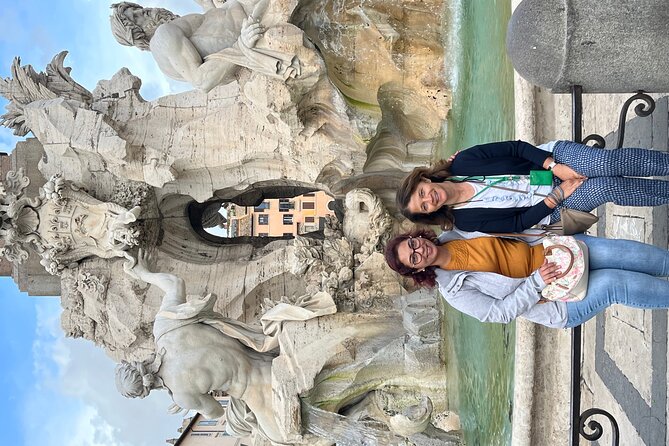
Next is Piazza Navona, with time to discover the history of the fountain dedicated to the 4 rivers. This is another strong tour choice because Piazza Navona is both architectural and theatrical—open space, lively energy, and a central focal point that’s easy to connect to the tour narrative.
In roughly 20 minutes, you get a sense of what the place is and why the fountain matters. It’s the kind of stop where you can look, listen, and take a few photos without feeling like you’re trying to do everything at once.
A guide helps you read the square like a scene. Instead of walking through it as a backdrop, you understand how the fountain and the setting work together. That turns Piazza Navona from scenery into a story you can remember.
Castel Sant’Angelo: from Hadrian’s Mausoleum to a fortress chapter
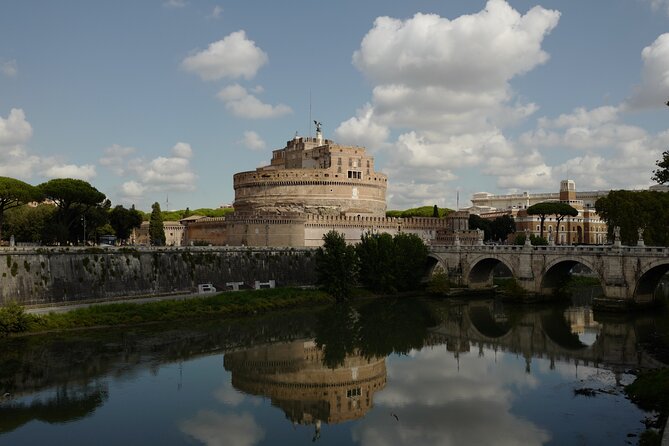
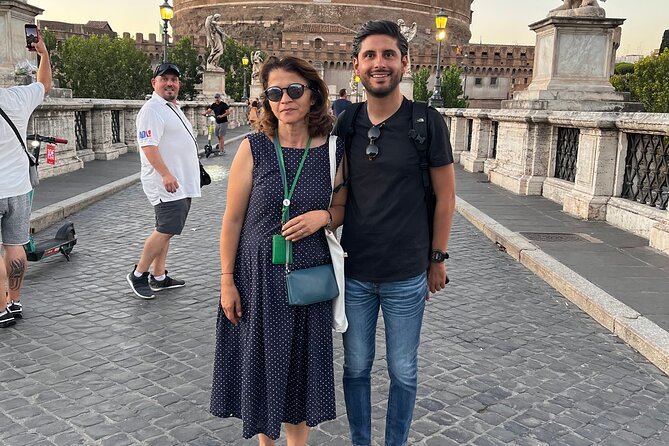
The final stop is Castel Sant’Angelo, ending at the Lungotevere Castello area. This is a satisfying close because the story is layered and easy to follow when someone is guiding you.
You’ll learn about the Tiber river’s history, and you’ll also cover the transformation of Emperor Adrian’s Mausoleum into Castel Sant’Angelo. That “before and after” framework is a great way to understand the site without needing a long lecture.
Even with only about 20 minutes, the final stop can feel complete because it ties together multiple Rome themes: imperial power, architectural reuse, and the way geography (the river) shapes history. It also gives you a sense of closure—by the end, you’ve moved from classic Rome landmarks into a location that feels like a strong finish.
How the timing works: efficient stops, smart windows
This is an approx. 3-hour private tour, with multiple landmark stops and about 20 minutes per main location. That structure is what makes the experience feel efficient rather than chaotic.
You’re not stuck in any one place long enough to burn out, but you’re also not sprinting past everything without absorbing it. The guide’s job becomes pacing: when to slow down for photos, when to move so you don’t lose time, and how to keep explanations short enough that kids (and adults) don’t tune out.
Still, there are two realities to keep in mind. First, Rome crowds are real, and some stops can feel tighter in busy hours. Second, if you want maximum time for deep photos or quiet contemplation, you’ll likely want to pair this with a longer visit on a second day.
The value of this kind of pacing is clarity. You’ll finish with a mental map of how the city center fits together. That alone is useful, even before you add any later sightseeing.
Price and value: what $404.75 per group really means
The price is $404.75 per group for up to 15 people, and the tour is private. The math changes based on group size, but the key idea is that you’re paying for guided time plus a curated route, not per individual landmark.
If you’re traveling with family or friends, this pricing can feel very fair because the guide time is shared across the group. If you’re traveling as a smaller group, it can still be worth it if you value having someone organize the day and keep you from wasting time at confusing intersections or going into the wrong areas.
Also, the tour uses a mobile ticket, which is a practical detail you’ll appreciate the day-of. Less hassle means more time for the places you came for.
Overall, this tour is best seen as a “get oriented fast” experience. If you treat it like that, the value tends to click: you buy time, structure, and context.
Who this private Rome tour fits best
This tour is positioned for all ages, and the route makes sense for families. Several reviews mention the guide’s ability to keep kids interested with clear, didactic explanations, while still providing enough detail for adults to feel satisfied.
It also fits first-time visitors who want an overview without spending days researching where to go. The sequence moves through some of the most recognizable stops in the center, but it also includes the kind of in-between locations that make Rome feel lived-in rather than cookie-cutter.
If you’re the kind of traveler who likes to return later for deeper exploring, this tour can become your launchpad. After three hours, you’ll know which spots you want to revisit—and which ones you can safely skip for now.
Small practical notes to help you enjoy the day
You’ll do a lot of walking in a dense area, so plan comfortable footwear and keep water handy. Because the tour “requires good weather,” it’s smart to build flexibility into your Rome schedule.
You’re also near public transportation, which is helpful if you’re using transit before or after the walk. And since this is a private group, your experience stays focused—only your group participates, not a mixed crowd tour where you’re constantly negotiating timing.
If your group includes kids, don’t worry about long lectures. The guide approach here is clearly built to keep younger travelers engaged with visual and explanatory cues.
Should you book this private 3-hour Rome highlights tour?
If your goal is to get your bearings fast and see the core Rome landmarks in a structured, family-friendly way, I’d say it’s a good bet. The best reason to book is the guide quality described across reviews: punctual, friendly, and able to make the history feel relevant instead of like a list.
The trade-off is time. You won’t get a slow, deep Rome day at one monument. You’ll get a smart overview and a set of memorable stops, ending at Castel Sant’Angelo with a clearer understanding of how the city pieces fit.
If that matches your travel style, book it. If you want to spend half a day inside one site, you’ll probably do better pairing this with additional time on your own.
FAQ
Where does the tour start?
The tour starts at Piazza di Spagna, 12, 00187 Roma RM, Italy.
Where does the tour end?
The tour ends at Castel Sant’Angelo, Lungotevere Castello, 50, 00193 Roma RM.
How long is the tour?
The duration is about 3 hours.
Is this a private tour?
Yes. It’s a private tour/activity, and only your group participates.
How many people can be in the group?
The group size is up to 15 people.
What stops are included?
The tour includes Piazza di Spagna (Spanish Steps), Fontana di Trevi (Trevi Fountain), Palazzo Chigi area (Piazza della Colonna), Chiesa di Sant’Ignazio di Loyola, Pantheon, Piazza Navona, and Castel Sant’Angelo.
Are there admission tickets included?
The tour notes admission ticket free for the listed stops.
What’s included in the price?
The tour includes a guided visit.
Are tips included?
No. Tips are not included.
What happens if the weather is bad?
The experience requires good weather. If canceled due to poor weather, you’ll be offered a different date or a full refund.