REVIEW · ROME
Pasta & Tiramisù making in the heart of Rome
Book on GetYourGuide →Operated by iQook Experience · Bookable on GetYourGuide
Make pasta, then eat it in Rome. In this 2.5-hour class near the Opera House, you get clear English instruction to make pasta dough and your own Tiramisù. The workstation is modern and air-conditioned, so you stay comfortable even on a warm Roman day.
I like that the lesson ends with a proper meal: you start with Prosecco and wine, then sit down to enjoy what you made. One thing to know: this is pasta-focused, so sauce and some cooking steps may be chef-led instead of fully hands-on. Either way, chefs such as Giuseppe bring a friendly, organized approach that keeps things moving without feeling rushed.
In This Review
- Key Points That Matter for Your Decision
- A Rome Cooking Class Where the Food Actually Takes the Lead
- Finding the iQ Hotel Meeting Point by the Opera House
- The Real Schedule: Dough First, Dessert Next, Then Shaping
- Chef-Led Coaching in English: Names You Might Meet
- What You Actually Cook: Pasta Comes First
- The Meal and Drinks: Prosecco, Wine, and More Than Just One Bite
- Price and Value: Is $65 Actually Worth It?
- Who Should Book This Pasta and Tiramisù Class?
- Simple Tips So You Get More From the Class
- Should You Book It? My Take
- FAQ
- What dishes will we make in the class?
- How long is the experience?
- Is the instruction in English?
- What’s included with the meal and drinks?
- Where do we meet?
- Is there air conditioning, and can I cancel or pay later?
Key Points That Matter for Your Decision
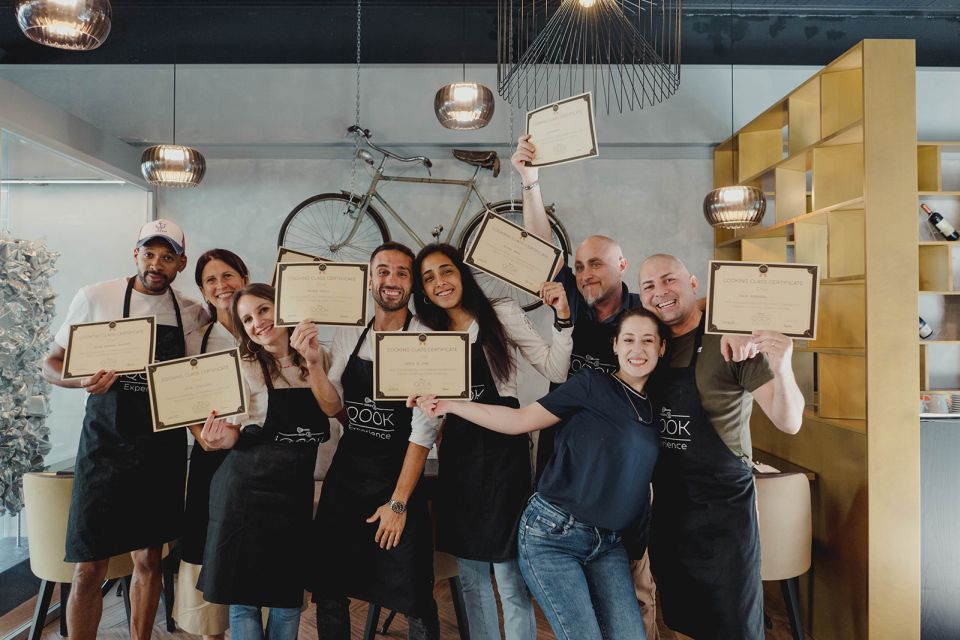
- Air-conditioned comfort at the iQ Hotel: you’re cooking in a modern indoor workspace, not a hot kitchen corner.
- A smooth 2.5-hour flow: pasta dough rests while you work on Tiramisù, so the timing stays efficient.
- English-first teaching: directions are clear and step-by-step, with lots of encouragement to participate.
- Chef-led polish from people like Giuseppe, Agnes, and Dani: attentive guidance and helpful tips show up in the details.
- Drinks and a full homemade meal: Prosecco and wine are part of the experience, not an afterthought.
- Recipes sent after class: you can recreate the dishes at home without relying on memory.
A Rome Cooking Class Where the Food Actually Takes the Lead
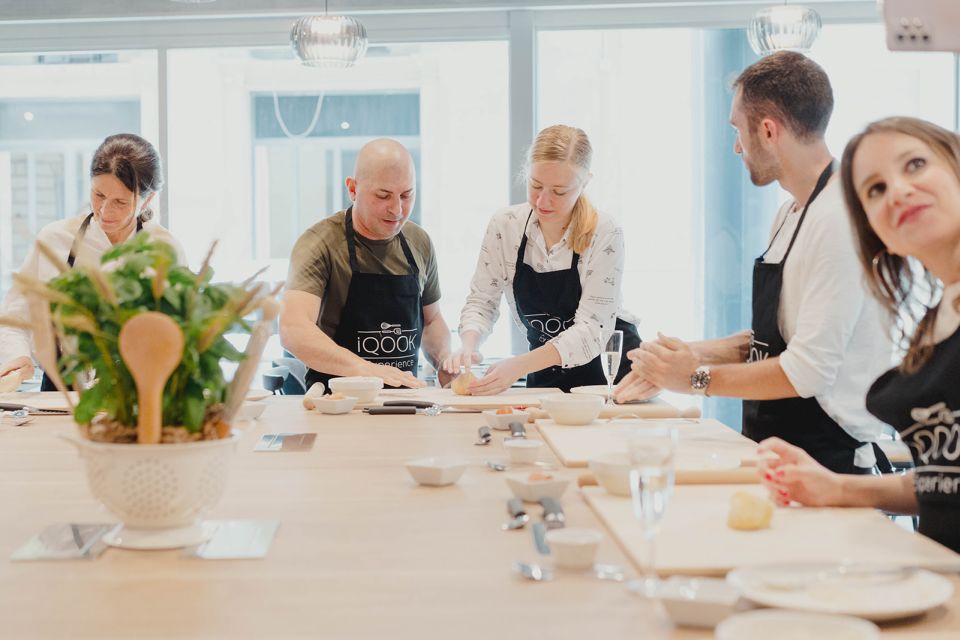
If you want a Rome experience that’s more than looking, eating, and moving on, a pasta-and-Tiramisù class is a great shift. You learn technique with your hands, then get to taste your work right away. That mix is why this kind of workshop feels both practical and fun.
I also like that this isn’t pitched as fine-dining theory. It’s hands-on cooking instruction focused on Italian specialties, with a chef guiding each stage so you’re not guessing. And because the workspace is air-conditioned, you don’t have to bake yourself into a puddle while you learn.
You can also read our reviews of more cooking classes in Rome

Finding the iQ Hotel Meeting Point by the Opera House
The meeting point is simple if you aim for landmarks, not street names. Meet at iQ Hotel’s blue building on the left side of the Opera House. From there, you’ll be guided into the class space.
This matters because Rome can be a maze when you’re trying to arrive on time. If you build your plan around the Opera House, you avoid that last-minute stress that always eats into the experience.
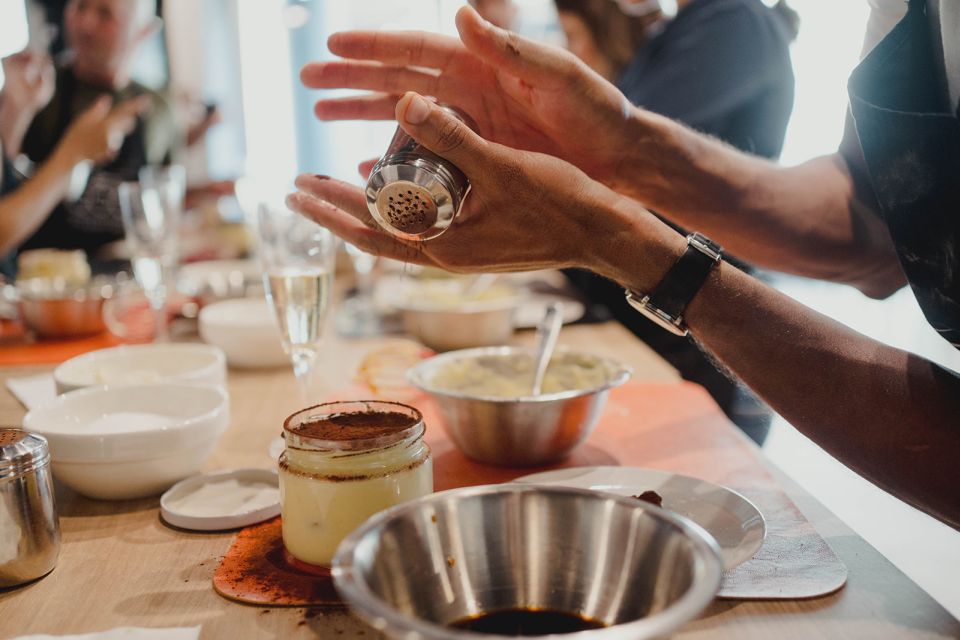
Once you’re there, expect a modern, comfortable setup in the center of Rome. The whole point is that you can cook without chaos—ingredients laid out, equipment ready, and a workstation that’s set up for a group.
The Real Schedule: Dough First, Dessert Next, Then Shaping
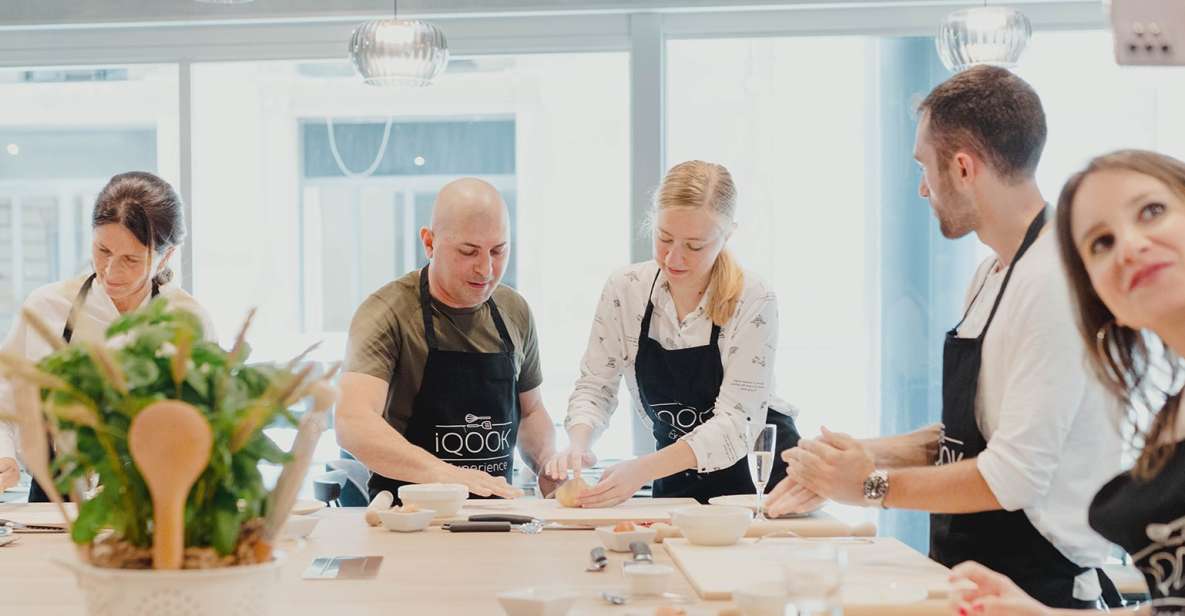
This is a 2.5-hour class, and the flow is designed to keep you productive from start to finish. While you may see the full process demonstrated, you’re not just standing around. You’re actively making decisions, following instructions, and shaping the dishes.
Here’s the typical rhythm you can expect:
- You’re welcomed with drinks (Prosecco and then wine during the meal).
- You start with pasta dough. You’ll work the dough until it’s ready for the next step.
- While the dough rests, you shift to Tiramisù. That timing is smart because it keeps you busy instead of waiting around.
- Once the dough is ready, you shape the pasta and finish your prep.
- After cooking and hands-on work, you eat your homemade meal.
One detail I find especially useful: the class is organized so you don’t feel rushed. Reviews point to a structured flow, with time built into the process rather than cramming every step into the final minutes. That pacing matters for first-timers, because learning pasta technique takes a steady rhythm.
Chef-Led Coaching in English: Names You Might Meet

This class runs with an English instructor, and the teaching style is a big part of why the reviews are so strong. The chefs and teachers aren’t just reciting steps—they give direction you can actually follow.
You might work with chefs such as Giuseppe, or instructors like Agnes and Dani, depending on the session. Across the board, the emphasis is on clear guidance, friendly energy, and encouraging everyone to participate.
What that looks like in practice:
- You get small reminders and practical tricks, not vague advice.
- Questions are handled quickly and directly.
- The chef keeps the pace moving while still helping you get it right.
If you’re a cautious cook, this is a relief. If you’re confident, it’s still worth it because you’ll pick up technique—especially around pasta dough handling and the logic behind timing.
What You Actually Cook: Pasta Comes First
Let’s clear up expectations, because different classes handle this differently.
This experience is pasta-focused, meaning the center of gravity is on the pasta process rather than heavy sauce-making. Some sessions may feel more like instruction plus participation, with the chef taking over portions of cooking or sauce so the group finishes together.
So if your dream is to personally run every element—from sauce pot to pasta pot—go in with realistic expectations. You’ll still learn a lot and actively participate, but the class is built for teamwork and timing, not solo control over every stove minute.
This is exactly the kind of trade-off that makes cooking classes work in the real world:
- You learn core skills without getting stuck waiting for the whole group.
- You spend time on the parts that translate to cooking at home—dough and shape—rather than getting bogged down in restaurant-style complexity.
A good mindset: think of it as learning the technique behind pasta and Tiramisù, then leaving with confidence to repeat it later.






The Meal and Drinks: Prosecco, Wine, and More Than Just One Bite
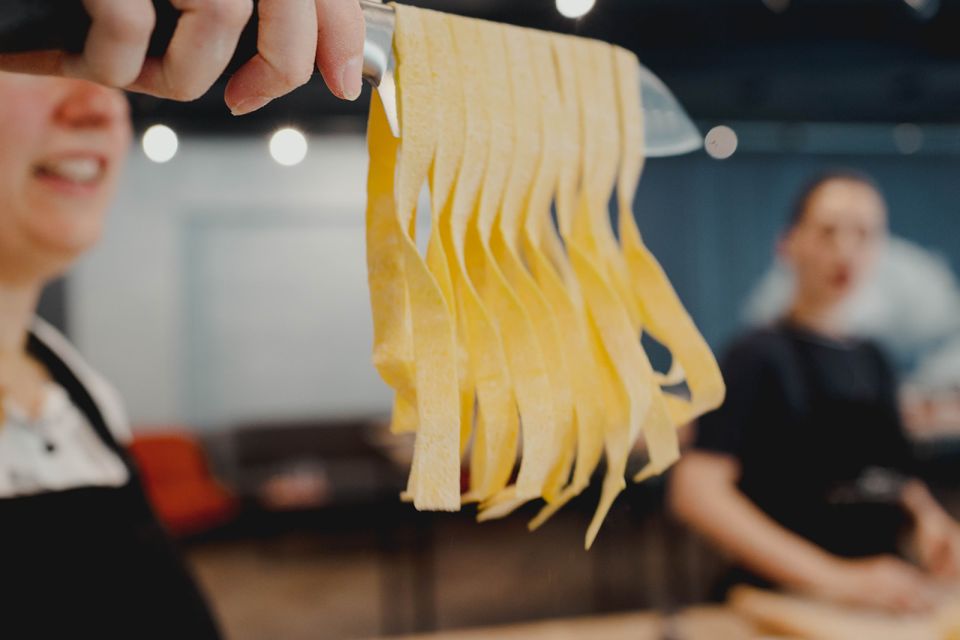
The class isn’t only about cooking. You also get to eat what you make, and it’s paired with drinks.
Included:
- Prosecco
- Wine
- Soft drinks
The meal itself is described as a delicious homemade experience, not a token taste. And in practice, some sessions may include extras such as bread and coffee, and even lemoncello alongside the wine pairing. If that’s part of the evening for your group, it adds to the feeling that you’re eating a full Roman meal, not just sampling.
For me, this is where value shows up. If you’re paying for a cooking class, the meal should feel like part of the experience—and here, it does. You’re tasting your own work, talking with the group, and enjoying the “reward” moment that makes the instruction stick.
Price and Value: Is $65 Actually Worth It?
$65 per person for a 2.5-hour cooking class in central Rome sounds like a lot—until you break down what’s included.
Here’s what you’re paying for beyond the recipes:
- Ingredients and cooking equipment
- A guided chef-led experience (in English)
- A modern, air-conditioned workstation
- A homemade meal plus drinks (Prosecco, wine, soft drinks)
- Recipes sent after the class, so the lesson doesn’t vanish when you get home
If you compare that to the cost of a solid sit-down dinner in Rome (plus drinks), this often pencils out as less about buying a “class” and more about buying a meal + skill-building time.
Also, the “repeat value” matters. If you leave with a method you can use at home, the class keeps paying you back every time you make pasta or Tiramisù again. That’s a kind of value tourists rarely count when they only compare ticket prices.
Who Should Book This Pasta and Tiramisù Class?
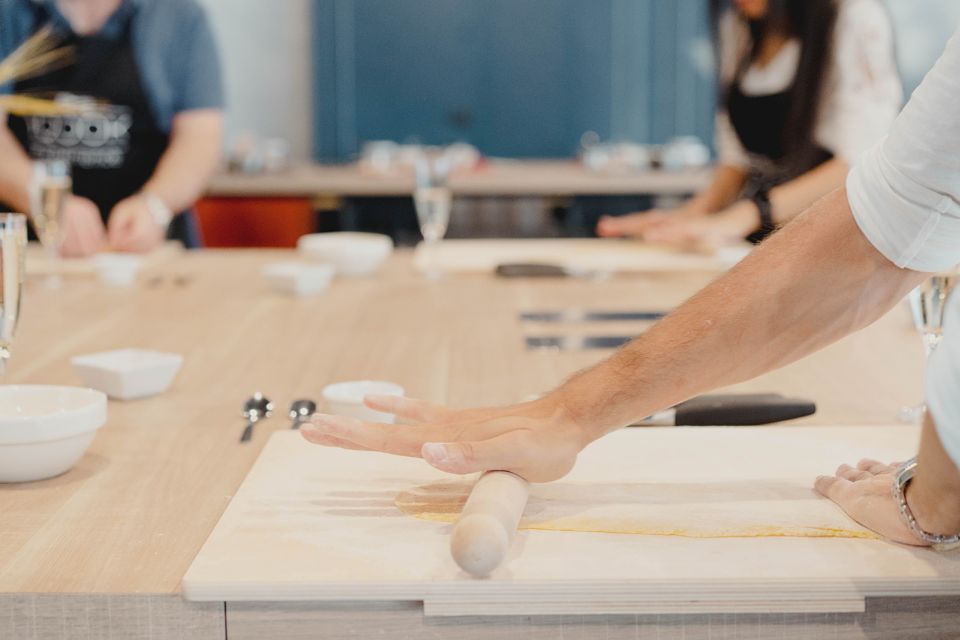
This is a great fit if you want:
- A fun food activity that doesn’t require advanced cooking skills
- A small-group vibe where you can talk, participate, and learn
- An English-friendly class so you’re not guessing through language barriers
- A comfortable cooking space with air conditioning
It’s also a smart option for couples and friends because the experience naturally creates conversation. If you’re celebrating an anniversary or going with a close group, this is the kind of activity that turns dinner planning into a shared memory.
Who might want to choose something else:
- If you want a class that focuses heavily on sauce-making or hands-on cooking from start to finish, you may find this one more limited in that specific area because it’s pasta-focused.
- If you only care about eating and not learning, the cooking instruction may feel like more work than you want.
Simple Tips So You Get More From the Class
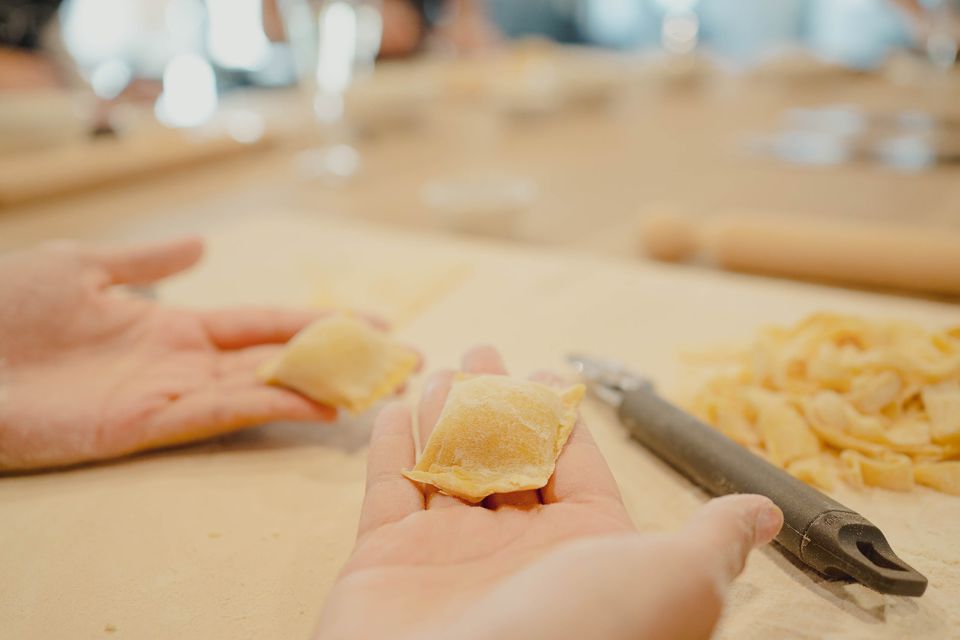
A few practical moves help a lot:
- Go hungry but not ravenous. You’ll be drinking and eating, and you want to enjoy the meal, not just power through it.
- Ask questions early. If you want more hands-on time, ask how the session is structured.
- Pay attention during the dough steps. Pasta dough timing and handling are the most useful techniques to take home.
- Use the recipes after the class. Since they’re sent to you, don’t rely on memory.
And if you’re thinking about peak summer heat: the air-conditioned setup is not a small detail. It makes a difference in comfort and focus.
Should You Book It? My Take
Yes, I’d book it if you want a high-confidence Rome food experience: English instruction, pasta dough and Tiramisù that you make yourself, and a full meal with drinks that makes the whole session feel complete.
If you’re deciding between a cooking class and yet another evening out, this is the one that often wins on value because you leave with both food in your stomach and technique in your head. The pasta-focused approach is also a plus for first-timers because you’re learning the core skill set without getting overwhelmed.
Before you go, double-check the session’s hands-on expectations if you care specifically about sauce-making. If your priority is learning pasta and Tiramisù in a comfortable, guided setting near the Opera House, this is a strong choice.
If plans change, you can take advantage of free cancellation up to 24 hours in advance and the option to reserve and pay later.
FAQ
What dishes will we make in the class?
You’ll learn how to make fresh pasta and Tiramisù as part of the cooking class.
How long is the experience?
The class runs for 2.5 hours.
Is the instruction in English?
Yes. The instructor teaches in English.
What’s included with the meal and drinks?
You get Prosecco, wine, and soft drinks, along with a homemade meal you enjoy after cooking.
Where do we meet?
Meet at iQ Hotel’s blue building on the left side of the Opera House.
Is there air conditioning, and can I cancel or pay later?
Yes, there’s an air-conditioned workstation. You can also reserve now and pay later, and cancel for a full refund up to 24 hours in advance.