REVIEW · ROME
Pasta Fettuccine, Ravioli and Tiramisu MasterClass
Book on Viator →Operated by Bella Vita Food Tours · Bookable on Viator
Fresh pasta in Rome beats souvenirs. This hands-on masterclass teaches you to make fettuccine and ravioli from scratch, then cap it with tiramisù. I love the cozy, small-group vibe and the way you actually eat what you make; you’re not stuck watching from the sidelines. The one possible catch: the class says the sauce is pre-prepared, so you won’t be making every component from scratch.
The setting is practical too. You meet at iQ Hotel Roma (Via Firenze 8) in central Rome, it’s near public transport, and you get a mobile ticket. You can usually fit it into your trip since there are two start times and the whole thing runs about 3 hours in English.
If you like food-focused travel—less browsing, more doing—this is a great evening plan. You’ll get a welcome glass of prosecco, a glass of wine (or soft drink), bottled water, and then you finish with limoncello or coffee after the tiramisù.
In This Review
- Key Highlights You’ll Feel Immediately
- Why This Rome Pasta MasterClass Works in 3 Hours
- Meeting at iQ Hotel Roma: Easy Access, Clear Start
- Welcome Prosecco and the Pace of a Real Teaching Kitchen
- Rolling Fettuccine: Technique That Actually Transfers Home
- Practical tip if you want to recreate it later
- Ravioli Workshop: Shaping Skill Plus a Classic Finish
- Tiramisu MasterClass: The Dessert You’ll Remember
- What You Actually Gain: Skills, Recipes, and Confidence
- Drinks, Group Size, and the Real Value of $71.38
- Who Should Book This (and Who Might Skip It)
- Final Call: Should You Book This Rome Pasta and Tiramisu Class?
- FAQ
- What will I make during the class?
- Is the class in English?
- How long is the cooking class?
- How big is the group?
- Where do I meet for the class?
- What drinks and extras are included?
- Is the sauce made by you?
- Can I cancel for a full refund?
Key Highlights You’ll Feel Immediately
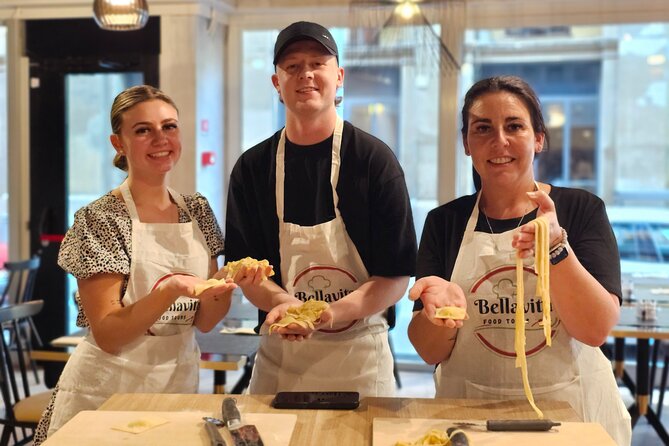
- Small group, up to 14 people: easier questions, more hands-on time
- Prosecco before you cook: a nice reset after a Roman day
- Two pastas plus tiramisù: fettuccine, ravioli, and dessert in one session
- English-speaking chef: clear steps, plus real technique talk
- Pre-made sauce component: you choose the sauce, but the chef handles it
Why This Rome Pasta MasterClass Works in 3 Hours
Rome has a lot of great food, but cooking classes are the fastest way to turn eating into skills. In about three hours, you’ll go from dough to plates, then sit down and enjoy the meal together. That time compression matters: it’s long enough to learn real technique, but short enough to keep your Rome itinerary flexible.
The biggest win for me is the combination. You’re not just making one item; you’re building confidence with fresh pasta and then doing tiramisu, which is the dessert people always want to nail at home. Add in the social setting—up to 14 in the group—and it becomes an evening with momentum instead of a slow workshop.
One practical consideration: because the sauce is described as pre-prepared, your focus is on pasta and dessert rather than full DIY cooking across the whole menu. If you’re the type who wants to do everything from scratch, you might find that limiting. If you want the best return for your time, it’s a smart trade.
You can also read our reviews of more cooking classes in Rome

Meeting at iQ Hotel Roma: Easy Access, Clear Start
Your class starts at iQ Hotel Roma, Via Firenze 8 (00184 Rome), and it ends back there. That simple “meet and return” layout is underrated. No complicated transfers or “get lost until we text you” moments—just show up, check in, and get cooking.
You’ll also appreciate that it’s near public transportation. Rome can make you walk more than you planned, so having an anchor point you can reach without a long slog helps. Bring comfortable shoes—your evening ends with a proper sit-down meal, but getting flour on your hands is still a thing.
This is offered in English and uses a mobile ticket. If you’re the kind of traveler who hates digging through paper documents in your bag, you’ll probably feel relieved.
Welcome Prosecco and the Pace of a Real Teaching Kitchen
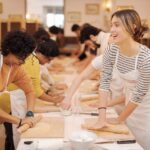
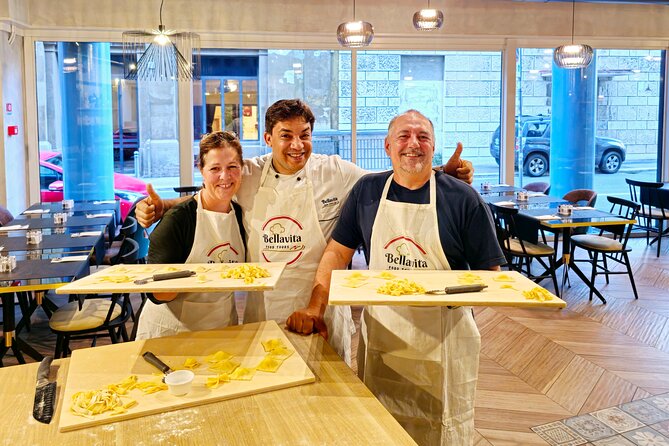
Before you start rolling and shaping, you’re welcomed with a glass of prosecco. That’s not just a nice touch—it sets the tone for the class as an experience, not a test. You’ll be in a working kitchen where the chef explains, demonstrates, and then turns the room loose on dough.
The schedule works like this: you learn the steps, you form the pasta, and then the chef finishes cooking so you can eat while it’s at its best. The timing is tight in a good way—enough instruction to understand the why, enough action to build your hands-on confidence.
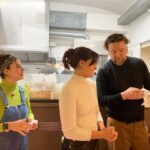
A recurring theme in the teaching style here is patience. In the past, the chef names Giuseppe and Danilo have come up in participant feedback, and the common thread is clear, step-by-step instruction. That matters if you’re a first-timer. Fresh pasta isn’t hard, but it does punish rushed hands.
Rolling Fettuccine: Technique That Actually Transfers Home
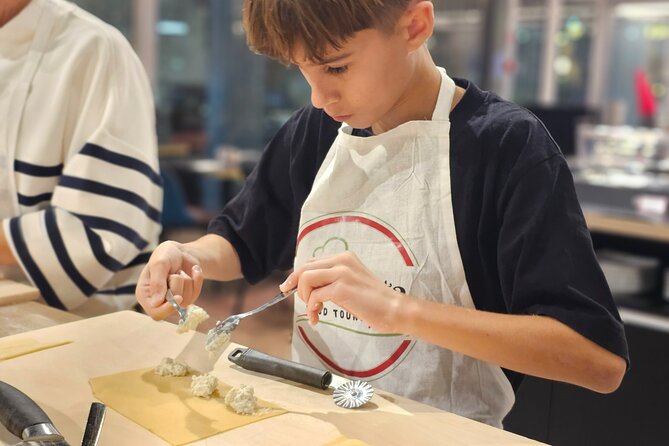
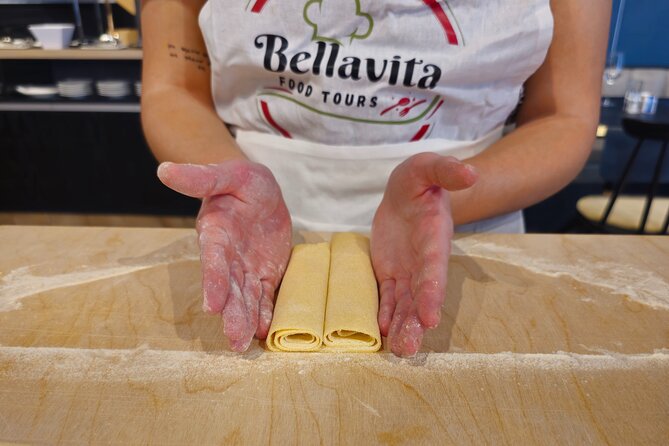
The class centers on fettuccine you craft yourself. This is the kind of pasta that makes you understand what fresh dough should feel like—elastic, workable, and willing to be cut into silky ribbons. You’re learning more than a recipe here. You’re learning the “hands language” of dough.
After you finish making it, you’ll get to enjoy the pasta in the end meal. The class includes fettuccine with your choice of sauce, and it’s specifically noted that the sauce itself is already prepared by the chef. That means you get to focus on the one part you can’t fake at home easily: the pasta.
Then the chef handles the final cooking so the texture stays right. You’ll also watch the chef cooking pasta as part of the experience. That’s a smart inclusion. Cooking timing is where homemade pasta can go from great to gummy, and seeing it done once helps you repeat it correctly later.
Practical tip if you want to recreate it later
If you’re planning to make fettuccine at home, your biggest “take home” is technique, not the sauce. Next time you roll dough, pay attention to thickness consistency—Rome’s fresh pasta is all about that even sheet.






Ravioli Workshop: Shaping Skill Plus a Classic Finish
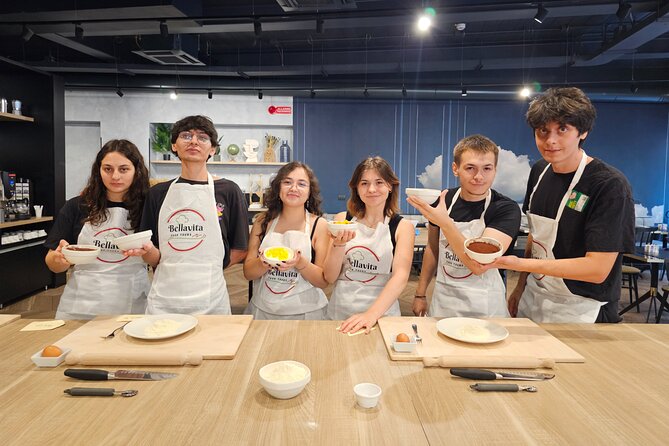
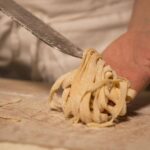
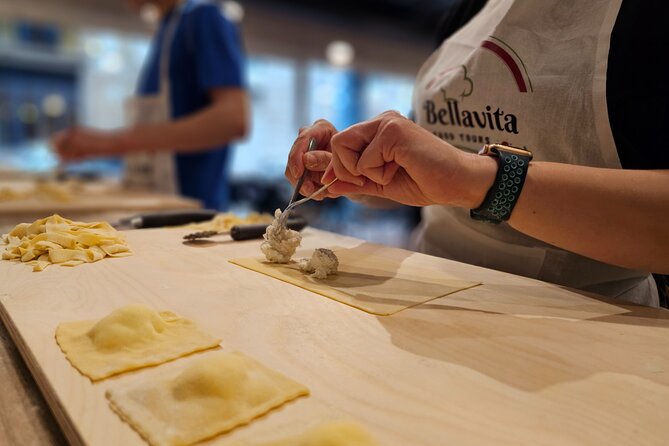
Next up is ravioli. You’ll master crafting the pasta as part of the class flow, and then you’ll eat it with butter and sage. That part is helpful: butter-and-sage is simple in theory, but it’s excellent when the pasta is cooked properly.
Ravioli can feel intimidating, but that’s usually because people think it’s all about fancy fillings. Here the core focus is learning how to make the ravioli pasta itself, then pairing it with a classic finishing sauce. So you’ll leave with a clearer mental model of what matters.
The meal component is built into the experience: after you make the pasta, the class ends with you feasting on what you created. You’re not cooking for an audience and then leaving hungry.
Also, with a max group size of 14, you can usually get help when you need it. That’s one reason this class earns top marks in the feedback: people often talk about instruction being clear and supportive, and they come away feeling like they can do it again.
Tiramisu MasterClass: The Dessert You’ll Remember
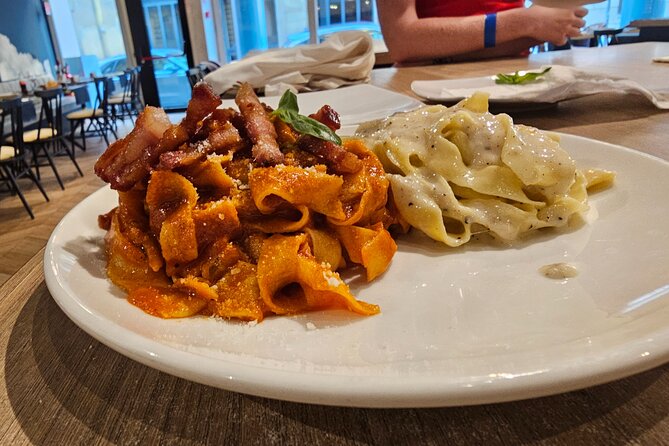
Then comes the payoff: tiramisu. You’ll create the dessert, and it’s served as part of the class meal. Tiramisu is one of those desserts where structure matters—cream texture, layering, and the right amount of softness. Even if you’ve tasted good tiramisu in Rome, making it can still be a surprise.
The class also includes a finishing drink: after tiramisù, you get limoncello or coffee. That final sip is a nice way to transition from cooking-mode back into tourist-mode. If you’re thinking about a night out after, pace yourself—this is an active evening.
And yes, this is a meal. You’re not just doing dessert as a token. You’re eating what you made, with wine (or a soft drink) and water included.
What You Actually Gain: Skills, Recipes, and Confidence
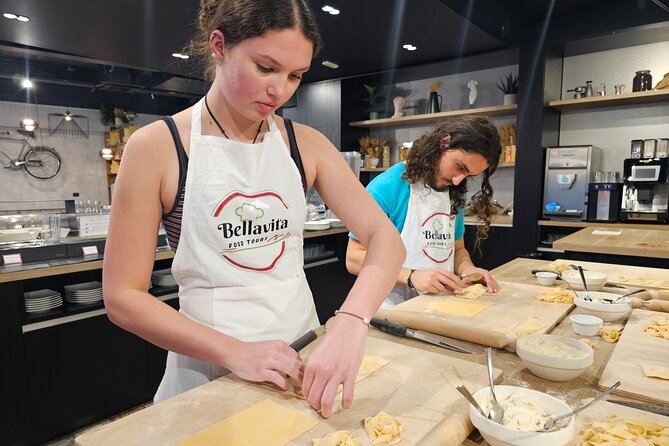
This class isn’t only about eating well in Rome. It’s about leaving with usable know-how. Based on the instructor style described by participants, the chef’s approach tends to be step-by-step, with tips that explain the why, not just the what.
A key detail: people often mention getting recipes to take home. The specific formats aren’t listed in the class overview, so I can’t promise a printed packet every time, but the idea of going home with instructions comes up clearly. Either way, you’ll remember the steps that were emphasized because your hands did them.
You also pick up practical lessons that don’t fit neatly on a recipe card—how dough behaves, what “right” looks like when shaping, and how timing affects texture. That’s the stuff that makes a home pasta night feel less like guesswork.
Drinks, Group Size, and the Real Value of $71.38
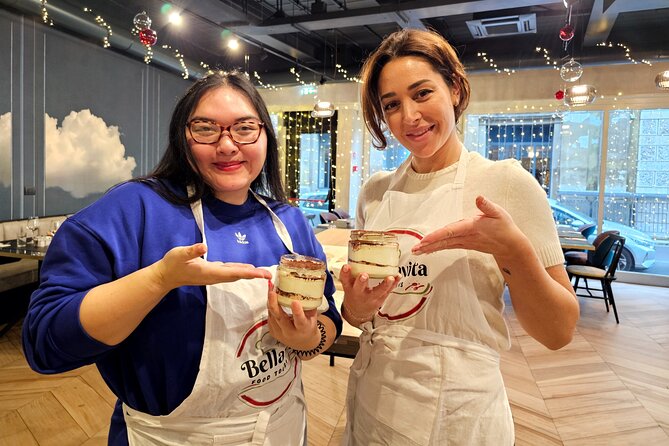
Let’s talk price. At $71.38 per person for about three hours, this isn’t the cheapest thing on a Rome menu. It is, however, one of the more cost-effective ways to get a guided experience that includes:
- Three dishes (fettuccine, ravioli, tiramisù)
- Drinks: prosecco, wine (or soft drink), plus water
- Dinner you eat right there
- An English-speaking chef in a small group (max 14)
For me, the value comes from the combination of food + instruction + small group size. Many “food experiences” in Rome are mostly tasting. Here, you’re doing the work. And when you’re taught well, you don’t just pay for ingredients—you pay for correction and technique.
If you’re traveling with a partner or a friend, it can also feel like a better alternative to paying for two separate dinners plus cooking-at-home disappointment later.
Who Should Book This (and Who Might Skip It)
This class is a great fit if you want an evening that feels like a local skill-building session. It’s especially good for:
- Couples who want something fun that isn’t another museum line
- First-time cooks who need guidance and reassurance
- People who love Italian food but want to understand pasta technique
- Travelers who like small-group interactions
You might consider skipping if you strongly prefer fully scratch cooking in every component. Since the sauce is described as pre-prepared by the chef, you’re choosing sauces rather than making them. Also, this is set up for English instruction—so if you don’t want an English-language format, you’d need another option.
Final Call: Should You Book This Rome Pasta and Tiramisu Class?
I’d book it if you want a memorable, hands-on Rome evening that combines fettuccine, ravioli, and tiramisù with real teaching and a meal at the end. The small group size, the English-led instruction, and the included drinks make it feel like a complete experience instead of a quick demo.
I’d pause if you’re chasing a class where you make every sauce component too. For this one, your focus is the pasta and dessert, and the chef handles the final cooking plus the sauce prep.
If your goal is to leave Rome with both a great meal and the ability to reproduce the basics at home, this is a solid choice.
FAQ
What will I make during the class?
You’ll make fettuccine, ravioli, and tiramisu. You’ll also sit down to eat what you make.
Is the class in English?
Yes. The experience is offered in English.
How long is the cooking class?
The class runs for about 3 hours.
How big is the group?
The class has a maximum of 14 travelers.
Where do I meet for the class?
You meet at iQ Hotel Roma, Via Firenze 8, 00184 Rome. The experience ends back at the meeting point.
What drinks and extras are included?
You get a welcome glass of prosecco, plus a glass of wine or soft drink and bottled water. After tiramisù, you receive limoncello or coffee.
Is the sauce made by you?
No. The sauce is described as already prepared by the chef, so you choose a sauce, but you don’t make it during the session.
Can I cancel for a full refund?
Yes. You can cancel up to 24 hours before the experience starts for a full refund.