REVIEW · ROME
Pantheon: The Iconic Ancient Roman Temple – Semi-Private Tour
Book on Viator →Operated by OLGA DI CAGNO · Bookable on Viator
The Pantheon hits different when a pro points things out. This semi-private walk takes you through the building’s ancient Roman symbols and standout architectural ideas, with Olga di Cagno guiding the story in clear, engaging terms. You get a tight, high-impact visit that feels like Rome’s engineering brain and changing faiths over time, all in one place.
Two things I like a lot: the small group size (max 10) keeps questions alive instead of getting swallowed by the crowd, and Olga’s background adds real weight to the explanations. One possible drawback: it’s a short visit (about 50 minutes to 1 hour), so if you want long, slow wandering, you’ll still need extra independent time before or after.
In This Review
- Key takeaways before you go
- Piazza della Rotonda: the smart place to start
- Getting in with Olga di Cagno: what the vibe is like
- The Pantheon stop: Roman symbols, engineering ideas, and layered meaning
- A quick note on time (because the Pantheon is a big deal)
- Exterior context without the big detour
- Small-group benefits: why max 10 is a real plus
- Price and value: what $66.54 buys you
- Practical tips that make the visit easier
- Who this tour fits best
- Should you book this Pantheon Semi-Private Tour with Olga di Cagno?
- FAQ
- Where does the Pantheon tour meet?
- What language is the tour offered in?
- How long is the experience?
- How big is the group?
- Is the Pantheon ticket included?
- Is there a dress code?
- Is there free cancellation?
Key takeaways before you go

- Meet at Piazza della Rotonda for an easy, no-stress start right where you want to be
- Guide is Olga di Cagno, an archaeologist who ties Roman building traditions to what you see today
- Small-group cap (max 10) means more back-and-forth and less standing around
- Pantheon entry is listed as free, so you’re not scrambling for a separate ticket
- Family-friendly pacing so both adults and children can follow along
- Cover your shoulders since access requires it
Piazza della Rotonda: the smart place to start
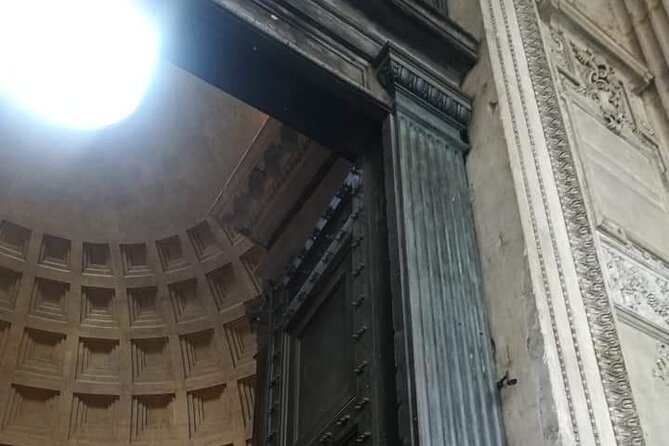
If you’re picturing the Pantheon as a “just walk up and go in” kind of stop, this tour changes that rhythm. You meet at Piazza della Rotonda, and you’re guided straight into understanding what you’re looking at instead of trying to figure it out on your own while dodging elbows.
I also like that the start point is straightforward. Piazza della Rotonda is one of those places in Rome where you’re not hunting for a hidden alley or a vague street corner. Add in that it’s near public transportation, and you can fit this into a busy day without turning it into logistics homework.
And then there’s the big payoff: the Pantheon can feel overwhelming just because it’s so central and so crowded. With a guide and a small group, you get to “read” the space in a calmer way.
You can also read our reviews of more private tours in Rome



Getting in with Olga di Cagno: what the vibe is like
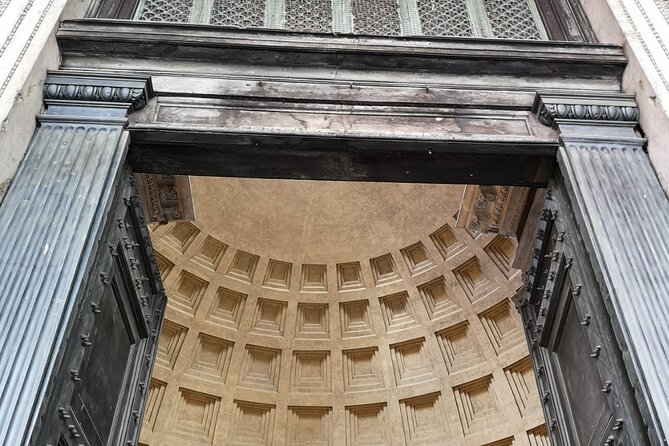
This is an English-language experience with a mobile ticket. That matters because it keeps the day smooth: you’re not dealing with paper exchanges or last-minute confusion at the gate.
What stands out from the people who’ve done it is Olga herself. She’s not presenting history like a checklist. She’s described as warm, friendly, and genuinely enthusiastic, and she’s also an archaeologist, not just a general guide. You can feel the difference when the explanations are tied to how monuments were built and used, not only when they happened in time.
One practical detail to plan around: the group is capped at maximum 10 travelers. That size is big enough to keep the energy lively, but small enough that your questions aren’t competing with a tour bus conversation.
The Pantheon stop: Roman symbols, engineering ideas, and layered meaning
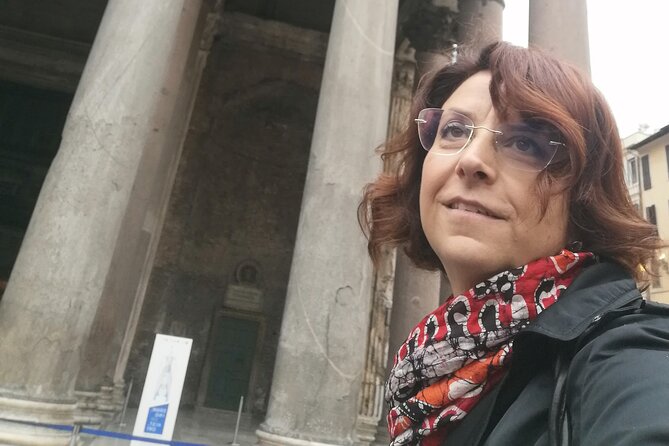
The main experience is the Pantheon itself, running about an hour. The tour focuses on the reasons this monument still draws people in: its survival, its Roman architectural supremacy, and the way the building’s story stretches across centuries.
Here’s what you’re really paying for in a guided format. When you walk in without context, you notice the scale and move on. When you have Olga explaining what to watch for, you start noticing patterns: how Roman builders made monumental statements, and how symbols and design traditions helped shape meaning.
Olga’s approach also highlights how the Pantheon functions as a living monument. The guidance connects the building’s original Roman identity with its later Christian role, so you’re not just seeing stones—you’re understanding the shifts in interpretation over time. That “layers of faith” idea comes up repeatedly, and it’s a useful mental switch: the Pantheon is not frozen in one era.
You’ll also get visual support. Multiple past visitors mention iPad visuals, plus archaeological drawings and photos that help explain structure and construction concepts. Even if you’re not a construction-nerd, that helps. You can follow along faster when you can match the explanation to what you’re seeing.
A quick note on time (because the Pantheon is a big deal)
At roughly 50 minutes to 1 hour, this tour is designed for focus, not wandering. You’ll cover the core ideas and the most important things to notice in that space. Then you’ll have to decide what to explore on your own once the guided portion ends.
That can be good. You avoid the all-day “museum slump.” But if your ideal Rome day is slow and unstructured, treat this as the smart starter, then add your extra time.
Exterior context without the big detour
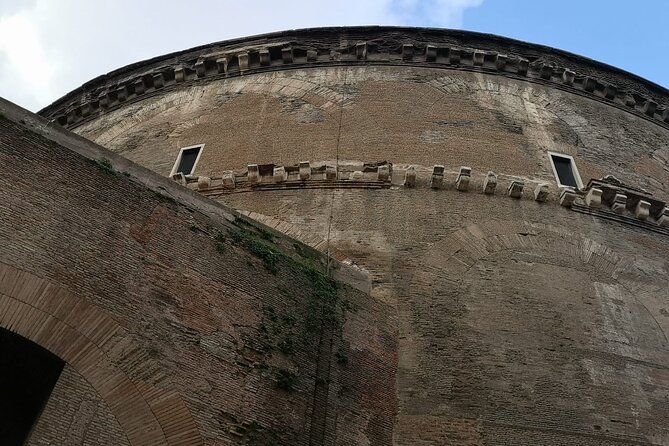
While the headline experience centers on the Pantheon, the tour experience includes both the interior perspective and the exterior context as part of the flow. That matters because the Pantheon is a monument you understand in pieces. Stand in the right spot, and you can read the building differently than if you only rush through entry doors.
The exterior angle helps you connect what the Romans built outside with what still feels powerful inside today. And because the tour’s intent is interpretation—symbols, architectural traditions, and building mastery—you get a guided “why” that you can’t easily get from simply taking photos.
The nice part is that you don’t lose half your day to walking. This is still a short, efficient activity, which makes it easier to stack with other Rome classics.






Small-group benefits: why max 10 is a real plus
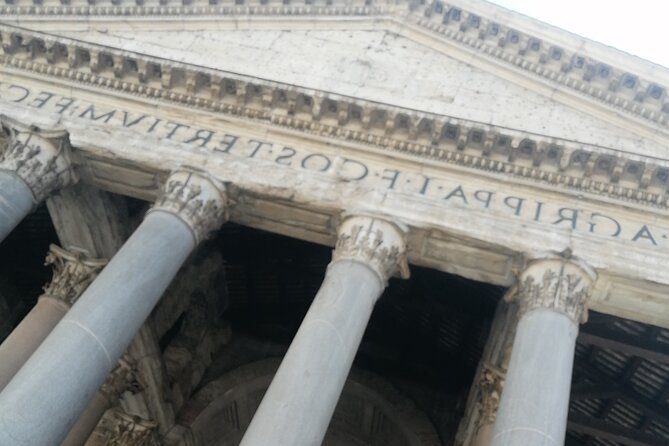
I love a tour when the group size actually changes the experience. In this case, the max 10 limit isn’t just a marketing point. It affects how long you can stay in one spot, how easily you can ask questions, and how likely you’ll get answers instead of a guide saying “we’ll cover that later.”
That matters at the Pantheon, because the space pulls people in from every direction. A big group can feel like you’re constantly waiting for the line to move. A small group feels more like a focused conversation with a monument in the background.
Olga is also described as engaging with multiple ages. If you’re traveling with kids, that’s a practical advantage. Younger travelers can lose patience when explanations are too dense or too long. A guide who knows how to pace and connect with different ages keeps everyone from checking out mentally halfway through.
Price and value: what $66.54 buys you
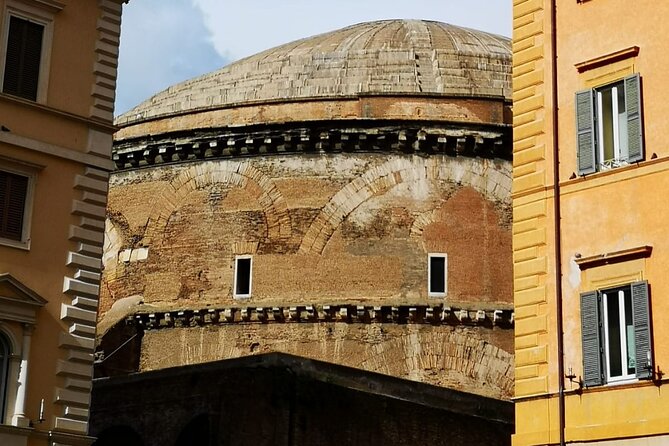
At $66.54 per person for about 50 minutes to 1 hour, this isn’t a budget add-on. It’s priced like a quality guide experience.
The value piece is that the Pantheon entry ticket is listed as free. So you’re paying mainly for the expertise and the interpretation, not for basic access. When a tour also includes guided visuals—mentioned through iPad graphics and photos—it’s easier to feel how the guide helps you see more than you would on your own.
You should also think about what you’re buying with a semi-private setup: time saved, fewer decision headaches, and less mental effort. When you show up with a plan for what to notice, the Pantheon stops being overwhelming and starts being understandable.
If you’re traveling as a family, the “everyone stays engaged” angle can make this feel like a smart deal, not just an extra cost.
Practical tips that make the visit easier
Before you go, here are the details that can save you frustration.
- Dress code: You need to cover your shoulders. If you’re arriving in a tank top or a spaghetti-strap outfit, plan a quick swap.
- Meeting point: Start at Piazza della Rotonda and expect to finish back there.
- Language: English only.
- Mobile ticket: Bring your phone and make sure you’ll have access to the ticket.
- Comfort: Even with a short tour, you’ll be standing. Wear shoes you’re happy to stand in.
- Service animals: Service animals are allowed.
- Confirmation: You’ll receive confirmation at booking time, unless you book within 1 day of travel—then confirmation comes as soon as possible, depending on availability.
One more practical angle: because this tour is free to cancel up to 24 hours in advance, you can keep flexibility in your Rome schedule. That’s helpful if you’re still shaping your day around weather or crowds.
Who this tour fits best
This is a great fit if you want more out of the Pantheon than photos and vague impressions.
You’ll likely enjoy it most if you:
- care about Roman architecture and construction in plain language
- want a guide who can explain symbols and design traditions
- are traveling with kids and want a pace that keeps them involved
- prefer a smaller group (max 10) over large crowds
It may be less ideal if you:
- want a long, open-ended visit with minimal structure
- prefer audio-guide independence and lots of quiet time
- hate short tours where you still have to return later for deeper wandering
Should you book this Pantheon Semi-Private Tour with Olga di Cagno?
Yes—if you want a guided experience that makes the Pantheon feel understandable fast. The biggest reasons to book are simple: small group size, an archaeologist in the guide role, and a short format that focuses on the “why” behind what you’re seeing.
I’d especially recommend it if you’re the type who likes to learn while you travel and wants visuals to support the explanations. And if you’ve ever stood in a famous place thinking, I see it, but I don’t get it yet, this kind of tour is built to fix that problem.
If you’re mostly into wandering and you don’t want to follow any structure, you might skip the guided portion and explore on your own. But if you do book, plan to add your own time right after so the Pantheon has a chance to sink in.
FAQ
Where does the Pantheon tour meet?
The meeting point is Piazza della Rotonda, 00186 Roma RM, Italy.
What language is the tour offered in?
The tour is offered in English.
How long is the experience?
It lasts about 50 minutes to 1 hour.
How big is the group?
The tour has a maximum of 10 travelers.
Is the Pantheon ticket included?
The Pantheon stop lists the admission ticket as free.
Is there a dress code?
Yes. You need to cover your shoulders.
Is there free cancellation?
Yes. You can cancel up to 24 hours in advance for a full refund.