If you think Roman ruins are only for crowds, Ostia Antica surprises you. You get a guided walk through a working-class port city with a fun English mother-tongue guide, plus the easy train trip from Rome. It is also a strong value deal because your round-trip transport and site entry are built in.
I especially like that Ostia Antica is generally less hectic than Pompeii, so you can actually track what you are looking at. I also like the focus on daily life, not just famous names—baths, tavern spaces, amphitheater setting, and even Mithraic temples. The one drawback to plan for: it involves moderate walking on uneven ground and it is not suitable for wheelchair users or people with mobility impairments.
In This Review
- Key things that make this Ostia Antica tour worth your time
- Ostia Antica over Pompeii: the real reasons
- Getting there from Rome: Piramide Metro and a no-stress transfer
- The guided walk: baths, amphitheater, forums, and Mithraic temples
- The baths: more than stone rooms
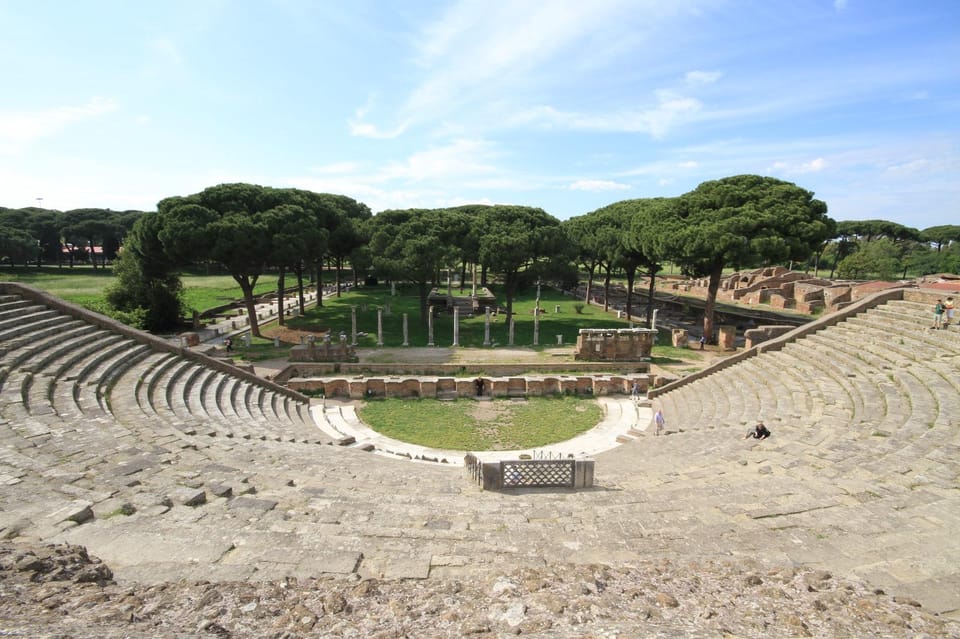
- The amphitheater: where entertainment met the city
- Temples and the forum: religion and civic life in one place
- Mithraic temples: a surprising layer of belief
- Apartments, shops, and the everyday texture
- Guides who make Roman life feel real: Sean, Janelle, and Mike
- Timing and pacing: how the 3.5 hours works on the ground
- Comfort and crowd tips: shade, bathrooms, and a cooler seaside mood
- Price and value: what $68 actually buys you
- What you can do after the tour ends
- Who this Ostia Antica transfer tour is best for
- Should you book? My honest take
- FAQ
- How long is the Ostia Antica hidden city guided tour with transfer?
- Where do I meet the guide in Rome?
- How do I get from Rome to Ostia Antica?
- Is the train transfer included in the price?
- Is Ostia Antica entrance included?
- Does this tour skip the ticket line?
- What language is the tour guide?
- What should I bring for the visit?
- Can I stay after the guided tour to explore more?
- Is this tour wheelchair accessible?
Key things that make this Ostia Antica tour worth your time
- English mother-tongue guides with sharp humor who turn ruins into stories
- Easy Rome-to-Ostia logistics: 25 minutes by train each way
- Big highlights in a tight 3.5-hour window: baths, amphitheater, temples, and forum
- Smaller-group feel at times so you can move at a human pace
- You can extend your day after the tour with self-guided exploring or a beach stop
- Practical comfort factors like shade on site and enough bathrooms (when open)
Ostia Antica over Pompeii: the real reasons
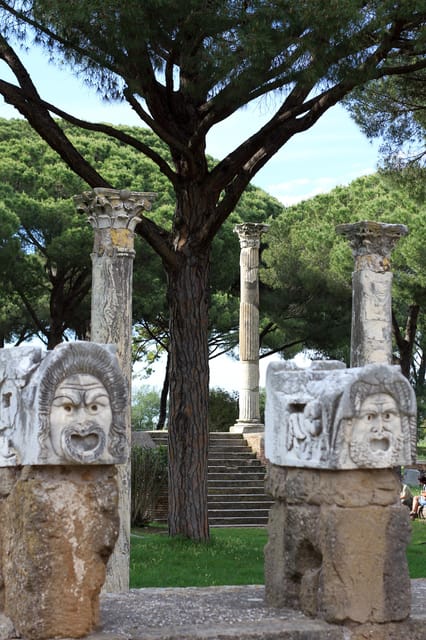
Ostia Antica is one of the best-preserved ancient cities in Italy, and it feels different from the more famous sites because it looks like a town that functioned day to day. You are not only seeing dramatic streets and villas—you are seeing how people lived, ate, worked, and relaxed in a port city tied to Rome.
Three reasons matter for your planning. First, Ostia is closer and easier: the train ride from Rome takes about 25 minutes, so you spend less time commuting and more time on site. Second, Ostia gives you a better sense of a real working-class town rather than the spotlight version of Roman life. Third, the experience tends to feel less overwhelming than Pompeii because the site can feel more livable and less packed, which makes it easier to process what you see.
You can also read our reviews of more guided tours in Rome



Getting there from Rome: Piramide Metro and a no-stress transfer
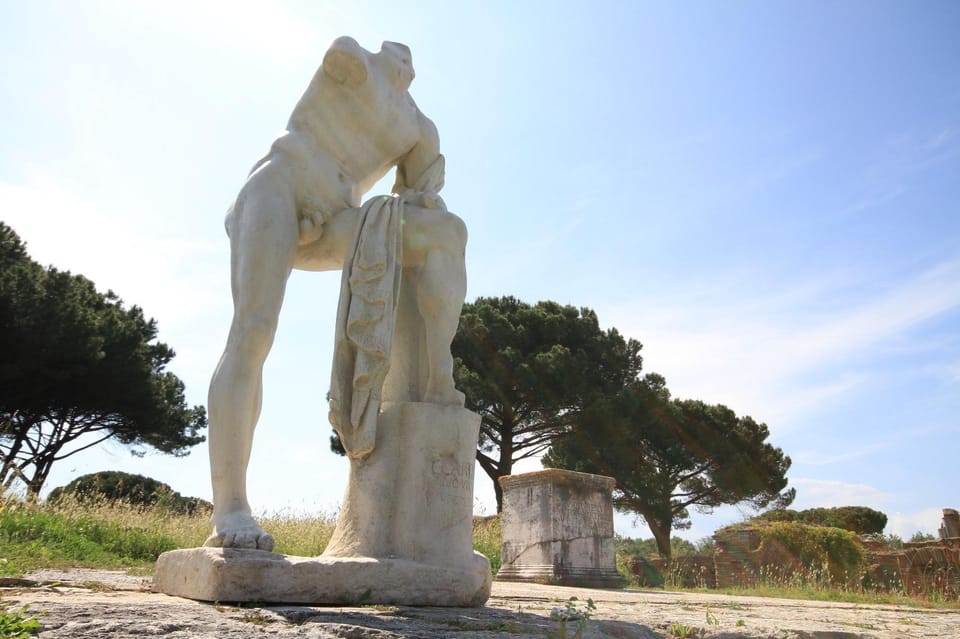
This tour starts in Rome at Caffé Piramide, right by the Piramide Metro Station. Your guide meets you in front of Caffé Piramide under the BAR T sign, which makes it straightforward to find the group before you move.
From there, you take the train toward the Mediterranean side. The ride is short enough that it does not eat your whole morning, and it gives you a quick “set the scene” moment—your guide talks about the regional geography and Ostia’s role as Rome’s port. You also get a bit of historical context so the ruins do not feel random when you arrive.
This is a key practical advantage. When you are not driving or hunting transit connections alone, you can show up, listen, and then walk right into the site.
The guided walk: baths, amphitheater, forums, and Mithraic temples
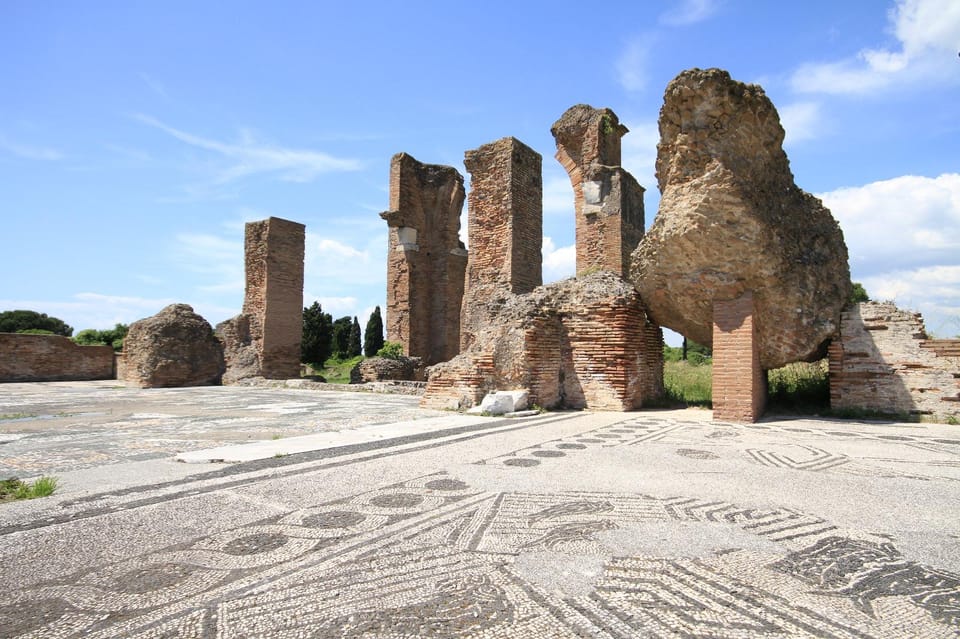
Once you arrive at Ostia Antica, you get about 2.5 hours of guided time on the ground. The pace is built for seeing major features without turning it into a sprint, but it is still a walk—comfortable shoes are not optional.
Here is what the guided portion focuses on, and why it matters:
The baths: more than stone rooms
You start with one of Ostia’s most memorable strengths: the baths. In Roman cities, bath complexes were social hubs, not just hygiene. When you see them with commentary, you start noticing details that would otherwise blend into ruins—how the space supported different routines and how it fit into the city’s daily rhythm.
The amphitheater: where entertainment met the city
Next comes the amphitheater, a standout because it helps you picture leisure as part of urban life. With guidance, you can read it as a structure designed for crowds and noise, not as a leftover wall.
You can also read our reviews of more city tours in Rome






Temples and the forum: religion and civic life in one place
The tour also includes a forum area with temples, which is the civic center idea in stone form. You are not just walking past isolated buildings. You are moving through the mental map of how a Roman port city organized authority, worship, and public space.
Mithraic temples: a surprising layer of belief
A major highlight is the Mithraic temples. Your guide ties them into the broader story of what people believed and how religious cults operated in the city. Even if religion is not your main interest, this section helps explain why Roman urban spaces felt so layered and intentional.
Apartments, shops, and the everyday texture
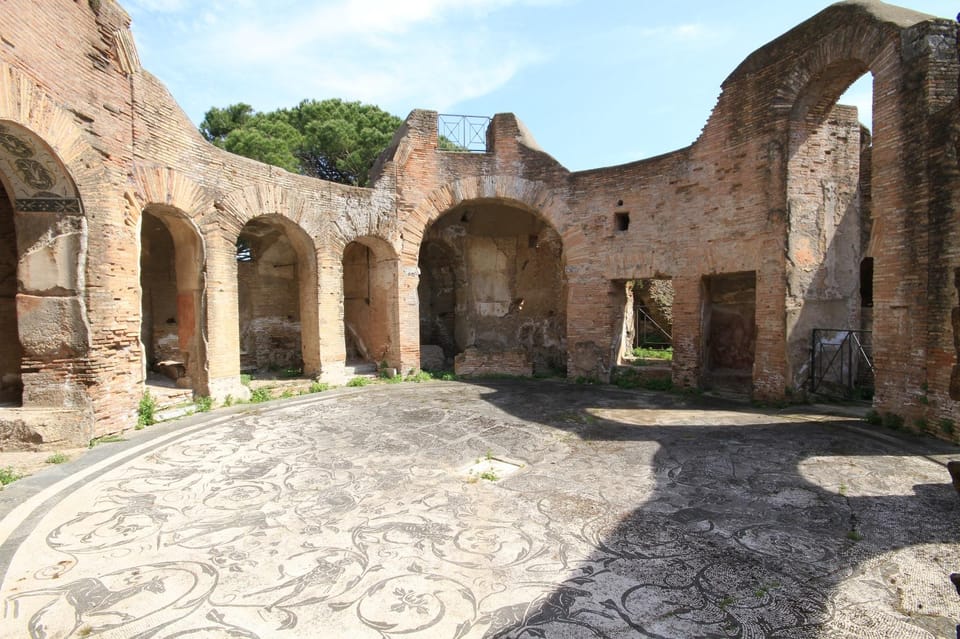
The guided time also takes you through ancient apartment complexes and spaces that feel more “lived in” than the postcard ruins. This is where Ostia Antica wins. You begin to understand the city as a dense environment, not a museum layout.
At the end of the tour, if you want, you can stay to explore on your own. That freedom is useful because 2.5 hours of guided time can only hit the big targets.
Guides who make Roman life feel real: Sean, Janelle, and Mike
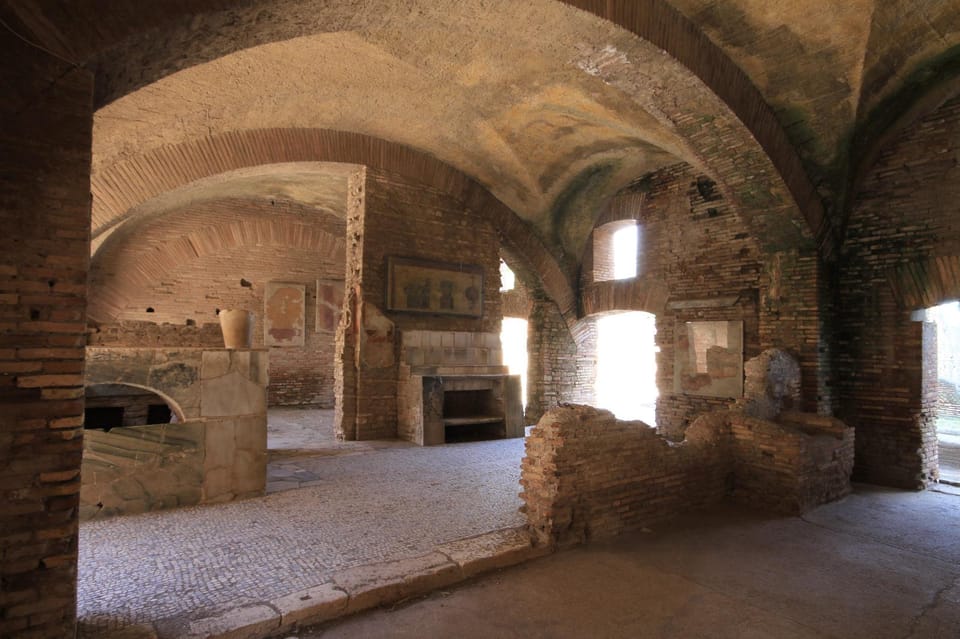
The biggest difference-maker here is the guide quality. This is not a script reading. The tone is playful, but the content stays solid, and you get that English mother-tongue delivery that makes history easier to follow.
In past runs, guides like Sean, Janelle, and Mike (with Rome With Mike) have been praised for enthusiasm and sharp storytelling. You can expect a guide who talks like a person, with humor and quick context that helps you connect buildings to human behavior.
One of the nicest parts is how they handle the “bizarre” elements of Roman culture—religious cults and odd little corners of daily life—without making it feel like a lecture. Instead, it feels like you are being handed the missing captions for what you are seeing.
If you like tours where you can ask questions and keep up without straining, this setup is a good match. The guides are there to help you read the ruins, not just walk past them.
Timing and pacing: how the 3.5 hours works on the ground
The total duration is about 3.5 hours, with round-trip train time and a bit of buffer built in. That structure is ideal if you only have a half day and want something real without turning your schedule into a full-day puzzle.
What the schedule tends to feel like:
- You meet at Caffé Piramide in Rome and take the train (about 25 minutes).
- You get roughly 2.5 hours at Ostia with the guide.
- You return to the meeting area afterward (again by train, about 25 minutes).
You do not need to be an experienced walker, but you do need to be comfortable with steady walking and uneven surfaces. You will also want to plan your timing for heat. Ostia is often brighter than you expect, so hat, sunscreen, and water are smart moves.
Comfort and crowd tips: shade, bathrooms, and a cooler seaside mood
Ostia Antica can feel more comfortable than Pompeii because the experience often has fewer people. On some days—like Sunday mornings—there can be very low visitor numbers, and you might end up with a smaller group experience that lets you wander without weaving through constant streams of strangers. If you want that calmer vibe, it helps to think about going earlier in the day.
On site, there is also practical support. One helpful detail is that there are enough bathrooms, and there tends to be shade in places where you will likely pause while listening.
After the tour, the cooler seaside option is real. Your guide points you toward the idea of taking the train a few more stops to the beach, where you can swim and grab lunch, plus browse shops and restaurants. Even if you do not do it, knowing it is there makes your plan more flexible.
Price and value: what $68 actually buys you
At about $68 per person, the value here comes from bundling the stuff that is usually annoying to coordinate.
You are getting:
- Round-trip train tickets from Rome
- Entrance tickets to Ostia Antica
- A live English mother-tongue guide
- Skip the ticket line (so you lose less time standing around)
That matters because Ostia is easy to reach, but doing it “your way” still requires transit planning and entry timing. This tour is built to reduce friction. You pay for convenience, and you also pay for interpretation—the part that turns ruins into a coherent story.
If you care about getting your money’s worth, focus on your priorities:
- If you want the easiest logistics and strong guidance, this price is reasonable.
- If you only want a quick self-guided walk and you are comfortable building the trip independently, you might compare against a cheaper option. But the guide component is the heart of this experience.
What you can do after the tour ends
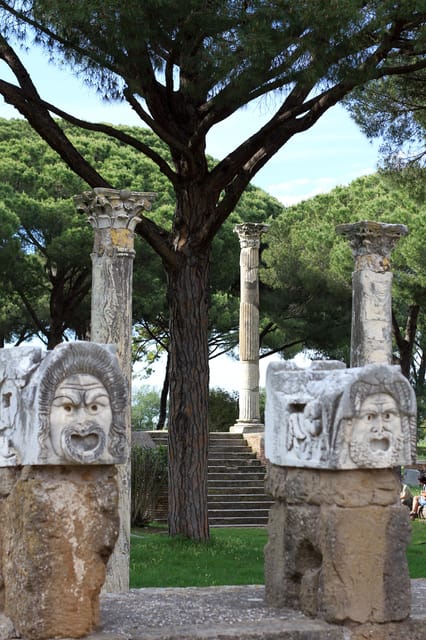
The end of the guided portion does not lock you out. If you want, you can stay and explore more on your own. That is useful because you might want to linger over a feature the guide covered quickly.
You also have food options nearby. You can eat at the on-site café, and you can bring something to picnic. If you want a change of pace from ruins, you can also head toward the beach by train for a swim and a more casual lunch day.
This flexibility is not just convenience. It helps you avoid the common problem of feeling rushed. With a guide plus optional extension, you can match the experience to your energy level.
Who this Ostia Antica transfer tour is best for
This tour is a strong fit if you want:
- an English-guided visit with a guide who can explain Roman port-city life clearly
- easy access from Rome with round-trip train included
- a mostly highlight-focused route that still feels like it has substance
It is also a good match for couples, solo travelers, and anyone who prefers a smaller-group feel. Some runs can be surprisingly quiet, which makes it easier to enjoy the details instead of fighting for space.
It is not suitable for wheelchair users or people with mobility impairments, since the walking is moderate and the terrain can be tough.
Should you book? My honest take
I’d book this tour if you want Ostia Antica to feel understandable and alive, not just photographed. The combination of short train time, skip-the-line entry, and a guide who uses humor to teach makes the whole thing feel efficient and rewarding.
I would reconsider if you:
- need an itinerary with minimal walking
- expect to fully wing logistics on your own and do not care about guided interpretation
If your goal is a focused, English-friendly Roman ruins day with good context and an easy return to Rome, this is one of the more sensible ways to do Ostia Antica.
FAQ
How long is the Ostia Antica hidden city guided tour with transfer?
The tour lasts about 3.5 hours total.
Where do I meet the guide in Rome?
Meet your guide in front of Caffé Piramide, under the BAR T sign next to Piramide Metro Station.
How do I get from Rome to Ostia Antica?
You take the train. The ride is about 25 minutes each way.
Is the train transfer included in the price?
Yes. Round-trip train tickets from Rome are included.
Is Ostia Antica entrance included?
Yes. Entrance tickets are included.
Does this tour skip the ticket line?
Yes, it includes skip-the-ticket-line entry.
What language is the tour guide?
The tour is in English with a live mother-tongue English guide.
What should I bring for the visit?
Bring comfortable shoes, a hat, a camera, sunscreen, and water.
Can I stay after the guided tour to explore more?
Yes. You are welcome to remain at the end to continue exploring on your own.
Is this tour wheelchair accessible?
No. It is not suitable for wheelchair users or people with mobility impairments.