REVIEW · ROME
Intro to Rome: Piazzas and Fountains Semi-Private Tour
Book on Viator →Operated by Through Eternity Tours · Bookable on Viator
Rome gets magical when you slow down. This semi-private twilight walk strings together Rome’s biggest piazzas and fountains with an English-speaking guide steering the route. You’ll move through the city center at a comfortable pace, with stops timed so you can enjoy the sights without spending your night fighting crowds and directions.
I especially like two things: the small-group size (maximum 10) keeps the mood relaxed, and you’re rarely left behind. I also like that you may get headsets if the group is 6 or more, so the guide’s stories stay clear even in busy squares.
The main drawback is simple: it’s a walking tour through steps and uneven surfaces. Bring comfortable shoes and expect to keep moving for about 2.5 hours.
In This Review
- Key highlights to know before you go
- Why this twilight route works (Spanish Steps to Navona)
- Small-group pacing, plus how you’ll hear the guide
- The full walk: what to expect at each stop
- Stop 1: Spanish Steps (about 10 minutes)
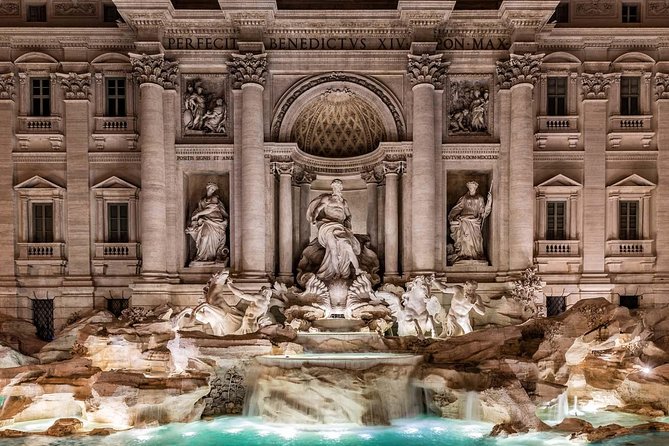
- Stop 2: Piazza di Trevi (about 20 minutes) and Stop 3: Trevi Fountain (about 10 minutes)
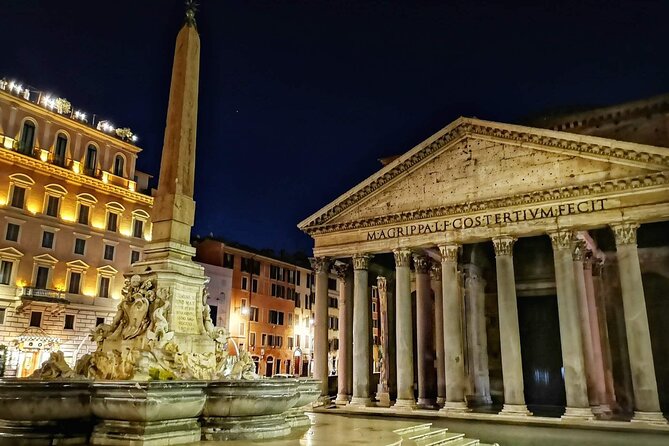
- Stop 4: Pantheon (about 10 minutes)
- Stop 5: Piazza Navona (about 20 minutes)
- Stop 6: Campo de’ Fiori (about 10 minutes)
- Stop 7: Piazza della Rotonda (about 5 minutes)
- Stop 8: Elephant and Minerva Obelisk (walk by about 5 minutes)
- What you get from the guide beyond “where to stand”
- Price and value: does $41.12 feel fair?
- Practical tips so the walk feels good, not exhausting
- Should you book this Rome piazzas and fountains walk?
- FAQ
- How long is the Intro to Rome: Piazzas and Fountains Semi-Private Tour?
- What is the group size for this semi-private tour?
- What language is the tour offered in?
- Where do I meet for the tour?
- Where does the tour end?
- Is the tour walking-heavy?
- Are entrance tickets included?
- What happens if the Pantheon is not available due to lines or reservations?
- Are food and beverages included?
- Can I cancel for a full refund?
Key highlights to know before you go
- Twilight timing helps you enjoy the Spanish Steps and fountains without the day’s peak crush
- Small-group format (up to 10) makes it easier to follow along and ask questions
- Headsets for larger small groups so you don’t miss the guide’s explanations
- Iconic route in about 2.5 hours: Spanish Steps, Trevi area, Pantheon zone, Piazza Navona, Campo de’ Fiori
- Pantheon access depends on conditions, with an outside explanation if needed so you still hit every stop
- You end near the Fontana della Barcaccia, a handy finale if you’re already planning your next walk
Why this twilight route works (Spanish Steps to Navona)
This tour is built for people who want Rome’s highlights, but don’t want to plan a whole night. Starting in the heart of the city and finishing near another major fountain means less guesswork and fewer detours.
The big win is that you get a guided flow between major landmarks. Instead of treating Rome like a checklist, the guide helps you connect what you’re seeing in each piazza and what to look for at each fountain and monument area. In several comments from guides named in this tour style, the same pattern shows up: a fast route with stories that make the places feel less random.
Also, the timing matters. Rome looks good any hour, but at night the big squares and fountains feel more manageable—especially when you’re not trying to navigate busy streets after dark on your own.
You can also read our reviews of more private tours in Rome



Small-group pacing, plus how you’ll hear the guide
With a maximum of 10 people, you’re not one face in a stadium crowd. That matters because this is a walk with frequent stops—about 10 to 20 minutes at most sights—so you want the group to stay tight.
If you end up in a group of 6 or more, you’ll get headsets. That’s a practical detail, not a luxury. Squares like Piazza Navona can get loud and chaotic, and headsets make it much easier to keep up with the guide’s points rather than shouting over cobblestones.
One more pacing note: you’re moving through the city center on foot for roughly 2 hours 30 minutes. The tour is designed to keep the rhythm, which is great for sightseeing—but it also means you’ll want to pace yourself early and save your energy for the later stops.
The full walk: what to expect at each stop
You’ll start at Piazza Navona, 53 and follow a route that includes eight named stops/walk-bys. Most admissions are free for the stops on the plan, and there’s a short list of tickets included depending on the exact portion of the Pantheon-side area.
Here’s how the route feels in real time.
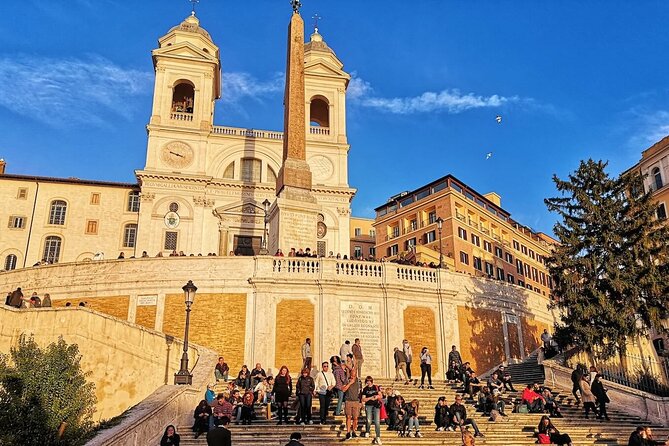
Stop 1: Spanish Steps (about 10 minutes)
You’re there early enough to get photos and context without it feeling rushed, but not so long that you lose the group. The guide’s focus here is usually not just where to stand, but what to notice as you look up and across the square-like space around the stairway area.
This is also a good first stop mentally. You get your bearings for Rome’s look and scale right away, which makes later stops easier to appreciate.
Stop 2: Piazza di Trevi (about 20 minutes) and Stop 3: Trevi Fountain (about 10 minutes)
Trevi is the star of this route, and the timing gives you a chance to settle into the area. You’ll spend time around the Piazza di Trevi area and then get focused moments at Trevi Fountain itself.
Two practical advantages come from this structure:
- You can watch the fountain area flow before you decide your photo spot.
- You can use the guide’s suggestions to avoid wasting time on crowded angles.
One small reality check: Trevi attracts heavy crowds, even at twilight. So if you’re hoping for that perfect postcard photo with no one in frame, you might not get it. But you can still get great shots by working with the flow of people instead of fighting it.






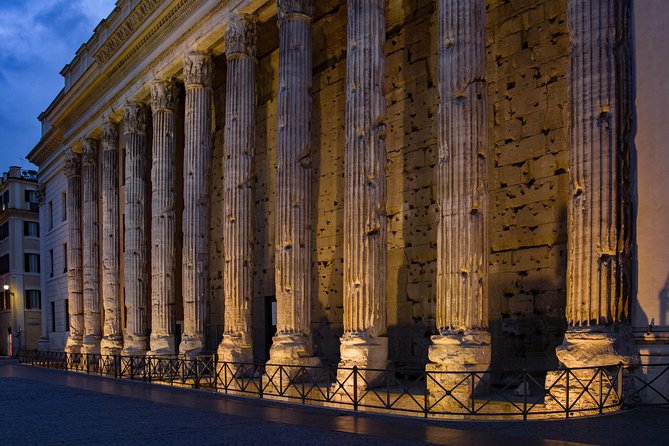
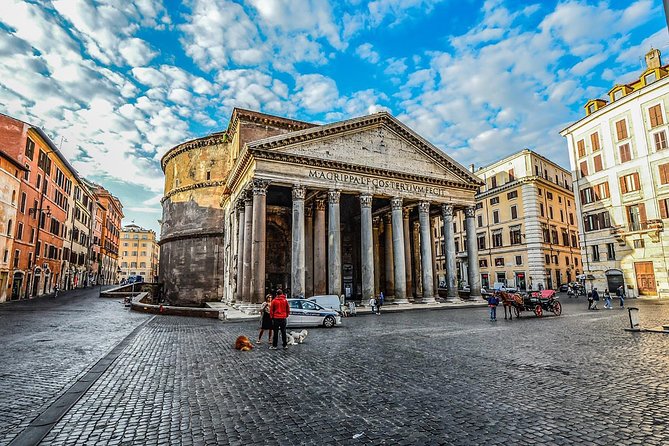
Stop 4: Pantheon (about 10 minutes)
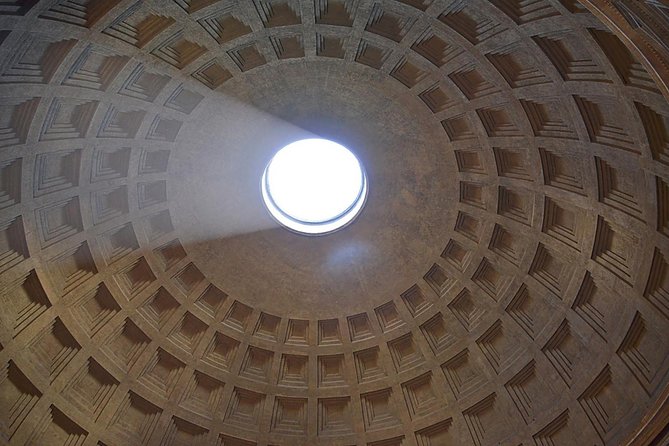
The Pantheon is where timing and access matter most. The plan includes a stop at the Pantheon, but there’s an important contingency: if reservations are not possible for weekends or if lines are too long, the guide will explain the site from the outside so the rest of the tour doesn’t slip.
Either way, you’re getting guidance. And judging from how guides named on this tour style describe their work, the emphasis is on pointing out what makes the building special and giving you a framework for what you’re seeing.
If you’re determined to go inside, know that the group timing depends on conditions on the day, not just the schedule on paper.
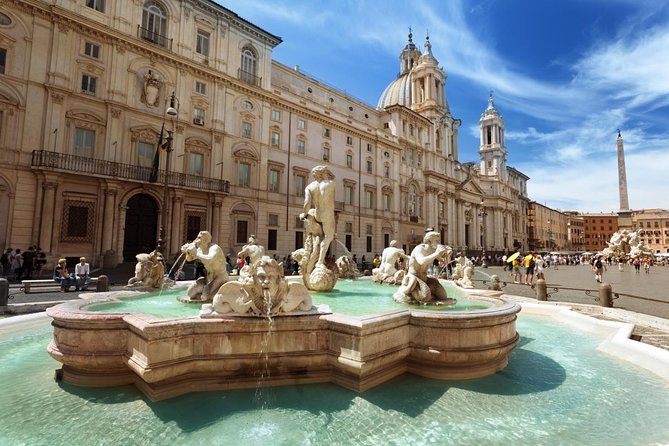
Stop 5: Piazza Navona (about 20 minutes)
Piazza Navona is one of those places where it’s easy to feel Rome doing its theater thing—so many layers at once. You get a longer stop here, which helps because you can do the basic sightseeing, then slow down for a bit.
This is also an excellent square to test your photography skills. With the right angle, you can capture more of the piazza as a scene, not just a single subject. And if you get tired, it’s one of the easier places to pause without feeling like you’re stopping the whole tour.
Stop 6: Campo de’ Fiori (about 10 minutes)
Campo de’ Fiori is a shorter stop, which makes it ideal for a quick orientation moment: you’ll see the area, learn what’s worth looking at, then keep moving so you still have energy for the finale.
If you want to slow down and linger, you’ll have to do it on your own after the tour ends. This stop is designed to keep the route flowing.
Stop 7: Piazza della Rotonda (about 5 minutes)
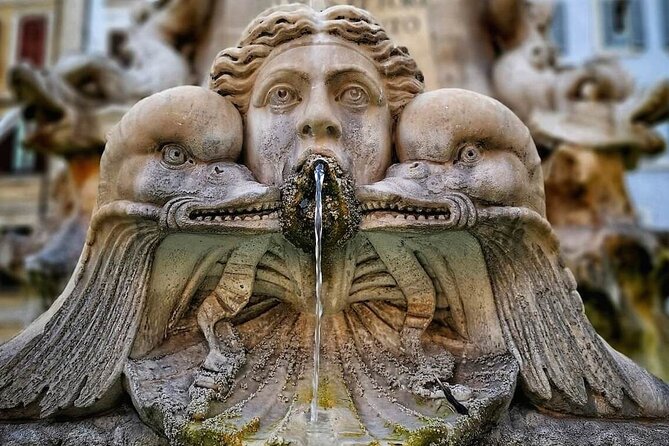
This is a brief but meaningful stop right near the Pantheon zone. The plan notes a fountain in front of the Pantheon area and says admission is included for this specific portion.
Because it’s short, the guide’s role is key. You’ll want to listen closely and choose your moment, since you won’t have a long stretch of time here.
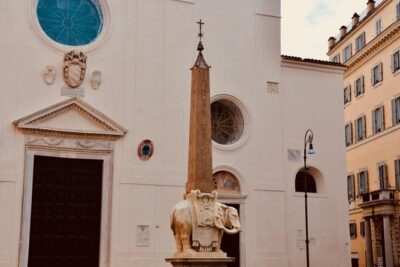
Stop 8: Elephant and Minerva Obelisk (walk by about 5 minutes)
You’ll walk past the Elephant and Minerva Obelisk. Expect it to be fast: see it, get the basics on what it is, then move on.
Even as a walk-by, it’s a good reminder that Rome isn’t just temples and fountains. There are also quirky monuments that make the city feel lived-in and odd in the best way.
What you get from the guide beyond “where to stand”
A tour like this succeeds or fails on storytelling. The strongest parts here are the guide’s ability to turn famous landmarks into something you actually understand while you’re standing right in front of them.
In multiple accounts tied to this tour format, guides such as Tatiana, Lorenzo, Paulo, Maria Rosária, Brandon, and others are described as passionate, funny, and able to answer questions. That combination matters. If the guide can connect details—symbols, architecture, and the why behind what you see—you come away with a stronger sense of the city, not just a bunch of photos.
I also like how this kind of tour usually handles the practical moments:
- It gives you time to take pictures without the group feeling impatient.
- It keeps the line movement realistic when there’s a bottleneck at a major monument.
- It helps you move between stops in a way that feels like an evening stroll, not a museum escort.
One more useful point: Rome can be a magnet for pickpocketing in busy areas. There was at least one serious incident tied to this tour style, where a guide helped someone who was robbed just before the start by walking them to the Carabinieri station and assisting with a report. That’s not something you plan for, but it’s a reminder to stay alert with phones and wallets, especially at Trevi and crowded squares.
Price and value: does $41.12 feel fair?
At $41.12 per person for about 2 hours 30 minutes, this is positioned as a value-oriented introduction to central Rome. You’re not paying for transportation—so you’re really buying the guide time, the routing logic, and the benefit of not wasting your twilight trying to figure out the best order.
Here’s why I’d call it good value for the right traveler:
- You get a lot of major sights in one connected night out.
- You get an expert, English-speaking guide and, for some group sizes, headsets.
- Admissions for the listed stops are free or included where noted, and all fees and taxes are handled.
If you’re the type who wants long museum-style time at a single monument, you might feel the tour is too short at each stop. But if your goal is orientation plus iconic images plus real context, this price is easier to justify.
Also, you’re booked about 50 days in advance on average. That suggests it’s popular enough that you should plan earlier rather than waiting until the last minute.
Practical tips so the walk feels good, not exhausting
This tour is very doable, but you’ll want to respect the format.
- Wear comfortable walking shoes. The tour notes steps and uneven walkways in the city center.
- Bring water. It’s strongly recommended.
- You’ll want to stay close. With a small group, wandering off by even a few minutes can mess up the flow.
- If anyone in your group has mobility concerns, tell the provider in advance so they can try to accommodate you.
Also watch for messages about changes. The notes say some monuments may be under restoration due to the Jubilee, which could affect what you see. If a message comes through, read it—Rome’s calendar changes faster than you’d expect.
Finally, if you end at Fontana della Barcaccia near Piazza di Spagna, have a plan for how you’ll get home after. The tour doesn’t include transportation to or from the meeting and end points.
Should you book this Rome piazzas and fountains walk?
I’d book it if you want:
- A first-night Rome orientation that hits the obvious places (Spanish Steps, Trevi, Pantheon area, Piazza Navona).
- A guide-driven route so you can focus on seeing instead of navigating.
- A small-group evening plan that doesn’t feel like a long slog.
I’d pass or consider another option if:
- You hate walking or have limited mobility and aren’t comfortable with steps and uneven surfaces.
- You want lots of time inside the Pantheon no matter what. Access can depend on reservations and line length, and if it’s not possible, you’ll get the explanation from outside.
If your ideal Rome evening is “see the highlights, get smart context, take photos, keep moving,” this is a very strong fit.
FAQ
How long is the Intro to Rome: Piazzas and Fountains Semi-Private Tour?
It runs about 2 hours 30 minutes.
What is the group size for this semi-private tour?
The maximum is 10 travelers.
What language is the tour offered in?
The tour is offered in English.
Where do I meet for the tour?
The meeting point is Piazza Navona, 53, 00186 Roma RM, Italy.
Where does the tour end?
The tour ends at Fontana della Barcaccia, Piazza di Spagna, 00187 Roma RM, Italy.
Is the tour walking-heavy?
Yes. It’s a walking tour through the city center with steps and uneven walkways. Comfortable walking shoes and water are strongly recommended.
Are entrance tickets included?
Most of the listed stops show admission tickets as free, and one section notes ticket included. Exact access can vary, especially at the Pantheon.
What happens if the Pantheon is not available due to lines or reservations?
If reservations are not possible for weekends or lines are too long, the guide will explain the Pantheon from the outside so you don’t miss the other stops.
Are food and beverages included?
No. Food and beverages are not included.
Can I cancel for a full refund?
Yes. Free cancellation is available up to 24 hours in advance of the experience start time for a full refund.