REVIEW · ROME
From Civitavecchia: Tuscany-Latium Wine Tour with Tastings
Book on GetYourGuide →Operated by MyloveItaly Travel&Experience · Bookable on GetYourGuide
Getting a taste of Maremma beats another Rome day
This Tuscany-Latium wine tour from Civitavecchia is a smart cruise-port escape, and I like two things most: two guided cellar visits with structured tastings, and the chance to sample Maremma’s star grape in the form of Morellino di Scansano (DOCG). The one thing to weigh is that it’s a full 6.5-hour swing with a lot of time in the van, so if you hate road time, plan for a quieter pace afterward.
What makes it feel personal is the small group size (up to 8) and a live English guide/driver—named Mirko in many of the best on-tour stories—who also helps with the day’s photo moments and keeps things running on time. It’s also built around what you can actually learn in a day: wine production basics, what’s in the glass, and why this part of Tuscany tastes different.
Quick take: what you do and what you’ll taste
You’ll head from Civitavecchia into Maremma (south Tuscany, near the Tyrrhenian Sea) and do tastings in two wineries/cellars, each with 3 wines. You’re not just sampling and moving on; the hosts walk you through how wine is made, then you compare different reds and whites (local and international grape styles), usually with food like bread, cheese, salami, and snacks included.
In This Review
- Key points before you go
- From Civitavecchia port to Maremma: the real start of the day
- The two-cellar plan: why it works better than a quick stop
- Stop 1: Roccapesta farm and the Morellino di Scansano moment
- What the tasting lesson actually covers (and why it’s not fluff)
- The hill towns and “Maremma between sea and mountain” feel
- Food pairings and snacks: the unsung part of the tasting
- Guide Mirko and the small-group advantage
- Practical rules at the wineries (so you don’t get tripped up)
- What the day feels like for different travelers
- Price and value: is $243.56 a good deal?
- Should you book this Tuscany-Latium Wine Tour?
- FAQ
- How long is the tour from Civitavecchia?
- How many wineries or cellars do you visit?
- Where do I meet the driver at the port?
- Is there a live guide, and what language do they speak?
- What’s included in the price?
- What should I bring or wear?
Key points before you go
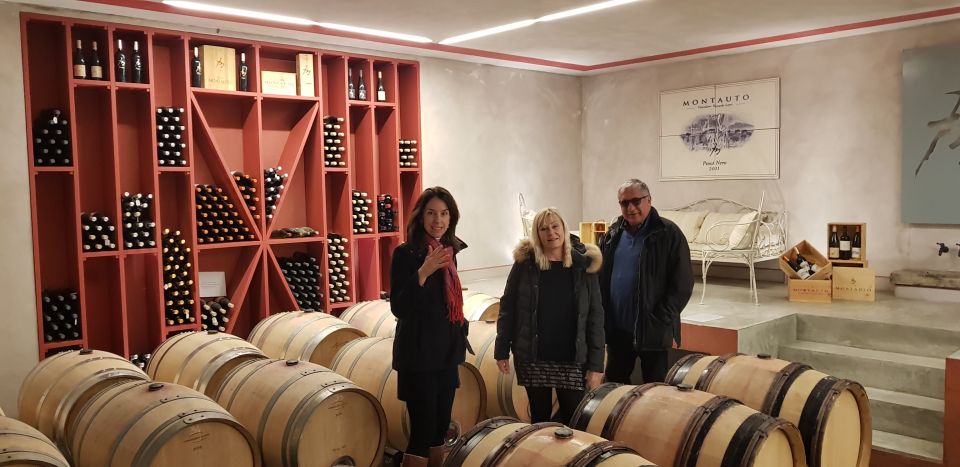
Morellino di Scansano DOCG is the headline and you’ll taste it as part of a broader set of regional wines.
Two separate cellar visits means you compare styles and winemaking choices back-to-back.
Small group (8 max) keeps the pace friendly and questions easy to ask.
Time with the winemakers/hosts focuses on how grapes become wine, not just branding.
Snacks and typical local pairings come with tastings, so you won’t leave hungry.
Cruise-port friendly timing with pickup in the Civitavecchia area and at the port meeting point.
From Civitavecchia port to Maremma: the real start of the day
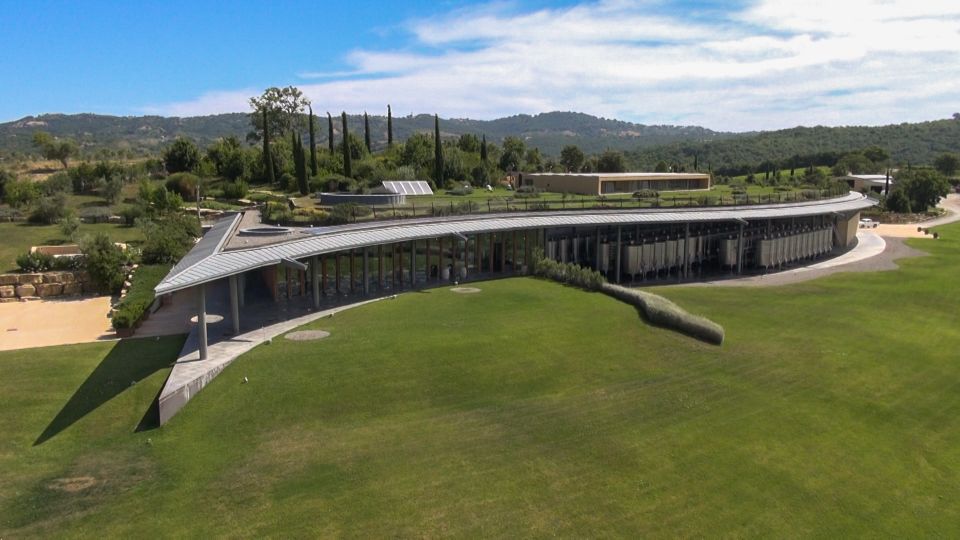
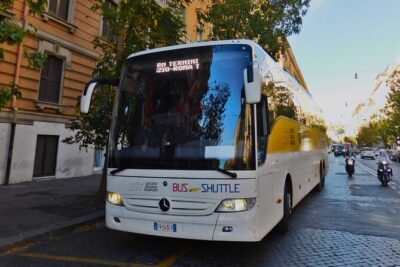
This tour is designed for people who are short on time. You start from Civitavecchia, either from the port area (with a specific meeting point at Largo della Pace, Terminal Cruise Shuttle Bus) or from the Civitavecchia area (include your hotel name and address when reserving). Either way, you’re rolling out as a group in a van with a driver and an English live guide.
The first transit stretch is about 55 minutes, which matters because it sets expectations. This isn’t a “nearby vineyard walk.” You’re going to the part of Tuscany that feels like a postcard: wide vine rows, open air, and small hill towns in the orbit of the wine estates. On a day like this, I’m fine with the van time because the tastings are structured and the scenery is doing its job.
Bring comfortable shoes, because you’ll be on vineyard paths and walking through winery areas. The tour also asks for swimwear—that’s a hint that there may be a stop where you could cool off, but the exact timing isn’t spelled out here. If you’ll be near a water break at any point, having swimwear beats wishing you did.
You can also read our reviews of more wine tours in Rome

The two-cellar plan: why it works better than a quick stop
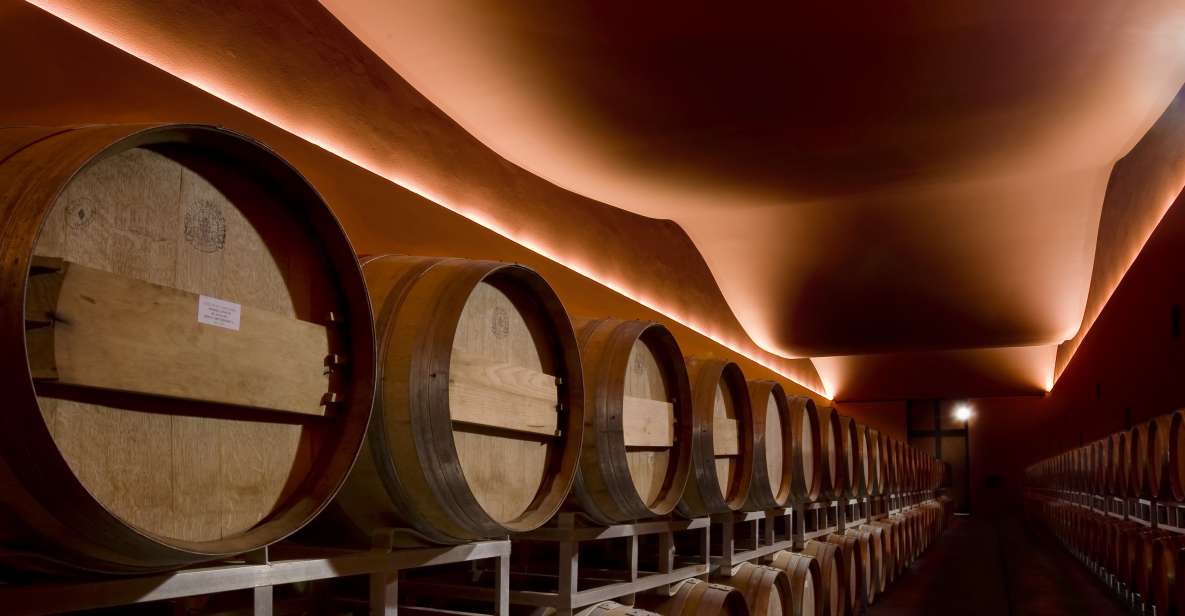
A lot of wine tours in Italy promise tastings, then deliver a snack-and-sip. This one is built around two cellar visits, each with 3 wines, plus snacks and local pairings. That structure is what makes your day feel like a real tasting education.
You’ll visit historical wineries in the Maremma area, and the tour description specifically points out a mix: some estates with limited production focused on quality, and others already oriented toward wider markets. Translation for you: don’t expect just one “samey” tasting. You’ll likely see different approaches to winemaking and different levels of scale.
Between the two cellar stops there’s about 25 minutes of van travel. That short gap is useful. It gives you time to reset, use the bathroom, and—honestly—keep your palate fresh. Wine tastings stack up fast, so spacing things out like this helps you actually notice differences.
Stop 1: Roccapesta farm and the Morellino di Scansano moment
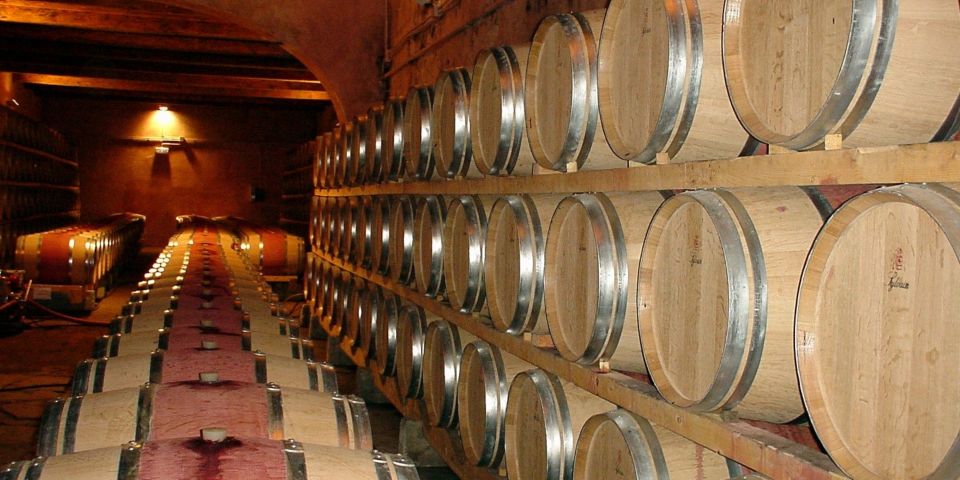
Your first major stop is Roccapesta farm, set in the typical Maremma scenery. This is where the tour leans into why this area is special: the combination of terroir and climate effects you can taste.
You’re set up to sample Morellino di Scansano, the DOCG wine highlighted as a key tasting. In plain terms, this is the kind of wine that makes you understand what people mean when they say regional wine is its own category. After a tasting like this, you’ll start to pick up how local grape character shows up across different styles—whether the pour is meant to be more crisp and food-friendly or more bold and structured.
The tour also notes that the Roccapesta winery offers a wide range of products for different occasions. For you, that usually means you won’t get stuck only tasting one narrow style. You can compare: what’s familiar, what’s new, and what you’d actually want to order with dinner later.
What the tasting lesson actually covers (and why it’s not fluff)
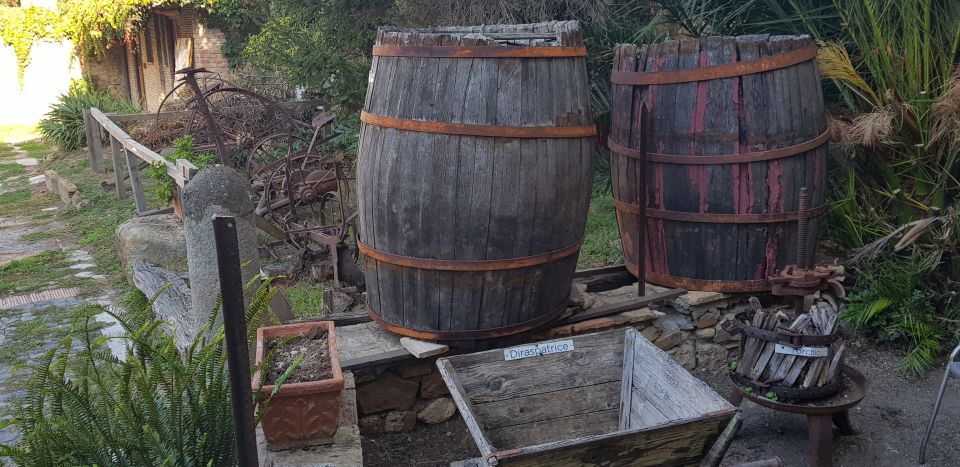
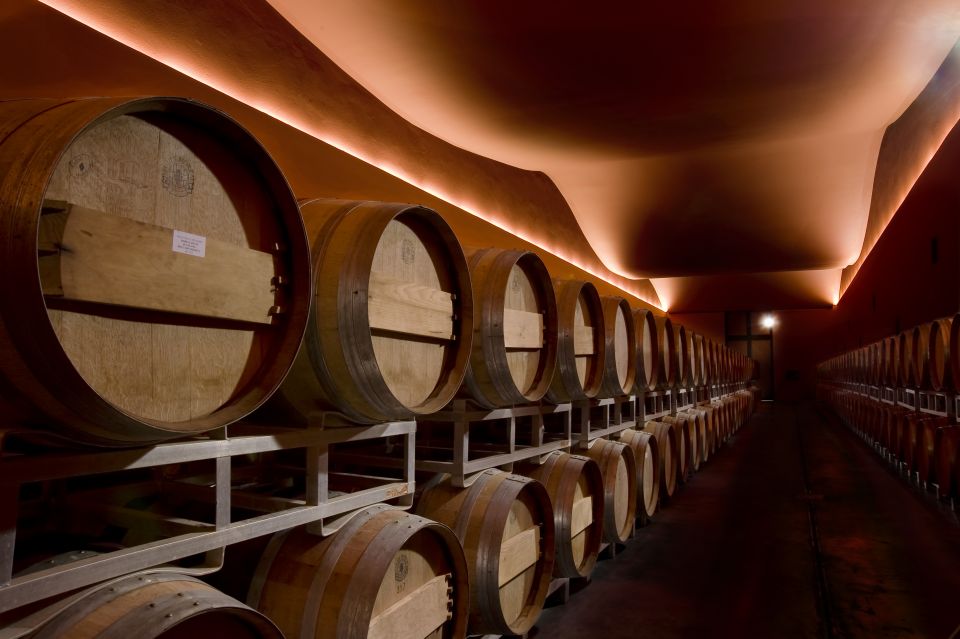
At each cellar, you’re there for more than just the glasses. The hosts explain how wine is made and what happens from vine to glass. They also cover the journey of the grapes, which gives you a mental map for what you’re tasting.
I like this approach because it helps you stop treating wine as a mystery. Even if you’re not a sommelier, learning a few basics makes the tasting feel less like guessing and more like recognition. It’s also a good way to understand how local conditions and choices in the winery can show up in the final wine you taste.
The tastings cover different kinds of reds and whites, and the tour description points out both local and international grapes. That’s smart for first-timers. You get a regional baseline (the Maremma identity) and then you can compare it against grape styles that feel more global.
The hill towns and “Maremma between sea and mountain” feel
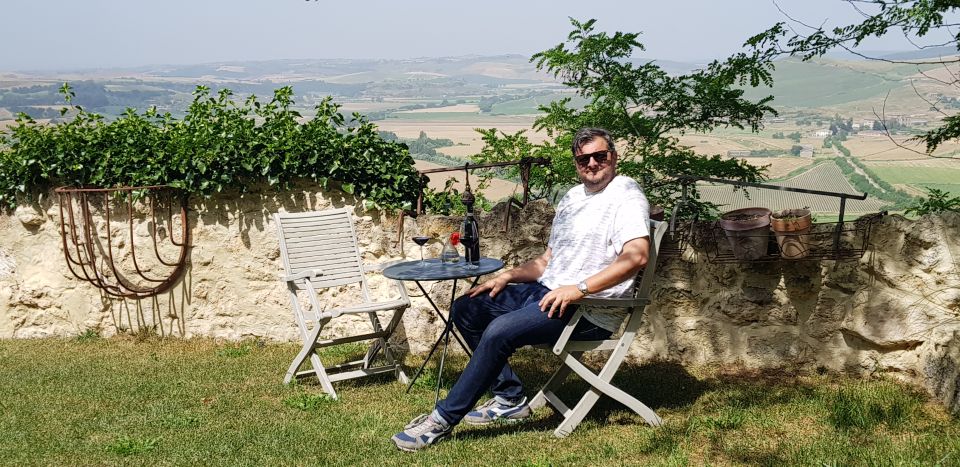
You won’t just stare at vines all day. The tour description mentions stops in small perched villages and learning stories and traditions of the territory. In the best on-tour days, that kind of stop is what turns a wine visit into a sense-of-place experience.
From a practical standpoint, these stops also break up the schedule. A quick look around a hill town gives your eyes and brain a rest from tasting notes and winery facts. And because this area sits between sea and mountain influences, you get that breezier, open-air feeling around the vineyards.
If you’re on a cruise—this is a common use case for this kind of day trip—this portion can be the difference between feeling like you did “nothing but drinks” and feeling like you spent a real day in Tuscany.






Food pairings and snacks: the unsung part of the tasting
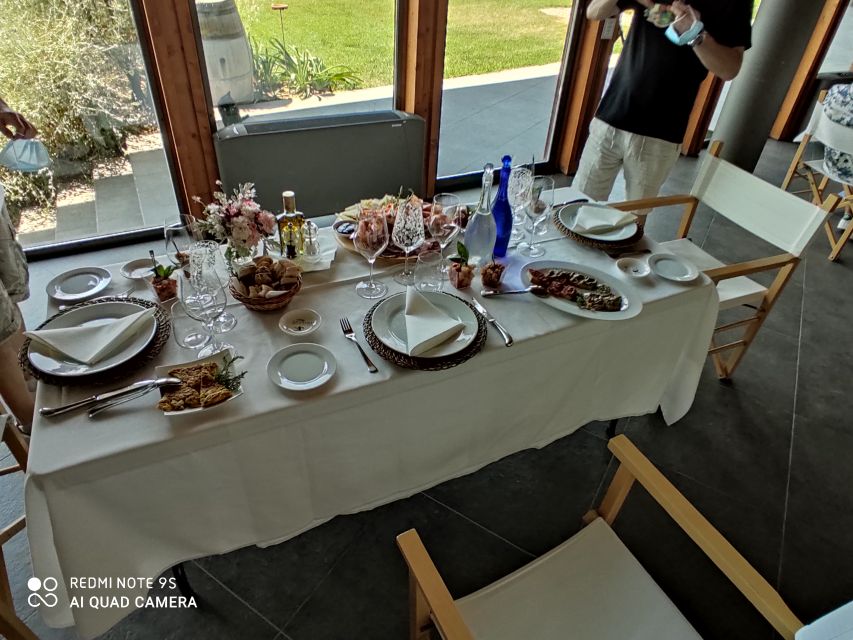
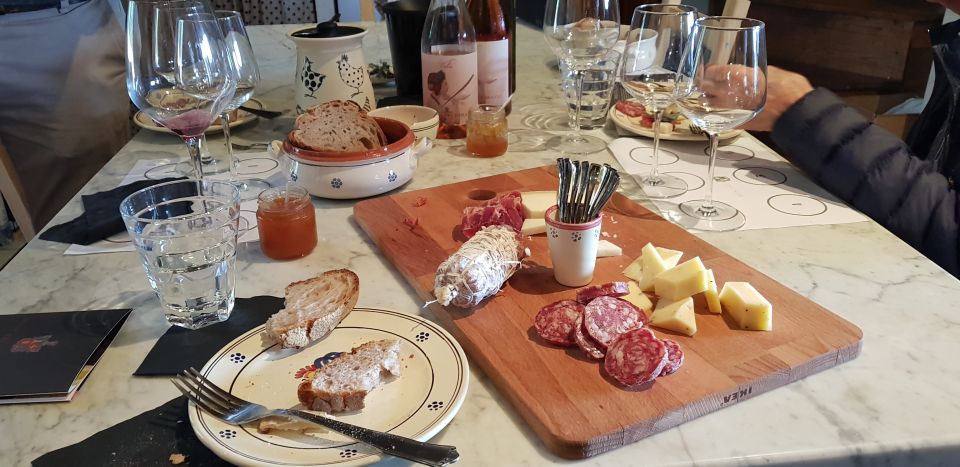
Wine tastings go better when your stomach isn’t empty, and this tour includes snacks plus typical local pairings during the tasting. The tour description says you’ll taste the wines accompanied by typical enogastronomical products of the flat land halfway between sea and mountain.
In the better experiences from people who did the day, the pairings included things like salami and cheese and bread, along with vineyard olive oil. That matters more than it sounds. These Italian pairings help you notice acidity, tannins, and fruit character. They also turn the tasting into a real meal moment, not just a handful of sips.
Also, because extra food and drinks are not included, you’ll want to pace yourself. If you know you get hungry late in the afternoon, you might still want to plan a bigger meal back in Civitavecchia (or wherever you’re staying) so you’re not paying again on the tour.
Guide Mirko and the small-group advantage
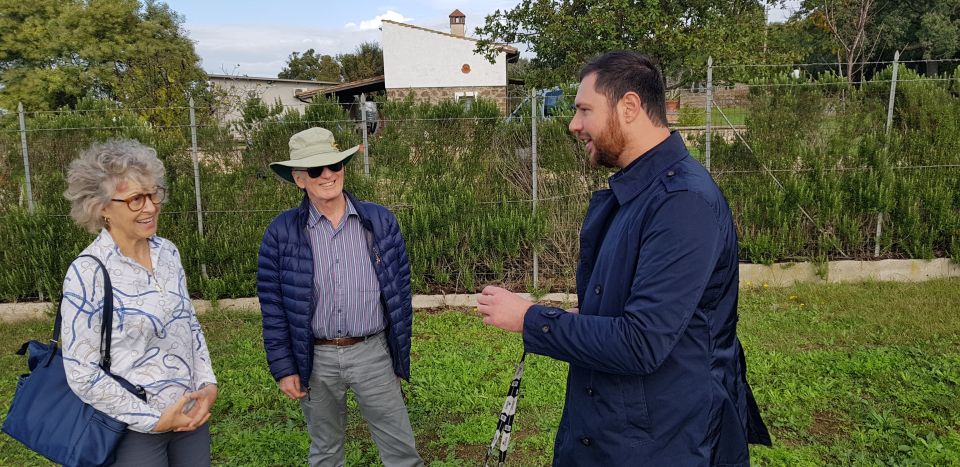
The small group size—limited to 8 participants—changes the vibe fast. With fewer people, the guide can ask questions, keep the schedule moving, and translate wine talk into something you can actually use.
The name Mirko shows up in the best stories about the day: he’s described as warm and friendly, proud of the region, and on top of details like punctual pickup. People also mention he helped with photo opportunities—basically, giving you little prompts for when the view is worth stopping for the camera.
I’m a fan of that. It’s not just about the scenery; it’s about not missing the good moments because everyone’s rushing. With a group this size, it’s easier for the guide to manage pace and attention without turning it into a factory tour.
Practical rules at the wineries (so you don’t get tripped up)
Wine days are relaxed, but there are a few clear “know before you go” items:
- No sleeveless shirts allowed.
- No video recording and no photography inside.
- Wear comfortable shoes.
That last one is key. Even if the tasting room is comfortable, the path between areas (and any time outside in vineyards) can be uneven or just more demanding than you expect. If you like to wear nice shoes on vacation, save them for dinner.
What the day feels like for different travelers
If you’re coming from a cruise and want to dodge Rome crowds, this tour is a strong fit. It’s built for a single day, includes the pickup details, and keeps the focus on real regional flavor rather than checklist sightseeing.
It also suits you if you’re curious about wine but don’t want a course-length experience. You get real cellar explanations, plus a structured taste set, and you leave with specific wines to remember—not just vague impressions.
If you’re sensitive to time on the road, this is the main consideration. Between Civitavecchia, the drive to Maremma, and the back-and-forth, you’ll spend a good chunk of the day in transit. That’s not a deal-breaker, but it helps to know what you’re signing up for.
Price and value: is $243.56 a good deal?
At $243.56 per person, you’re paying for more than “two tastings.” This price includes roundtrip transfer, a driver, a live English guide, 2 cellar visits, 3 wines at each cellar, and snacks. There’s also hotel/port pickup and drop-off built into the package.
That’s important for value. Many tours charge extra for transfers or skim on tastings. Here, the structure is clear: you’re getting time with hosts, tastings with specific wine counts, and local pairings—without needing to organize transport or pay separately for entry.
Is it cheap? No. But for a day trip from a cruise port, it can be a good use of money if you actually care about wine culture and want a guided format that runs on schedule.
Should you book this Tuscany-Latium Wine Tour?
I’d book it if you want a focused Tuscany day that’s more wine education and less random wandering. The two cellar visits, the chance to taste Morellino di Scansano (DOCG), and the small-group setup are the big reasons to choose it.
I’d skip it if you want a very hands-off, relaxed vacation with minimal driving. Also think twice if you dislike rules about clothing or photography at wineries—those are straightforward here, so plan your outfits accordingly.
If you’re short on time in Lazio and you want a real slice of Maremma, this is the kind of day trip that earns its place on your itinerary.
FAQ
How long is the tour from Civitavecchia?
The tour duration is listed as 6.5 hours.
How many wineries or cellars do you visit?
The experience includes 2 cellar visits, and at each cellar you’ll have a tasting of 3 wines. The broader description also mentions that some options may involve 2 or 3 different wineries, depending on what you select.
Where do I meet the driver at the port?
For pickup from Civitavecchia Port, the meeting point is Largo della Pace, Terminal Cruise Shuttle Bus. The driver waits outside the port exit holding a sign with your name.
Is there a live guide, and what language do they speak?
Yes, there is a live tour guide and the tour is offered in English.
What’s included in the price?
Included are hotel or port pickup and drop-off, roundtrip transfer, the driver, 2 cellar visits, tastings of 3 wines at each cellar, and snacks.
What should I bring or wear?
Bring comfortable shoes and swimwear. Avoid sleeveless shirts, since they are not allowed.