REVIEW · ROME
Food and Wine tour: Ghetto & Trastevere Culinary Adventure
Book on Viator →Operated by Attractions in Rome · Bookable on Viator
Food meets history in Rome’s tight lanes. This 4-hour Rome food and wine tour pairs an art historian guide with tastings and wine in spots off the tourist trail, moving through iconic districts you can actually walk through.
I like the way the guide’s commentary turns lunch into something you remember, not just something you eat. I’m also a fan of the food-and-drink variety built into the route, including wine tasting, plus water and coffee or tea along the way.
One thing to plan for: this is a walking-focused experience with moderate fitness needed, and it depends on good weather, so your day should stay flexible.
In This Review
- Key highlights you’ll feel during the walk
- A 4-hour Rome loop that mixes streets, stories, and bites
- Why Campo de’ Fiori sets you up fast
- Antico Quartiere Ebraico: where the food tour feels like a neighborhood tour
- Il Portico Di Ottavia: tasting while you read the street scene
- Isola Tiberina: a scenic pause built into the itinerary
- Piazza Trilussa: a breather before the Trastevere finish
- Basilica di Santa Maria in Trastevere: finishing with local pride
- What’s included in your tastings (and how that affects value)
- Private tour with up to 12: the real benefit is pace
- Who should book this Rome food and wine adventure
- Price of $549.24: what you’re paying for, and why it might be worth it
- Practical tips so your day stays smooth
- Should you book this Rome Food and Wine tour?
- FAQ
- How long is the Rome Food and Wine tour?
- Where do I meet, and where does the tour end?
- Is hotel pickup included?
- What’s included in the tastings and drinks?
- Is this tour private, and what’s the group size limit?
- What’s the cancellation policy if the weather turns bad?
Key highlights you’ll feel during the walk
- Art historian guide commentary that explains what you’re seeing while you eat
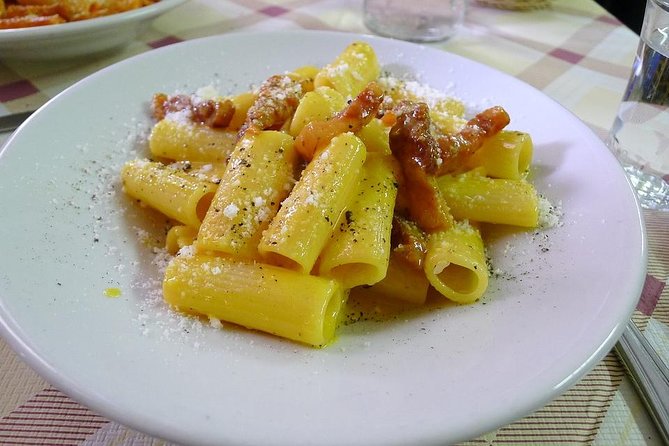
- Multiple tastings across well-known Roman neighborhoods, not just one restaurant
- Wine tasting plus bottled water, coffee or tea, and alcoholic beverages (18+)
- Private format with a maximum of 12 people, so the pace feels more personal
- Built for off-the-tourist-trail moments, including “secret places” inside and around restaurants
A 4-hour Rome loop that mixes streets, stories, and bites
If you want Rome that feels like it lives in the present, not a museum tour, this is the kind of food outing that works. The plan takes you through several famous areas on foot, with tastings that help you understand why the local food culture is so repeat-worthy.
The big reason this tour works is that you’re not just chasing flavors. You’re also getting an art historian guiding the route, which means you’ll hear context while you’re standing in the streets, not later on a screen. That’s a great use of time in a city where even a short walk can feel like work if you don’t have a story to hold onto.
You’ll also appreciate the “inside restaurants and secret places” approach. Rome can be a maze of quick turns and crowded viewpoints. Here, the food stops create a rhythm, so you’re walking because it makes sense for the day, not just to cover distance.
You can also read our reviews of more food & drink experiences in Rome
Why Campo de’ Fiori sets you up fast
Your meeting point is Campo de’ Fiori, and that matters more than you’d think. Starting in a central, recognizable area helps you get your bearings quickly before the tastings begin.
This opening phase is also where the guide’s voice sets the tone. You can expect detailed commentary from the art historian guide as you begin moving through the neighborhoods. It’s the kind of start that helps you notice details that you’d otherwise gloss over.
The drawback at the start is simple: because you begin at the meeting point and end back there, you should show up ready to walk from the very beginning. Bring comfortable shoes and keep your phone charged, because you’ll likely want to capture a few scenes along the way.
Antico Quartiere Ebraico: where the food tour feels like a neighborhood tour
One of the stops is Antico Quartiere Ebraico, which signals that this isn’t a generic “Rome hits” route. You’re moving into an area known for layered culture, and the tour uses that setting to connect food to place through the guide’s commentary.
Food tours can sometimes feel like a sequence of trades: you give time, you get bites, you shuffle along. Here, the neighborhood stop approach aims to slow that rhythm down a bit by giving you context while you sample. That’s especially helpful if you care about why something tastes the way it does, not just what it is.
If you have dietary restrictions, this is also the moment to be extra clear. The tour specifically asks you to advise any dietary requirements at booking, and it says allergies or intolerances must be communicated since it’s mandatory for a food tour. So if you’re going to worry, worry early and tell the team up front.
Il Portico Di Ottavia: tasting while you read the street scene
Next on the route is Il Portico Di Ottavia. As a stop, it helps bridge the morning-to-lunch feeling: you’re not just passing through Rome, you’re stopping in meaningful locations that keep the day from turning into one long line of restaurants.
This is one place where an art historian guide adds real value. Even without turning into a lecture, the commentary can help you notice architectural cues and street-level details that shape the vibe of the area. And since tastings are built into the pacing, you’re not wandering until you find your next meal. You’re eating along the way.
What to watch: if you’re sensitive to crowds, give yourself a buffer. Food walks in central Rome can get busy around restaurant entrances and narrow sidewalks, even when the route is designed to keep you moving.
Isola Tiberina: a scenic pause built into the itinerary
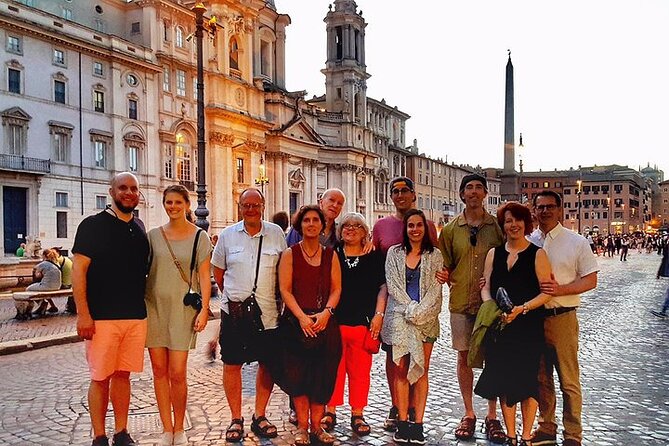
Then you reach Isola Tiberina. I like this kind of stop because it adds variety to the day’s visuals. If your previous sightseeing has been mostly “look, read, walk, repeat,” a setting like this can help you reset without losing momentum.
Practically, it’s also smart that the tour doesn’t treat the day like only a chain of food counters. A stop like this gives your brain time to catch up: you taste something, then you take in the surroundings, then you taste again. That pacing makes the whole thing feel coherent within the roughly 4-hour time window.
Because the tour is weather-dependent, your experience here will also depend on how conditions feel that day. If it’s windy or rainy, expect it to impact how long you’ll enjoy the outdoor bits between stops. Wearing layers helps you stay comfortable and keep the day enjoyable.
You can also read our reviews of more tours and experiences in Rome


Piazza Trilussa: a breather before the Trastevere finish
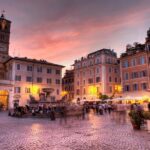
The route includes Piazza Trilussa. This stop is a helpful shift in mood. After moving through the ghetto-adjacent areas and crossing into a different part of the city’s rhythm, a square stop can feel like the tour gives you a breather while still keeping you on schedule.
This is also where the “private tour” format can show up in real life. With a maximum of 12 people, it’s easier for your guide to keep track of the group and adjust pacing if someone needs a slower moment. That matters on a food-and-walk day because the last thing you want is to feel like you’re competing with the clock.
If you’re traveling with someone with a different appetite (or someone who drinks less alcohol), the structure still works because there are included non-alcohol options like coffee and/or tea. And bottled water is included, which you’ll genuinely appreciate in Rome heat.
Basilica di Santa Maria in Trastevere: finishing with local pride
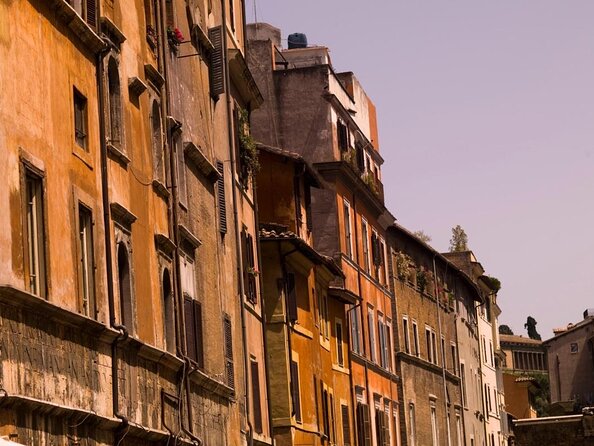
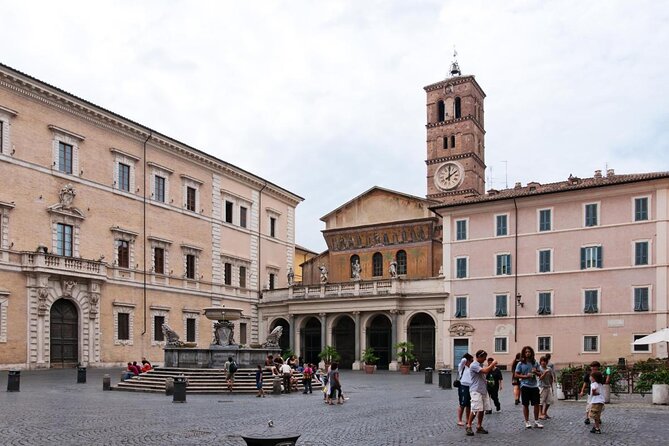
The last listed stop is Basilica di Santa Maria in Trastevere. This is a strong finishing point because Trastevere is one of those areas where the streets feel like they belong to locals, not just passing crowds.
By the time you reach the end, your guide’s art historian commentary is likely doing its job: you’ve walked through neighborhoods that look different from each other, and you’ve eaten along the way. That combination is what turns a “food tasting” into an actual experience of Rome.
One practical note: the tour ends back at the meeting point. So even if the last stop feels like a final moment, plan on the walk back. It’s not long enough to ruin the trip, but it is enough that you’ll want energy and water.
What’s included in your tastings (and how that affects value)
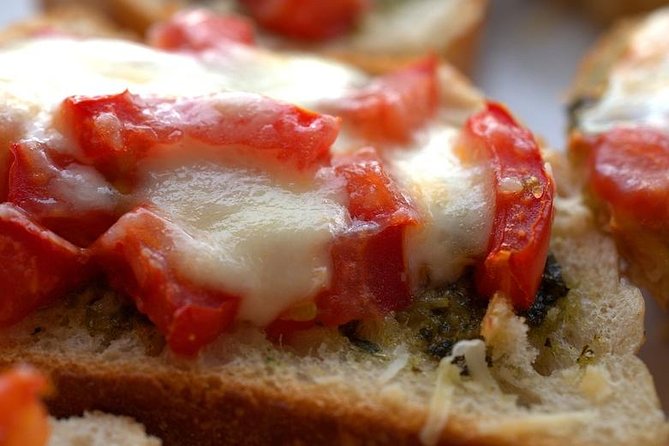
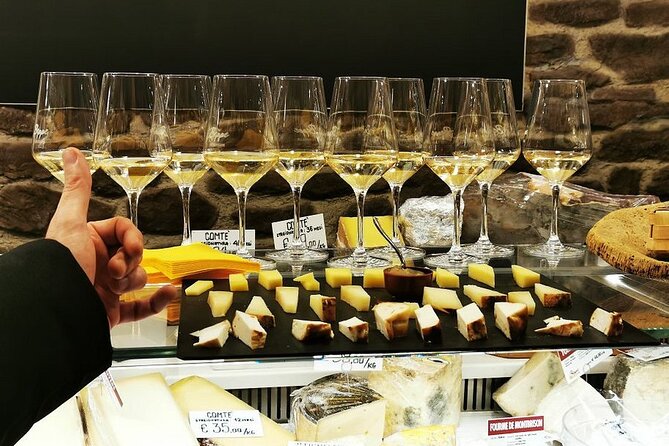
Here’s what your tour price includes: food tasting, wine tasting, an art historian professional guide, bottled water, coffee and/or tea, and alcoholic beverages.
That matters because food tours can vary wildly in what’s actually covered. In this case, you’re not only paying for a guided walk—you’re paying for a chunk of the day’s eating and drinking budget.
The wine tasting is also a plus if you like pairing food with context. Even if you don’t drink a lot, having wine included makes the “food tour math” easier: you can focus on enjoying the flavors instead of constantly asking what’s extra.
Also, there’s a clear rule: the minimum drinking age is 18. If you’re coming with anyone under that age, this tour’s included alcohol won’t be part of their experience, and you should still check how dietary accommodations work for them at booking.
Private tour with up to 12: the real benefit is pace
The tour is described as private, and you’ll have only your group participating, with a maximum of 12 people. In practice, that usually means less chaos than a large group bus-style tour and more flexibility if you need a moment.
I like this format for food tours because it changes the tone. With a smaller group, you’re more likely to hear the guide clearly, ask questions without shouting, and move through tastings without feeling like you’re getting shoved along.
You’ll also want to keep in mind the “moderate physical fitness” note. This doesn’t mean extreme hiking. It does mean you should be comfortable walking and standing for the full approx. 4 hours, including transitions between stops.
Who should book this Rome food and wine adventure
This tour fits best if you want:
- A guided walking route with tastings that don’t feel random
- The combo of food + art historian commentary
- A format that stays small (max 12) and feels more like a plan than a scramble
It may be less ideal if you want a sit-down meal only, with minimal walking. Also, if you get cranky about stepping in and out of restaurants repeatedly, plan to wear shoes that can handle that routine.
If you’re bringing up dietary needs, do it early. The tour asks you to advise specific dietary requirements at booking, and it stresses that allergies or intolerances must be communicated because it’s mandatory for a food tour. That’s the kind of policy that makes tastings safer and more enjoyable for everyone.
Price of $549.24: what you’re paying for, and why it might be worth it
At $549.24 per person, the first reaction is natural: that’s not a cheap snack-and-stroll.
But when you look at what’s included—multiple food tastings, wine tasting, plus water, coffee/tea, and alcoholic beverages—the price starts to look like you’re buying a full guided program. You’re paying for:
- A professional art historian guide
- A planned route through several neighborhoods
- A significant portion of your meal and drink costs
- The time it takes to organize tastings in specific places
If you’d otherwise spend this amount piecing together multiple restaurants, wine bars, and a guide separately, this can feel more efficient. If you only want a quick casual bite without wine, you might decide the price is harder to justify. The value is strongest if you’ll use what’s included—especially the tastings and the guide’s story-driven approach.
Practical tips so your day stays smooth
A few small things can make a big difference on a 4-hour food walk in Rome:
- Wear comfortable shoes. You’ll be on foot across multiple stops.
- Bring a layer. The tour runs outdoors between restaurant moments, and weather can shift.
- If you have allergies or intolerances, communicate them at booking. Don’t wait for the day-of.
- If you’re 18+, expect alcohol to be part of the included experience, and plan accordingly.
Also note: there’s no hotel pickup and drop-off. You meet at Campo de’ Fiori and return to the same meeting point. Since it’s near public transportation, you can plan your arrival and departure around transit without needing a car.
Should you book this Rome Food and Wine tour?
Yes, if you want Rome to feel guided and local at the same time. The standout element is the combination of art historian commentary with a tasting-heavy route through the Ghetto side and Trastevere, in a smaller private format.
I’d book it especially if you care about dietary flexibility and want a team that takes allergy and intolerance communication seriously. One review specifically praises accommodation for vegetarian needs, and that lines up with the tour’s emphasis on advising dietary requirements at booking.
Skip it only if your priority is a low-walking, sit-down meal day, or if you’re the type who dislikes weather-dependent plans.
FAQ
How long is the Rome Food and Wine tour?
It runs for about 4 hours.
Where do I meet, and where does the tour end?
You start at Campo de’ Fiori, 00186 Roma RM, Italy, and the tour ends back at the meeting point.
Is hotel pickup included?
No. Hotel pickup and drop-off are not included.
What’s included in the tastings and drinks?
The tour includes food tasting, wine tasting, bottled water, coffee and/or tea, and alcoholic beverages.
Is this tour private, and what’s the group size limit?
It’s private, and the maximum group size is 12 people per booking.
What’s the cancellation policy if the weather turns bad?
You can cancel for a full refund up to 24 hours in advance. The experience requires good weather, and if it’s canceled due to poor weather, you’ll be offered a different date or a full refund.