REVIEW · ROME
Eat Like a Roman – Traditional Food, Local Market & History
Book on GetYourGuide →Operated by Roma Eat · Bookable on GetYourGuide
Rome tastes like a secret lesson. This Eat Like a Roman food walk turns Lazio into real flavors, with 20+ tastings and history stitched into every stop. I especially like the chance to shop at the biggest Farmers Market in Italy and get VIP access inside one of Rome’s oldest pasta shops. One consideration: it’s not suitable for vegans, and you’ll be on your feet for a full 3 hours.
I also like that the day is built around family-run places that have served locals for generations. You’ll meet partners in local shops, where the owners have kept the same traditions through the years, and you’ll hear how old Rome still shows up in what’s on your plate today. For the smoothest experience, wear comfortable shoes—this runs rain or shine—and plan to walk at a daytime pace.
In This Review
- Key highlights you’ll feel right away
- A 3-hour Rome food tour that actually teaches you what you’re eating
- Coffee and homemade cornetti with a nonna at the controls
- The biggest Farmers Market in Italy: shop-smart Roman style
- Mozzarella, prosciutto, and supplì: where street food becomes a lesson
- Organic olive oil and an old-school bakery with pizza crunch
- VIP access inside one of Rome’s oldest pasta shops
- Wine and Apulian street food energy (daytime style)
- Gelato finish: a Pope-favorite stop that feels old-school
- The Vatican district, rooftop 360° views, and off-the-beaten-path pacing
- Price and value: what $79.30 buys you in real Rome time
- Who this tour suits best (and who should think twice)
- Small tips that make your tasting day easier
- Final decision: should you book Eat Like a Roman?
- FAQ
- FAQ
- How long is Eat Like a Roman?
- How much does the tour cost?
- Is transportation from my hotel included?
- What language is the tour guide?
- What food is included?
- Is it suitable for vegans?
- Does it run in bad weather?
- Is the tour wheelchair accessible?
- What should I wear for this tour?
- Can I cancel for a refund?
Key highlights you’ll feel right away
- Farmers Market in Italy’s biggest scale: learn what Romans look for and how they snack while they shop
- VIP pasta-shop access: see how pasta is made in a shop with century-old roots
- Family-run tasting stops: meet shop owners who keep traditions going generation to generation
- Pope-favorite gelato: finish with real Roman sweetness at a small, respected place
- 360° rooftop relaxation: take in Rome from above before you head back to street level
A 3-hour Rome food tour that actually teaches you what you’re eating
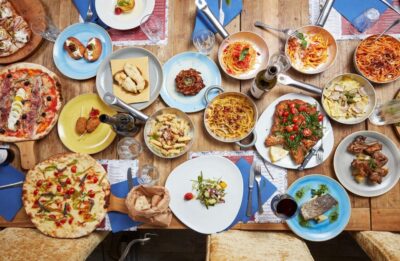
A good Rome food day does two things at once: it feeds you and it explains the why. This one does both, with storytelling about the city, its history, and even archaeological secrets—so your tastings land with context, not just “try this, it’s good.” The format is built for a daytime rhythm: shop, snack, learn, sit briefly, and then snack again.
At $79.30 per person for 3 hours, it’s not just a single meal experience. You’re getting more than 20 food and wine tastings, plus a guide, and a tote bag. For me, that’s where the value comes in: paying for a pile of small tastes usually costs more when you try to do it on your own across multiple neighborhoods.
And you’re not stuck at the same kind of place the whole time. The day moves through coffee culture, a major market, street food, an old bakery, pasta making, and gelato—plus a scenic rooftop finish. That variety matters because Roman cuisine isn’t one dish; it’s a whole way of eating, from morning snacks to late-afternoon treats.
You can also read our reviews of more food & drink experiences in Rome
Coffee and homemade cornetti with a nonna at the controls
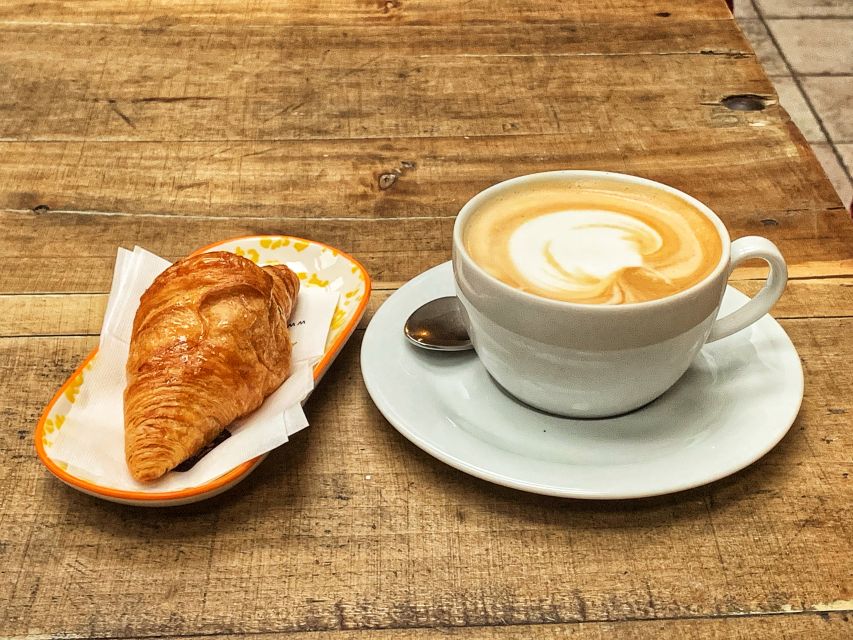
You start in a local bar where coffee is treated like part of the routine, not a “warm-up.” The big hook here is the cornetti, which are homemade by a 70-year-old nonna. That’s the kind of detail that changes how you taste: you’re not just ordering a pastry, you’re getting a tradition made by someone who has done it for decades.
Why I like this stop for you: it sets expectations early. You’ll get a feel for how Romans do breakfast—quick, practical, and delicious—then the rest of the walk makes more sense when the day becomes all about simple, top-quality ingredients.
What to watch for: pastries are part of the early plan, so if you’re extra sensitive to dairy or you’re trying to keep your stomach calm, pace yourself. This is a tasting tour, and they’re not trying to make you miss anything.
The biggest Farmers Market in Italy: shop-smart Roman style
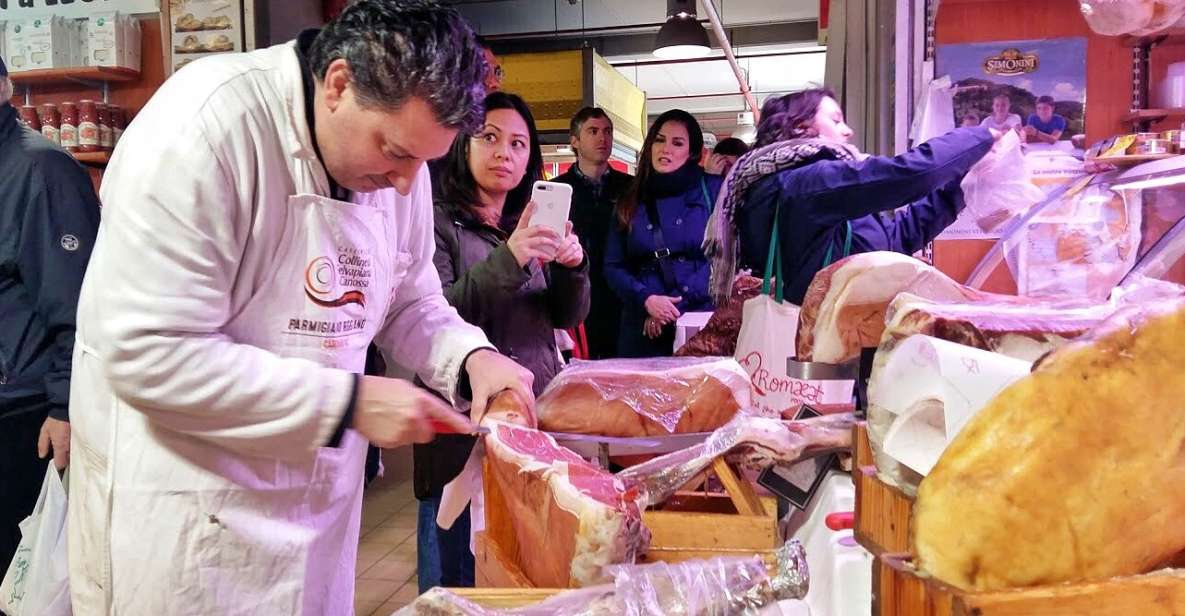
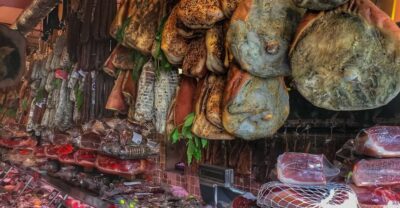
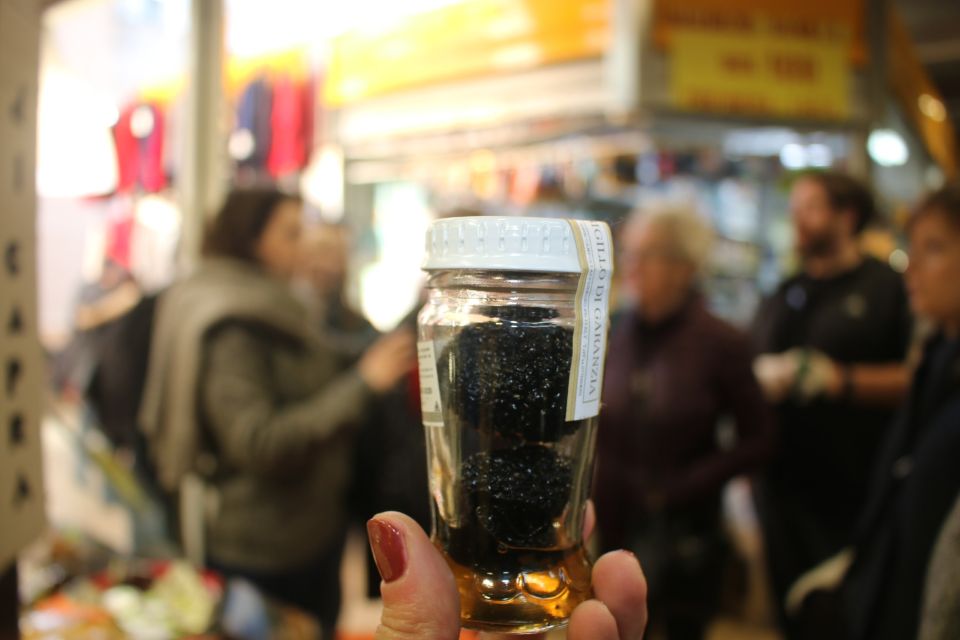
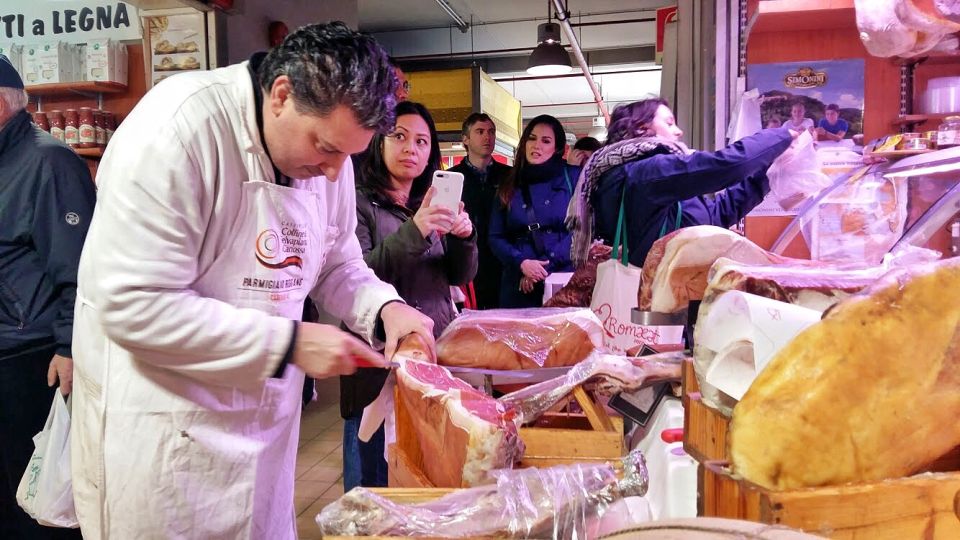
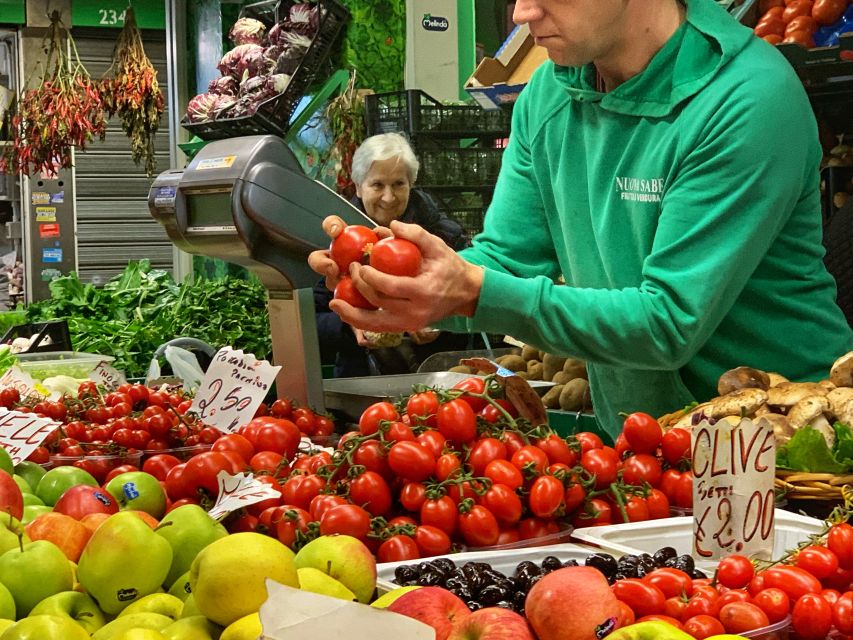
Next up is the market—the biggest Farmers Market in Italy—and this is where the whole experience becomes more than eating. You’ll discover secrets and traditions of the families who own the stalls. It’s not the kind of market visit where you just look and take photos. You’ll actually eat and learn how locals think about food.
This stop is valuable because market shopping in Rome isn’t only about groceries. It’s where relationships start and where quality is visible. If you’ve ever wondered how people keep getting great mozzarella and produce without hunting all day, this is the answer: they know where to go, and they trust the same hands over time.
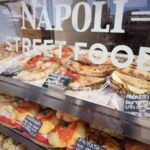
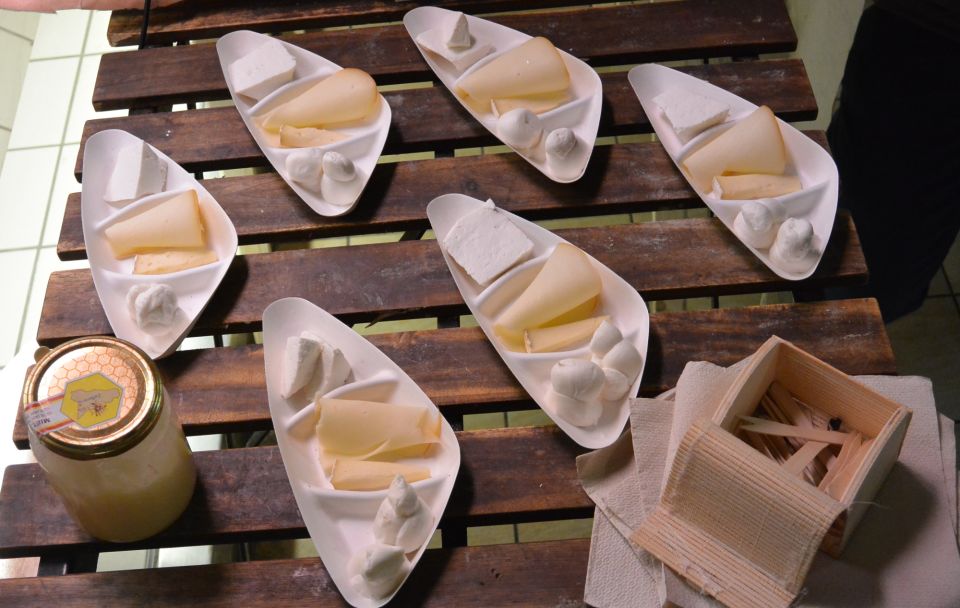
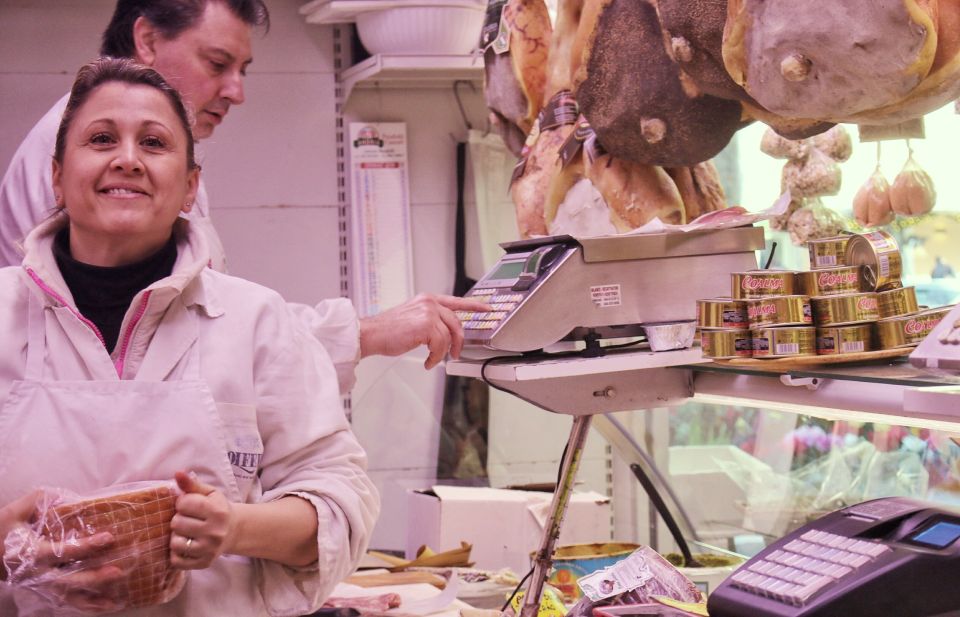
Expect to taste classics that match the market’s focus: mozzarella, prosciutto, and aged cheeses, plus supplì—the king of Roman street food—fried hot and served to you when the day is moving. Supplì are one of those foods that can be a mess if you’re not ready, so plan for the fact that you’ll be eating something freshly fried during a walking tour.
Mozzarella, prosciutto, and supplì: where street food becomes a lesson
Roman street food sounds simple, but it has rules. Here you’ll taste the key players: creamy mozzarella, salty prosciutto, and aged cheeses that have that deeper, nutty edge you only get when the aging is real. You’ll also get supplì, which is famous in Rome for a reason: it’s crunchy outside, hot inside, and built for grab-and-go eating.
The smartest part of this segment is that it’s paced like a story. The guide doesn’t treat the tastings as separate events; they connect them to how Romans build a meal from strong ingredients. Once you’ve tasted multiple cheese styles and paired them with market picks, you start to see why Roman food can feel both rustic and precise.
Potential drawback: because this is tastings-heavy, you’ll want to treat it like a meal. If you try to eat light earlier, you’ll still end up full later. And if you’re the type who hates fried foods or avoids strong cheeses, this section can be harder to enjoy.
Organic olive oil and an old-school bakery with pizza crunch

After the market, the day takes a turn toward taste science—without getting boring. You’ll taste an organic olive oil, awarded as the best in the world in 2018. That matters because olive oil is the backbone of Roman flavor. Even if you’re not an “oil person,” tasting a top-ranked product makes it easier to understand why Italians talk about it like it’s not just an ingredient.
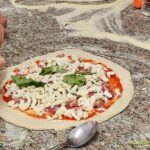
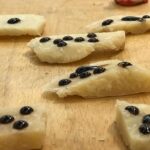
Then comes a classic stop: a crunchy pizza at the oldest bakery of the area, opened in 1915. The age of the bakery isn’t just trivia. It usually means consistency. When a place has been operating since the early 1900s, you’re tasting a method that has been repeated and refined, not reinvented every week.
This is also a great place to refuel if you’ve been walking and snacking. Pizza in a bakery like this tends to be quick to eat, easy to share, and perfect between heavier tastings.
You can also read our reviews of more tours and experiences in Rome


VIP access inside one of Rome’s oldest pasta shops
This part is the headline for a lot of people, and it deserves it. You’ll get exclusive VIP access inside the oldest pasta shop of Rome, with a lesson on how they make pasta that’s been going for more than one century.
Why this stop hits: pasta is everywhere in Rome, but you rarely see the craft behind it during a typical sightseeing day. Here, the point isn’t just to say pasta is good—it’s to show you how the dough becomes something with the right texture and bite. You also get storytelling about the shop’s long-time role in the neighborhood’s food culture.
If you care about authenticity, this is one of the best uses of guided time you can buy. It turns a common food into a craft you can recognize later when you’re ordering on your own.
Wine and Apulian street food energy (daytime style)
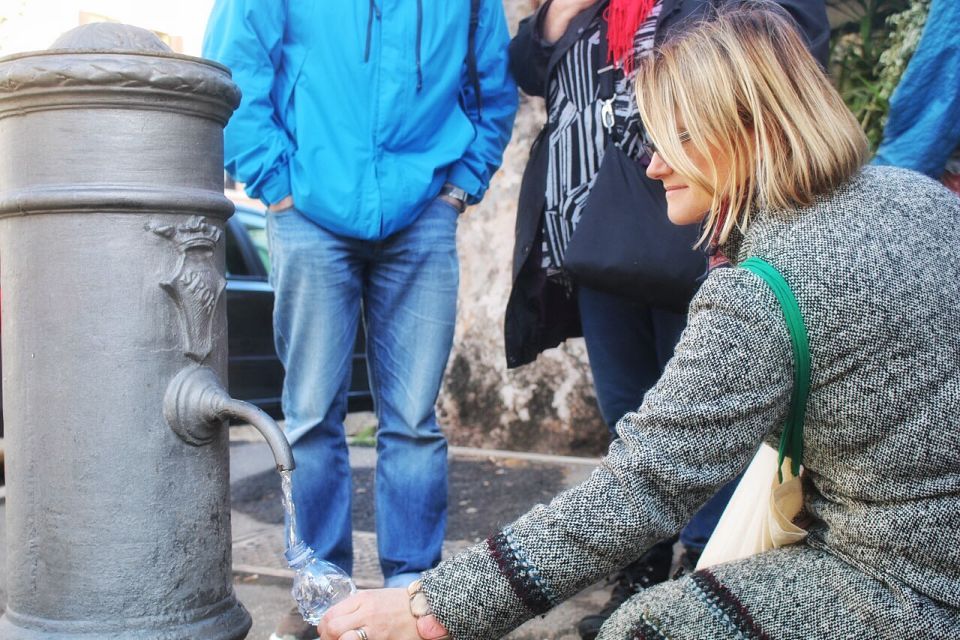
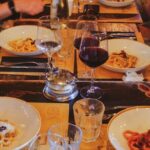
After the pasta lesson, you’ll stop in an Apulian street food shop, where you’ll drink local wine. This is a nice gear shift. Rome cuisine is the thread, but Italian food culture across regions often shares the same spirit: good ingredients, small portions, and flavor that doesn’t need loud presentation.
This is also a useful moment if you need a social pause. A wine stop gives your legs a break, and it helps reset your appetite for sweetness.
One thing to consider: if you’re sensitive to alcohol or you prefer not to drink, you still may be around a tasting environment. The tour data confirms a wine tasting, so plan accordingly.
Gelato finish: a Pope-favorite stop that feels old-school
Then you reach the sweet payoff: amazing real gelato in a tiny hidden place, elected by the Pope as his favorite gelato place. You’ll taste it after all the savory stops, so it lands as a true finish, not a random dessert. The “tiny hidden place” part matters too—small gelaterias often have fresher, simpler menus and a reputation built over time.
I like making gelato the last big taste because you don’t have to worry about it fighting with everything else on your plate. You get to end the tour feeling light, happy, and slightly obsessed with what you’re craving next.
The Vatican district, rooftop 360° views, and off-the-beaten-path pacing
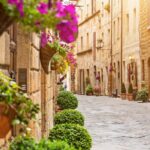
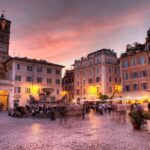
You’ll walk in the Vatican district, but in a way that stays totally off the beaten paths. That’s a big deal if you’ve ever tried to see this area during peak crowds and felt like you were just moving through a traffic jam of people.
The day ends with relaxation: a stunning 360° view of Rome from a rooftop. This rooftop moment is more than a photo stop. It gives your brain a layout of the city you’ve just been tasting. When you look out over Rome, the day’s stories about the city and its secrets start to click—you can connect the neighborhoods to what you learned.
Also, because you’re ending with a view, you’re less likely to feel rushed. You’ve eaten your way through the best parts of the storyline, and now you get the payoff.
Price and value: what $79.30 buys you in real Rome time
Let’s talk money in the way it matters: what you’re getting for your day. You’re paying $79.30 for a 3-hour tour that includes:
- All food and wine tastings (20+ items)
- An organic cotton tote bag
- An English-speaking Roman guide
Transport isn’t included, so you’ll need to handle getting to the start and back on your own.
Here’s the value math: if you tried to replicate this independently, you’d likely spend far more just on multiple tastings across different places—especially when you add wine and a guided food-history narrative. You’d also spend time figuring out where to go and how much to eat. This tour compresses all of that into one organized flow.
So is it worth it? If you like food and want a guide to connect the dots between markets, crafts, and Roman traditions, yes. If you only want one or two tastings and you’re picky, the price might feel steep for you.
Who this tour suits best (and who should think twice)
This works best if you enjoy:
- Hands-on food days where you actually taste a lot
- Learning how Rome eats, not just what it eats
- Market culture and family-run spots
- A mix of savory and sweet, plus wine and gelato
- The idea of a guide walking you through story + flavor
It’s not a great match if you’re a vegan, since the tour is not suitable for vegans. If you’re lactose-intolerant or avoid pork, cheese, and fried foods, you might find the menu challenging—because the tastings center those classic Roman items.
Small tips that make your tasting day easier
If you want the best experience, plan for comfort and appetite.
- Wear shoes you trust. You’ll be walking from stop to stop for the full 3 hours.
- Bring a bit of room in your stomach. With 20+ tastings, you’ll feel full even if you pace.
- Ask questions early. The guides are known for being patient and willing to answer, and the more you ask, the more the food stories make sense.
- Keep your trash together. Fried snacks and gelato wrappers add up fast—small bag helps.
Final decision: should you book Eat Like a Roman?
I’d book this if you want a Rome food day that feels practical and genuine: market first, then craft, then street food, then gelato—plus the rooftop view to cap it all. The best part isn’t any single dish; it’s the way the tour turns Rome’s food routine into a guided experience that’s easy to follow and hard to forget.
Skip it if vegan needs are central, or if you want a lighter, less food-focused outing. For most people who like to eat their way through a city, this is a strong choice—especially if you care about where the food comes from, and not just how it tastes.
FAQ
FAQ
How long is Eat Like a Roman?
The tour lasts 3 hours.
How much does the tour cost?
The price is $79.30 per person.
Is transportation from my hotel included?
No. Transport to and from your hotel isn’t included.
What language is the tour guide?
The live tour guide speaks English.
What food is included?
The tour includes all the food and wine tastings, with more than 20 tastings during the experience.
Is it suitable for vegans?
No. It’s not suitable for vegans.
Does it run in bad weather?
Yes. The tour takes place rain or shine.
Is the tour wheelchair accessible?
Yes, it is wheelchair accessible.
What should I wear for this tour?
Wear comfortable clothing and shoes suitable for walking.
Can I cancel for a refund?
Yes. You can cancel up to 24 hours in advance for a full refund.